Hospital food service management ppt powerpoint presentation slides portfolio cpb

Rating:
87%
Hospital food service management ppt powerpoint presentation slides portfolio cpb
Slide 1 of 2

or

Favourites Favourites

Try Before you Buy Download Free Sample Product

Audience Impress Your
Audience
Editable 100%
Editable
Time Save Hours
of Time
The Biggest Sale is ending soon in
0
0
:
0
0
:
0
0
Rating:
87%
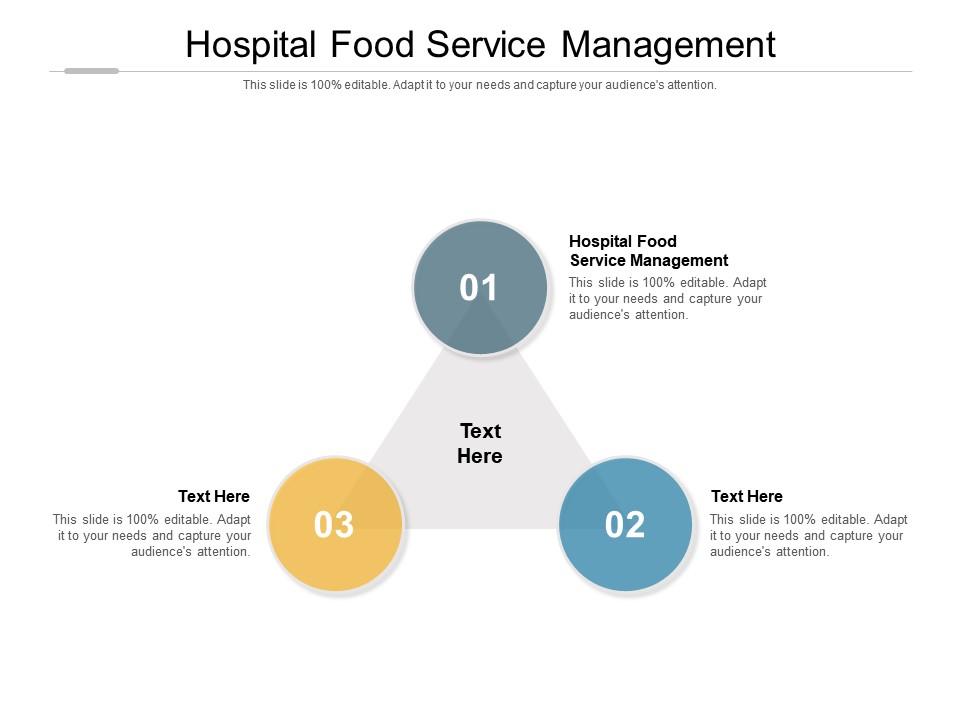
Presenting this set of slides with name Hospital Food Service Management Ppt Powerpoint Presentation Slides Portfolio Cpb. This is an editable Powerpoint three stages graphic that deals with topics like Hospital Food Service Management to help convey your message better graphically. This product is a premium product available for immediate download and is 100 percent editable in Powerpoint. Download this now and use it in your presentations to impress your audience.

FAQs for Hospital food service management ppt powerpoint presentation

Okay so there's basically four big things you gotta get right. Menu planning is huge - you're dealing with all these dietary restrictions and nutrition requirements. Then there's inventory stuff to keep costs down and not waste food. Staff scheduling and training is another headache, plus all the food safety protocols (which honestly, the regulatory side is such a pain but you can't skip it). Communication between your kitchen and clinical staff is key too - they know what patients actually need. Oh, and cost control will drive you crazy because you're trying to do quality food on practically no budget. I'd start by figuring out what's broken first, then fix the worst stuff.

Honestly, mix up your menus with some actual comfort food - patients are already having a rough time, so give them something decent to eat! Train your staff to be friendly when they drop off meals, it makes such a difference. Oh and definitely handle special diets fast - kosher, vegan, pureed stuff, whatever they need. Don't stick to rigid meal times either since sick people get hungry at weird hours. I swear, rotating the menu options keeps things from getting boring too. The food service thing is way more important for patient happiness than most hospitals realize.

Look, nutrition is huge for patient care - it's literally part of their recovery process. Hospital food already has this terrible reputation, so you're fighting an uphill battle there. But you've got to balance all these therapeutic diets and medication interactions while somehow making food people actually want to eat. Get your registered dietitians involved in menu planning from the start. They'll help make sure meals actually support healing outcomes. I'd start by doing an audit of what you're serving now with your nutrition team. Figure out where you can boost both the nutritional value and patient satisfaction at the same time.

Hospital food service is basically all about the regulations - they control everything from temps to storage to staff training. The stakes are crazy high since you're feeding vulnerable patients, not regular customers. Temperature controls, HACCP protocols, sourcing standards - it covers the whole process right down to how you get meals up to patient floors. Honestly the paperwork alone is overwhelming at first. Your entire operation has to revolve around compliance checkpoints. Get your team ServSafe certified ASAP and just build those safety checks into your daily routine. It'll become automatic eventually.

Budget's gonna be your biggest headache - hospitals have crazy tight food budgets. You're always trying to balance decent quality with keeping costs low per meal. Supply chain stuff is brutal too. Finding vendors who can handle huge volumes AND meet all the strict food safety rules? Not easy. Seasonal produce throws off menu planning constantly, which is super annoying. I swear it's like Tetris but with food sometimes! Best move is probably finding 2-3 solid distributors who actually get healthcare requirements and won't flake on you.

Honestly, tech can be a game-changer for food service ops. Start with inventory software - it'll track expiration dates and auto-reorder stuff when you're running low, which is huge. Digital ordering systems are clutch too since nurses can request meals right from their stations instead of playing phone tag all day. Temperature sensors help you stay compliant without babysitting thermometers constantly. Oh, and don't go crazy trying to upgrade everything overnight - that's a recipe for chaos. Pick one system first, get comfortable with it, then add more. The kitchen equipment that monitors cooking times is pretty sweet once you're ready for that step.

Start with allergen management and get those menus clearly labeled - gluten-free, diabetic, low-sodium, all that stuff. Cross-contamination training is huge for kitchen staff (I've seen places mess this up badly). Work closely with your nutrition team so you're not just winging it on medical diets. Keep some backup "safe" options around that work for multiple restrictions - plain grilled chicken and steamed veggies are lifesavers. Oh, and document everything into standardized processes your team can actually follow. Trust me, consistency is what'll save you when things get hectic.

Dude, presentation makes such a crazy difference! Patients will literally rate the exact same food way higher when it looks good - proper garnish, nice colors, everything arranged neatly. It's kind of ridiculous how much the visual stuff matters, especially when people are already miserable in hospital beds. Sloppy plating or gross-looking colors? They've decided it tastes terrible before taking a bite. I'd definitely train your plating staff on basic presentation tricks. Also do quick visual checks before plates leave the kitchen - saves you so many complaints later.

Dude, get a dietitian on your team ASAP. They'll catch nutritional gaps that regular kitchen staff totally miss. Plus they can actually make therapeutic diets taste decent - hospital food doesn't have to suck anymore! What's really helpful is how they translate all the medical mumbo-jumbo into actual meal plans your cooks can follow. They're like interpreters between the doctors and kitchen. Honestly, just have them look over your current menus first. You'll probably find tons of easy fixes that'll boost both nutrition and patient happiness. Worth every penny.

Track your food costs and waste percentages first - those numbers don't lie. Patient satisfaction surveys are gold too, especially complaints about cold food or taste issues. Staff efficiency matters when you're watching every dollar, so measure meals per labor hour. Honestly, benchmarking against other hospitals in your area will show you if you're actually doing well or just think you are. Monthly team reviews work best - that way you can tweak menus or processes before small problems become big headaches. Oh, and temperature complaints are usually a dead giveaway that your delivery system needs work.

Honestly, you'd be shocked how much food quality affects patient outcomes. When people actually eat their meals instead of pushing around whatever that gray stuff is supposed to be, recovery speeds up by like 15-20%. Better nutrition = stronger immune systems and shorter stays. Makes total sense when you think about it. Happy patients are way more likely to follow treatment plans too - hard to be cooperative when you're hangry. My advice? Survey your patients about specific menu items first, then tackle the biggest complaints with your dietary team. Start there and work your way up.

Honestly, start by tracking what you're actually throwing away for a week - the numbers will probably make you cry. Most kitchens just guess at portions instead of looking at patient census and dietary needs. Set up some way to monitor those tray returns so you can see what people aren't touching, then tweak your recipes from there. The big waste usually happens when nursing doesn't tell you about discharges or meal timing changes, so get them in the loop. Portion control based on real demand instead of wild estimates? Game changer. It sounds super basic but you'd be amazed how many places skip this step.

So basically hospitals are finally trying to make their food not terrible lol. Patient-centered stuff is huge - personalized meals based on what's actually wrong with you, local organic ingredients, that whole thing. Most places are switching to room service style where you order when you want instead of those awful fixed meal times. Tech-wise, digital menus are everywhere now and they're using AI for inventory so there's less waste. Oh and automated ordering systems too. Honestly if you're updating anything, start with the digital menu platform - that's like the gateway drug to all the other changes.

Oh man, this is way trickier than most people think! You've got to handle religious stuff like halal and kosher, plus Hindu patients often need vegetarian options. Different cultures have totally different ideas about what foods help you heal too - some think certain things are medicinal while others avoid them when sick. Comfort food really does help recovery though. I'd start by checking your patient demographics first, then maybe reach out to local cultural groups? They'll give you the real insights that'll turn your menu from typical bland hospital food into something people actually want to eat.

Honestly, start with ServSafe certification - that's non-negotiable in any food service job, but especially hospitals. Your new hires need to master reading dietary orders and allergen protocols because one screw-up could seriously hurt someone. Equipment training is huge too since hospital kitchens have weird specialized machines you won't find elsewhere. I'd pair newbies with veterans for at least two weeks - they'll learn the real shortcuts and catch mistakes before they happen. Oh, and don't let anyone work solo until they've nailed the therapeutic diet requirements. That stuff's trickier than it looks.

Ratings and Reviews

87% of 100
Review Form
Write a review
Most Relevant Reviews
  1. 100%

    by Don Hansen

    Use of different colors is good. It's simple and attractive.
  2. 80%

    by Charlie Reed

    It saves your time and decrease your efforts in half.
  3. 80%

    by Darius Webb

    Very unique and reliable designs.

3 Item(s)

per page: