HR Strategies To Plan And Implement Company Norms And Values Across The Organization Powerpoint Presentation Slides

Rating:
90%
Slide 1 of 34
Favourites Favourites

Try Before you Buy Download Free Sample Product

Audience Impress Your
Audience
Editable 100%
Editable
Time Save Hours
of Time
The Biggest Sale is ending soon in
0
0
:
0
0
:
0
0
Rating:
90%
Presenting HR Strategies To Plan And Implement Company Norms And Values Across The Organization PowerPoint Presentation Slides. Download this complete PPT deck to gain access to 34 entirely editable slides. You can modify the text, font, background, colors, and patterns of all the templates. This PowerPoint slideshow is compatible with Google Slides and supports widescreen and standard screen formats. You can also view, save, and convert the PPT file into PDF, PNG, and JPG.

People who downloaded this PowerPoint presentation also viewed the following :

Content of this Powerpoint Presentation


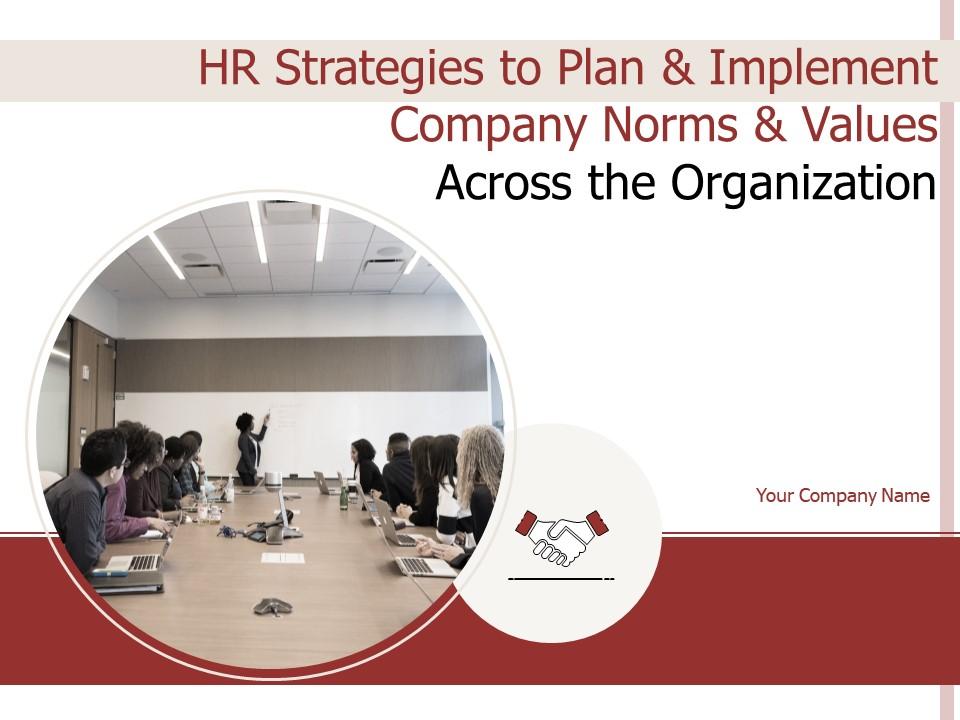
Slide 1: This slide introduces HR Strategies to Plan & Implement Company Norms & Values Across the Organization. State your Company name.
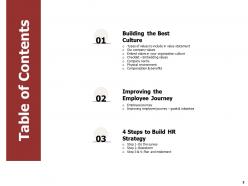
Slide 2: This slide displays Table of Contents.
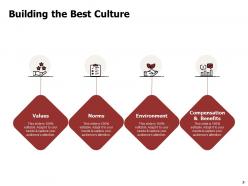
Slide 3: This slide shows Compensation & Benefits.
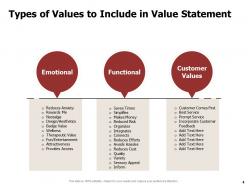
Slide 4: This slide shows Types of Values to Include in Value Statement.
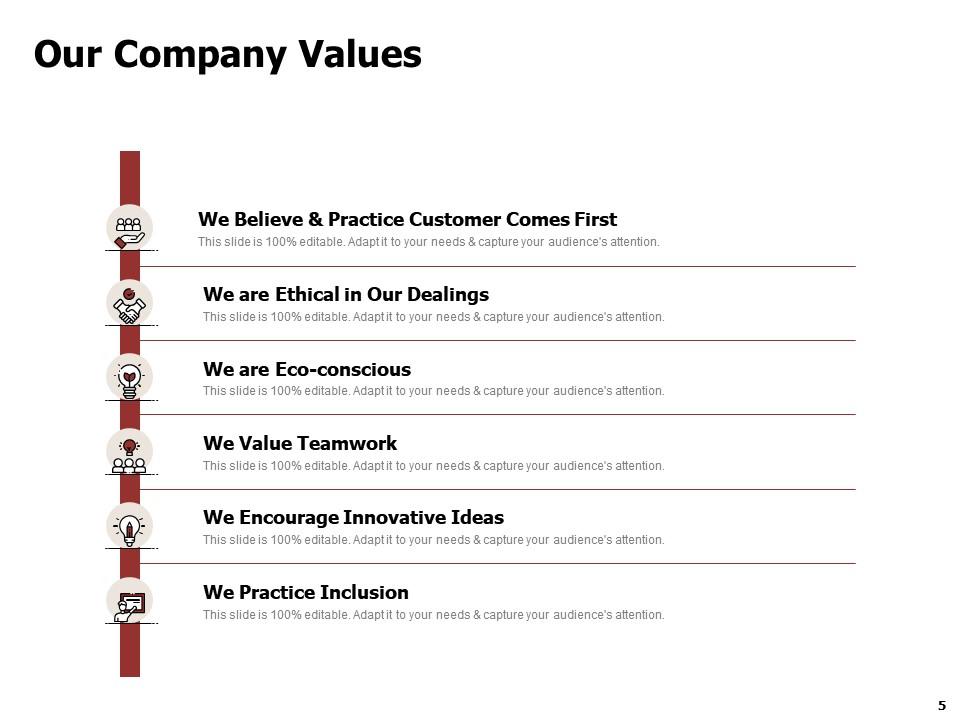
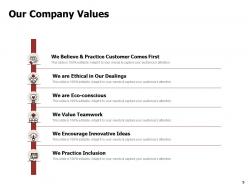
Slide 5: This slide depicts Our Company Values.
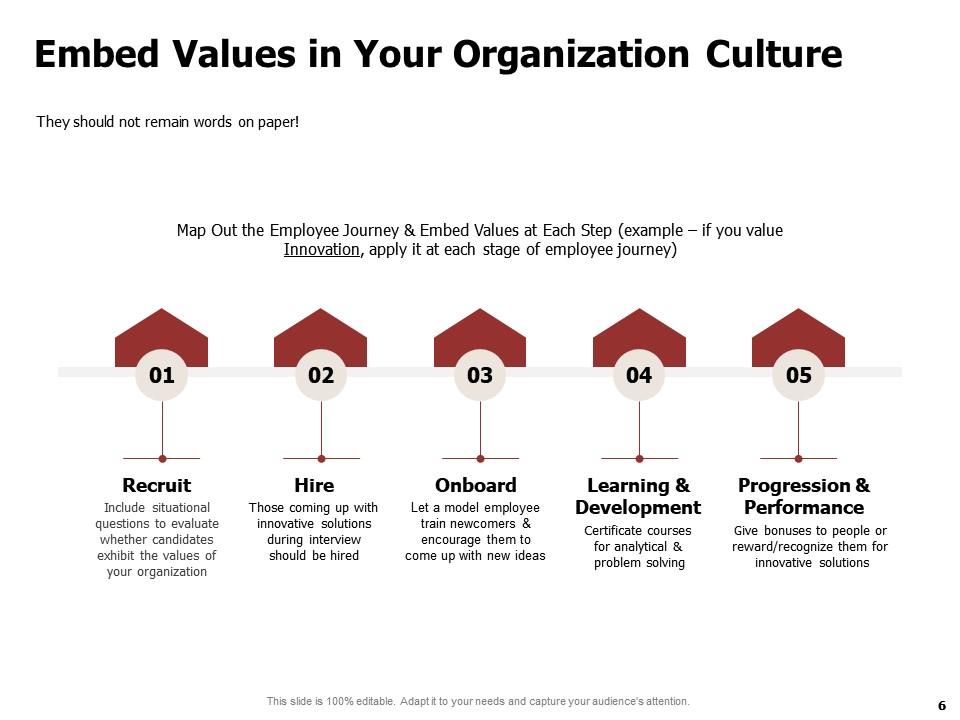
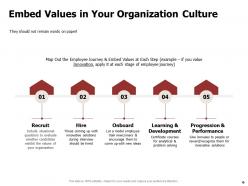
Slide 6: This slide shows Embed Values in Your Organization Culture.
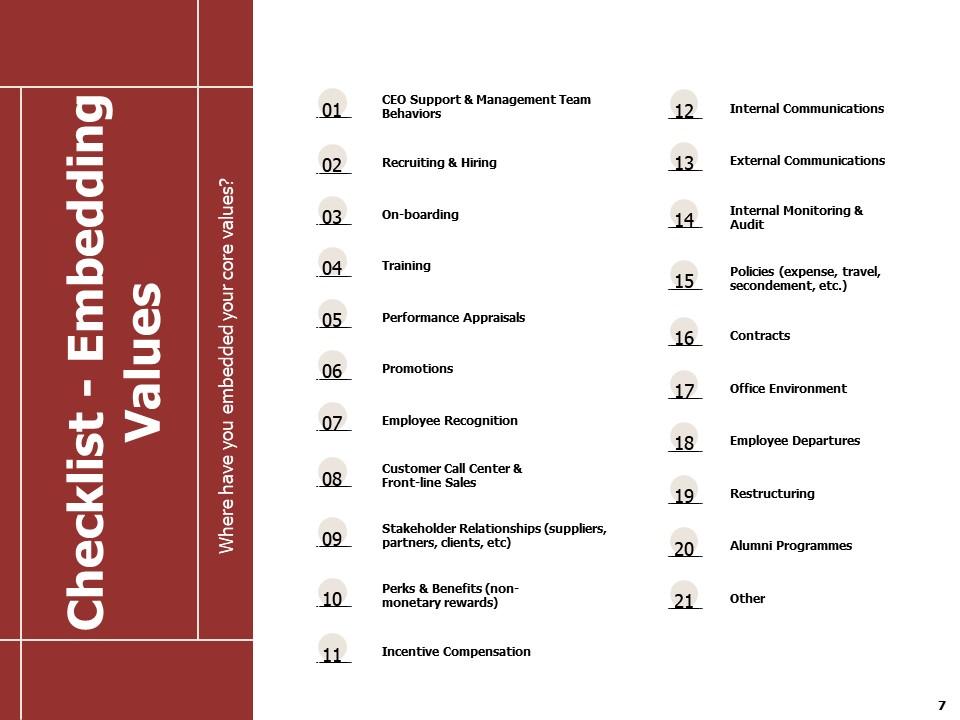
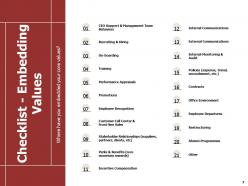
Slide 7: This slide shows Checklist - Embedding Values.
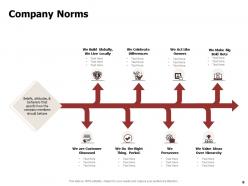
Slide 8: This slide shows Company Norms.
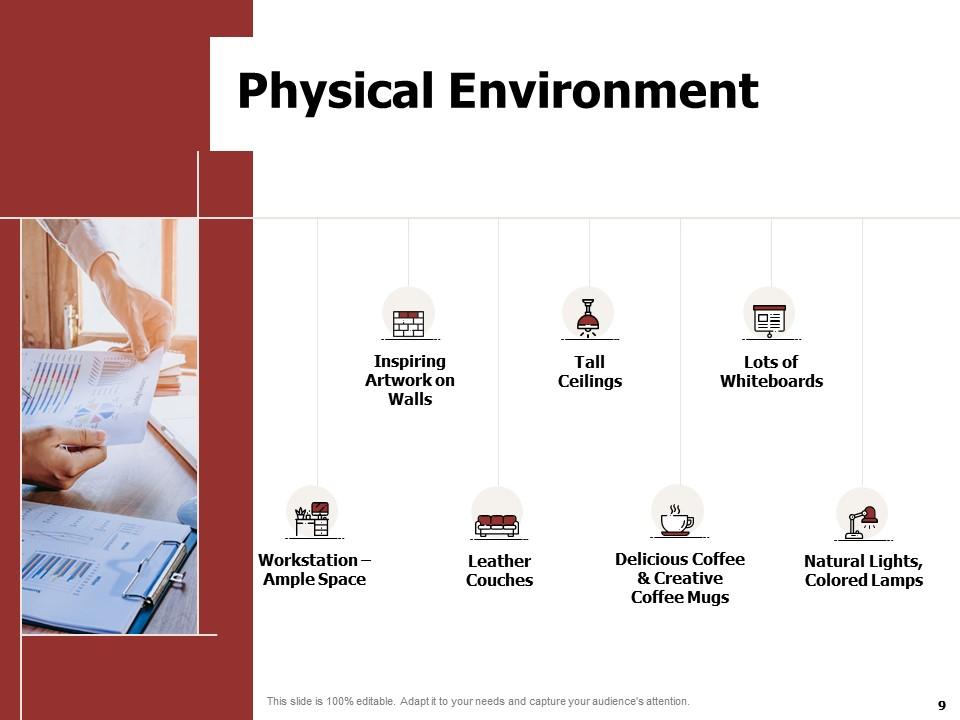
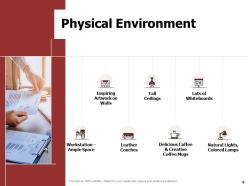
Slide 9: This slide shows Physical Environment.
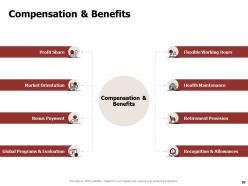
Slide 10: This slide shows Compensation & Benefits.
Slide 11: This slide showcases Improving the Employee Journey.
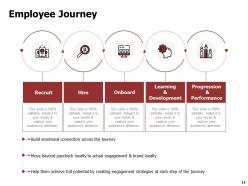
Slide 12: This slide depicts Employee Journey.
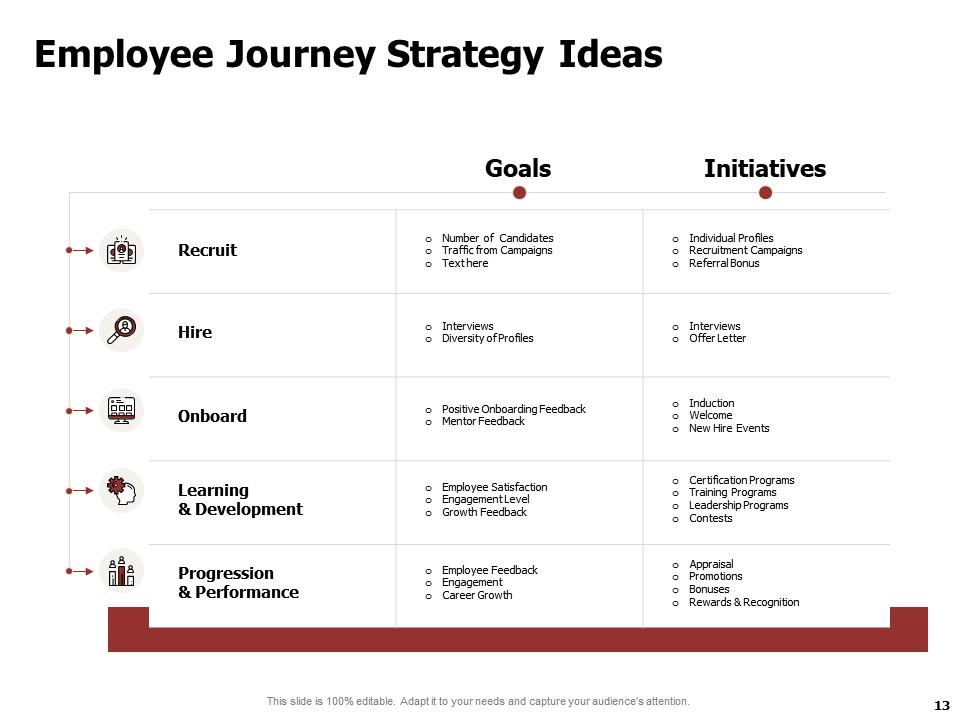
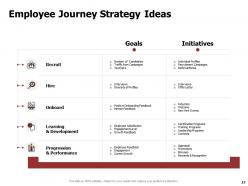
Slide 13: This slide shows Employee Journey Strategy Ideas.
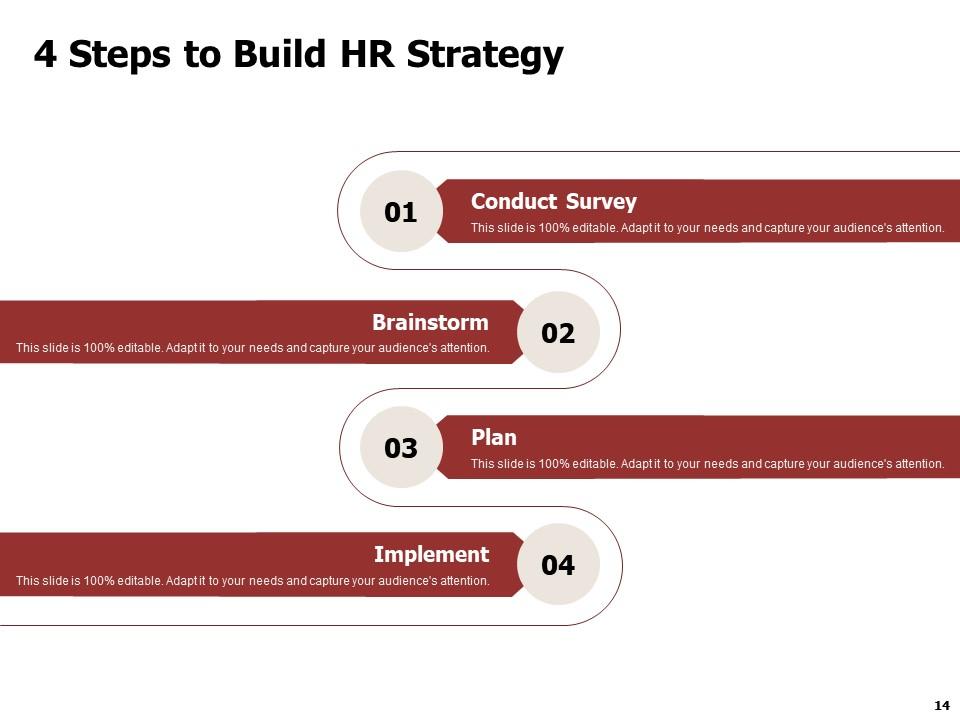
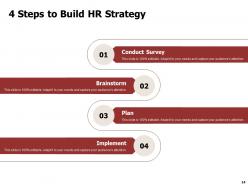
Slide 14: This slide presents 4 Steps to Build HR Strategy.
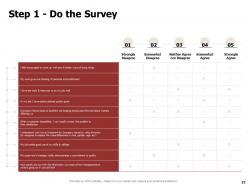
Slide 15: This slide shows Step 1 - Do the Survey.
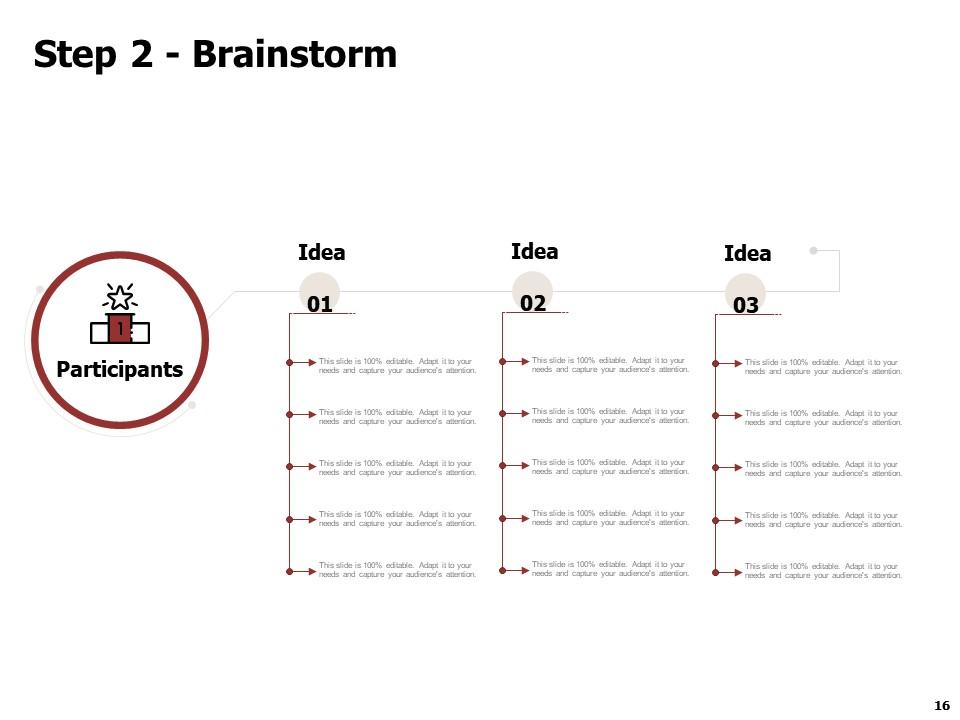
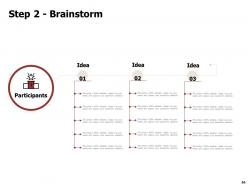
Slide 16: This slide showcases Step 2 - Brainstorm.
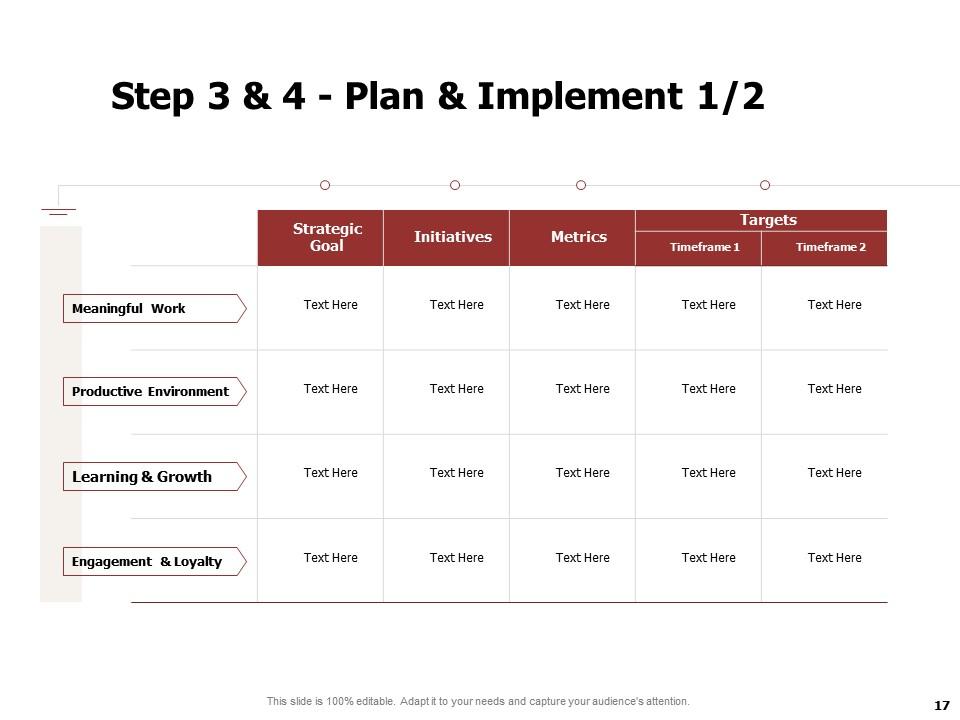
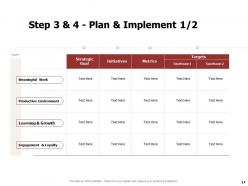
Slide 17: This slide showcases Step 3 & 4 - Plan & Implement.
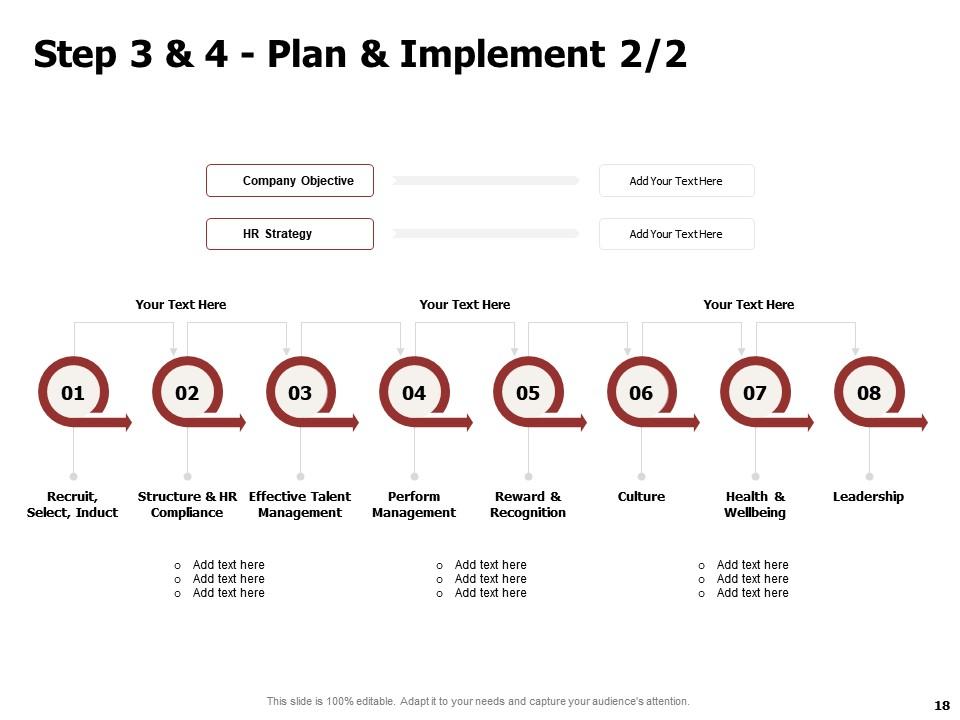
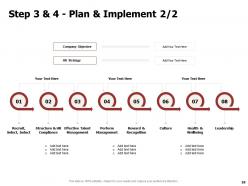
Slide 18: This slide presents Step 3 & 4 - Plan & Implement.
Slide 19: This is HR Strategies to Plan & Implement Company Norms & Values Across the Organization Icons Slide.
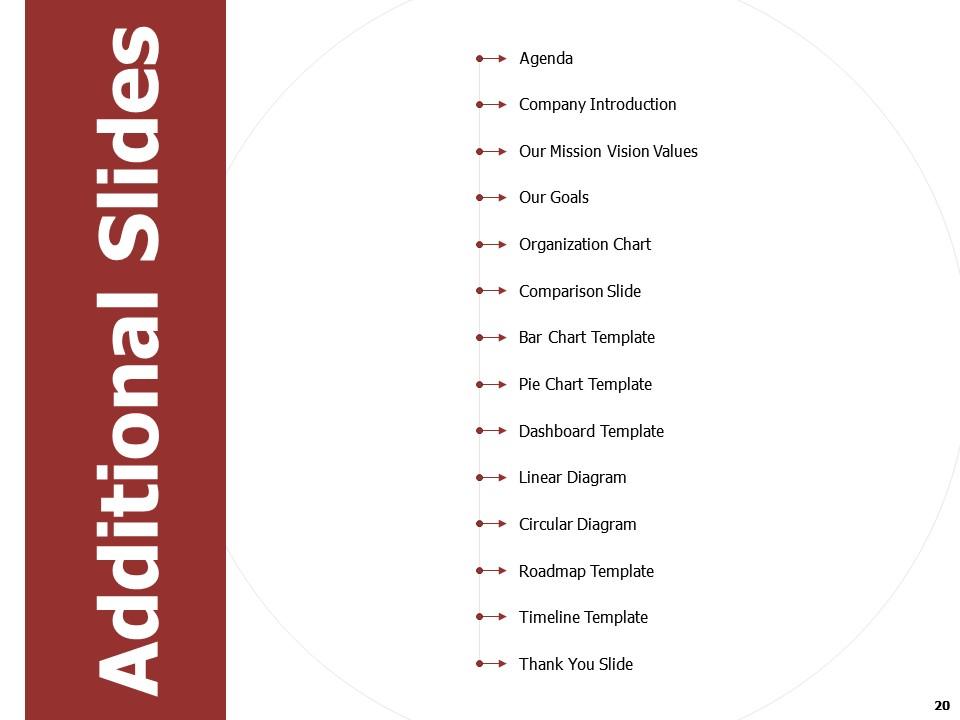
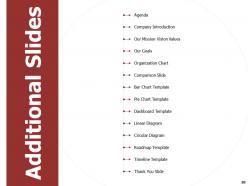
Slide 20: This slide is titled as Additional Slides for moving forward.
Slide 21: This slide displays Agenda Slide.
Slide 22: This slide shows Company Introduction.
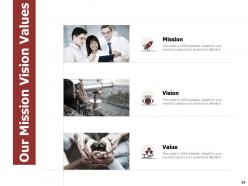
Slide 23: This slide displays Our Mission Vision Values.
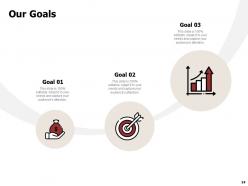
Slide 24: This slide displays Our Goals.
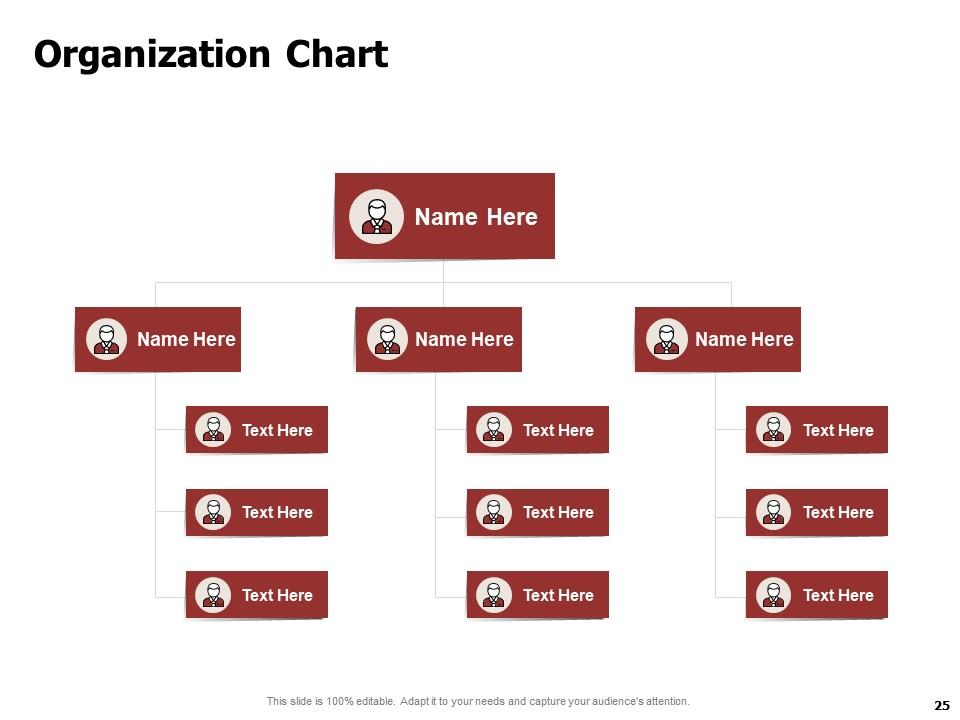
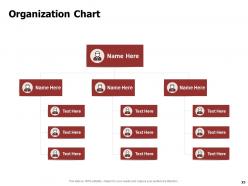
Slide 25: This slide shows Organization Chart.
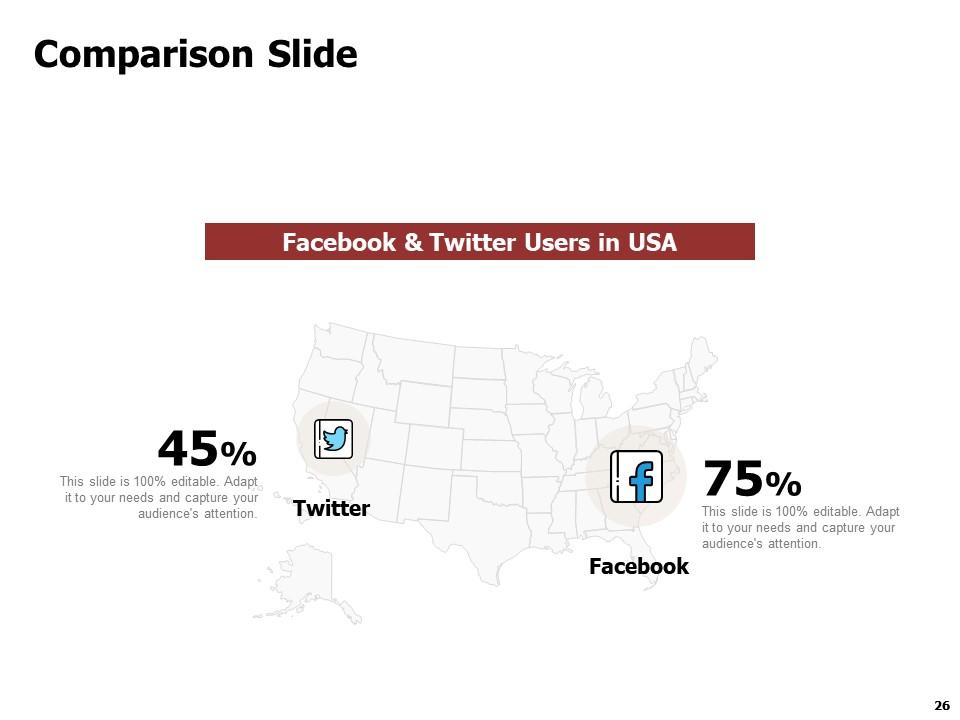
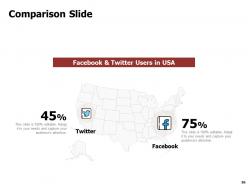
Slide 26: This is Comparison Slide with data in percentage.
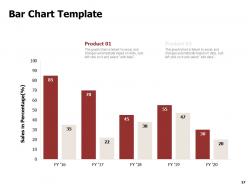
Slide 27: This slide shows Bar Chart Template with product comparison.
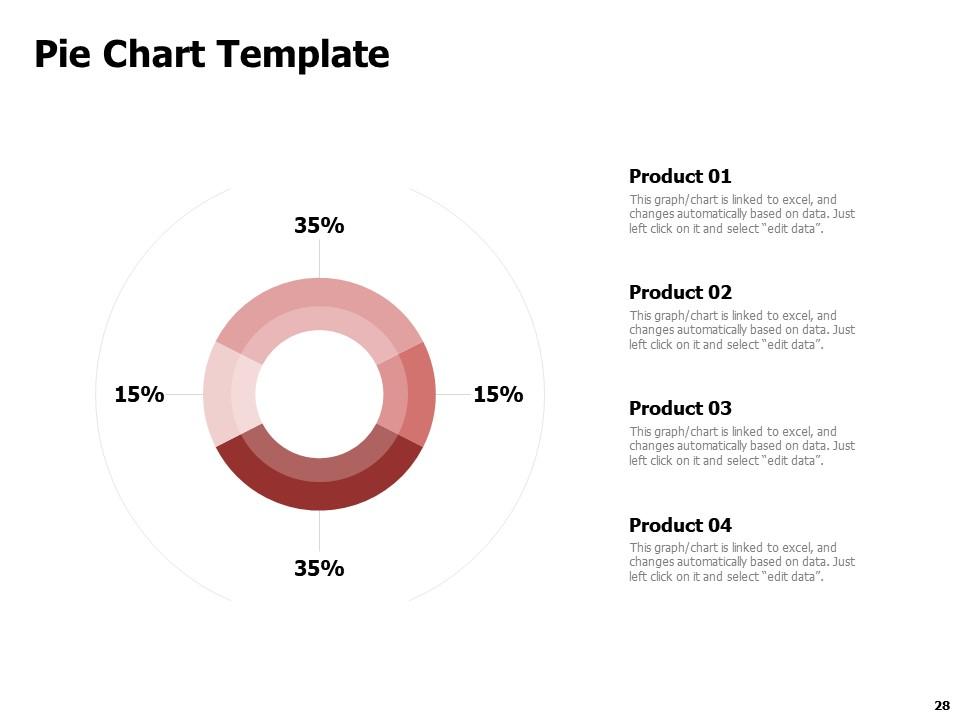
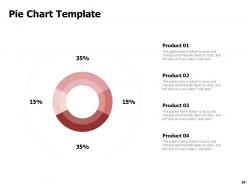
Slide 28: This slide shows Pie Chart with product comparisons.
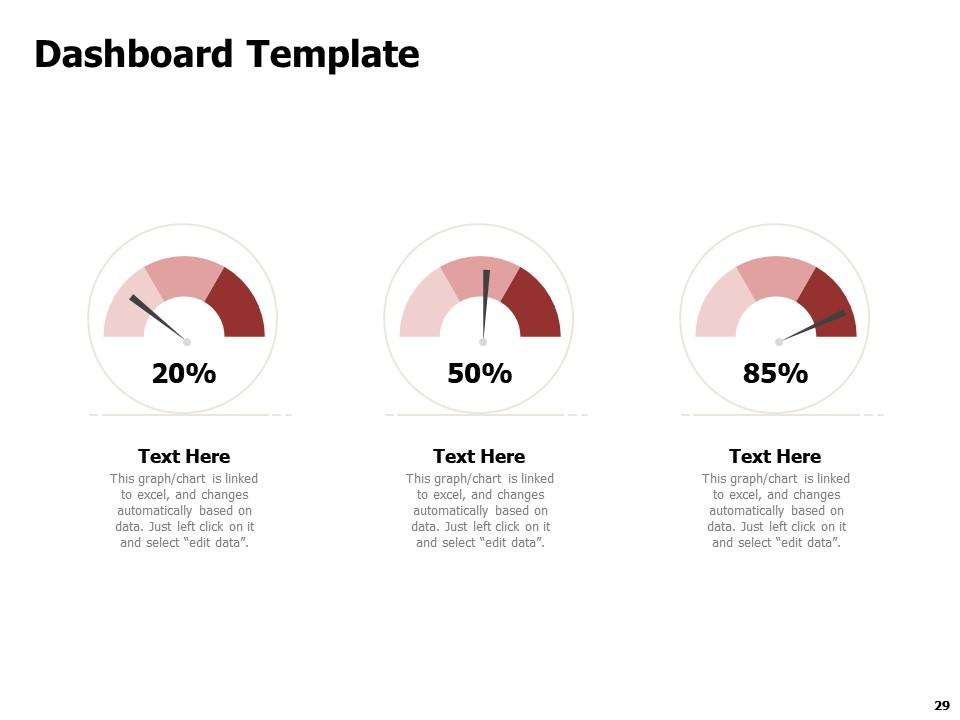
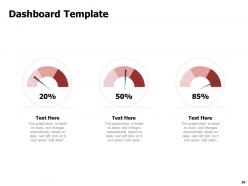
Slide 29: This slide shows Dashboard.
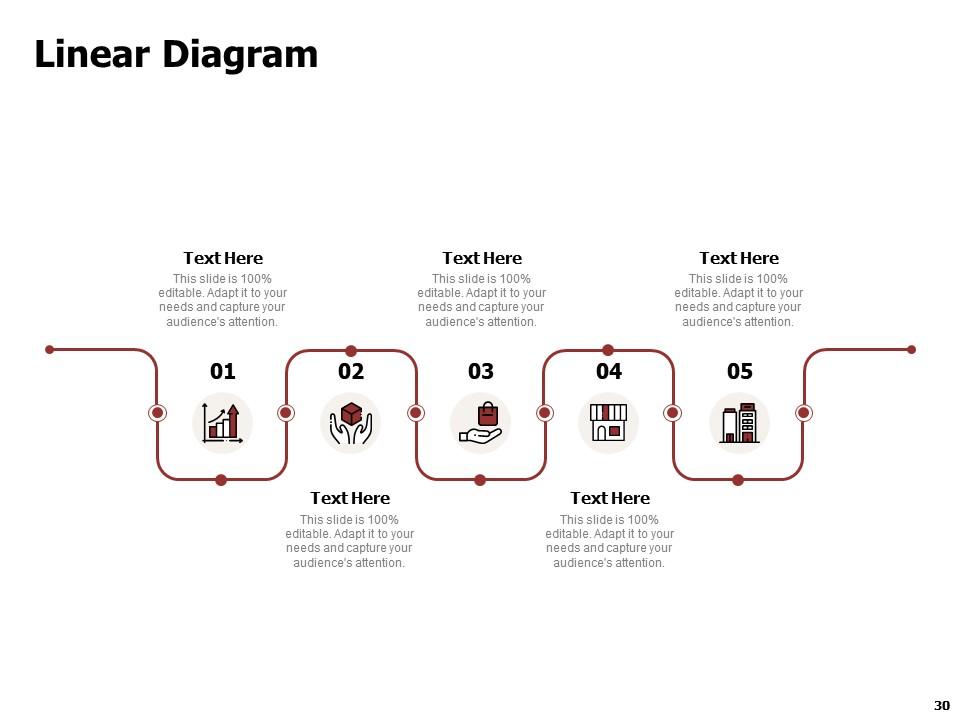
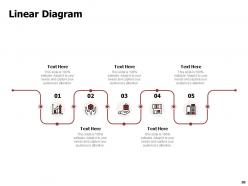
Slide 30: This slide shows Linear Diagram.
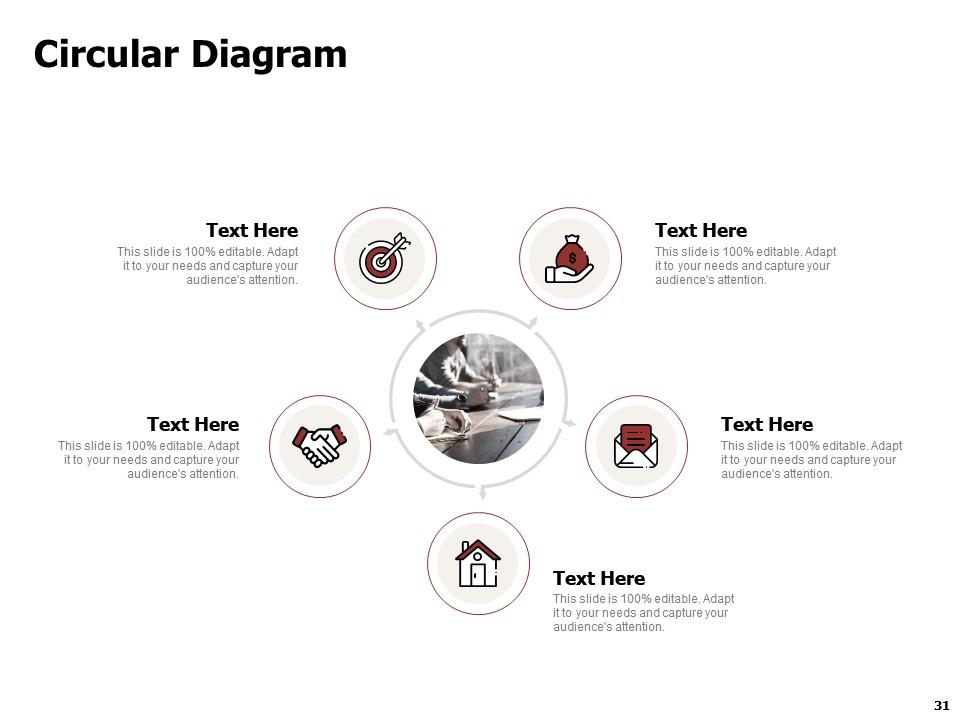
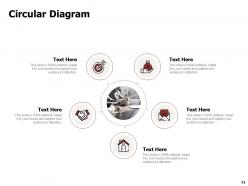
Slide 31: This slide presents Circular Diagram.
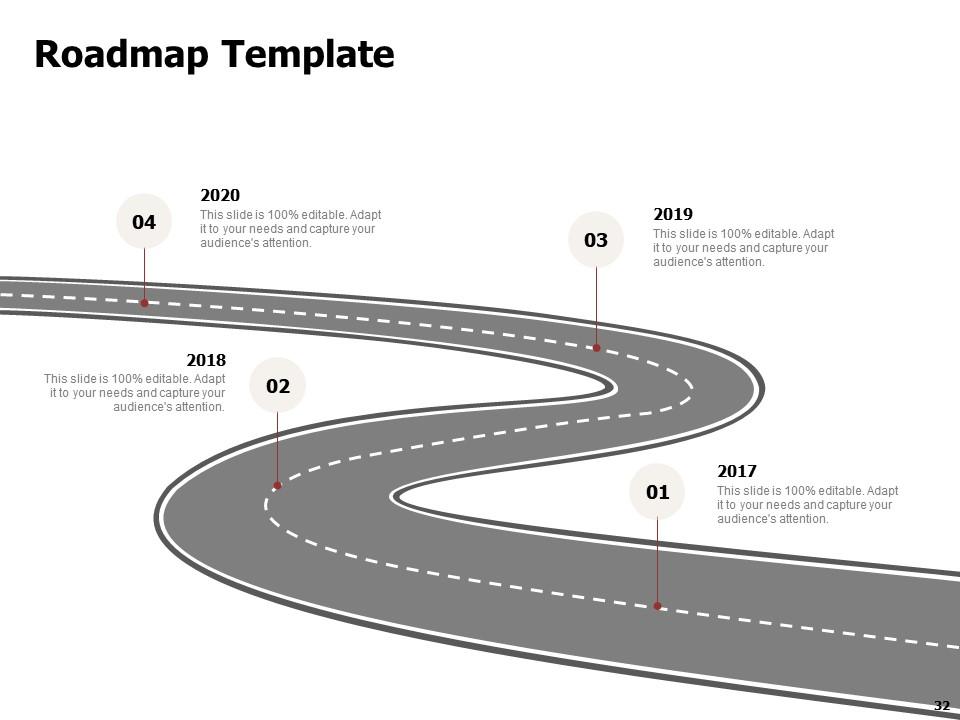
Slide 32: This slide shows Roadmap.
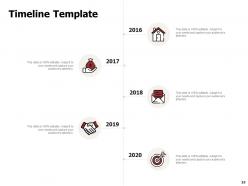
Slide 33: This slide showcases Timeline
Slide 34: This is Thank You slide with Email address, Contact number and Address.

FAQs for HR Strategies To Plan And Implement Company Norms And Values Across The Organization

So you've got four main things to nail down: getting and keeping good people, helping them grow, actually using data to make decisions, and flexible work setups. People don't just want a paycheck - they want to see where they're headed career-wise. I've watched way too many talented folks bail because they felt trapped in dead-end roles. Track your HR metrics to see what's genuinely working, not just what sounds nice on paper. Oh, and if you're still doing the whole "butts in seats" thing... yikes. Start by figuring out where you're falling short in these areas first.

Honestly, most HR teams just wing it without connecting to what the business actually needs. First thing - figure out where your company's headed. Expanding globally? Hire people with international chops or language skills. Tight budget year? Focus on keeping good people instead of expensive recruiting sprees. Every program you launch should tie back to some real business goal, otherwise you're just burning money. I'd grab coffee with leadership every quarter to check if your people stuff is actually helping hit company targets. Sounds basic but most places totally miss this connection.

Honestly, tech is just a massive time-saver for HR stuff. ATS systems make recruiting way less painful, and digital onboarding actually works pretty well. Analytics help you catch people before they bounce - which is huge. Those self-service portals are a lifesaver too. No more constant "how many PTO days do I have?" emails cluttering your inbox. But here's the thing - don't just grab whatever's trendy. Figure out what's eating up most of your time first, then find tools that fix those specific headaches. Way better approach than buying some fancy platform you'll never use.
Honestly, start with an audit of where you're at now - that'll show you the biggest problems to tackle first. For recruiting, tap into diverse talent pipelines and use structured interviews (cuts down on unconscious bias big time). Mentorship programs are gold - I've watched them totally change company culture. Your leadership team needs to actually look like the diversity you want, not just talk about it. Employee resource groups can drive serious change too, but only if you give them real budget and executive backing. Oh, and bias training helps, though it's not a magic fix. Creating psychological safety matters just as much as all the formal stuff.

Honestly, start with the basics - turnover rates and how long it takes to fill open spots. Employee engagement scores are clutch too. Cost-per-hire will probably make your budget people happy (and they're always breathing down your neck anyway). Internal promotions and goal achievement rates show if people are actually growing. Here's the thing though - don't go crazy tracking everything. Pick maybe 5-7 metrics that actually matter to your company's situation. You can always add more later once you've got a good rhythm going with the reporting stuff.

Honestly, start by asking your current people what's bugging them - that'll tell you way more than guessing. Pay is obviously huge, so make sure you're actually competitive (not just "we think we are"). Bad managers will kill retention faster than anything else, so definitely invest in leadership training. Career growth matters too - people bail when they feel stuck. Oh, and flexibility is non-negotiable now. Most folks expect remote or hybrid options. I'd tackle whatever your survey shows as the biggest problem first, then work down the list. Don't try to fix everything at once or you'll just spread yourself thin.

Honestly, start with your employer brand - that's what pulls in good people before they even know about specific jobs. Write job descriptions that actually make sense instead of throwing in every buzzword you can think of. Don't just rely on job boards either. Employee referrals are seriously the best - those hires usually work out way better and don't bail after six months. Speed up your interview process too because nobody wants to wait forever. Oh, and track your metrics like time-to-hire so you know what's working. Trust me on the referral thing though.

Honestly, employee feedback is like having a cheat sheet for what's actually broken vs. what's working in your company. Surveys, exit interviews, one-on-ones - they'll tell you if your benefits suck or if managers are driving people crazy. Yeah, sometimes it hurts to hear, but that's when you know it's good stuff. I've seen places discover their "amazing" performance reviews were actually making everyone miserable. You can catch patterns too - like why accounting keeps losing people but marketing doesn't. Just make sure you actually do something with what people tell you, or they'll stop being honest. Multiple ways to give feedback helps.

Honestly, you gotta start by figuring out what skills your team's missing that are actually hurting performance. Don't just throw random training at people. I'd go with a mix - some formal stuff, mentoring, maybe rotate people through different roles. Microlearning works great too since nobody has time for week-long seminars anymore. Track the stuff that actually matters like whether people are performing better and sticking around longer. Completion certificates are pretty useless if I'm being real. The goal is making your team feel supported while building skills that move the needle for your business.

Honestly, measuring by hours worked is basically useless when everyone's remote. Switch to tracking actual results instead. You'll need solid digital tools - and I mean the ones that don't crash during meetings. Onboarding becomes crucial since newbies can't just peek over someone's shoulder anymore. Those random office chats? Gone. So you've got to create fake casual moments somehow, which feels weird but works. Communication gets super deliberate too. Start by looking at your current setup and spotting all the stuff that assumes butts in office chairs.

Honestly, you've got to build compliance right into your HR processes from the start. Cover the basics first - equal opportunity stuff, wage laws, safety requirements, anti-discrimination policies. State laws are a nightmare though, they're all over the place (California is basically its own country legally speaking). Data privacy matters too, especially with employee files. Your hiring and firing processes need to be bulletproof if someone decides to challenge them later. Trust me on this - get a good employment lawyer involved early instead of scrambling to fix things after you've already messed up.

Honestly, make mental health part of your actual talent strategy instead of some afterthought. Survey people first - find out what they're struggling with instead of guessing. Good mental health coverage and flexible work help, but I've seen the biggest wins from psychological safety training and wellness challenges that people actually want to do. Skip the generic wellness apps though, they're usually a waste. Track your engagement scores and retention to show leadership it's working. Oh, and measure sick days too - that one always gets their attention. The companies doing this right? They're not just throwing money around randomly.

Your employer brand is basically the foundation for everything HR does. Strong brand means better candidates actually want to work there, so you're not desperately throwing money at recruiting. Plus current employees stay longer when they're proud of where they work. Think about it - if you promise innovation and flexibility in job ads but then micromanage everyone, people notice fast. Your whole culture, pay structure, even how you handle performance reviews needs to match what you're selling. Honestly, I'd start by asking current employees if the job actually feels like what you advertise. That gap is usually where the problems are.

Honestly, data analytics will show you stuff about your team that'll blow your mind. Start tracking turnover by department, how long hiring takes, engagement scores - the basics. Too many places just wing it with HR decisions which is kinda insane when you think about it. The magic happens when you connect the dots between different metrics. Like, do your engagement scores actually predict who's gonna quit? Are people from certain job boards better employees? I'd pick maybe two things you're already measuring and see what stories they tell you first.

Ugh, the two big ones are always people hating change and getting your boss on board. Nobody wants their routine messed with - I get it. Start by explaining WHY you're doing something before you actually do it, and bring key people into the planning so they don't feel blindsided. With leadership, you need solid numbers showing how this helps the bottom line. Pilot programs work great too - prove it works small before going big. Oh, and overcommunicate everything. Seriously, you can't talk about it enough, and always connect it back to business results.

Ratings and Reviews

90% of 100
Write a review
Most Relevant Reviews
  1. 100%

    by Dannie Washington

    Excellent design and quick turnaround.
  2. 80%

    by Alexander Ramirez

    Great product with highly impressive and engaging designs.

2 Item(s)

per page: