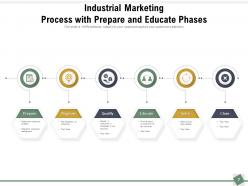
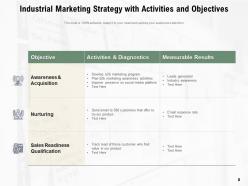
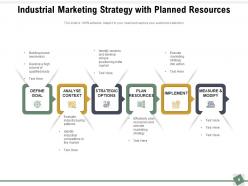
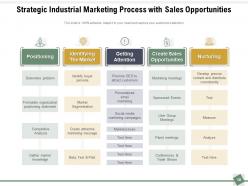
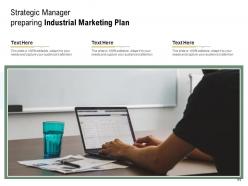
Industrial Marketing Business Strategy Manufacturer Framework Performance Geography

Rating:
90%
Industrial Marketing Business Strategy Manufacturer Framework Performance Geography
Slide 1 of 12
Favourites Favourites

Try Before you Buy Download Free Sample Product

Audience Impress Your
Audience
Editable 100%
Editable
Time Save Hours
of Time
The Biggest Sale is ending soon in
0
0
:
0
0
:
0
0
Rating:
90%
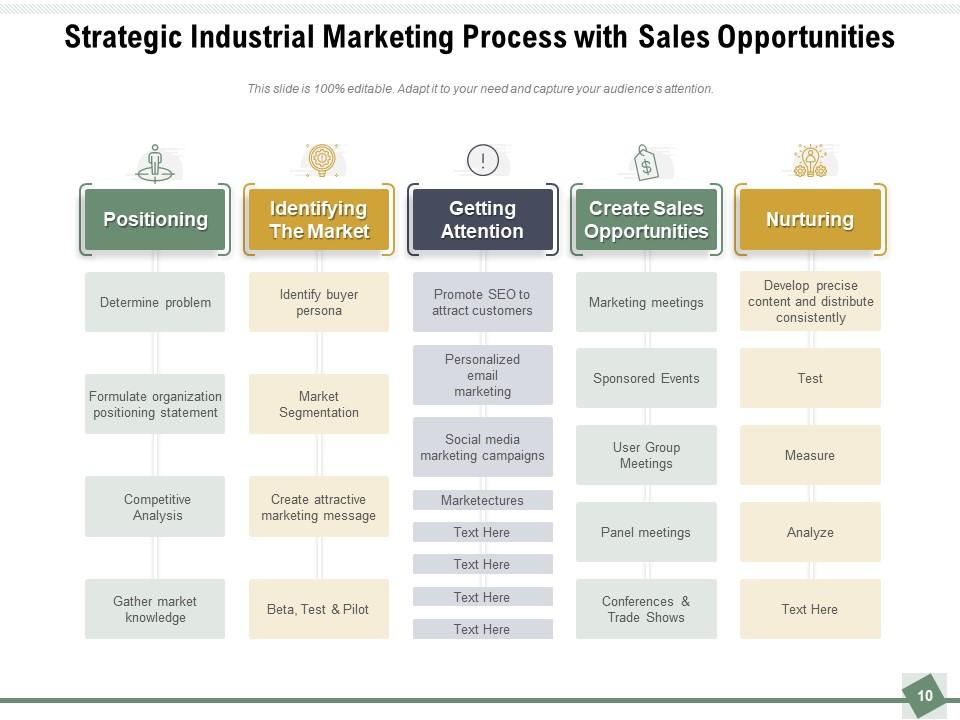
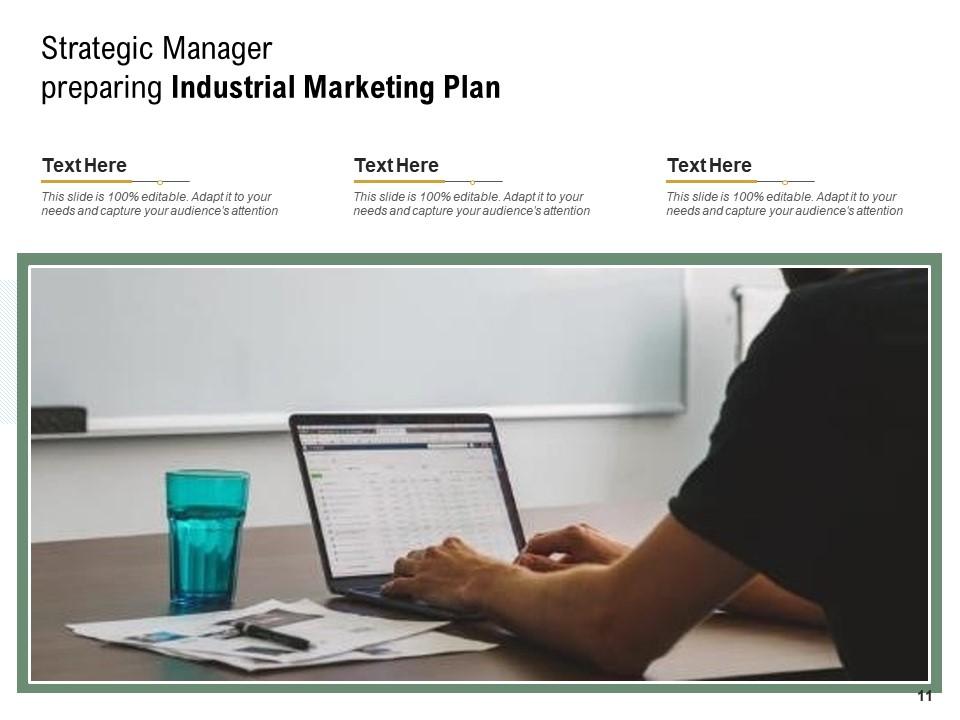
If you require a professional template with great design, then this Industrial Marketing Business Strategy Manufacturer Framework Performance Geography is an ideal fit for you. Deploy it to enthrall your audience and increase your presentation threshold with the right graphics, images, and structure. Portray your ideas and vision using twelve slides included in this complete deck. This template is suitable for expert discussion meetings presenting your views on the topic. With a variety of slides having the same thematic representation, this template can be regarded as a complete package. It employs some of the best design practices, so everything is well-structured. Not only this, it responds to all your needs and requirements by quickly adapting itself to the changes you make. This PPT slideshow is available for immediate download in PNG, JPG, and PDF formats, further enhancing its usability. Grab it by clicking the download button.

FAQs for Industrial Marketing Business Strategy Manufacturer

Key components include market segmentation, value proposition development, relationship building, digital presence optimization, and technical content marketing. These elements work together by identifying specific industrial niches, demonstrating measurable ROI through case studies, and building long-term partnerships with procurement teams, ultimately delivering shorter sales cycles and higher contract values.

Companies identify their target audience through market segmentation analysis, customer profiling, industry research, stakeholder mapping, and direct engagement with decision-makers across the buying process. These approaches enable organizations to understand specific pain points, procurement cycles, and decision criteria within sectors like manufacturing, healthcare, or logistics, ultimately delivering more targeted messaging and competitive positioning strategies.

Content marketing serves as the foundation for industrial B2B strategies, building trust through technical expertise, educating buyers about complex solutions, and nurturing extended sales cycles. By delivering valuable insights, case studies, and industry-specific content, manufacturers and industrial companies position themselves as thought leaders, ultimately accelerating buyer decisions and enhancing competitive advantage.

Industrial marketers leverage data analytics through customer segmentation, predictive modeling, performance tracking, lead scoring, and competitive analysis to optimize their strategies. These approaches enable manufacturers and B2B companies to identify high-value prospects, personalize outreach campaigns, and streamline resource allocation, ultimately delivering faster sales cycles and improved ROI.

Industrial buyer persona best practices include conducting in-depth interviews with existing customers, analyzing purchasing committee structures, mapping decision-making timelines, identifying pain points and technical requirements, and documenting budget approval processes. These comprehensive profiles enhance targeting accuracy by revealing specific industry challenges, preferred communication channels, and technical specifications, with many B2B organizations finding that detailed personas streamline sales cycles and ultimately deliver higher conversion rates.

Technology significantly transforms industrial marketing strategies by enabling predictive analytics, automated lead scoring, personalized content delivery, and real-time customer insights. AI-powered tools help manufacturers and B2B companies streamline campaign targeting, optimize pricing strategies, and enhance customer relationship management, while automation accelerates response times and delivers more precise engagement across complex industrial sales cycles.

Industrial brand loyalty faces challenges including longer decision cycles, multiple stakeholders, price-focused procurement processes, and relationship-dependent sales approaches. These obstacles can be overcome by delivering consistent value through superior service quality, building relationships across all decision-making levels, demonstrating measurable ROI through case studies, and maintaining regular communication, with many industrial companies finding that strategic account management ultimately enhances customer retention and competitive positioning.

Long-term relationship building is significantly more important in industrial marketing than transactional sales, as B2B buyers prioritize trust, reliability, and ongoing support over one-time purchases. Industrial clients, especially in manufacturing and engineering sectors, seek partners who understand their complex operational needs, provide consistent service quality, and deliver strategic value that enhances their competitive advantage over time.

Trade show participation serves as a cornerstone of industrial marketing strategy, enabling direct customer engagement, lead generation, product demonstrations, competitive intelligence gathering, and relationship building with key stakeholders. These events deliver significant ROI by facilitating face-to-face interactions that accelerate sales cycles, enhance brand visibility, and provide invaluable market insights, ultimately strengthening competitive positioning.

Industrial companies can effectively use social media by sharing technical expertise through LinkedIn articles, showcasing manufacturing processes via video content, and engaging in industry-specific groups and forums. Platforms like LinkedIn and YouTube enable manufacturers to demonstrate product capabilities, share case studies from sectors like aerospace or automotive, and build thought leadership, while ultimately generating qualified leads and establishing credibility with procurement teams seeking reliable industrial partners.

Common industrial marketing mistakes include treating B2B buyers like B2C consumers, neglecting long sales cycles, focusing solely on product features rather than business outcomes, and failing to nurture relationships throughout complex decision-making processes. Many manufacturers and industrial companies find that overlooking technical buyer personas, inadequate content for different funnel stages, and insufficient post-sale engagement ultimately undermine competitive advantage and revenue growth.

Industrial marketers can measure success through lead generation metrics, conversion rates, customer acquisition costs, sales cycle length, and return on marketing investment. By tracking these KPIs alongside engagement analytics and pipeline velocity, manufacturing and B2B companies streamline their campaigns, optimize resource allocation, and ultimately deliver higher-quality leads that accelerate revenue growth.

Personalization in industrial marketing communication enhances engagement by delivering targeted content, customized solutions, and relevant messaging based on specific buyer needs, industry challenges, and decision-making stages. This strategic approach enables manufacturers and B2B companies to build stronger relationships, accelerate sales cycles, and improve conversion rates, ultimately delivering competitive advantage in increasingly complex industrial markets.

SEO strategies for industrial products require targeting long-tail, technical keywords, creating detailed product specifications and case studies, and optimizing for B2B search patterns with longer decision cycles. Manufacturing companies enhance visibility through industry-specific content, technical documentation, and sector-focused landing pages, ultimately delivering qualified leads and stronger market positioning in increasingly competitive industrial landscapes.

Organizations should monitor sustainability-focused messaging, AI-driven personalization, account-based marketing expansion, digital-first buying processes, and increased emphasis on thought leadership content. These trends are reshaping how manufacturers, energy companies, and logistics firms engage buyers, with many finding that combining data analytics with consultative selling approaches ultimately delivers stronger customer relationships and competitive differentiation.

Ratings and Reviews

90% of 100
Write a review
Most Relevant Reviews
  1. 80%

    by Dale Tran

    Designs have enough space to add content.
  2. 100%

    by Dan Marshall

    Designs have enough space to add content.
  3. 100%

    by Curt Bryant

    Out of the box and creative design.
  4. 80%

    by Murphy Green

    Amazing product with appealing content and design.
  5. 80%

    by Edwardo Wheeler

    Best way of representation of the topic.
  6. 80%

    by Darrick Simpson

    Really like the color and design of the presentation.
  7. 100%

    by Davis Mason

    Unique research projects to present in meeting.
  8. 80%

    by Dewey Stephens

    Qualitative and comprehensive slides.
  9. 100%

    by Chet Cox

    Illustrative design with editable content. Exceptional value for money. Highly pleased with the product.
  10. 100%

    by Darnell Tucker

    Excellent template with unique design.

Items 1 to 10 of 12 total

    Page:
  • You're currently reading page 1
  • Page 2
  • Next
per page: