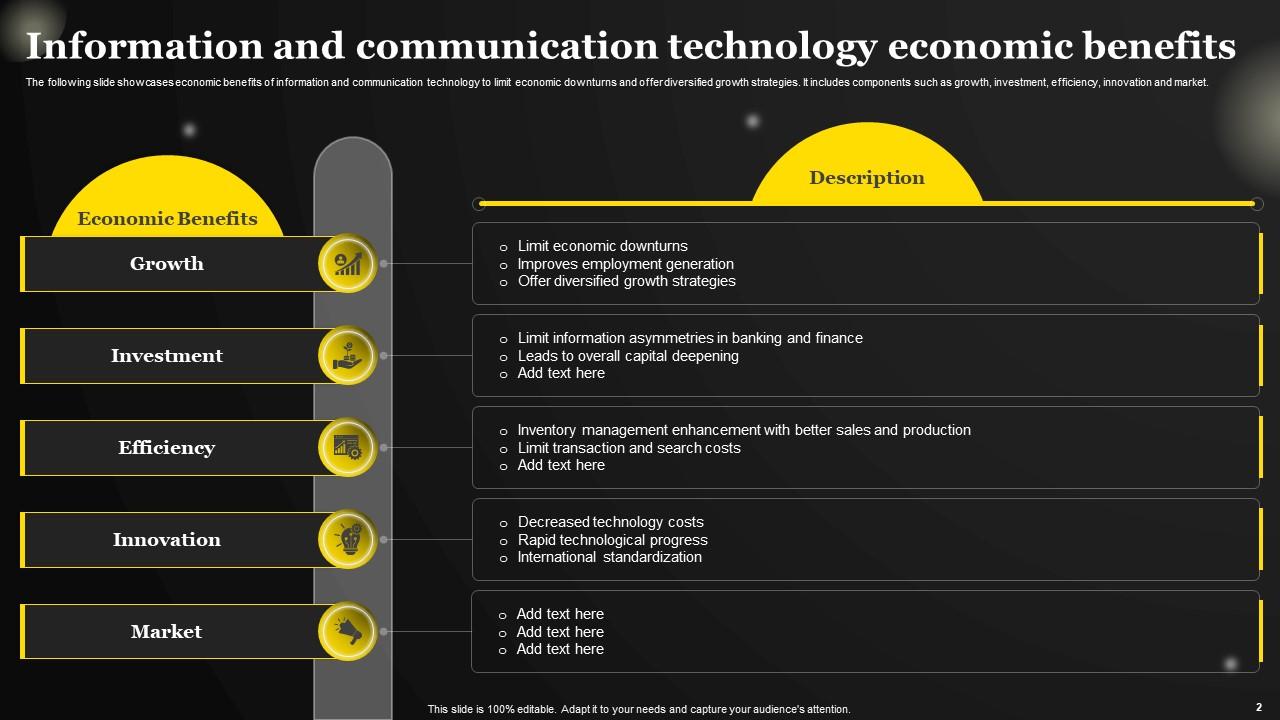
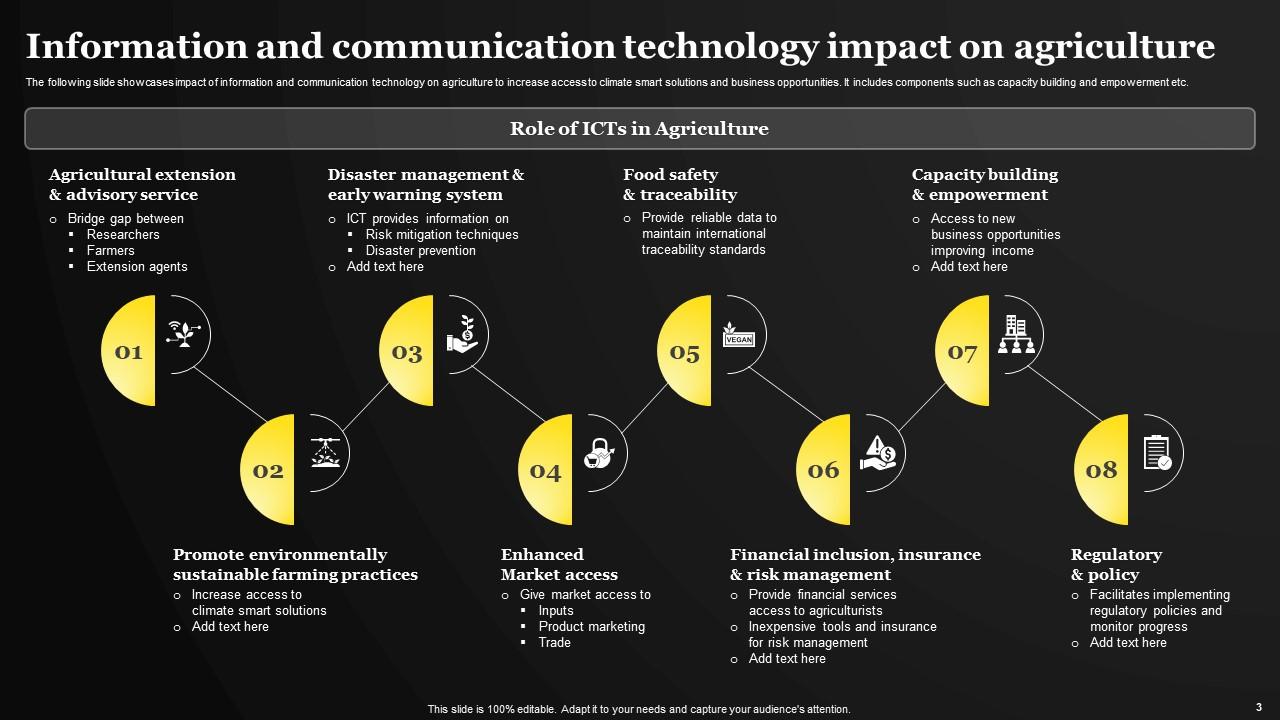
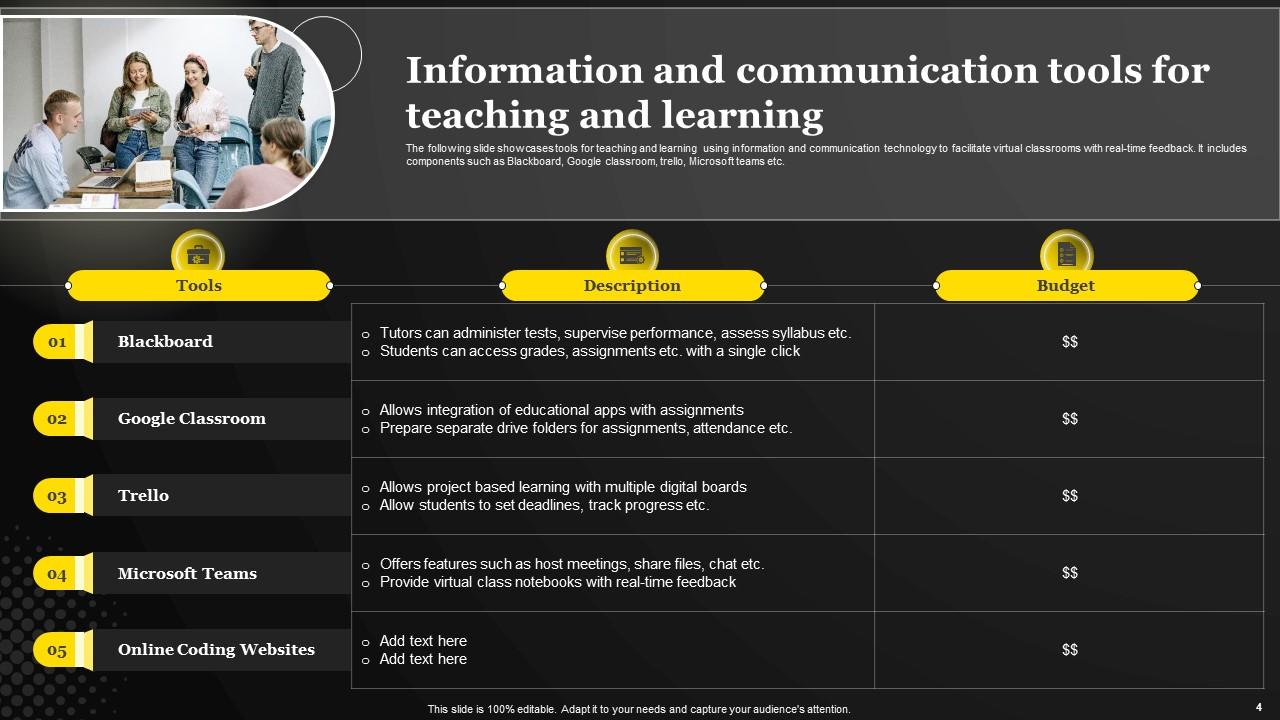
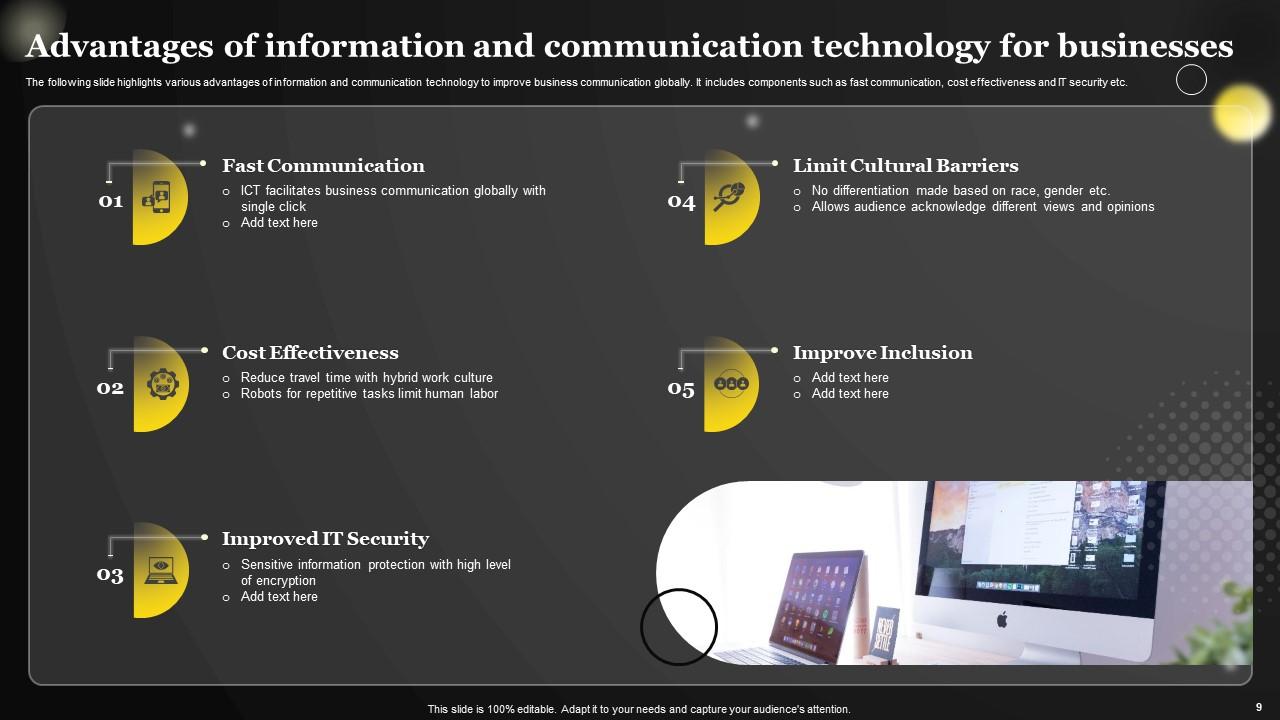
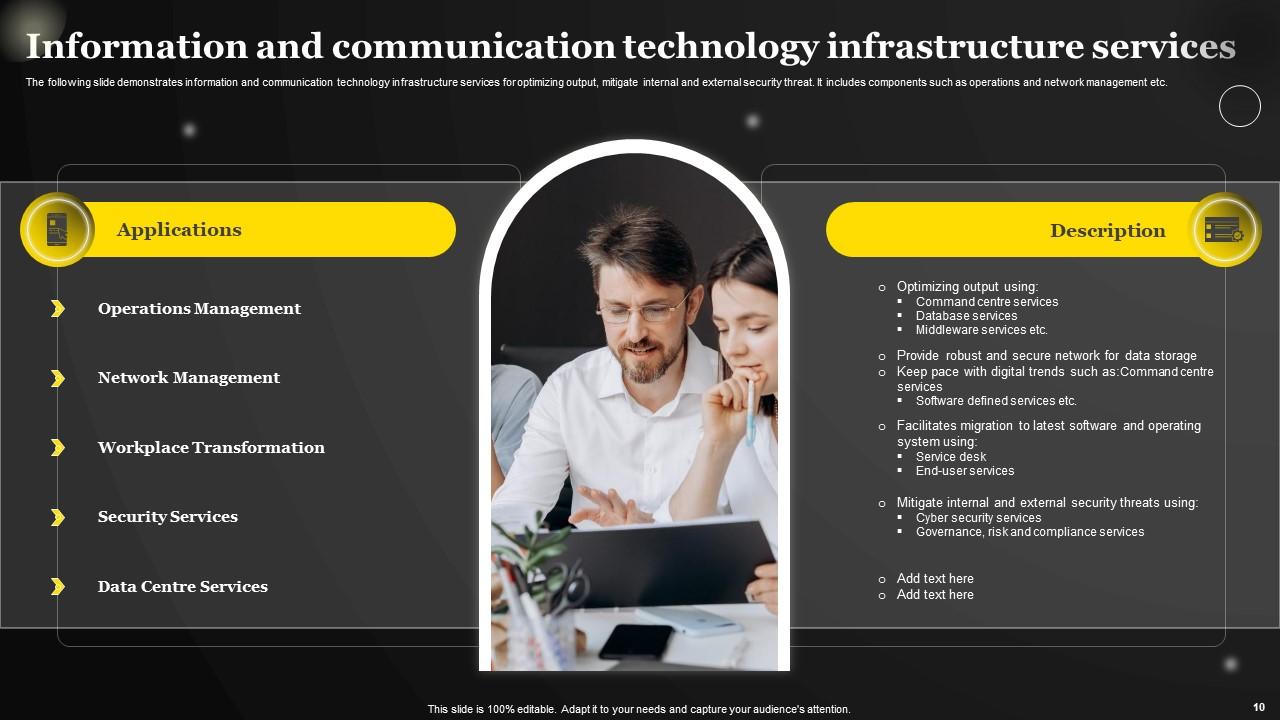
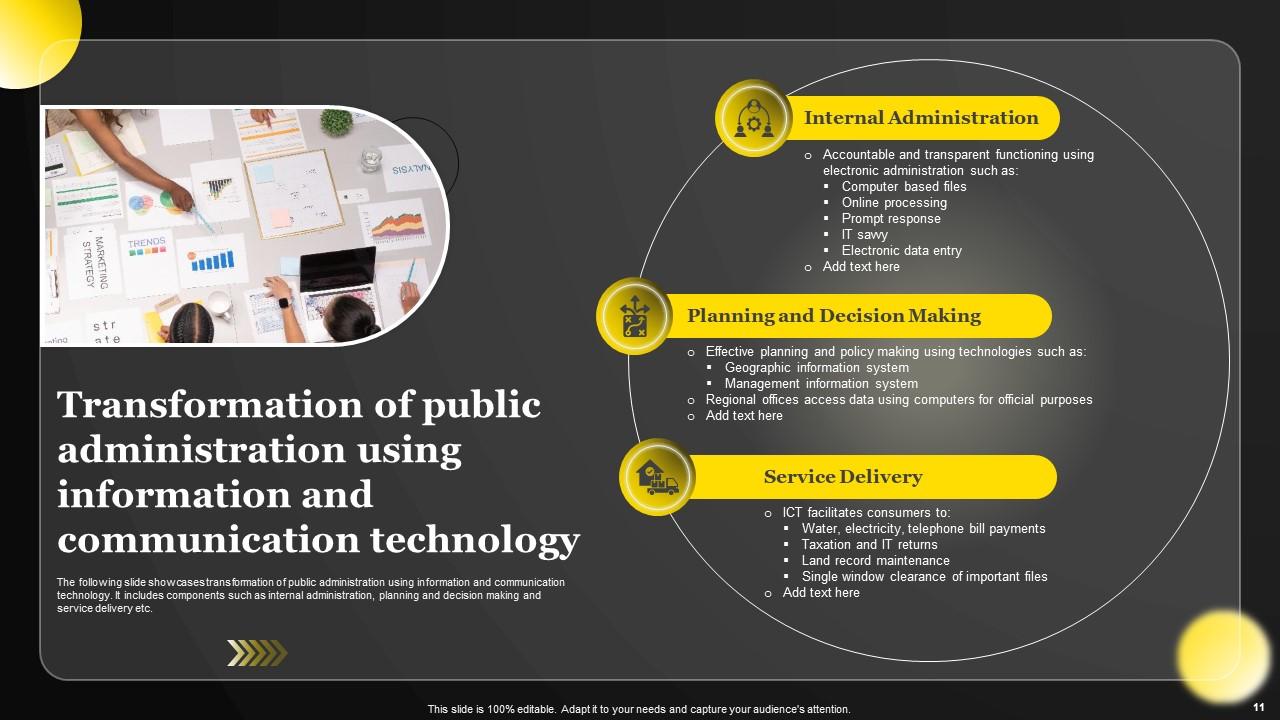
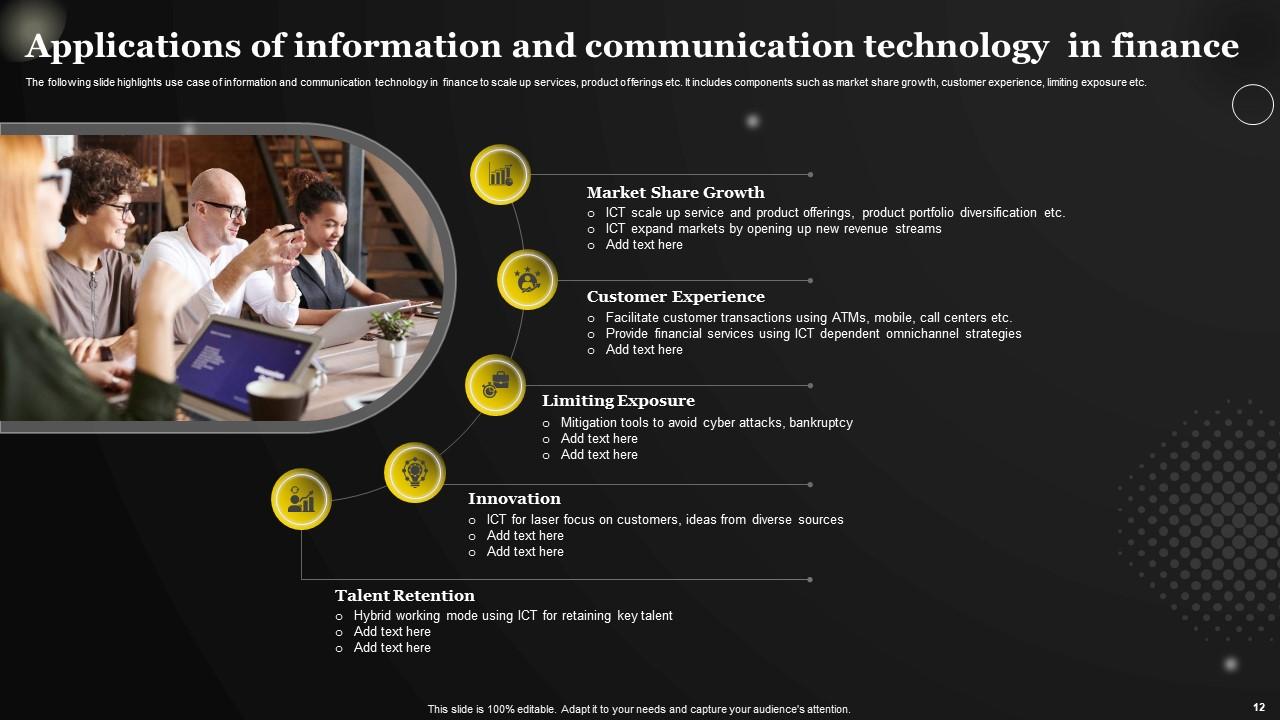
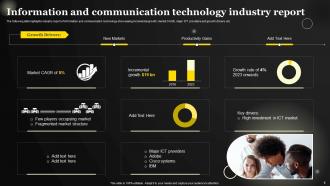
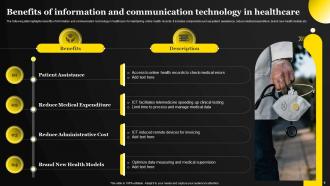
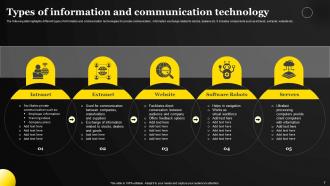
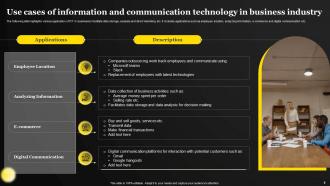
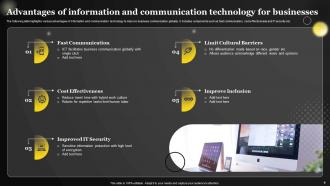
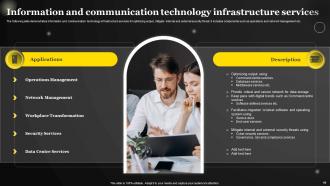
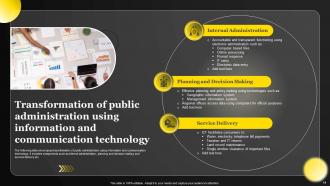
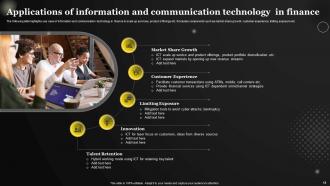
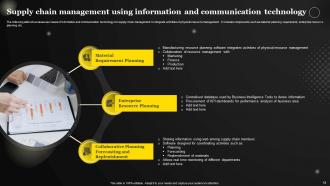
Information And Communication Technology Powerpoint Ppt Template Bundles
Try Before you Buy Download Free Sample Product
Audience
Editable
of Time
Our Information And Communication Technology Powerpoint Ppt Template Bundles are topically designed to provide an attractive backdrop to any subject. Use them to look like a presentation pro.
People who downloaded this PowerPoint presentation also viewed the following :
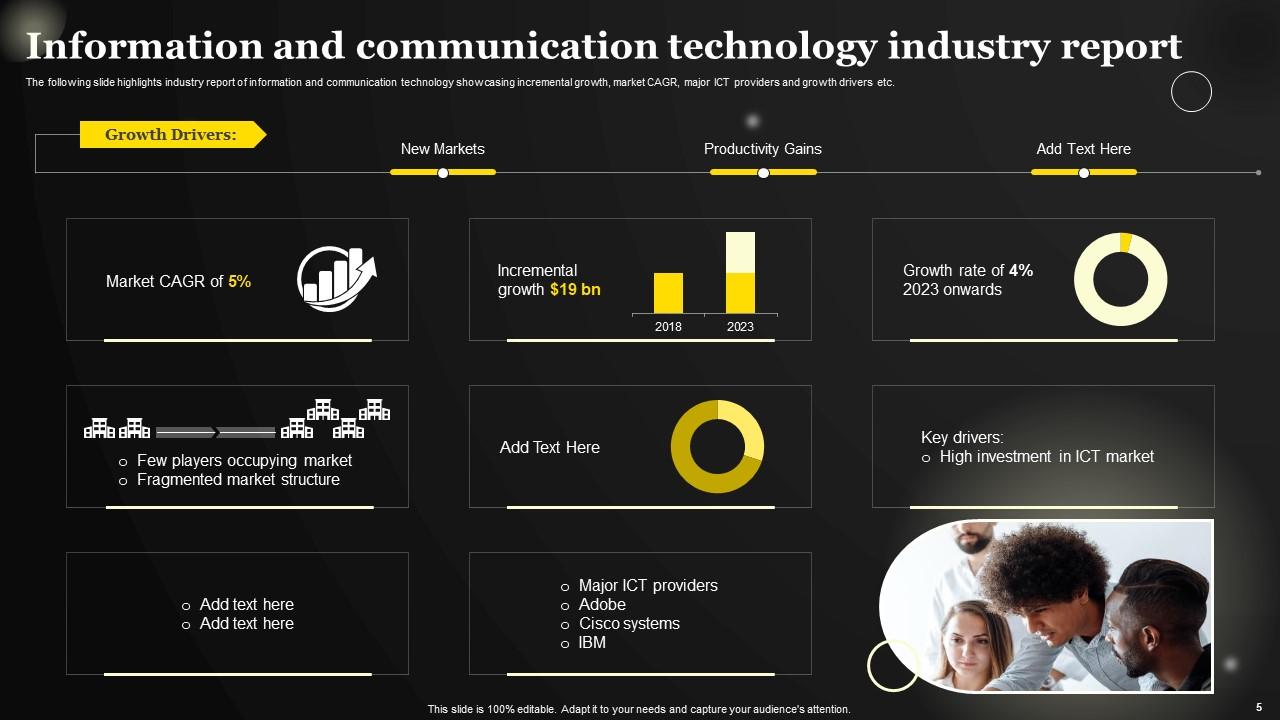
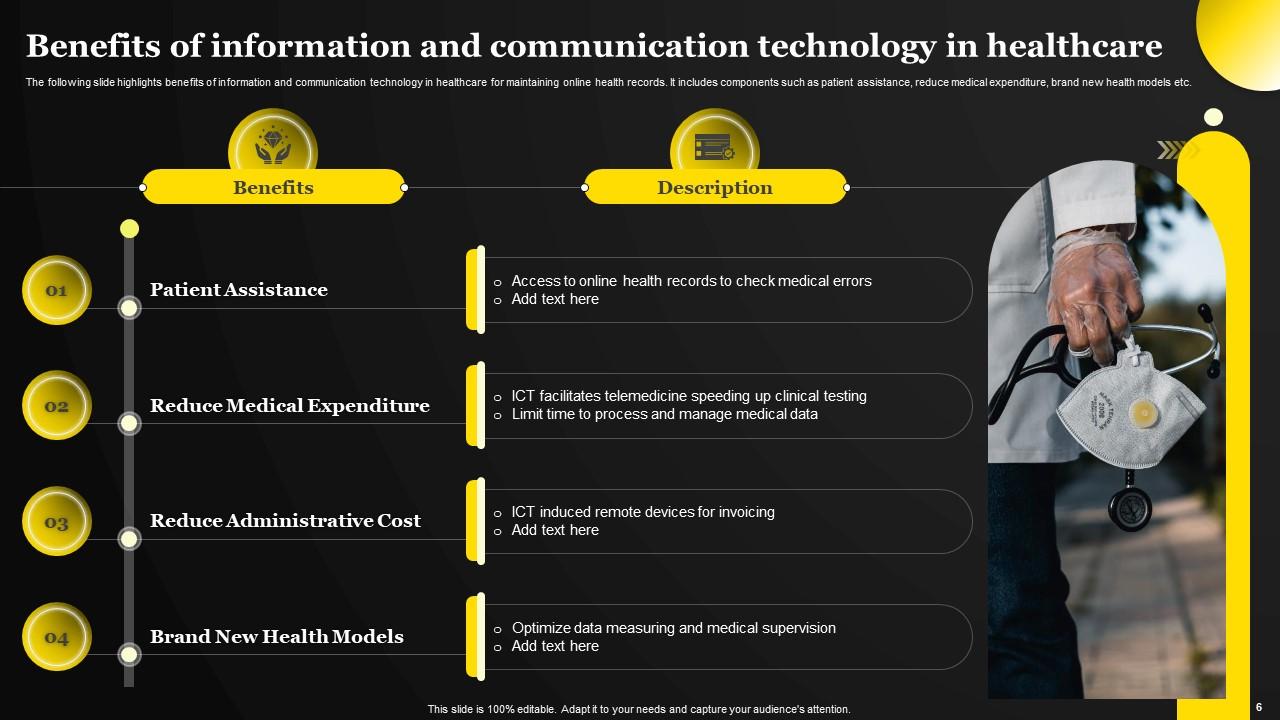
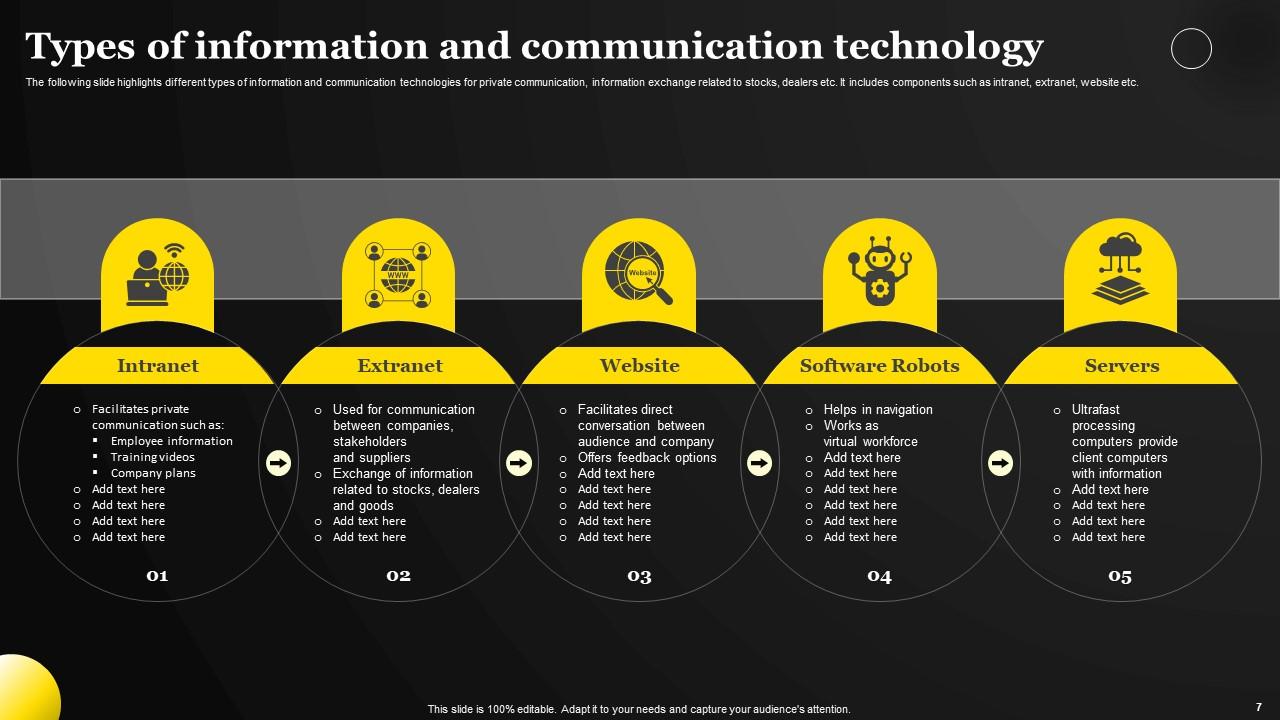
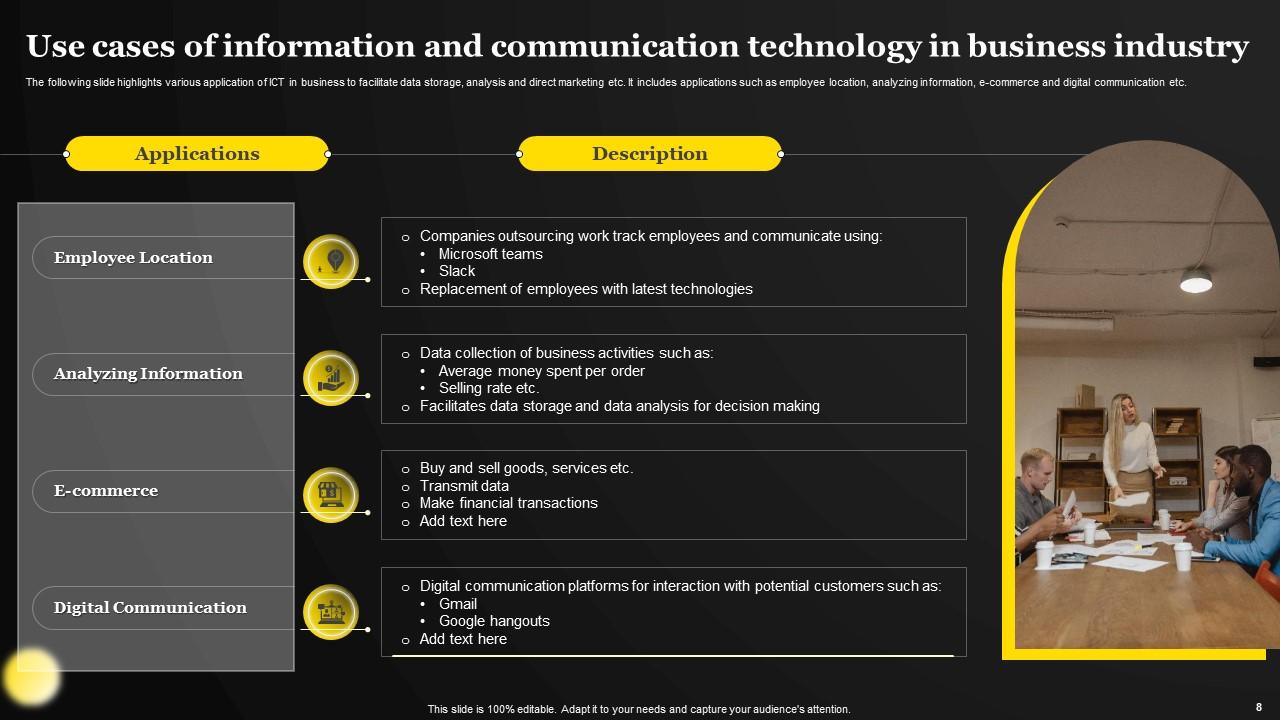
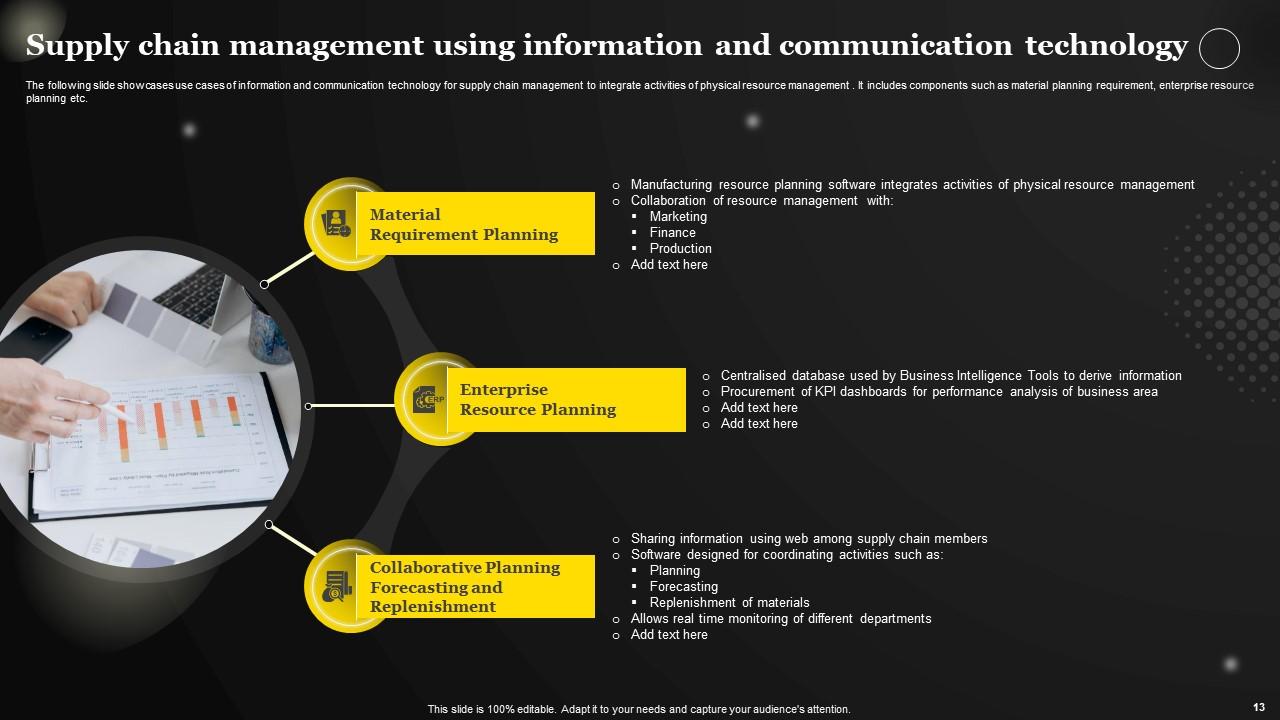
Information And Communication Technology Powerpoint Ppt Template Bundles with all 22 slides:
Use our Information And Communication Technology Powerpoint Ppt Template Bundles to effectively help you save your valuable time. They are readymade to fit into any presentation structure.
FAQs for Information And Communication Technology Powerpoint
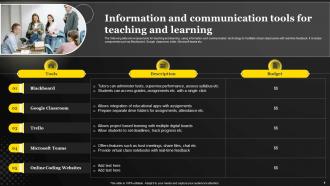
Honestly, tech has been a game-changer in my classroom. Students are way more engaged when I throw in some multimedia stuff - videos, interactive quizzes, that kind of thing. The real-time tracking is clutch too; I can see exactly where kids are struggling and jump in right away. Plus online platforms mean we're not stuck in our little bubble anymore. My students collaborate with classes from other states now, which is pretty cool. The adaptive software lets everyone work at their own speed, though I'll admit the slower kids sometimes get frustrated. Just don't use tech for tech's sake - pick tools that actually fit what you're teaching.
Honestly, ICT changed everything for remote work. Cloud storage means your files are everywhere you are. Video calls replaced those endless conference rooms - though we've all had that one meeting where someone forgot to mute themselves, right? Collaboration tools keep everyone looped in without constant emails. Project management apps actually work pretty well too. The pandemic just sped up what was already happening. Most knowledge work doesn't really need you sitting in an office anymore. Short sentences work. Longer ones flow better when you're explaining the bigger picture of how these tools connect. Take a look at what your team uses daily - you'll see where the real impact is.
Honestly, your biggest headache will be getting people on board - nobody likes learning new systems. Budget way more than you think too, these projects always cost more. Data migration from old systems is where things usually blow up because nothing talks to each other properly. You'll see productivity tank while everyone's figuring things out. Security gets tricky if you're going cloud. Oh, and integration with current stuff? Total nightmare sometimes. Start small with just one department first. Get a few key people excited about it early on. Trust me, add 20% to your timeline and budget - you'll thank me later.
Honestly, tech could be a game-changer for rural healthcare. Telemedicine lets you video chat with doctors instead of driving hours to the city - super convenient. Remote monitoring with wearables tracks your vitals automatically. Mobile health apps connect you to specialists you'd never access otherwise. Digital prescriptions are way faster than the old paperwork mess. But here's the thing - you need decent internet first, which is still pretty hit-or-miss in a lot of rural spots. I'd say figure out what telehealth platforms actually work with whatever connection speed you've got.
Look, cybersecurity basically makes or breaks whether your tech actually works for you. Good security means your team can use all their digital tools without freaking out about getting hacked. But if it's weak? You're screwed - ransomware hits and suddenly nobody can work. I've watched entire companies just... stop functioning after one bad attack. Your employees get paranoid about clicking anything, systems crash, data disappears. It's brutal. Honestly, spending money on solid security upfront is way smarter than dealing with that nightmare later. Otherwise your expensive tech just becomes a liability.

Okay so the big ones are consent, transparency, and not hoarding data you don't need. People should genuinely get what you're collecting and why - those endless terms nobody reads don't count. Security matters too since breaches can really mess people up. Also watch out for bias in your practices that might unfairly target certain groups. Honestly, the best test is just asking yourself "would I be cool with someone doing this to my data?" That usually cuts through all the corporate BS pretty fast.
Yeah dude, small businesses can totally compete with the big guys using tech - it's honestly one of the few ways to level the playing field. Cloud stuff lets you access fancy software without dropping crazy money upfront. You can automate the boring tasks and actually focus on growing your business. E-commerce opens up global markets, and social media? That's where you actually have an advantage over huge companies who move like molasses. Don't go tech-crazy though - just pick tools that fix actual problems you're having. Maybe start with whatever's eating up most of your time right now.
Dude, traditional IT is getting absolutely steamrolled by AI and blockchain right now. Manual processes? Gone - automation's taking over everything. Smart algorithms are doing stuff that used to need actual people, which is honestly kind of scary but also amazing. Blockchain's completely changing how we think about security and data integrity too. Your old-school network management and storage methods won't cut it anymore. The whole game shifted from fixing problems after they happen to predicting them before they do. Maybe start small though - try a pilot project with one of these technologies. Even something tiny will show you how much potential there is. Trust me, you don't want to fall behind on this.
Dude, global teamwork used to be such a pain but ICT tools totally changed the game. Zoom and Teams let you do face-to-face meetings even when people are literally halfway around the world. Then you've got Slack or Microsoft 365 for when everyone needs to collaborate in real-time - super helpful. Project management stuff like Asana keeps the whole team aligned, which honestly saves so much headache. Cloud storage is clutch too since files are available 24/7 no matter where you are. Just make sure everyone actually knows how to use whatever tools you pick, and try to choose ones that play nice together.
Look, the technical stuff is obvious - learn programming, cybersecurity, cloud platforms, whatever. But here's the thing everyone misses: soft skills are actually what make you stand out. Communication is huge because you'll constantly explain complex things to people who don't get it. Problem-solving and adaptability matter too since tech changes every five minutes (seriously, it's exhausting). Project management helps a lot. My take? Go deep on 2-3 technical areas first. Then work on your people skills just as hard. That combination makes you way more valuable than being just another coder.
You'd be surprised how much ICT can actually help with sustainability stuff. Digital processes cut down on paper waste big time, and remote work means less commuting emissions. Smart grids and IoT sensors let you monitor energy usage in real-time - honestly, the data insights alone are pretty eye-opening. Cloud computing beats running your own servers efficiency-wise, though those massive data centers still use tons of power. I'd start by looking at where your current systems are wasting resources first. That's usually where you'll see the biggest wins without having to overhaul everything.
So basically, people without good internet or devices get screwed over in ways that just keep compounding. Can't work from home, kids fall behind on digital assignments, can't access telehealth - it's wild how fast the gap grows. I was reading about this the other day and it's honestly depressing. Adults miss out on learning new skills online while everything moves digital. But here's the thing - just handing out laptops won't fix it. You've got to tackle the cost of internet, teach people how to actually use the tech, and provide ongoing support. Otherwise you're basically throwing money at half the problem.
So basically, modern disaster response runs on tech now. Early warning systems use satellites and sensors to predict stuff before it hits. GPS helps coordinate rescue teams, and mass alerts go out instantly through phones and apps. Social media's huge too, but honestly you have to wade through so much garbage and fake news. People use mobile apps to report emergencies and find shelters. Cloud storage keeps important data safe even when local systems go down. The trick is setting up backup communication methods beforehand - like, don't wait until you're in crisis mode to figure this out.
Dude, AI is literally everywhere now - you can't escape it. 5G and edge computing are making everything stupidly fast since processing happens right on your device. Quantum computing's finally leaving the lab, though honestly most of us won't deal with it for ages. IoT stuff is exploding too. AR/VR isn't just for gaming anymore - people are using it for actual work meetings (weird, I know). Cybersecurity is going full auto mode because hackers are getting scary good. Start learning AI tools and cloud stuff now. This isn't "someday" tech - it's happening whether we're ready or not.
Yeah, social media basically flipped internal communication on its head. Everything's way faster now - we're all using Slack, Teams, those internal Facebook-style networks. Honestly, it's pretty wild that junior employees can just slide into the CEO's DMs now (though maybe don't overdo it lol). But here's the thing - everyone expects instant replies, and there's SO much noise. Your company's probably struggling with this too, right? Quick collaboration vs. some kind of structure. I'd say just pick specific platforms for specific stuff. Like, don't let everything become a free-for-all mess.
-
“Thanks to SlideTeam. Now I can make smart presentations in a fraction of time without any hassle.”
-
SlideTeam offers so many variations of designs and topics. It’s unbelievable! Easy to create such stunning presentations now.