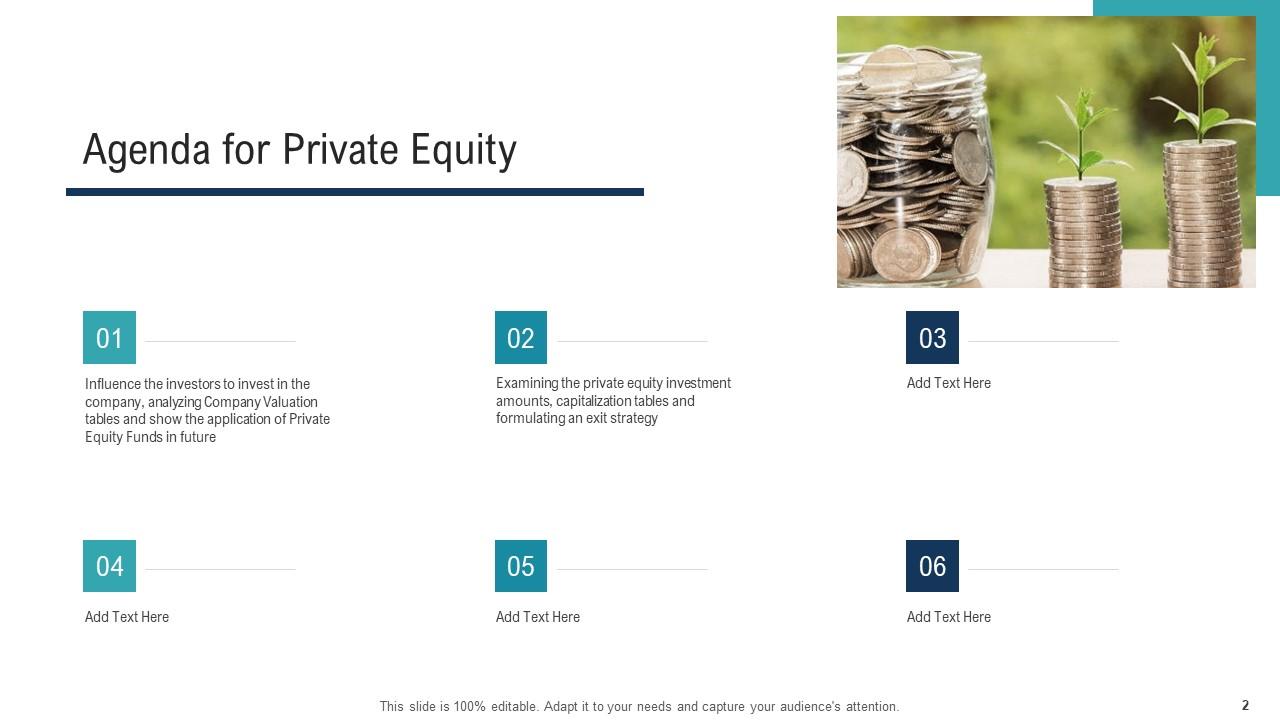
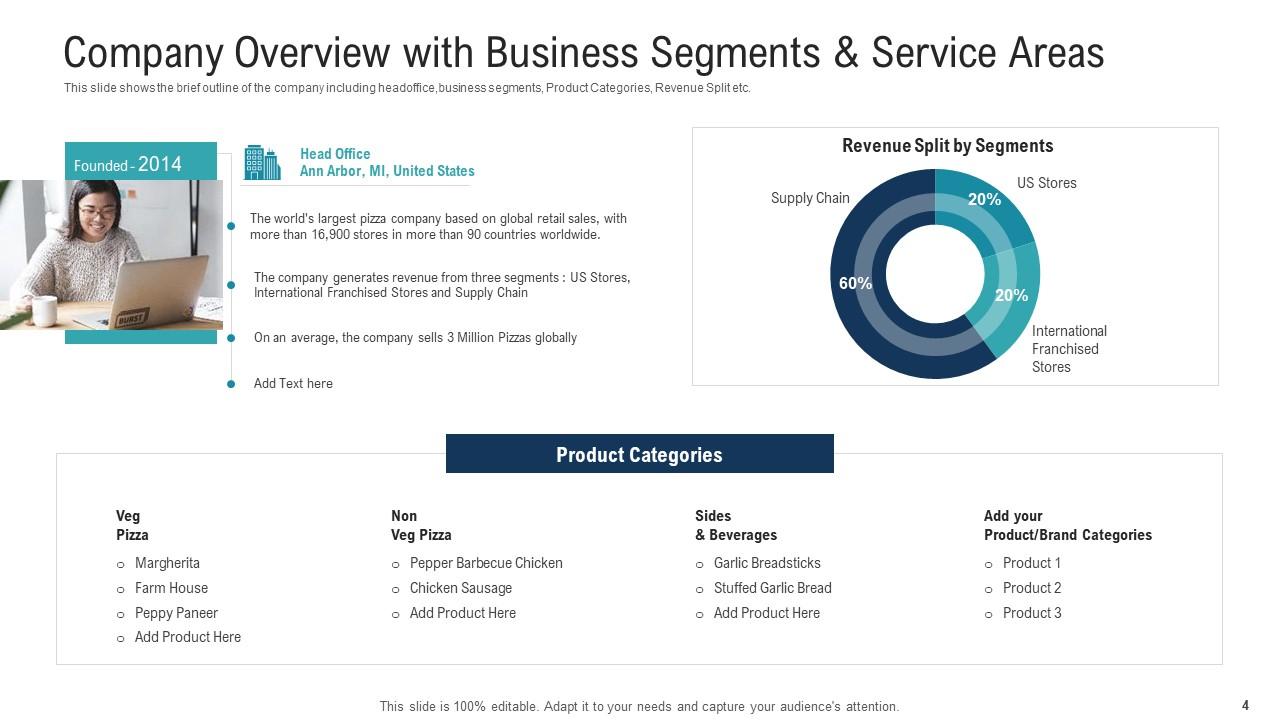
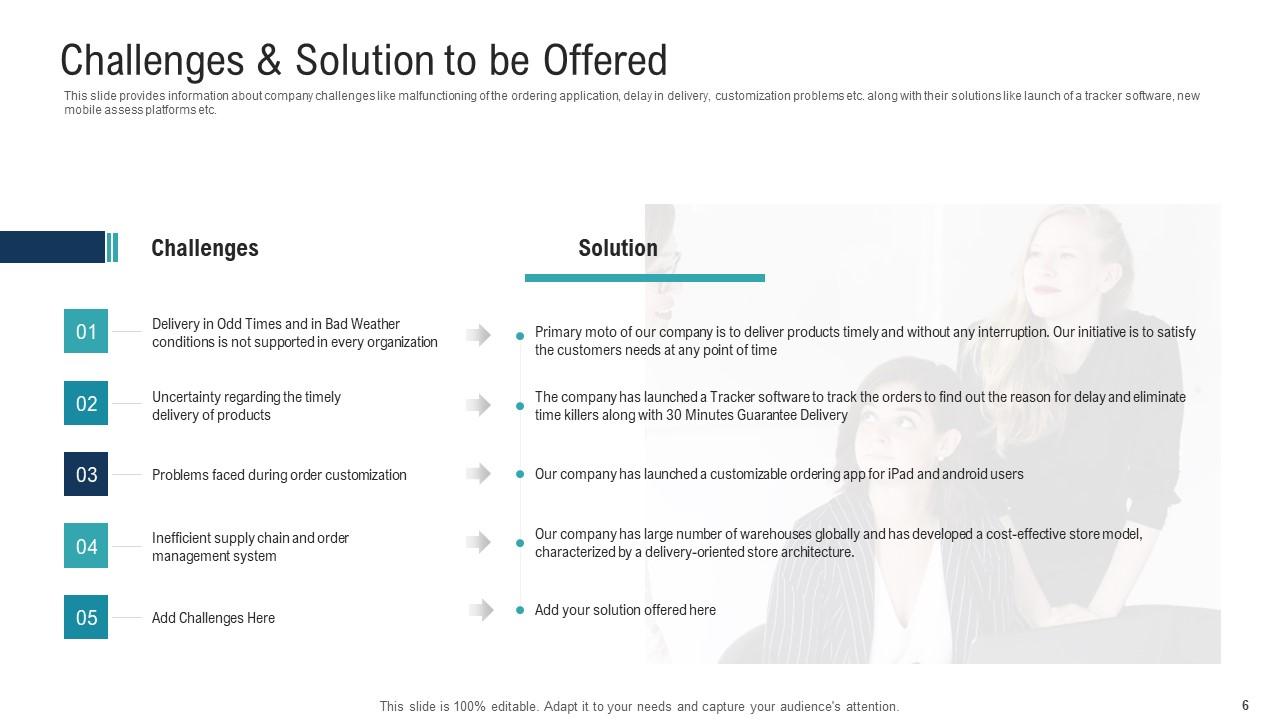
Investor presentation to raise private equity funds powerpoint presentation slides

Rating:
95%
Investor presentation to raise private equity funds powerpoint presentation slides
Slide 1 of 47
Favourites Favourites

Try Before you Buy Download Free Sample Product

Audience Impress Your
Audience
Editable 100%
Editable
Time Save Hours
of Time
The Biggest Sale is ending soon in
0
0
:
0
0
:
0
0
Rating:
95%
Enthrall your audience with this Investor Presentation To Raise Private Equity Funds Powerpoint Presentation Slides. Increase your presentation threshold by deploying this well crafted template. It acts as a great communication tool due to its well researched content. It also contains stylized icons, graphics, visuals etc, which make it an immediate attention grabber. Comprising fourty seven slides, this complete deck is all you need to get noticed. All the slides and their content can be altered to suit your unique business setting. Not only that, other components and graphics can also be modified to add personal touches to this prefabricated set.

FAQs for Investor presentation to raise private equity funds

Track record's everything - LPs need to see you've actually made money before. Team chemistry matters too, they want people who've worked together successfully. What's your angle though? The market's so crowded now, you gotta have something that actually sets you apart. Personal relationships are honestly make-or-break since these people are cutting huge checks. Oh, and don't go crazy with fund size - I've seen teams torpedo themselves asking for way more than their strategy can handle. Start building those LP connections now, not just when you're desperate for money. Market timing's brutal right now but that's kinda out of your control anyway.

Market vibes totally control how much money investors want to throw at PE funds. Strong markets? They're happy to write big checks and try out newer managers. But once things get shaky or recession talk starts - honestly, they become ridiculously cautious. Established funds only, better deal terms, some even freeze their allocations completely until stuff calms down. It's wild how fast the mood shifts. You really want to time your fundraise when markets are cruising and confidence is solid. Trying to raise during chaos is just setting yourself up for frustration.

You gotta find your niche - something big funds either can't do or just ignore completely. Pick a sector, region, or deal size and become THE person for it. Track record helps, sure, but LPs really want to see you've got deal flow others don't. Build actual relationships in your space (not just random LinkedIn adds). The key is having people call you first when something good comes up. Oh and be super clear about what makes you different - I see too many funds trying to do everything and it never works. Stick to your story.

Your track record is everything, honestly. LPs want to see you've made consistent money, especially through different market conditions. Past performance doesn't guarantee future success (yeah, we've all heard that line), but it's literally the only real proof investors have that you know what you're doing. Institutional money won't touch you without solid results to back up your pitch. Document your wins clearly - but don't BS about the losses either. That transparency actually builds trust. Without a strong track record? Good luck raising serious capital from the big players.

Dude, co-investments are basically candy for LPs during fundraising. You let them invest directly in your deals (usually with way lower fees), and they get bigger allocations than just through the main fund. LPs absolutely eat this up because of the fee savings and direct exposure. Meanwhile, you get investors who are way more likely to stick around for future funds. Honestly, most LPs expect this option now – I'd bring it up early in conversations since it's become a real factor in their decision making. It's one of those things that just makes everyone happy.

Dude, institutions will put you through hell - we're talking 6-12 months of committee reviews, reference checks, the whole nine yards. They'll audit your back office like you're running some shady operation or something. But HNWIs? Totally different game. They move way faster, usually just need their advisor's blessing or heard good things through their network. Sure, they write smaller checks, but you're not waiting around forever. Wealthy individuals care more about your track record and gut feel - do they trust you? Institutions obsess over your compliance and risk management. Plan accordingly.

Dude, ESG is everywhere now - LPs won't even look at you without a solid impact story. COVID basically forced everyone into virtual pitches and digital tools, which honestly isn't the worst thing. Firms are throwing in co-investment perks to stand out too. But here's what's really changed: fundraising got super niche. Nobody's doing broad strategies anymore - it's all sector-specific or geographic plays. My advice? Get your ESG game together ASAP and invest in decent tech infrastructure. The old-school relationship stuff still matters, but it won't carry you alone anymore.
Honestly, tech makes fundraising way less painful. Start with a solid CRM - you'll thank me later when you're not scrambling through email chains to remember who said what. Data analytics will show you which LPs actually match your fund instead of you just guessing. LinkedIn and email campaigns work surprisingly well for building visibility, even in our tiny world. Virtual data rooms are a game changer for due diligence. Plus video calls mean you can pitch investors in Europe without burning through your budget on flights. Though nothing beats meeting face-to-face when you can swing it.

Honestly, it's brutal out there for new fund managers. Nobody wants to back someone without exits under their belt, but how do you get exits without backing first? Classic catch-22. Big institutions basically won't even look at you - they want proven track records and huge fund sizes that price out newcomers. Established GPs have all the relationships locked up too. My advice? Start with rich individuals and family offices instead. They move way faster than institutional money and actually take bets on new talent. Use those wins to build up your reputation, then go after the big institutional LPs later once you've got some credibility.

Regulatory changes mess with your fundraising big time - disclosure rules, investor requirements, the whole deal. More paperwork and longer timelines are pretty much guaranteed. The SEC's been crazy busy with Form PF updates and marketing rule changes (seriously, who has time for all this?). Your legal team needs to know what's coming before you start. Build buffer time into your schedule because compliance stuff always takes longer than expected. Here's what's wild though - while everyone else scrambles to figure out new rules, you can actually get ahead if you adapt fast.

Track three things: how fast pledges roll in, your conversion rate from meetings to actual commits, and time from pitch to signature. Don't get caught up in total dollars raised - that's just ego stroking if your velocity sucks. Win rate percentage matters way more, plus how long your sales cycle drags on. Those numbers actually tell you if people buy your story and if your process works. Oh and set weekly targets for each one, then tweak your outreach when something's not hitting. Most people chase the wrong numbers honestly.

Networking is literally everything for fundraising. Map out anyone with LP connections first - former colleagues, board members, portfolio execs. They usually know institutional investors personally. MBA alumni networks are insane for this, especially top programs. But don't spam everyone at once (super annoying). Be smart about who you hit up and always give them something back - maybe market insights or deal flow access. Oh and start building these relationships way before you're desperate for cash. That timing makes all the difference.

Look, LP relationships are everything in this business. You're basically asking people to trust you with millions for a decade - that's not happening without real rapport. I've had meetings where we barely looked at the pitch deck because we'd been talking for years already. Trust beats fancy projections every time. Good relationships get you better terms, quicker closes, and someone who'll actually answer when shit hits the fan with your portfolio. Oh, and start building these way earlier than you think - like 2 years before you need the cash, not when you're desperate.

Dude, skip the boring IRR spreadsheets. LPs hear those all day. What they remember? Good stories. Tell them about that portfolio company turnaround you pulled off, or how you spotted an opportunity everyone else missed. I saw one fund absolutely crush their pitch by starting with this crazy deal story that showed exactly why they're different. You want LPs walking away thinking "yeah, these guys actually know what they're doing." Don't just recite facts – have a real conversation. Maybe prep 2-3 solid stories that show off what makes your fund special. Way more effective than data dumps.

Dude, ESG is absolutely critical for PE fundraising now. LPs won't even look at you without solid ESG credentials. You need to show them how you bake ESG into deal sourcing, due diligence, the whole portfolio management process. Most institutional investors literally have mandates around this stuff - it's not optional anymore. Start documenting everything you're doing ESG-wise right now. Get third-party assessments for your portfolio companies too (bit of a pain but worth it). Your ESG policy can't just be some fluff document either - LPs can smell BS from a mile away. Trust me, having this locked down makes those fundraising convos way less awkward.

Ratings and Reviews

95% of 100
Review Form
Write a review
Most Relevant Reviews
  1. 80%

    by Clement Patel

    Best way of representation of the topic.
  2. 100%

    by Colton Fisher

    Great quality slides in rapid time.
  3. 100%

    by Charlie Jackson

    The Designed Graphic are very professional and classic.
  4. 100%

    by Darren Olson

    Very well designed and informative templates.
  5. 80%

    by Diego Gardner

    Excellent work done on template design and graphics.
  6. 100%

    by Curt Bryant

    Best way of representation of the topic.
  7. 100%

    by Cornell Hamilton

    Informative presentations that are easily editable.
  8. 100%

    by Damien Murray

    Very unique and reliable designs.
  9. 80%

    by Darren Olson

    Appreciate the research and its presentable format.
  10. 100%

    by Desmond Garza

    Qualitative and comprehensive slides.

Items 1 to 10 of 11 total

    Page:
  • You're currently reading page 1
  • Page 2
  • Next
per page: