


It product management lifecycle powerpoint presentation slides
IT Product management lifecycle incorporates all product aspects from conception to disposal throughout the process. The primary purpose of this deck is to optimize the product lifecycle process. Here is a competently designed IT Product Management Lifecycle template that showcases the challenges faced by product leaders and compares product metrics with key competitors. It also covers the estimated market share of the IT product management lifecycle and talks about the innovative technologies that can increase the same in the future. This deck provides information about the ways to manage the IT lifecycle process. It includes steps, product management roles, and essential strategies for assessing IT management lifecycle software comparative assessment. The deck presents a strategic timeline to reduce cost, capabilities required for the software development lifecycle process, etc. Moreover, the template shows investment prioritization tools for product evolution and techniques for evaluating product management opportunities. It provides a glimpse of metrics to measure product success and management priorities. It also shows the costs involved in managing product lifecycle stages and the impact of initiatives on overall product performance. Get access now.
IT Product management lifecycle incorporates all product aspects from conception to disposal throughout the process. The pr..



















-

- Google Slides is a new FREE Presentation software from Google.
- All our content is 100% compatible with Google Slides.
- Just download our designs, and upload them to Google Slides and they will work automatically.
- Amaze your audience with SlideTeam and Google Slides.
-

Want Changes to This PPT Slide? Check out our Presentation Design Services
-

- WideScreen Aspect ratio is becoming a very popular format. When you download this product, the downloaded ZIP will contain this product in both standard and widescreen format.
-

- Some older products that we have may only be in standard format, but they can easily be converted to widescreen.
- To do this, please open the SlideTeam product in Powerpoint, and go to
- Design ( On the top bar) -> Page Setup -> and select "On-screen Show (16:9)” in the drop down for "Slides Sized for".
- The slide or theme will change to widescreen, and all graphics will adjust automatically. You can similarly convert our content to any other desired screen aspect ratio.
Compatible With Google Slides

Get This In WideScreen
You must be logged in to download this presentation.


Do you want to remove this product from your favourites?
PowerPoint presentation slides
This complete presentation has PPT slides on wide range of topics highlighting the core areas of your business needs. It has professionally designed templates with relevant visuals and subject driven content. This presentation deck has total of sixty slides. Get access to the customizable templates. Our designers have created editable templates for your convenience. You can edit the color, text and font size as per your need. You can add or delete the content if required. You are just a click to away to have this ready-made presentation. Click the download button now.

People who downloaded this PowerPoint presentation also viewed the following :
Content of this Powerpoint Presentation
Slide 1: This slide introduces IT Product Management Lifecycle. State Your Company Name and begin.
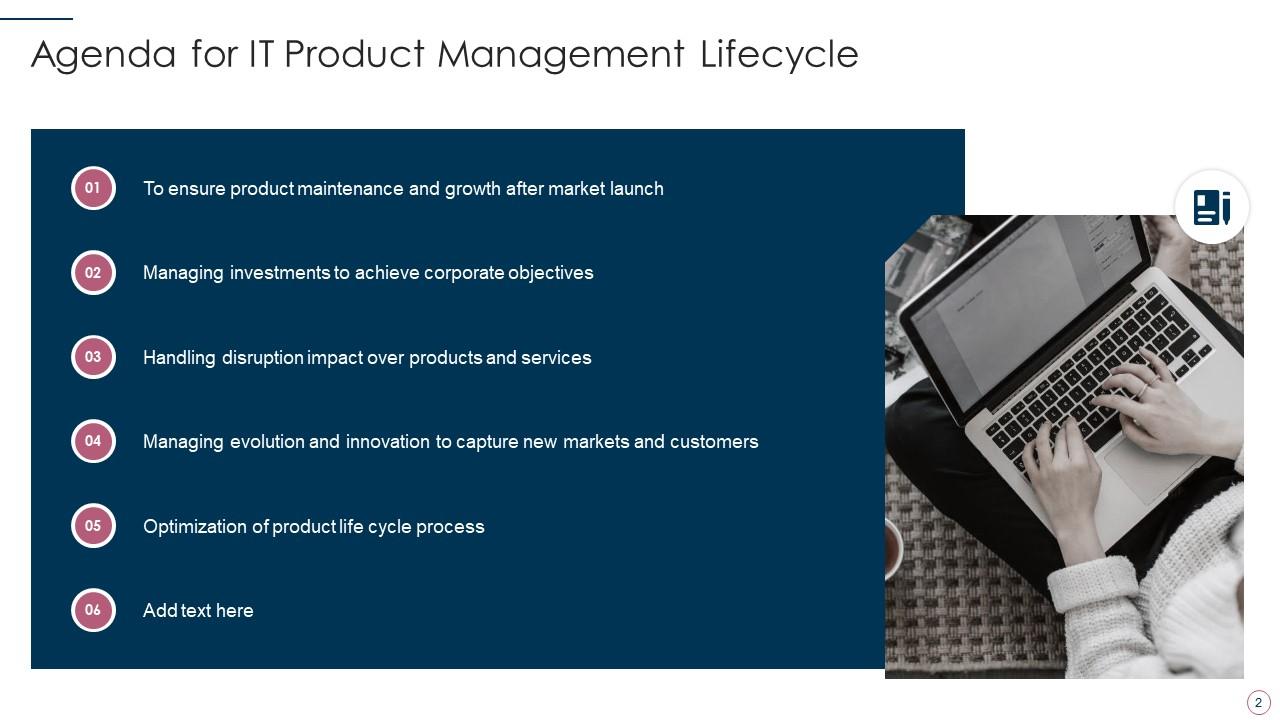
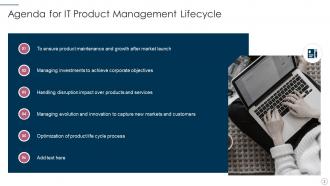
Slide 2: This slide shows Agenda for IT Product Management Lifecycle.
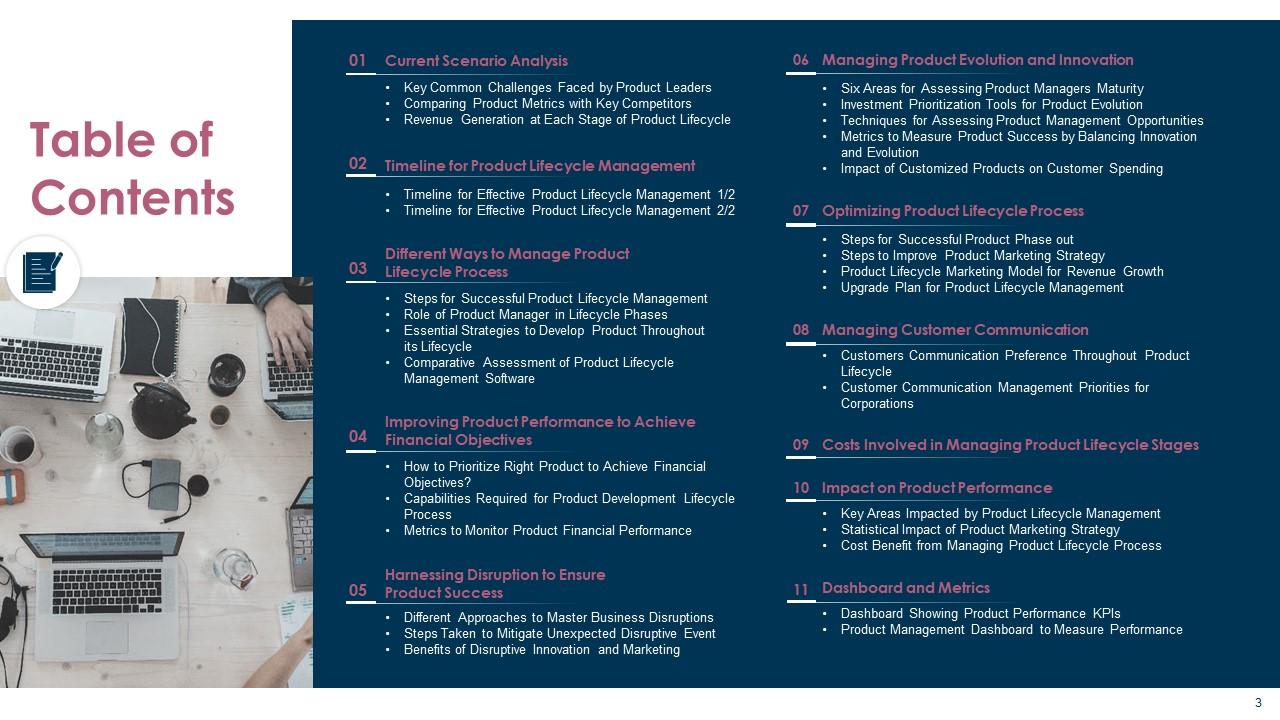
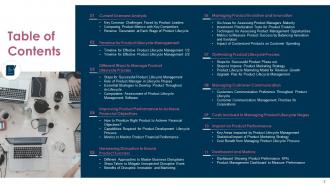
Slide 3: This slide presents Table of Content for the presentation.
Slide 4: This slide shows title for three topics that are to be covered in the template.
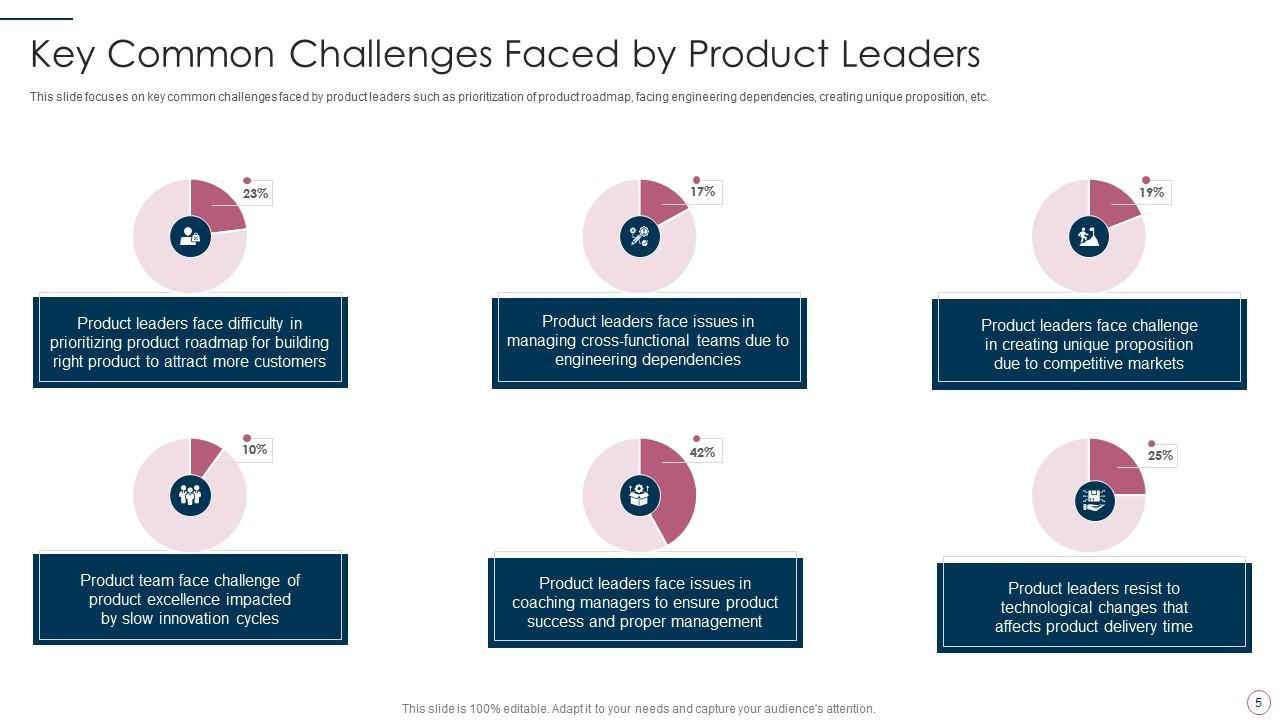
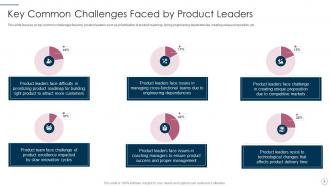
Slide 5: This slide focuses on key common challenges faced by product leaders such as prioritization of product roadmap, etc.
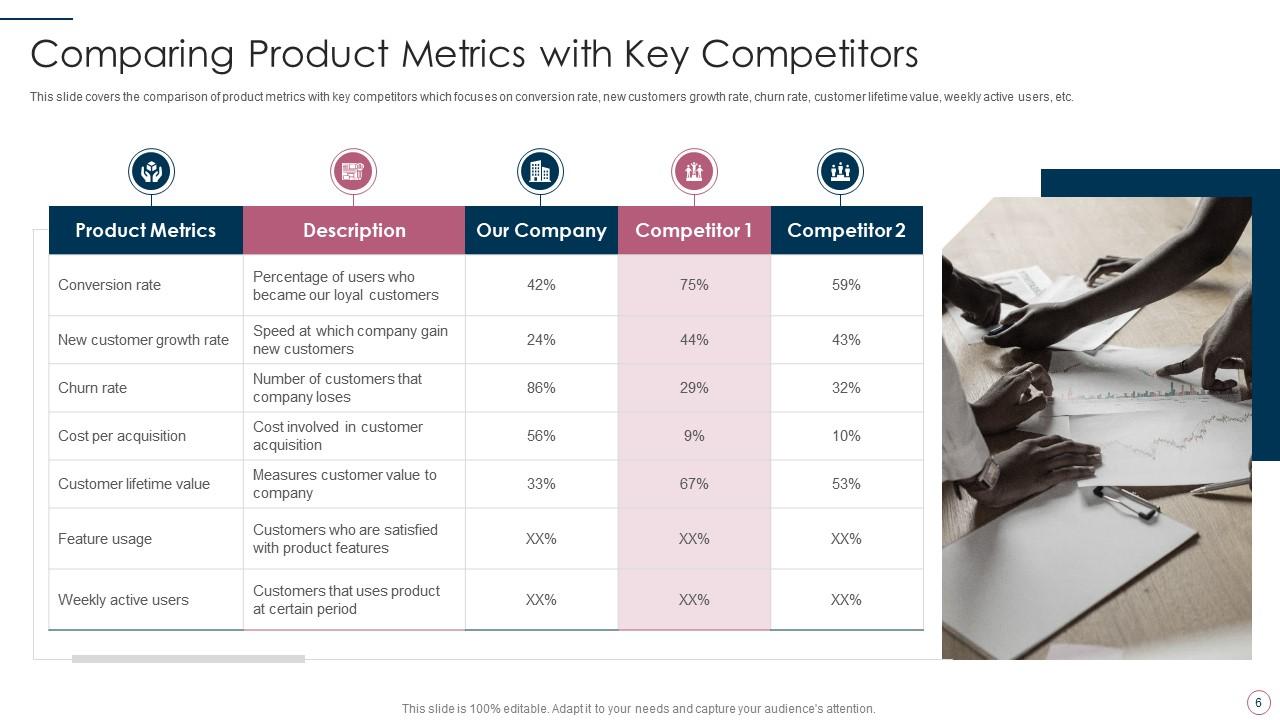
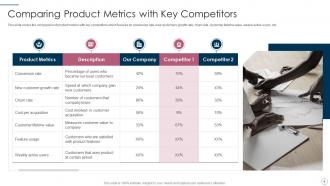
Slide 6: This slide covers the comparison of product metrics with key competitors which focuses on conversion rate, etc.
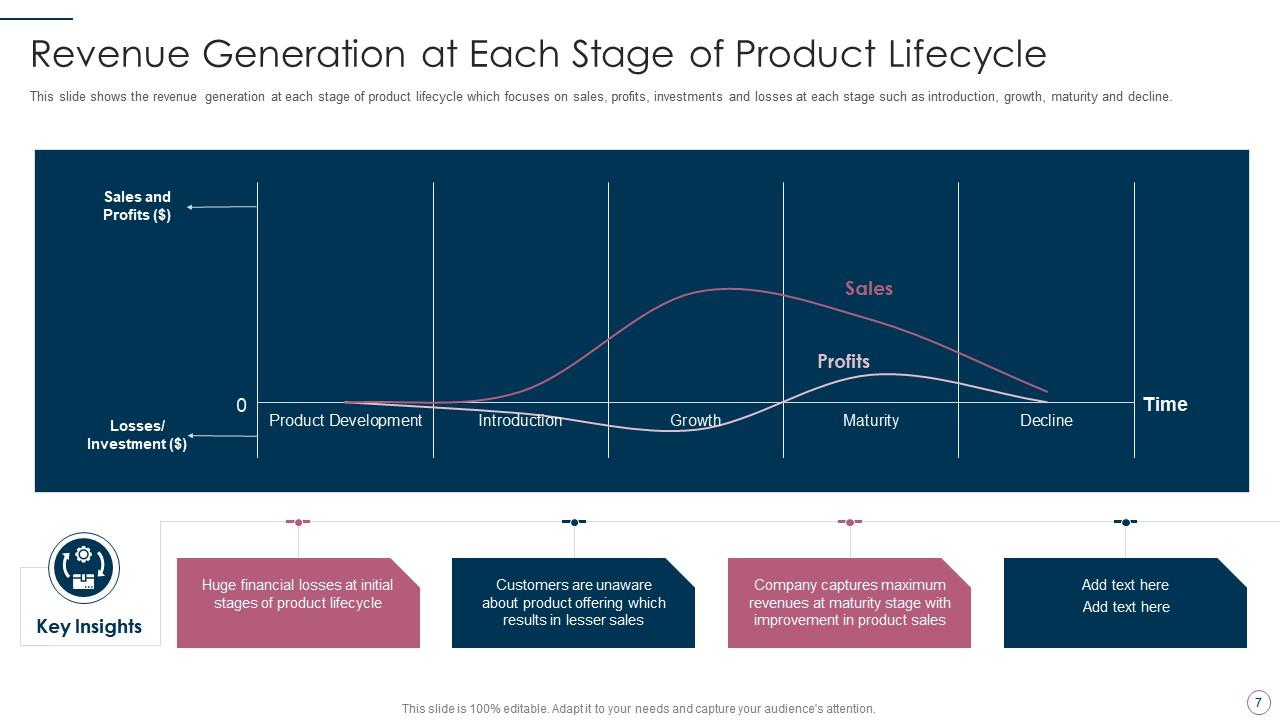
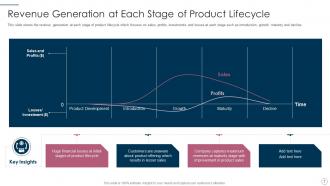
Slide 7: This slide shows the revenue generation at each stage of product lifecycle which focuses on sales, profits, etc.
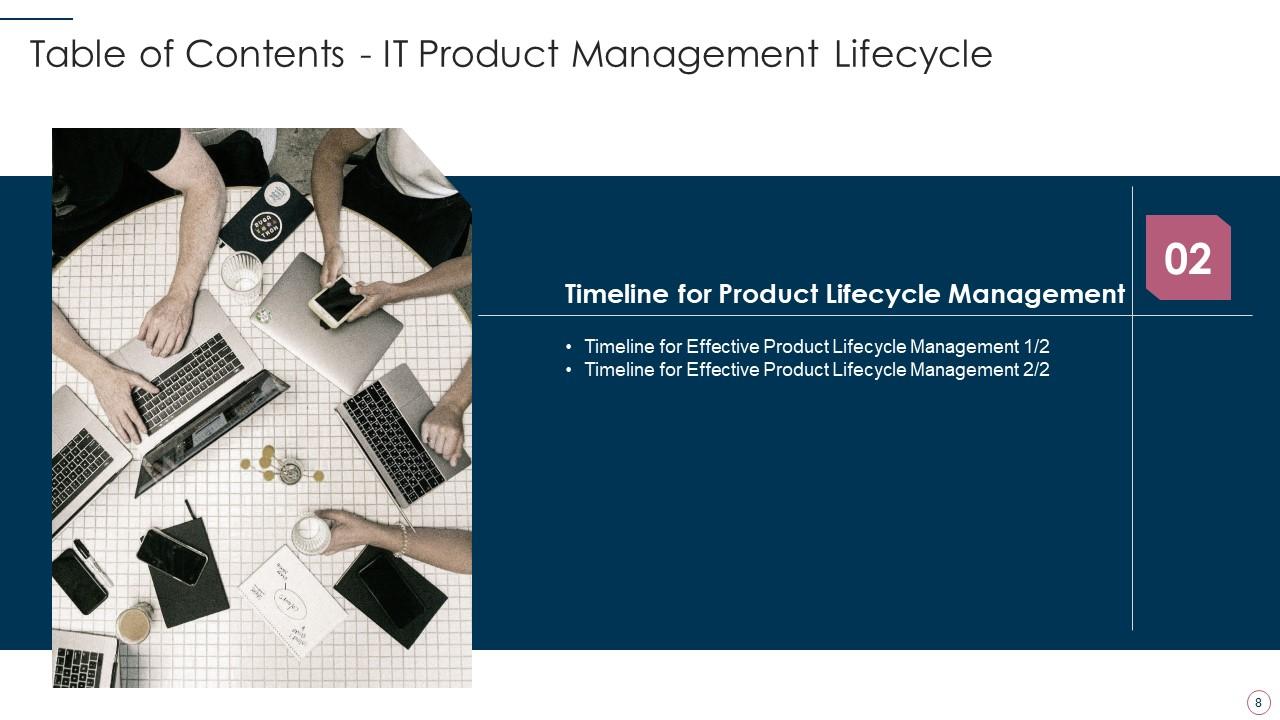
Slide 8: This slide exhibits title for next topic to be covered in the template.
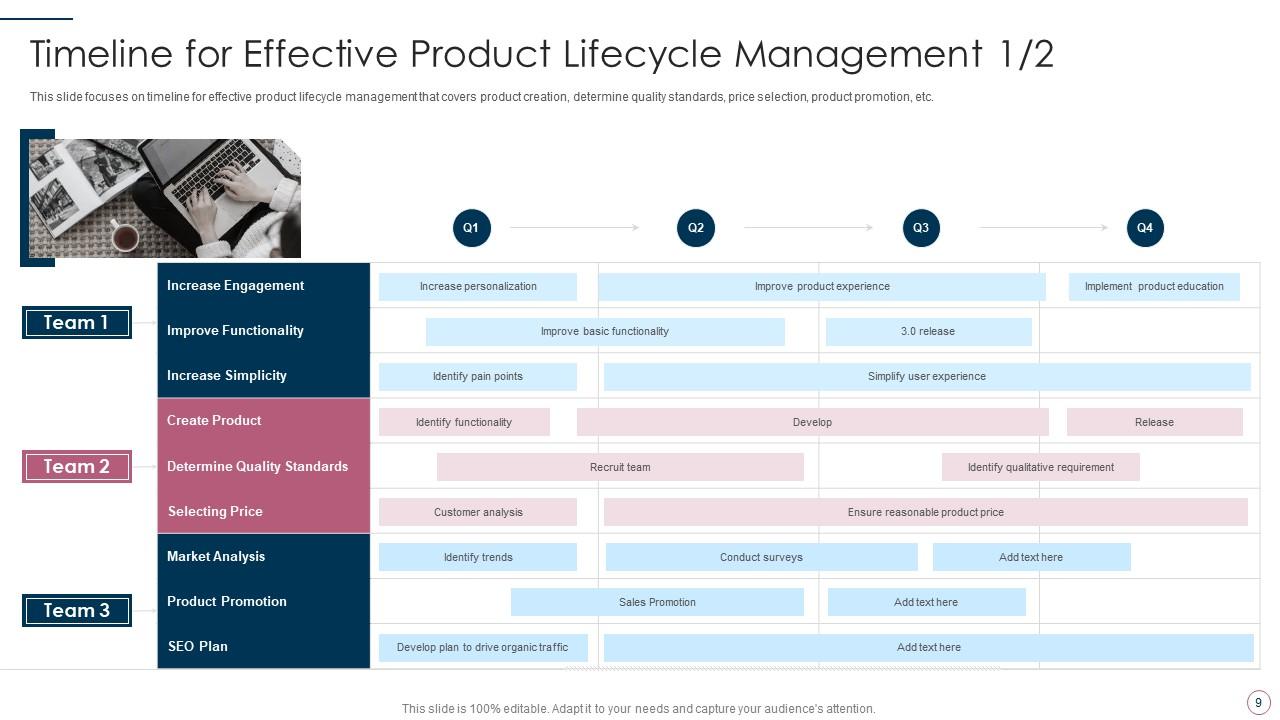
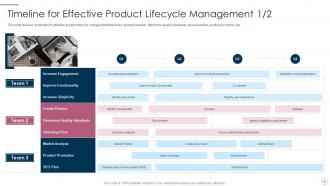
Slide 9: This slide focuses on timeline for effective product lifecycle management that covers product creation, etc.
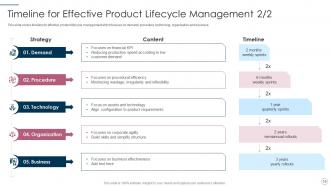
Slide 10: This slide covers timeline for effective product lifecycle management which focuses on demand, procedure, technology, etc.
Slide 11: This slide highlights title for next four topics to be covered.
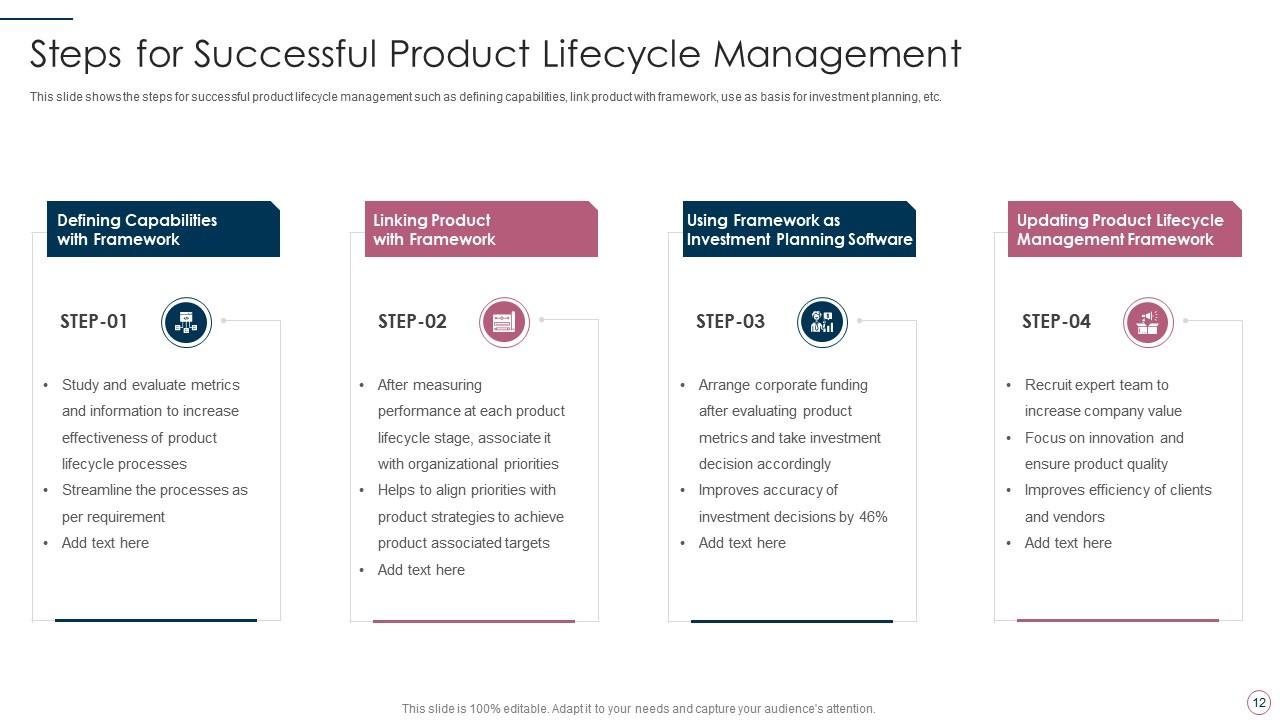
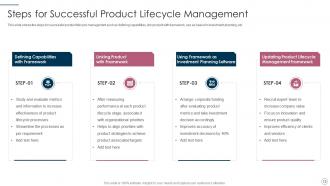
Slide 12: This slide shows the steps for successful product lifecycle management such as defining capabilities, etc.
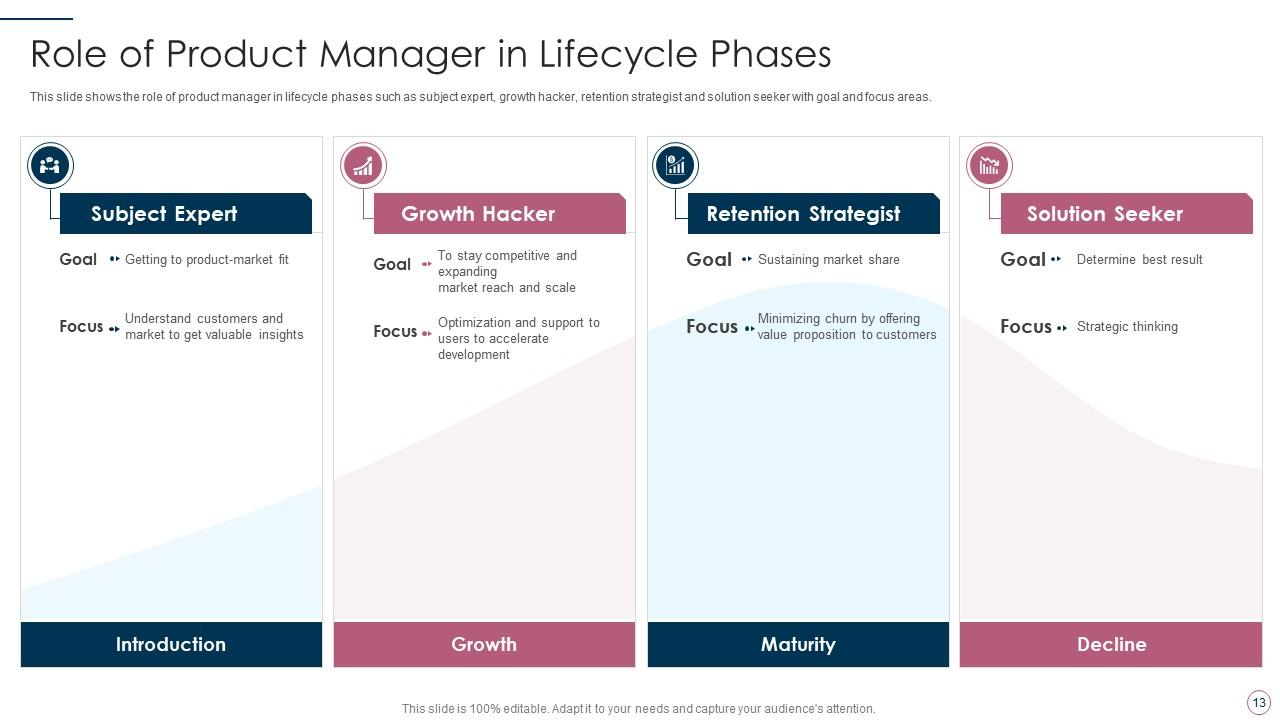
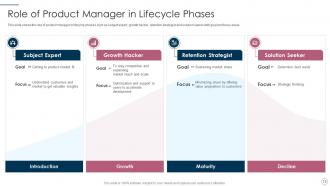
Slide 13: This slide shows the role of product manager in lifecycle phases such as subject expert, growth hacker, etc.
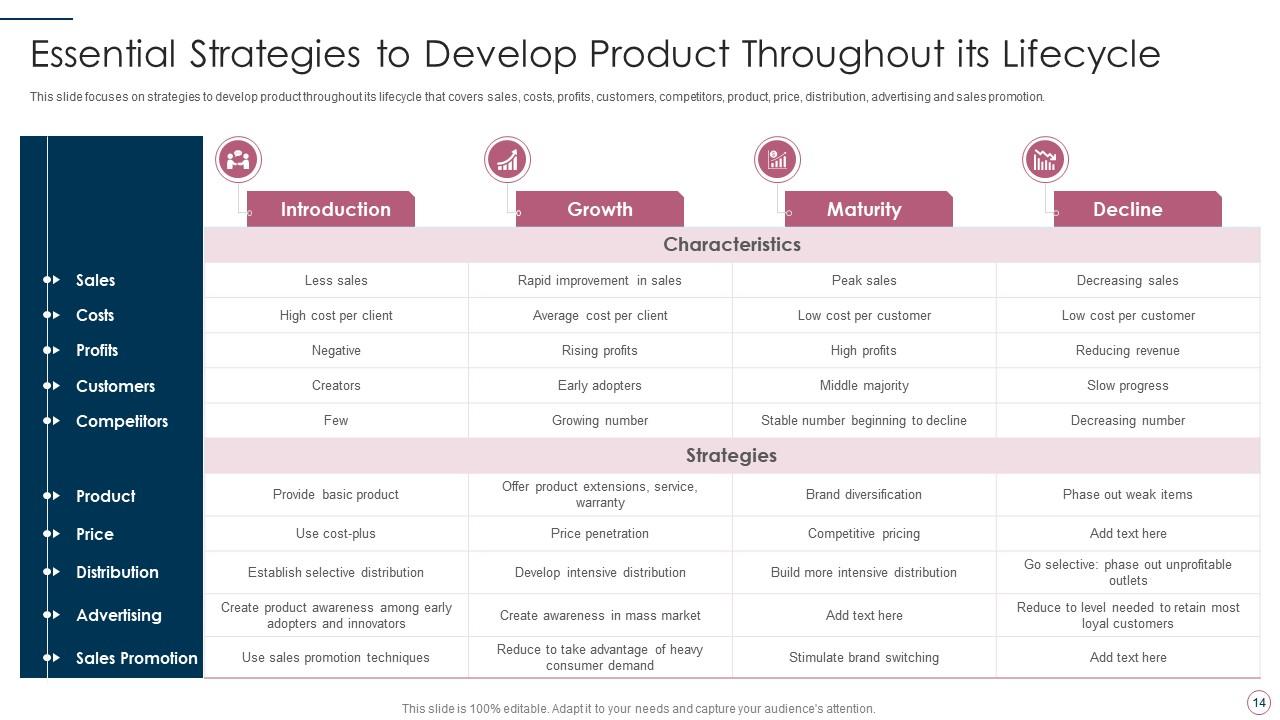
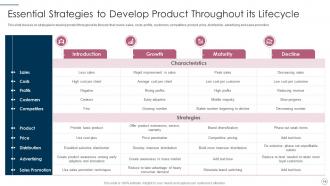
Slide 14: This slide focuses on strategies to develop product throughout its lifecycle that covers sales, costs, profits, customers, etc.
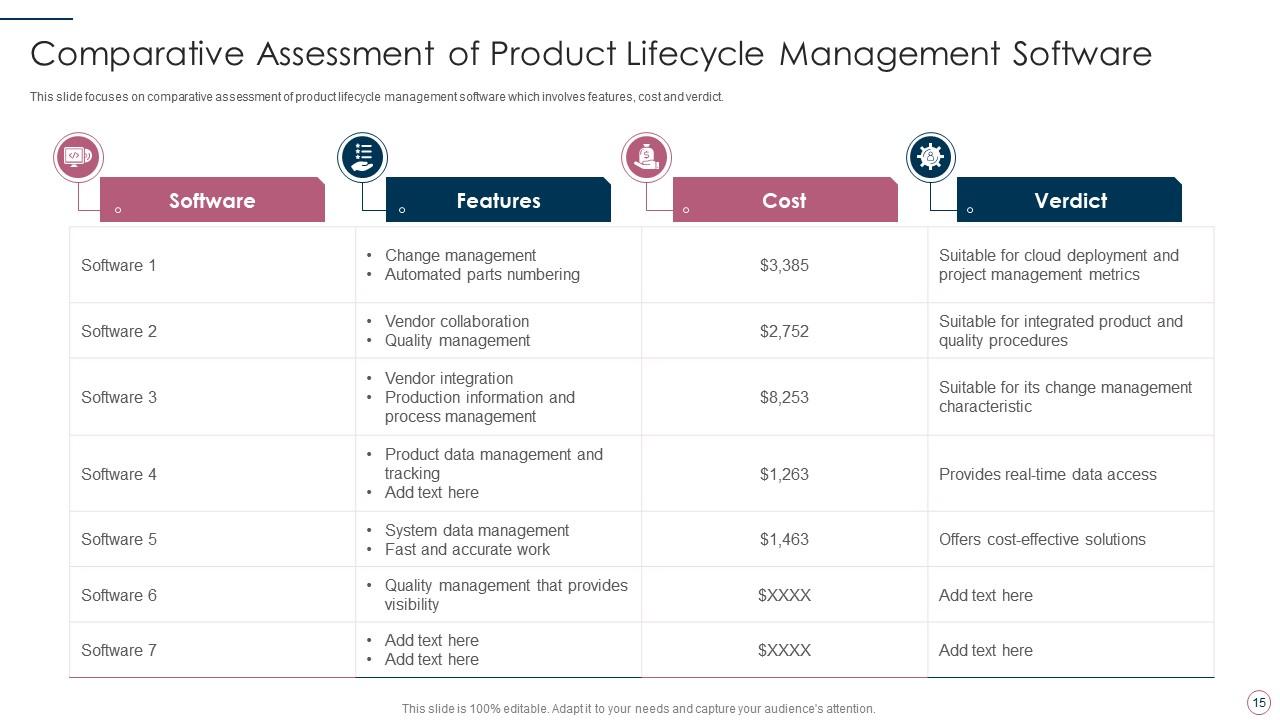
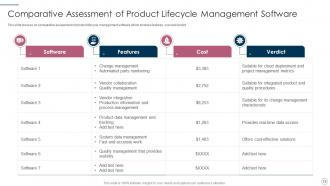
Slide 15: This slide focuses on comparative assessment of product lifecycle management software which involves features, cost and verdict.
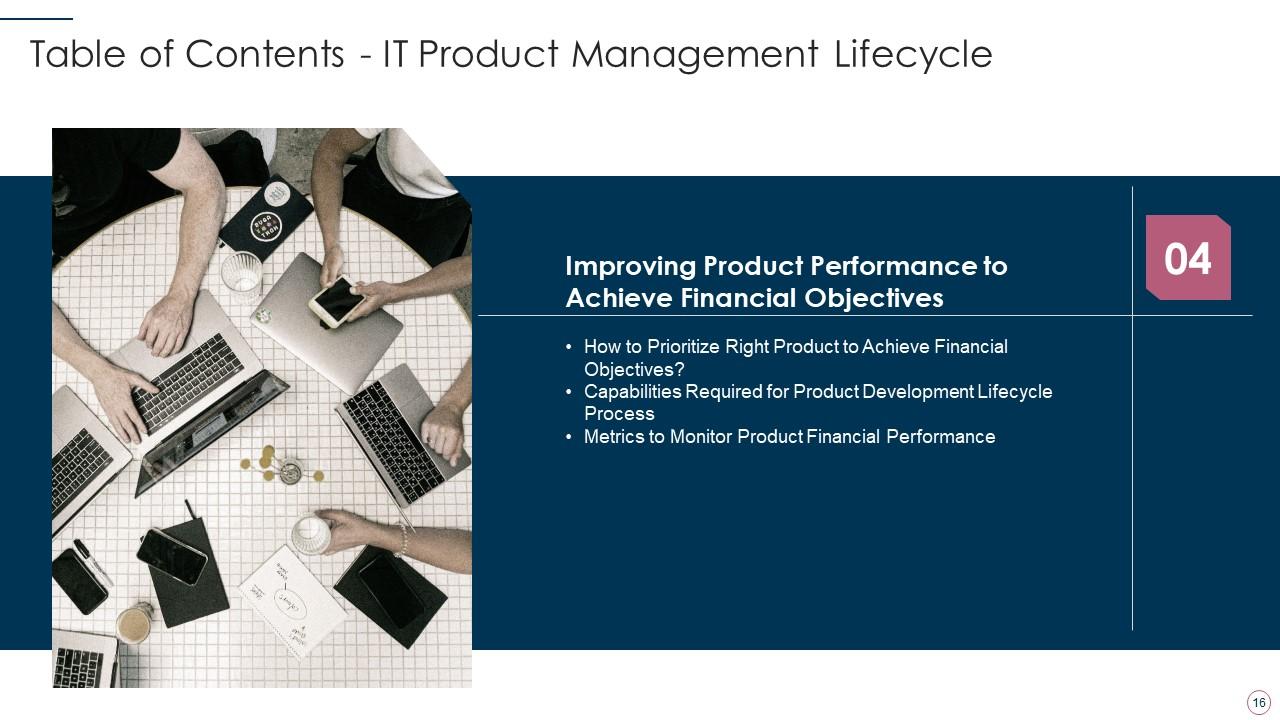
Slide 16: This slide illustrates title for next three topics to be covered in the template.
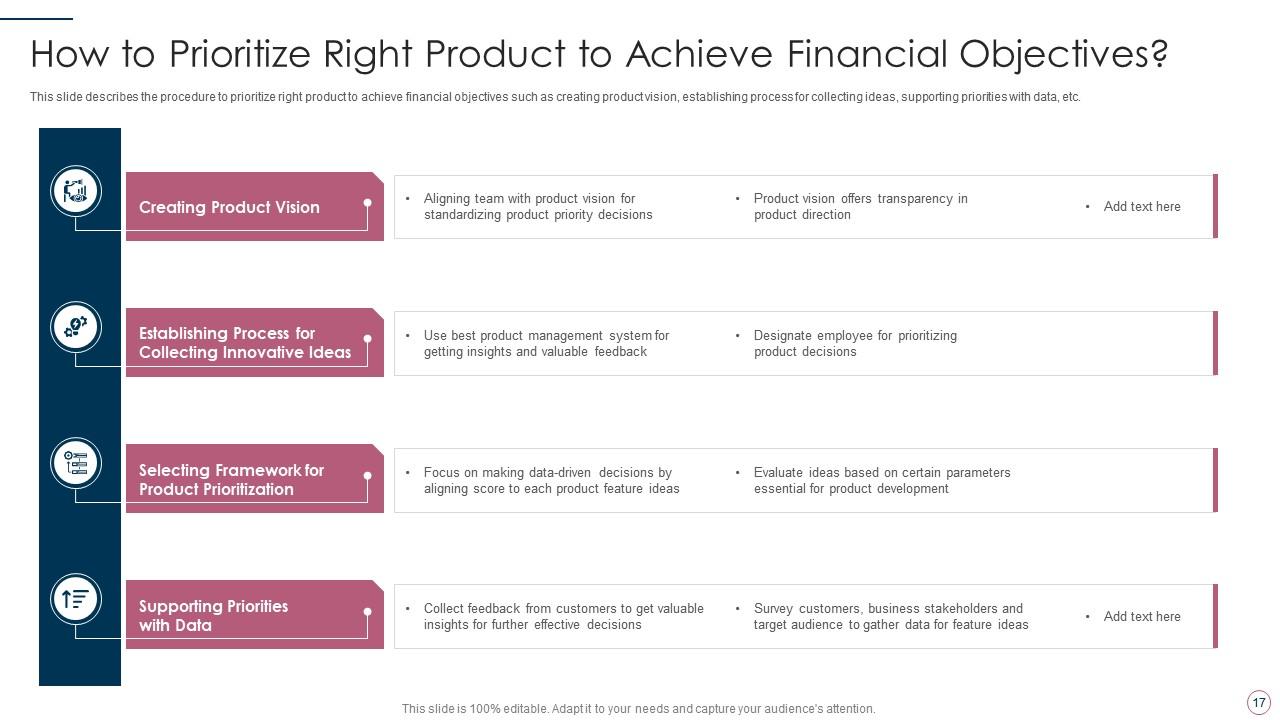
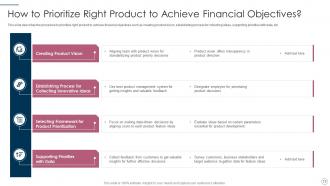
Slide 17: This slide describes the procedure to prioritize right product to achieve financial objectives such as creating product vision, etc.
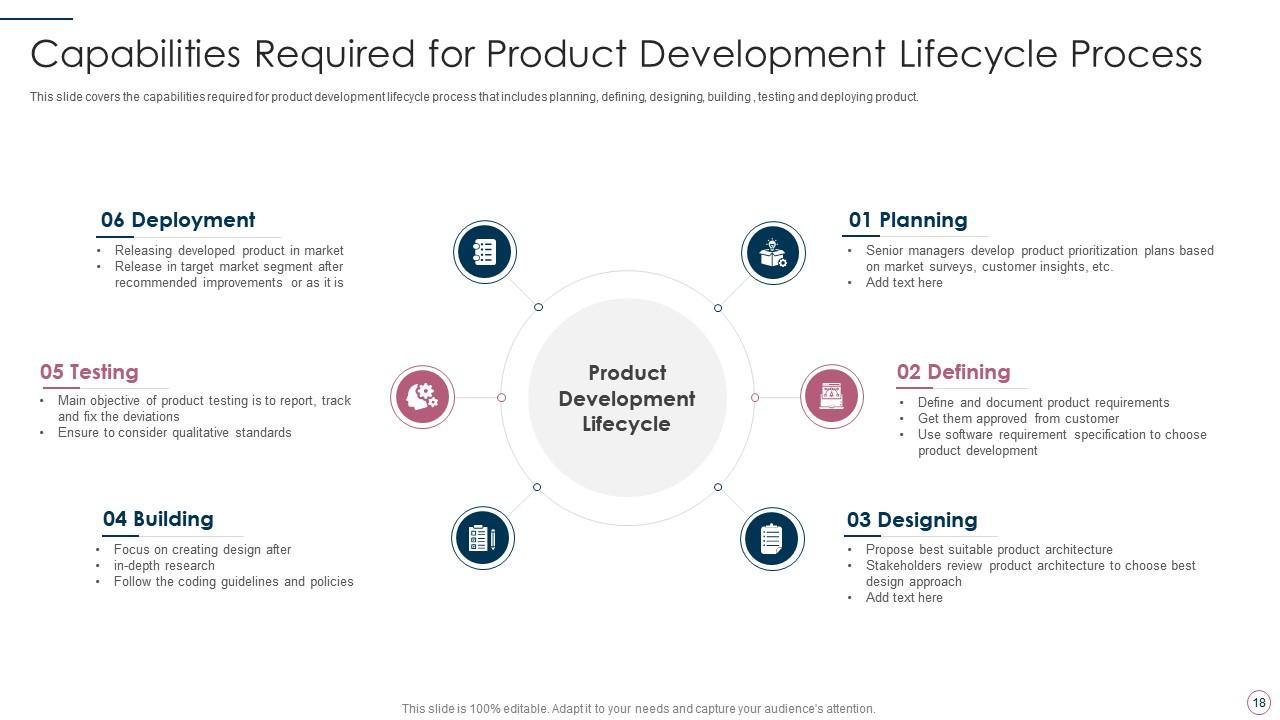
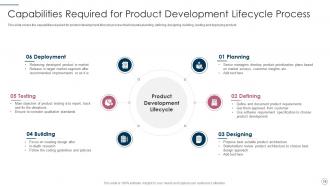
Slide 18: This slide covers the capabilities required for product development lifecycle process that includes planning, defining, designing, etc.
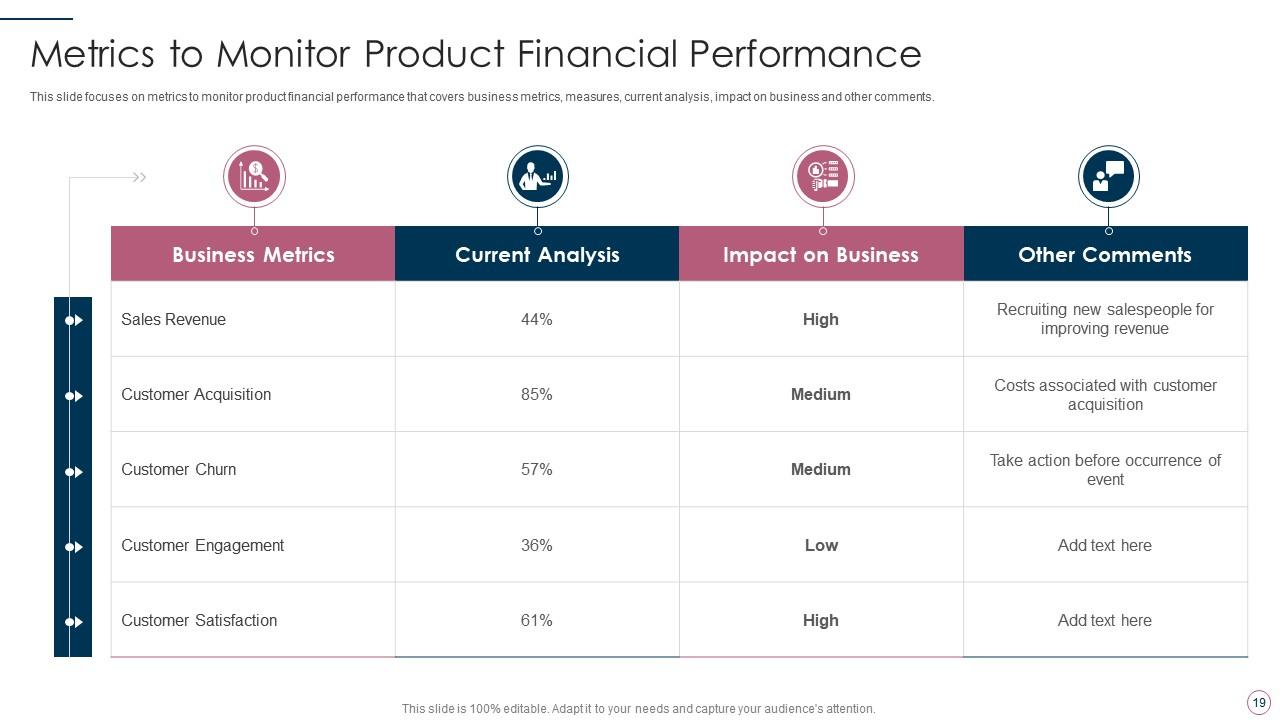
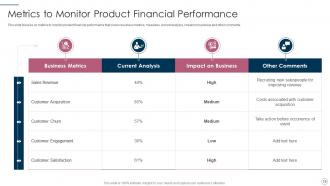
Slide 19: This slide focuses on metrics to monitor product financial performance that covers business metrics, measures, current analysis, etc.
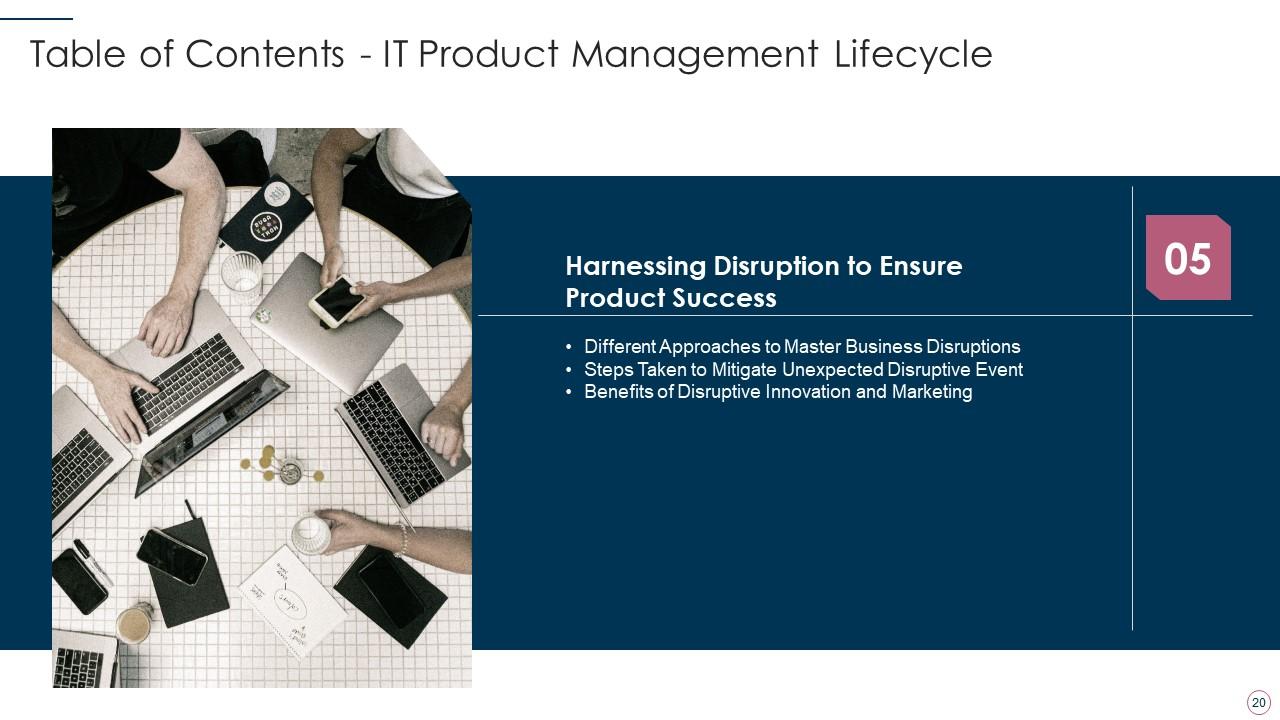
Slide 20: This slide displays title for next three topics to be covered in the template.
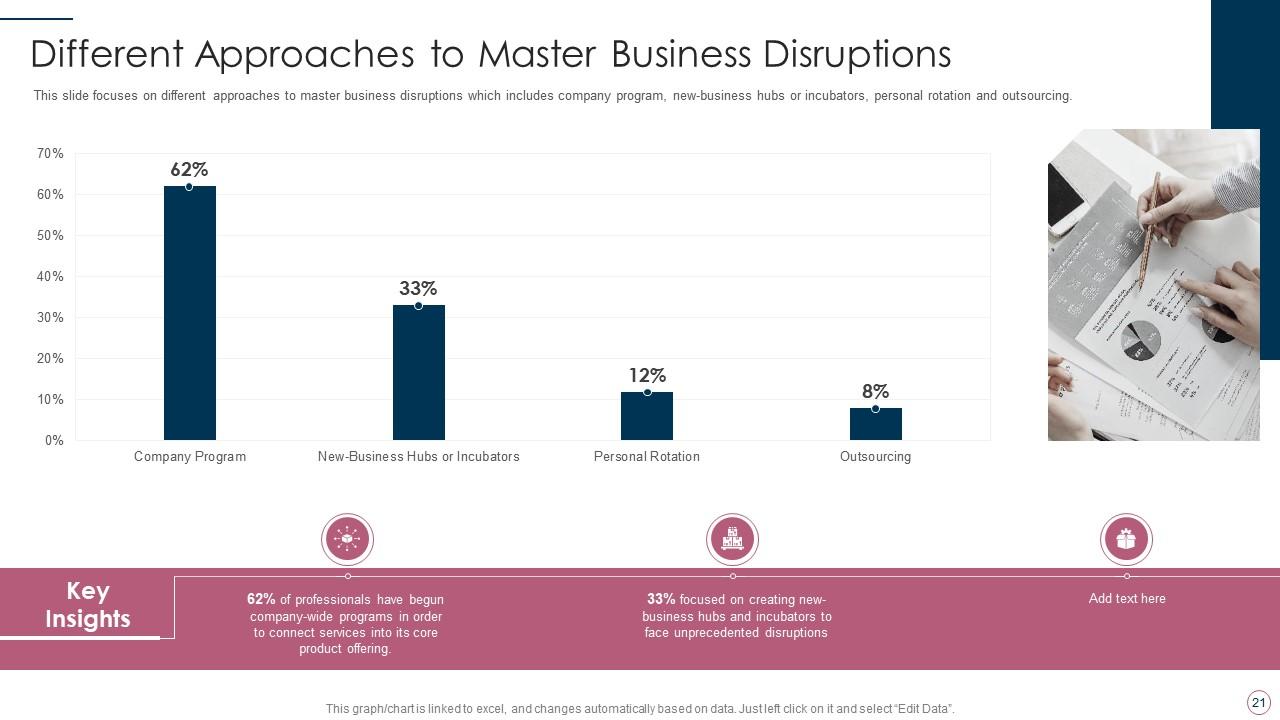
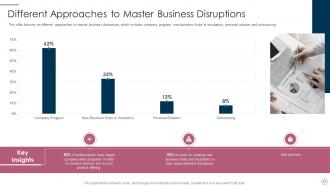
Slide 21: This slide focuses on different approaches to master business disruptions which includes company program, etc.
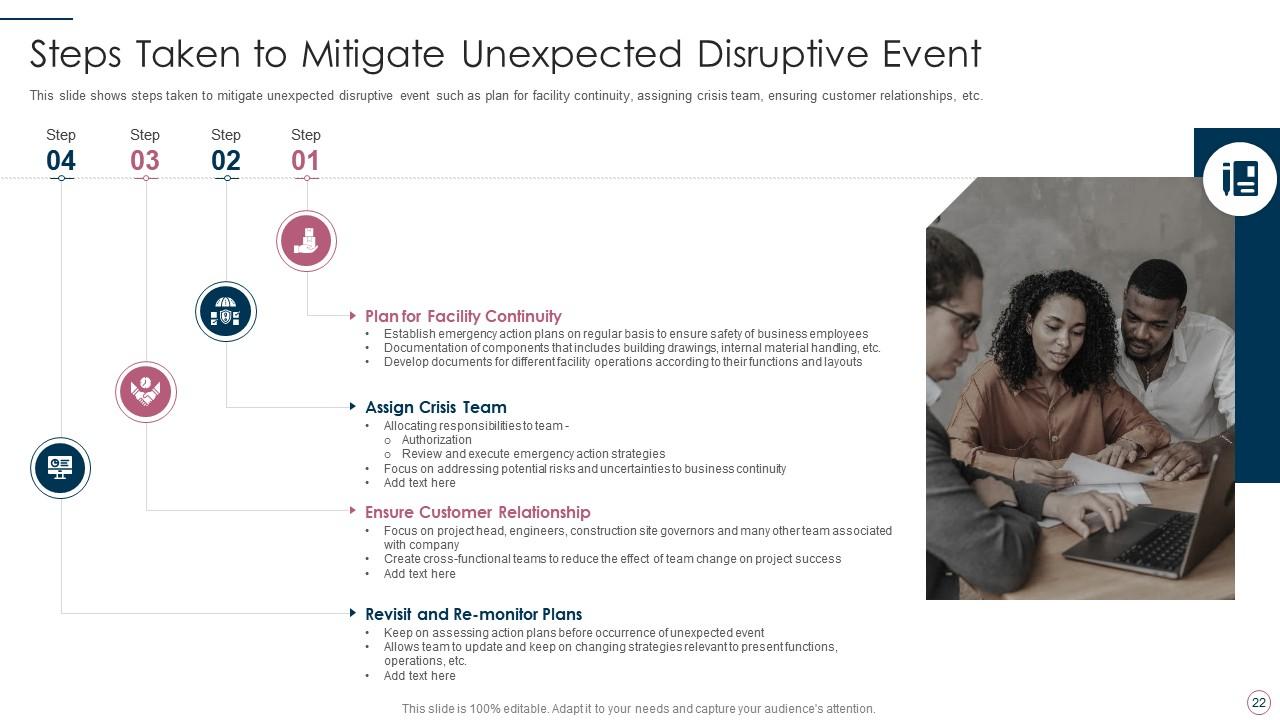
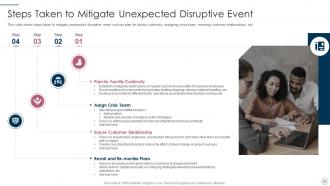
Slide 22: This slide shows steps taken to mitigate unexpected disruptive event such as plan for facility continuity, assigning crisis team, etc.
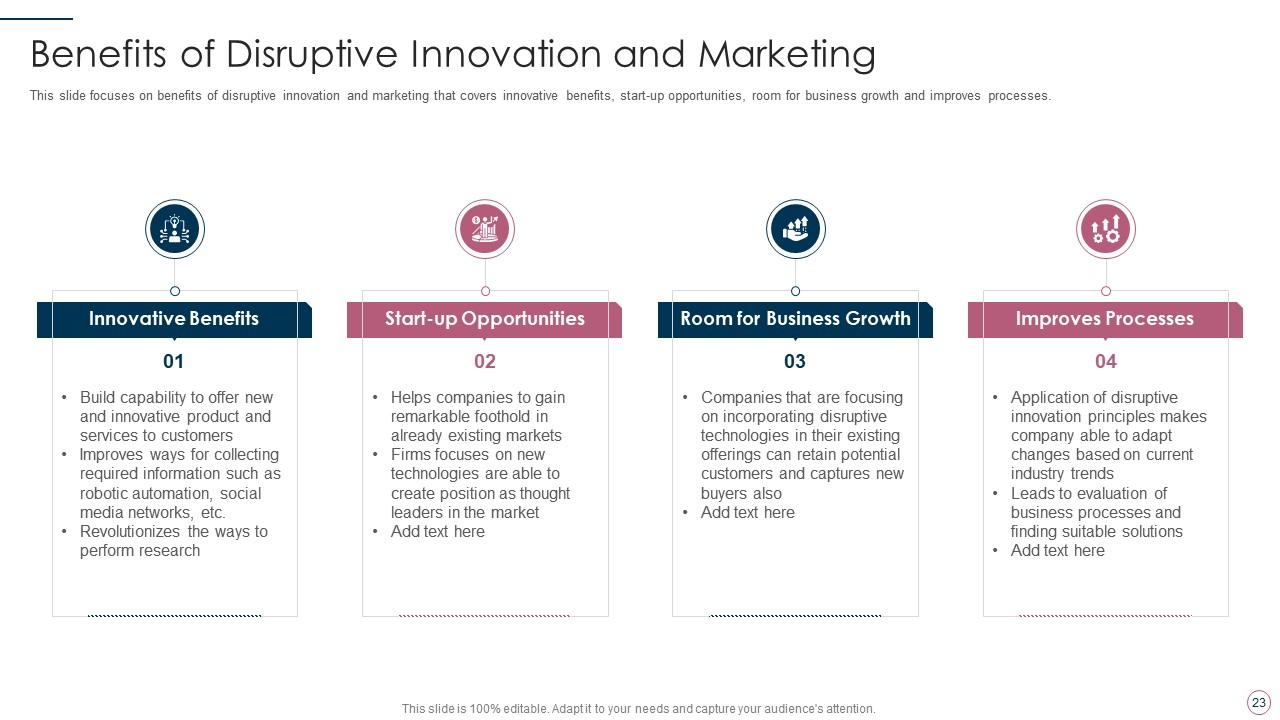
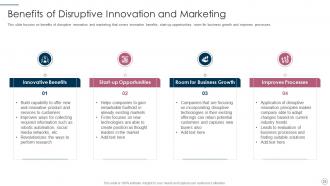
Slide 23: This slide focuses on benefits of disruptive innovation and marketing that covers innovative benefits, start-up opportunities, etc.
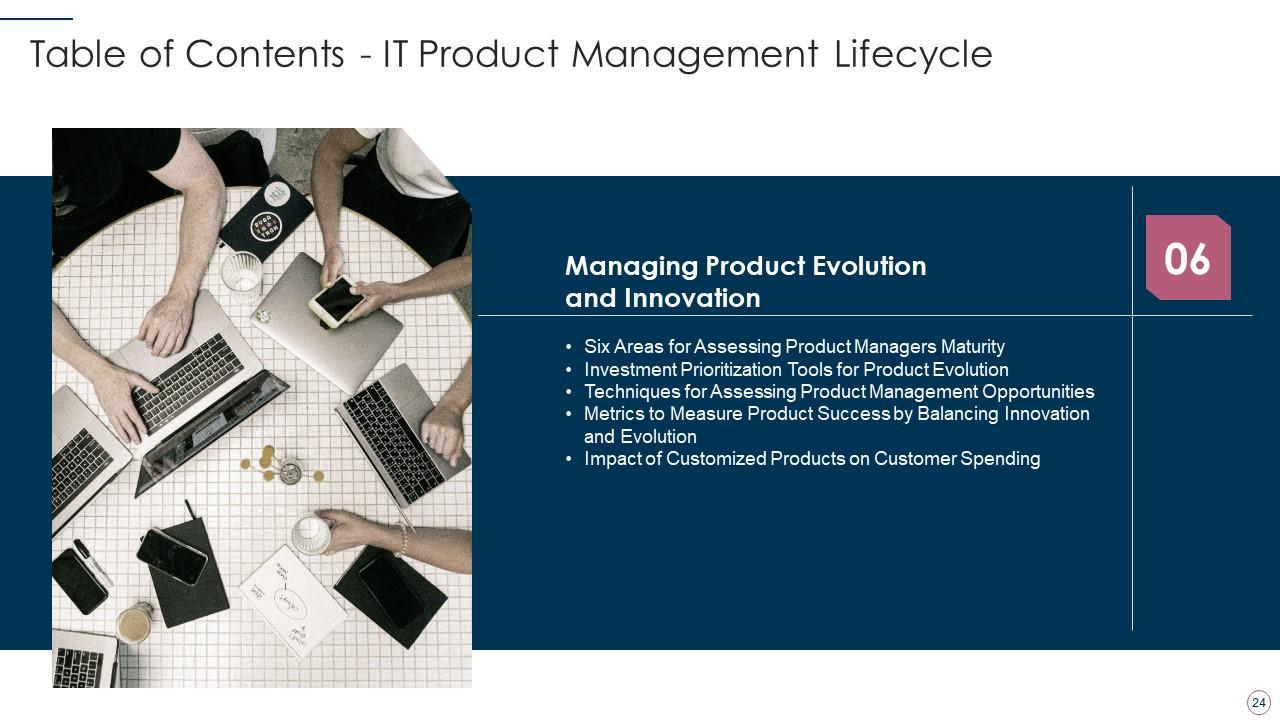
Slide 24: This slide presents title for next five topics to be covered in the template.
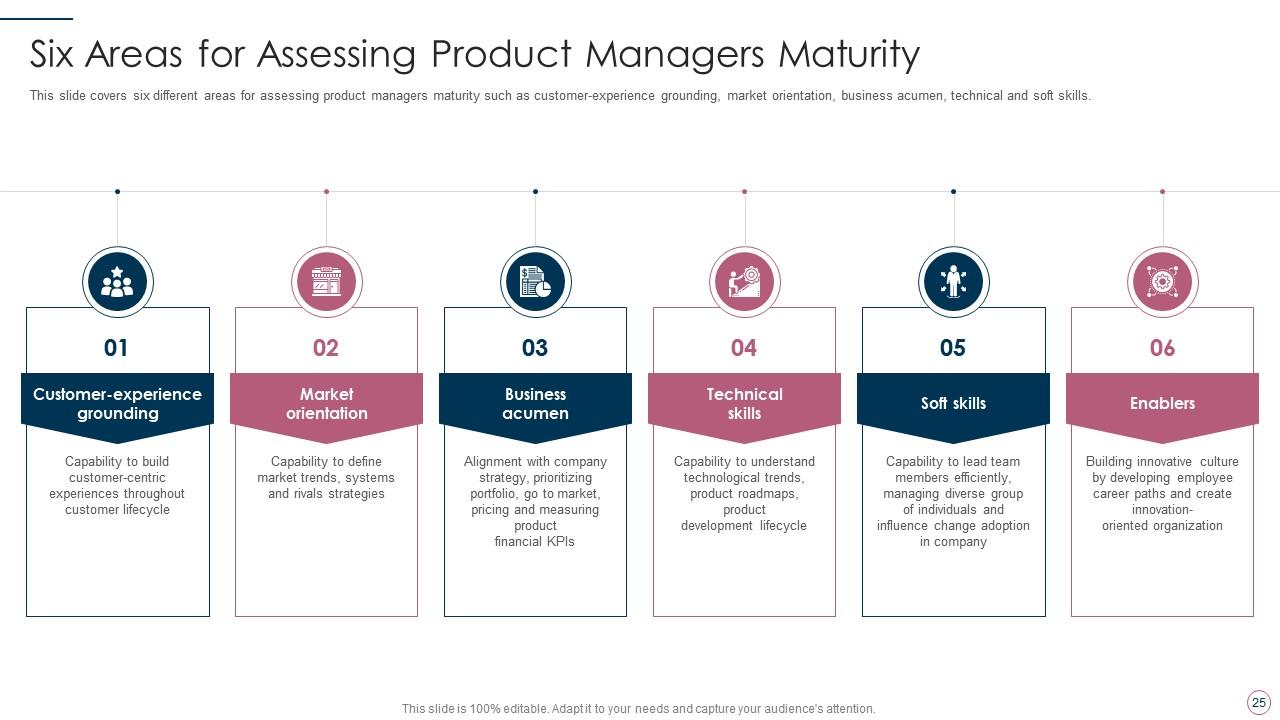
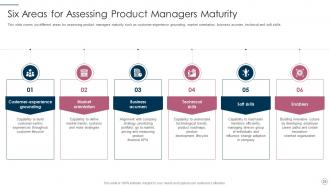
Slide 25: This slide covers six different areas for assessing product managers maturity such as customer-experience grounding, etc.
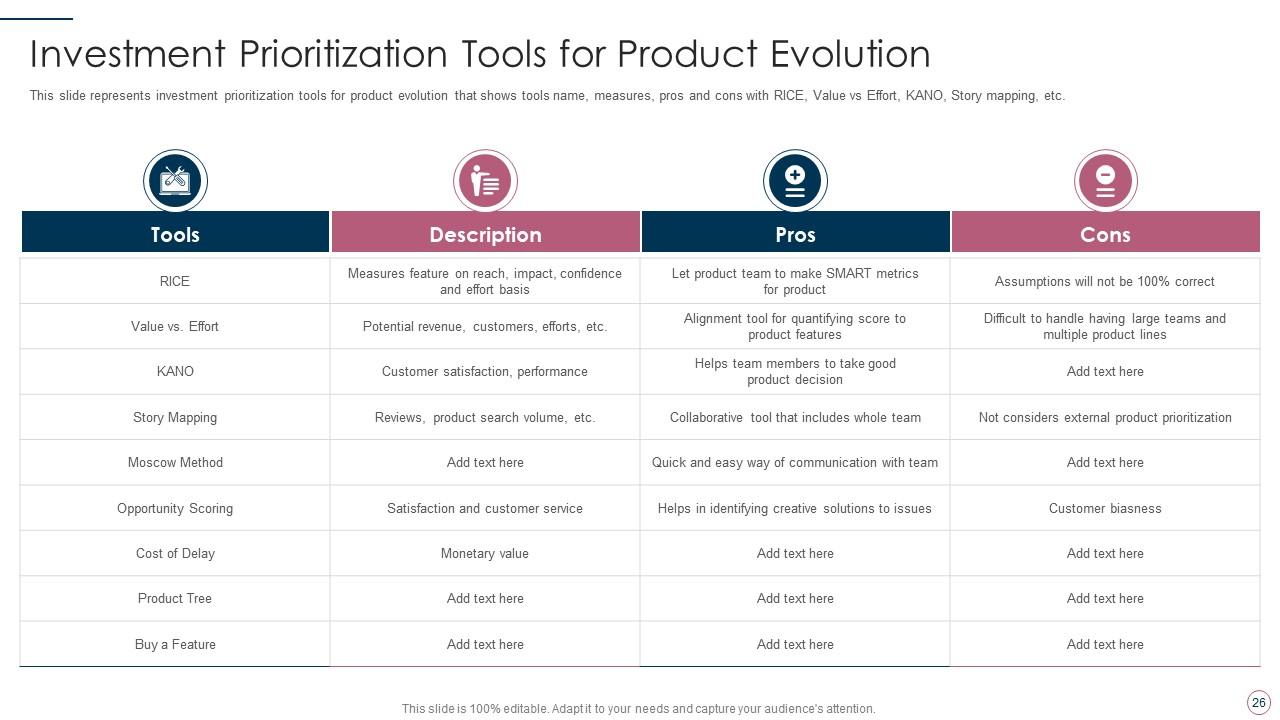
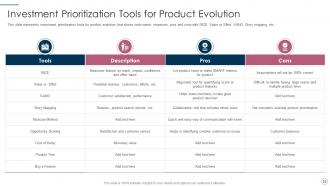
Slide 26: This slide represents investment prioritization tools for product evolution that shows tools name, measures, pros and cons with RICE, etc.
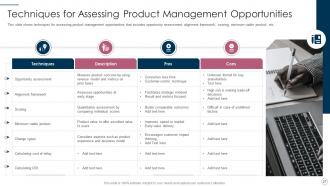
Slide 27: This slide shows techniques for assessing product management opportunities that includes opportunity assessment, alignment framework, etc.
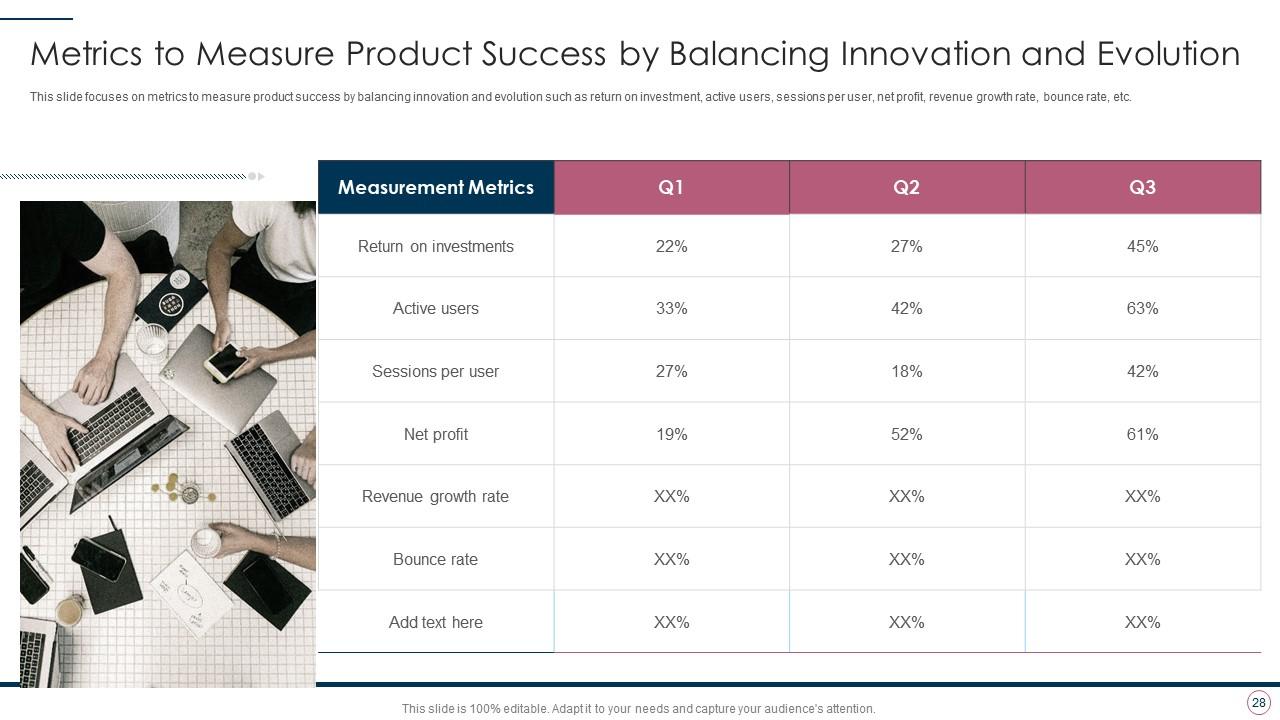
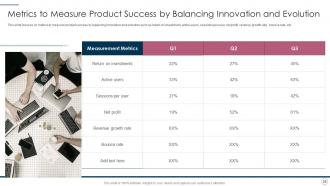
Slide 28: This slide focuses on metrics to measure product success by balancing innovation and evolution such as return on investment, active users, etc.
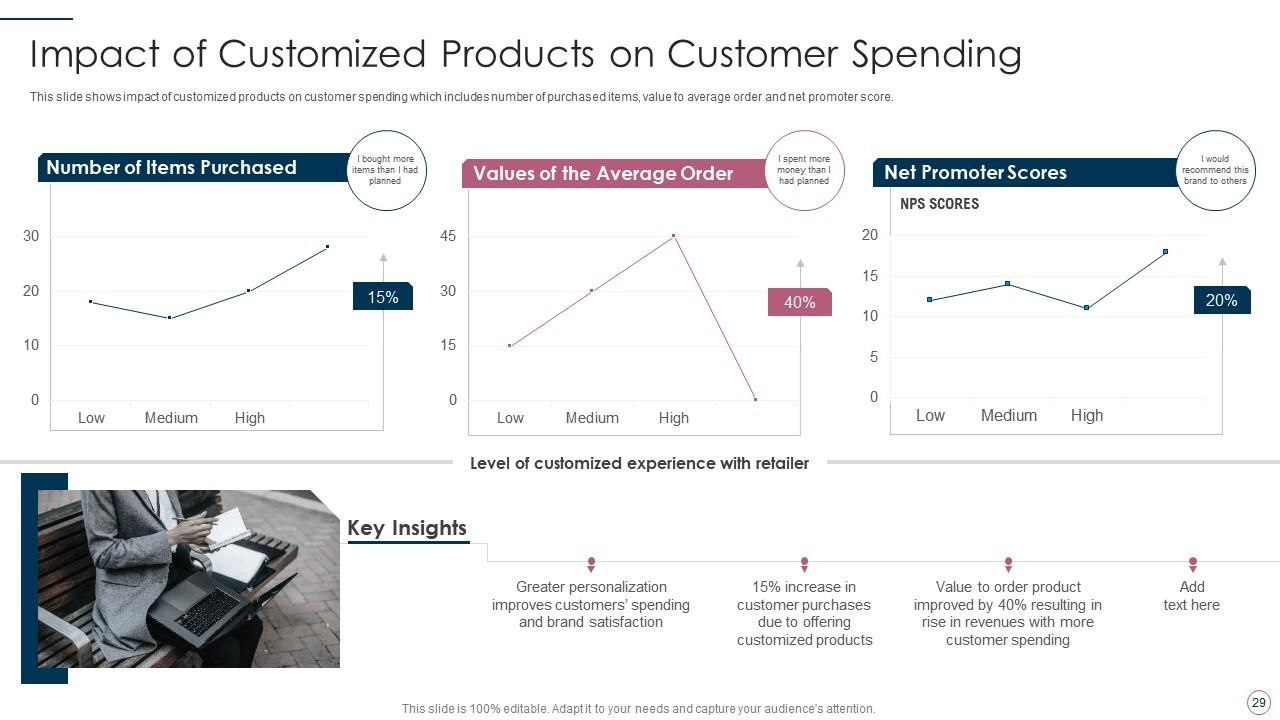
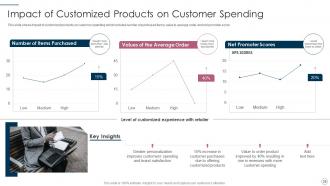
Slide 29: This slide shows impact of customized products on customer spending which includes number of purchased items, etc.
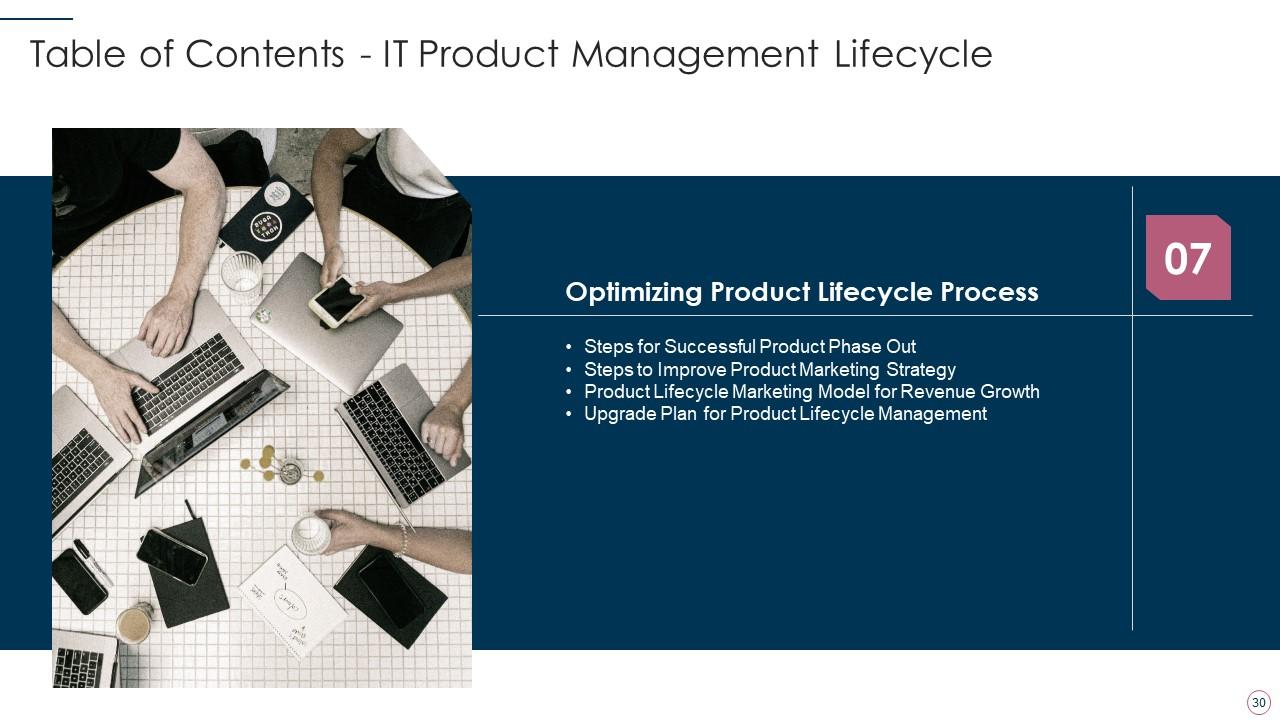
Slide 30: This slide exhibits title for next four topics to be covered in the template.
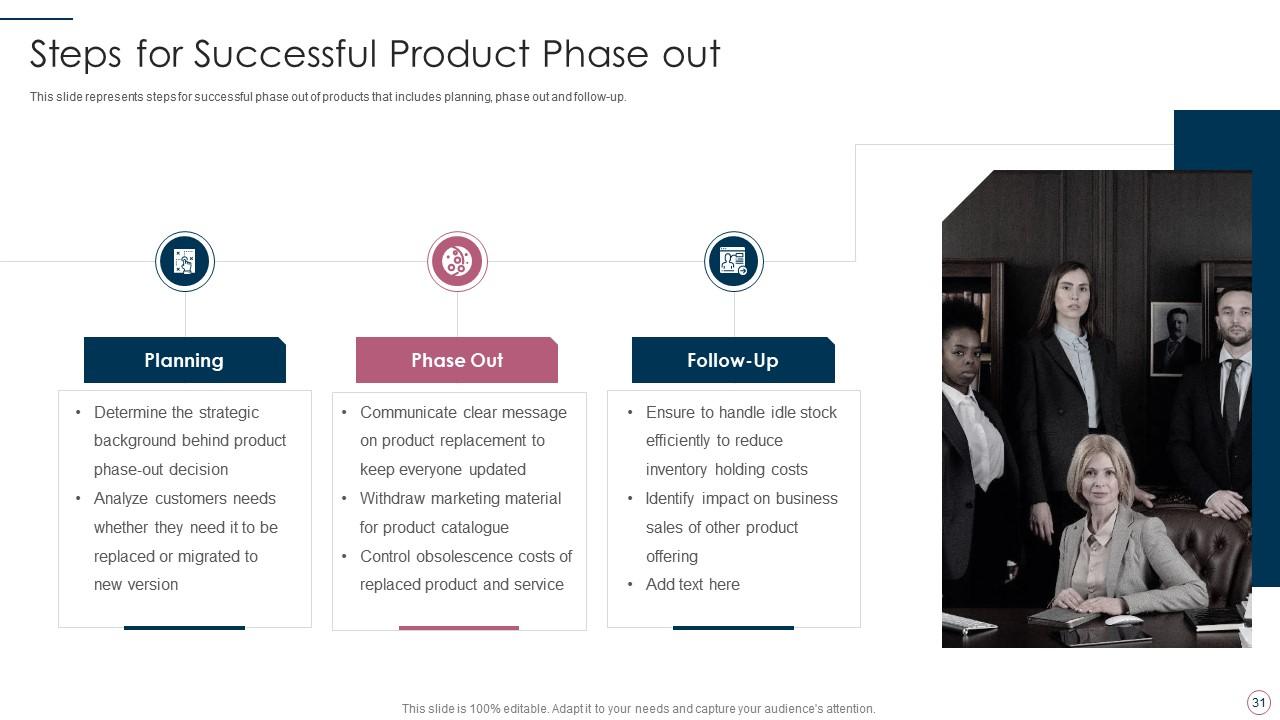
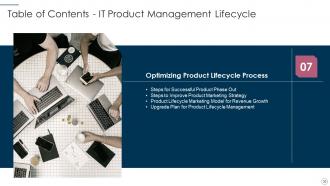
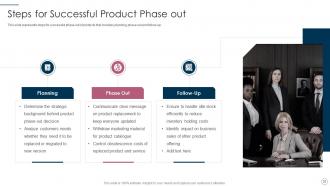
Slide 31: This slide represents steps for successful phase out of products that includes planning, phase out and follow-up.
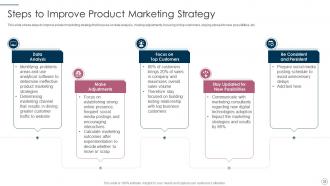
Slide 32: This slide shows steps to improve product marketing strategy that focuses on data analysis, making adjustments, etc.
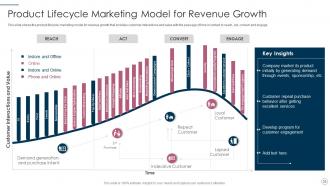
Slide 33: This slide shows the product lifecycle marketing model for revenue growth that includes customer interactions, etc.
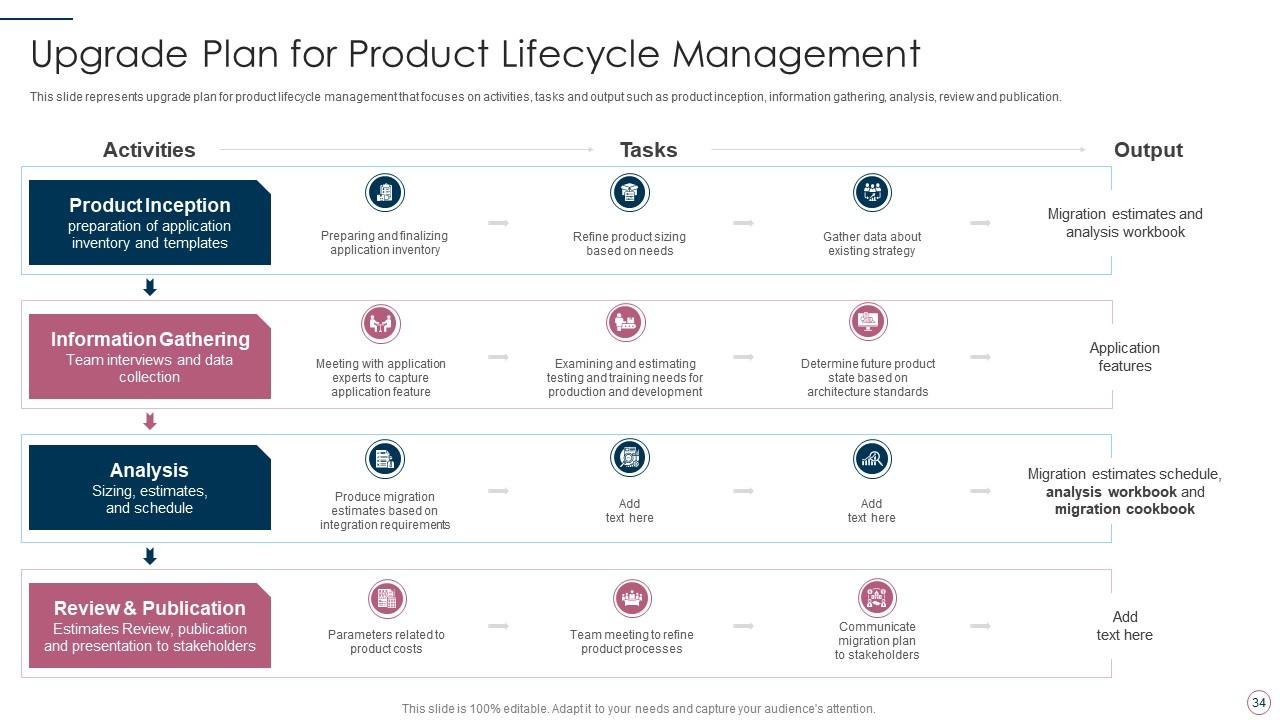
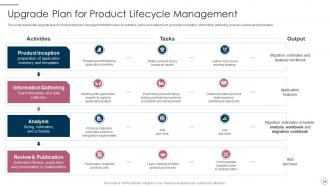
Slide 34: This slide represents upgrade plan for product lifecycle management that focuses on activities, tasks and output.
Slide 35: This slide depicts title for next two topics to be covered in the template.
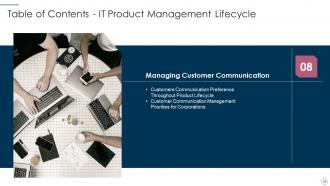
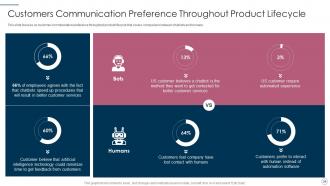
Slide 36: This slide focuses on customer communication preference throughout product lifecycle that covers comparison between chatbots and humans.
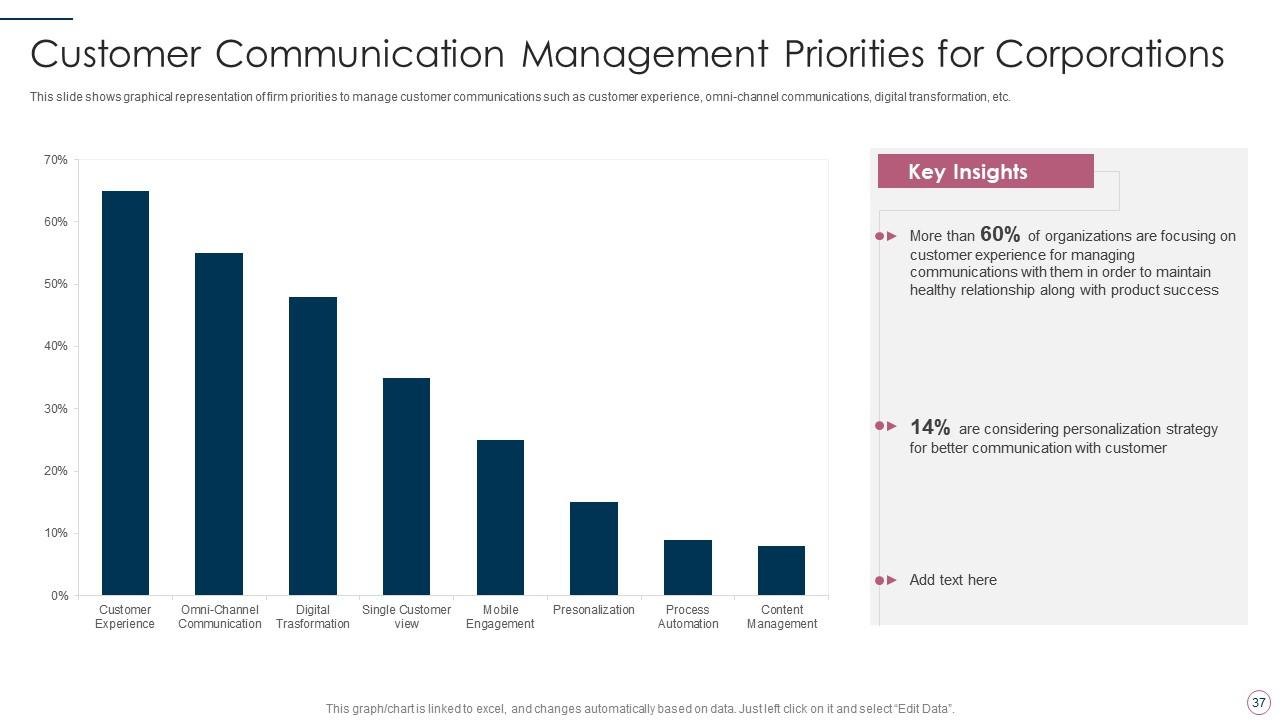
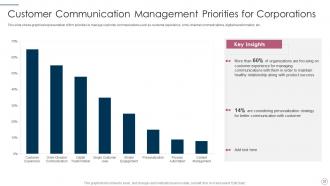
Slide 37: This slide shows graphical representation of firm priorities to manage customer communications.
Slide 38: This slide highlights title for next topic to be covered.
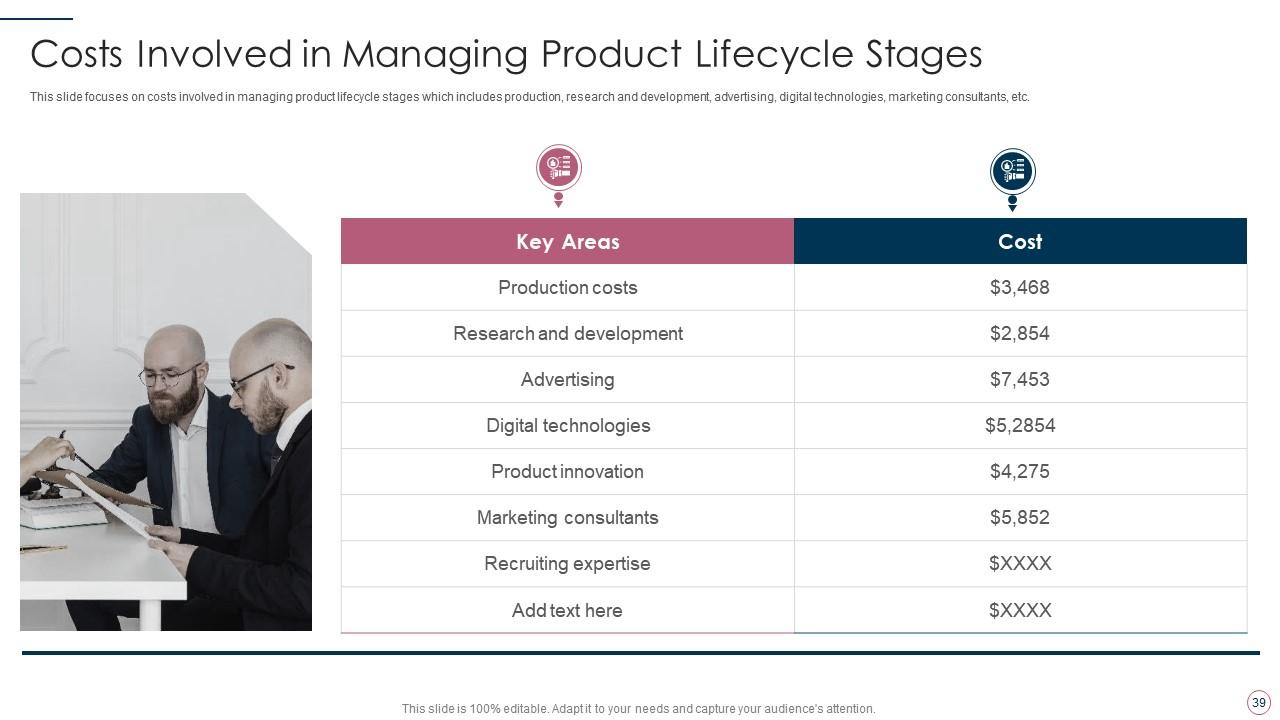
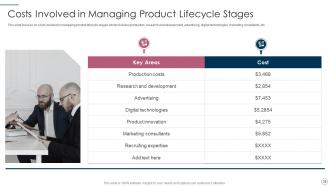
Slide 39: This slide focuses on costs involved in managing product lifecycle stages which includes production, research and development, etc.
Slide 40: This slide depicts title for next three topics to be covered in the template.
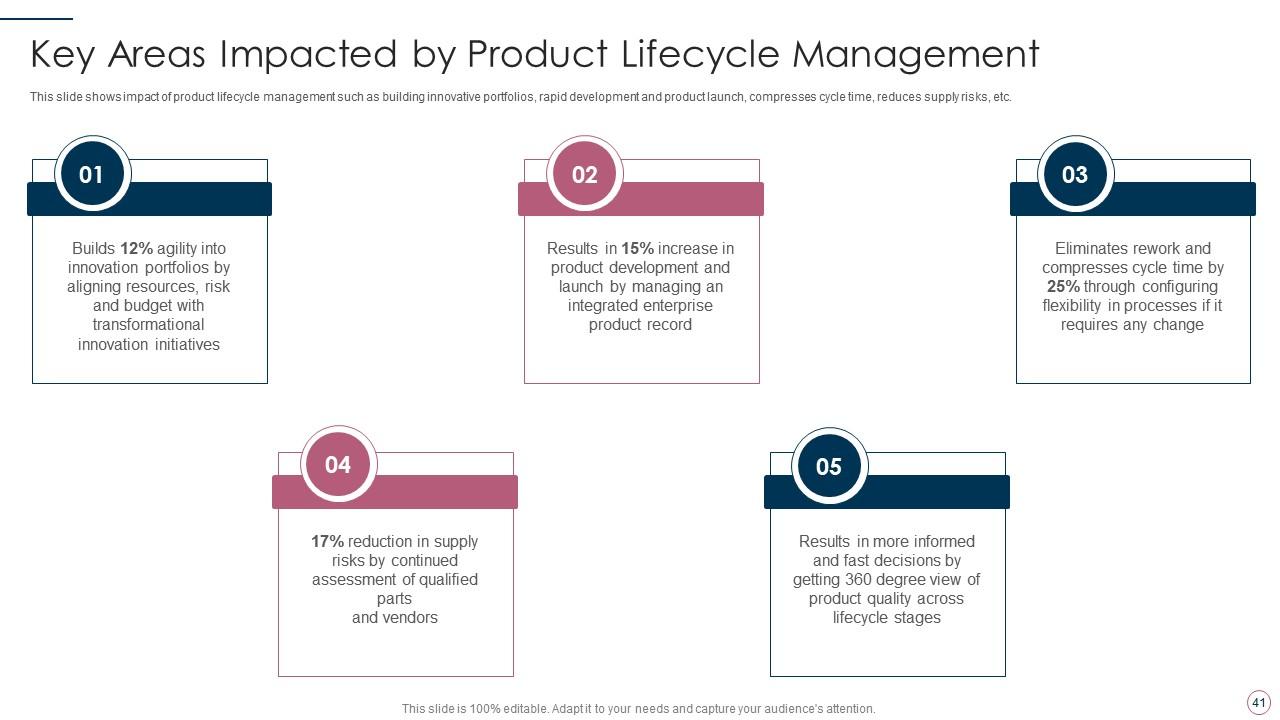
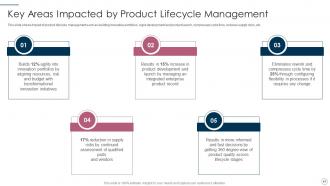
Slide 41: This slide shows impact of product lifecycle management such as building innovative portfolios, rapid development and product launch, etc.
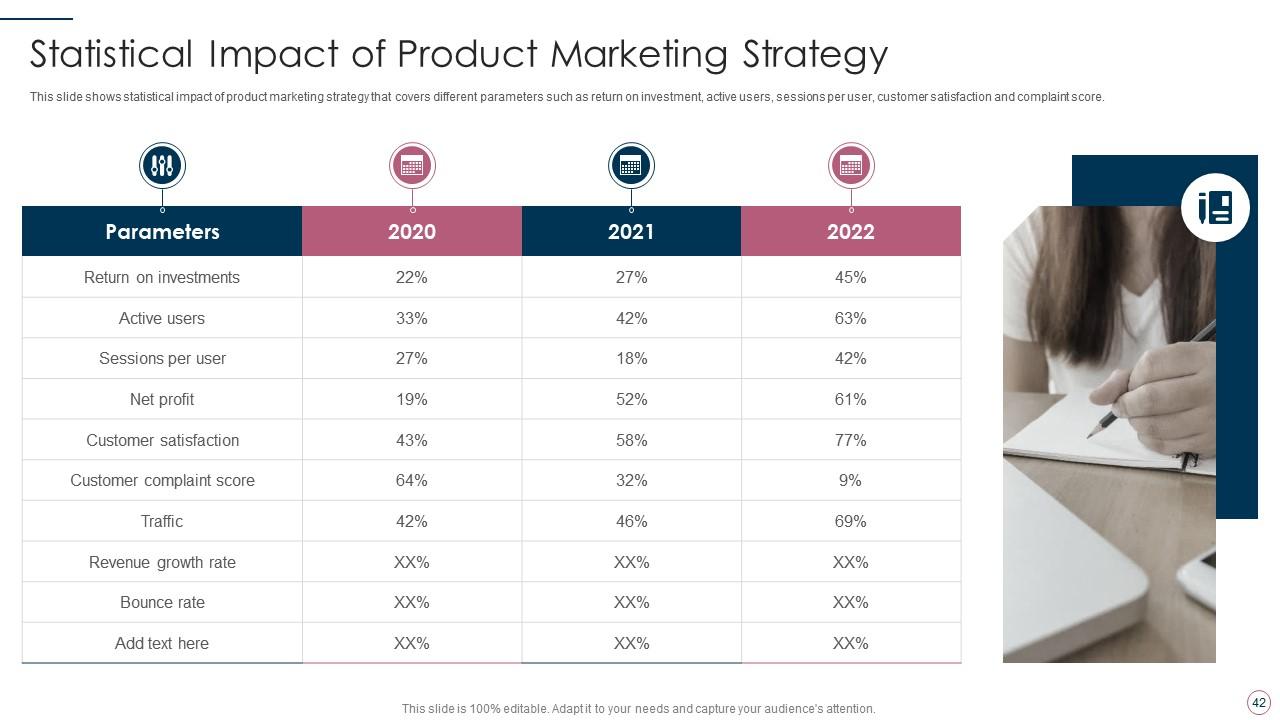
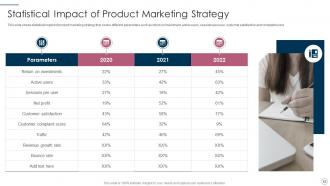
Slide 42: This slide shows statistical impact of product marketing strategy that covers different parameters.'
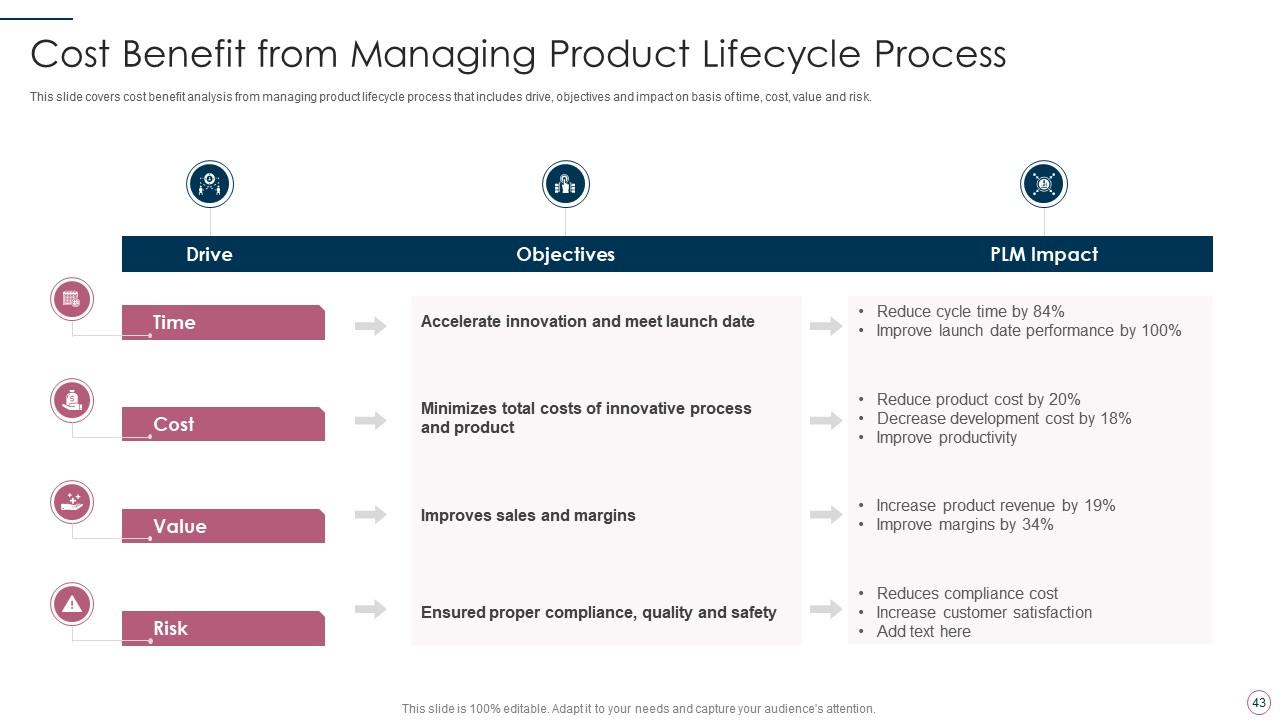
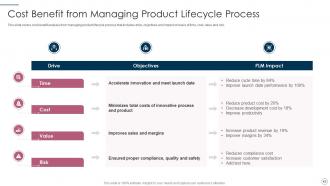
Slide 43: This slide covers cost benefit analysis from managing product lifecycle process that includes drive, objectives, etc.
Slide 44: This slide presents title for next two topics to be covered in the template.
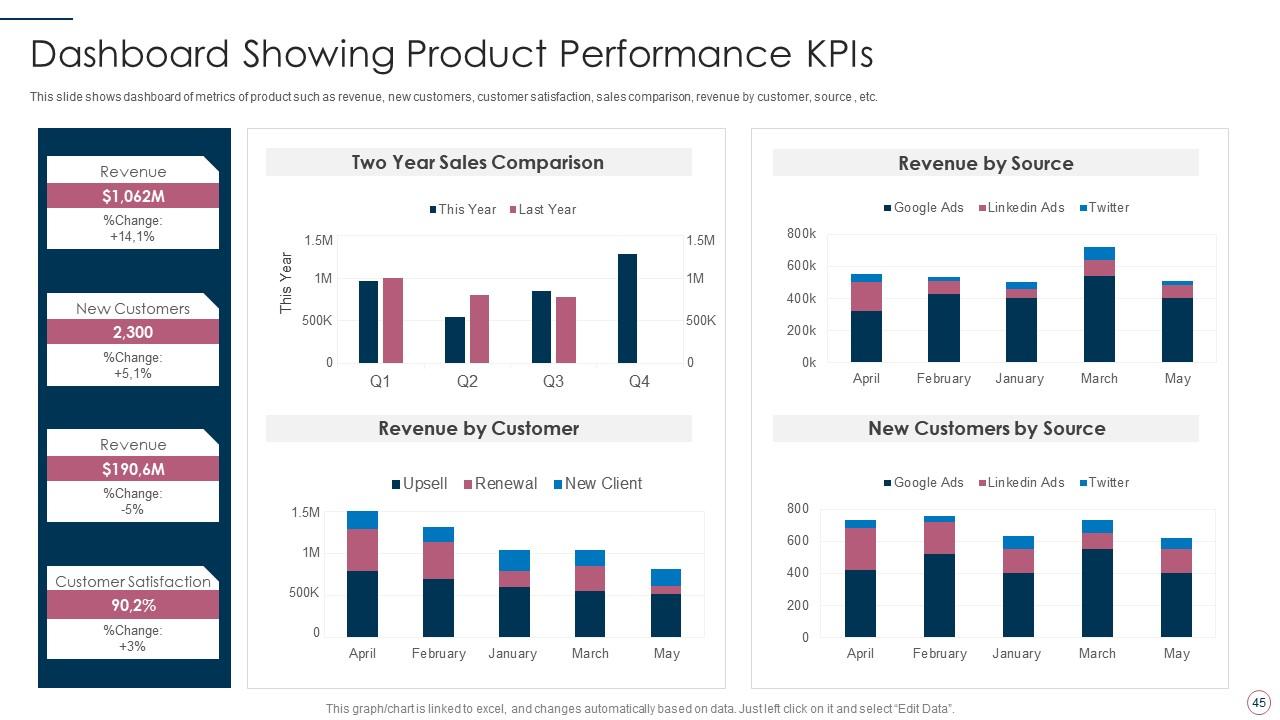
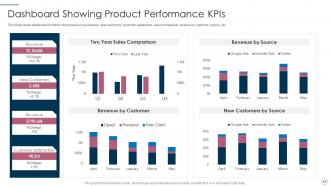
Slide 45: This slide shows dashboard of metrics of product such as revenue, new customers, customer satisfaction, sales comparison, etc.
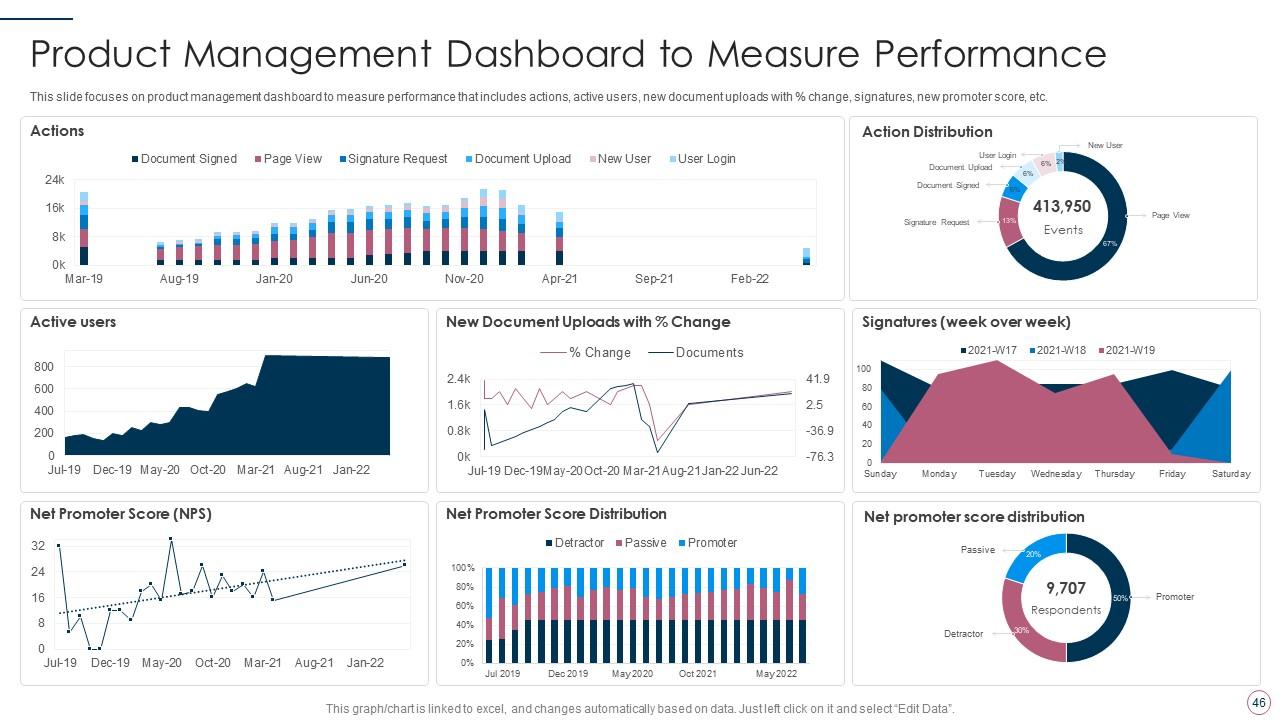
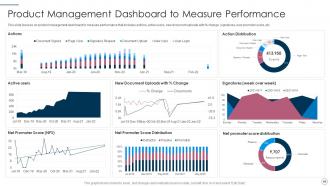
Slide 46: This slide focuses on product management dashboard to measure performance that includes actions, active users, etc.
Slide 47: This slide displays Icons for IT Product Management Lifecycle.
Slide 48: This slide is titled as Additional Slides for moving forward.
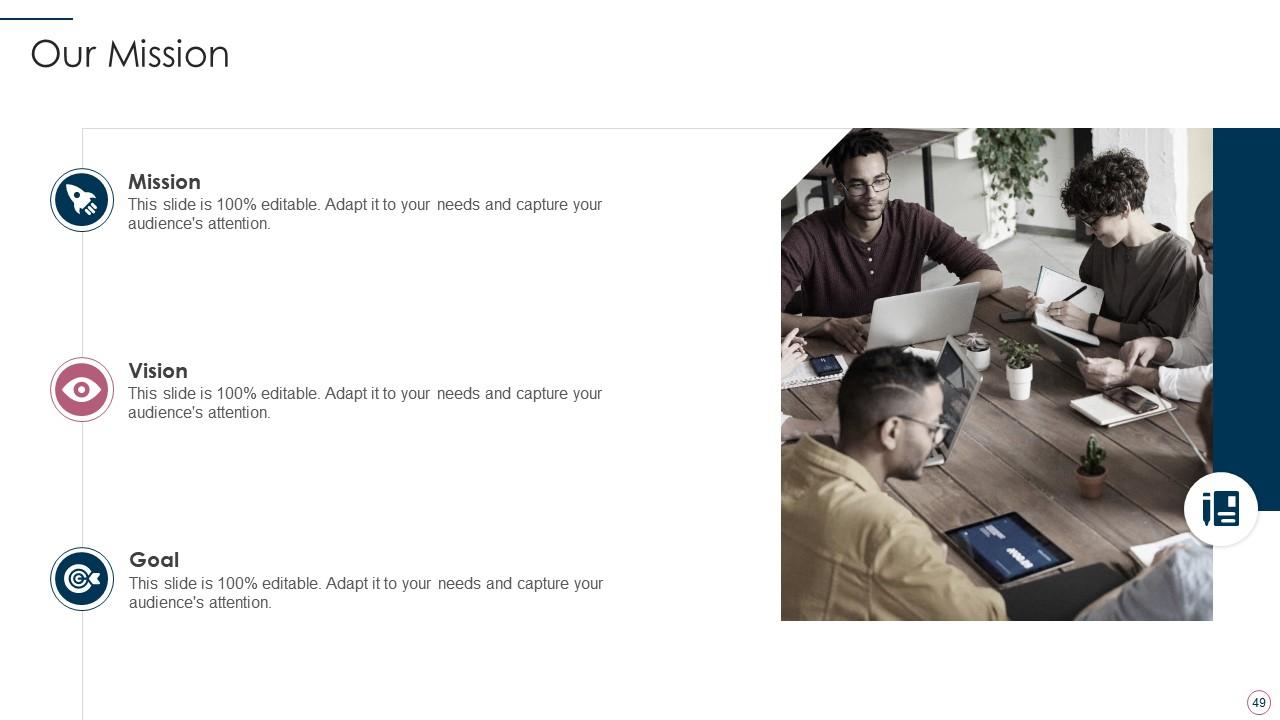
Slide 49: This is Our Mission slide with related imagery and text.
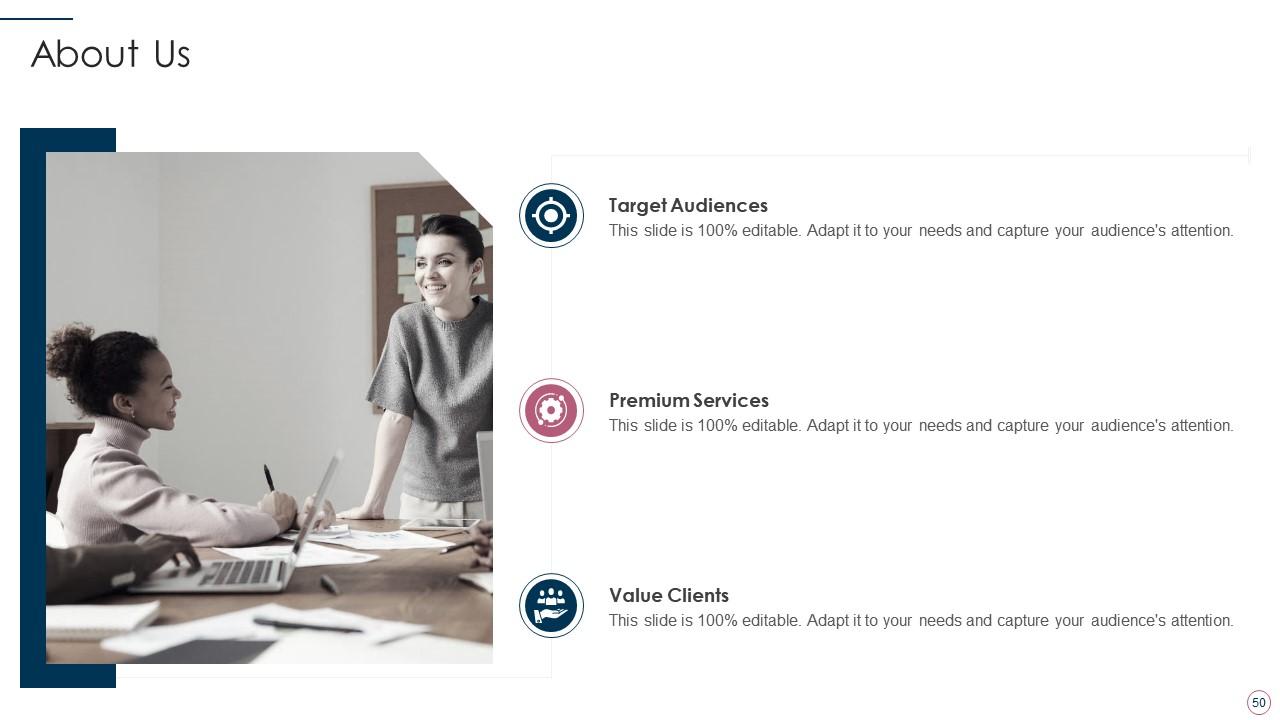
Slide 50: This is About Us slide to show company specifications etc.
Slide 51: This is Our Team slide with names and designation.
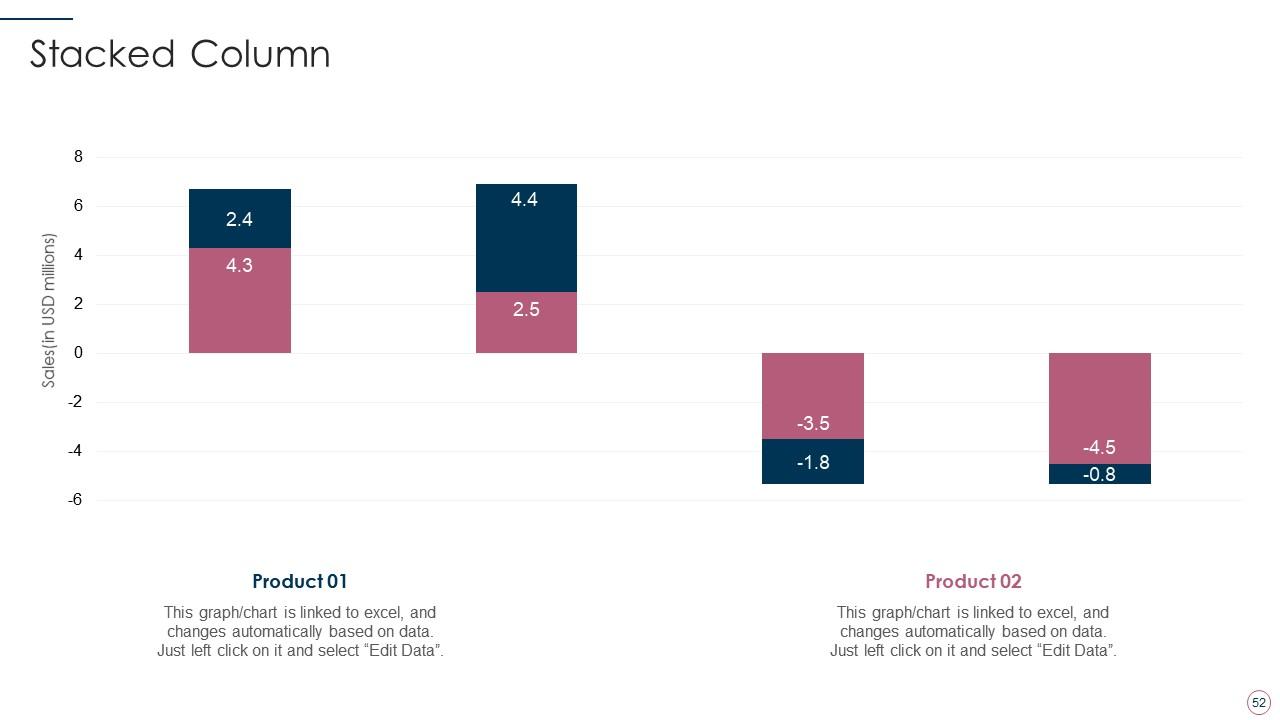
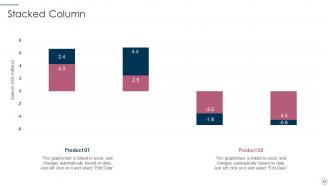
Slide 52: This slide represents Stacked Bar chart with two products comparison.
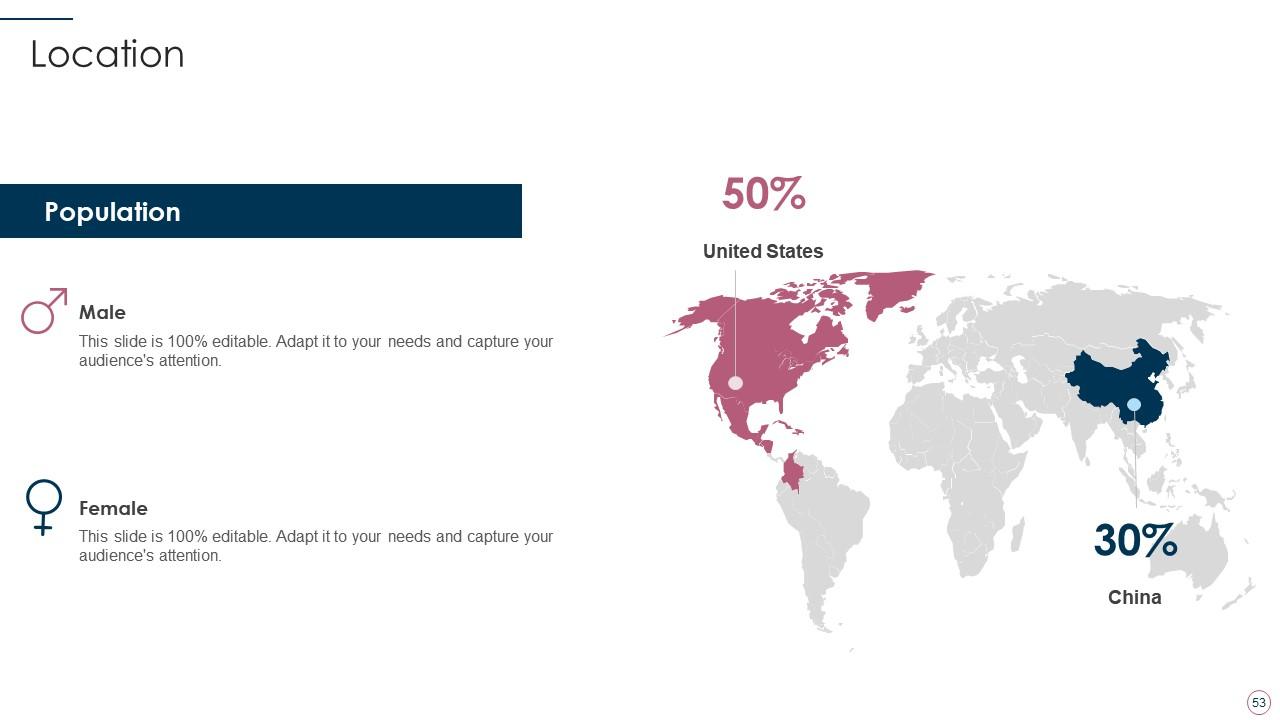
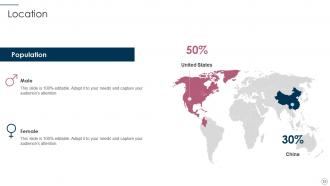
Slide 53: This is a Location slide with maps to show data related with different locations.
Slide 54: This slide shows Post It Notes. Post your important notes here.
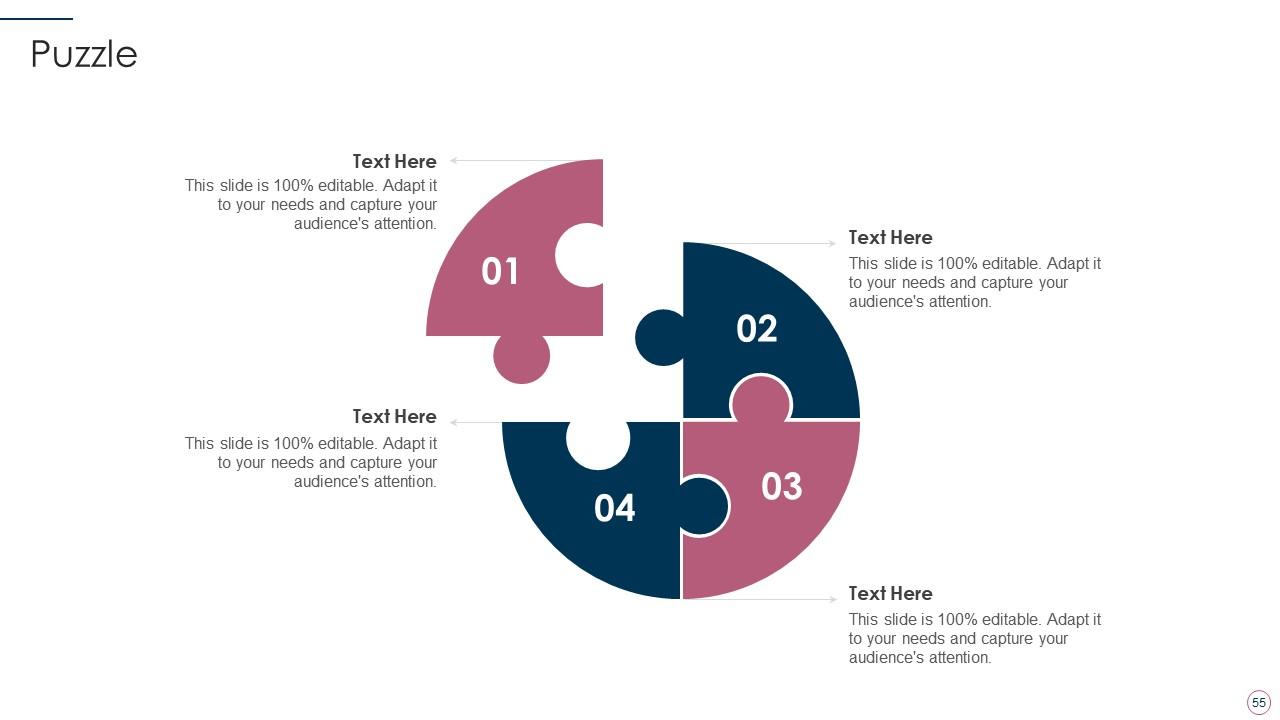
Slide 55: This slide contains Puzzle with related icons and text.
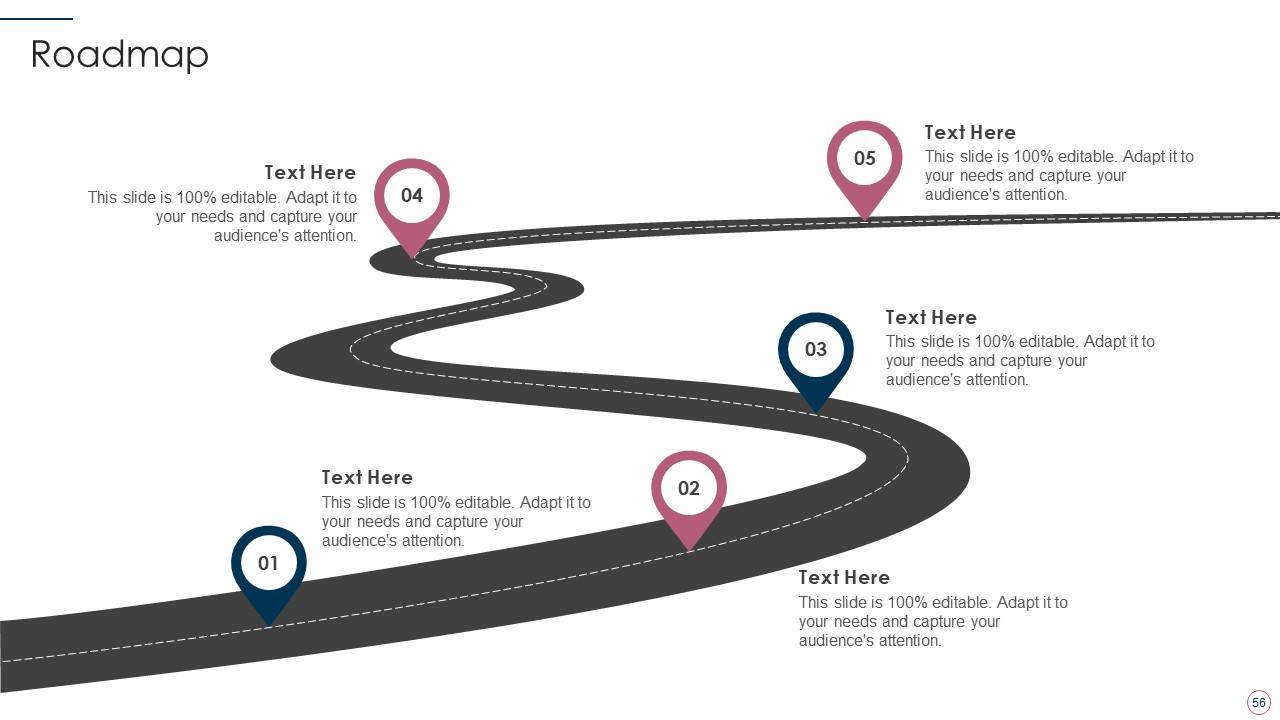
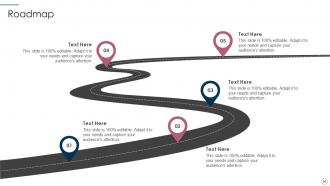
Slide 56: This slide presents Roadmap with additional textboxes.
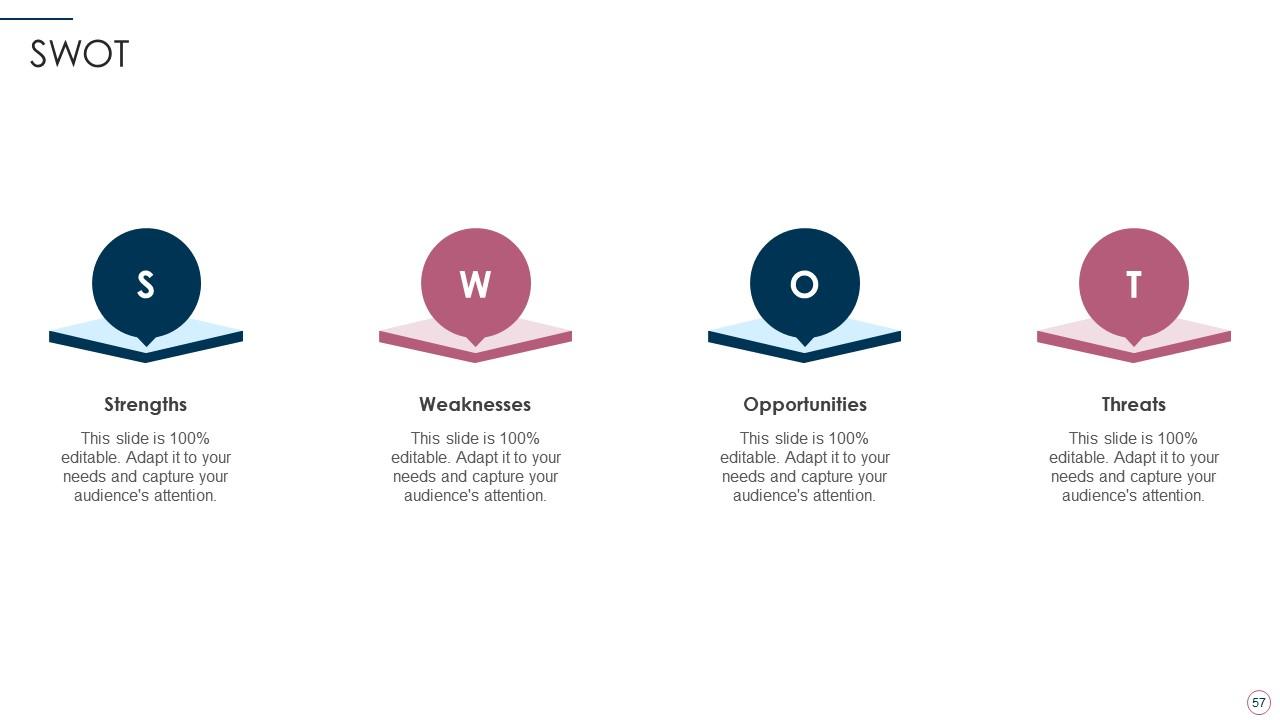
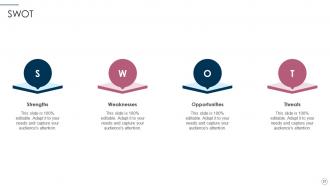
Slide 57: This slide shows SWOT describing- Strength, Weakness, Opportunity, and Threat.
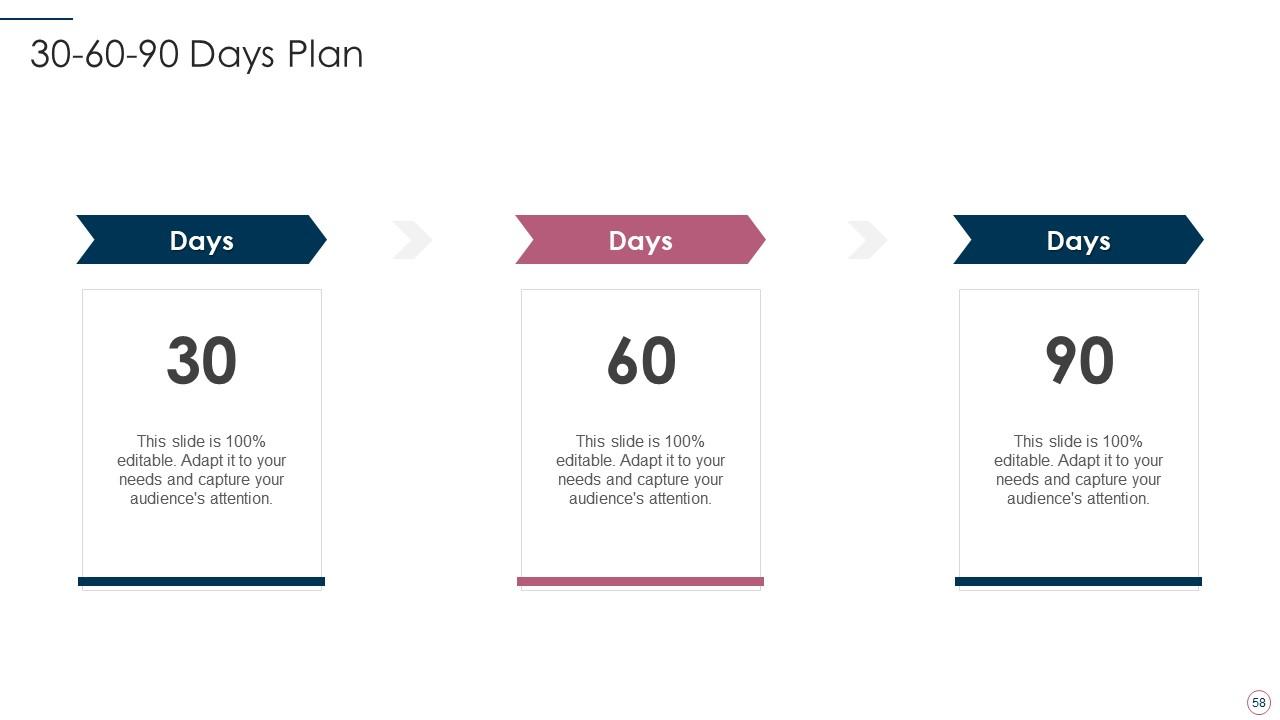
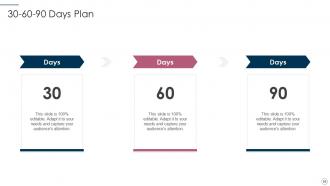
Slide 58: This slide provides 30 60 90 Days Plan with text boxes.
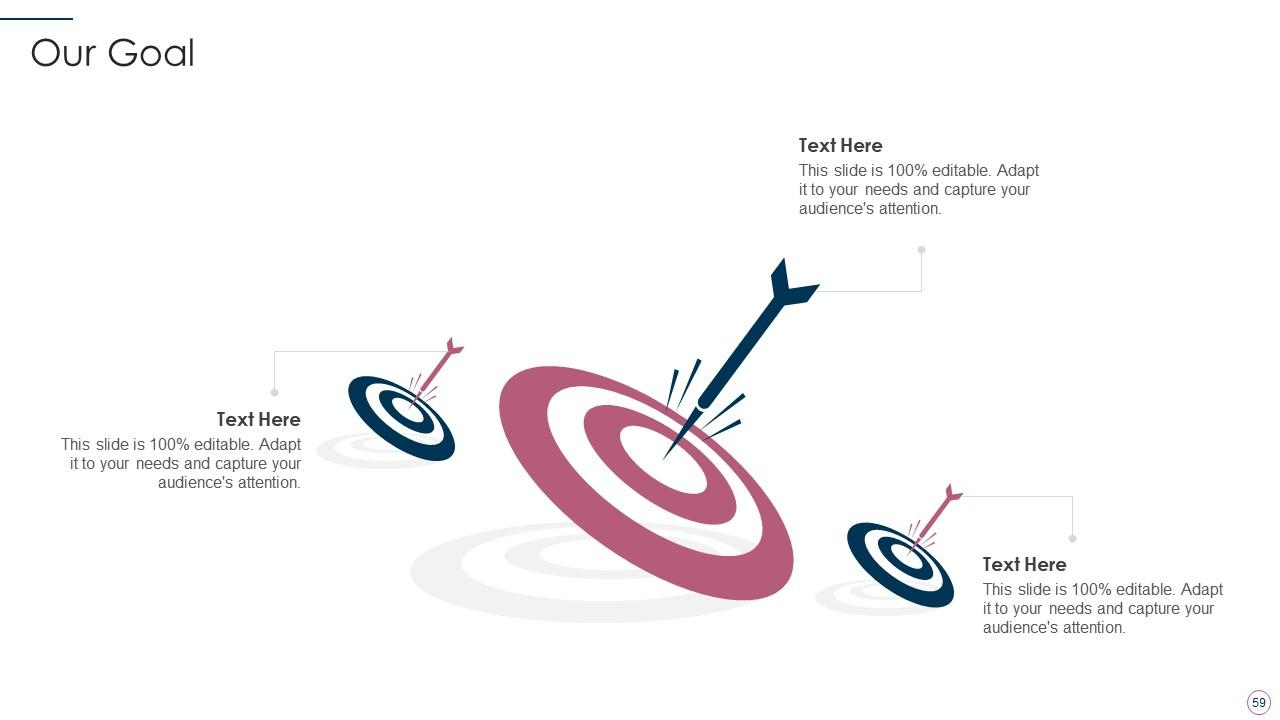
Slide 59: This is Our Goal slide. State your firm's goals here.
Slide 60: This is a Thank You slide with address, contact numbers and email address.
It product management lifecycle powerpoint presentation slides with all 65 slides:
Use our IT Product Management Lifecycle Powerpoint Presentation Slides to effectively help you save your valuable time. They are readymade to fit into any presentation structure.
-
Unique research projects to present in meeting.
-
Attractive design and informative presentation.
