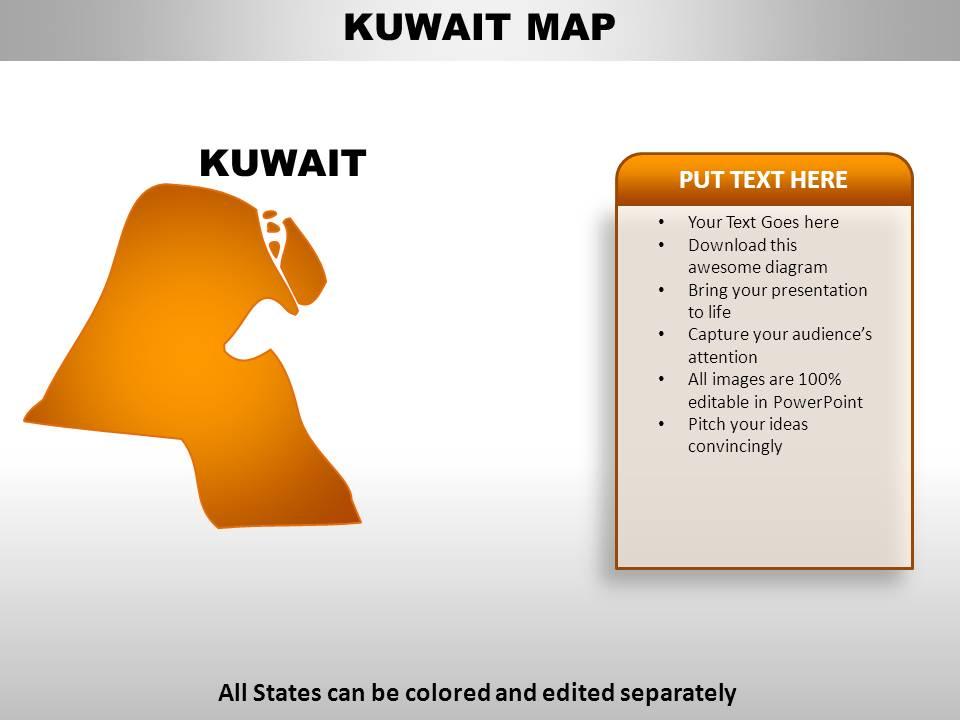
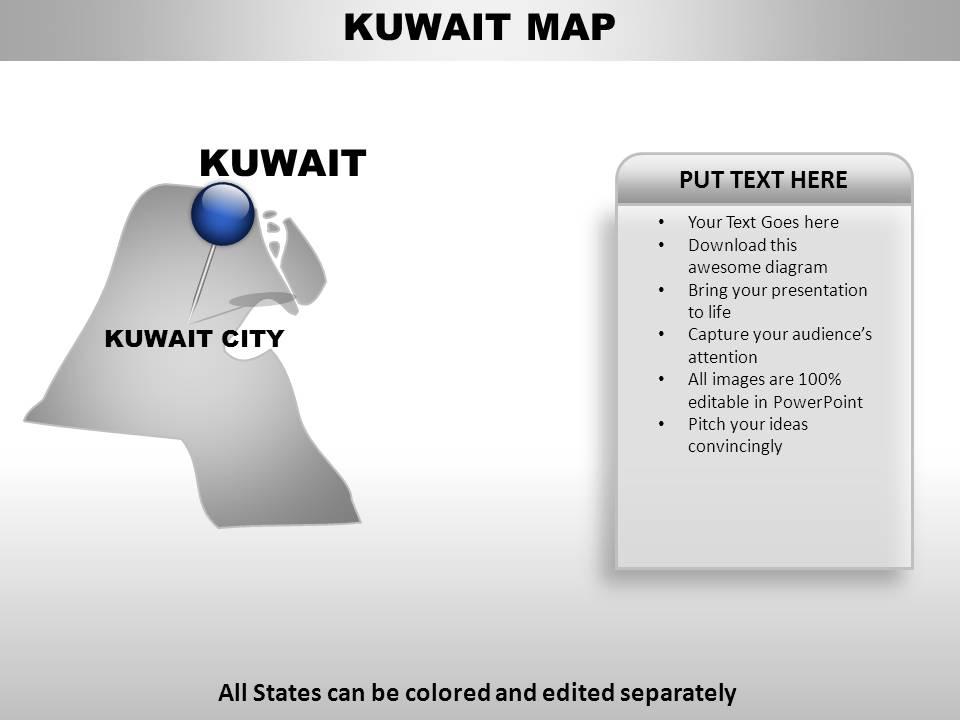
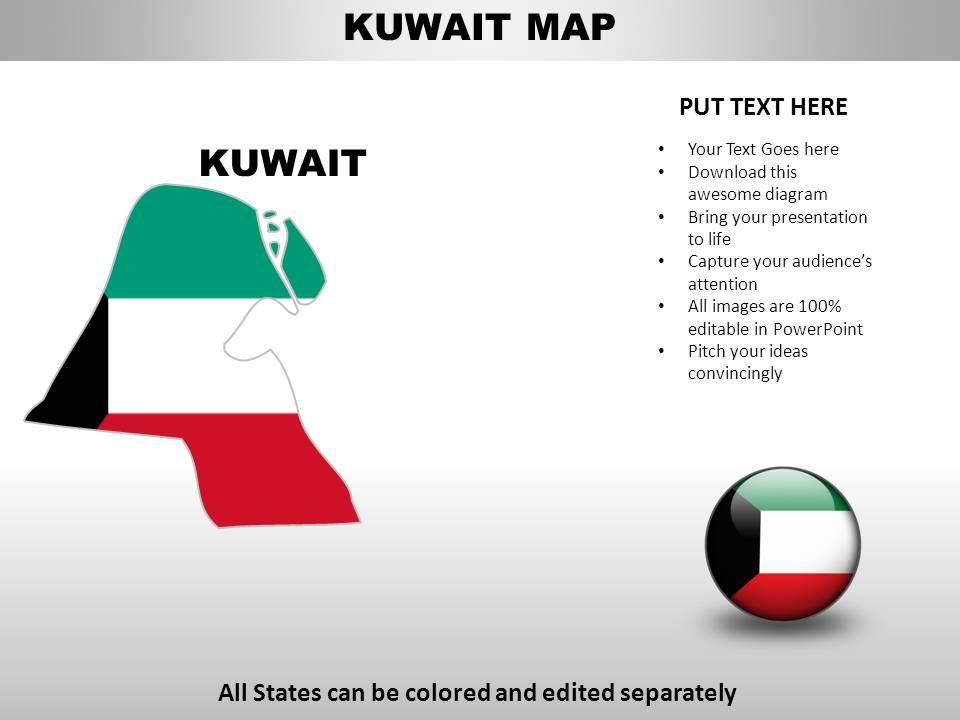
Kuwait country powerpoint maps

Rating:
90%
Kuwait country powerpoint maps
Slide 1 of 7
Favourites Favourites

Try Before you Buy Download Free Sample Product

Audience Impress Your
Audience
Editable 100%
Editable
Time Save Hours
of Time
The Biggest Sale is ending soon in
0
0
:
0
0
:
0
0
Rating:
90%
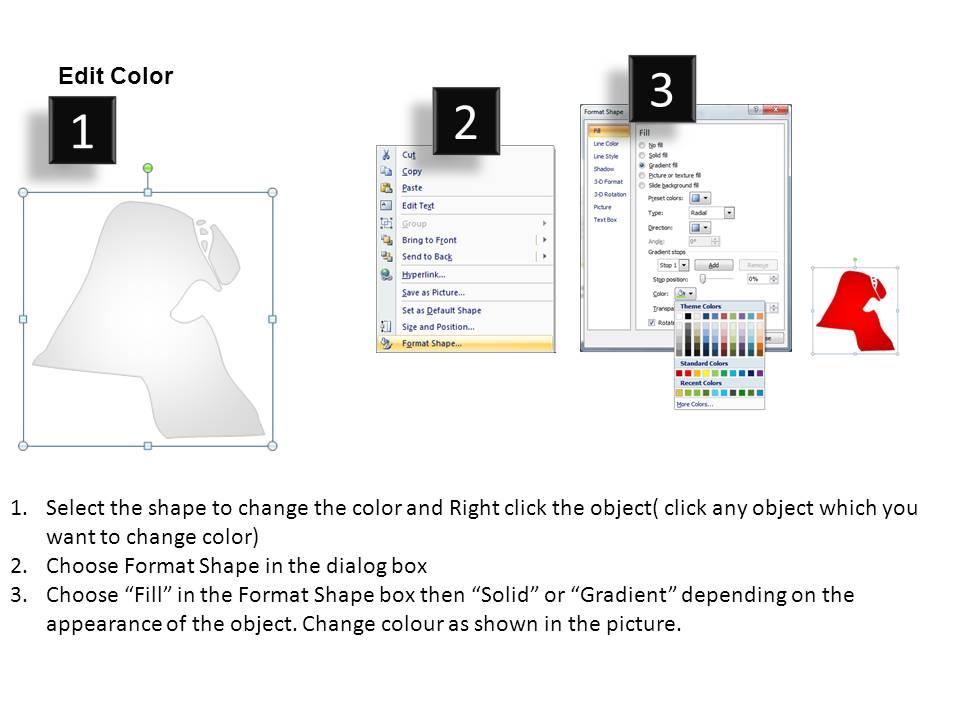
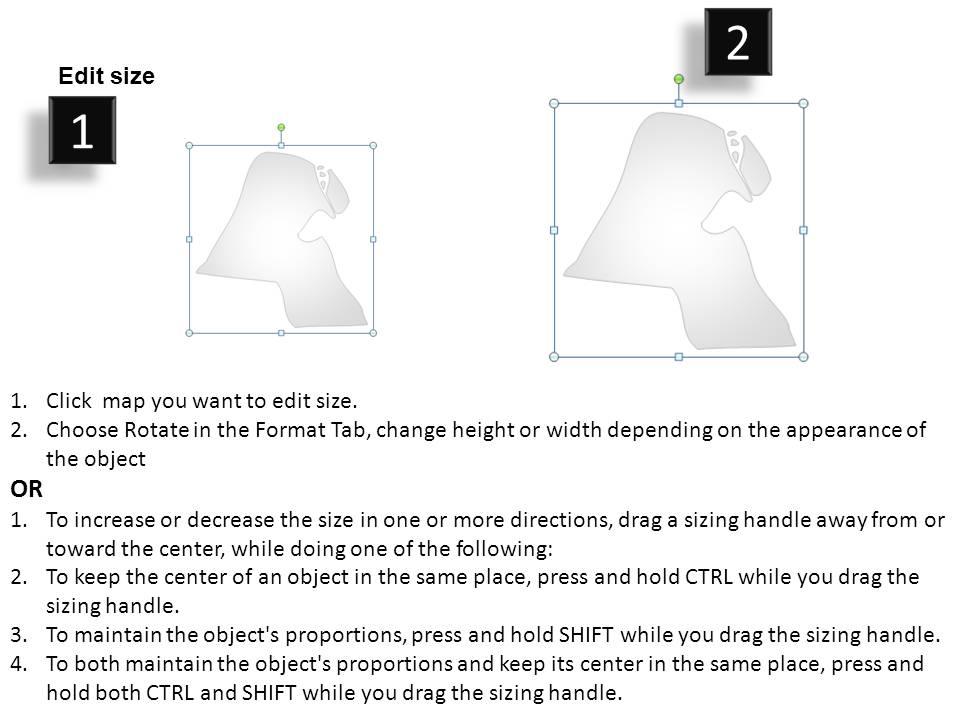
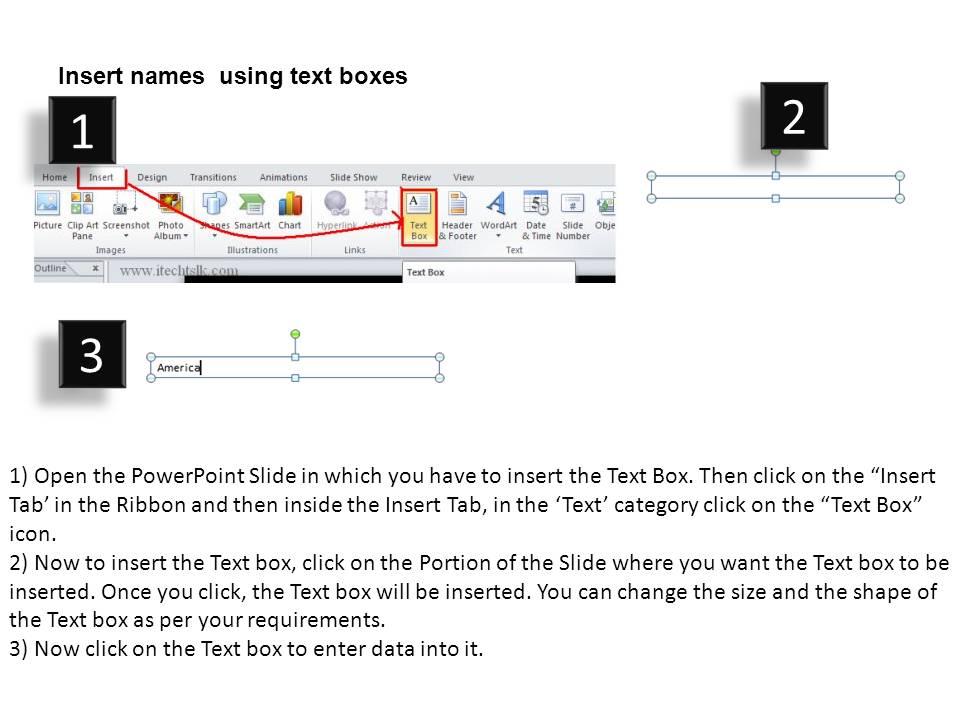
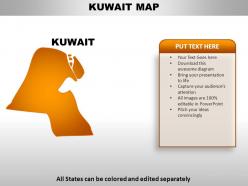
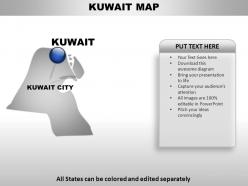
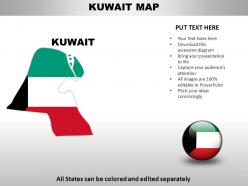
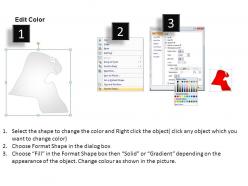
These high quality, editable powerpoint country maps have been carefully created by our professional team to display location and other geographic details in your PowerPoint presentation. Each map is vector based and is 100% editable in powerpoint. Each and every property of any region - color, size, shading etc can be modified to help you build an effective powerpoint presentation. Use these maps to show sales territories, business and new office locations, travel planning etc in your presentations. Any text can be entered at any point in the powerpoint map slide. Simply DOWNLOAD, TYPE and PRESENT!

People who downloaded this PowerPoint presentation also viewed the following :

FAQs for Kuwait

Kuwait maps include political boundary maps, topographical terrain maps, economic resource maps, transportation network maps, and demographic distribution maps. These cartographic tools serve diverse purposes by enabling government planning and resource allocation, supporting business location analysis and logistics optimization, facilitating educational geography instruction, and assisting tourism navigation, ultimately delivering strategic insights for policy makers, entrepreneurs, and researchers across various sectors.

Kuwait's historical maps reveal significant political boundary transformations, from Ottoman administrative divisions through British protectorate demarcations to modern sovereign borders established after 1961 independence. These cartographic changes document territorial disputes with Iraq and Saudi Arabia, oil concession boundaries, and urban expansion, with many geopolitical studies finding that Kuwait's mapping evolution illustrates the complex interplay between colonial influence, resource discovery, and regional power dynamics.

Interactive maps revolutionize Kuwait's navigation and tourism by providing real-time traffic updates, location-based services, cultural landmark information, and personalized route optimization. These digital platforms enhance visitor experiences through integrated reviews, historical context, and seamless integration with transportation systems, while enabling tourism operators to deliver more targeted services, ultimately boosting Kuwait's competitive positioning in regional tourism markets.

Cultural landmarks in Kuwait significantly influence map design by incorporating Islamic architectural elements, traditional motifs, and heritage symbols that reflect the nation's rich cultural identity. These design choices enhance user engagement and cultural connection, with many educational institutions, tourism boards, and government agencies finding that culturally-themed maps deliver better navigation experiences while promoting national pride and historical awareness.

Creating maps of Kuwait presents challenges including accurately representing the subtle elevation changes across predominantly flat desert terrain, mapping shifting sand dune formations, documenting sparse but critical water sources, and capturing both traditional Bedouin routes and modern infrastructure development. These cartographic complexities require specialized techniques for desert mapping, satellite imagery analysis, and ground-truthing verification, with many regional mapping organizations finding that integrating multiple data sources delivers more comprehensive territorial documentation and enhanced navigation accuracy for both commercial and governmental applications.

Educators can utilize Kuwait maps to teach geographic features, historical boundaries, urban development patterns, trade routes, and cultural landmarks through interactive lessons, comparative analysis, and field study preparation. These visual tools enhance student understanding by connecting Kuwait's desert geography, coastal access, and oil infrastructure to historical events like the Gulf War, ultimately delivering contextualized learning experiences that make Middle Eastern geography tangible and memorable.

**INPUT**: What are the best online sources for accessing high-quality maps of Kuwait? **OUTPUT**: The best online sources for Kuwait maps include Google Maps, OpenStreetMap, ArcGIS Online, MapQuest, and government geological survey portals. These platforms enable businesses, researchers, and organizations to access detailed geographical data, satellite imagery, and infrastructure layouts, ultimately delivering enhanced location intelligence and strategic planning capabilities for commercial ventures and operational efficiency across Kuwait's dynamic economic landscape.

Personalized maps enhance Kuwait travel experiences by offering customized route planning, cultural site recommendations, real-time traffic updates, multilingual navigation, and location-based dining suggestions tailored to individual preferences. These digital tools streamline exploration by integrating tourist interests with local insights, weather conditions, and transportation options, ultimately delivering more efficient itineraries and authentic cultural discoveries for visitors.

Technology has revolutionized Kuwait's urban mapping through satellite imagery, GPS systems, LiDAR scanning, drone surveying, and GIS platforms. These advanced tools enable municipal planners, construction companies, and infrastructure developers to capture precise building locations, road networks, and utility systems, while streamlining urban planning processes and delivering enhanced accuracy for smart city initiatives.

Kuwait's topographical maps represent critical environmental considerations including desert terrain variations, coastal vulnerability zones, water scarcity indicators, oil field locations, and urban heat island effects. These maps enable government agencies, environmental consultants, and urban planners to assess land degradation patterns, coastal erosion risks, and resource allocation challenges, ultimately delivering strategic insights for sustainable development and environmental protection in Kuwait's arid landscape.

Thematic maps of Kuwait illustrate socio-economic data through color-coded visualizations, demographic overlays, economic indicators, infrastructure mapping, and district-level breakdowns that reveal patterns across governorates. These cartographic tools enable government agencies, urban planners, and businesses to identify development opportunities, resource allocation needs, and market potential by transforming complex census data into accessible visual formats, ultimately supporting strategic decision-making and targeted investments.

**INPUT**: What digital tools are recommended for creating custom Kuwait maps for presentations? **OUTPUT**: Recommended digital tools include GIS software like ArcGIS and QGIS, presentation platforms like PowerPoint and Canva, specialized mapping services like Mapbox and Google Earth Pro, and vector graphics editors like Adobe Illustrator. These technologies streamline map customization by offering layered data integration, real-time updates, and professional styling options, with many organizations finding that interactive mapping capabilities enhance stakeholder engagement and deliver more compelling presentations.

Linguistic elements significantly impact map usability for non-Arabic speakers through script familiarity, transliteration consistency, and cognitive processing demands. Maps with bilingual labeling or standardized romanization enhance accessibility, while Arabic-only text creates navigation barriers, with many international businesses and tourists finding that multilingual cartographic approaches streamline wayfinding and reduce interpretation errors in Kuwait's diverse commercial environment.

Kuwait maps can be incorporated through interactive digital presentations, minimalist poster designs, corporate branding elements, educational infographics, and architectural visualizations. These design applications enhance storytelling by providing geographical context, cultural authenticity, and visual anchoring, with many agencies finding that location-specific elements strengthen brand connection and audience engagement in tourism, real estate, and corporate communications.

Businesses can leverage Kuwait maps for market analysis by identifying demographic patterns, competitor locations, transportation networks, consumer density areas, and optimal site selection opportunities. Through geographic data visualization, companies streamline market penetration strategies, enhance supply chain efficiency, and minimize operational costs, with many retail and logistics organizations finding that location-based insights ultimately deliver competitive advantage and improved customer targeting.

Ratings and Reviews

90% of 100
Write a review
Most Relevant Reviews
  1. 100%

    by Darryl Gordon

    Great quality product.
  2. 80%

    by Cortez Graham

    Unique design & color.

2 Item(s)

per page: