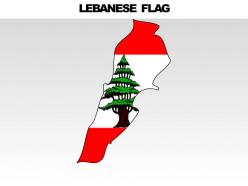
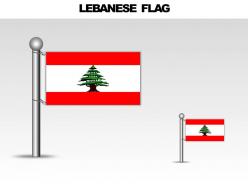
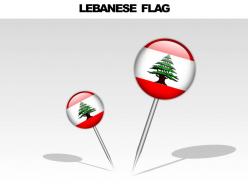
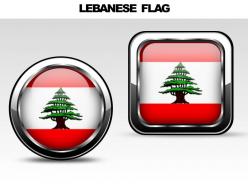
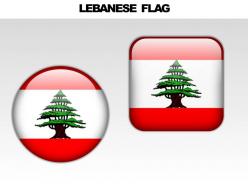
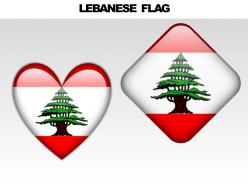
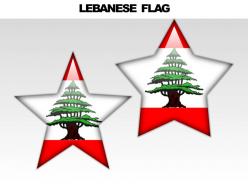
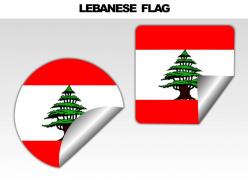
Lebanese country powerpoint flags

Rating:
90%
Lebanese country powerpoint flags
Slide 1 of 11
Favourites Favourites

Try Before you Buy Download Free Sample Product

Audience Impress Your
Audience
Editable 100%
Editable
Time Save Hours
of Time
The Biggest Sale is ending soon in
0
0
:
0
0
:
0
0
Rating:
90%
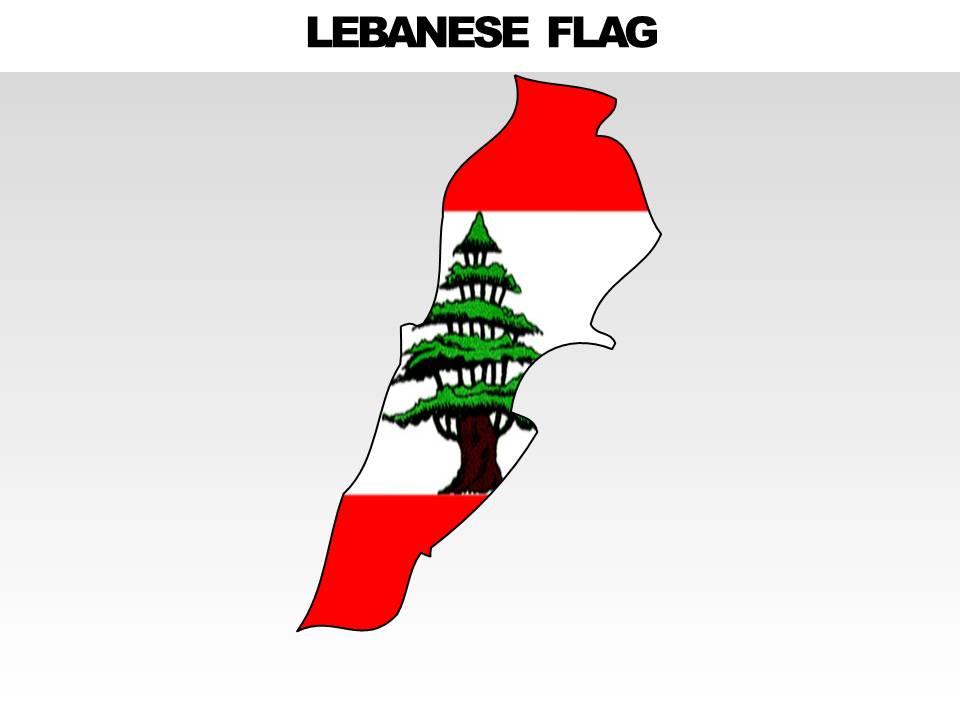
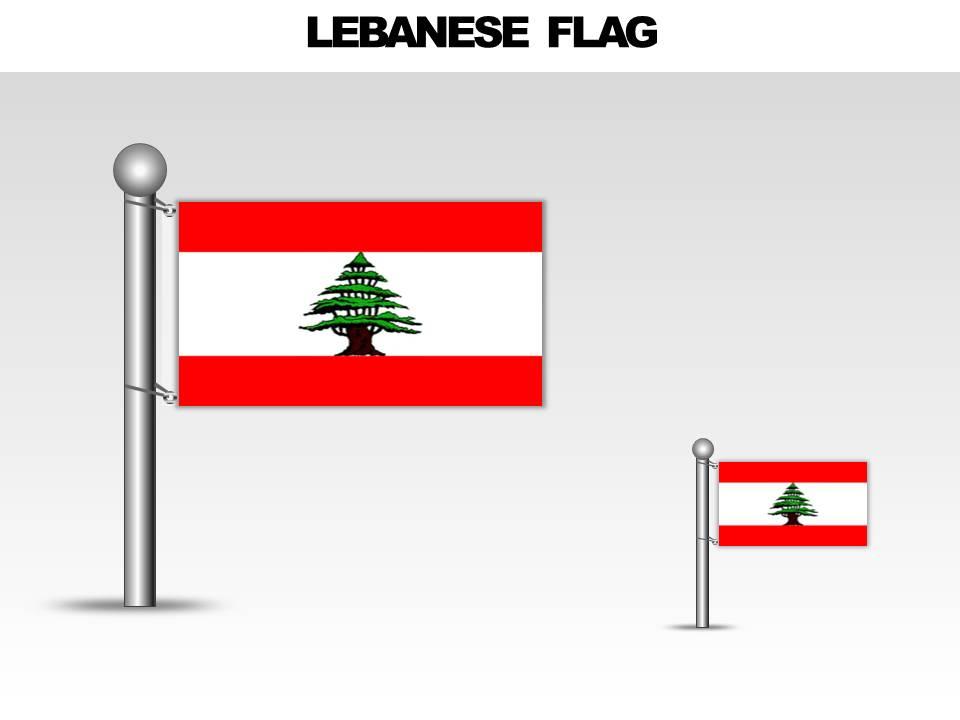
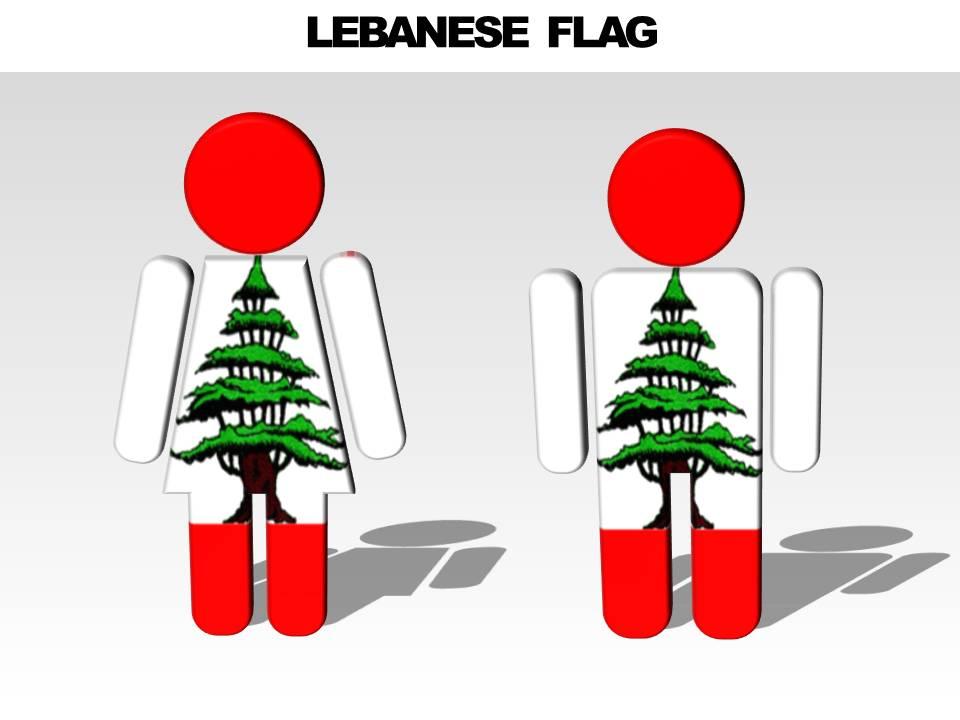
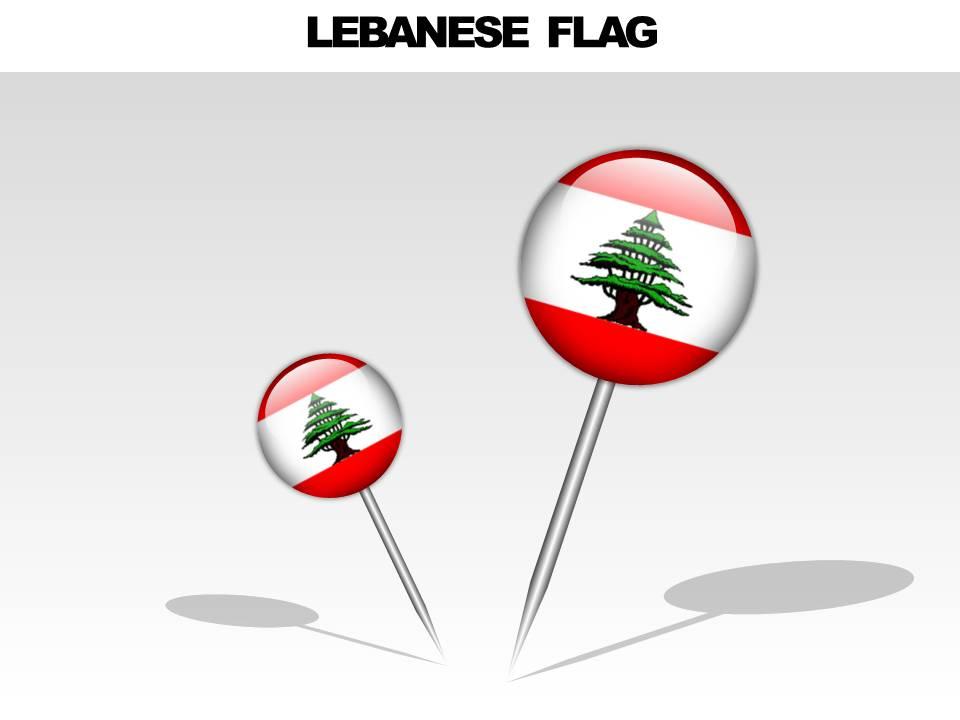
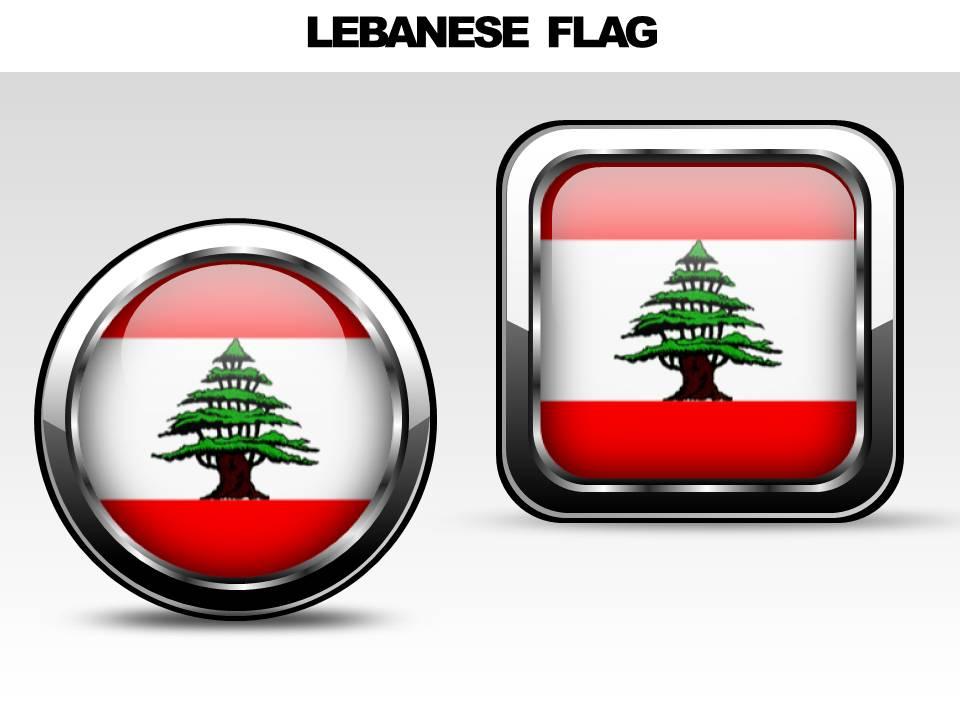
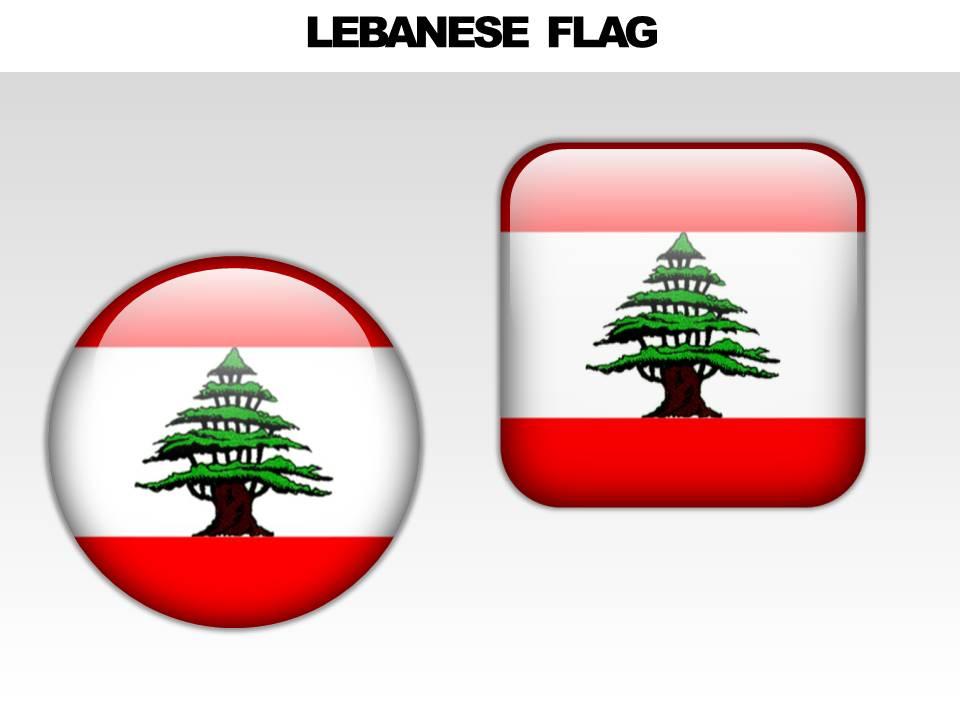
These high quality, editable powerpoint country flags have been carefully created by our professional team to display location and other geographic details in your PowerPoint presentation. Each flag is vector based and is 100% editable in powerpoint. Each and every property of any region - color, size, shading etc can be modified to help you build an effective powerpoint presentation. Use these flags to show sales territories, business and new office locations, travel planning etc in your presentations. Any text can be entered at any point in the powerpoint flag slide. Simply DOWNLOAD, TYPE and PRESENT!

People who downloaded this PowerPoint presentation also viewed the following :

FAQs for Lebanese

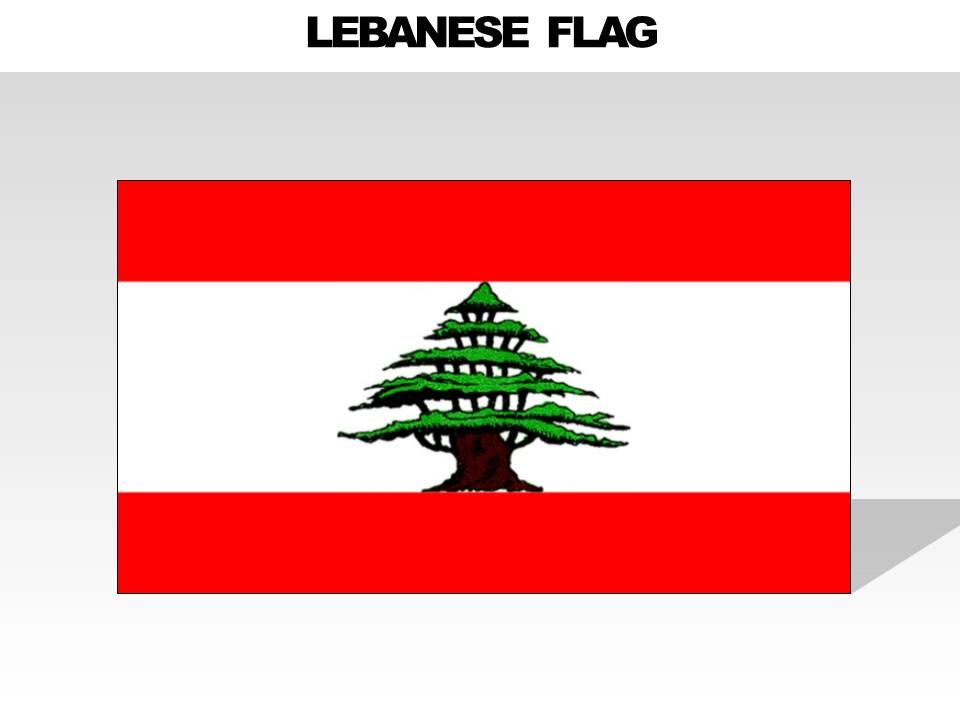
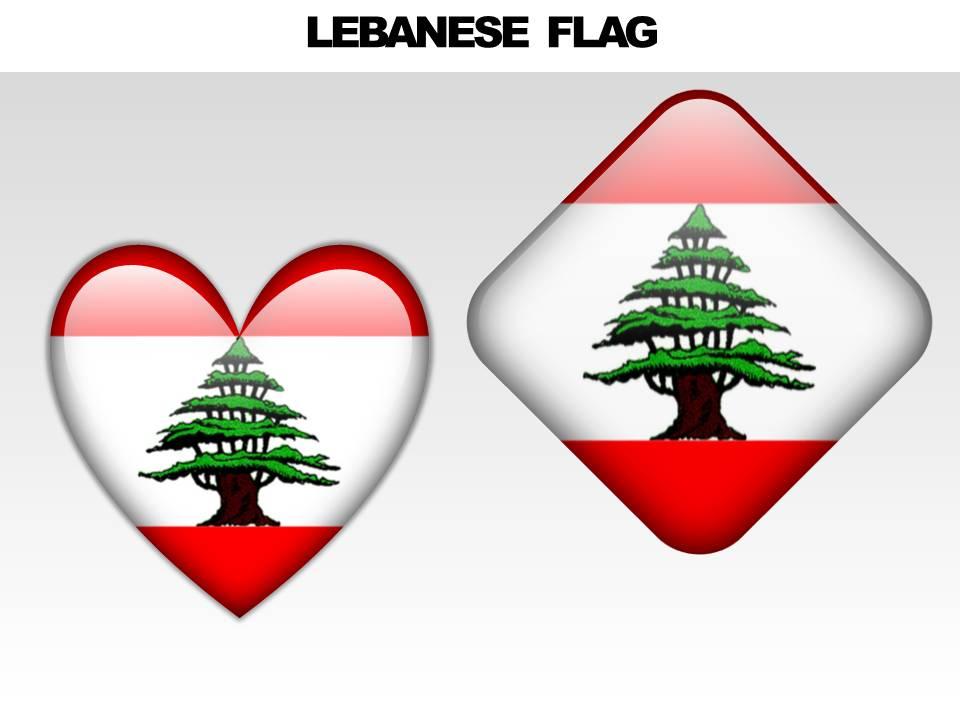
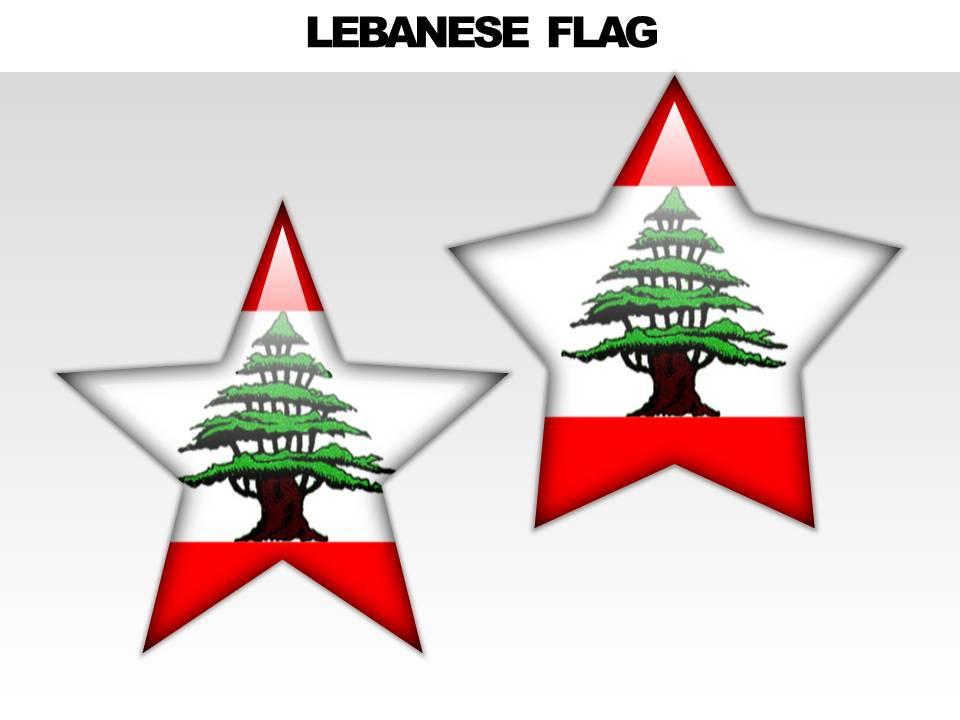
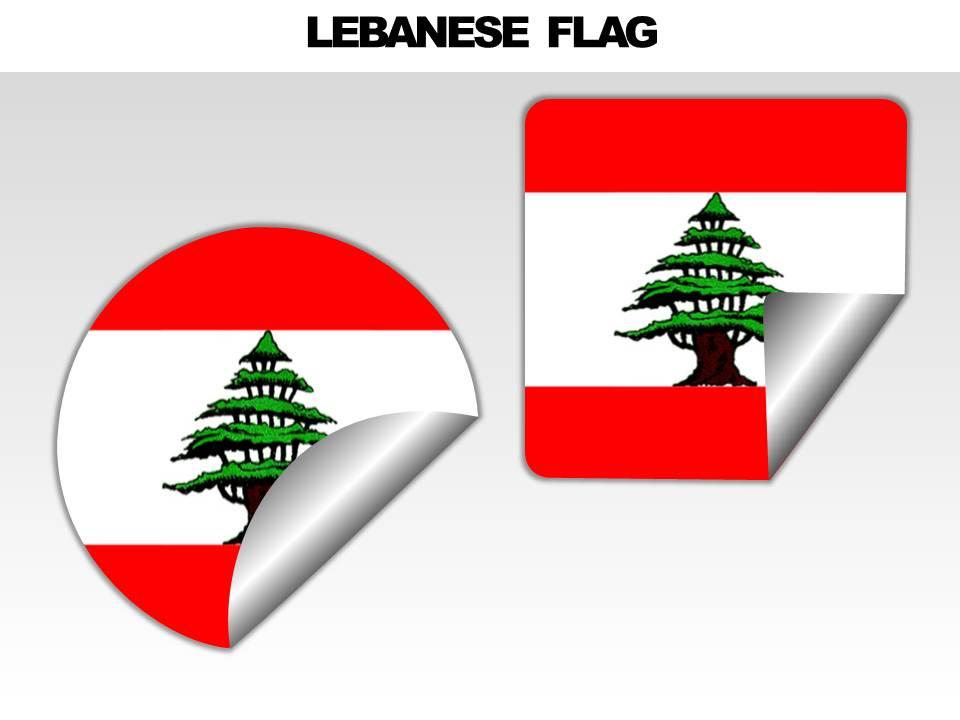
The Lebanon flag features three horizontal stripes—two red bands flanking a white center stripe—with a green cedar tree prominently displayed. The red symbolizes sacrifice and bloodshed for independence, white represents peace and purity, while the cedar embodies strength, eternity, and holiness, with many organizations finding that these elements effectively communicate Lebanon's resilience and heritage in presentations.

A PowerPoint presentation can effectively showcase Lebanon flag history through chronological slides featuring visual timelines, historical context sections, symbolic element explanations, and comparative analysis with previous designs. These approaches enhance understanding by combining archival images, detailed breakdowns of the cedar tree symbolism, and contextual information about Lebanon's independence journey, ultimately delivering an engaging educational experience that connects national identity with historical milestones.

Creative ways to incorporate the Lebanon flag include using the red and white color palette as section dividers, featuring the cedar tree as a watermark or icon, creating slide transitions with flag-inspired gradients, and designing infographic elements using the tricolor bands. These design approaches enhance national identity while maintaining professional aesthetics, with many presenters finding that subtle flag integration in headers, borders, and accent elements creates memorable visual impact without overwhelming content.

The Lebanon flag features a distinctive cedar tree centerpiece between red and white horizontal stripes, contrasting sharply with the geometric patterns, crescents, and stars common in regional flags like Jordan's triangular design or Saudi Arabia's calligraphic elements. This organic botanical symbol creates unique visual identity compared to the more abstract symbolic approaches used by neighboring countries, ultimately delivering memorable national branding that stands out in Middle Eastern diplomatic and international business contexts.

Recent economic collapse, political upheaval, and the 2020 Beirut port explosion have transformed the Lebanon flag into a powerful symbol of resilience and unity among citizens facing unprecedented challenges. Through nationwide protests and social movements, many Lebanese organizations and communities increasingly display the flag as a representation of hope for reform, national solidarity, and democratic renewal, ultimately delivering a renewed sense of patriotic identity despite ongoing institutional crises.

When using the Lebanon flag in educational PowerPoint presentations, follow proper display protocols including correct proportions, accurate colors (red and white stripes with green cedar), and respectful positioning without text overlay. These guidelines ensure cultural sensitivity, maintain educational integrity, and demonstrate proper flag etiquette, with many educational institutions finding that adherence to official specifications enhances presentation credibility while fostering appropriate respect for Lebanese national symbols.

Lebanon's flag colors—red, white, and green—create a cohesive presentation palette by using deep crimson for headings and key points, clean white for backgrounds and text clarity, and forest green for accents and supporting elements. This strategic combination enhances visual hierarchy while maintaining professional appeal, with many organizations finding that these balanced, culturally resonant colors improve audience engagement and message retention across corporate and educational presentations.

The cedar tree symbolizes strength, eternity, and resilience in Lebanese culture, representing the nation's enduring spirit and historical significance. This powerful emblem enhances presentations about Lebanese heritage, national identity, and cultural values, with many organizations, educational institutions, and government entities finding that incorporating this symbolism delivers deeper audience connection and authentic cultural representation.

Historical context enhances Lebanon flag understanding by explaining the cedar tree's ancient significance, French mandate influences, and post-independence symbolism in presentations. Through historical narratives, educators and business professionals can illustrate Lebanon's cultural heritage, economic resilience, and strategic Mediterranean position, ultimately delivering deeper audience engagement and meaningful cross-cultural business insights.

Common mistakes include using incorrect flag proportions, wrong color shades, cluttered layouts with excessive text, and poor image resolution that pixelates the flag. These design flaws undermine presentation credibility by misrepresenting national symbols, overwhelming audiences with information overload, and creating unprofessional visual experiences, with many presenters finding that clean, accurate flag representations with minimal text ultimately deliver stronger cultural respect and audience engagement.

Animations and transitions can effectively highlight the Lebanon flag's distinctive elements through fade-ins for each color band, zoom effects on the central cedar tree, and sequential reveals of symbolic meanings. Strategic entrance animations draw attention to the flag's tricolor design and national emblem, while smooth transitions between slides maintain audience engagement, ultimately delivering memorable presentations that enhance cultural understanding and respect for Lebanese heritage.

Charts highlighting the flag's proportional dimensions, color symbolism infographics explaining red's representation of sacrifice and white's peace significance, and layered graphics showcasing the cedar tree's cultural importance work exceptionally well. These visual approaches enable presenters to communicate Lebanon's national identity through structured data visualization, symbolic breakdowns, and historical context integration, ultimately delivering more engaging and educational presentations for audiences across diplomatic, educational, and business sectors.

The Lebanon flag's cedar tree symbolizes resilience and eternity, the red stripes represent sacrifice, and white signifies peace, creating powerful metaphors for organizational values, historical context, or business resilience themes. These elements enhance presentations on Middle Eastern markets, cultural diversity initiatives, or sustainability projects, with many organizations finding that incorporating national symbols creates deeper audience connection and memorable storytelling frameworks.

The Lebanon flag significantly strengthens national identity by symbolizing resilience, independence, and cultural heritage through its distinctive cedar tree and red-white-red design. When featured in presentations, it fosters unity among diverse religious and ethnic communities, with many organizations, educational institutions, and government entities finding that incorporating national symbols enhances collective pride and reinforces shared Lebanese values.

Audience engagement increases through interactive storytelling, visual comparisons with other flags, historical timeline presentations, and incorporating Lebanon's cultural symbols meaningfully. Using polls about flag recognition, displaying the cedar tree's significance across different sectors like tourism and agriculture, and connecting flag elements to modern Lebanese achievements creates memorable presentations that resonate with diverse audiences.

Ratings and Reviews

90% of 100
Write a review
Most Relevant Reviews
  1. 100%

    by John Walker

    Graphics are very appealing to eyes.
  2. 80%

    by Dorian Armstrong

    Very unique and reliable designs.

2 Item(s)

per page: