Major sales growth drivers for every organization and industry powerpoint presentation slides

Rating:
100%
Major sales growth drivers for every organization and industry powerpoint presentation slides
Slide 1 of 46

or

Favourites Favourites

Try Before you Buy Download Free Sample Product

Audience Impress Your
Audience
Editable 100%
Editable
Time Save Hours
of Time
The Biggest Sale is ending soon in
0
0
:
0
0
:
0
0
Rating:
100%
SlideTeam presents Major Sales Growth Drivers For Every Organization And Industry Powerpoint Presentation Slides. Design a personalized presentation with the help of our 100% custom PPT slideshow. Use 46 professionally-built templates to create a visually-stunning sales presentation. Edit text, patterns, orientation, background, colors, and font as required. Convert the file format from PPT to PDF, PNG, or JPG according to your needs. Use Google slide for quick access. This presentation is compatible with standard and widescreen resolutions.
Content of this Powerpoint Presentation


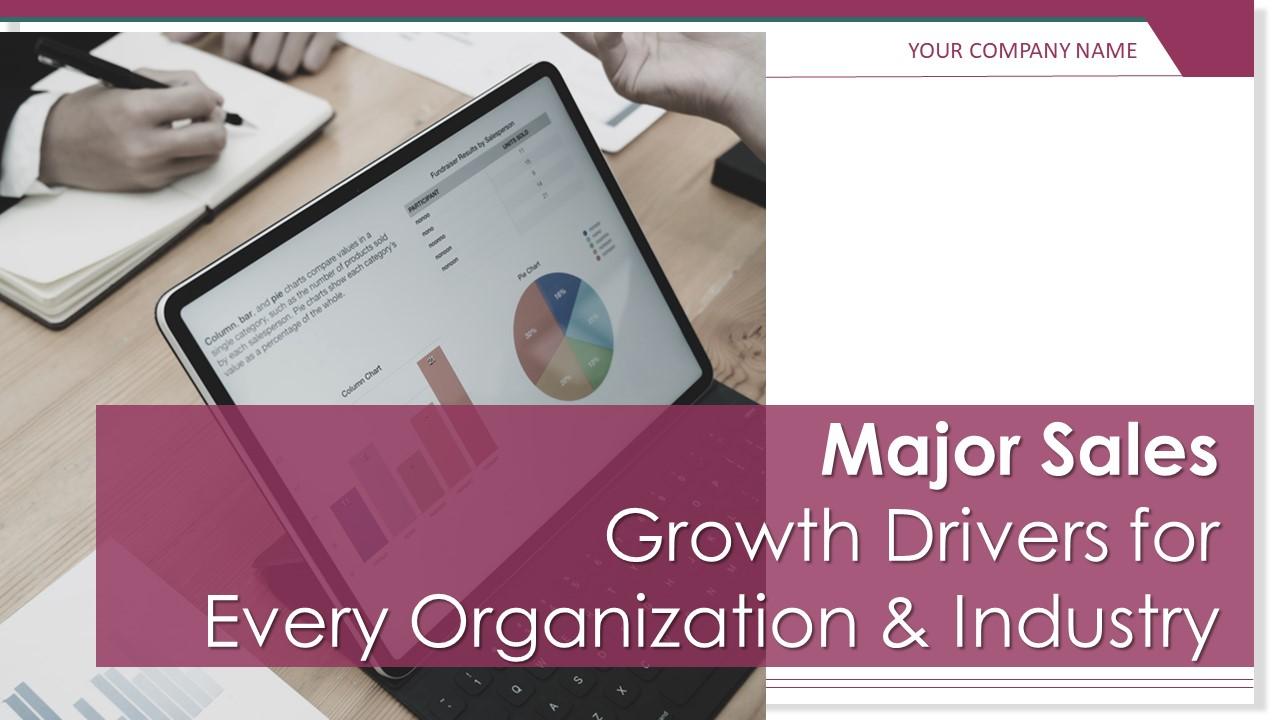
Slide 1: This slide introduces Major Sales Growth Drivers for Every Organization & Industry. State your Company name and begin.
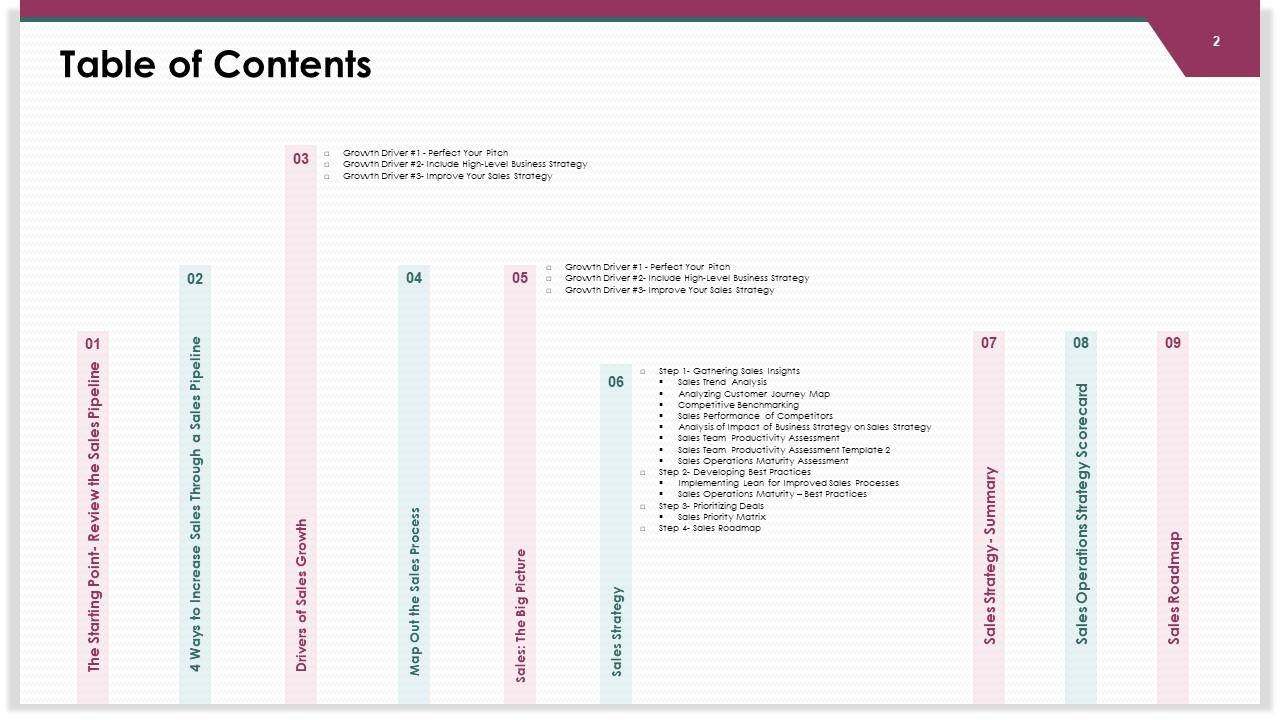
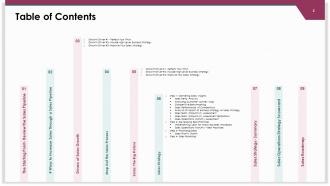
Slide 2: This slide displays Table of Contents.
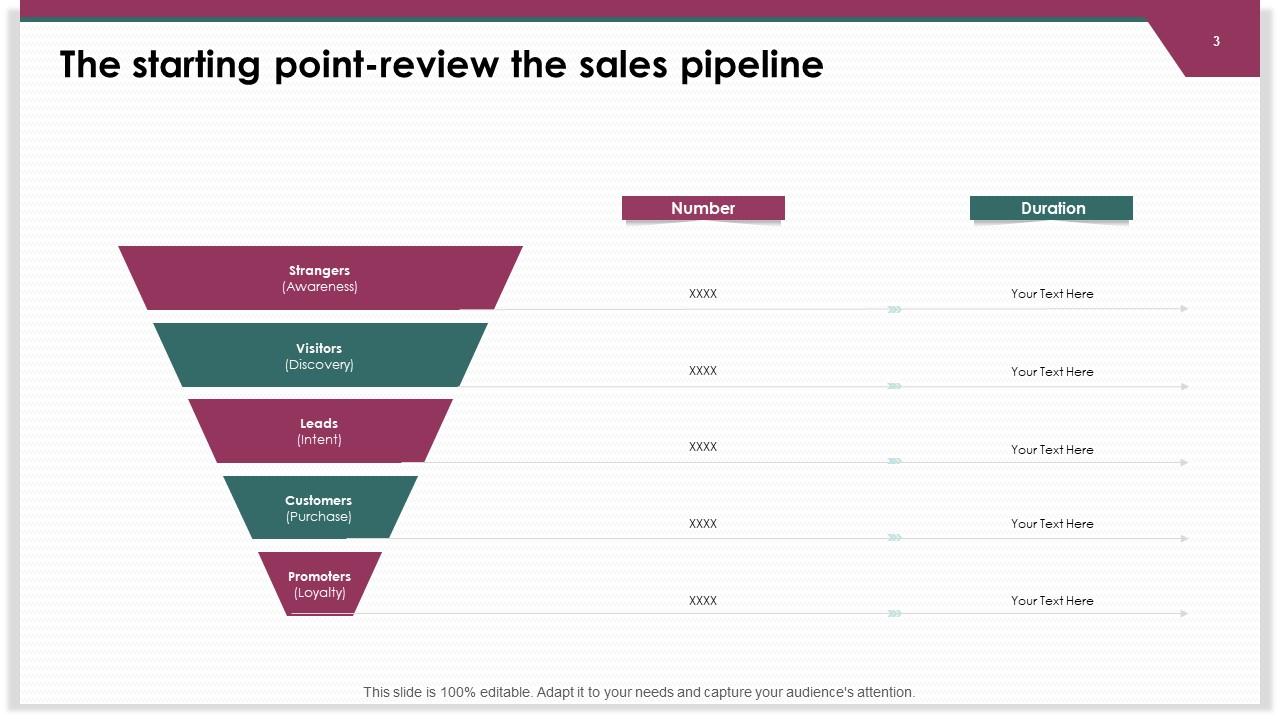
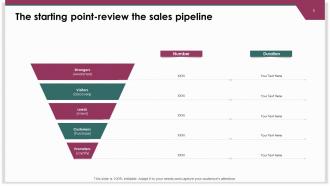
Slide 3: This slide displays information about reviewing sales pipeline.
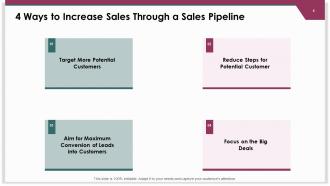
Slide 4: This slide discusses 4 ways to increase sales through sales pipeline.
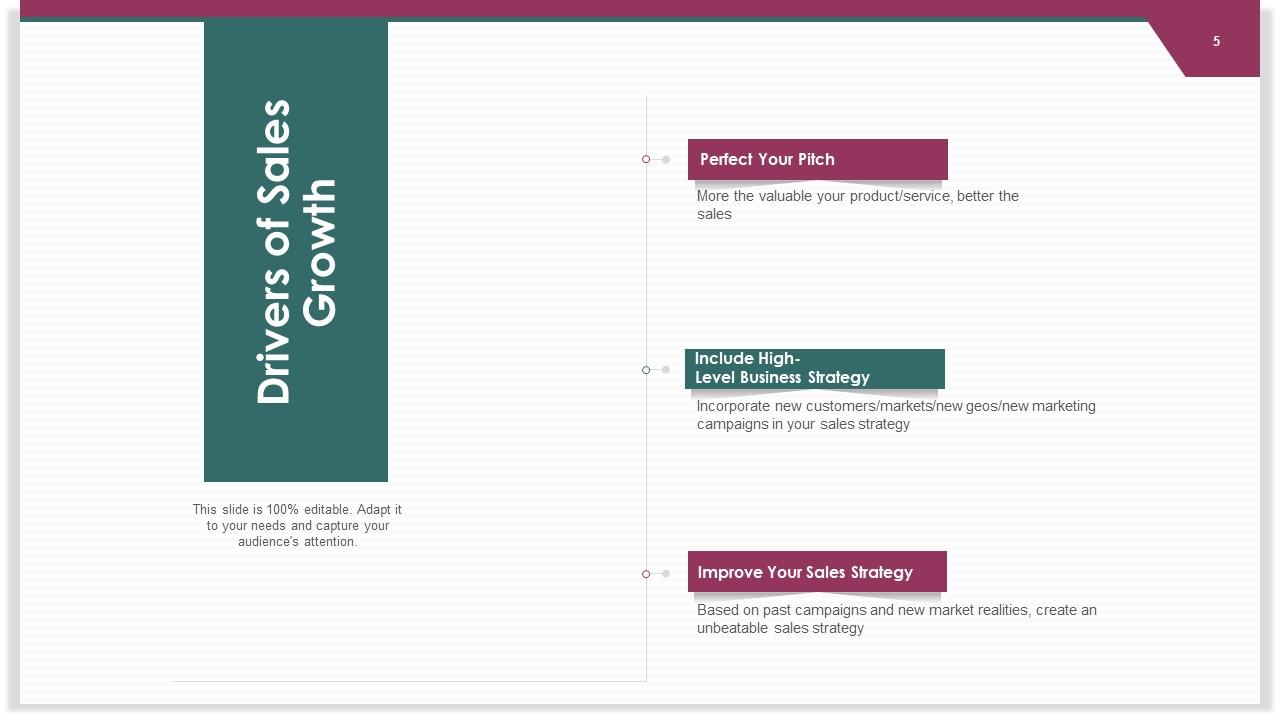
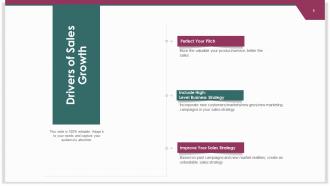
Slide 5: This slide presents Drivers of Sales Growth.
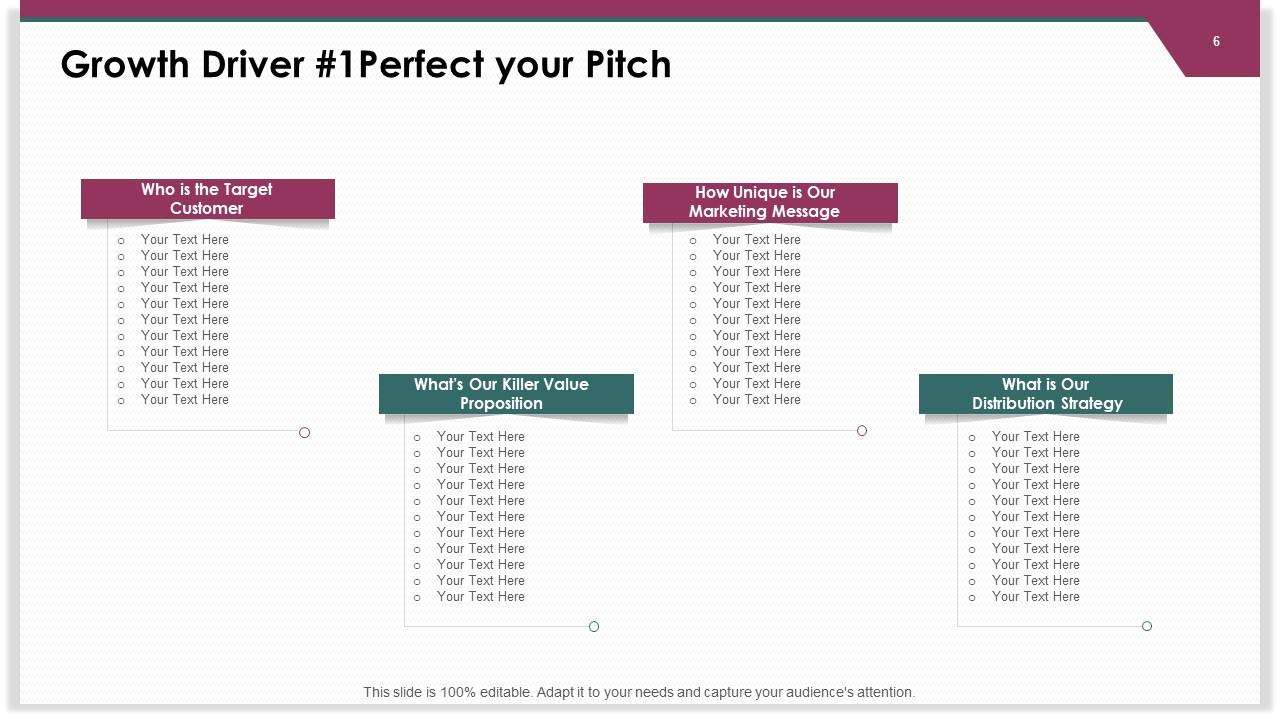
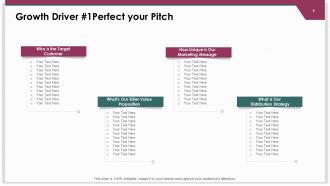
Slide 6: This slide represents Growth Driver.
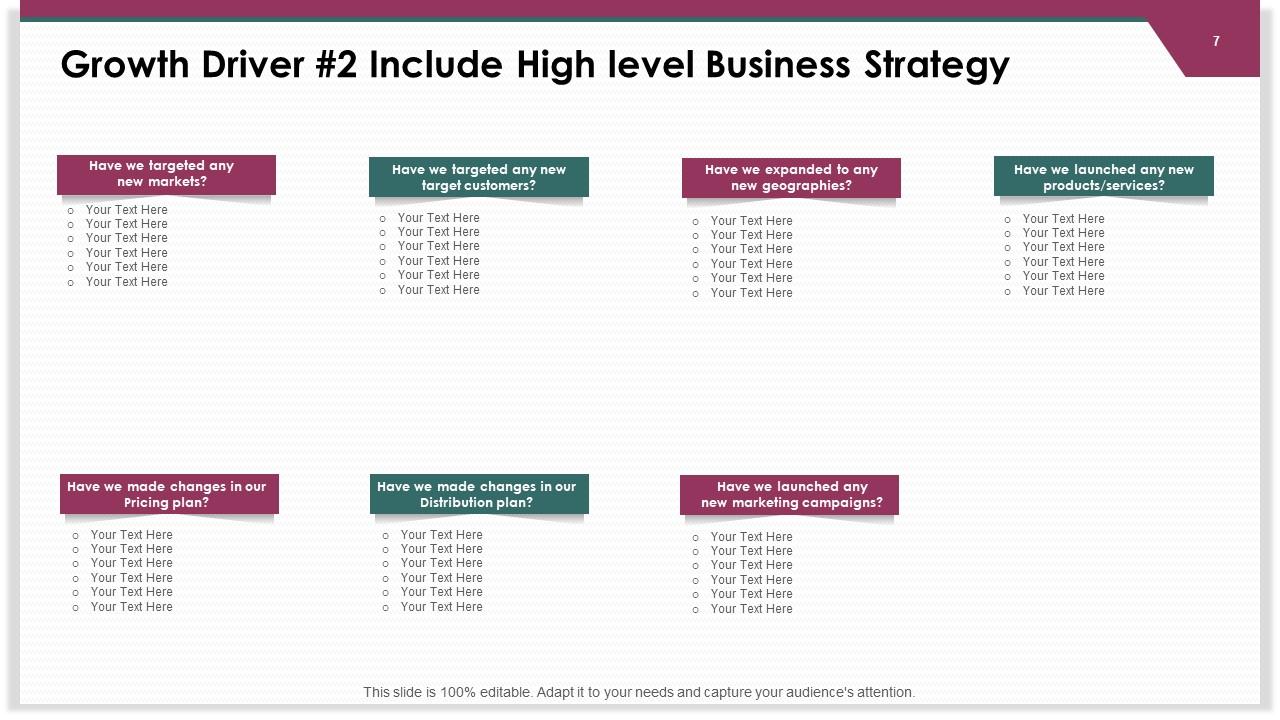
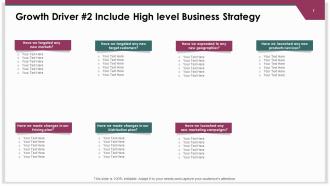
Slide 7: This slide depicts Growth driver to include high level business strategy.
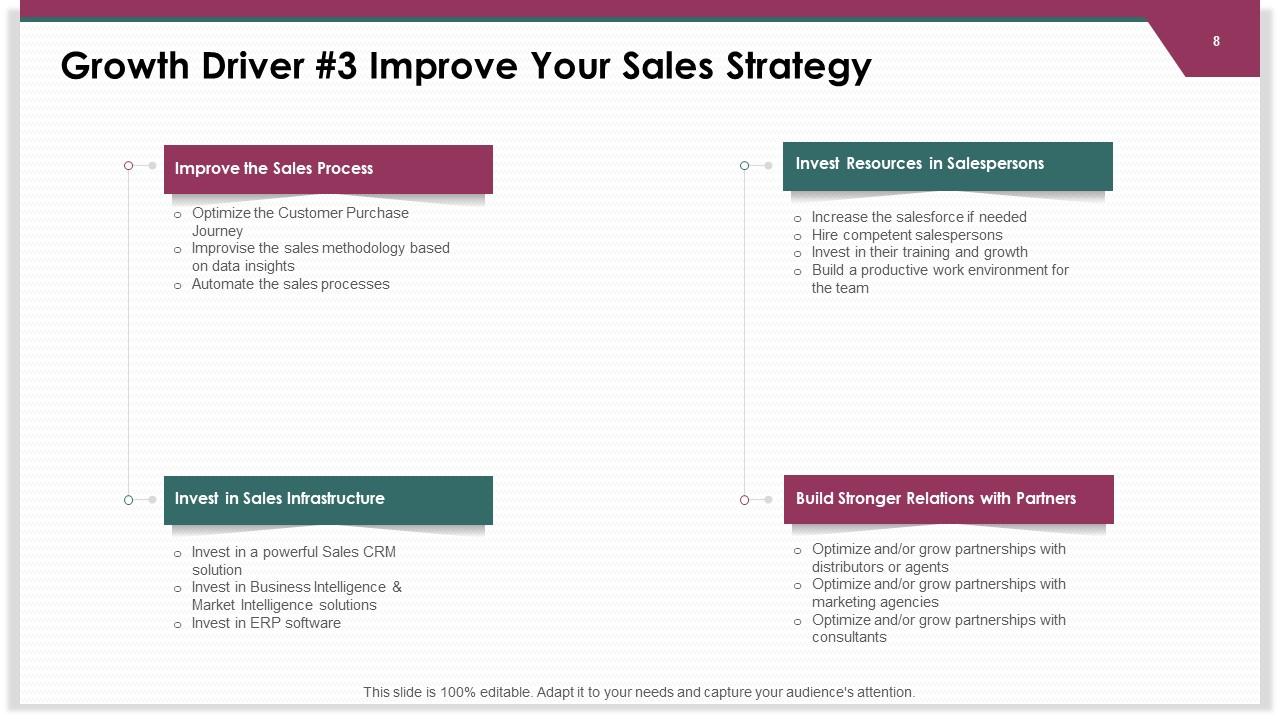
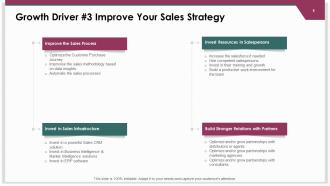
Slide 8: This slide depicts Growth Drivers to improve sales strategy.
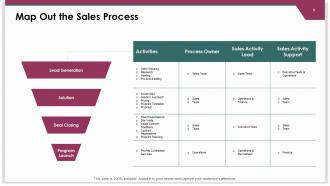
Slide 9: This slide provides information regarding mapping out sales process.
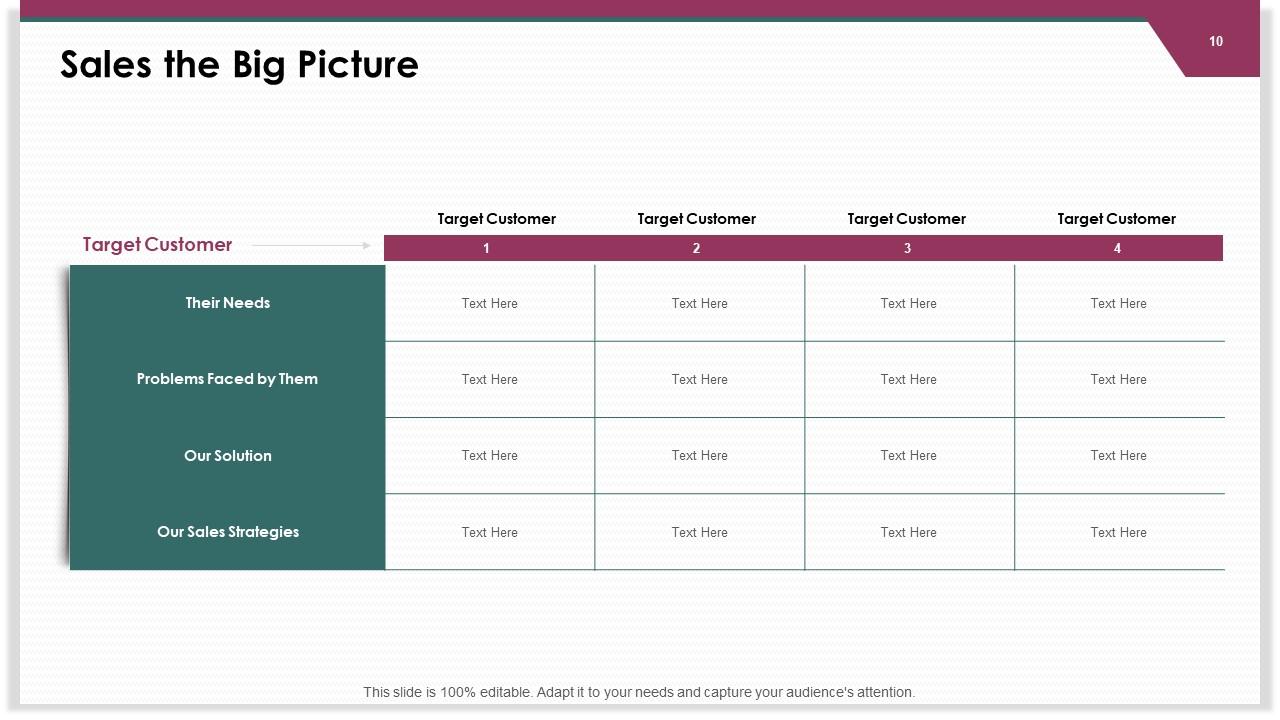
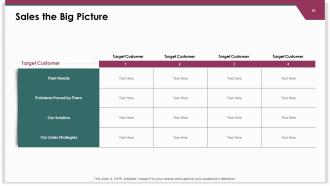
Slide 10: This slide shows information on sales the big picture.
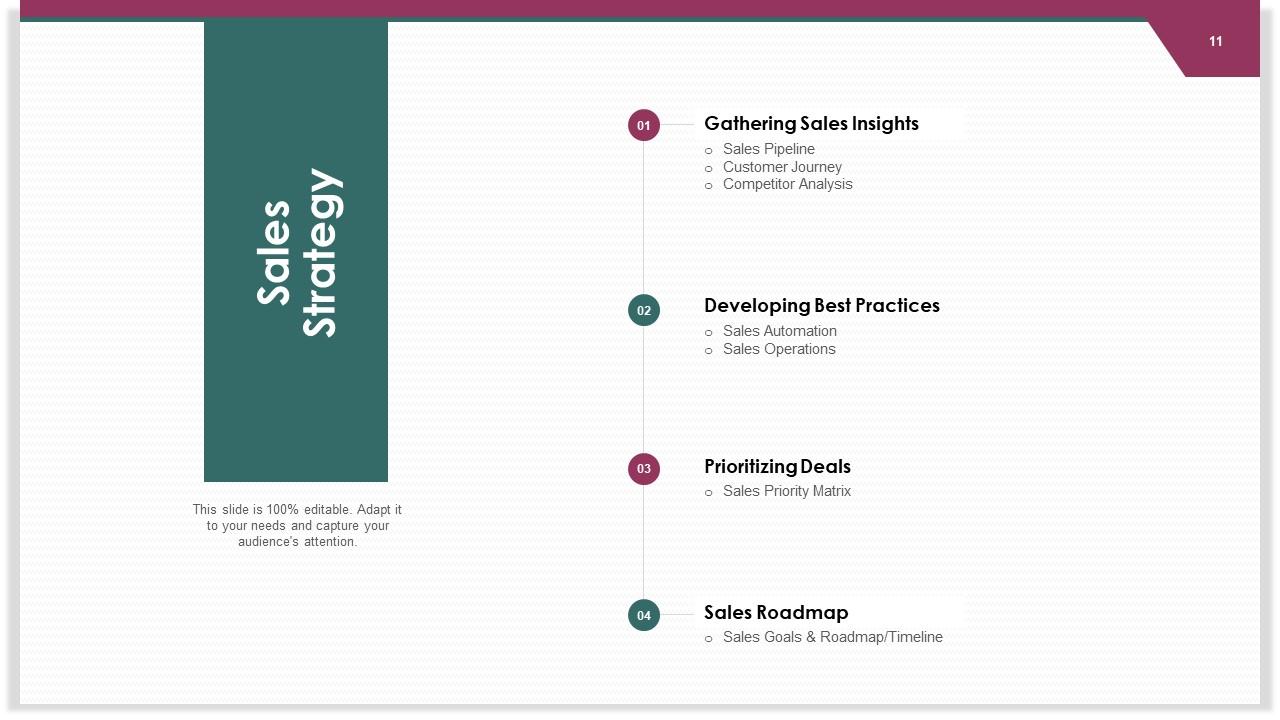
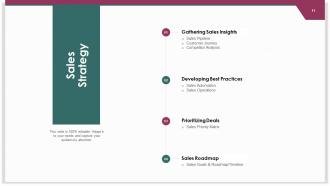
Slide 11: This slide displays Sales Strategy.
Slide 12: This slide shows information regarding gathering sales insights.
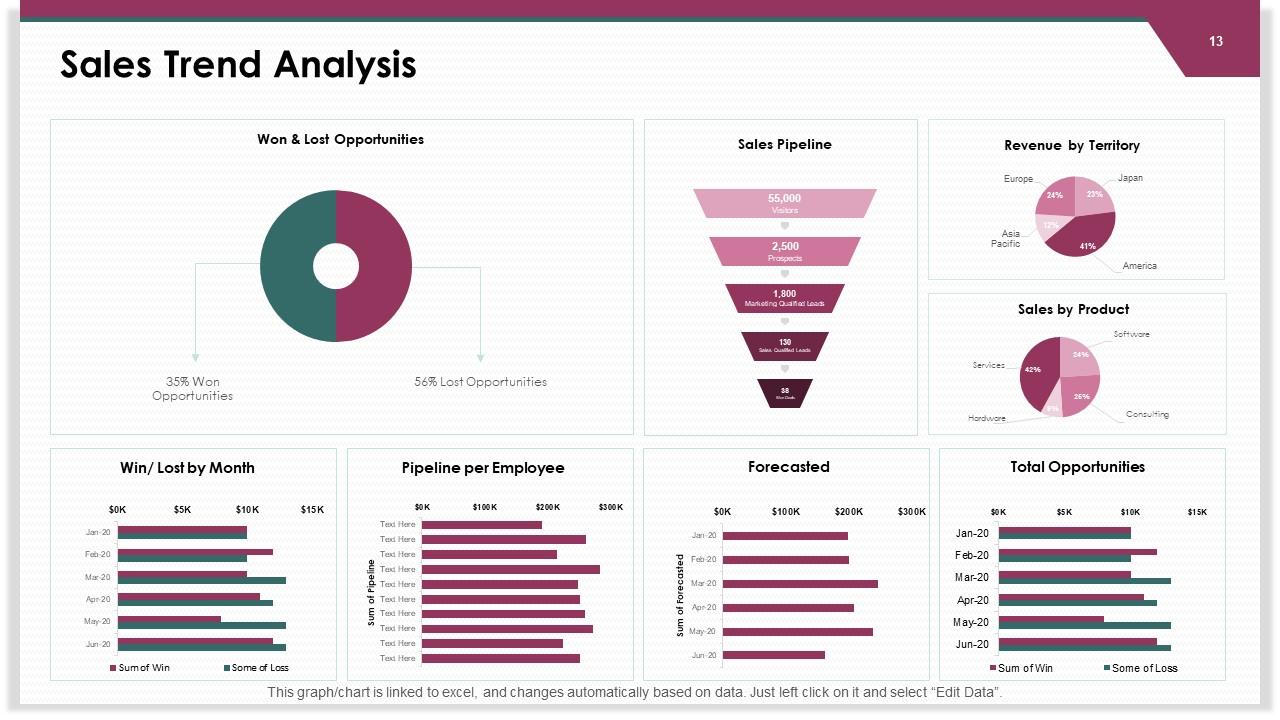
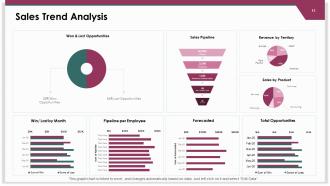
Slide 13: This slide depicts sales trend analysis.
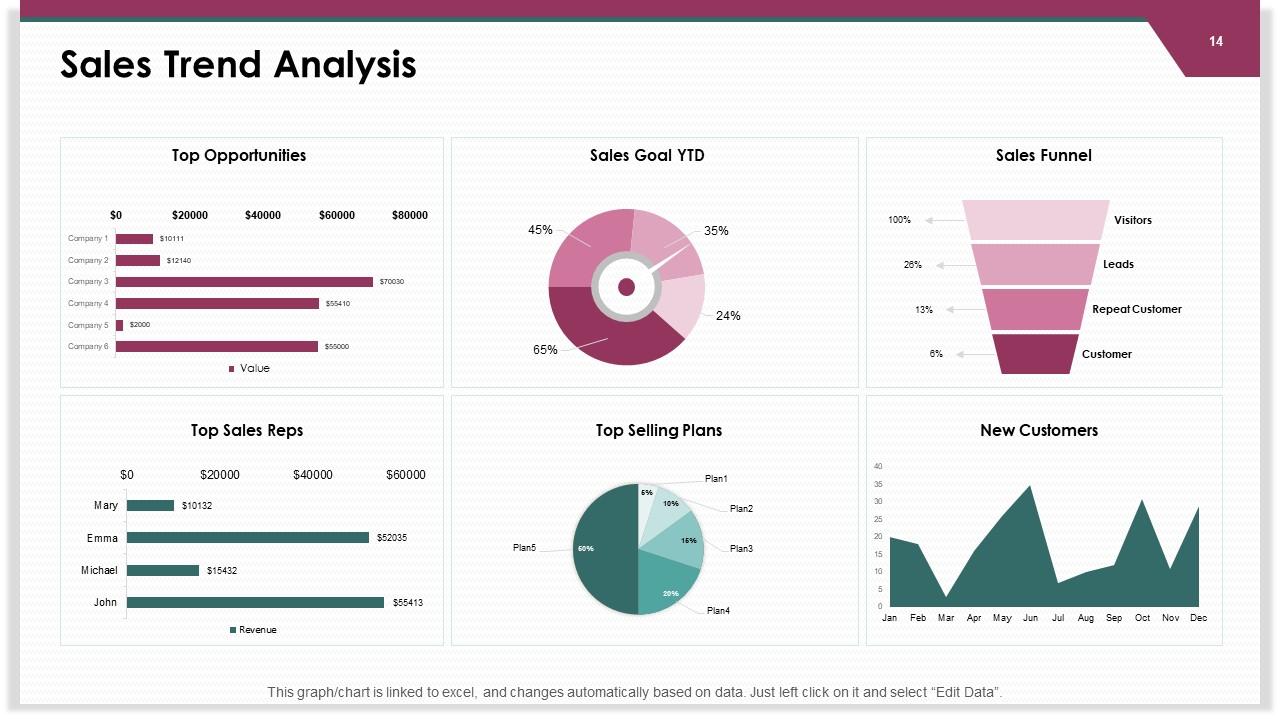
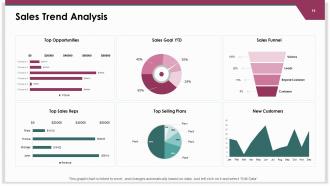
Slide 14: This slide shows sales trend analysis.
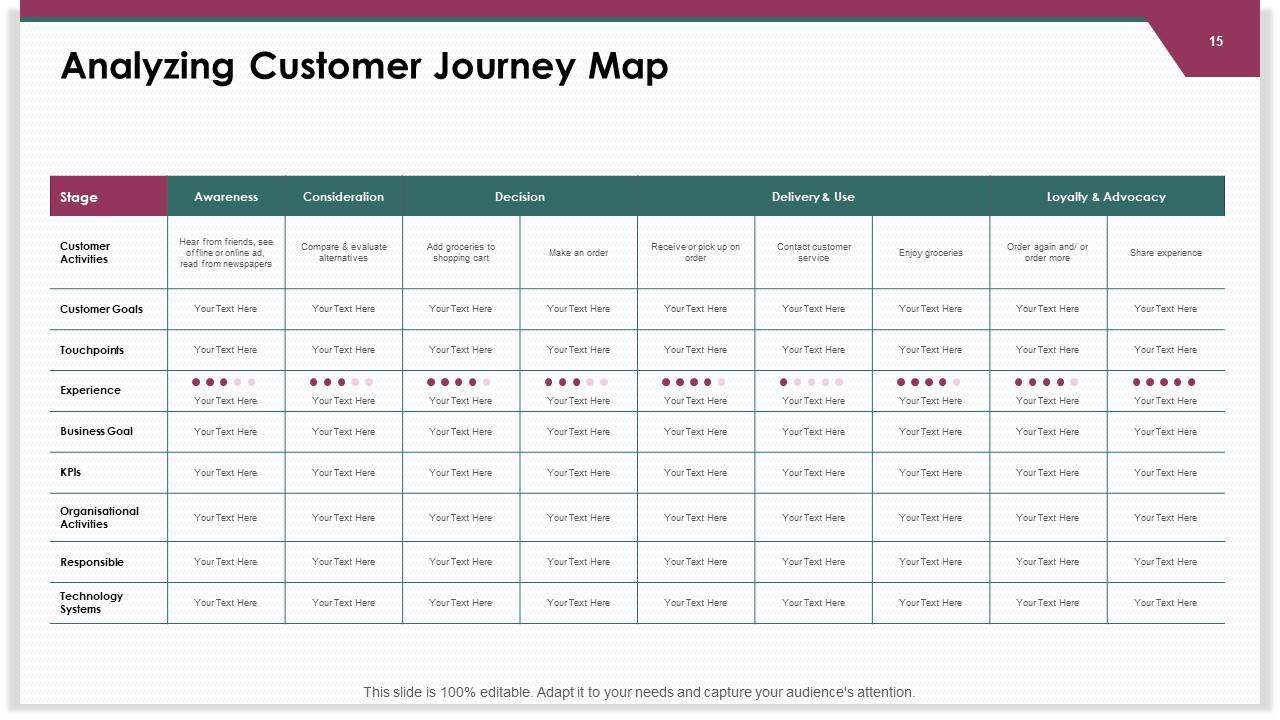
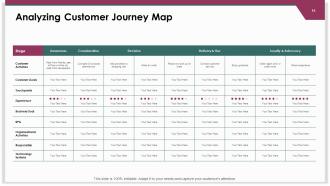
Slide 15: This slide discusses about analyzing customer journey map.
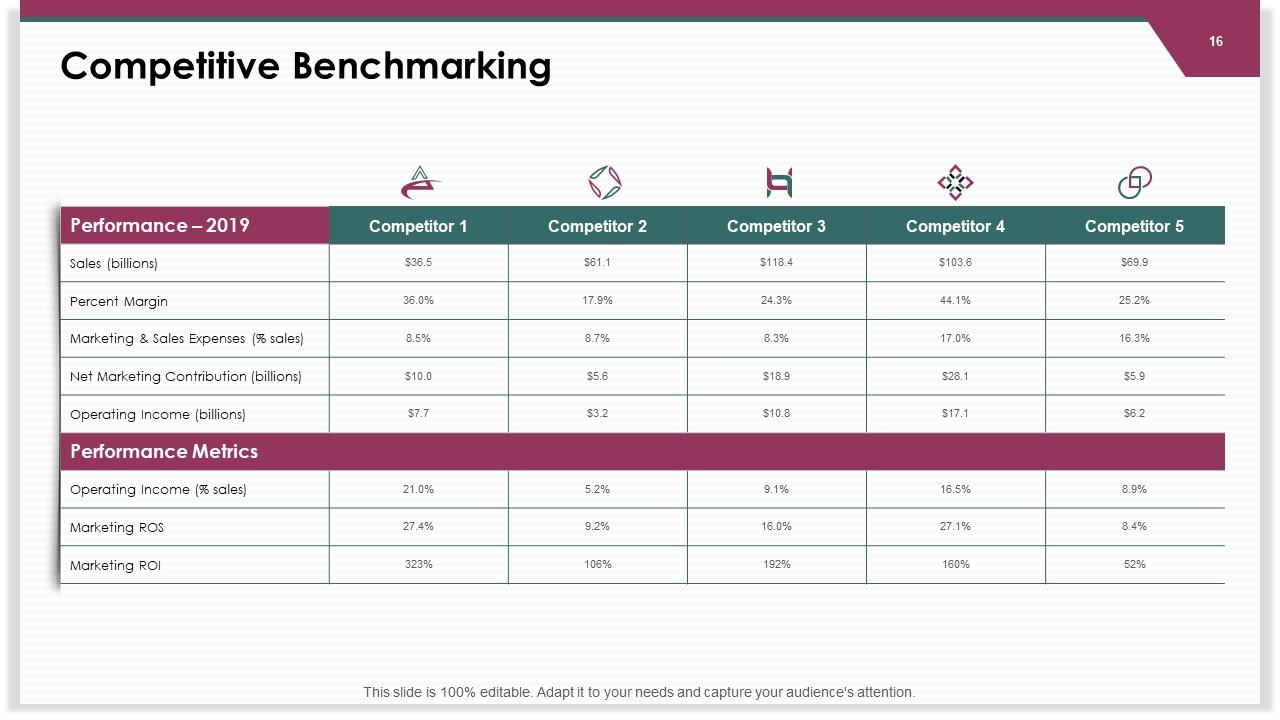
Slide 16: This slide shows the biggesr picture of sales.
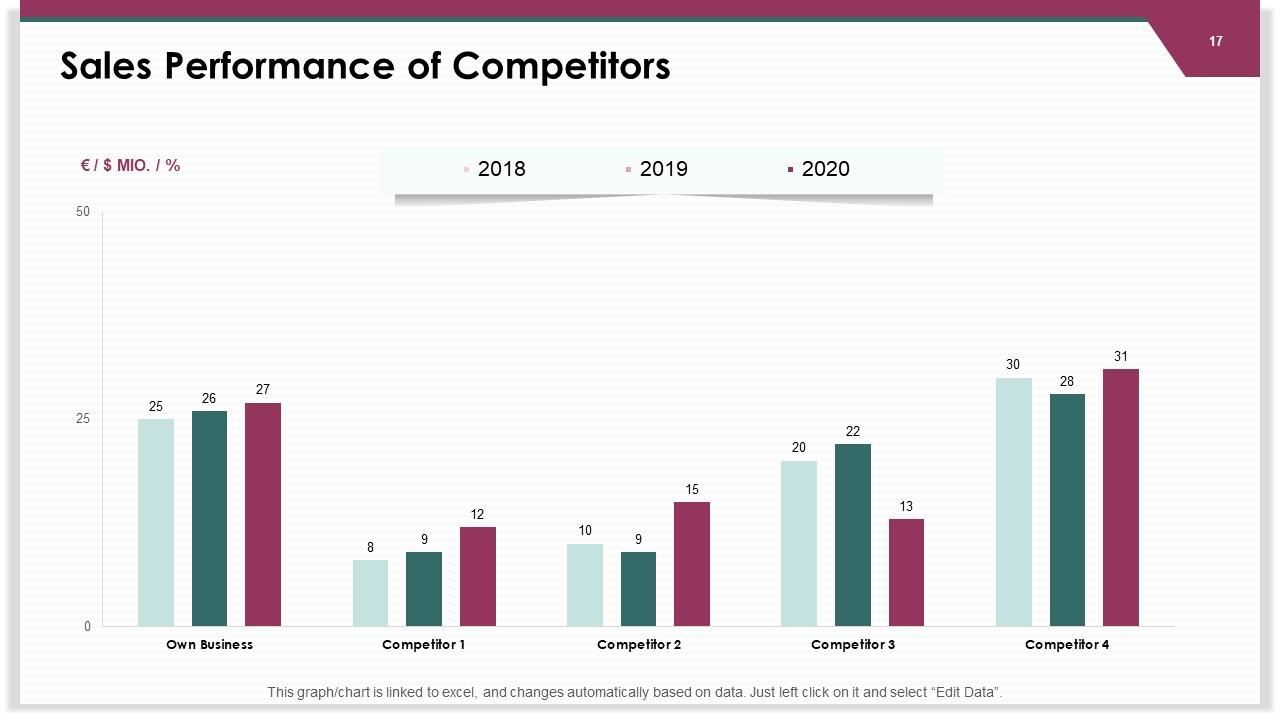
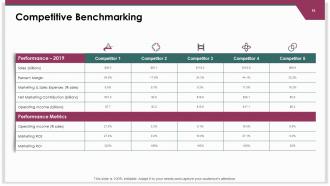
Slide 17: This slide depicts Sales performance of Competitors.
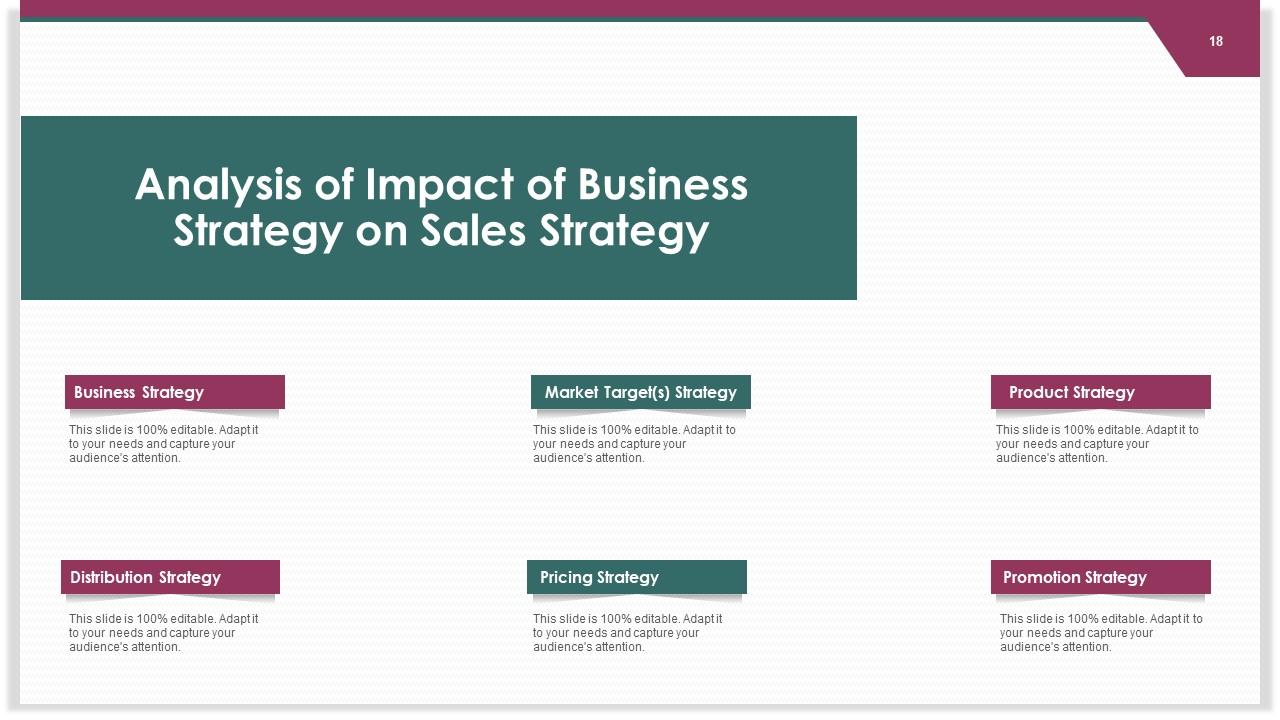
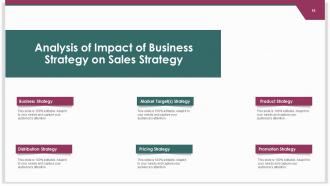
Slide 18: This slide shows analysis of Impact of business strategy on sales strategy.
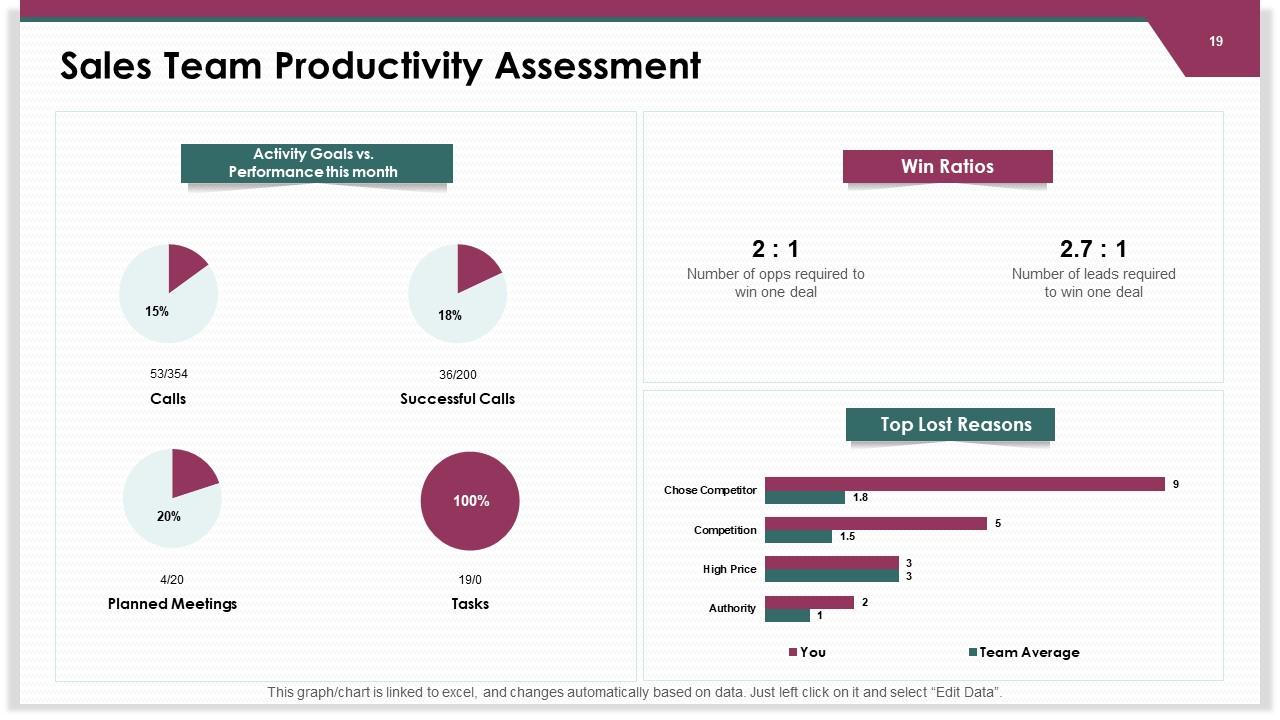
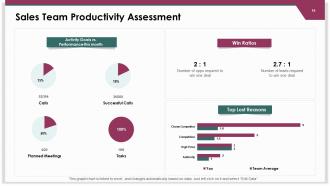
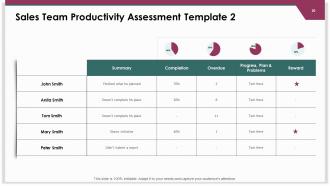
Slide 19: This slide shows Sales Team Prouctivity Assessment.
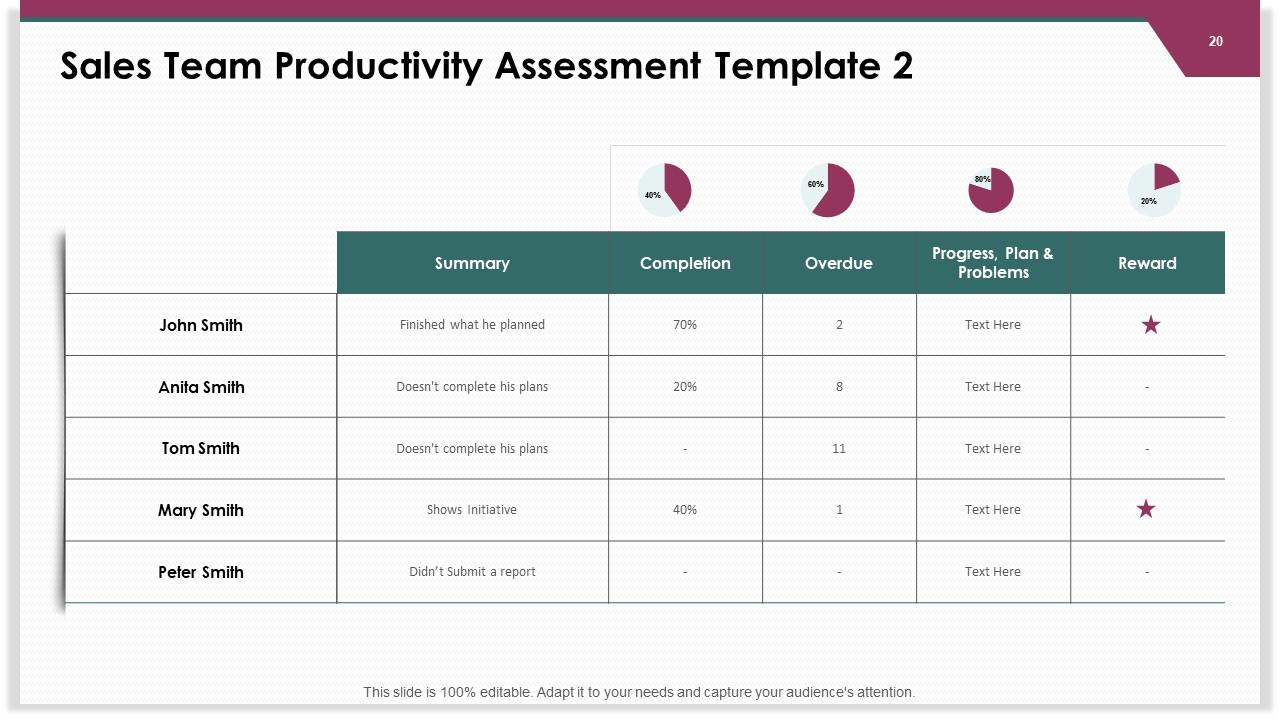
Slide 20: This slide shows Sales Team Productivity Assessment.
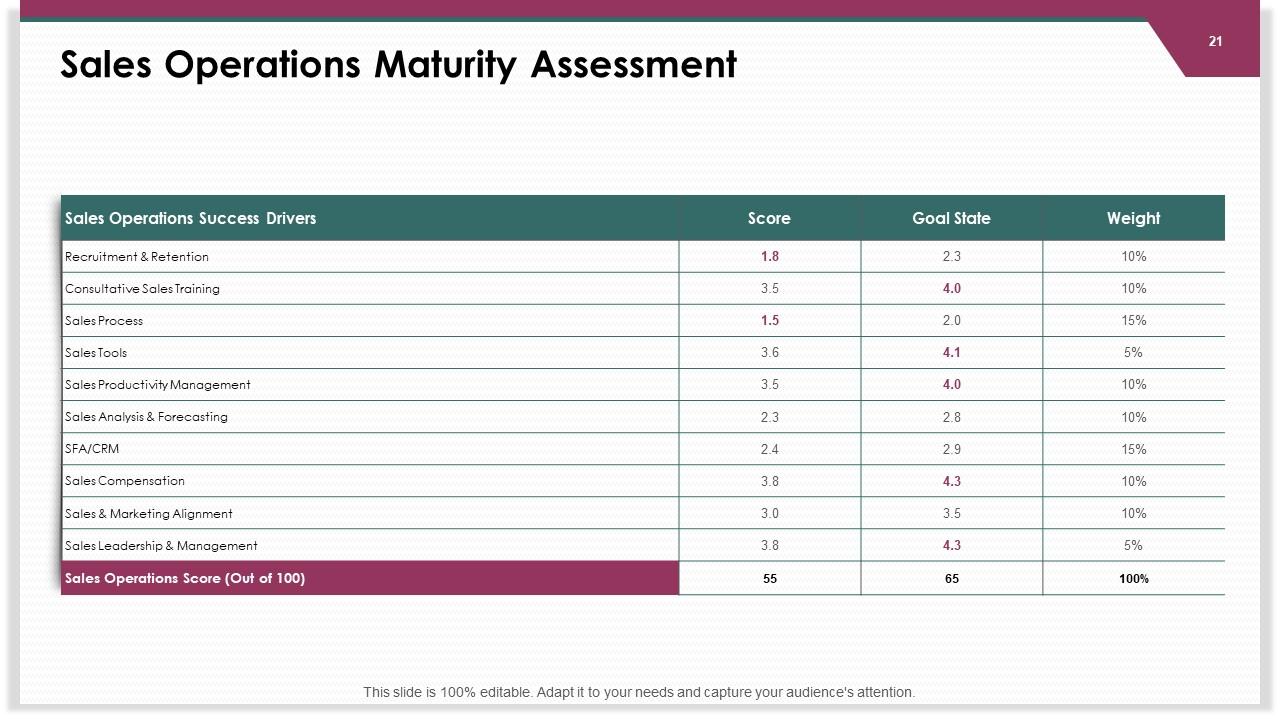
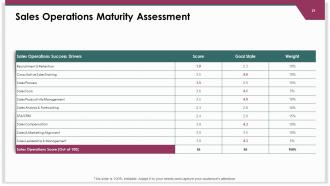
Slide 21: This slide represents Sales Operations Maturity Assessment.
Slide 22: This slidee discusses about Developing best practices.
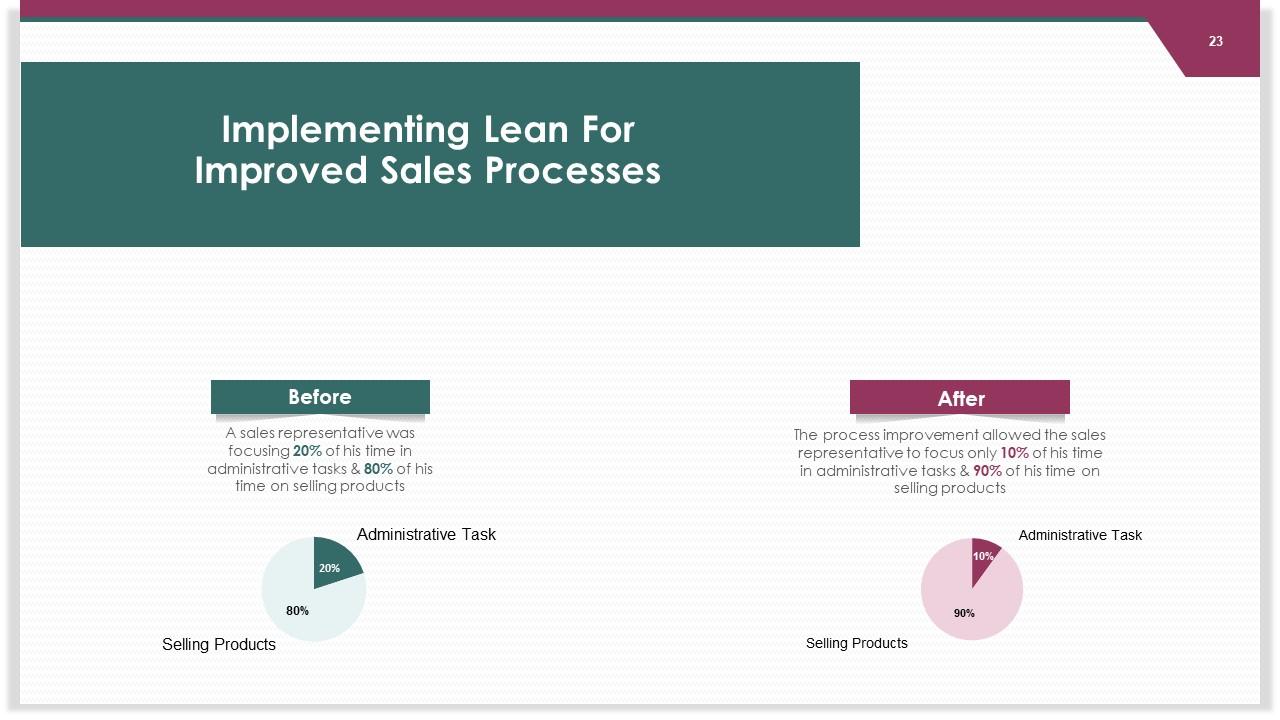
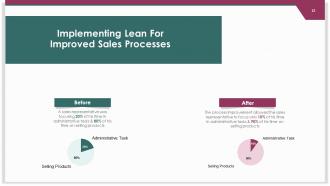
Slide 23: This slide depicts Implementing lean for improved sales process.
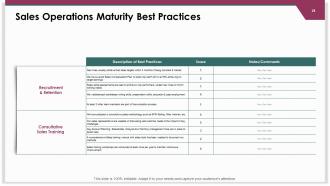
Slide 24: This slide shows Sales Operations Maturity Best Practices.
Slide 25: This slide shows Priortizing deals.
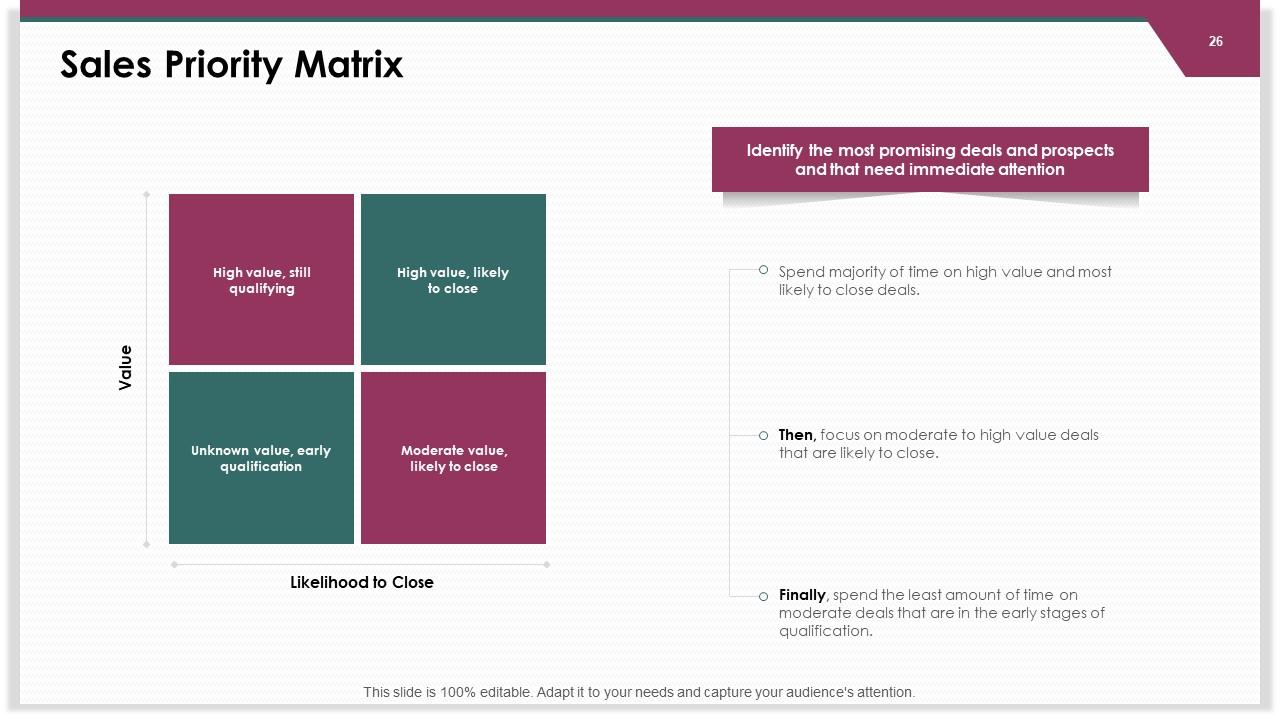
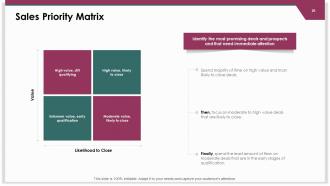
Slide 26: This slide shows Sales Priority Matrix.
Slide 27: This slide shows Sales Roadmap.
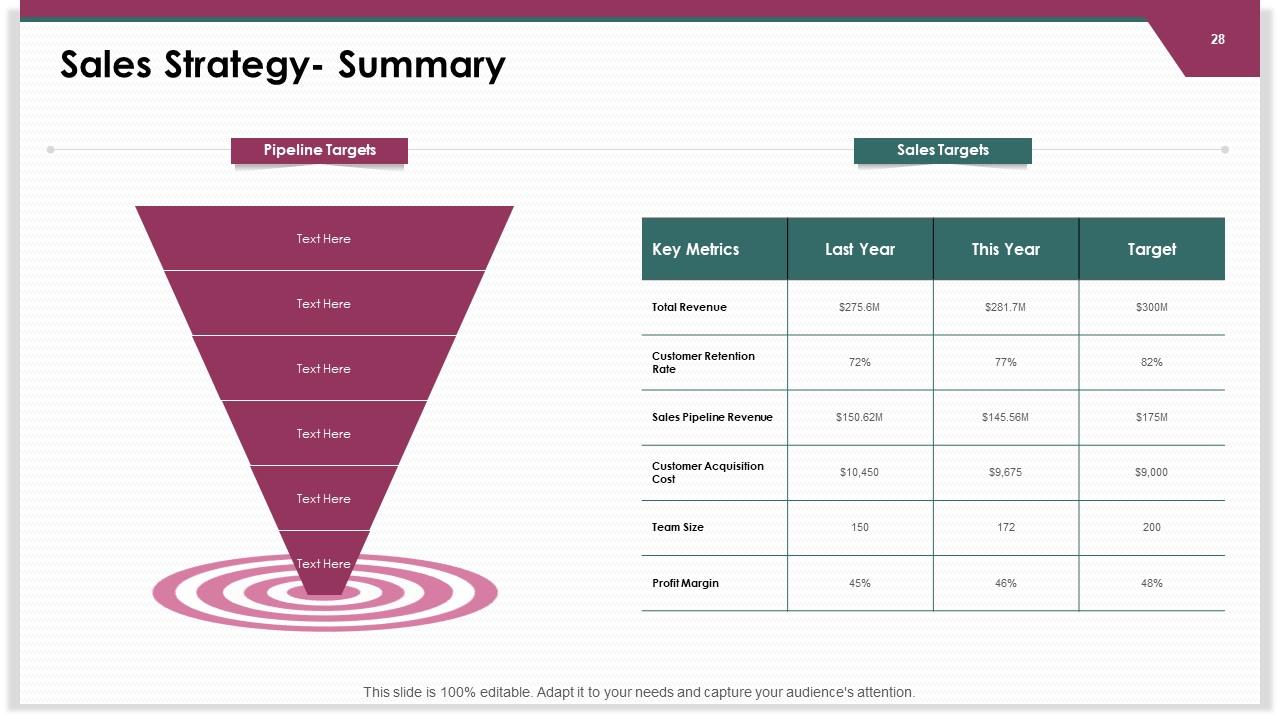
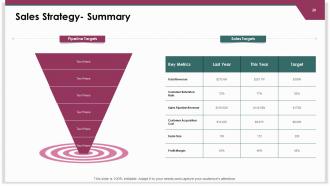
Slide 28: This slide shows Sales Strategy Summary.
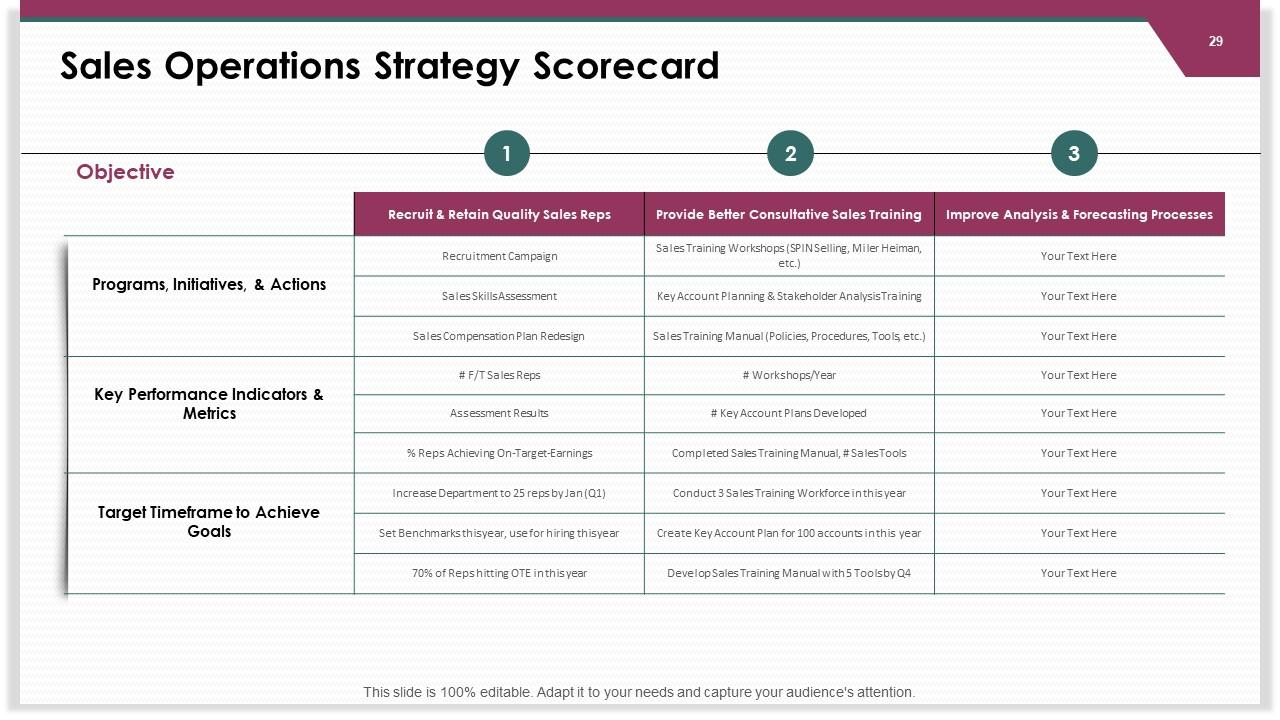
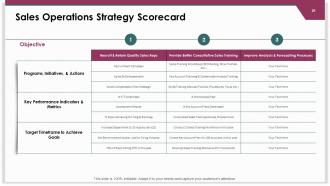
Slide 29: This slide represents Sales Operations Strategy Scorecard.
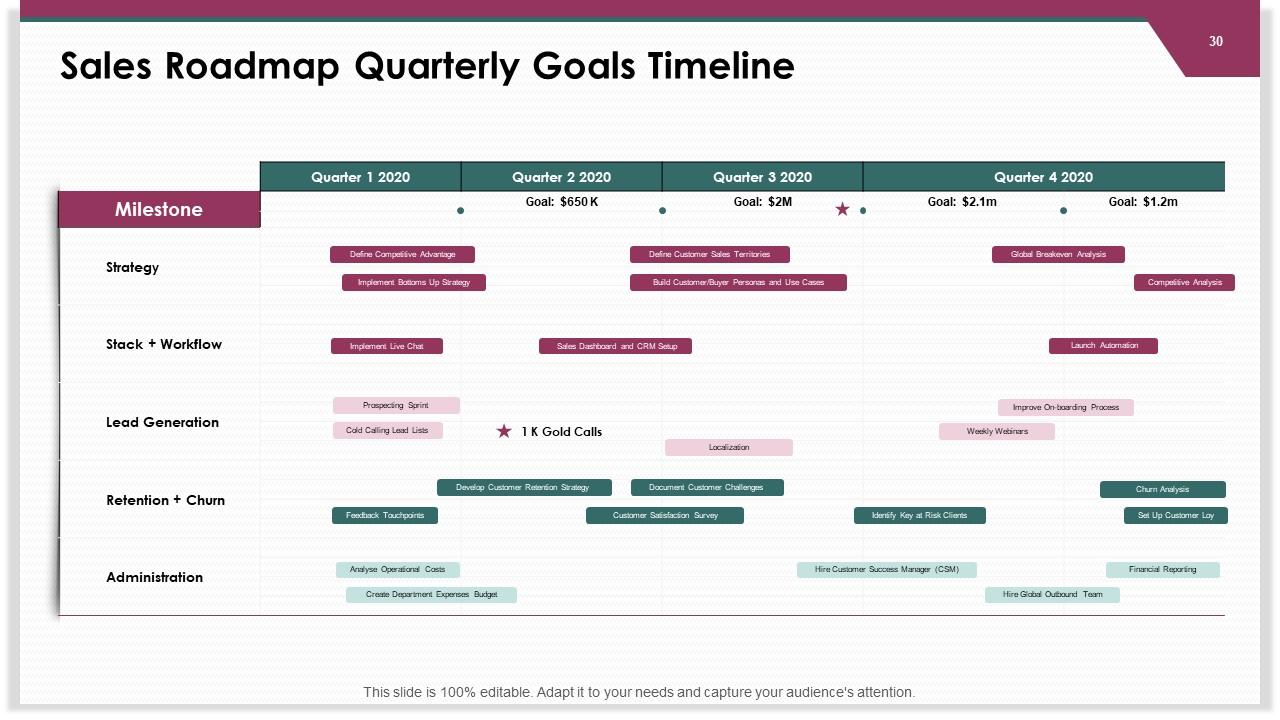
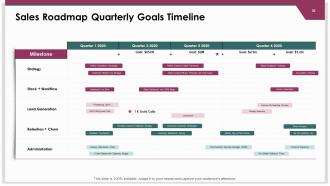
Slide 30: This slide shows Sales Roadmap Quarterly Goals Timeline.
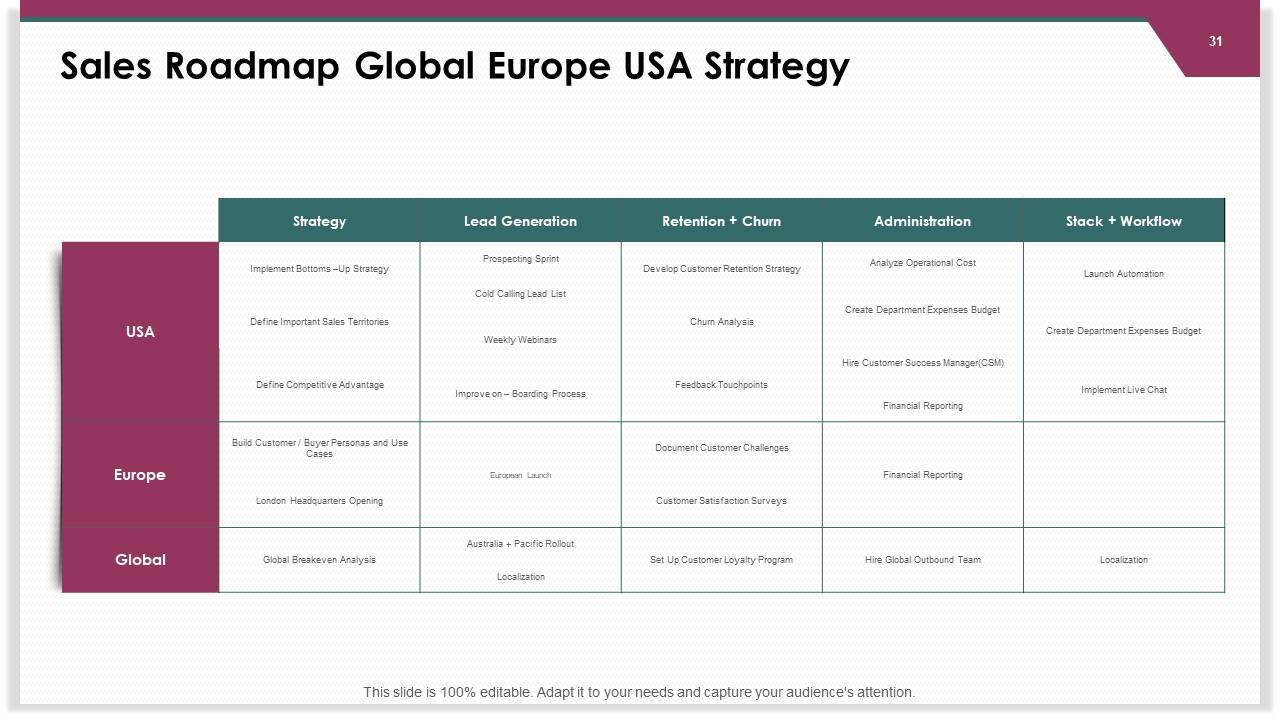
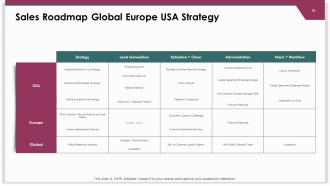
Slide 31: This slide shows Strategy of Sales Roadmap of Europe and USA.
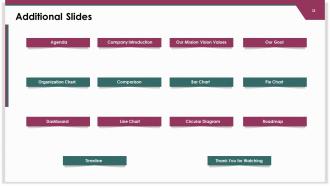
Slide 32: This slide is titled as Additional Slides for moving forward.
Slide 33: This slide displays Agenda.
Slide 34: This slide shows Company Introduction.
Slide 35: This slide displays Our Mission, Vision and Values.
Slide 36: This is Our Goal slide.
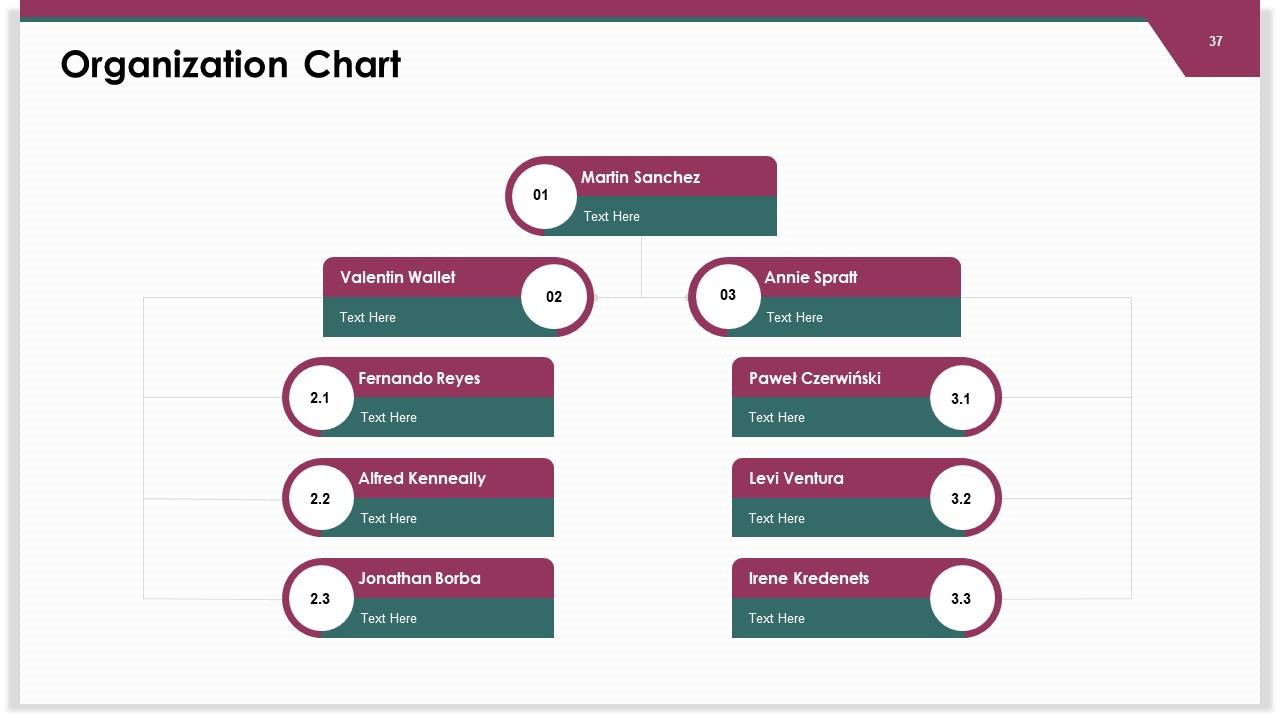
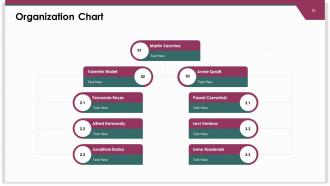
Slide 37: This slide displays Organization Chart.
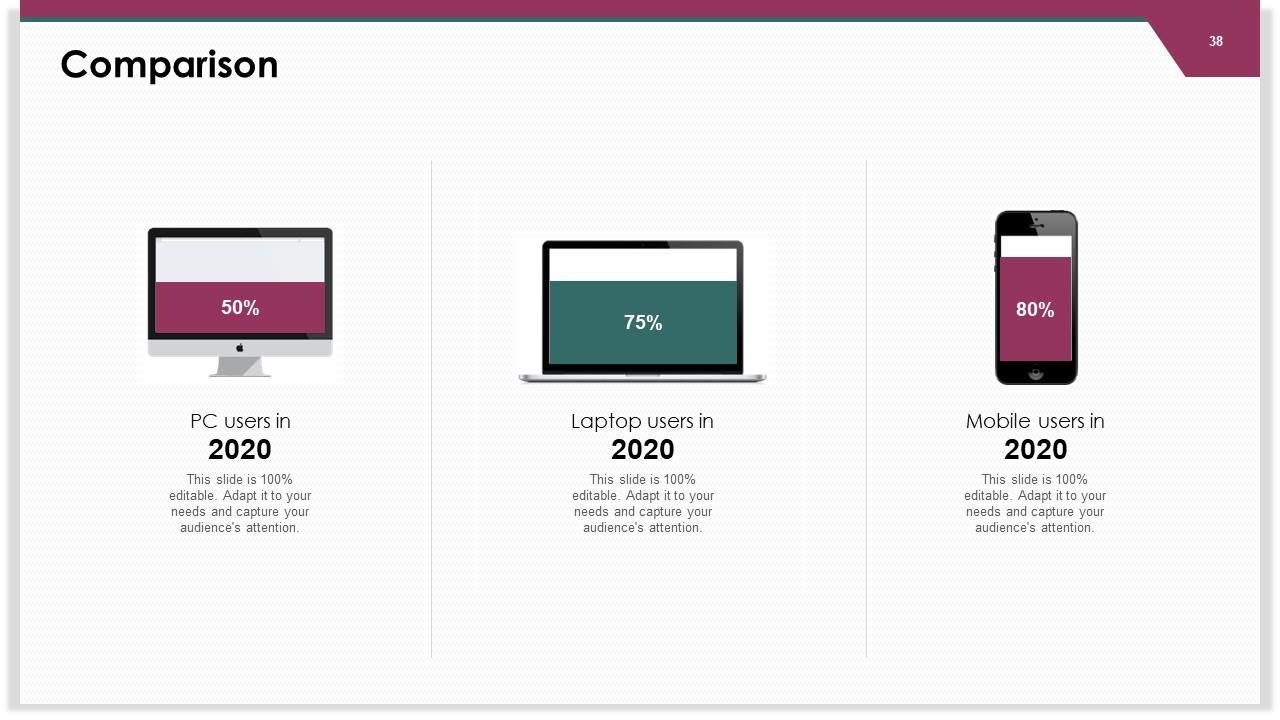
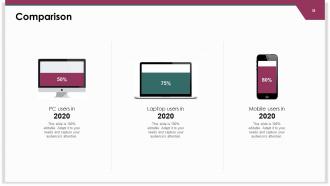
Slide 38: This slide displays Comparison.
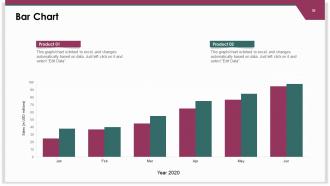
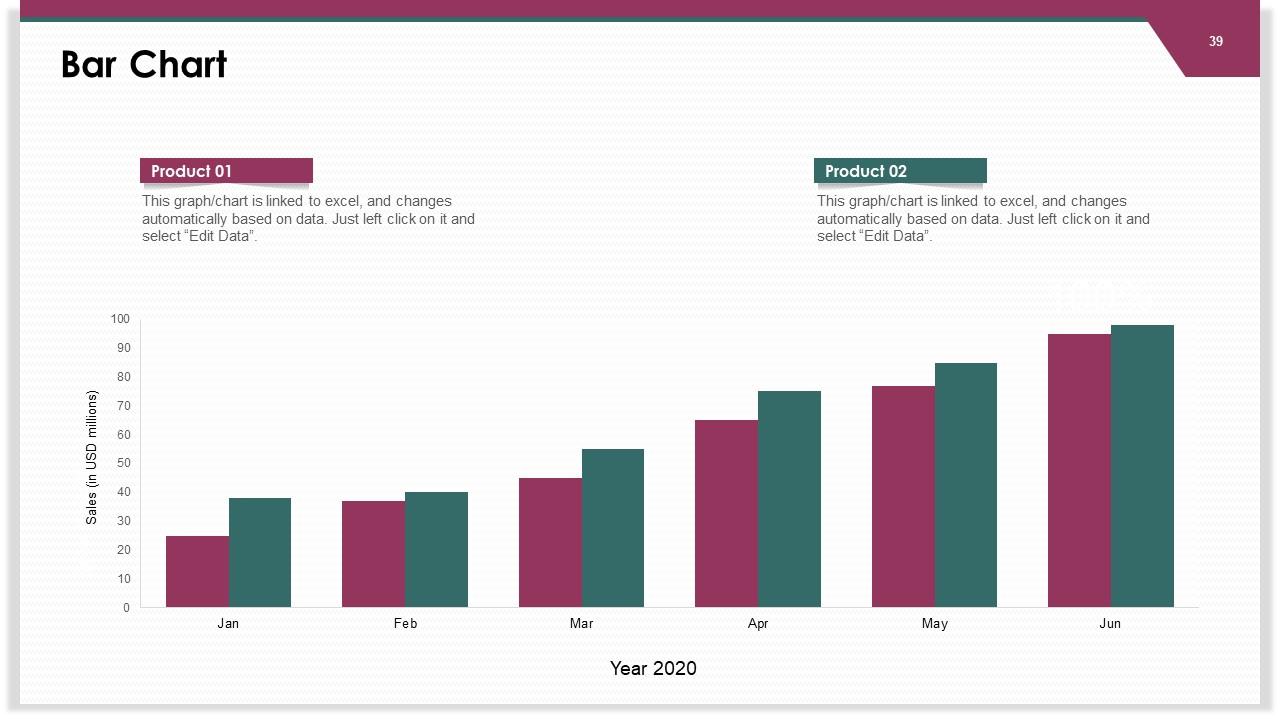
Slide 39: This slide shows Bar Chart for comparison of products.
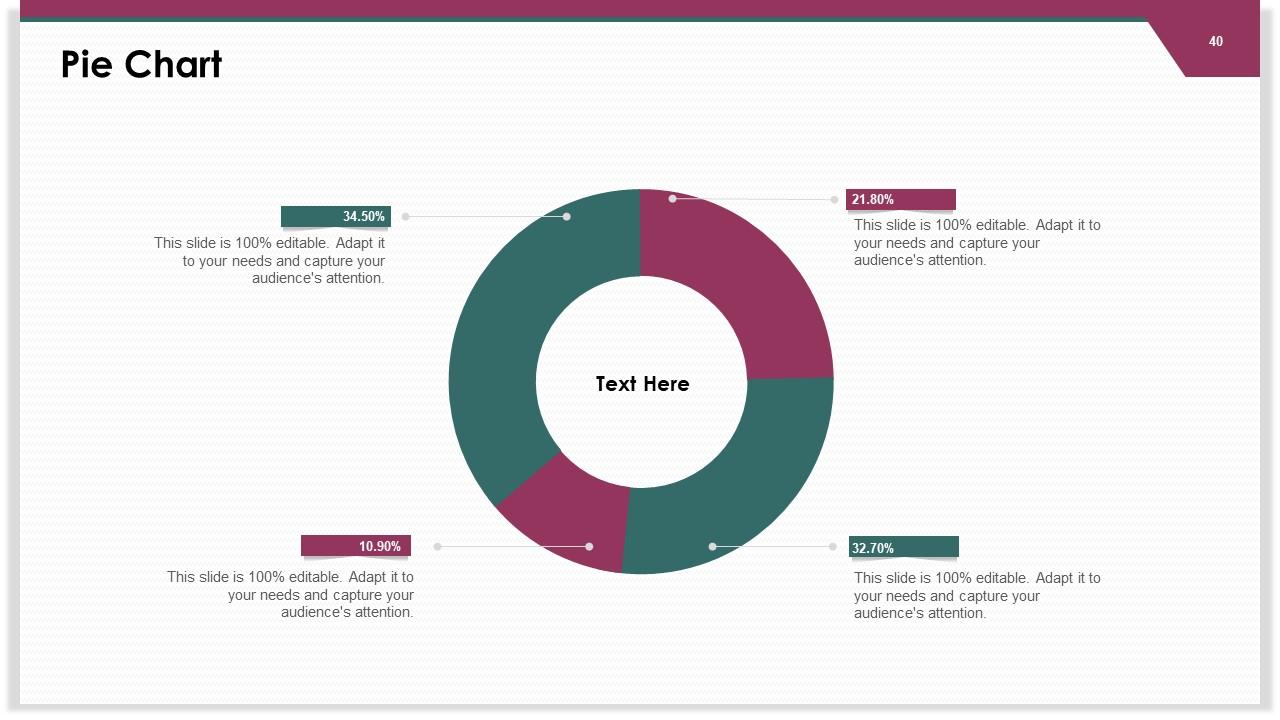
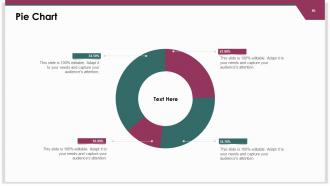
Slide 40: This slide shows Pie Chart with Data in percentage.
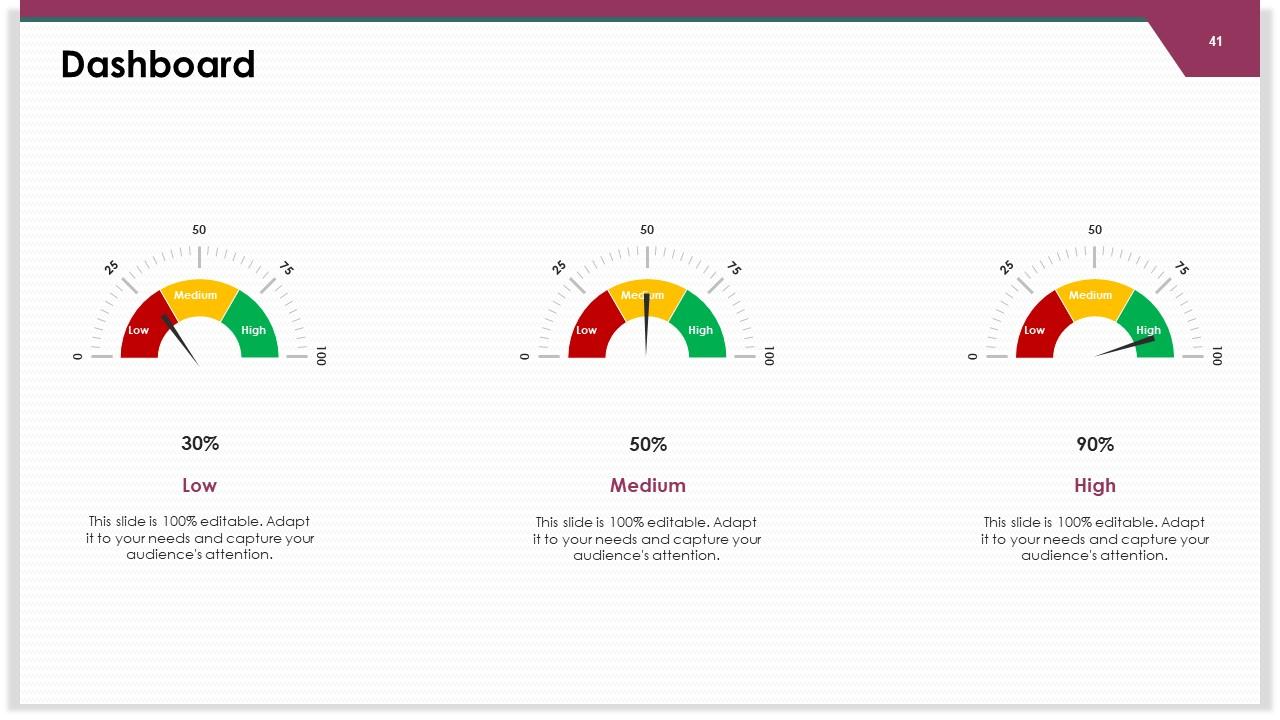
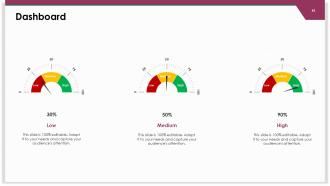
Slide 41: This slide showcases Dashboard.
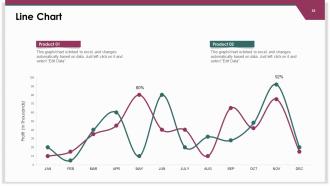
Slide 42: This slide displays Line Chart with product comparison.
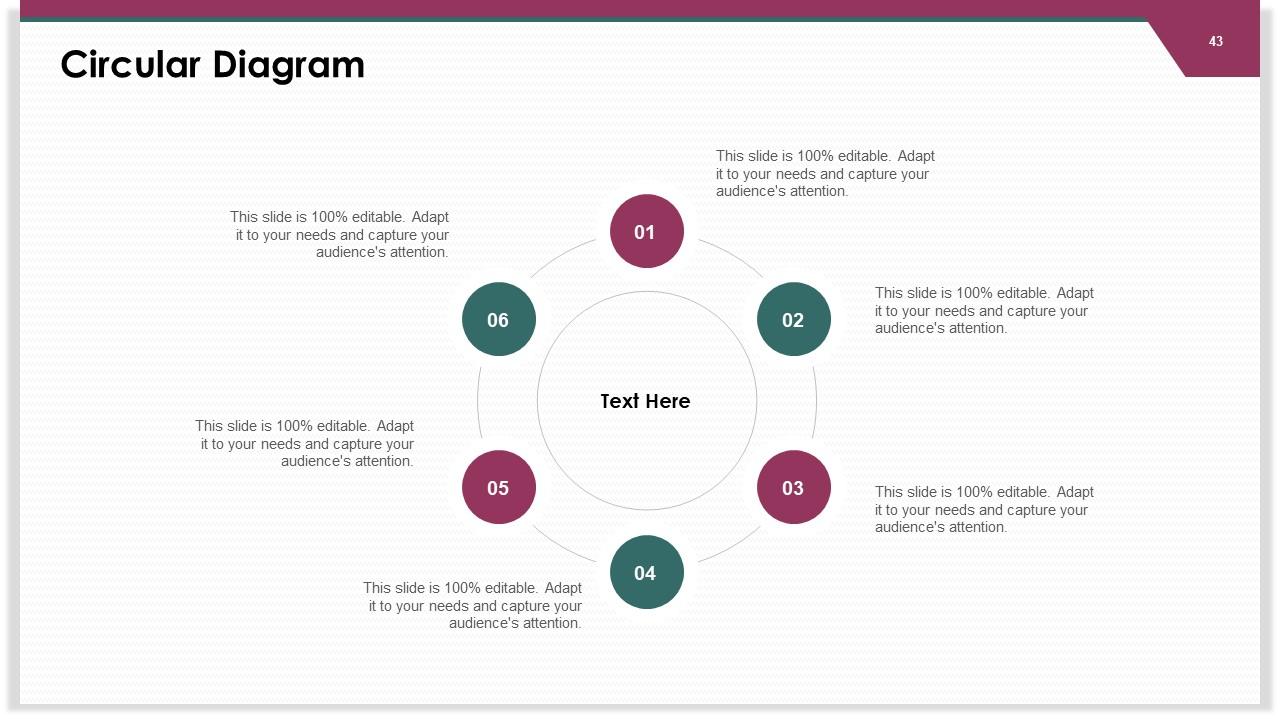
Slide 43: This slide displays Circular Diagram.
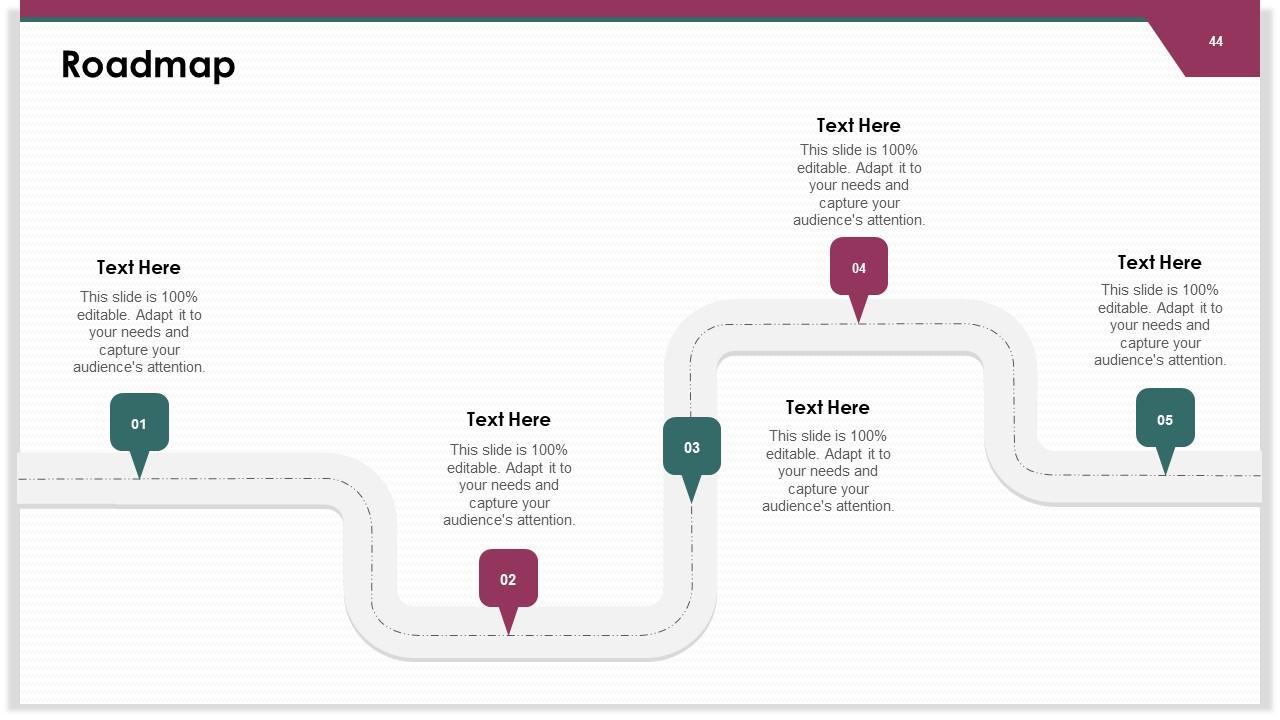
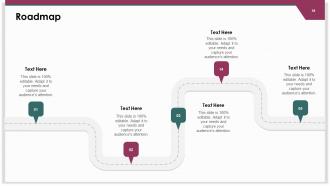
Slide 44: This slide shows Roadmap process.
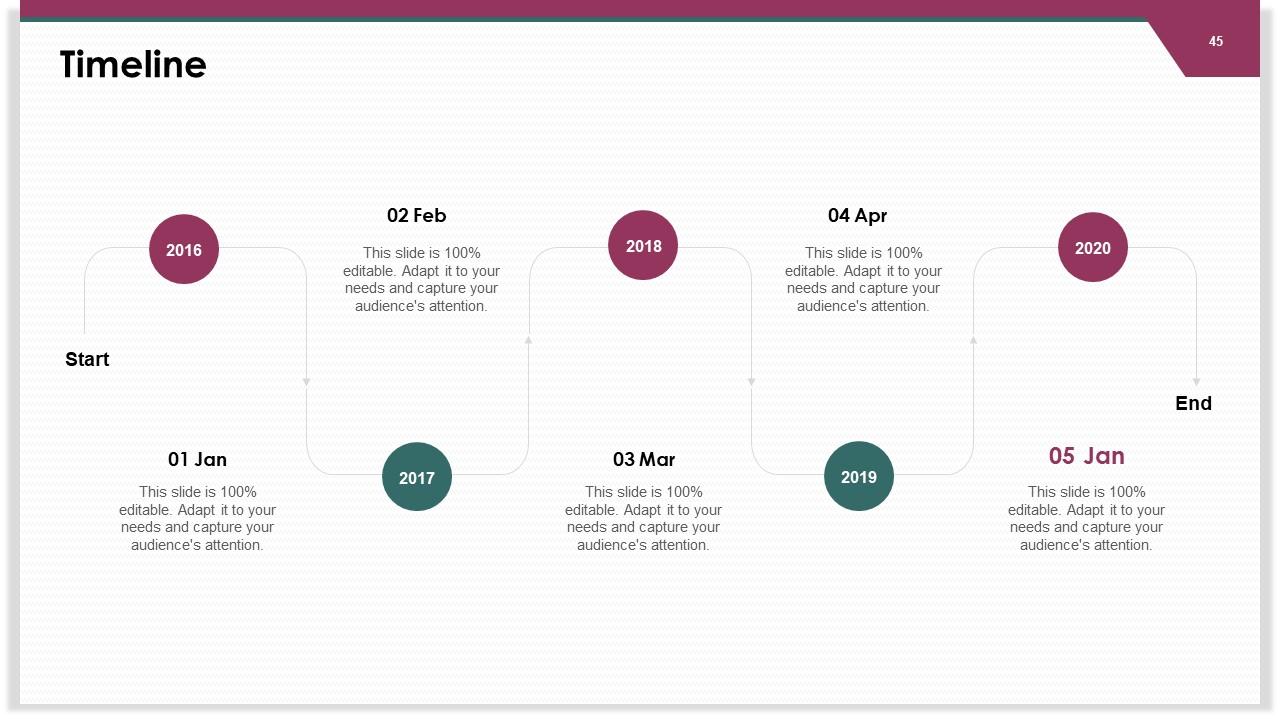
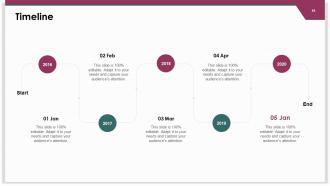
Slide 45: This slide depicts Timeline process.
Slide 46: This is Thank you slide with Contact details.

FAQs for Major sales growth drivers for every organization and industry

Key sales growth drivers include digital transformation, data analytics, customer experience enhancement, personalized marketing strategies, and omnichannel engagement approaches. These factors work together by streamlining customer journeys, improving targeting precision, and accelerating conversion rates, with many organizations finding that strategic integration of technology and customer-centric processes ultimately delivers competitive advantage and sustainable revenue growth.

Understanding customer behavior enhances sales growth strategies by revealing purchasing patterns, identifying high-value segments, and predicting future needs through data analytics and behavioral insights. This strategic approach enables businesses to personalize marketing campaigns, optimize product positioning, and improve customer retention rates, with retail and e-commerce companies finding that targeted strategies deliver significantly higher conversion rates and sustainable revenue growth.

Digital marketing drives sales growth by expanding reach, targeting specific audiences, generating qualified leads, and enabling personalized customer experiences through multiple touchpoints. Through social media advertising, email campaigns, and content marketing, businesses accelerate conversion rates, reduce acquisition costs, and build lasting customer relationships, with many companies finding that integrated digital strategies deliver measurable ROI and sustainable competitive advantage.

Businesses leverage data analytics to identify sales opportunities by analyzing customer behavior patterns, purchase histories, market trends, and competitive landscapes to uncover hidden revenue potential. Through predictive modeling and segmentation analysis, organizations can pinpoint high-value prospects, optimize pricing strategies, and personalize outreach campaigns, ultimately delivering faster sales cycles and increased conversion rates.

Product differentiation significantly enhances sales performance by creating competitive advantages, commanding premium pricing, reducing price sensitivity, and building customer loyalty. Through unique features, superior quality, or innovative solutions, companies achieve higher conversion rates, increased market share, and stronger profit margins, with many organizations finding that differentiated offerings ultimately deliver sustainable revenue growth and market positioning.

Sales training and development is crucial for sustainable growth, as it enhances team performance, improves conversion rates, and builds long-term customer relationships through better consultative selling skills. Organizations investing in continuous training programs see significantly higher revenue retention, with many finding that well-trained sales teams deliver 15-20% better results while adapting more effectively to evolving market demands.

Effective upselling and cross-selling strategies include personalized product recommendations, bundling complementary services, timing offers strategically, leveraging customer data analytics, and training sales teams on consultative approaches. These techniques enhance customer value by identifying genuine needs, building stronger relationships, and increasing transaction sizes, with many retail and financial services organizations finding that data-driven personalization delivers significantly higher conversion rates.

Social media platforms drive sales growth by expanding brand reach, enabling targeted advertising, facilitating direct customer engagement, and providing valuable consumer insights through analytics. These platforms streamline lead generation and conversion processes, with many retail and e-commerce businesses finding that strategic social media campaigns significantly enhance customer acquisition, boost brand loyalty, and ultimately deliver measurable revenue increases in today's digital marketplace.

Customer feedback serves as a critical foundation for sales strategy development by revealing customer pain points, purchase motivations, pricing sensitivity, competitive preferences, and satisfaction levels. Through systematic feedback collection and analysis, sales teams can refine their messaging, adjust product positioning, optimize pricing models, and identify new market opportunities, ultimately enhancing conversion rates and building stronger customer relationships that drive sustainable revenue growth.

Businesses can effectively segment their audience through demographic analysis, behavioral patterns, purchase history, geographic location, and psychographic profiling. These segmentation strategies enable organizations to deliver targeted marketing campaigns, personalized product recommendations, and customized pricing strategies, with many retail and financial services companies finding that precise segmentation increases conversion rates by 20-30% while reducing acquisition costs.

**INPUT**: What are the best practices for setting sales targets that drive growth? **OUTPUT**: Best practices for setting sales targets include analyzing historical performance data, segmenting by territory and product lines, incorporating market growth projections, and aligning with broader business objectives. These strategic approaches enable organizations to establish realistic yet ambitious benchmarks, with many sales teams finding that quarterly reviews and territory-specific adjustments ultimately deliver consistent growth momentum and enhanced forecasting accuracy. **Word count: 58 words**

Aligning sales and marketing teams contributes to improved performance by creating unified messaging, streamlining lead qualification processes, and enhancing customer journey consistency. This strategic collaboration enables organizations to reduce sales cycle times, increase conversion rates, and deliver more targeted campaigns, with many companies finding that aligned teams generate significantly higher revenue growth and improved customer experiences.

Sales process automation tools include CRM systems, lead scoring platforms, email automation software, pipeline management dashboards, and AI-powered analytics. These technologies streamline operations by automating follow-ups, prioritizing high-value prospects, and providing real-time performance insights, with many organizations finding that strategic automation delivers faster conversion rates and enhanced sales team productivity.

Customer loyalty drives long-term sales growth by increasing repeat purchases, generating higher customer lifetime value, and reducing acquisition costs through referrals and word-of-mouth marketing. These loyal customers become brand advocates who provide predictable revenue streams, ultimately delivering sustained competitive advantage, with many organizations finding that retention-focused strategies cost significantly less than constantly acquiring new customers.

Emerging sales trends include AI-powered customer insights, social selling strategies, personalized video outreach, conversational intelligence platforms, and omnichannel engagement approaches. These technologies streamline prospecting, enhance relationship building, and accelerate deal closure, with many organizations finding that strategic adoption delivers higher conversion rates, shorter sales cycles, and ultimately sustainable competitive advantage.

Ratings and Reviews

100% of 100
Review Form
Write a review
Most Relevant Reviews
  1. 100%

    by O'Kelly Phillips

    Informative presentations that are easily editable.

1 Item

per page: