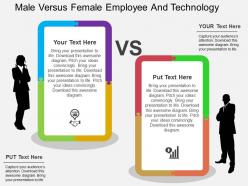
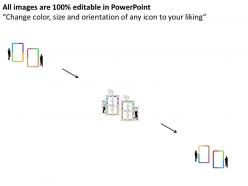
Male versus female employee and technology flat powerpoint design
Try Before you Buy Download Free Sample Product
Audience
Editable
of Time
Exude equanimity with our Male Versus Female Employee And Technology Flat Powerpoint Design. The audience will admire your calm approach.
People who downloaded this PowerPoint presentation also viewed the following :
Male versus female employee and technology flat powerpoint design with all 4 slides:
Give in your contribution with our Male Versus Female Employee And Technology Flat Powerpoint Design. Acceptance will be a certainty.
FAQs for Male versus female employee and technology
Gender influences technology adoption through differing access to training opportunities, leadership representation in tech decision-making, communication preferences, and risk assessment approaches. While women often demonstrate higher collaboration tool usage and men may gravitate toward automation solutions, successful organizations increasingly recognize that diverse gender perspectives enhance technology implementation strategies, ultimately delivering more comprehensive digital transformation and improved workplace innovation outcomes.
Technology creates more inclusive workplace environments through bias-detection algorithms in hiring, flexible collaboration platforms, anonymous feedback systems, inclusive communication tools, and accessibility features. These solutions streamline equitable processes by reducing unconscious bias, enabling remote work flexibility, and enhancing diverse participation, with many organizations finding that strategic technology integration ultimately delivers improved retention and competitive advantage.
Gender biases in workplace technology manifest through inadequate hardware design for diverse body types, AI systems trained on male-dominated datasets, and digital platforms lacking inclusive accessibility features. These technological gaps create barriers in manufacturing, healthcare, and corporate environments, where women often encounter ill-fitting safety equipment, biased performance algorithms, and meeting technologies that don't accommodate diverse communication styles, ultimately limiting workplace participation and advancement opportunities.
Effective presentations on gender-related topics should include clear data and statistics, real workplace scenarios, actionable solutions, interactive discussion segments, and measurable implementation goals. These structured approaches enable organizations to address sensitive topics professionally while fostering meaningful dialogue, with many companies finding that systematic presentation frameworks ultimately deliver improved workplace culture, enhanced employee engagement, and stronger diversity outcomes across departments.
Organizations can ensure gender-neutral technology by conducting bias audits of algorithms, using inclusive language in interfaces, testing solutions with diverse user groups, implementing equitable design principles, and establishing regular feedback mechanisms. These approaches streamline user experiences across demographics while enhancing organizational credibility, with many companies finding that inclusive technology ultimately delivers broader market appeal and improved employee satisfaction.
Gender representation in leadership significantly influences technology development by bringing diverse perspectives to product design, user experience considerations, and market understanding, while fostering more inclusive innovation processes. Research shows companies with gender-diverse leadership teams develop more comprehensive technology solutions, make more balanced implementation decisions, and achieve better adoption rates across diverse user bases, ultimately delivering stronger market performance and competitive advantage.
Remote working technology helps reduce gender barriers by enabling flexible schedules, minimizing commute challenges, and creating more equitable participation in meetings through video platforms. Through digital collaboration tools, many organizations find that remote work enhances work-life balance for all employees, particularly benefiting caregivers, while ultimately delivering greater workplace inclusivity and access to diverse talent pools.
Companies can leverage data analytics to identify gender disparities in technology usage by analyzing user engagement patterns, feature adoption rates, training completion metrics, and performance outcomes across different platforms and tools. Through advanced analytics, organizations can pinpoint specific barriers, customize training programs, and implement targeted interventions, with many tech companies finding that data-driven approaches ultimately enhance workplace equity and optimize technology investments.
Best practices for designing inclusive workplace presentation templates include using diverse imagery representing multiple genders and ethnicities, implementing accessible color contrasts and readable fonts, providing alternative text for visual elements, and incorporating gender-neutral language throughout. These approaches enhance accessibility by accommodating visual impairments, supporting diverse learning styles, and creating welcoming environments, with many organizations finding that inclusive design ultimately delivers broader audience engagement and stronger workplace culture.
Technology training programs can be tailored through flexible scheduling, mentorship networks, inclusive curriculum design, targeted skill development, and creating supportive learning environments. Organizations across sectors like financial services, healthcare, and manufacturing are implementing these approaches to enhance retention, accelerate career advancement, and ultimately deliver stronger innovation outcomes while building more diverse technical talent pipelines.
Visual aids enhance gender workplace discussions by transforming complex data into accessible charts, infographics, and interactive dashboards that clearly illustrate pay gaps, representation metrics, and advancement patterns. These presentation tools enable organizations to move beyond abstract concepts to concrete evidence, with many companies finding that visual storytelling creates more compelling cases for diversity initiatives, ultimately driving better engagement and measurable progress toward workplace equity.
Organizations can assess technology effectiveness in promoting gender equity by analyzing usage data, conducting regular bias audits, tracking promotion and hiring metrics, and gathering employee feedback through surveys and focus groups. These assessments enable companies to identify gaps in their systems, refine algorithmic decision-making processes, and ultimately create more inclusive workplace environments that drive both diversity outcomes and competitive advantage.
Women in tech face challenges including pay gaps, underrepresentation in leadership roles, workplace bias, limited mentorship opportunities, and unequal access to funding for startups. Presentations can highlight these issues through compelling data visualizations, case studies from major tech companies, and interactive storytelling formats, ultimately delivering awareness and actionable solutions that enhance organizational diversity initiatives and create more inclusive workplace cultures.
The intersection of gender and technology significantly shapes organizational culture by driving inclusive design practices, diverse problem-solving approaches, and equitable access to digital tools. Companies prioritizing gender diversity in tech roles enhance innovation capabilities, improve user experience development, and create more collaborative work environments, with many organizations finding that balanced technical teams deliver superior products and foster stronger workplace engagement.
Male allies accelerate gender equity initiatives by championing inclusive technology policies, advocating for diverse hiring in tech roles, and ensuring equitable access to digital tools and training opportunities. Through mentorship programs, bias-aware decision making, and amplifying women's contributions in tech discussions, these allies help create supportive environments where organizations achieve better innovation outcomes, enhanced team performance, and stronger competitive positioning in increasingly diverse markets.
-
The content is very helpful from business point of view.
-
Enough space for editing and adding your own content.