Marketing Audit Powerpoint Ppt Template Bundles
Try Before you Buy Download Free Sample Product
Audience
Editable
of Time
Our Marketing Audit Powerpoint Ppt Template Bundles are topically designed to provide an attractive backdrop to any subject. Use them to look like a presentation pro.
People who downloaded this PowerPoint presentation also viewed the following :
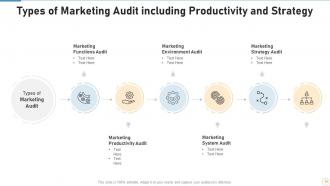
Marketing Audit Powerpoint Ppt Template Bundles with all 25 slides:
Use our Marketing Audit Powerpoint Ppt Template Bundles to effectively help you save your valuable time. They are readymade to fit into any presentation structure.
FAQs for Marketing Audit Powerpoint
Start with your current strategy and goals, then dig into your target audience stuff. Competitor analysis is huge - probably more important than most people think. Look at how your channels are actually performing, not just what you hope they're doing. Budget and ROI metrics are obvious but necessary. Oh, and definitely throw in a SWOT analysis section. Brand positioning assessment too, plus your marketing tech stack and content performance. Here's the thing though - make sure each section has actual questions, not just empty boxes to fill. I'd go with a basic spreadsheet first, then you can get fancy later once you know what data you actually care about.
So basically, grab a marketing audit template and use it to figure out what's actually working versus what's just burning money. Way better than winging it, trust me. Break everything down - your campaign performance, where you're spending budget, conversion rates, customer acquisition costs. I'd pull data from like 6-12 months back and go through it section by section. Most templates have competitor stuff too, which is pretty helpful for seeing where you stand. Oh, and don't forget engagement metrics across all your channels. Takes some time but you'll actually know what's up instead of guessing.
Look at your ROI and conversion rates first - that's where the money talks. Customer acquisition cost and lifetime value matter too, especially if you're burning cash on ads. Website traffic trends and lead quality? Yeah, track those. Email opens and social reach are fine but honestly, who cares if they're not driving actual sales. Grab your last 6 months of data for all this stuff. It's kind of a pain to pull together but you'll spot your biggest wins pretty quick once you see the patterns.
Honestly, once a year minimum but I'd do quarterly check-ins if you can swing it. The annual deep-dive catches all the money you're wasting on stuff that doesn't work. Quarterly ones help you spot trends early. Fast-moving industries like tech? You'll probably want those frequent reviews or you'll miss everything. Oh, and don't just audit when things feel broken - that's what most people do and it's backwards. Set it up now on your calendar. Seriously, do it right after you read this or you'll forget like I always do with dentist appointments.
Honestly, start with Google Data Studio - it's free and connects to pretty much everything. Tableau and Power BI are solid for fancy interactive dashboards, but they cost money. Excel works for basic stuff but gets annoying real quick when you're juggling multiple data sources. Oh, and if you need to present to executives who hate spreadsheets (don't we all), Canva has some clean infographic templates. I've been burned too many times trying to make Excel look pretty. Google Data Studio is your best bet to test things out without spending anything upfront.
So basically, a marketing audit template lets you compare who you're actually reaching with who you *should* be reaching. Honestly, it's usually pretty shocking when you see the gaps laid out like that. You just fill in demographic stuff, behavior patterns, engagement numbers - all that good stuff. Most people should start with the audience section first since that's where you'll probably find your biggest surprises. It shows you if you're missing whole customer groups or if your messaging is totally off. Oh, and whether your targeting's way too narrow - which happens more than you'd think.
Okay so competitive analysis is basically your reality check - shows you where you actually stand vs where you think you do. Start by mapping out your real competitors, not just the obvious ones. Look at their pricing, messaging, how they position themselves. Channel strategies too. This part honestly stings sometimes lol but you need it. Direct competitors are the easy ones to spot, but watch out for those sneaky indirect ones that could poach your customers. You'll probably discover gaps you didn't know existed. Plus opportunities you've been totally missing.
So basically, a marketing audit template is like giving your brand a reality check. It shows you how your positioning actually compares to competitors and whether customers see you the way you think they do. Sometimes the gaps are pretty eye-opening, honestly. The template makes you dig into real data instead of just guessing what's working. You'll spot weird messaging disconnects and find spaces where competitors aren't even playing. I'd run through it every quarter or so - that way you can see if tweaks are actually helping or if you're still missing the mark with your audience.
Don't try to audit everything at once - you'll drown in data and miss the good stuff. Pick 3-4 key areas and actually dig deep instead of just skimming the surface. Politics will mess with your head about what's really working (been there), so try to stay objective. Oh, and set clear goals before you start or you'll end up with some giant report that nobody uses. I learned this the hard way last year. Focus on what'll actually help you make decisions, not just checking boxes.
So brand health tracking is pretty straightforward - just add these metrics to your audit template: brand awareness, customer sentiment, share of voice vs competitors, and NPS scores. Survey data and social listening will show you how people actually perceive your brand. Most companies totally ignore this stuff which is honestly crazy because it's gold. Track how your messaging performs across channels and see if your positioning actually clicks with people. Oh and benchmark quarterly - you'll catch reputation problems way earlier that way. Trust me, it's worth the extra effort.
So internal audits are basically checking what's going on inside your company - how your team's doing, your processes, resources, all that stuff. External ones look at the outside world: competitors, market trends, what customers actually want. It's kinda like checking if you're healthy vs. seeing what the weather's doing outside. You need both perspectives honestly. Internal audits help you fix what you can control. External ones show you opportunities and threats coming your way. Run them at the same time though - there's no point having amazing internal capabilities if they don't match what the market actually needs.
So here's the thing - your template needs to match what actually matters in your industry. B2B tech? You'll be all about lead nurturing and those painfully long sales cycles. Retail's different - seasonal stuff, inventory turnover, customer lifetime value. Healthcare gets tricky with all the compliance headaches (honestly such a pain but you can't ignore it). E-commerce means diving into conversion rates and why people abandon their carts. Service businesses are more about referrals and keeping clients around. The basic audit framework stays put, just swap in the metrics that actually move the needle for your specific sector.
Look, your audit only matters if you actually DO something with it. Found out your social media engagement sucks compared to competitors? Time to move that budget somewhere else. I always tell people - don't let these things just sit there looking pretty in a spreadsheet. Each finding should scream "here's what we're changing next quarter." Maybe you're targeting the wrong people, maybe your messaging is off, or honestly? Maybe you just need to kill some tactics that aren't working. The whole point is turning those numbers into real decisions.
Dude, start with the big wins and major problems - that's literally all they care about. Structure it like: here's where we are, here's what's broken, here's how we fix it. Don't lead with methodology or boring details because they'll check out immediately. Make your slides super visual with charts and keep text minimal. Always connect everything back to revenue impact or they won't get why it matters. Oh, and this is crucial - come with actual next steps and what resources you need. Nobody wants just a problem dump without solutions and costs.
Honestly, the template thing works because it gets everyone looking at the same stuff instead of doing their own thing in separate corners. Sales, marketing, product teams - they're all referencing the same metrics and goals. It's kinda like finally speaking the same language, you know? When you make each department fill out their sections of the template, something weird happens - they start understanding how their work actually affects everyone else. I'd say start there, just get each team to contribute their perspective to the same framework. You'll probably be shocked at how much they suddenly align once they see the bigger picture together.
-
Easy to edit slides with easy to understand instructions.
-
Topic best represented with attractive design.