


Mckinsey 7s Framework Sd Powerpoint Presentation Slides
It is a big task for anyone to make a professional PPT presentation from scratch. To do this one has to have ample time and the right tools. That is why our team of expert designs have come up with Mckinsey 7s Framework Sd Powerpoint Presentation Slides. This content-ready 56 slides PowerPoint presentation will save you time and the hassle of searching for content. With support of our exceptional Mckinsey 7s Framework example you can easily cover topics like agenda, strategy, structure, systems, staff, style, skills and shared values, organization chart, business strategy, resource GAP analysis, skill GAP analysis, 7-S framework, etc. Using the template designs of this detailed presentation show you can also brief your audience about the importance of Mckinsey 7s and its advantages. Furthermore, using our PPT sample file employees can achieve organizational excellence. Exclusive PowerPoint presentation slides like mission, meet our team, about us, stacked bar, target, comparison, financia, quotes, dashboard, pie chart, scatter chart, location, timelines, post in notes, mind map, venn etc. are included and can be used for various topics. So, to showcase the best PowerPoint presentation related to Mckinsey 7s, download our Mckinsey 7s Framework Sd Powerpoint Presentation Slides and leave a lasting impact. Set your imagination free with our Mckinsey 7s Framework Sd Powerpoint Presentation Slides. They will be the building blocks of your impressive presentation.












-

- Google Slides is a new FREE Presentation software from Google.
- All our content is 100% compatible with Google Slides.
- Just download our designs, and upload them to Google Slides and they will work automatically.
- Amaze your audience with SlideTeam and Google Slides.
-

Want Changes to This PPT Slide? Check out our Presentation Design Services
-

- WideScreen Aspect ratio is becoming a very popular format. When you download this product, the downloaded ZIP will contain this product in both standard and widescreen format.
-

- Some older products that we have may only be in standard format, but they can easily be converted to widescreen.
- To do this, please open the SlideTeam product in Powerpoint, and go to
- Design ( On the top bar) -> Page Setup -> and select "On-screen Show (16:9)” in the drop down for "Slides Sized for".
- The slide or theme will change to widescreen, and all graphics will adjust automatically. You can similarly convert our content to any other desired screen aspect ratio.
Compatible With Google Slides

Get This In WideScreen
You must be logged in to download this presentation.


Do you want to remove this product from your favourites?
PowerPoint presentation slides
Introducing Mckinsey 7s Framework Sd PowerPoint presentation comprising a total of 56 slides. This complete PPT presentation focuses on the aspects of Mckinsey 7s framework with content extensively researched by our business research team. Our team of PPT designers used the best of professional PowerPoint templates, images, icons and layouts. Also included are impressive, editable data visualization tools like charts, graphs and tables. When you download this presentation by clicking the Download button, you get the presentation in both standard and widescreen format. All slides are fully customizable. Change the colors, font, size, add and remove things as per your need and present before your audience.

People who downloaded this PowerPoint presentation also viewed the following :
Content of this Powerpoint Presentation
Slide 1: This slide introduces Mckinsey 7S Framework. State Your Company Name and begin.
Slide 2: This is an Agenda slide. State agendas here.
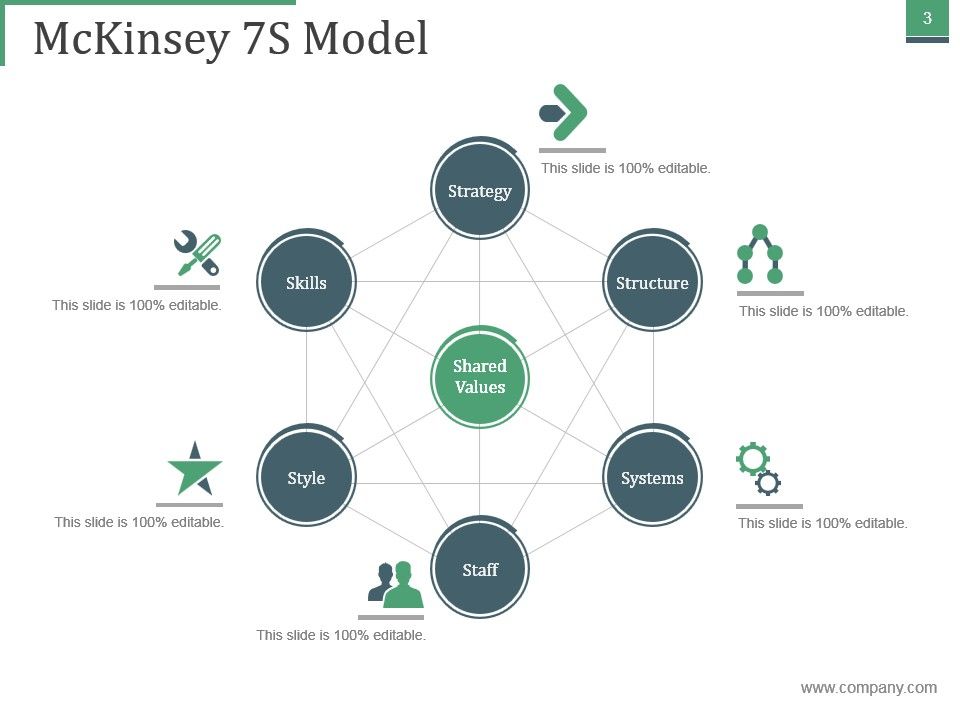
Slide 3: This slide presents a McKinsey 7S Model. The constituents are- Shared Values, Strategy, Structure, Systems, Staff, Style, Skills.
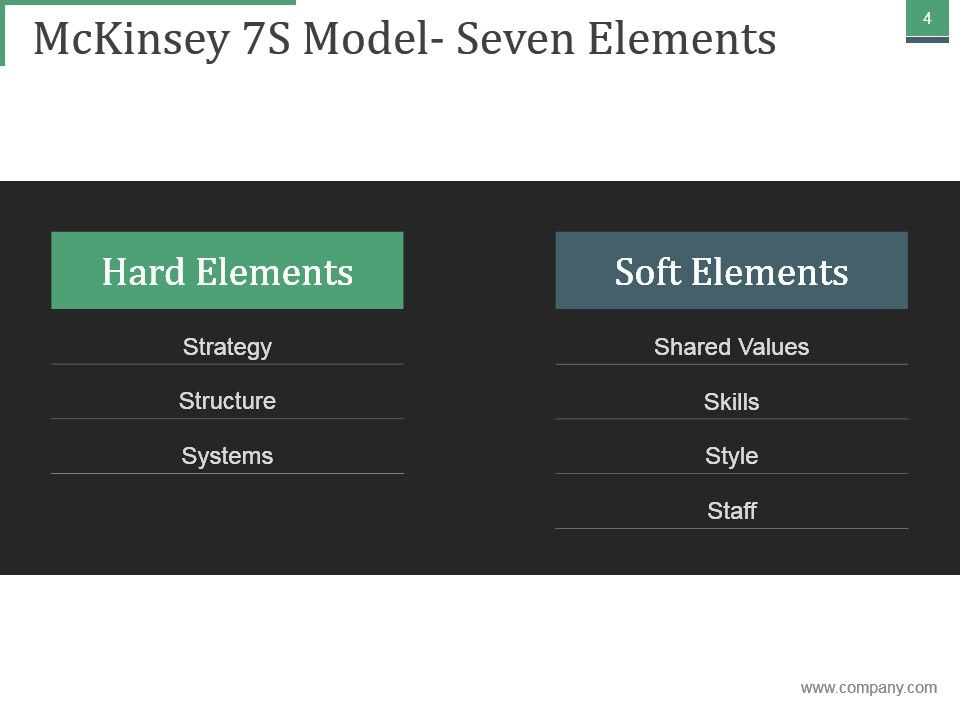
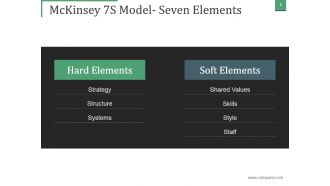
Slide 4: This slide presents segregated McKinsey 7S Model- Seven Elements into- Hard Elements (Strategy, Structure, Systems) Soft Elements (Shared Values, Skills, Staff, Style).
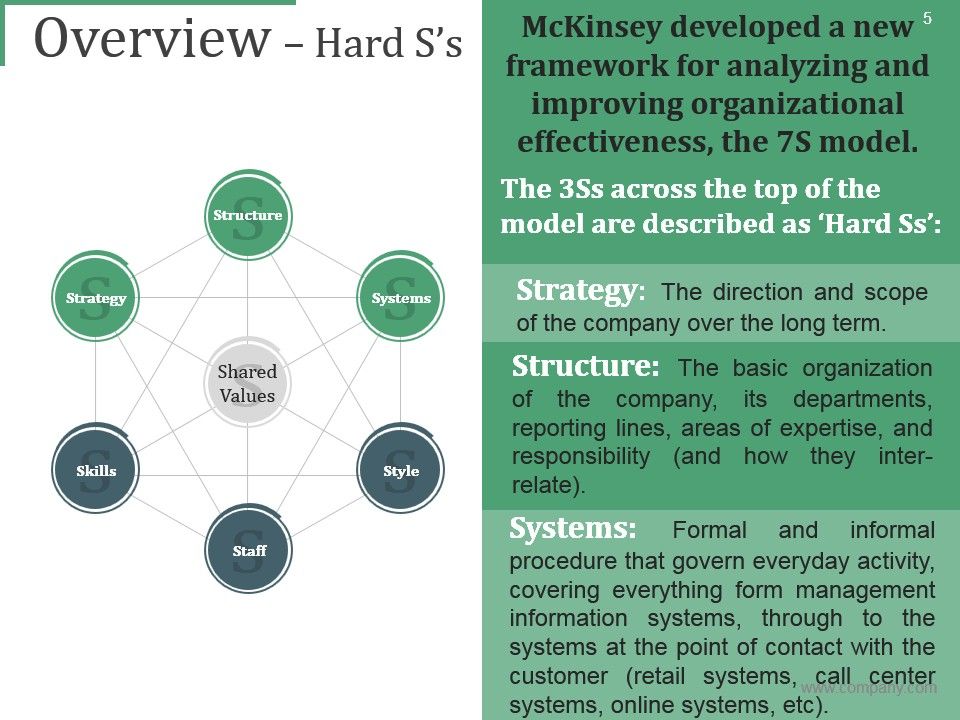
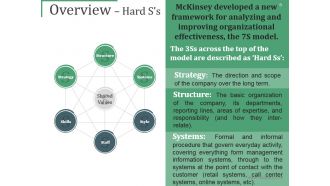
Slide 5: This slide presents Overview – Hard S’s covering- Strategy, Structure, Systems. Strategy: The direction and scope of the company over the long term. Structure: The basic organization of the company, its departments, reporting lines, areas of expertise, and responsibility (and how they inter-relate). Systems: Formal and informal procedure that govern everyday activity, covering everything form management information systems, through to the systems at the point of contact with the customer (retail systems, call center systems, online systems, etc).
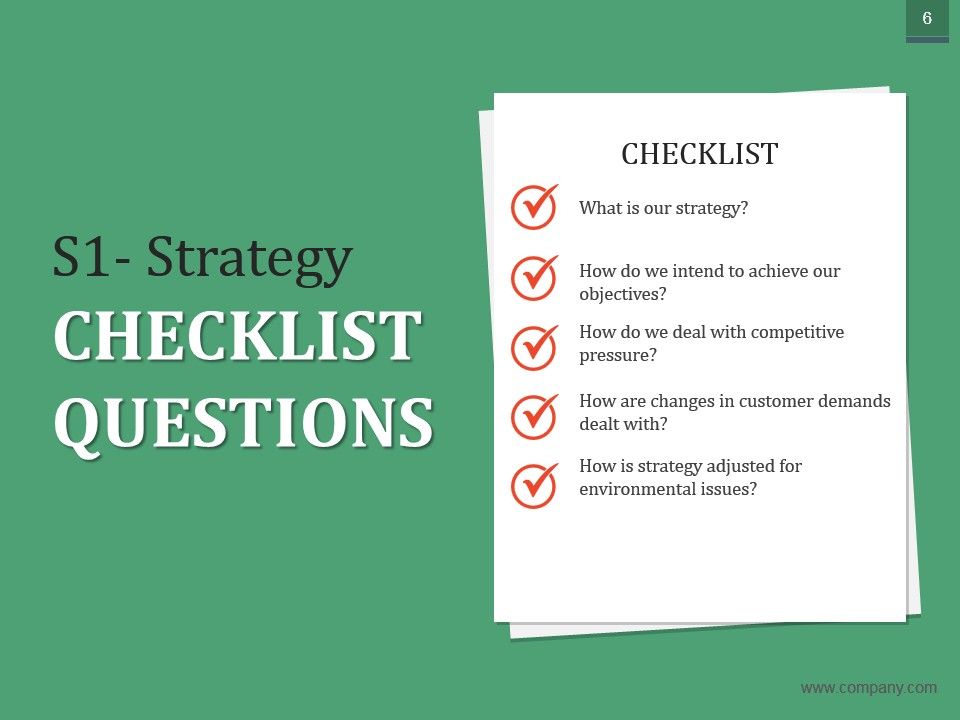
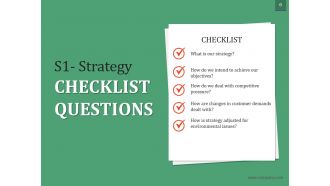
Slide 6: This slide showcases S1- Strategy Checklist Questions- What is our strategy? How do we intend to achieve our objectives? How do we deal with competitive pressure? How are changes in customer demands dealt with? How is strategy adjusted for environmental issues?
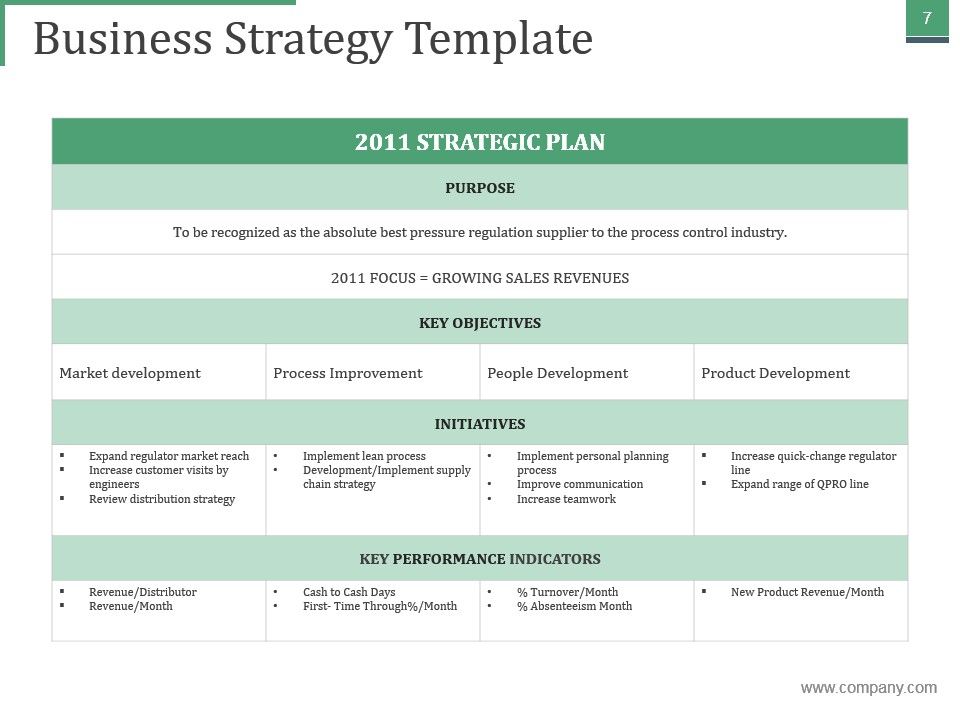
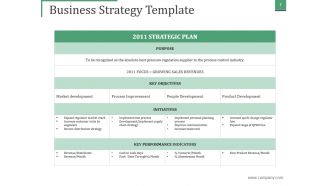
Slide 7: This slide shows a Business Strategy Template.
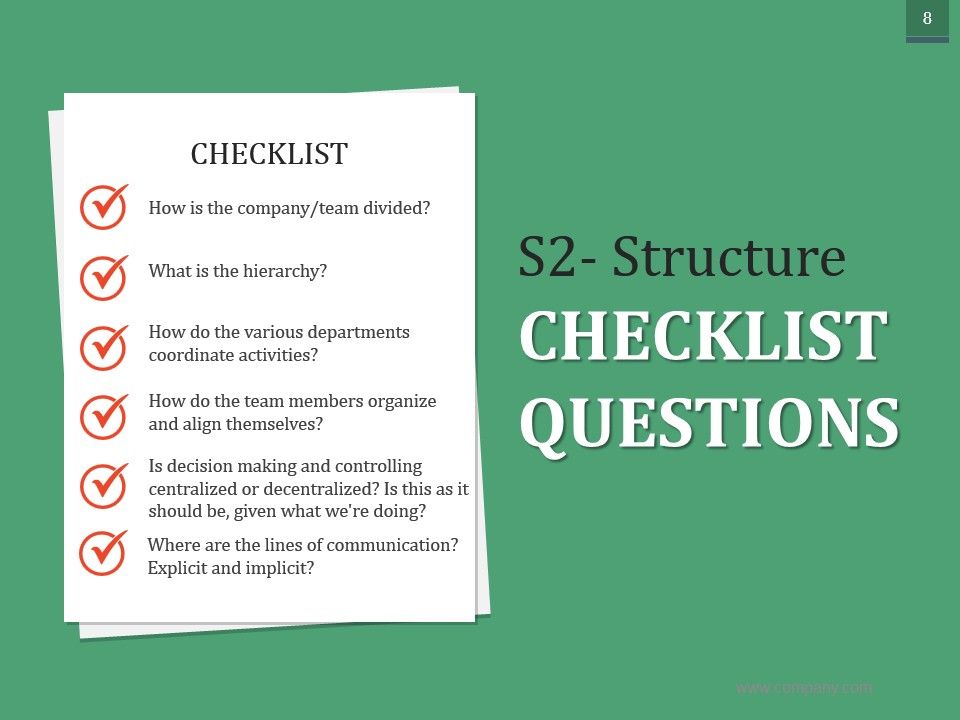
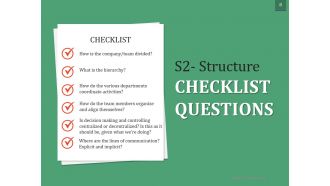
Slide 8: This slide showcases S2- Structure Checklist Questions- How is the company/team divided? What is the hierarchy? How do the various departments coordinate activities? How do the team members organize and align themselves? Is decision making and controlling centralized or decentralized? Is this as it should be, given what we're doing? Where are the lines of communication? Explicit and implicit?
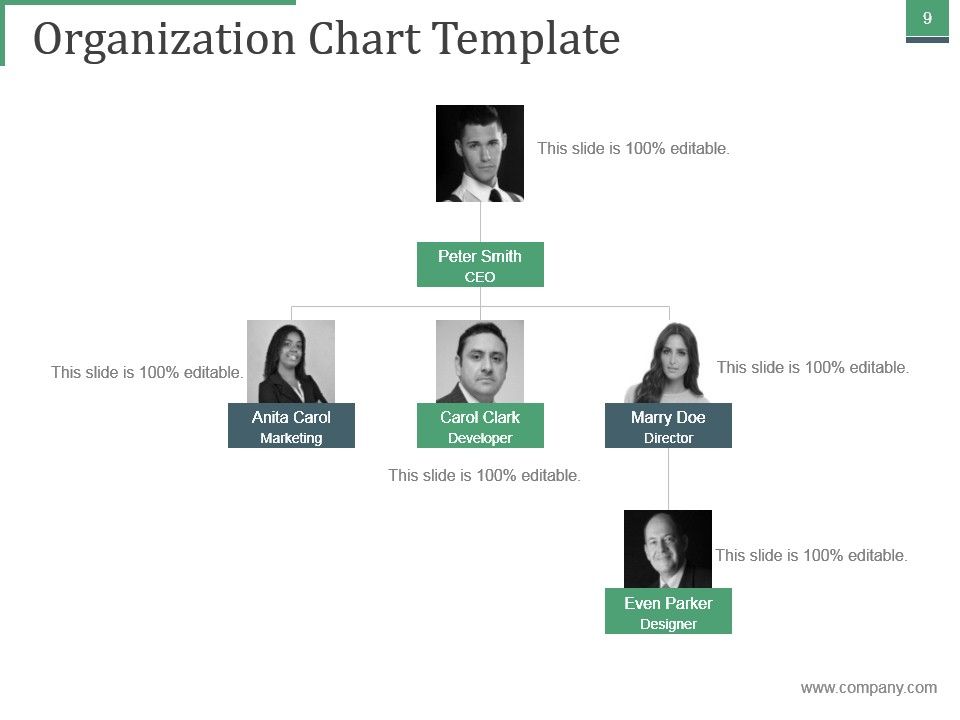
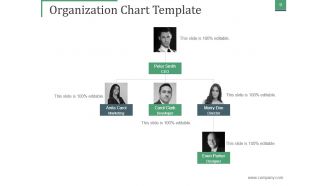
Slide 9: This slide presents an Organization Chart Template.
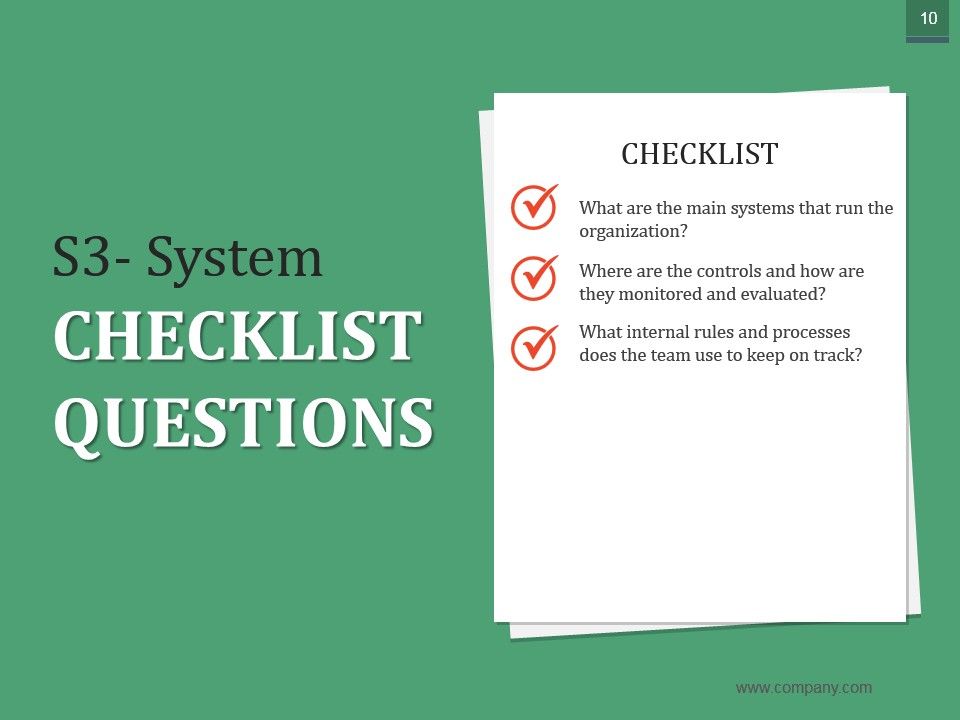
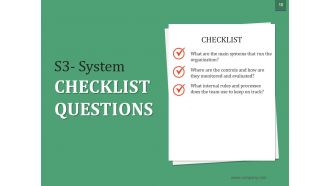
Slide 10: This slide showcases S3- System Checklist Questions- What are the main systems that run the organization? Consider financial and HR systems as well as communications and document storage. Where are the controls and how are they monitored and evaluated? What internal rules and processes does the team use to keep on track?
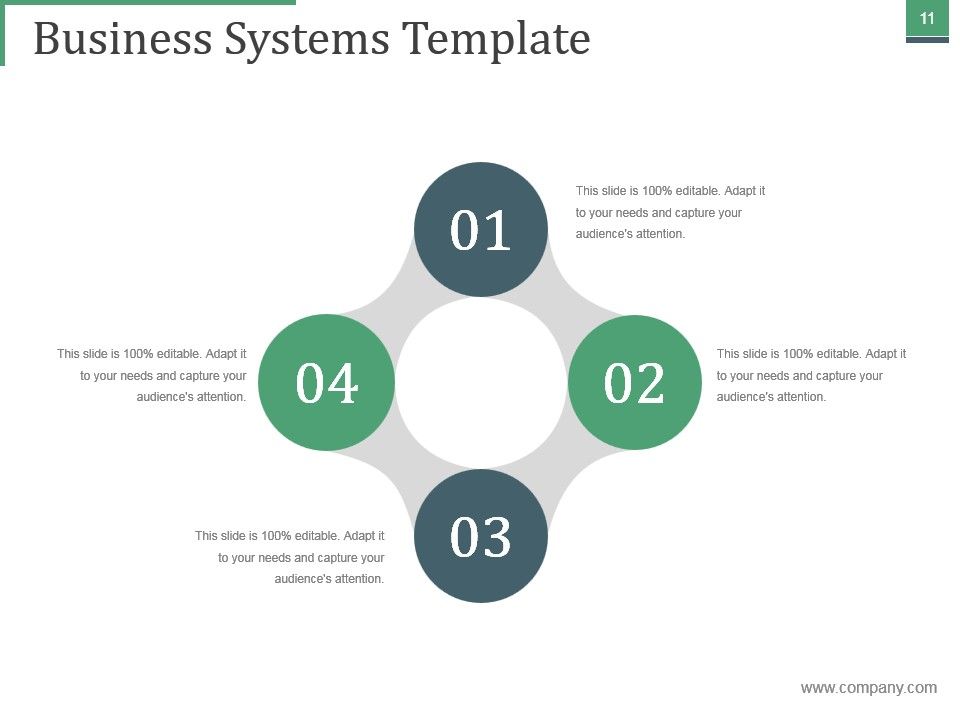
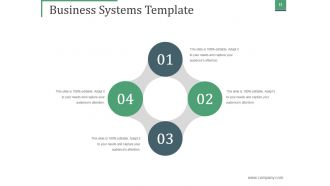
Slide 11: This slide shows a Business Systems Template.
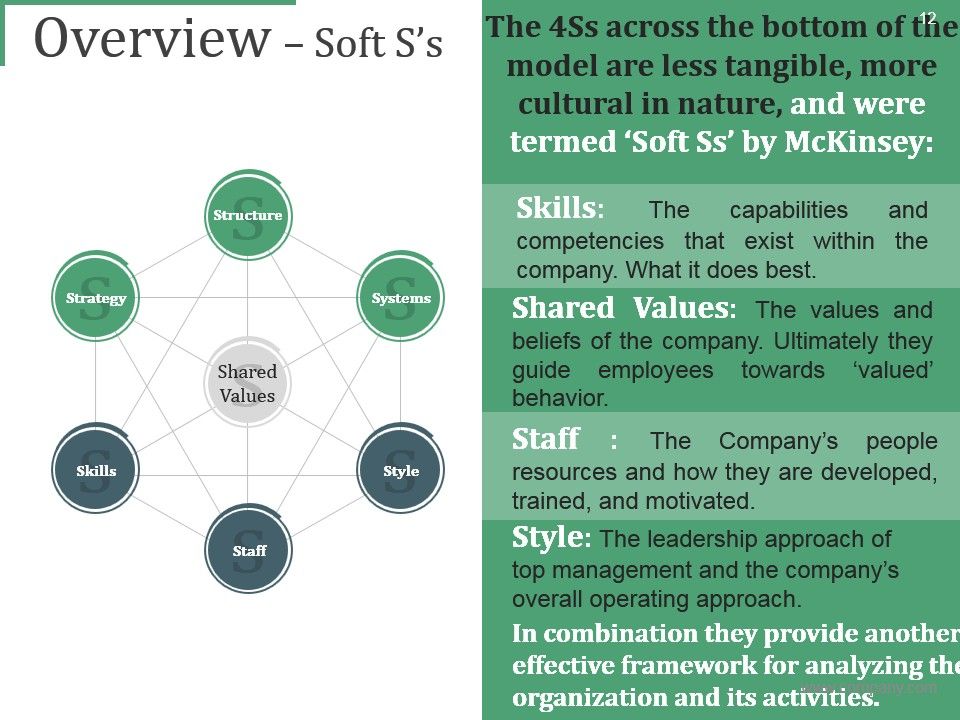
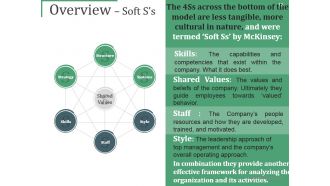
Slide 12: This slide presents Overview – Soft’s with- The 4Ss across the bottom of the model are less tangible, more cultural in nature, and were termed ‘Soft Ss’ by McKinsey: Skills : The capabilities and competencies that exist within the company. What it does best. Shared Values : The values and beliefs of the company. Ultimately they guide employees towards ‘valued’ behavior. Staff : The Company’s people resources and how they are developed, trained, and motivated. Style : The leadership approach of top management and the company’s overall operating approach.
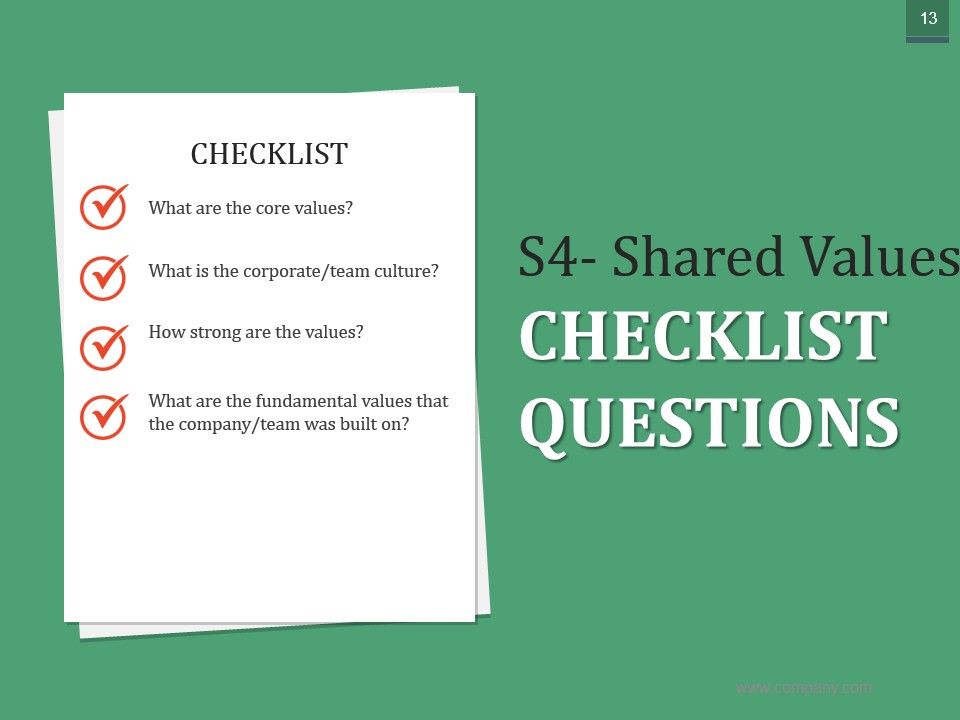
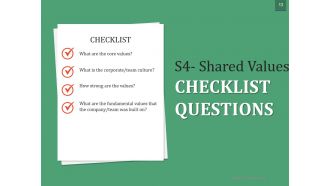
Slide 13: This slide presents S4- Shared Values Checklist Questions- What are the core values? What is the corporate/team culture? How strong are the values? What are the fundamental values that the company/team was built on?
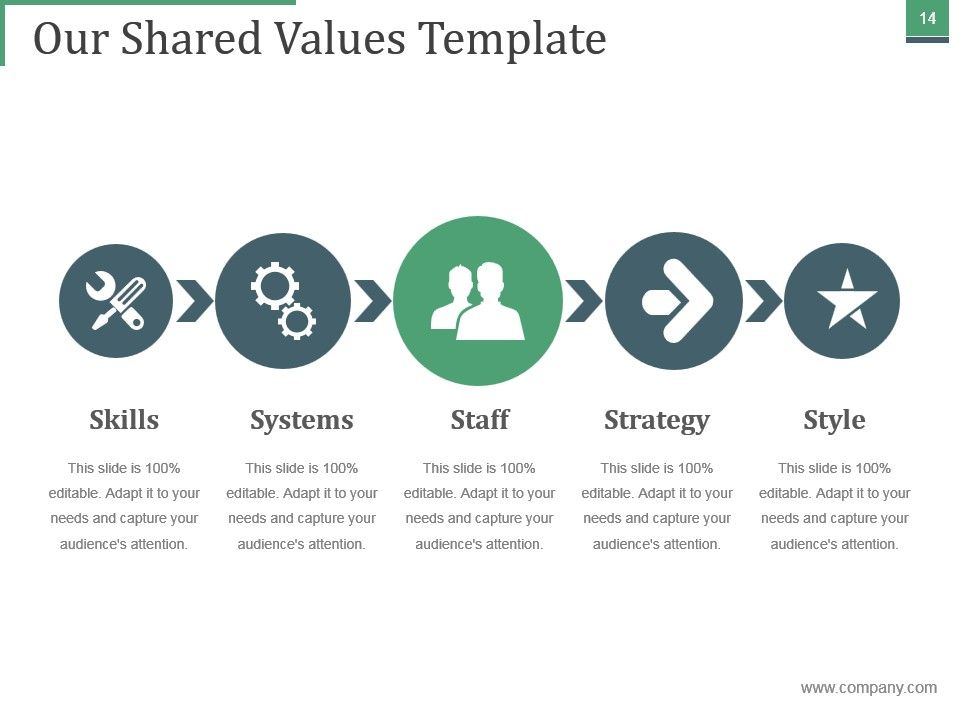
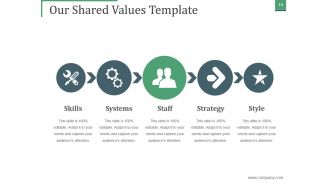
Slide 14: This slide presents Shared Values- Trust and Consideration, Team Spirits, Customer Satisfaction, Cultural Diversity, Environmental Consciousness, Professionalism.
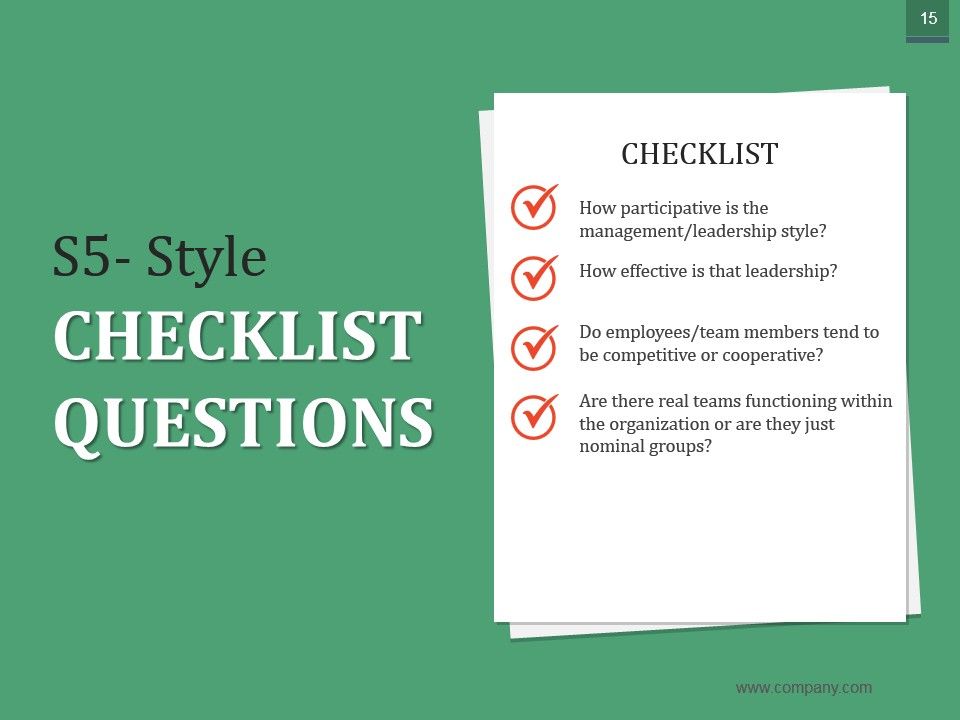
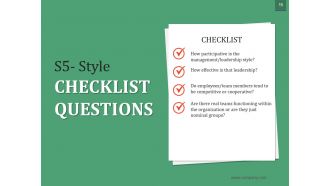
Slide 15: This slide showcases S5- StyleChecklist Questions- How participative is the management/leadership style? How effective is that leadership? Do employees/team members tend to be competitive or cooperative? Are there real teams functioning within the organization or are they just nominal groups?
Slide 16: This slide is titled Leadership Style Template to move forward.
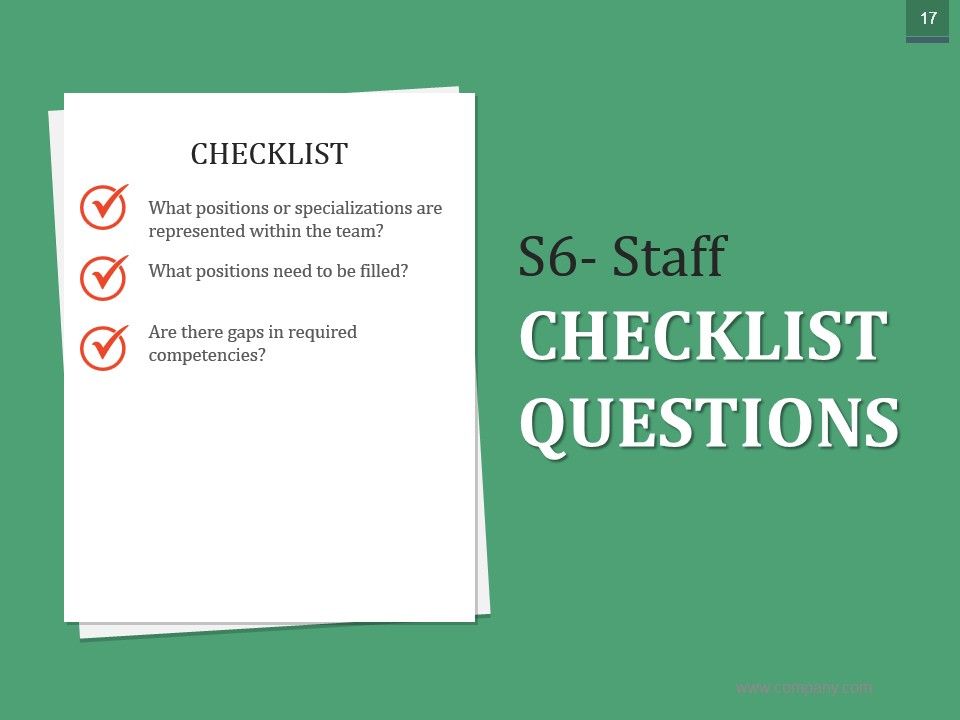
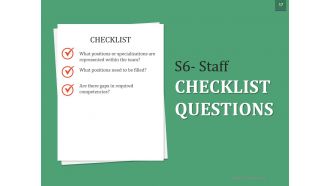
Slide 17: This slide showcases S6- Staff Checklist Questions- What positions or specializations are represented within the team? What positions need to be filled? Are there gaps in required competencies?
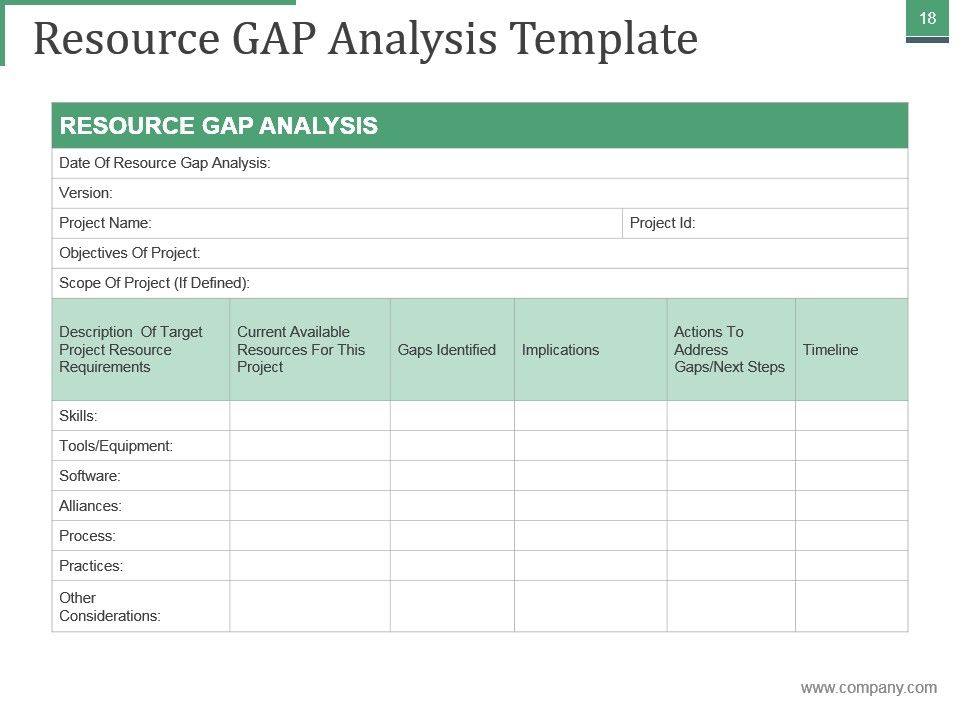
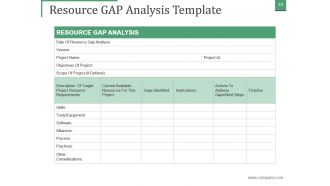
Slide 18: This slide presents Resource GAP Analysis Template.
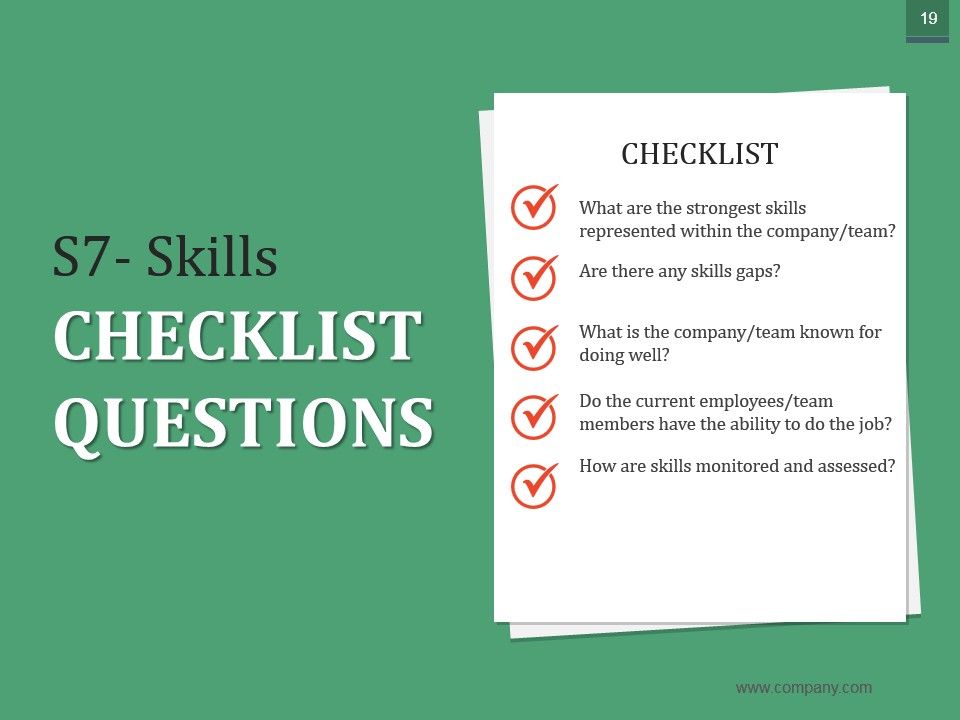
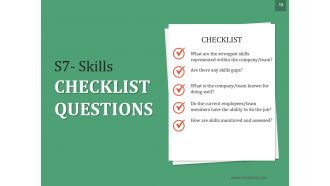
Slide 19: This slide showcases S7- Skills Checklist Questions- What are the strongest skills represented within the company/team? Are there any skills gaps? What is the company/team known for doing well? Do the current employees/team members have the ability to do the job? How are skills monitored and assessed?
Slide 18: This slide presents Resource GAP Analysis Template.
Slide 19: This slide showcases S7- Skills Checklist Questions- What are the strongest skills represented within the company/team? Are there any skills gaps? What is the company/team known for doing well? Do the current employees/team members have the ability to do the job? How are skills monitored and assessed?
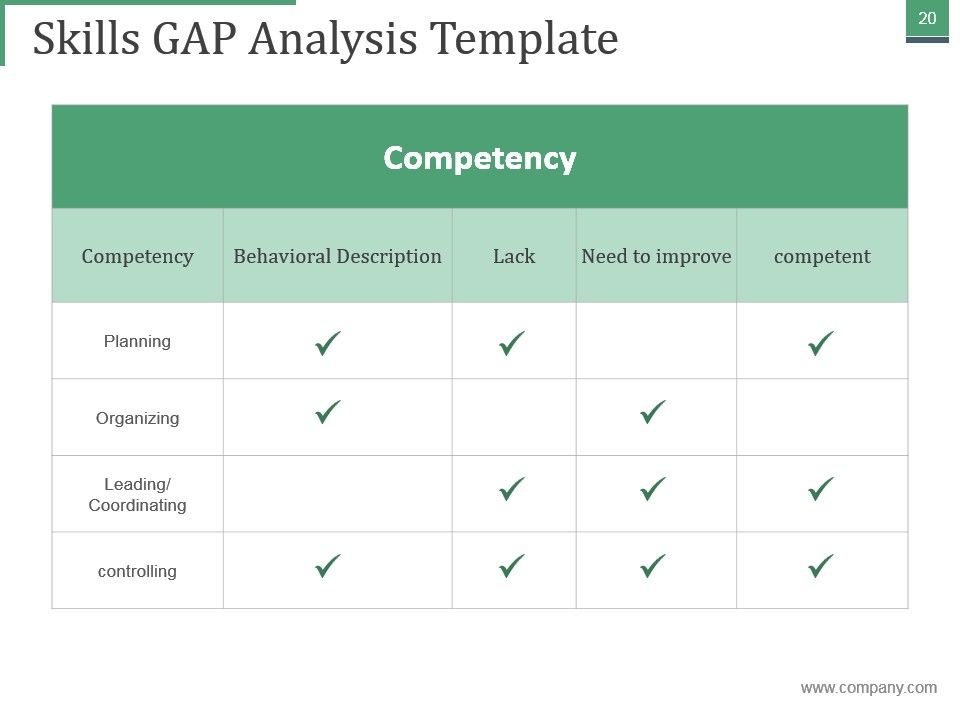
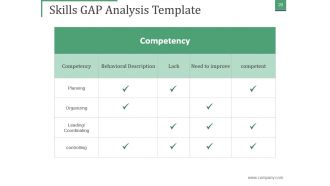
Slide 20: This is Skills GAP Analysis Template slide.
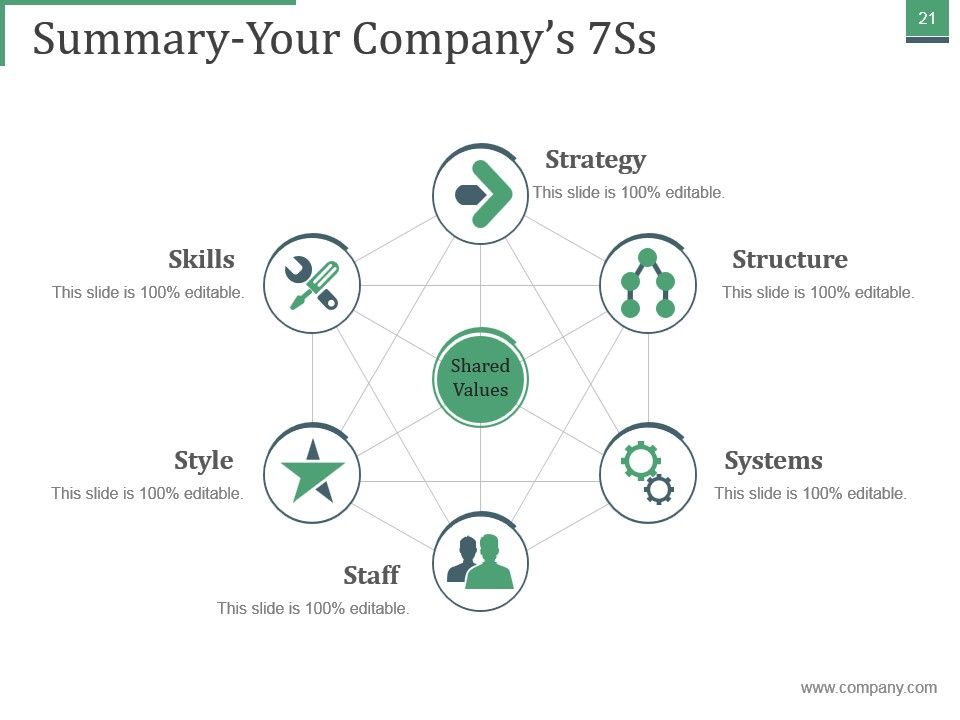
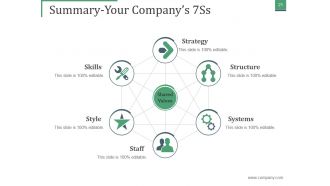
Slide 21: This slide presents Summary- Your Company's 7Ss Shared Values, Strategy, Structure, Systems, Staff, Style, Skills.
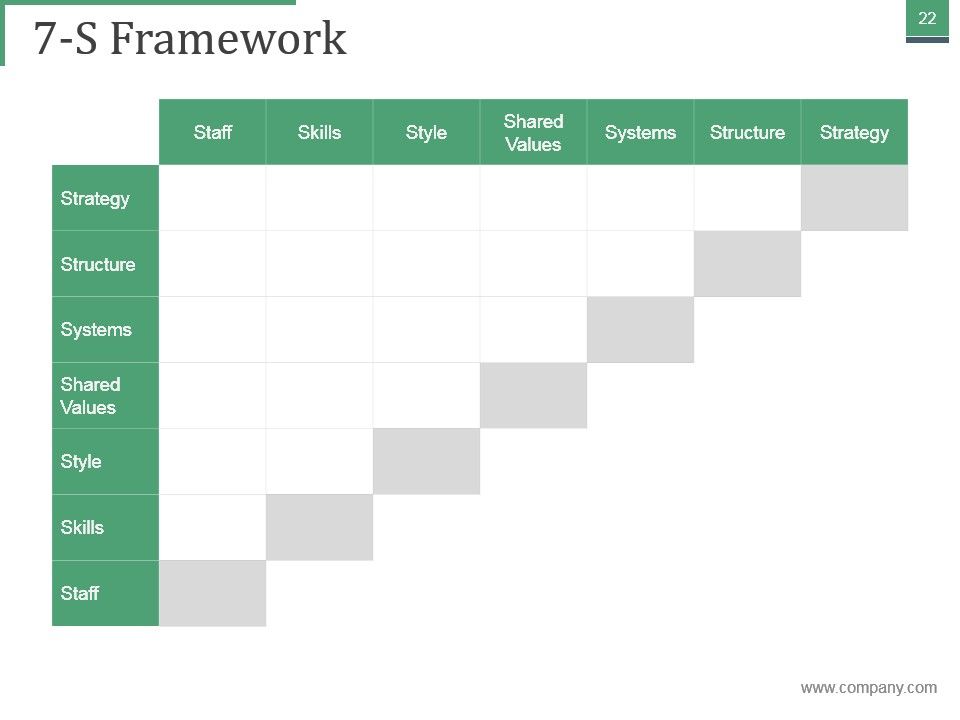
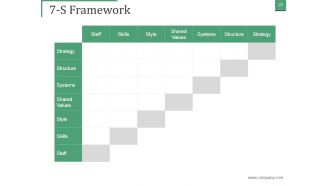
Slide 22: This slide showcases a 7-S Framework.
Slide 23: This slide is titled Additional Slides to move forward. You may change the slide content as per need.
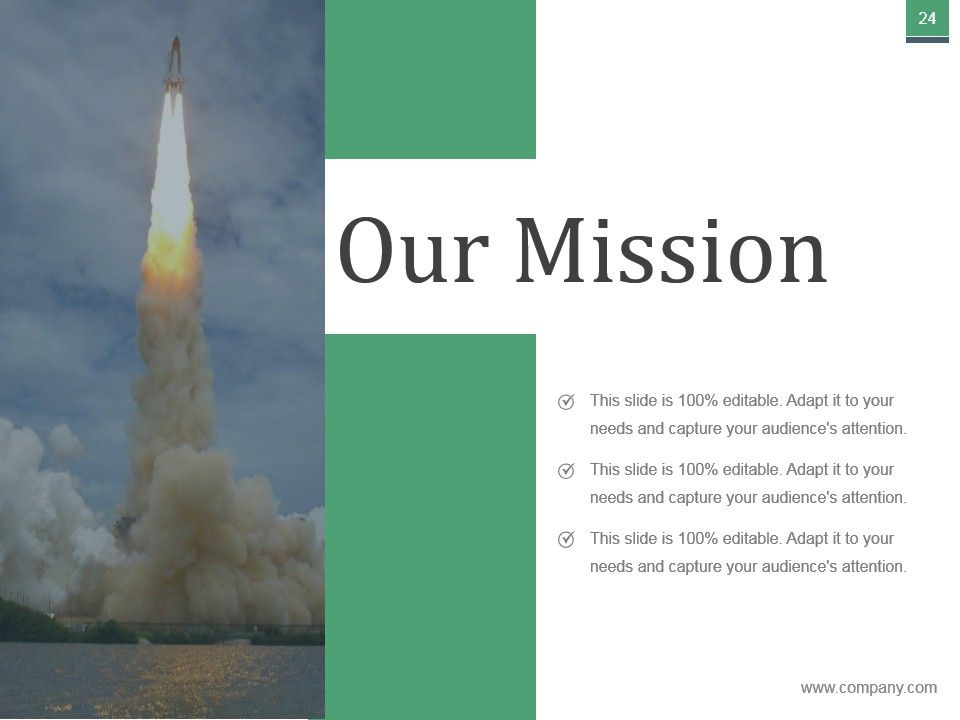
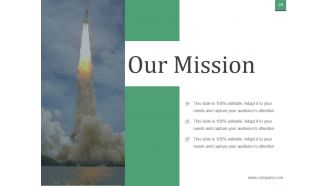
Slide 24: This is Our Mission slide. State company mission here.
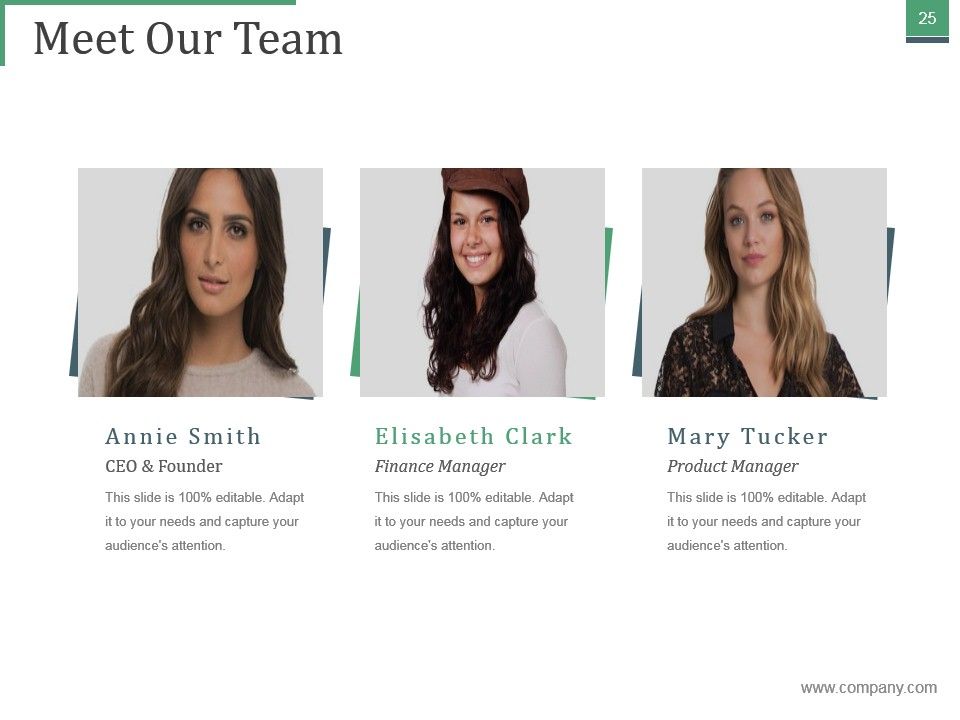
Slide 25: This is Meet Our Team slide with names, designation and image boxes.
Slide 26: This is an About Us slide. State company/team specifications here.
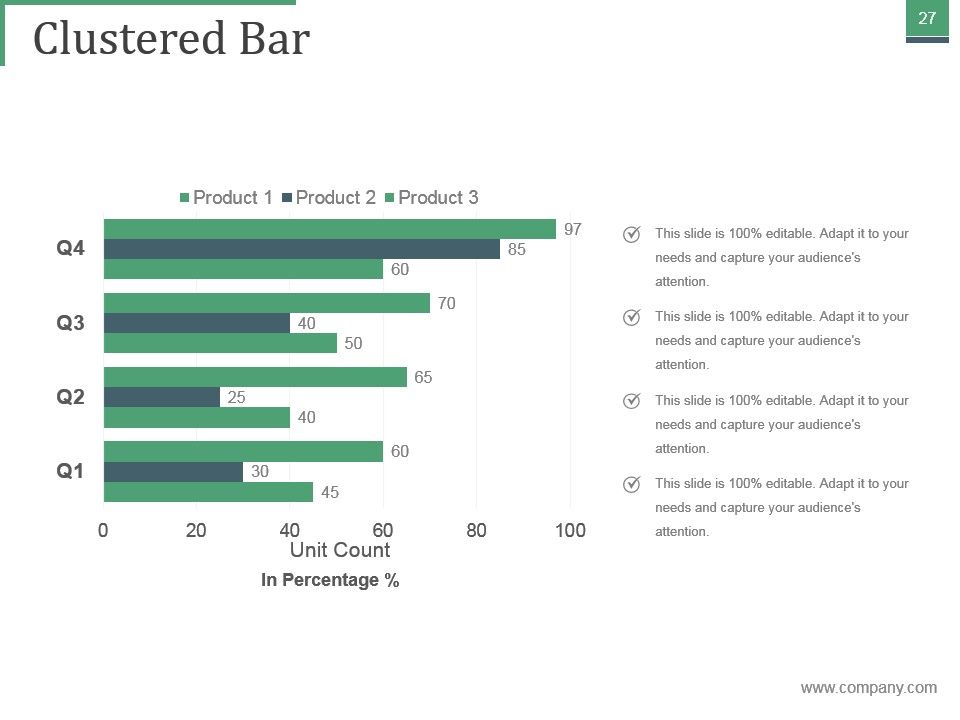
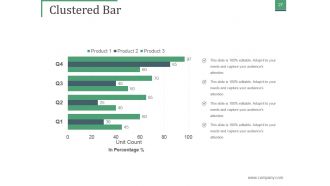
Slide 27: This is a Clustered Bar slide to show information, specifications etc.
Slide 28: This is Our Main Goal slide. State goals here.
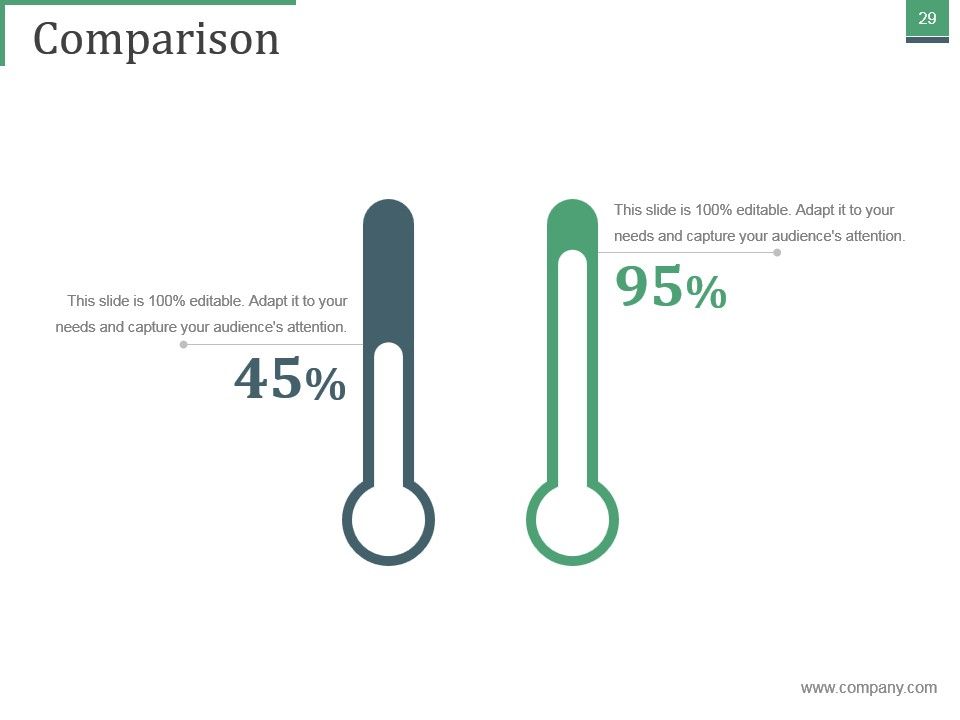
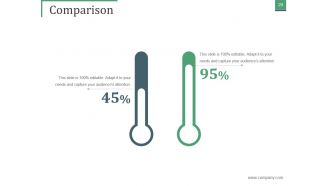
Slide 29: This is a Comparison slide for showing product/entity comparison.
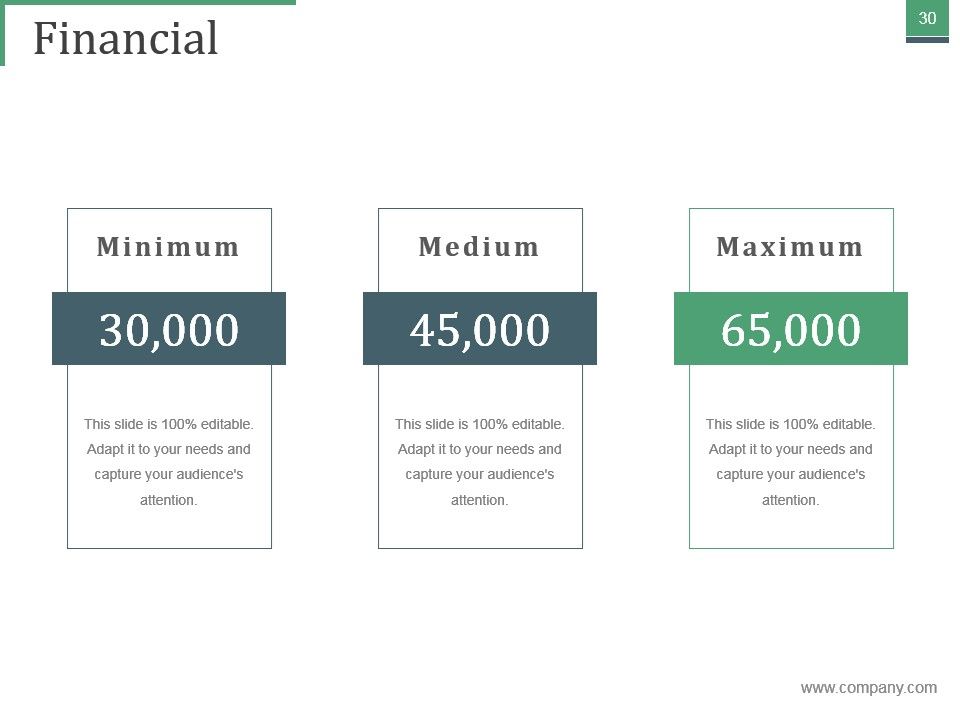
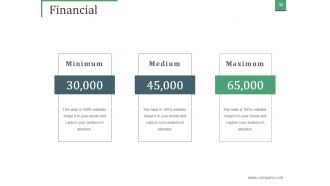
Slide 30: This is a Financial score slide given in terms of Medium, Minimum and Maximum.
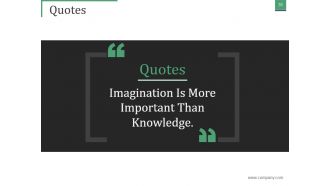
Slide 31: This is a Quotes slide to convey message, beliefs etc. You may change the slide content as per need.
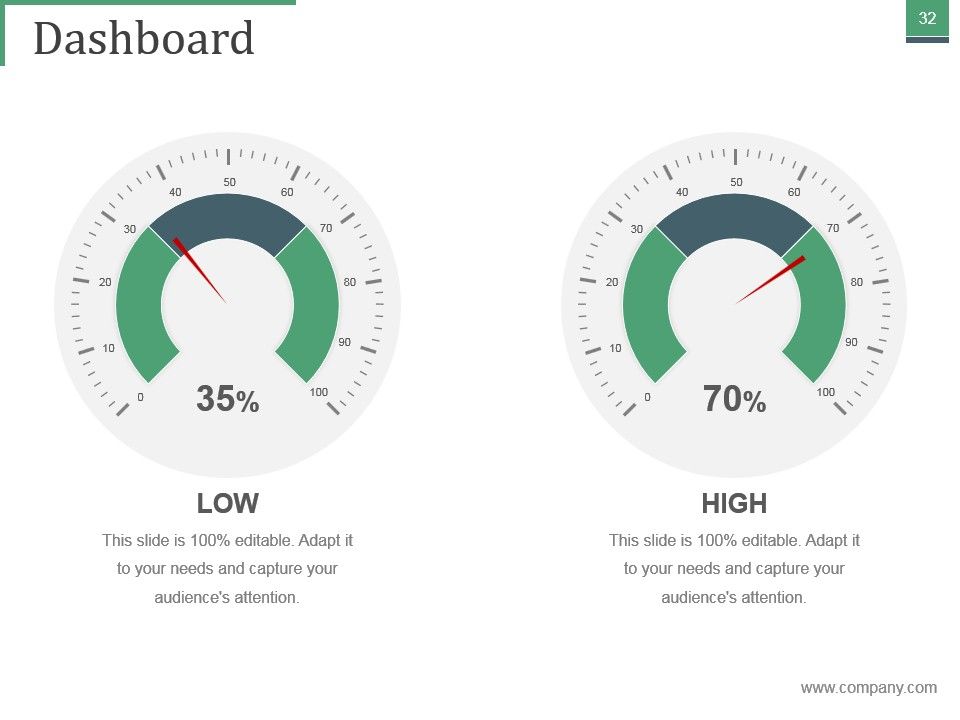
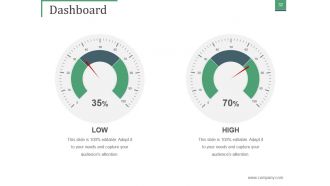
Slide 32: This is a Dashboard slide to show Low, Medium and High aspects.
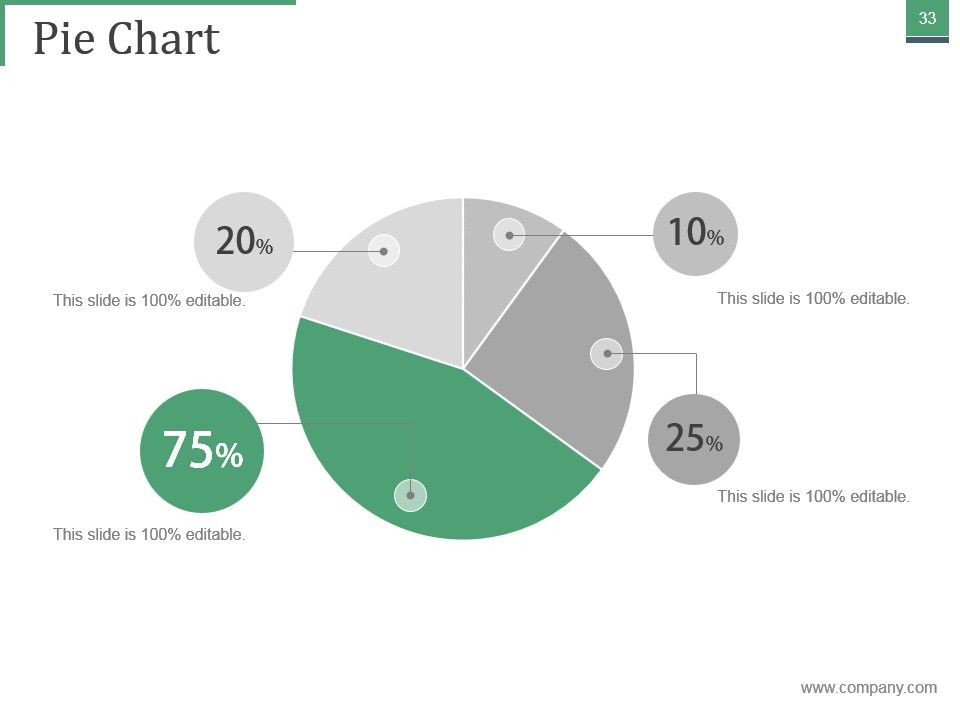
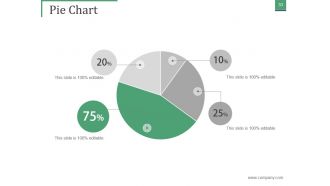
Slide 33: This is a Pie chart slide to show information, specifications etc.
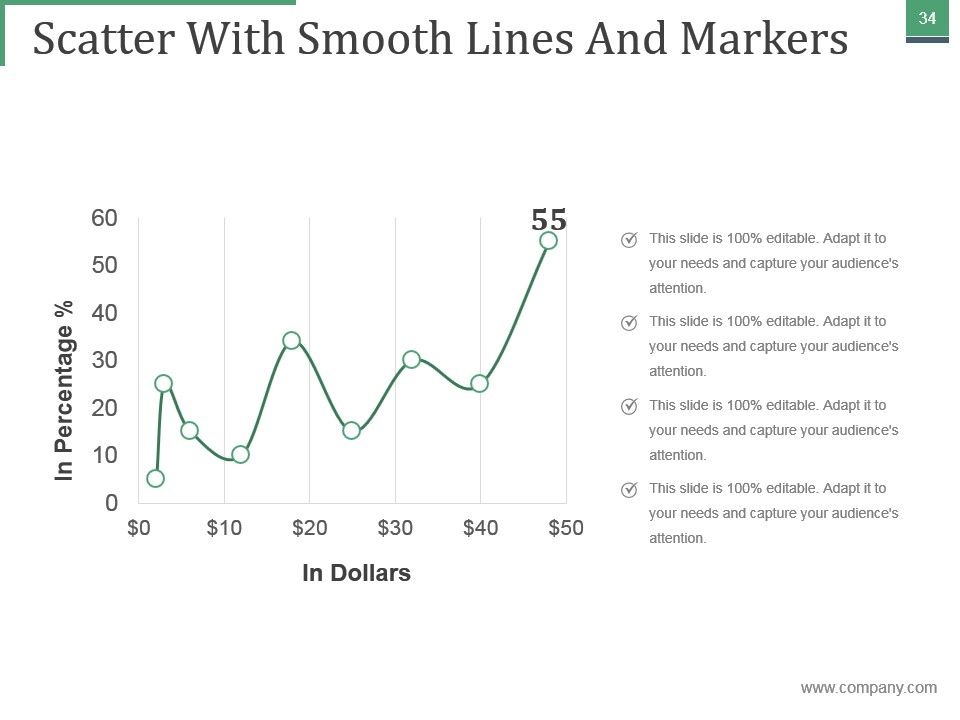
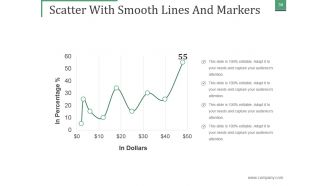
Slide 34: This is a Scatter With Smooth Lines And Markers chart slide to show information, specifications etc.
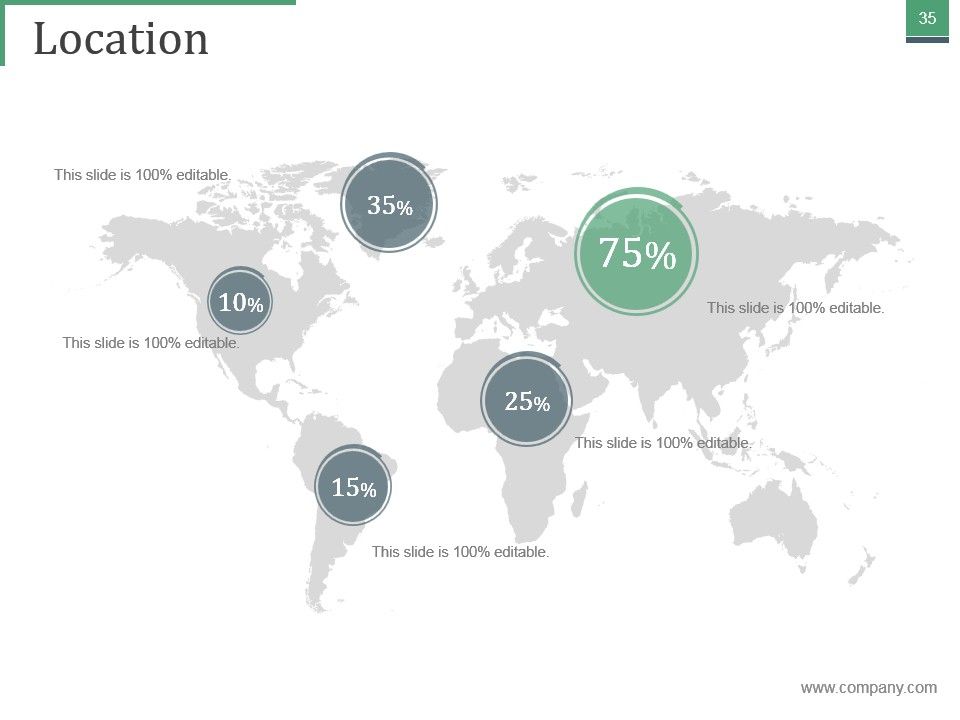
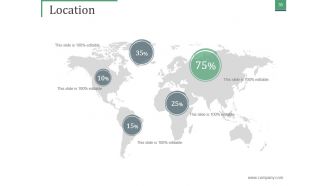
Slide 35: This is a Location slide of world map to show global growth, presence etc.
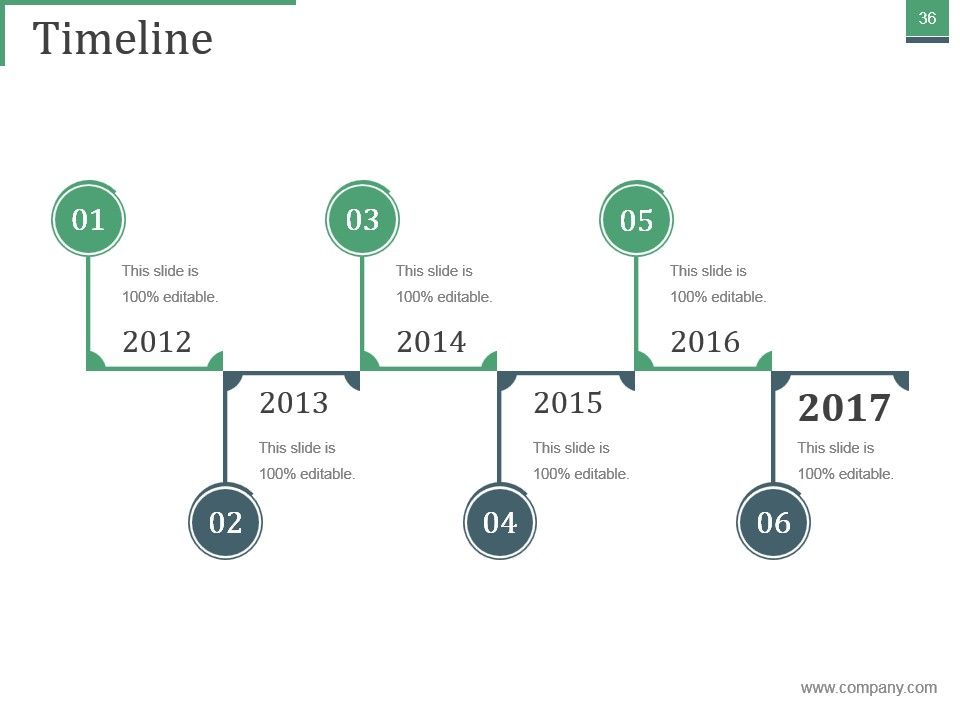
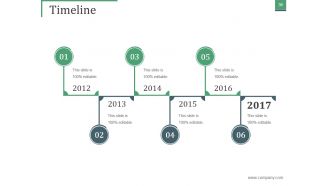
Slide 36: This is a Timeline slide to show highlighting factors, milestones, evolution etc.
Slide 37: This is a Post It Notes slide for events, reminders etc. or to add memorabilia.
Slide 38: This is a Newspaper image slide for showing news, events etc. You can change the slide content as per need.
Slide 39: This is a Puzzle image slide to show information, specifications etc.
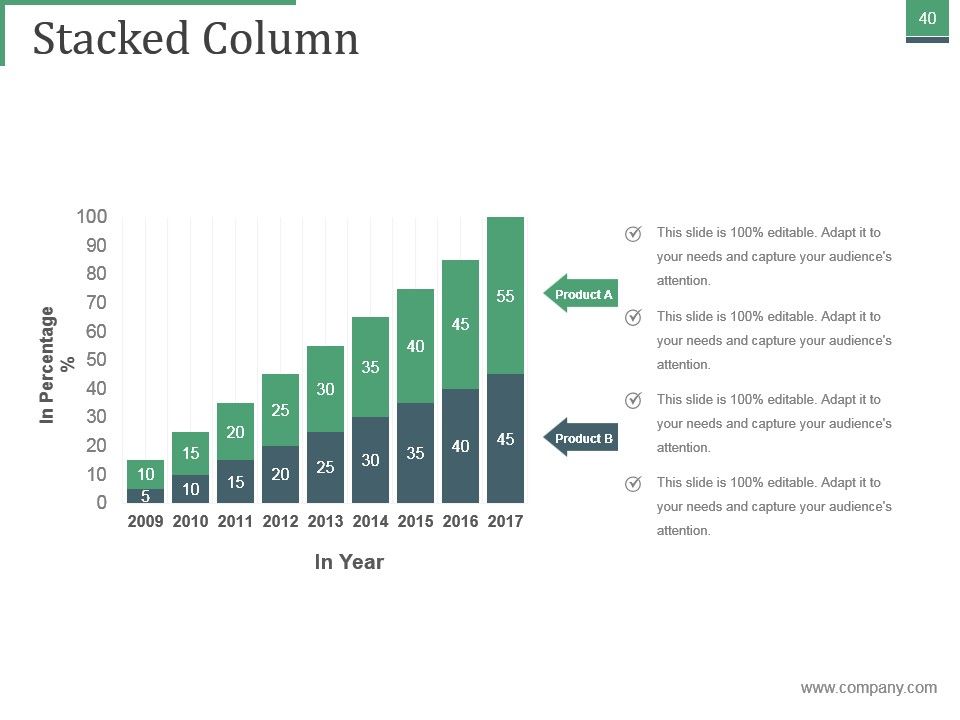
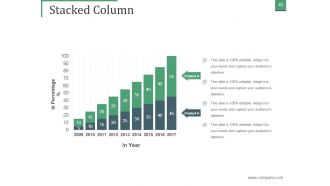
Slide 40: This is a Stacked Column slide to show product/entity comparison etc.
Slide 41: This is a Target slide. State targets etc. here.
Slide 42: This is a Circular image slide to show information, specifications etc.
Slide 43: This is a Venn diagram image slide to show information, specifications etc.
Slide 44: This is a Mind map image slide to show information, specifications etc.
Slide 45: This is a Matrix slide to show information, specifications etc.
Slide 46: This is a Lego image slide to show information, specifications etc.
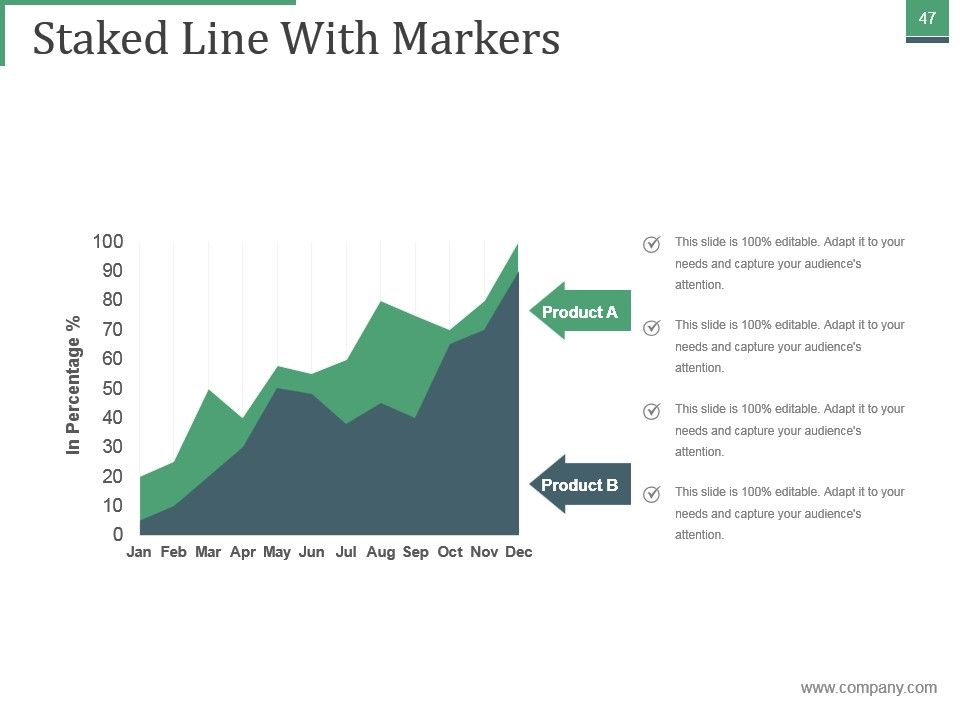
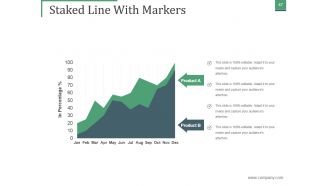
Slide 47: This is a Staked Line with markers slide to show product/entity comparison etc.
Slide 48: This is a Silhouettes image slide to show people specific information, specifications etc.
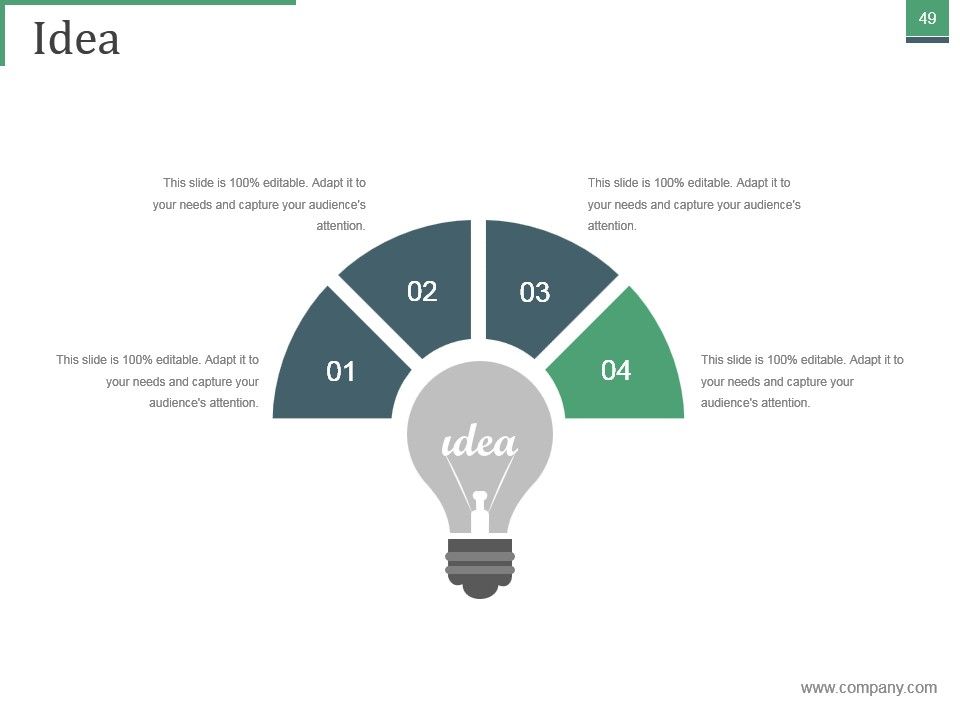
Slide 49: This is an Idea image slide to show information, specifications etc.
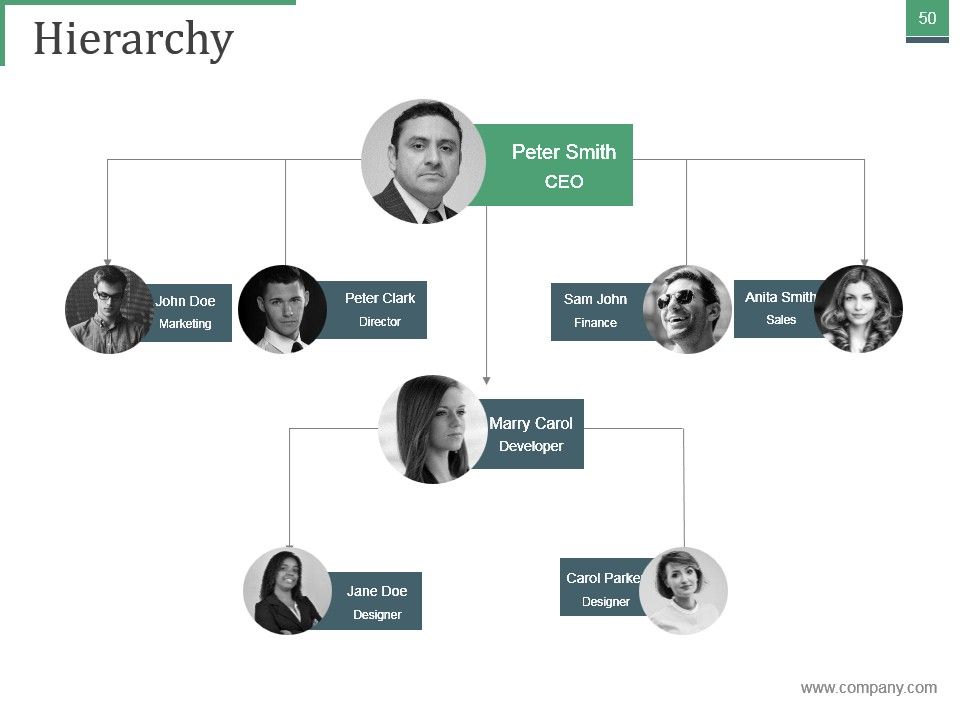
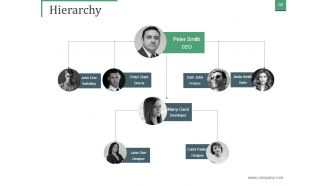
Slide 50: This is a Hierarchy slide to showcase team/departments etc. specifications.
Slide 51: This is a Coffee Break slide to halt. You can change the slide content as per need.
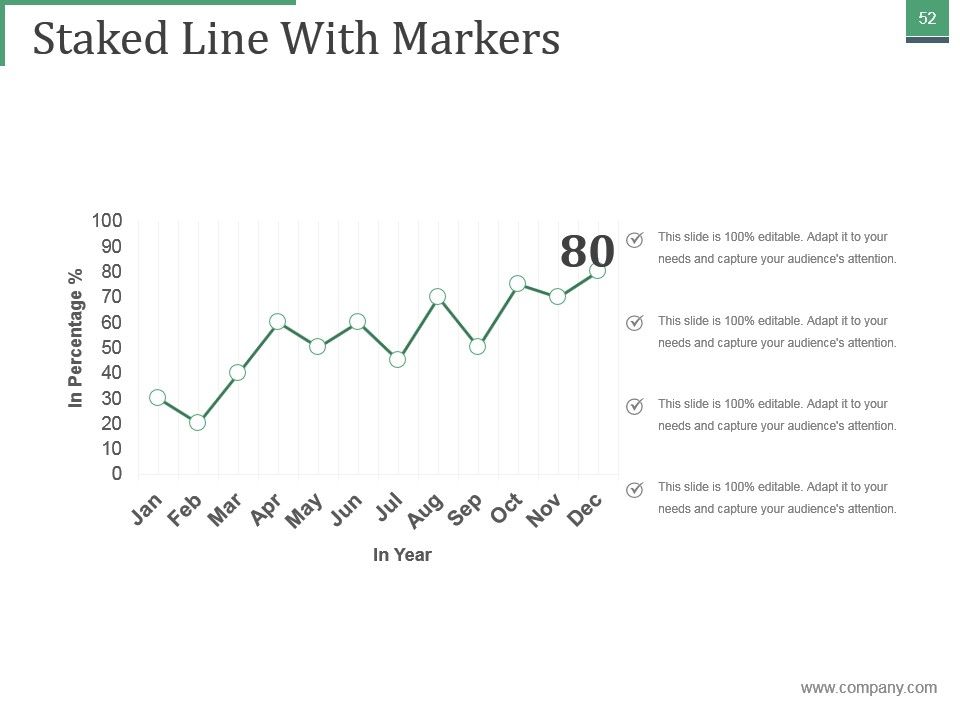
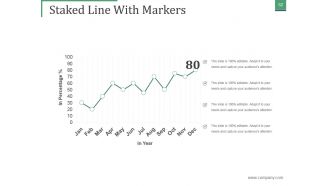
Slide 52: This is a Staked Line with markers slide to show product/entity comparison etc.
Slide 53: This is a Magnifying Glass image slide to show information, specifications, scoping aspects etc.
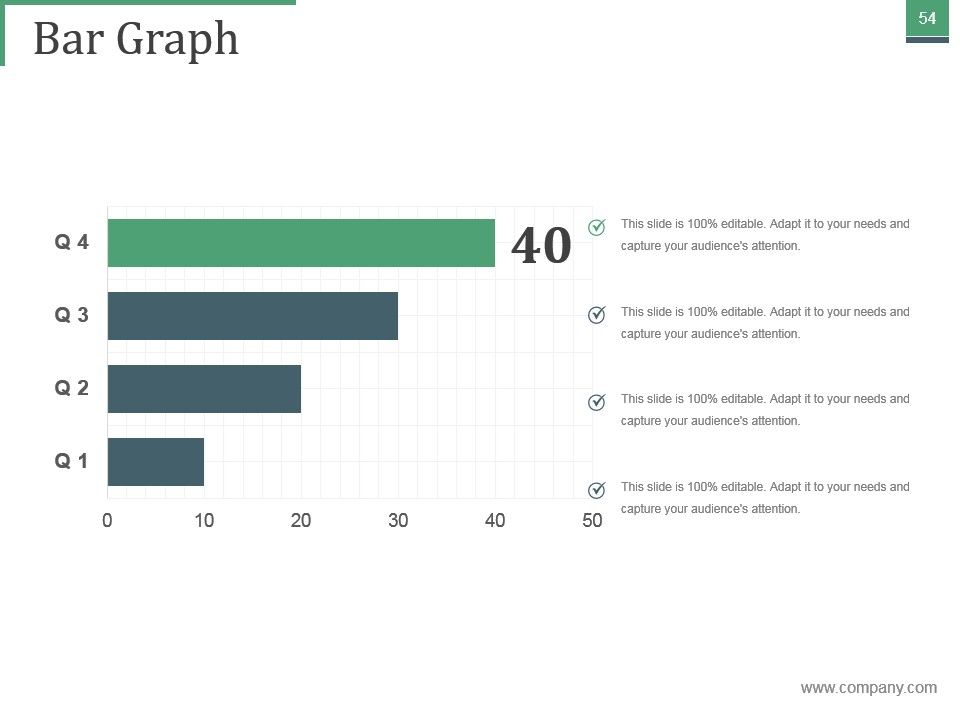
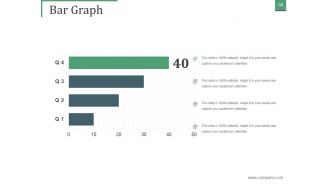
Slide 54: This is a Bar Graph slide to show product/entity comparison etc.
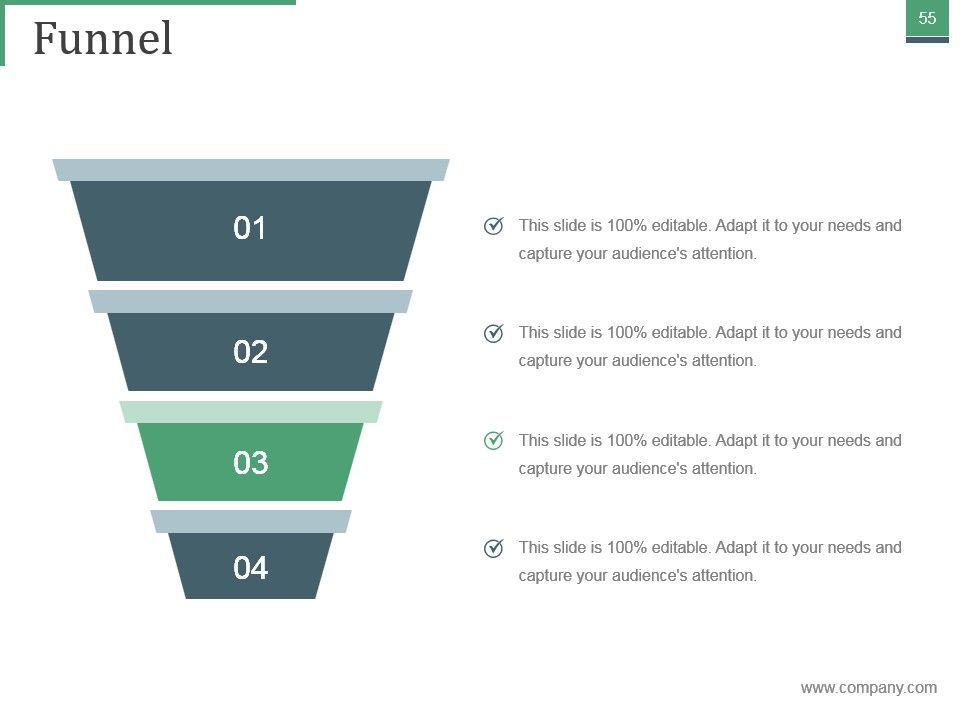
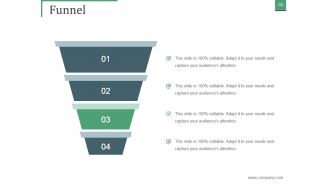
Slide 55: This is a Funnel image slide to show information, specifications, funneling aspects etc.
Slide 56: This is a Thank You slide with Address# street number, city, state, Contact Numbers, Email Address.
Mckinsey 7s Framework Sd Powerpoint Presentation Slides with all 56 slides:
Our Mckinsey 7s Framework Sd Powerpoint Presentation Slides are happy to be of assistance. They are glad to lend a hand.
-
Really like the color and design of the presentation.
-
Visually stunning presentation, love the content.
