Model for new product route to market strategy

Rating:
87%
Model for new product route to market strategy
Slide 1 of 2
Favourites Favourites

Try Before you Buy Download Free Sample Product

Audience Impress Your
Audience
Editable 100%
Editable
Time Save Hours
of Time
The Biggest Sale is ending soon in
0
0
:
0
0
:
0
0
Rating:
87%
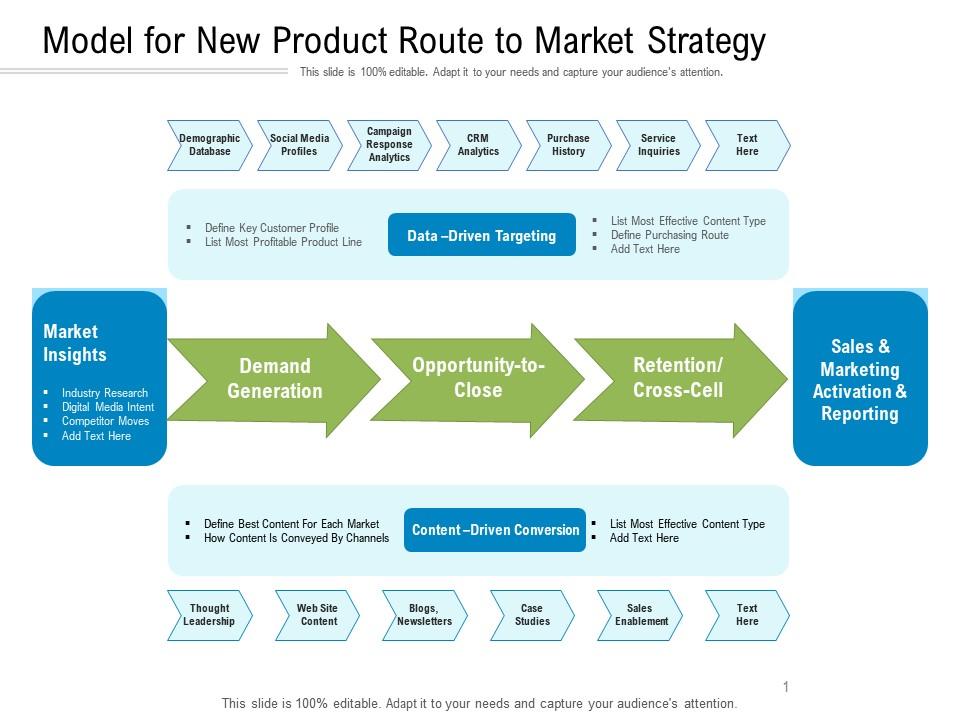
Introducing our Model For New Product Route To Market Strategy set of slides. The topics discussed in these slides are Demand Generation, Opportunity To Close, Retention Cross Cell, Demographic Database, Social Media Profiles. This is an immediately available PowerPoint presentation that can be conveniently customized. Download it and convince your audience.

FAQs for Model for new product route

Honestly, start with the basics - is there actually demand for your thing? Then figure out if you can compete with whoever's already there. Market size matters obviously, but so does all the regulatory headache stuff (trust me on this one). Cultural differences are huge too and everyone underestimates them. Entry costs will probably be higher than you think. Some markets are just brutal to break into. What I'd do is grab your top 3-4 markets and score them on these factors. Makes it way less of a guessing game. The boring spreadsheet approach actually works here.

Honestly, cultural stuff will make or break your whole market entry thing. Your messaging needs to change because what works here might be totally wrong there. I once saw a company bomb just because they picked the wrong colors - sounds stupid but it's real. Do your homework on the culture first, not just basic demographics. Talk to actual locals before you commit to anything. They'll tell you what'll work and what won't. Even your sales approach has to shift. Don't just assume you can copy-paste your strategy - that's where most people screw up.

Look, competitive analysis is just figuring out who you're up against before you jump in. Map out your top 5-7 competitors first. See what they're nailing and where they suck - that's your opening. Check their pricing, read their customer reviews (goldmine of info there), and figure out if there's actually space for you. I've watched too many startups think they're revolutionary when really they just showed up late. The whole point is understanding what customers expect vs what these companies actually deliver. Don't be the guy who discovers the market's saturated after you've already invested everything.

Honestly, do your homework first - research the local rules, how people actually buy stuff there, who you're competing against. Don't try to figure it out solo though, that's how you blow through cash fast. Find a local partner or maybe do a joint venture with someone who gets the culture. They'll save you from looking like an idiot basically. Test things out small first - like a pilot program or just a few products to see what happens. Oh and definitely get lawyers and financial people who know that market inside out. Way better to take smart risks than just dive in headfirst, you know?

So joint ventures are pretty solid for splitting costs and getting that local know-how you'd never have otherwise. Quick market entry too. But yeah, you're also splitting profits and control - that part sucks. I've watched partnerships blow up over the dumbest stuff, like different communication styles or timeline disagreements. Strategy conflicts happen all the time. Honestly, finding someone whose goals actually match yours is way harder than it sounds. Most people look great until you're in the weeds together. Just make sure you hash out who decides what before any contracts get signed.

Honestly, economic conditions can totally make or break when you jump into a new market. Strong economy means people are spending more and you'll get funding easier - but yeah, everyone else has the same idea so competition gets brutal. During recessions? People aren't buying much, but at least entry costs are cheaper and some of your competitors might be struggling. I'd definitely check GDP trends, unemployment, and inflation rates first. Oh, and interest rates are huge if you need financing. The trick is timing your strategy with whatever cycle we're in. Just make sure you've got a backup plan because this stuff changes fast.

Start with surveys and interviews - talk to your actual customers about their problems and how they buy stuff. Then dig into industry reports, competitor research, market data. I know it's boring but check regulatory requirements too, that stuff can bite you later. Hit up trade shows if you can, chat with distributors, see how similar products get sold. Mix the hard numbers with real conversations so you're not just shooting in the dark. Oh, and set a deadline upfront or you'll be researching forever instead of actually launching anything.

Honestly, start small with your research - figure out what platforms people actually use there because it's crazy how different regions can be. Instagram might be huge here but totally dead somewhere else. Don't just translate your stuff, actually adapt it for the local vibe. Maybe find some local influencers or agencies who get the culture better than you do right now. Test a couple channels first with small budgets to see what hits. I'd probably avoid going all-in until you know what resonates. Once something's working, then scale it up from there.

Dude, start mapping out compliance stuff early because it's totally different everywhere. Business registration, licensing, taxes, employment rules, data protection - the whole thing's honestly a nightmare at first. I've watched companies get wrecked by random tiny requirements they missed. Import/export restrictions are huge too, plus some places force you to have local partners or limit foreign investment. Oh, and labor laws? Completely different rules for hiring, benefits, firing people. Don't even try figuring this out solo - just find good local lawyers in whatever market you're targeting.

Track revenue growth and customer acquisition costs first - those numbers don't lie. Market share's huge too, obviously. But honestly? The softer stuff like brand awareness and customer satisfaction can totally sink you if you ignore them. Monthly dashboards are a lifesaver for catching problems early. Oh, and if you're dealing with new regulations or compliance stuff, definitely monitor those timelines. Partnership quality matters more than people think - I've seen companies nail the financials but fail because they picked terrible local partners. Time-to-market milestones keep you honest about whether you're actually moving fast enough.

Dude, this choice is huge - seriously can make or break everything. Pick wrong and you're screwed with bad reach, crazy costs, and your brand gets hurt. But nail it? You get access, credibility, and way better economics. Here's the thing though - what works for luxury stuff completely bombs for mass market products. You've gotta think about where your people actually shop, not where you think they should. I'd literally start by stalking your ideal customers (kidding!) and figuring out their buying habits first. Match that to your business model and you're golden.

Dude, local partnerships are seriously worth it. You'll get instant street cred and someone who actually knows how things work there. They've got the supplier connections, customer relationships, all that stuff you'd spend forever building from scratch. Plus they'll save you from doing something culturally stupid that kills your whole launch - honestly happens more than you'd think. The regulatory stuff alone makes it worth it since they can navigate that mess way faster. I'd say look at maybe 3-4 potential partners first. Just make sure you really check out their reputation before jumping in.

Honestly, you've gotta dive deep into local research first. Focus groups and surveys are your best friends here. Demographics alone will screw you over - I've watched so many companies crash and burn thinking they knew better. Study your local competitors hard. How are they positioning stuff? Then test everything with small pilot groups before going big. The whole thing's about staying flexible, really. Listen to what people actually tell you, not what sounds logical in your head. Oh, and be ready to pivot fast when the feedback comes in!

Honestly, you've got a bunch of good options here. Bank loans are the obvious choice if your numbers look solid. But if you're planning to go big fast, VC or private equity might make more sense. There's this newer thing called revenue-based financing that's actually pretty cool - you pay back based on how much you're selling instead of fixed monthly payments. Way less stressful when you're entering uncertain territory. You could also bootstrap with whatever cash flow you've got (keeps you in the driver's seat) or find strategic partners who'll bring both money and local know-how. My advice? Figure out your cash projections first, then pick whatever fits your risk comfort zone and timeline.

Dude, the worst mistakes are usually bad market research and totally lowballing your costs. Companies rush timelines too, which never ends well. You gotta study how locals actually behave and what competitors are doing first. Cultural screwups will destroy you - I've watched brands completely bomb because they didn't tweak their messaging. Regulatory stuff blindsides people constantly too, honestly it's wild how often that happens. Here's what works: pad your budget and timeline like crazy, start with small tests, and get local advisors ASAP. They're worth every penny to avoid those brutal mistakes you'd never think of.

Ratings and Reviews

87% of 100
Review Form
Write a review
Most Relevant Reviews
  1. 80%

    by Byrne Cruz

    Excellent template with unique design.
  2. 80%

    by Donald Peters

    Helpful product design for delivering presentation.
  3. 100%

    by Demetrius Boyd

    Thanks for all your great templates they have saved me lots of time and accelerate my presentations. Great product, keep them up!

3 Item(s)

per page: