Multiple channel strategy ppt powerpoint presentation outline mockup cpb

Multiple channel strategy ppt powerpoint presentation outline mockup cpb
Slide 1 of 5
Favourites Favourites

Try Before you Buy Download Free Sample Product

Audience Impress Your
Audience
Editable 100%
Editable
Time Save Hours
of Time
The Biggest Sale is ending soon in
0
0
:
0
0
:
0
0
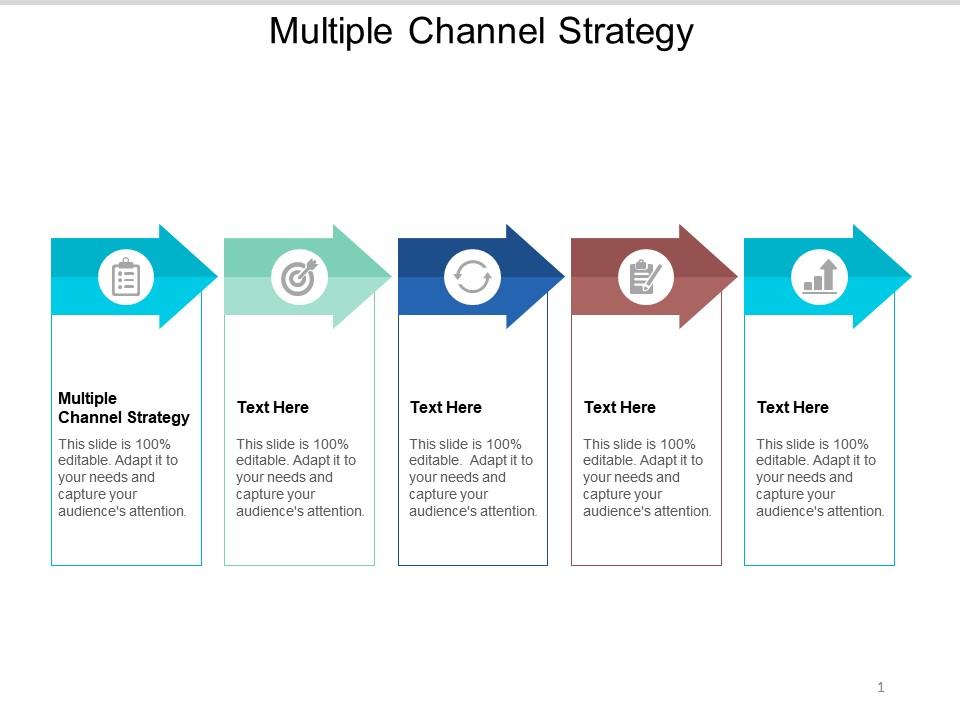
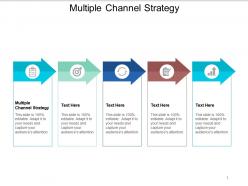
Presenting this set of slides with name - Multiple Channel Strategy Ppt Powerpoint Presentation Outline Mockup Cpb. This is an editable five stages graphic that deals with topics like Multiple Channel Strategy to help convey your message better graphically. This product is a premium product available for immediate download, and is 100 percent editable in Powerpoint. Download this now and use it in your presentations to impress your audience.

People who downloaded this PowerPoint presentation also viewed the following :

FAQs for Multiple channel strategy ppt powerpoint presentation

**INPUT**: What are the core components of an effective multiple channel strategy? **OUTPUT**: Core components include integrated customer data management, consistent brand messaging across platforms, seamless cross-channel experiences, performance analytics, and coordinated inventory systems. These elements work together by enabling unified customer interactions, streamlining operations, and delivering personalized experiences, with many organizations finding that strategic channel integration ultimately drives higher customer satisfaction and competitive advantage. [Word count: 57 words]

Businesses can identify relevant channels by analyzing customer demographics, behavior patterns, and preferred communication methods through surveys, analytics tools, and market research. Companies in retail, healthcare, and financial services increasingly combine social media insights, website analytics, and direct customer feedback to map audience preferences, ultimately enabling strategic channel selection that enhances engagement and drives conversions.

Customer segmentation serves as the foundation for effective multiple channel strategies by identifying distinct customer groups based on demographics, behaviors, preferences, and purchasing patterns. Through segmentation, organizations can align specific channels with customer needs, with retail banks using mobile apps for tech-savvy millennials while maintaining branch services for traditional customers, ultimately delivering personalized experiences and maximizing channel effectiveness.

Brands maintain consistency across channels through unified messaging guidelines, standardized visual identity systems, coordinated content calendars, integrated customer data platforms, and cross-channel training programs. These strategic approaches ensure seamless customer experiences, whether through social media, retail stores, or digital platforms, ultimately strengthening brand recognition and customer trust while delivering competitive advantage.

Key metrics for evaluating multiple channel success include conversion rates, customer acquisition costs, lifetime value, channel attribution, engagement metrics, and revenue per channel. These measurements enable organizations to optimize resource allocation across touchpoints, identify high-performing channels like social media or direct sales, and ultimately deliver improved ROI while enhancing customer experiences in an increasingly competitive marketplace.

Emerging technologies enhance multiple channel strategies by enabling seamless data integration, real-time personalization, and automated customer journey orchestration across touchpoints. AI-powered analytics and cloud platforms allow retailers and financial services to deliver consistent experiences while optimizing inventory, reducing operational costs, and increasing conversion rates, ultimately providing significant competitive advantage in increasingly complex markets.

Common pitfalls include inconsistent messaging across channels, inadequate inventory management, conflicting pricing strategies, poor channel integration, and insufficient performance tracking systems. These challenges often result in customer confusion, operational inefficiencies, and reduced profitability, with many organizations finding that proper coordination and unified data management are essential for successful multi-channel implementation.

Businesses can effectively integrate offline and online channels through consistent branding, unified customer data systems, cross-channel promotions, and synchronized messaging across all touchpoints. By implementing QR codes in print materials, retargeting website visitors with direct mail, and enabling online appointment booking for in-store services, companies streamline customer experiences while maximizing reach and engagement opportunities.

Tactics to enhance customer engagement include personalized messaging, consistent branding, omnichannel integration, real-time customer support, and data-driven insights across all touchpoints. These approaches streamline customer experiences by delivering relevant content, maintaining seamless transitions between channels, and providing immediate responses, with many retail and financial services organizations finding that strategic cross-channel coordination ultimately drives higher satisfaction and loyalty.

Businesses leverage social media within multiple channel strategies by integrating platforms like LinkedIn, Instagram, and Twitter with email marketing, content hubs, and direct sales channels. This strategic combination enables companies to reach diverse audiences, nurture leads through personalized touchpoints, and drive conversions across sectors, with many organizations finding that coordinated messaging ultimately delivers enhanced customer engagement and measurable revenue growth.

**INPUT**: What are the best practices for synchronizing content across multiple channels? **OUTPUT**: Best practices include establishing unified messaging frameworks, implementing centralized content management systems, maintaining consistent brand voice guidelines, scheduling coordinated release timelines, and leveraging automation tools for seamless distribution. These approaches streamline operations by reducing redundancies, enhancing customer experience consistency, and maximizing content ROI, with many organizations finding that strategic synchronization delivers significantly improved engagement rates and operational efficiency.

Data analytics is crucial for optimizing multiple channel strategies, enabling businesses to track customer journeys, measure channel performance, identify cross-channel synergies, and allocate resources effectively. Through advanced analytics, organizations streamline inventory management, personalize customer experiences, and optimize marketing spend across touchpoints, with many retailers finding that data-driven insights ultimately deliver improved conversion rates and competitive advantage.

Businesses face integration complexities, maintaining consistent brand messaging across platforms, resource allocation inefficiencies, and data silos that hinder unified customer insights when scaling multiple channels. These challenges often result in fragmented customer experiences, increased operational costs, and difficulty tracking performance metrics, though organizations increasingly find that strategic technology investments and centralized management systems streamline coordination while delivering improved customer satisfaction.

Automation tools simplify multi-channel management by centralizing content scheduling, standardizing brand messaging, and synchronizing campaign delivery across platforms simultaneously. These solutions enable businesses to maintain consistent customer experiences while reducing manual workload, with many retail and financial services organizations finding that automated workflows streamline operations and enhance response times significantly.

Multi-channel approaches deliver enhanced customer reach, improved brand visibility, reduced dependency risk, better customer insights, and increased revenue opportunities compared to single-channel strategies. By diversifying across digital platforms, retail locations, and direct sales, businesses streamline customer acquisition, minimize market vulnerabilities, and capture broader audience segments, ultimately delivering competitive advantage and sustainable growth.

Ratings and Reviews

0% of 100
Write a review
Most Relevant Reviews

No Reviews