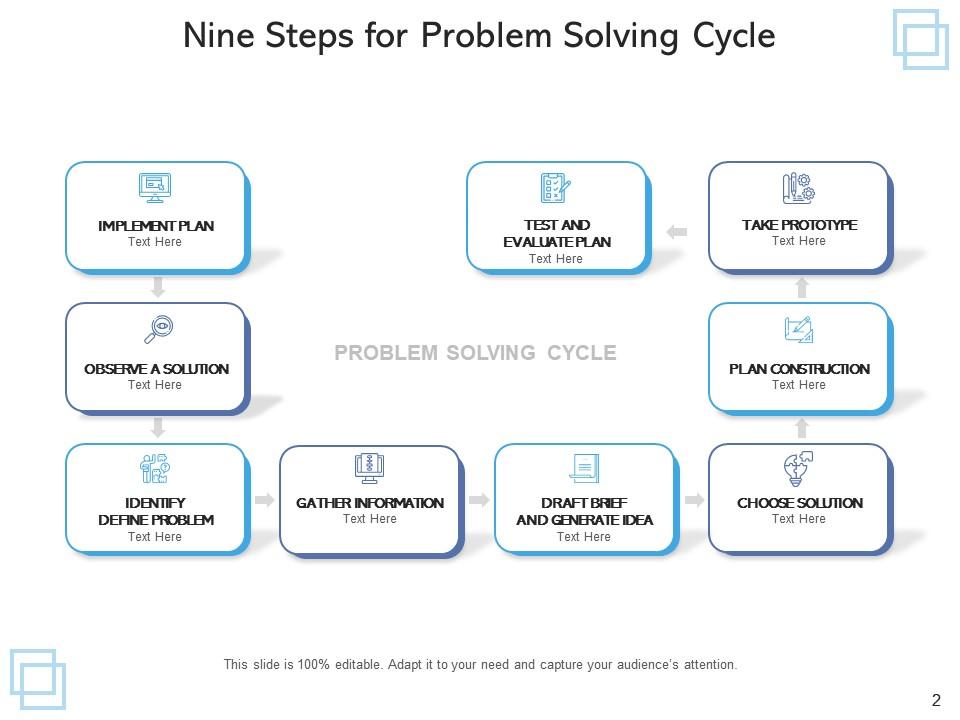
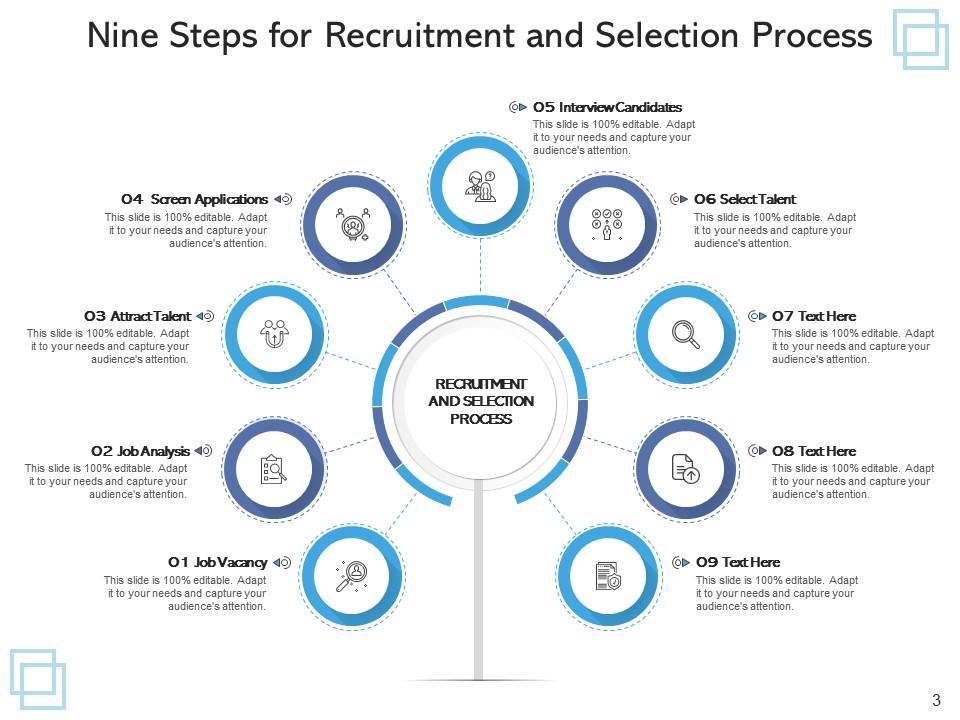
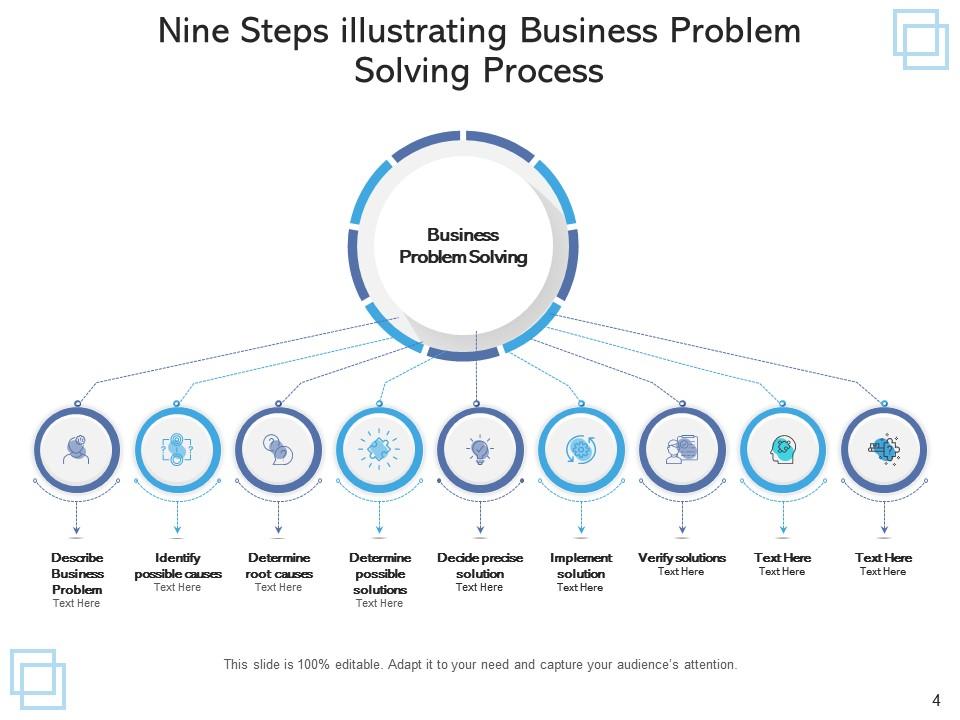
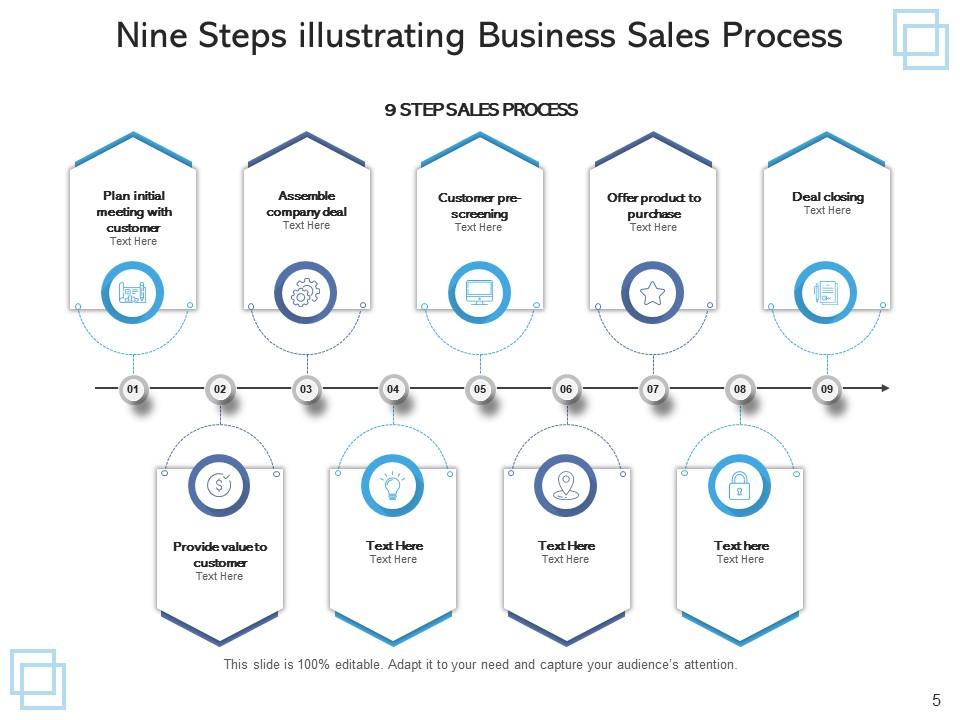
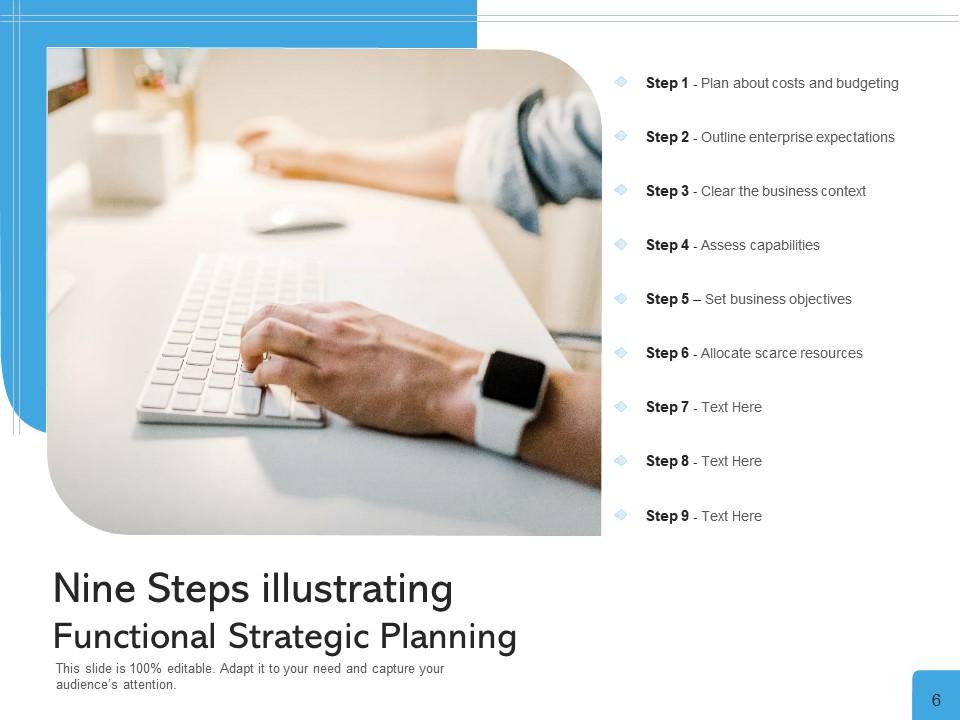
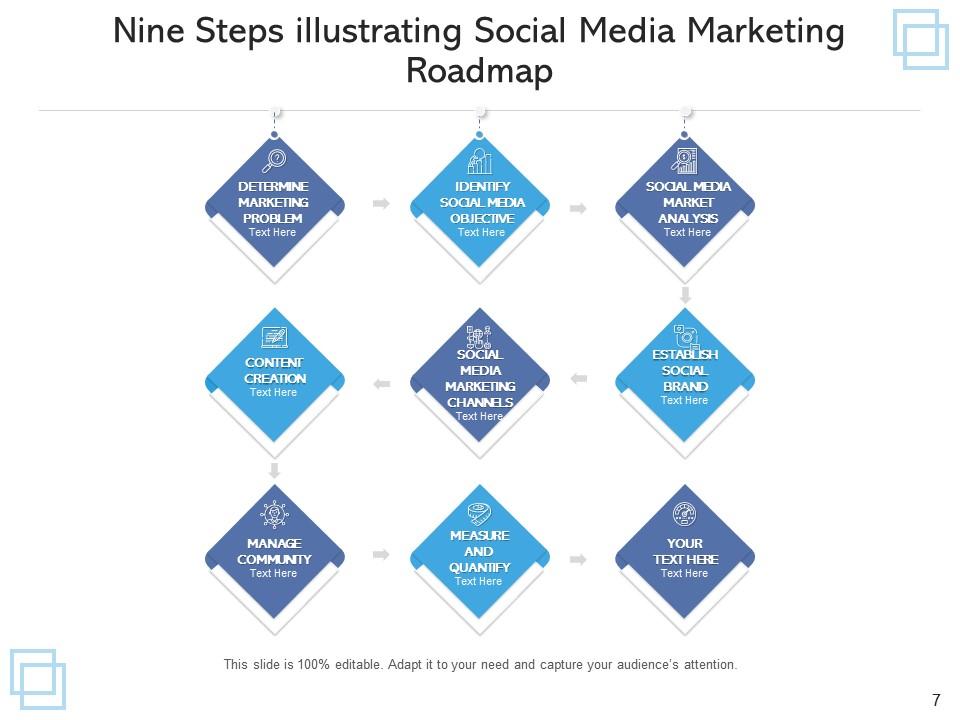
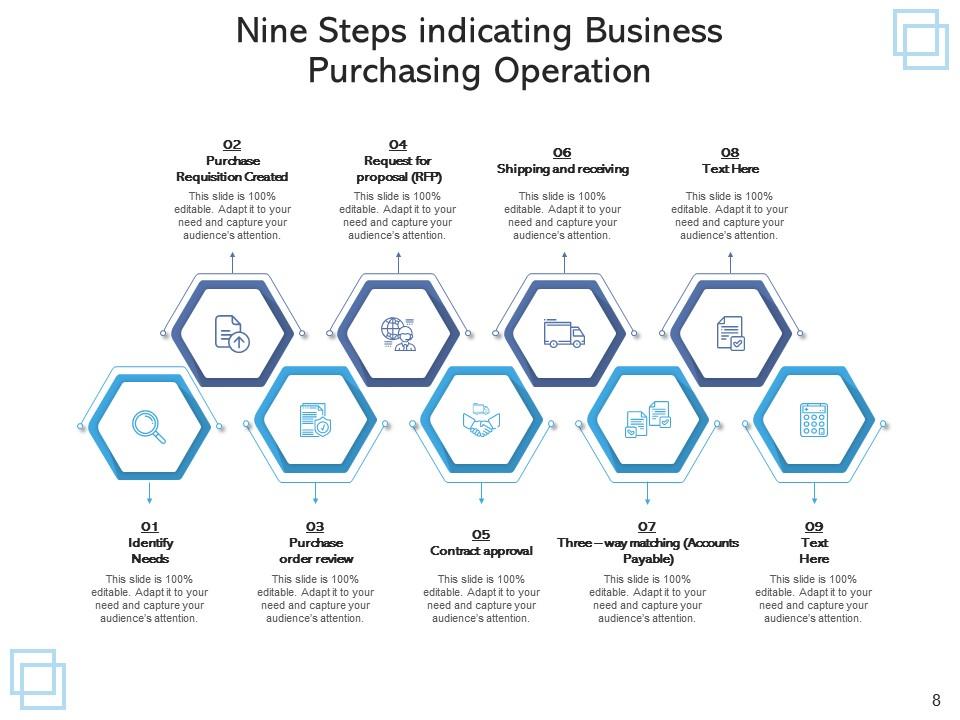
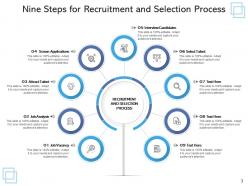
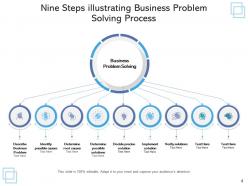
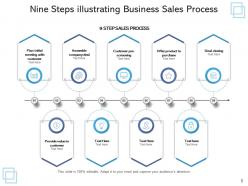
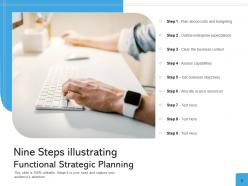
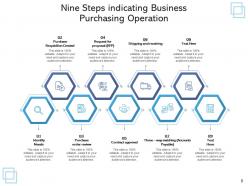
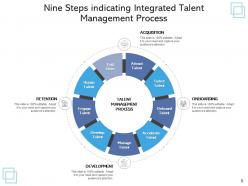
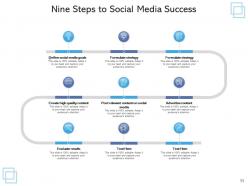
Nine Steps Information Recruitment Process Business Strategic Planning
Try Before you Buy Download Free Sample Product
Audience
Editable
of Time
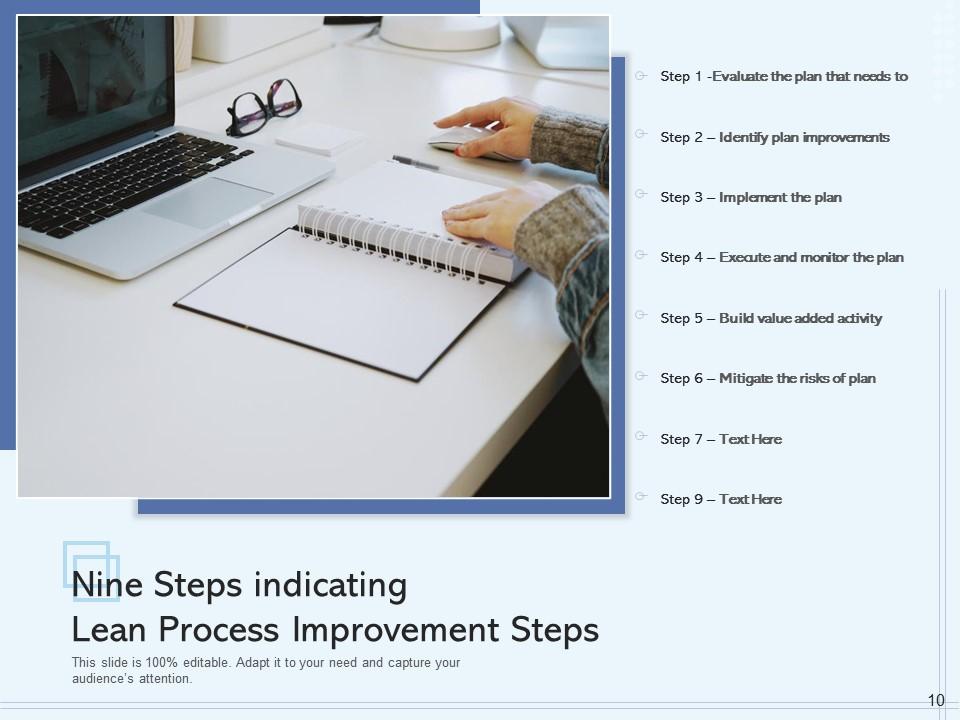
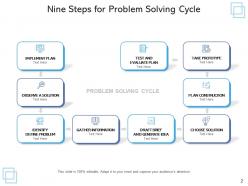
Our Nine Steps Information Recruitment Process Business Strategic Planning are topically designed to provide an attractive backdrop to any subject. Use them to look like a presentation pro.
People who downloaded this PowerPoint presentation also viewed the following :
Nine Steps Information Recruitment Process Business Strategic Planning with all 12 slides:
Use our Nine Steps Information Recruitment Process Business Strategic Planning to effectively help you save your valuable time. They are readymade to fit into any presentation structure.
FAQs for Nine Steps Information Recruitment Process
Key components of an effective recruitment strategy include employer branding, targeted sourcing channels, structured interview processes, candidate experience optimization, and performance metrics tracking. These elements work together by attracting quality talent, streamlining selection procedures, and enhancing organizational reputation, with many companies finding that strategic recruitment ultimately delivers faster hiring cycles, improved retention rates, and stronger competitive positioning.
Companies leverage social media to enhance recruitment by expanding candidate reach, showcasing company culture, engaging passive candidates, and utilizing targeted advertising across platforms like LinkedIn, Twitter, and Instagram. Through strategic social recruiting, organizations streamline talent acquisition, reduce hiring costs, and access diverse talent pools, while building employer brand presence that attracts top performers in increasingly competitive markets.
Employer branding significantly influences talent acquisition by showcasing company culture, values, career development opportunities, and employee experiences across digital platforms and professional networks. Strong employer brands attract quality candidates who align with organizational values, reduce recruitment costs, and enhance retention rates, with companies like Google and Microsoft demonstrating how authentic branding delivers competitive talent advantages.
Diversity and inclusion can be integrated through inclusive job descriptions, diverse hiring panels, structured interviews, bias training for recruiters, and partnerships with diverse professional organizations. These approaches streamline talent acquisition by expanding candidate pools, reducing unconscious bias, and enhancing decision-making processes, with many companies finding that diverse teams deliver better innovation and improved business performance.
Organizations should track time-to-fill, cost-per-hire, quality-of-hire scores, candidate experience ratings, offer acceptance rates, and retention rates within the first year. These metrics enable HR teams to streamline recruitment processes, optimize resource allocation, and enhance talent acquisition strategies, with many companies finding that comprehensive tracking ultimately delivers faster hiring and improved long-term employee performance.
Applicant tracking systems streamline recruitment by automating resume screening, centralizing candidate data, and standardizing evaluation processes across hiring teams. These platforms enable HR departments to reduce time-to-hire significantly, enhance candidate communication through automated updates, and improve decision-making with analytics, with many organizations finding that ATS integration delivers faster placements and better candidate experiences.
**INPUT**: What are the most effective ways to engage passive candidates during recruitment? **OUTPUT**: Effective passive candidate engagement includes personalized outreach, strategic networking through professional platforms, employee referral programs, compelling employer branding, and value-driven conversations about career growth opportunities. These approaches streamline recruitment by building authentic relationships, showcasing organizational culture, and emphasizing long-term career development, with many companies finding that consultative engagement ultimately delivers higher-quality hires and stronger retention rates. [Word count: 60 words]
Recruitment strategies can be tailored by leveraging generation-specific communication channels, values, and expectations throughout the hiring process. While Baby Boomers respond to traditional job boards and value stability, Gen X prioritizes work-life balance, Millennials seek purpose-driven roles through social media, and Gen Z expects mobile-optimized applications and authentic company cultures, ultimately enabling organizations to attract diverse talent pools.
Company culture significantly impacts recruitment by influencing candidate attraction, assessment criteria, retention rates, and employer branding effectiveness. Organizations with strong, well-defined cultures streamline hiring decisions, attract aligned talent, and reduce turnover costs, while companies like Google and Zappos leverage cultural fit as a primary differentiator, ultimately delivering sustainable competitive advantage.
Data analytics improves recruitment decision-making by identifying successful candidate patterns, predicting job performance through skills assessments, and analyzing hiring funnel bottlenecks to reduce time-to-hire. Through predictive modeling and performance correlations, organizations streamline candidate screening, enhance interview processes, and minimize recruitment costs, ultimately delivering faster placements and better cultural fits across teams.
Strategies to reduce new hire turnover include comprehensive onboarding programs, mentorship assignments, clear role expectations, regular check-ins, and cultural integration initiatives. These approaches enhance employee engagement by providing structured support, establishing meaningful connections, and ensuring alignment with company values, with many organizations finding that investing in the first 90 days significantly improves retention and accelerates productivity.
Virtual recruitment tools enhance the hiring experience by streamlining interview scheduling, enabling remote assessments, and facilitating seamless candidate communication across multiple touchpoints. These technologies deliver faster decision-making, broader talent pool access, and improved candidate engagement, with many organizations finding that automated screening and video interviewing ultimately reduce time-to-hire while enhancing overall recruitment efficiency.
Recruitment agencies offer specialized expertise, broader candidate networks, faster hiring processes, and reduced administrative burden, while in-house teams provide better cultural alignment and deeper company knowledge. Many organizations find that agencies excel at sourcing passive candidates and handling volume recruiting, while internal teams better assess cultural fit, ultimately delivering cost-effective solutions when strategically combined.
Job descriptions can be optimized by using clear, specific language, highlighting growth opportunities, emphasizing company culture, defining required versus preferred qualifications, and incorporating relevant keywords for searchability. Well-crafted descriptions in sectors like technology and healthcare streamline recruitment processes, reduce time-to-hire, and ultimately deliver higher-quality candidate pools while enhancing employer branding.
Legal considerations during recruitment include anti-discrimination laws, equal opportunity compliance, data privacy regulations, background check limitations, and wage transparency requirements. These frameworks protect both candidates and organizations by ensuring fair hiring practices, maintaining confidentiality of personal information, and preventing bias-based decisions, with many companies finding that robust legal compliance ultimately enhances their employer brand and reduces costly litigation risks.
-
I discovered this website through a google search, the services matched my needs perfectly and the pricing was very reasonable. I was thrilled with the product and the customer service. I will definitely use their slides again for my presentations and recommend them to other colleagues.
-
Awesomely designed templates, Easy to understand.
-
Best Representation of topics, really appreciable.
-
The content is very helpful from business point of view.
-
Great quality product.
-
Editable templates with innovative design and color combination.
-
Very unique and reliable designs.
-
Unique research projects to present in meeting.