Our organizations vision and mission e procurement business elevator funding
Try Before you Buy Download Free Sample Product
Audience
Editable
of Time
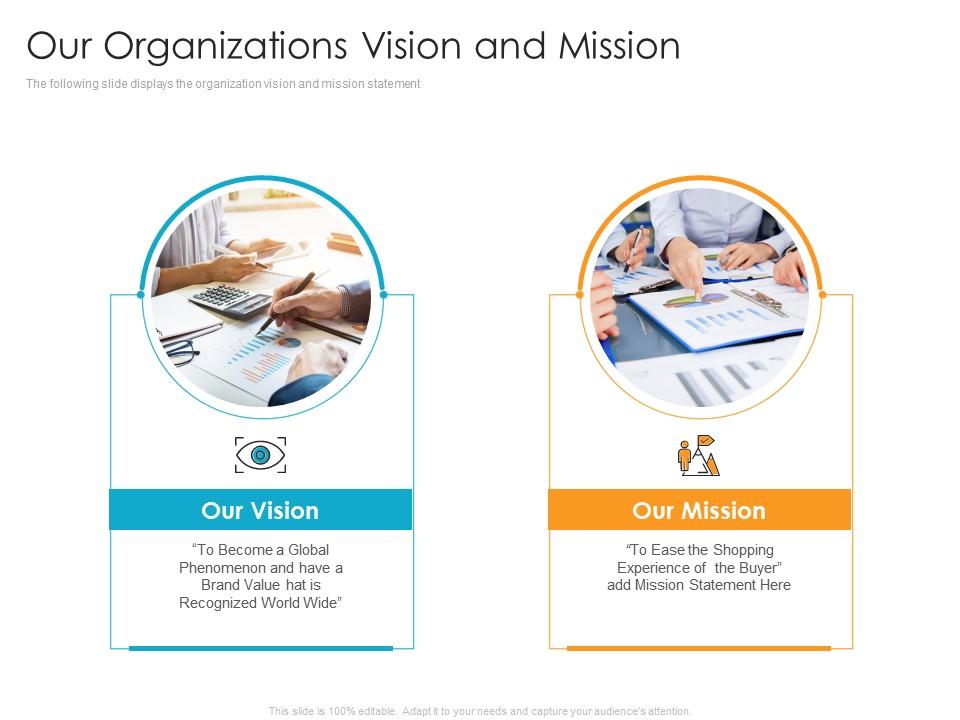
The following slide displays the organization vision and mission statement
People who downloaded this PowerPoint presentation also viewed the following :
Our organizations vision and mission e procurement business elevator funding with all 2 slides:
Use our Our Organizations Vision And Mission E Procurement Business Elevator Funding to effectively help you save your valuable time. They are readymade to fit into any presentation structure.
FAQs for Our organizations vision and mission e procurement
Core components of a successful e-procurement system include supplier management platforms, automated workflow engines, spend analytics tools, contract management modules, and integration capabilities with existing ERP systems. These technologies streamline purchasing processes by reducing manual tasks, enhancing supplier visibility, and improving compliance tracking, with many organizations finding that strategic implementation delivers significant cost savings and operational efficiency gains.
E-procurement streamlines purchasing by automating workflows, centralizing vendor management, digitizing approvals, and providing real-time tracking of orders and budgets. Through integrated platforms, organizations reduce manual paperwork, accelerate approval cycles, and enhance spending visibility, with many companies finding that automated procurement processes cut processing time by 60-70% while improving compliance.
Technology serves as the foundational driver of e-procurement vision by enabling automated workflows, real-time analytics, supplier integration, and strategic spend management capabilities. Through AI-powered sourcing platforms and cloud-based systems, organizations streamline procurement cycles, enhance supplier relationships, and deliver significant cost reductions, ultimately transforming procurement from operational function to strategic competitive advantage.
E-procurement enhances supplier relationships by providing real-time communication platforms, transparent bidding processes, automated contract management, and integrated performance tracking systems. Through digital portals and data analytics, organizations streamline vendor onboarding, enable collaborative planning, and foster strategic partnerships, with many companies finding that enhanced transparency and efficient processes ultimately deliver stronger supplier loyalty and improved service quality.
Organizations should consider metrics including cost savings percentages, procurement cycle time reduction, supplier performance ratings, contract compliance rates, and spend visibility improvements. These measurements enable businesses to track operational efficiency, assess vendor relationships, and optimize resource allocation, with many enterprises finding that comprehensive metrics ultimately deliver enhanced transparency, streamlined processes, and significant competitive advantage in procurement operations.
E-procurement aligns with sustainability goals by reducing paper consumption, minimizing travel for vendor meetings, enabling better supplier diversity tracking, and providing transparent reporting on environmental impact metrics. Through digital platforms, organizations streamline green procurement initiatives, automate sustainability compliance monitoring, and enhance supplier evaluation processes, with many companies finding that electronic systems deliver measurable reductions in carbon footprint while improving operational efficiency.
Common e-procurement implementation challenges include resistance to change, integration complexities with existing systems, inadequate staff training, supplier onboarding difficulties, and data migration issues. While these obstacles can initially slow adoption, organizations that address them strategically through phased rollouts and comprehensive change management ultimately achieve streamlined procurement processes, enhanced supplier relationships, and significant cost reductions.
Organizations ensure data security and integrity in e-procurement through encrypted transactions, multi-factor authentication, role-based access controls, regular security audits, and blockchain technology for immutable records. These security measures streamline procurement operations by minimizing fraud risks, ensuring compliance transparency, and protecting sensitive vendor information, with many financial institutions and healthcare organizations finding that robust cybersecurity frameworks ultimately deliver faster approvals and enhanced stakeholder trust.
E-procurement significantly reduces procurement costs by automating manual processes, eliminating paper-based workflows, and enabling strategic supplier negotiations through enhanced data visibility. Organizations across manufacturing, healthcare, and retail typically achieve 10-20% cost reductions while streamlining cycle times, with many finding that automated approval workflows and centralized purchasing ultimately deliver greater operational efficiency and competitive advantage.
E-procurement systems can be customized through industry-specific workflows, compliance modules, vendor qualification criteria, approval hierarchies, and integration capabilities. Healthcare organizations might require FDA compliance tracking and medical supply certifications, while manufacturing companies need supplier quality management and just-in-time delivery features, ultimately enabling streamlined operations and enhanced regulatory adherence across diverse sectors.
Current trends shaping e-procurement include artificial intelligence for spend analysis, blockchain for supply chain transparency, mobile-first platforms, sustainability tracking capabilities, and advanced analytics for predictive sourcing. These technologies streamline procurement processes by automating routine tasks, enhancing vendor relationships, and delivering real-time insights, with many organizations finding that strategic digitization ultimately reduces costs while improving operational efficiency.
AI and machine learning enhance e-procurement by automating supplier evaluations, predicting demand patterns, optimizing contract negotiations, and identifying cost-saving opportunities through advanced data analysis. These technologies streamline procurement workflows, reduce manual errors, and enable faster decision-making, with organizations like hospitals and manufacturers finding significantly improved supplier relationships and operational efficiency.
Organizations should provide comprehensive training covering system navigation, procurement processes, vendor management, and compliance requirements, alongside change management support and ongoing technical assistance. Through structured onboarding programs, hands-on workshops, and dedicated help desks, companies streamline user adoption, minimize resistance, and accelerate implementation timelines, ultimately delivering enhanced operational efficiency and competitive advantage.
E-procurement promotes compliance by automating approval workflows, maintaining detailed audit trails, and enforcing predefined procurement policies at every transaction stage. These digital systems enable organizations to standardize purchasing processes, monitor vendor qualifications, and ensure regulatory adherence across departments, while automatically flagging non-compliant activities, ultimately delivering enhanced transparency and reduced compliance risks.
Cloud-based e-procurement solutions deliver enhanced scalability, real-time visibility, reduced IT overhead, streamlined vendor management, and automated compliance tracking compared to traditional paper-based methods. These platforms enable organizations to access procurement data anywhere, integrate seamlessly with existing systems, and reduce processing costs by up to 70%, with many enterprises finding faster approval cycles and improved supplier relationships drive significant competitive advantage.
-
The content is very helpful from business point of view.
-
Out of the box and creative design.