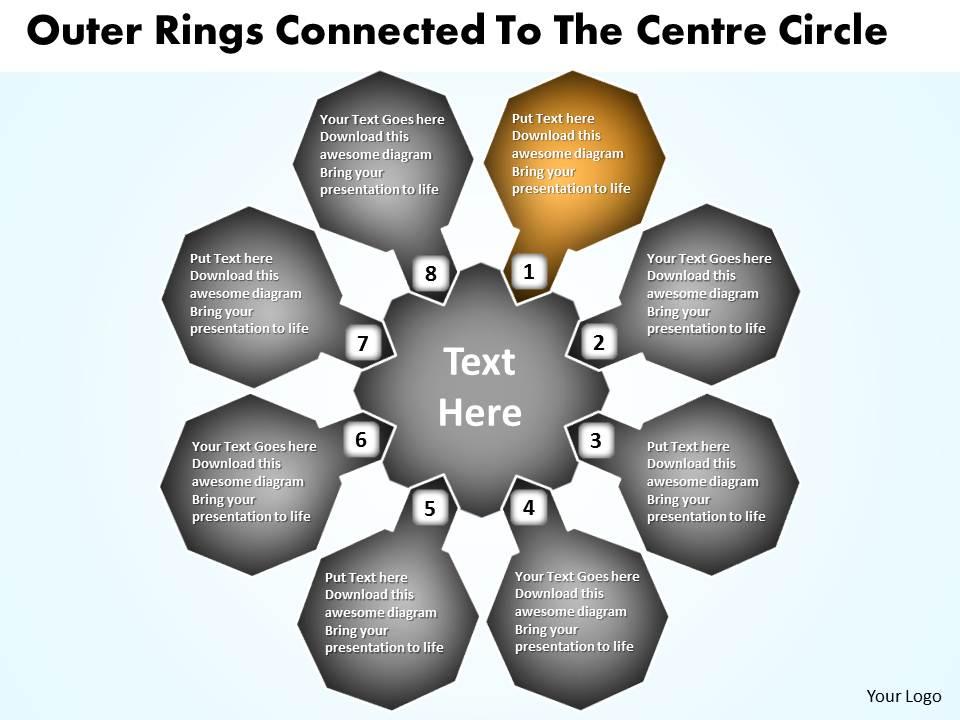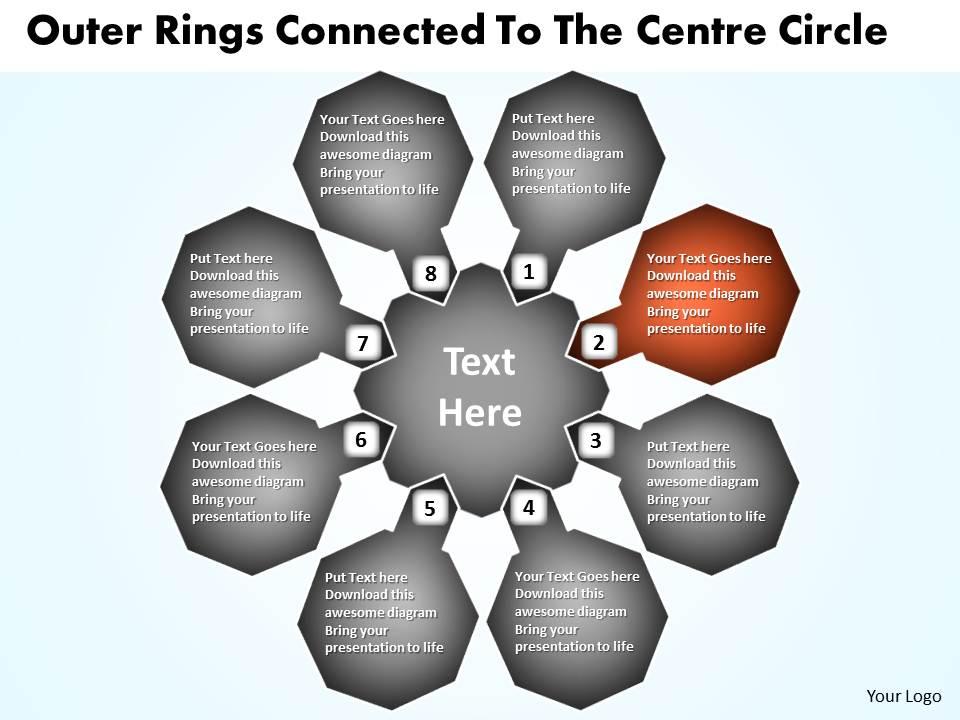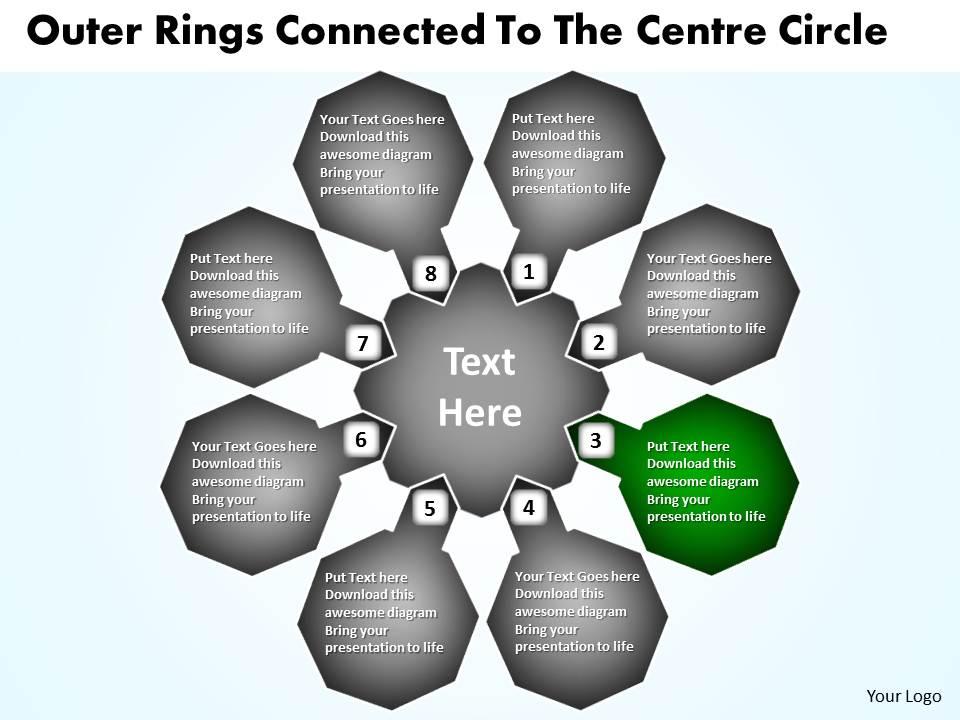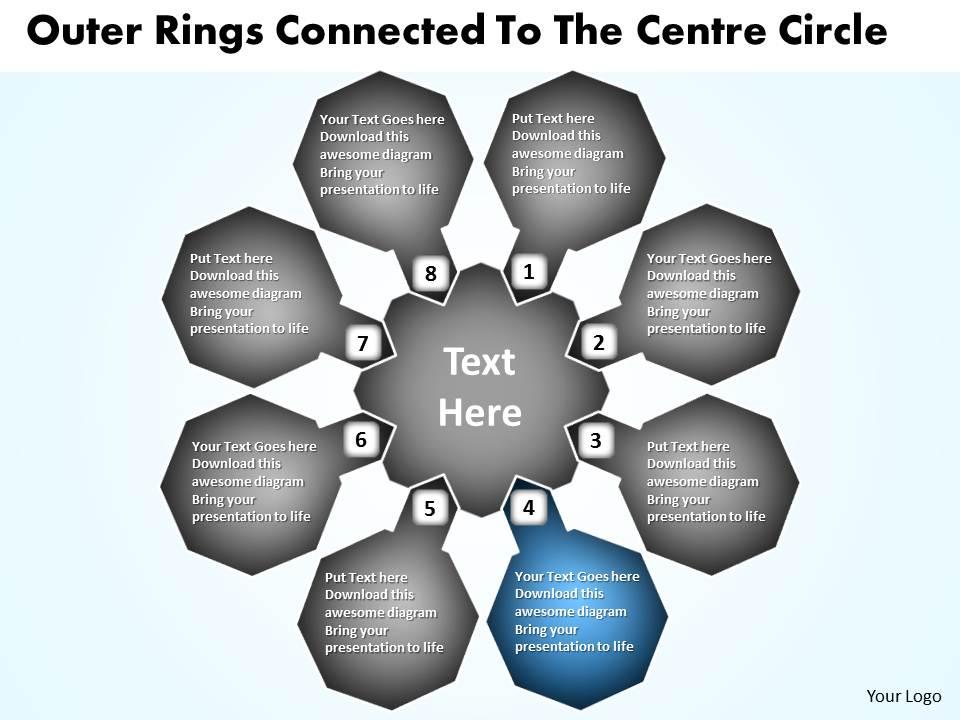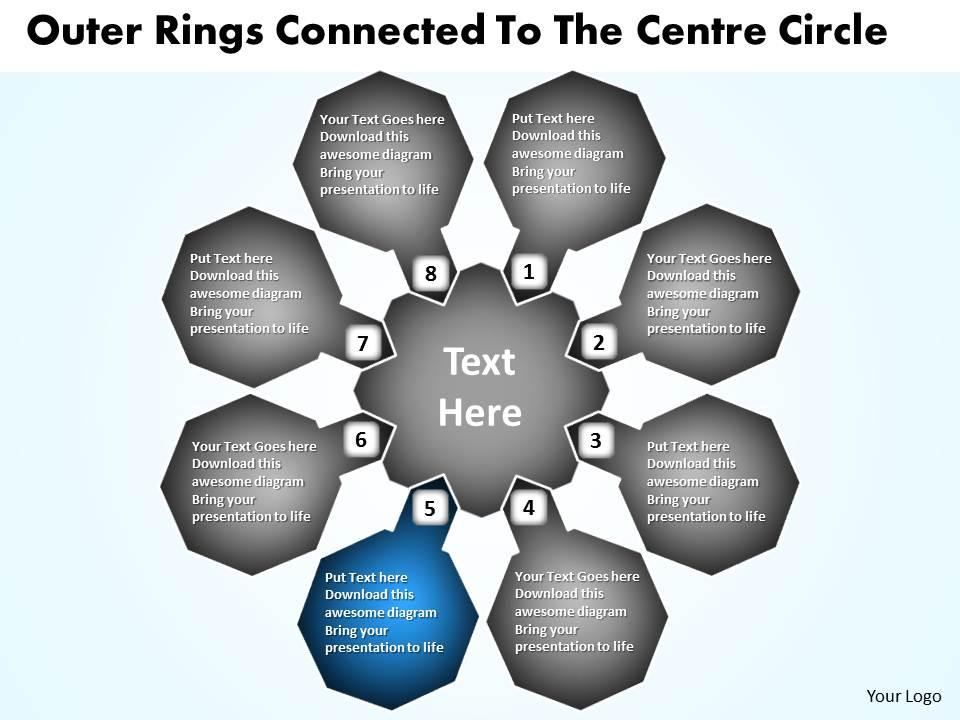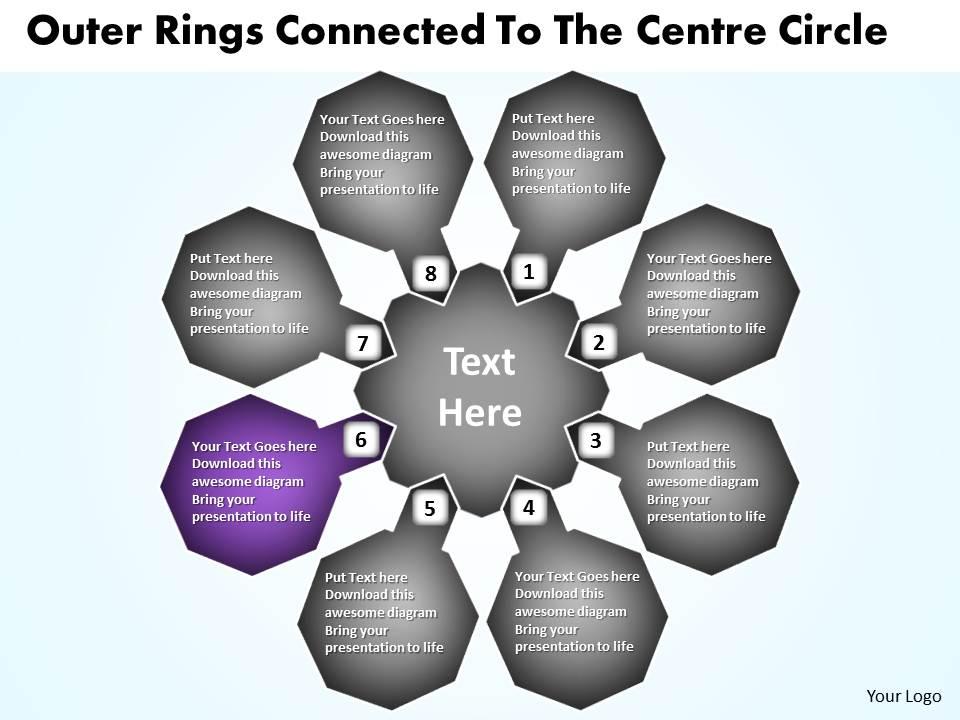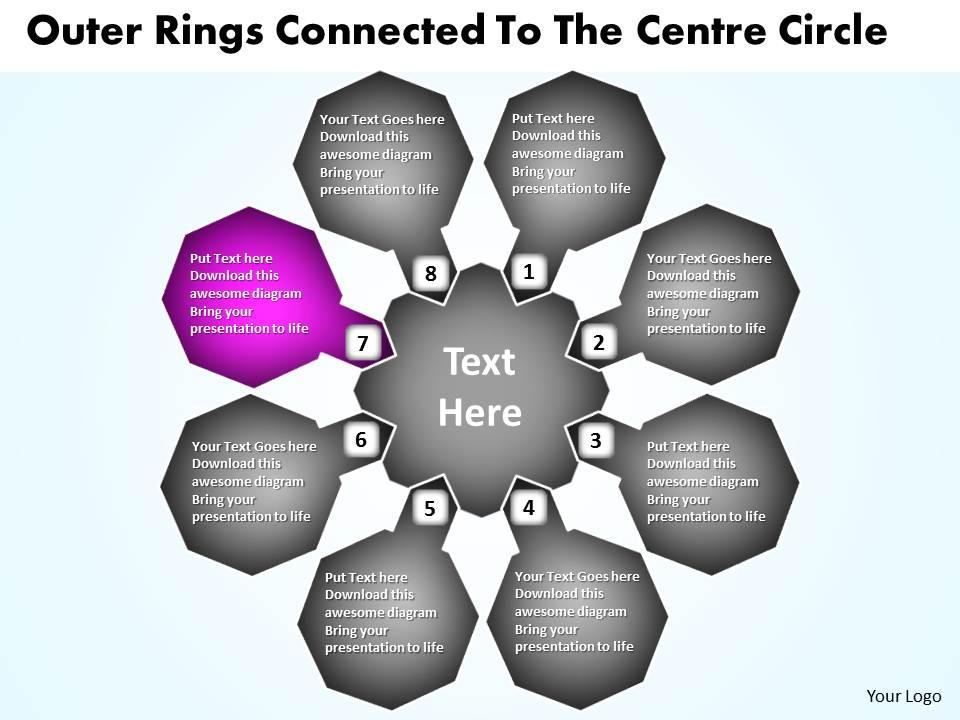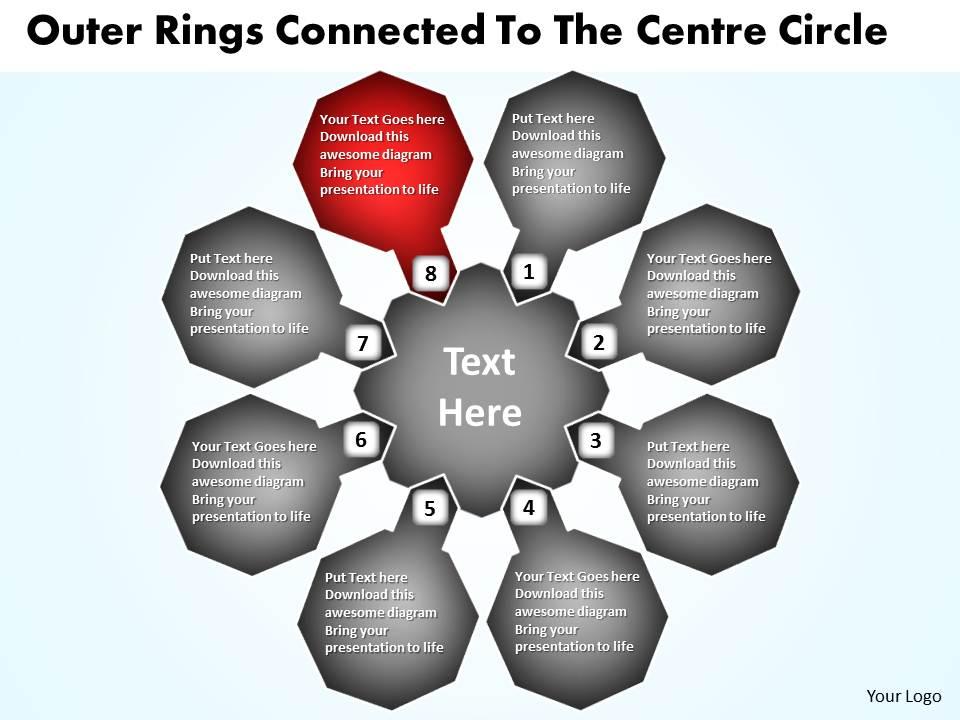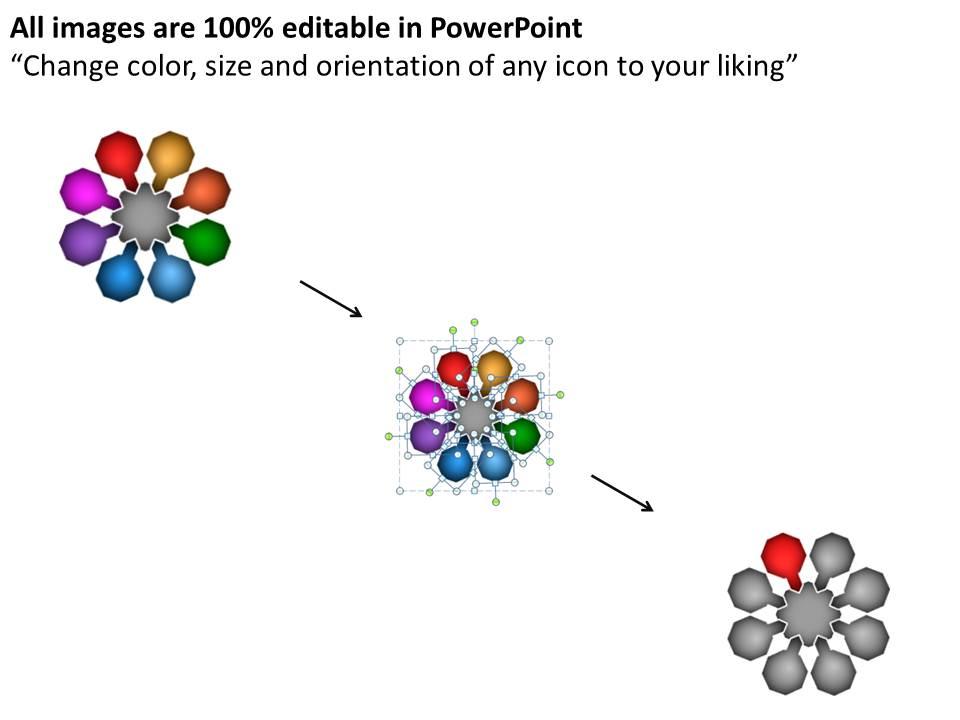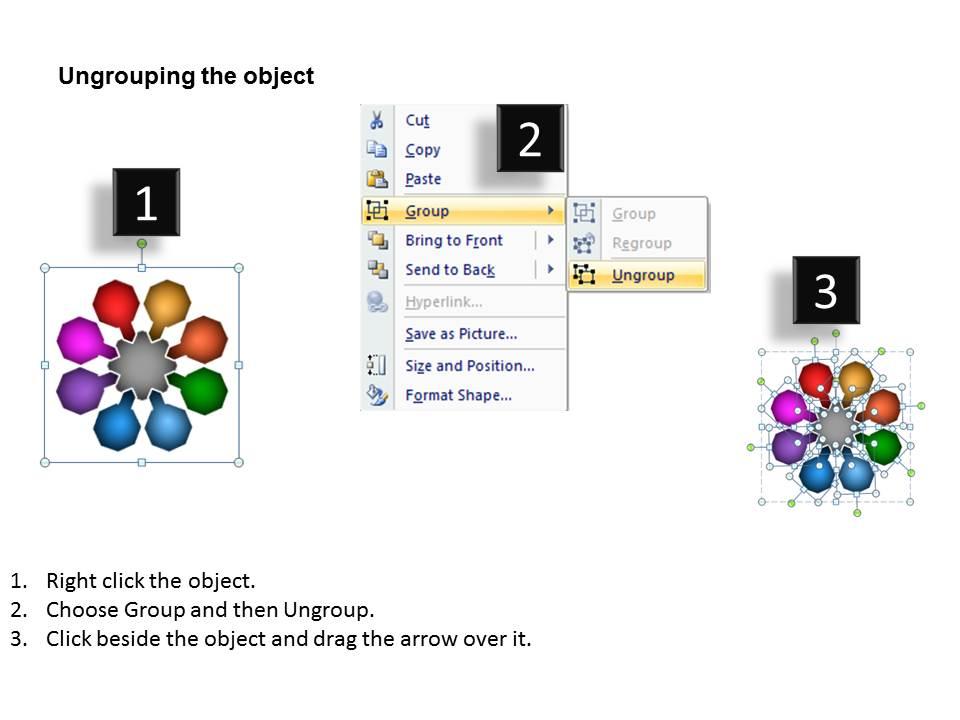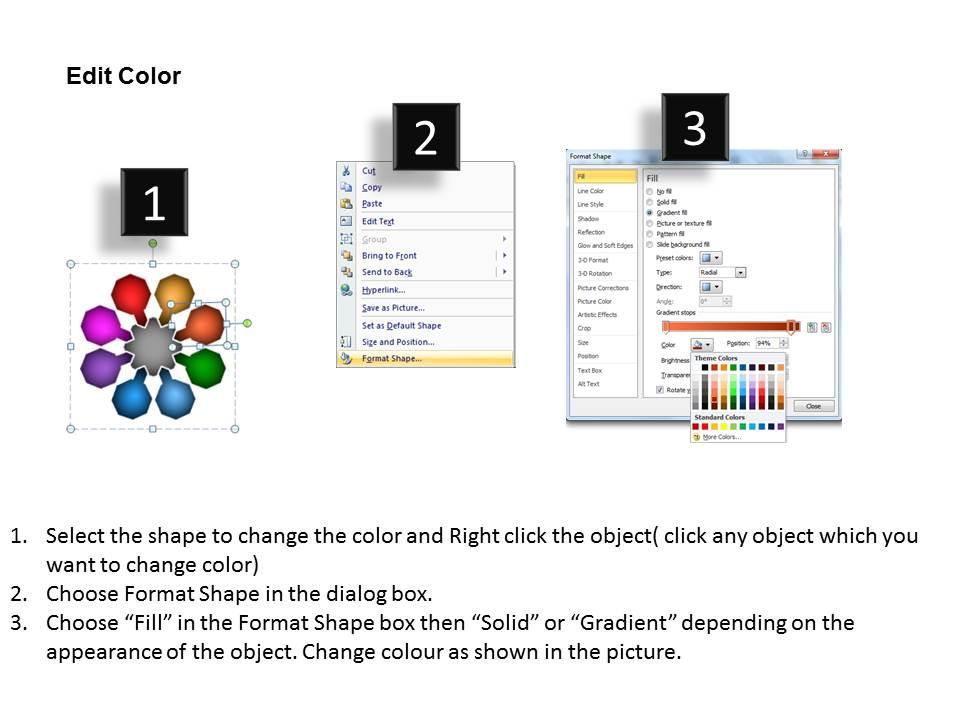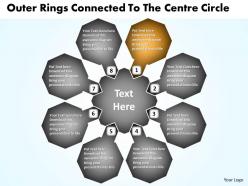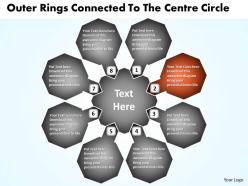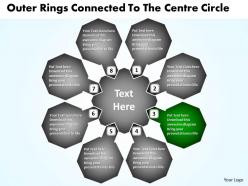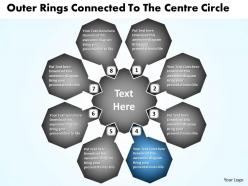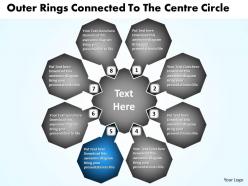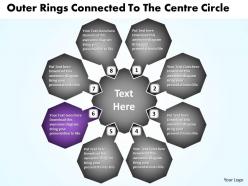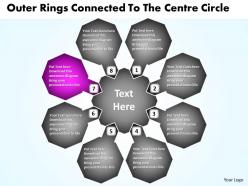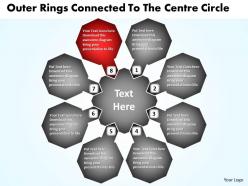
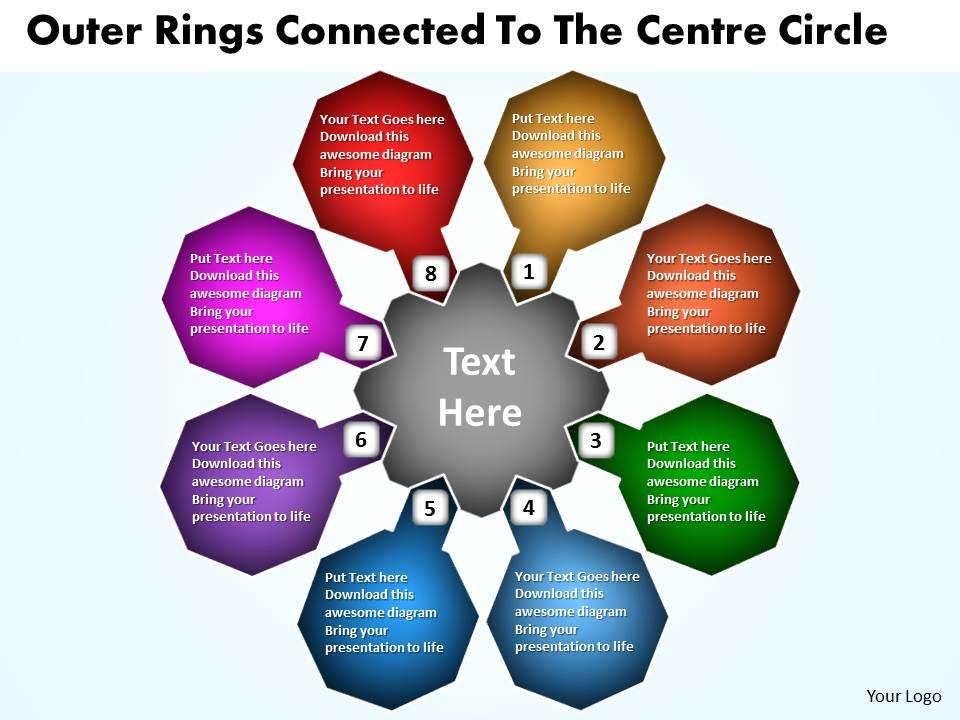
Outer rings conected to the centre circle business process templates ppt presentation slides 812
Try Before you Buy Download Free Sample Product
Audience
Editable
of Time
Our Outer Rings Conected To The Centre Circle Business Process Templates ppt presentation slides 812 go beyond the obvious. Unearth their true worth with your probing thoughts.
People who downloaded this PowerPoint presentation also viewed the following :
Outer rings conected to the centre circle business process templates ppt presentation slides 812 with all 12 slides:
Our Outer Rings Conected To The Centre Circle Business Process Templates ppt presentation slides 812 are truly out of this world. Even the MIB duo has been keeping tabs on our team.
FAQs for Outer rings conected to the centre circle business process templates ppt
Key components include process objectives, step-by-step workflows, roles and responsibilities, input and output requirements, and performance metrics. These elements work together by providing clear structure, accountability, and measurability, with organizations across manufacturing, healthcare, and financial services finding that well-designed templates reduce errors, accelerate training, and ensure consistent execution.
Business process templates improve operational efficiency by standardizing workflows, reducing training time, minimizing errors, and ensuring consistent quality across teams. Through these structured frameworks, organizations streamline task execution, accelerate employee onboarding, and enhance resource allocation, with many companies finding that templates ultimately deliver faster project completion and significant cost reductions.
Industries with complex regulatory requirements and high-volume transactions benefit most from standardized business process templates, including healthcare, financial services, manufacturing, retail, and telecommunications. These sectors leverage templates to ensure compliance, reduce operational costs, and maintain consistency across multiple locations, with many organizations finding that standardized processes accelerate employee onboarding and minimize costly errors.
Customizing business process templates involves analyzing existing workflows, identifying organizational pain points, modifying template steps to match company-specific procedures, and integrating relevant stakeholders and approval hierarchies. Through strategic adaptation, organizations streamline operations while maintaining compliance requirements, with many finding that tailored templates reduce processing time, enhance accountability, and deliver scalable frameworks that evolve alongside business growth and operational complexity.
Business process templates serve as structured frameworks that guide organizations through transitions by standardizing workflows, documenting procedural changes, and ensuring consistent implementation across departments. These templates enable change managers to communicate new processes clearly, train employees systematically, and monitor adoption rates effectively, while organizations find that standardized templates reduce resistance to change and accelerate successful transformations.
Organizations ensure compliance using business process templates by embedding regulatory requirements, audit trails, and standardized checkpoints directly into workflows, creating consistent adherence across all departments and locations. These templates enable automatic documentation, real-time monitoring, and systematic risk management, with financial services and healthcare organizations finding that structured processes significantly reduce compliance violations while streamlining regulatory reporting and oversight activities.
**INPUT**: What are the best practices for documenting business processes within a template? **OUTPUT**: Best practices for documenting business processes include standardized formatting, clear step-by-step workflows, defined roles and responsibilities, measurable outcomes, and regular review cycles. These approaches streamline operations by ensuring consistency, reducing training time, and enabling quality control, with many organizations finding that well-documented templates ultimately deliver improved efficiency and seamless knowledge transfer across teams. [Word count: 58 words]
Business process templates facilitate training and onboarding by providing standardized procedures, clear role definitions, step-by-step workflows, and consistent documentation that new employees can easily follow. These templates streamline knowledge transfer across departments like HR, sales, and operations, enabling faster employee integration, reducing training costs, and ensuring consistent service delivery while minimizing onboarding errors.
Recommended tools include Microsoft Visio, Lucidchart, Process Street, Nintex, and Bizagi for creating comprehensive business process templates. These platforms streamline workflow design through drag-and-drop interfaces, automated documentation, and collaborative features, with many organizations finding that cloud-based solutions like Lucidchart and Process Street deliver enhanced accessibility and real-time team collaboration.
Common mistakes include creating overly complex workflows, failing to involve key stakeholders during design, neglecting regular updates, and designing processes that don't align with organizational goals or technological capabilities. Many organizations find that avoiding rigid templates, ensuring clear role definitions, and incorporating feedback loops from actual users prevents implementation failures, ultimately delivering more adaptable processes and better operational efficiency.
Business process templates assist continuous improvement initiatives by providing standardized frameworks for identifying inefficiencies, measuring performance metrics, and implementing systematic changes across operations. These templates enable organizations to conduct consistent gap analyses, track improvement outcomes, and scale successful modifications throughout departments, with many companies finding that structured approaches accelerate optimization cycles while maintaining quality standards.
Organizations should track template adoption rates, process completion times, error reduction percentages, user satisfaction scores, and compliance adherence metrics to evaluate effectiveness. These measurements enable businesses to identify bottlenecks, streamline workflows, and enhance operational efficiency, with many companies finding that well-monitored templates deliver faster cycle times and improved quality outcomes.
Visual elements enhance business process templates by improving clarity, reducing interpretation errors, and accelerating comprehension through flowcharts, color coding, icons, and standardized symbols. These design features streamline workflow understanding across departments, enable faster onboarding for new employees, and minimize process deviation risks, with many organizations finding that visually enhanced templates reduce training time by up to 40% while improving operational consistency.
Technology has revolutionized business process templates by enabling real-time collaboration, automated workflows, dynamic data integration, and cloud-based accessibility across global teams. Through AI-driven analytics and digital platforms, organizations streamline template creation, enhance process standardization, and accelerate implementation timelines, with many enterprises finding that technology-enhanced templates deliver significant operational efficiency and competitive advantage.
Business process templates support cross-functional collaboration by establishing standardized workflows, defining clear roles and responsibilities, creating unified communication protocols, and providing shared documentation frameworks. Through these structured approaches, departments like marketing, finance, and operations can seamlessly coordinate activities, reduce miscommunication, and accelerate project timelines, ultimately delivering enhanced operational efficiency and stronger organizational alignment.
-
The Designed Graphic are very professional and classic.
-
Informative presentations that are easily editable.