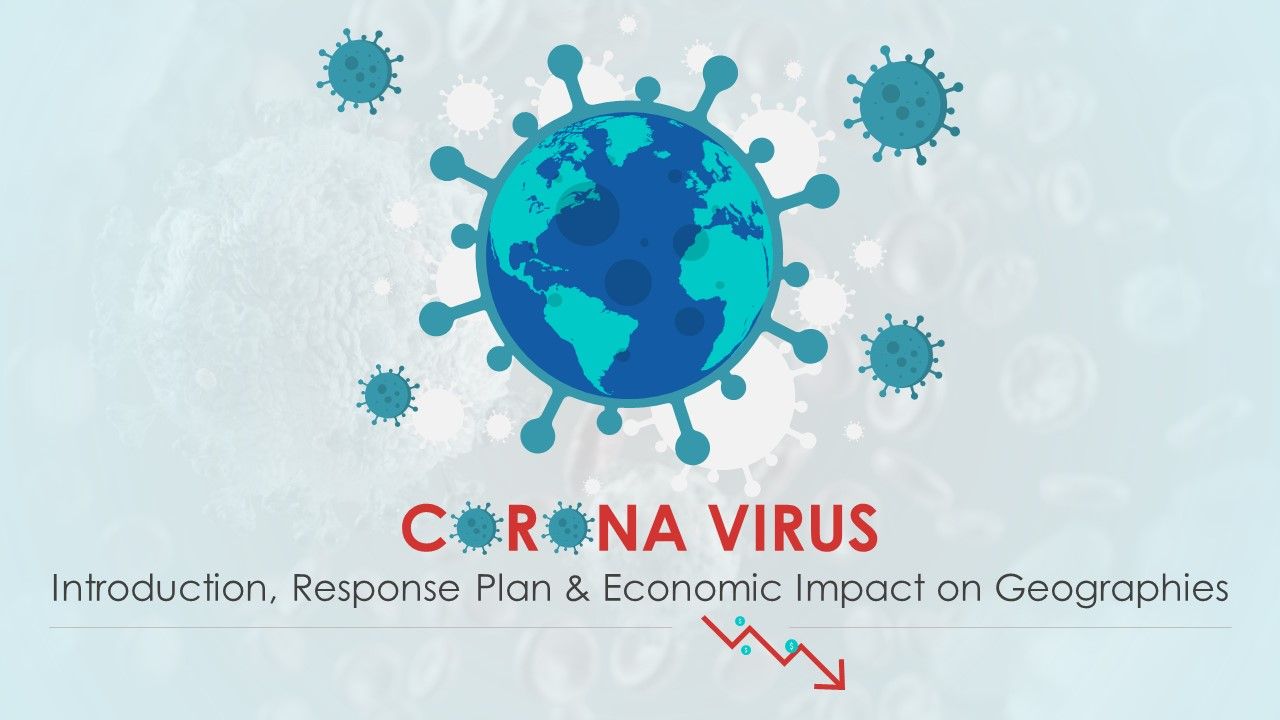
Coronavirus covid19 introduction response plan economic impact on geographies
Try Before you Buy Download Free Sample Product
Audience
Editable
of Time
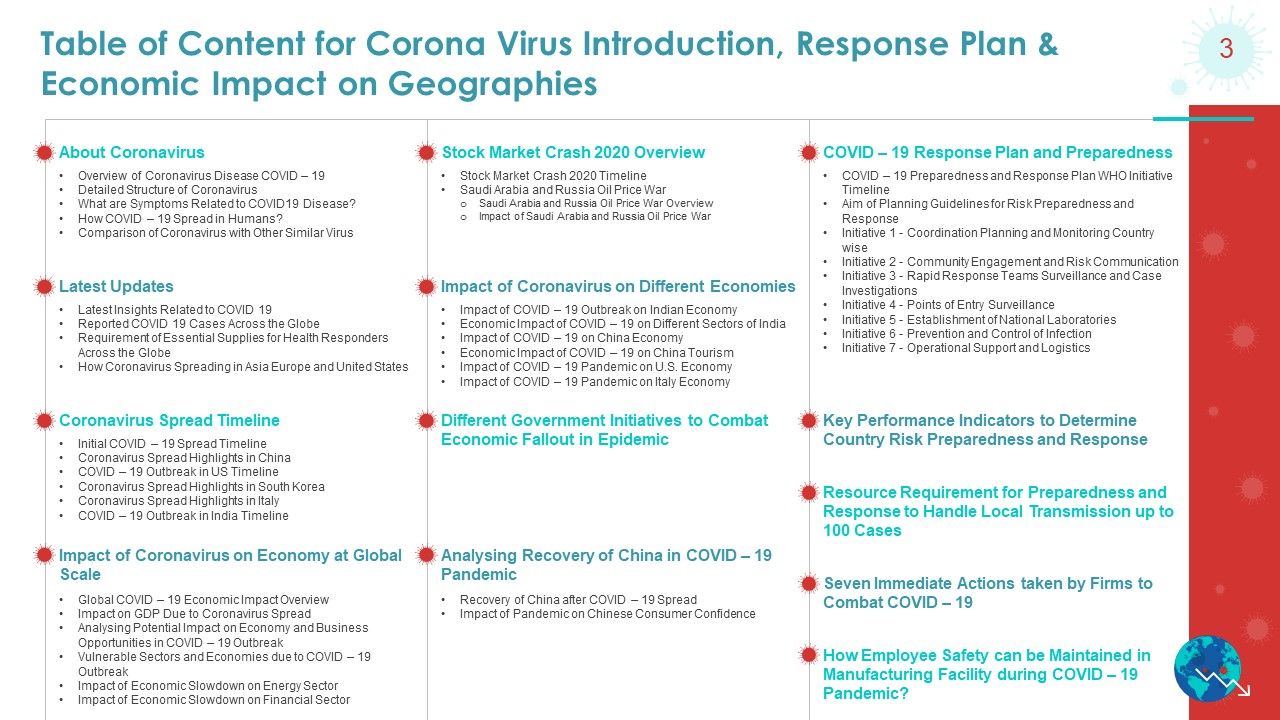
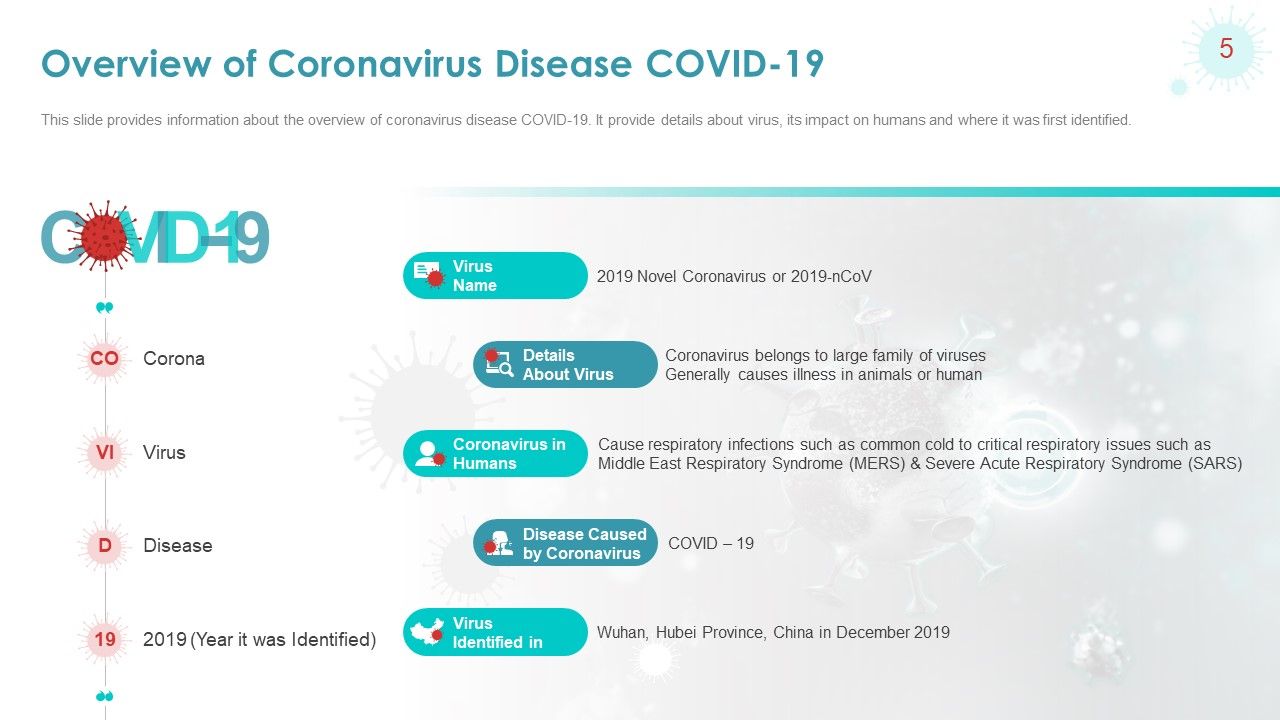
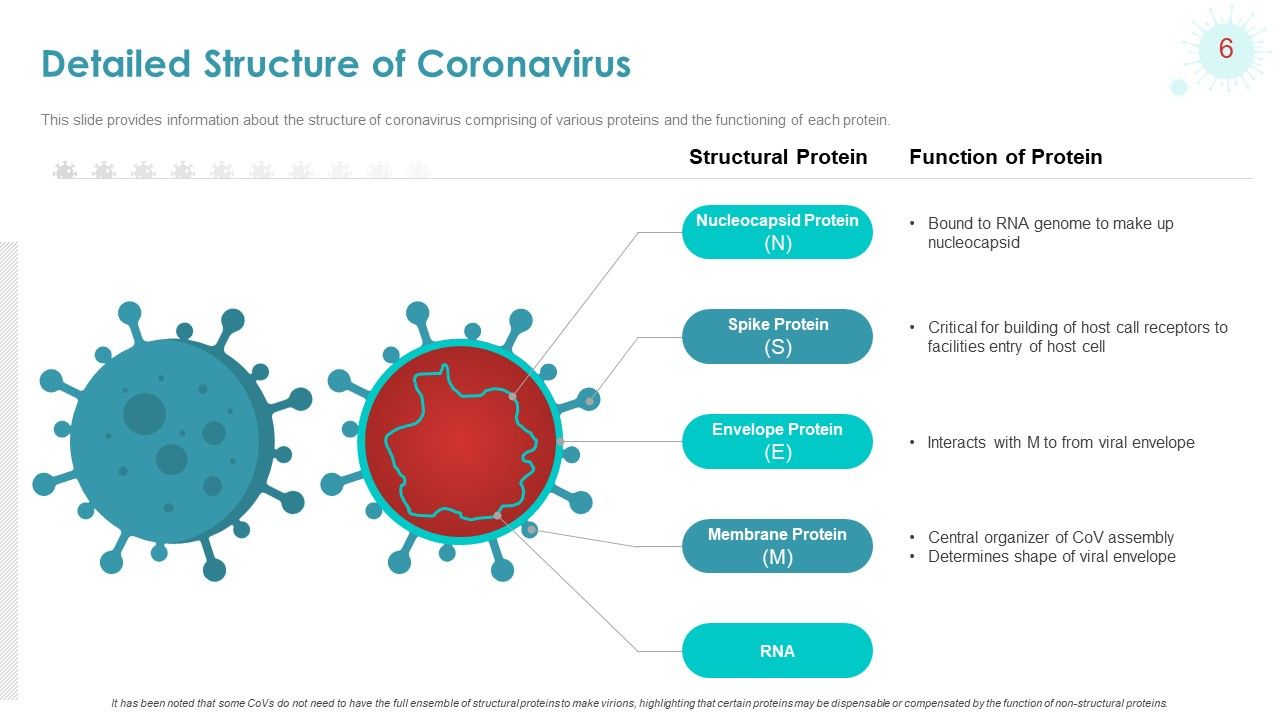
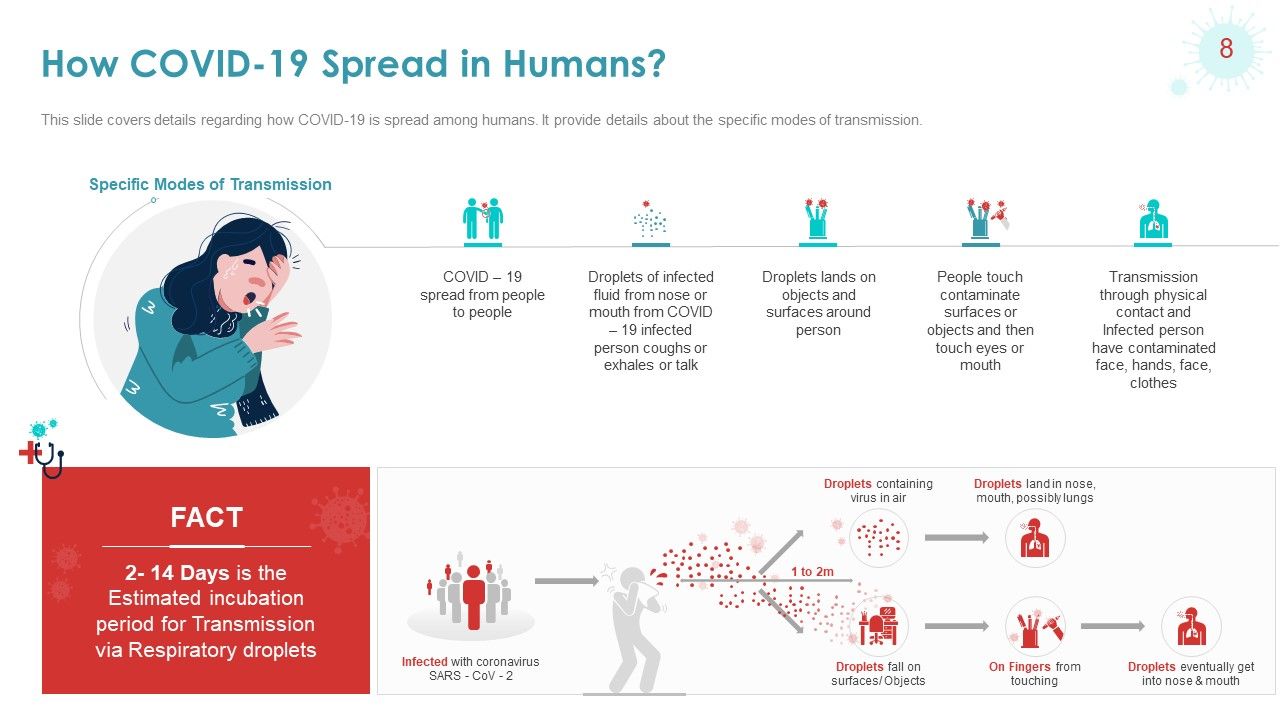
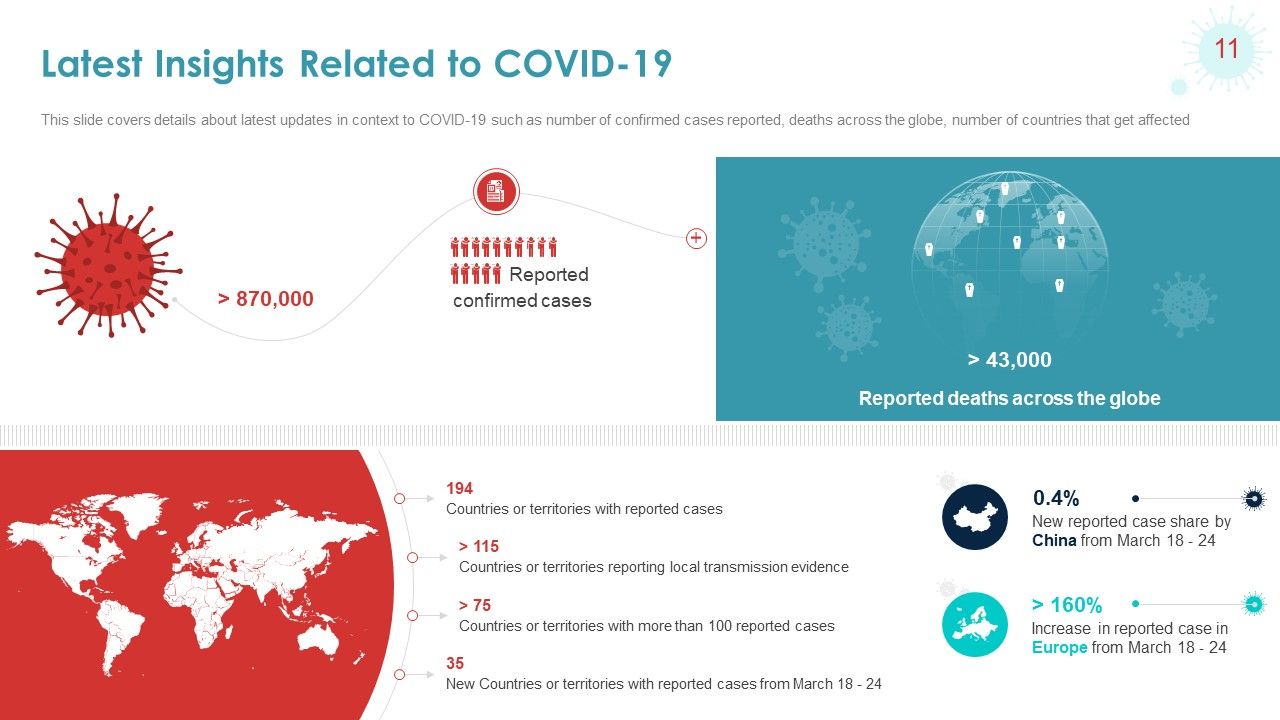
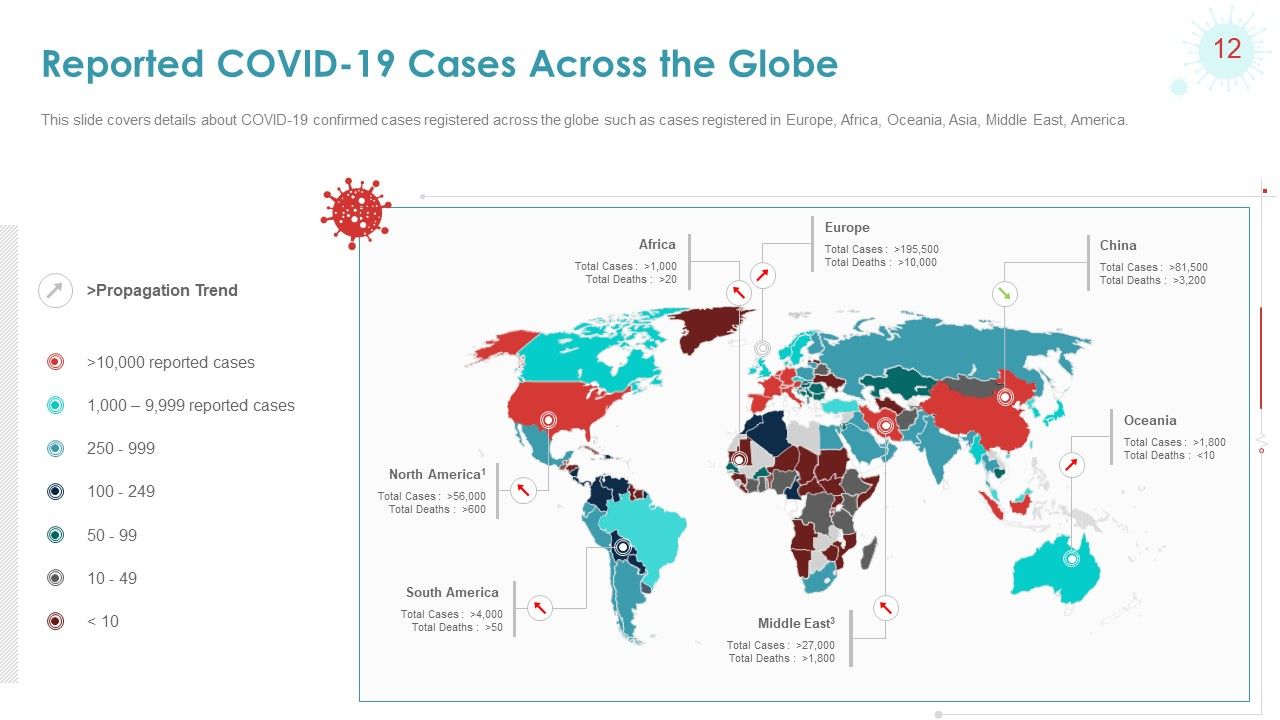
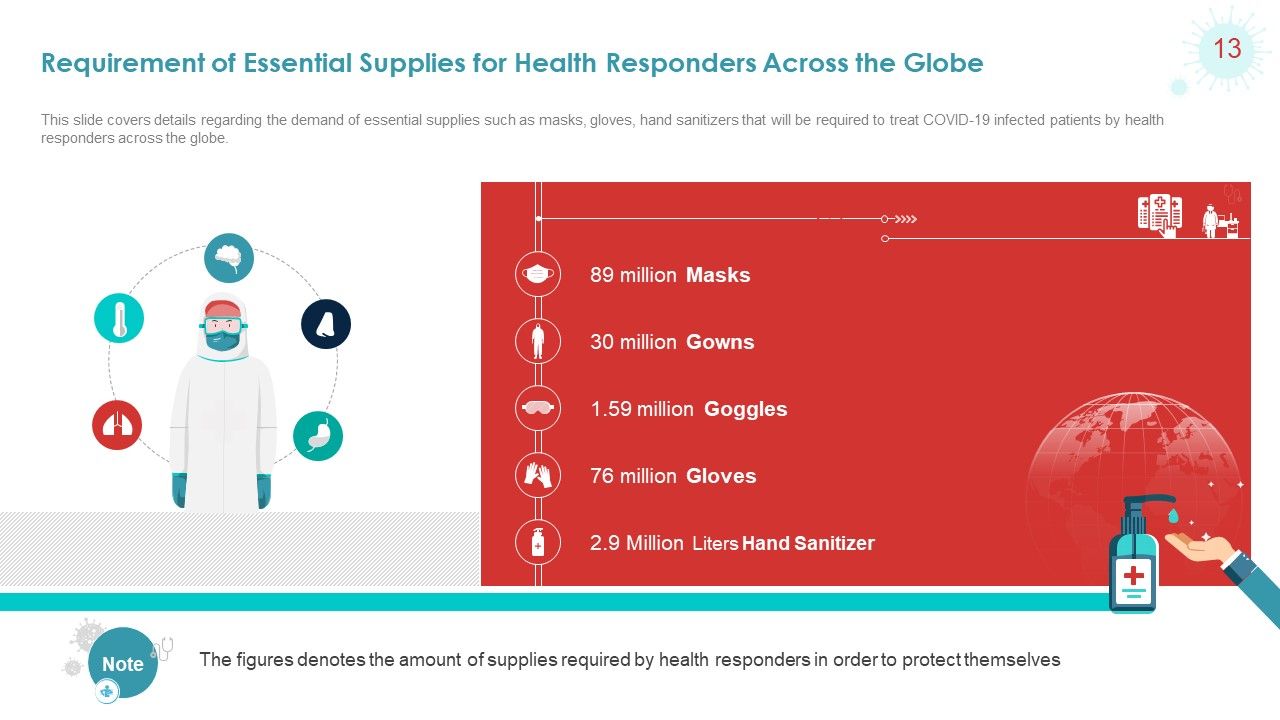
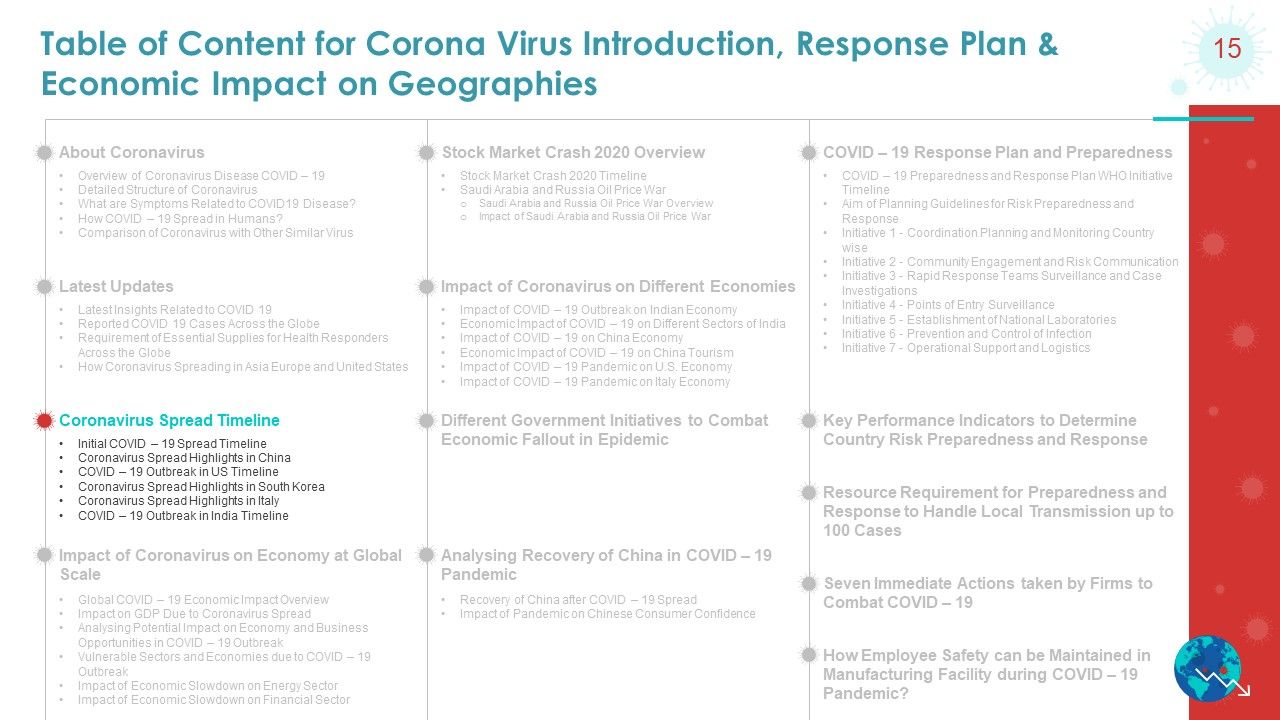
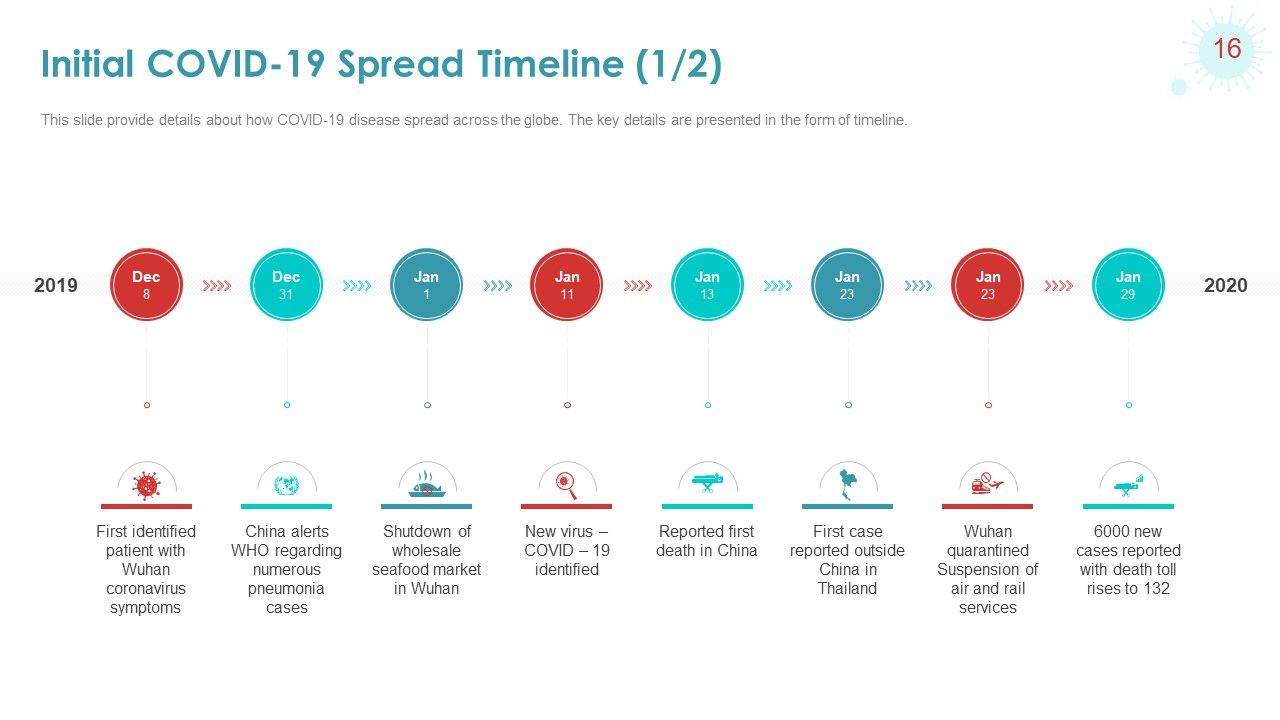
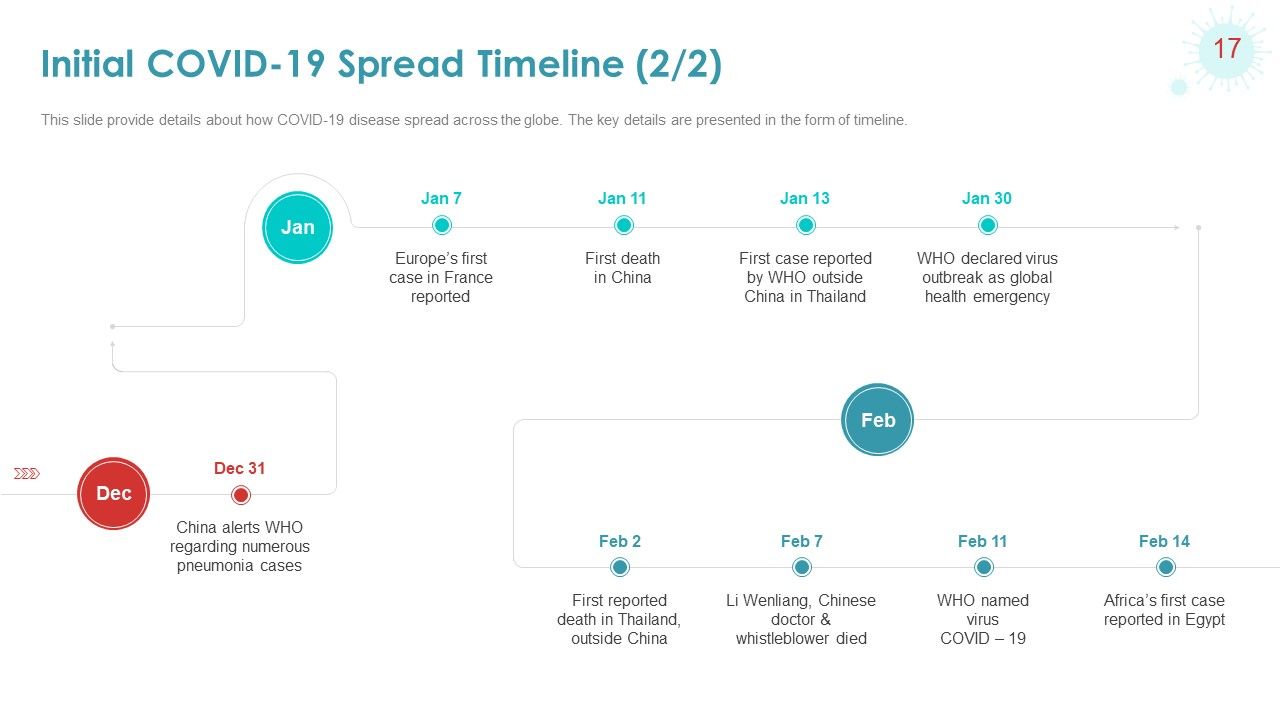
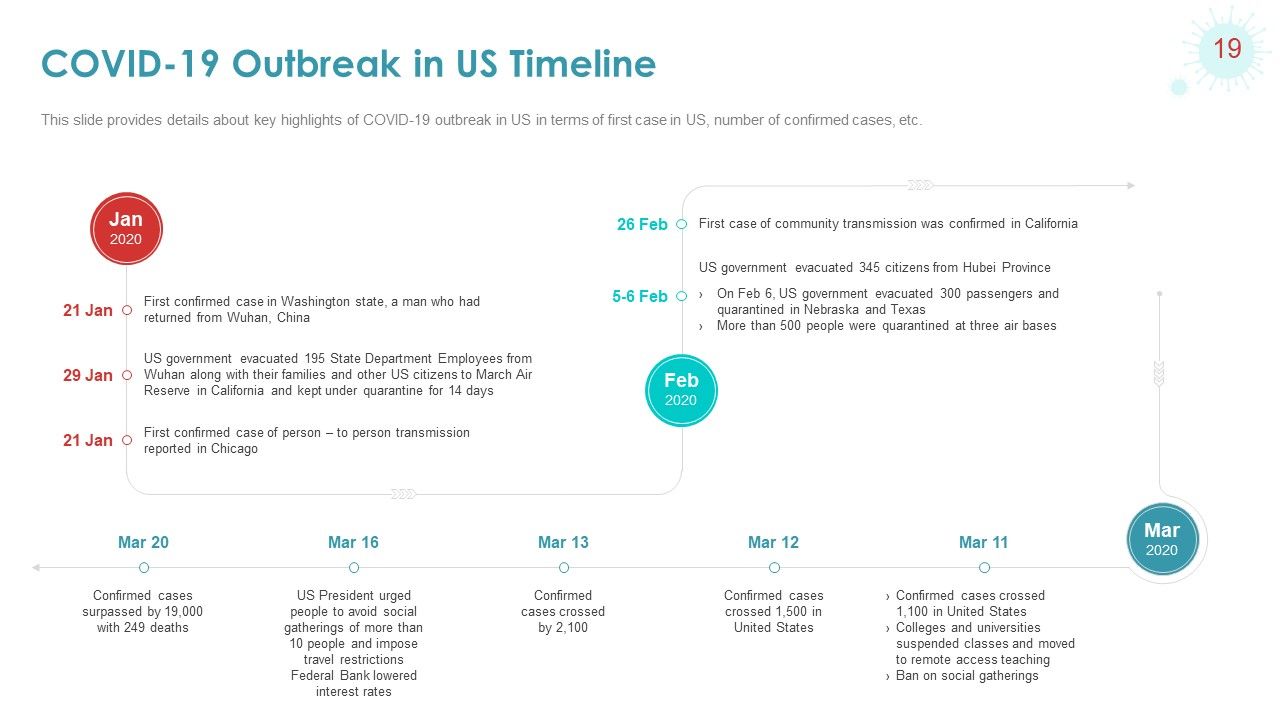
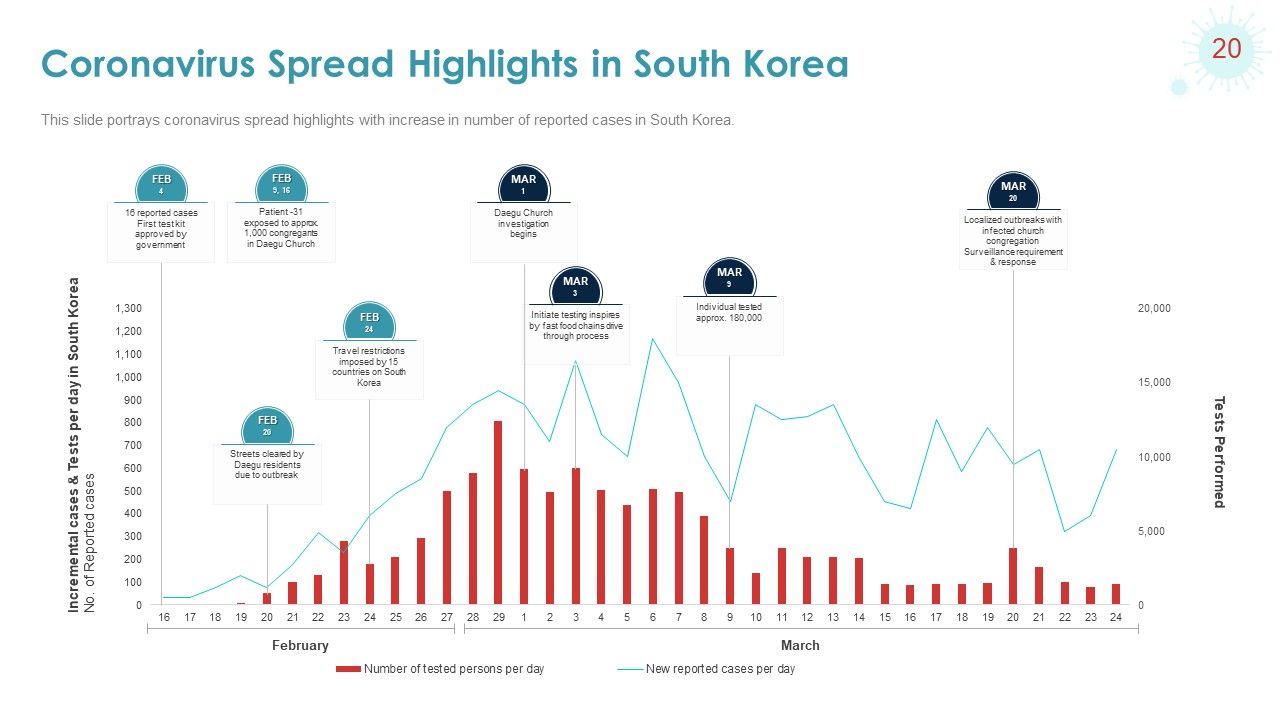
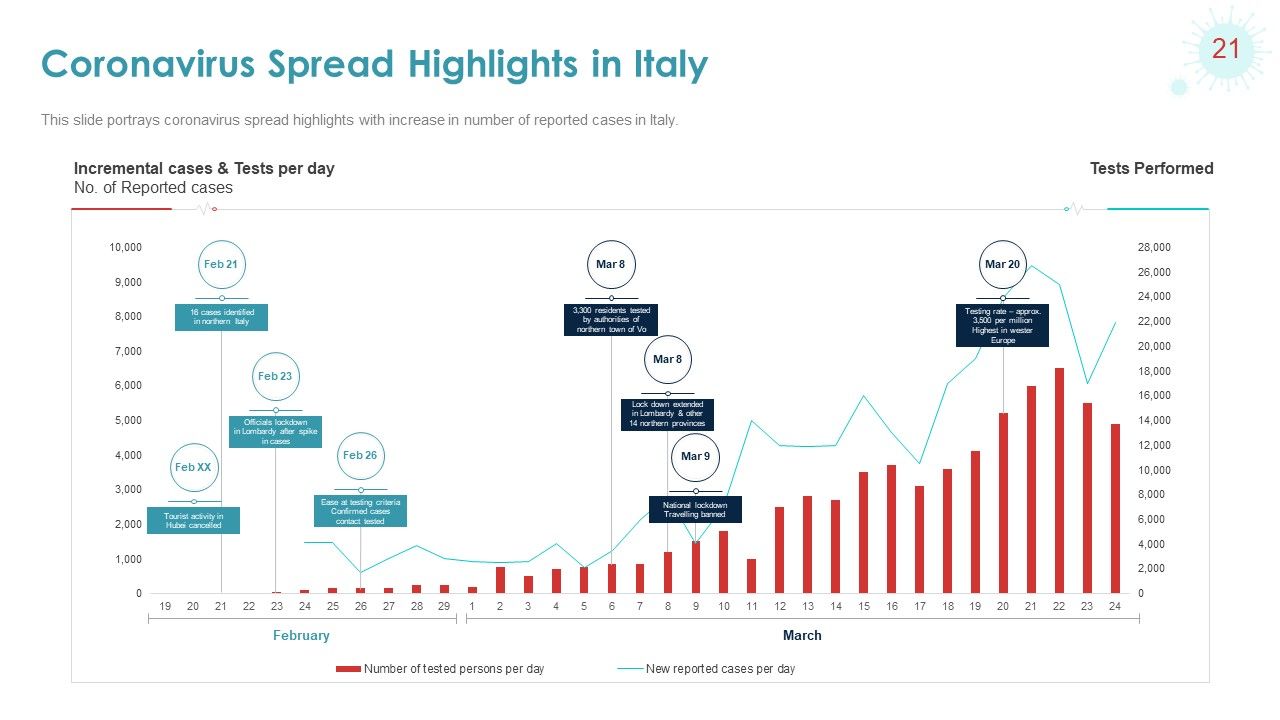
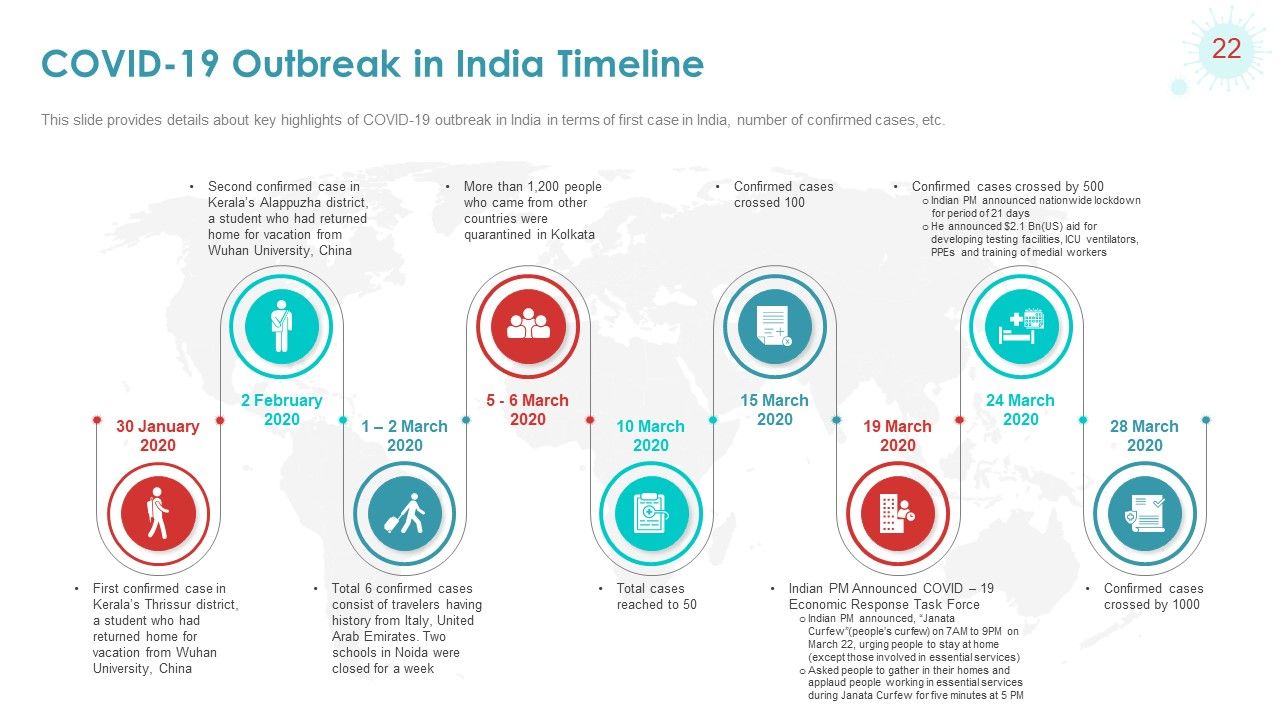
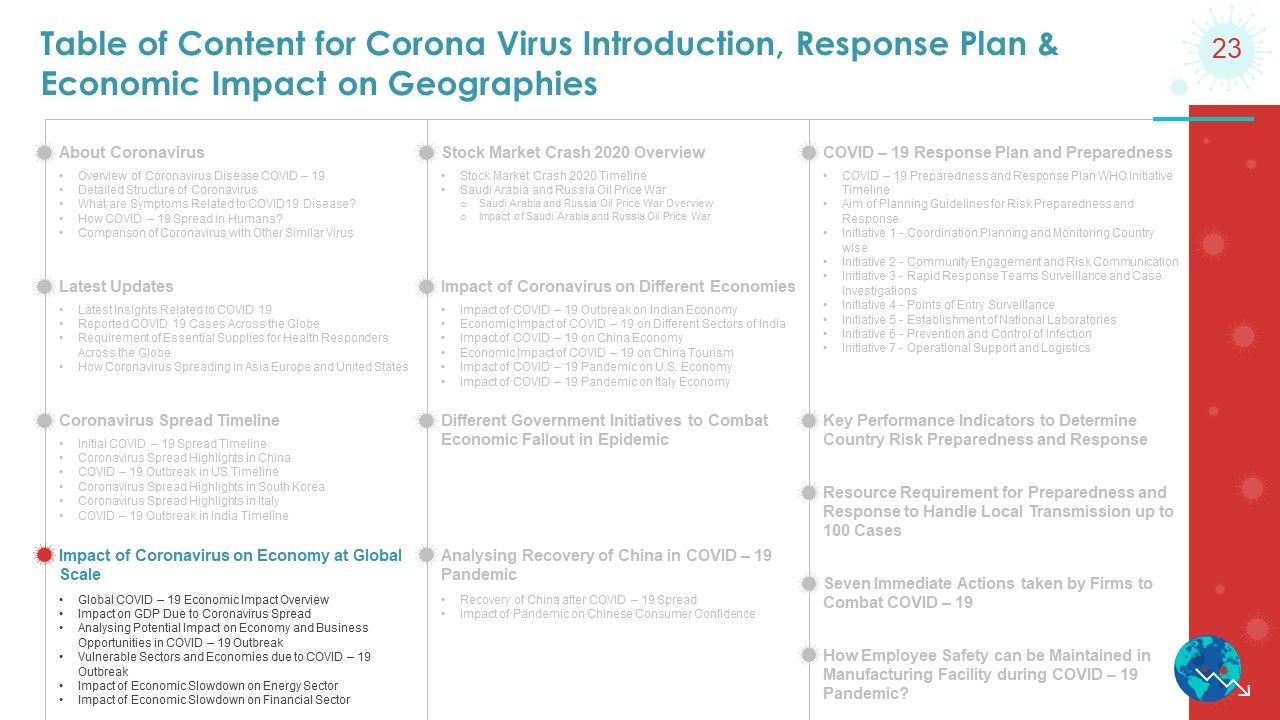
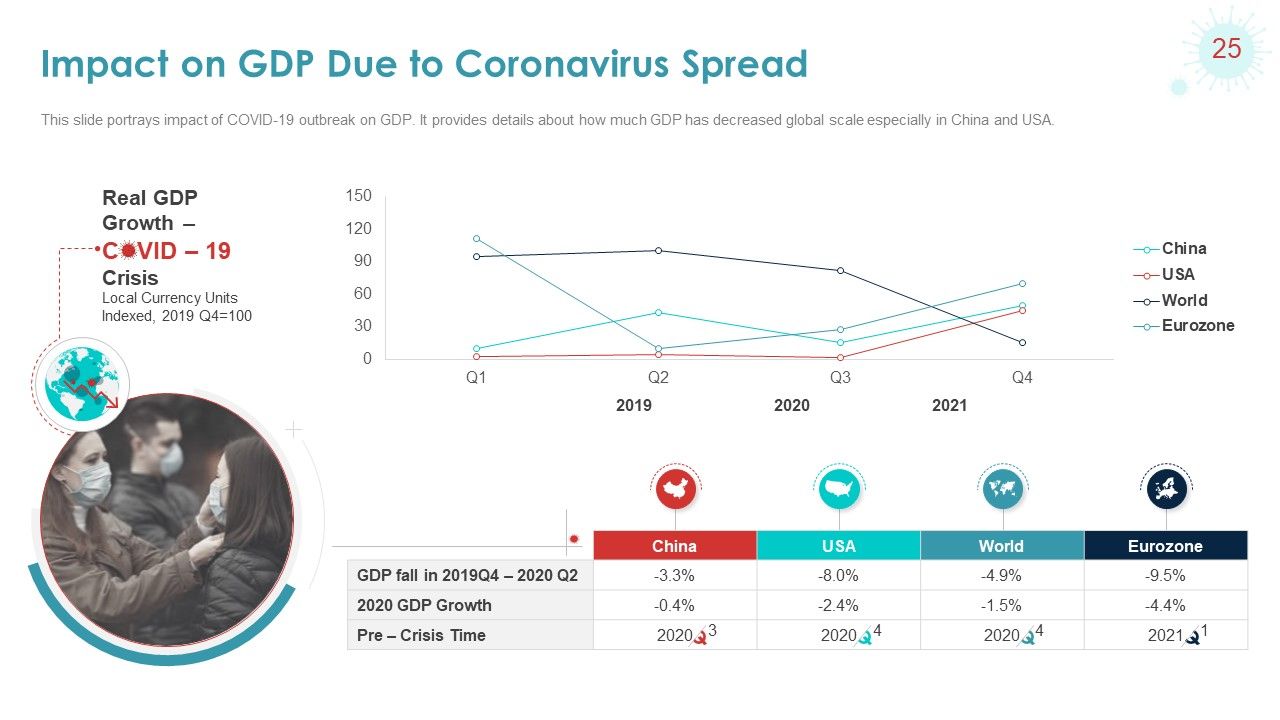
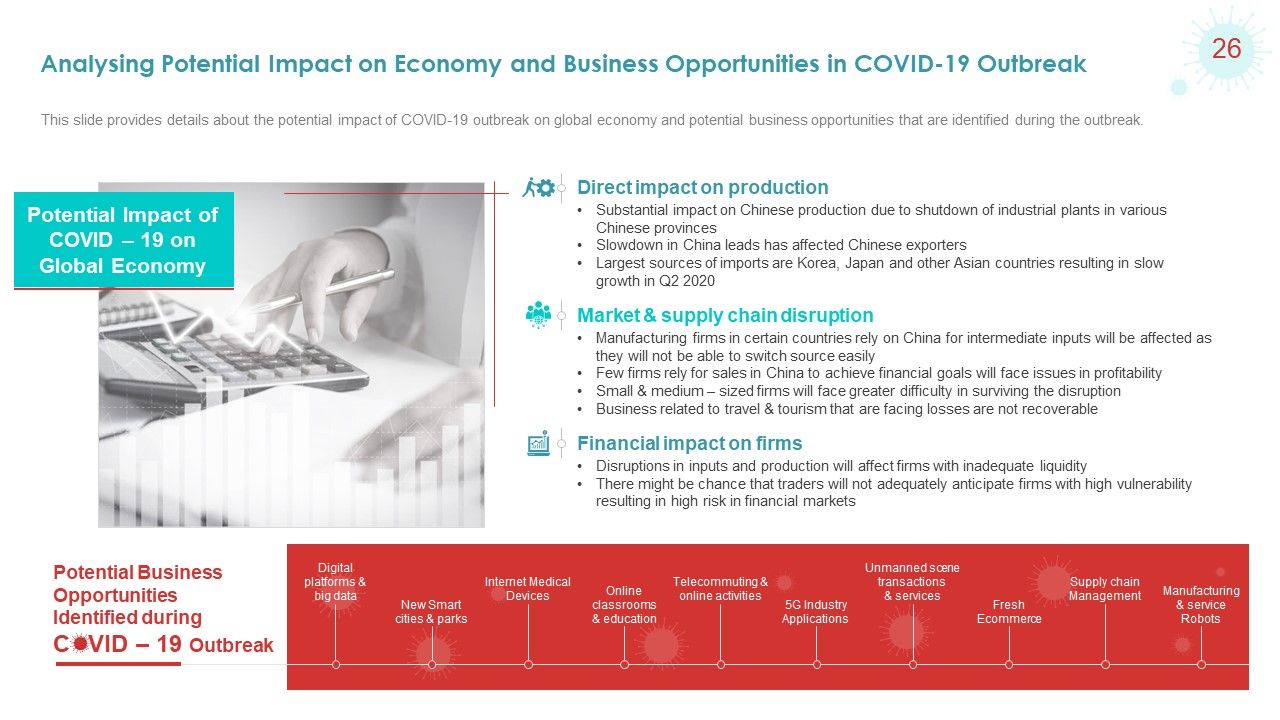
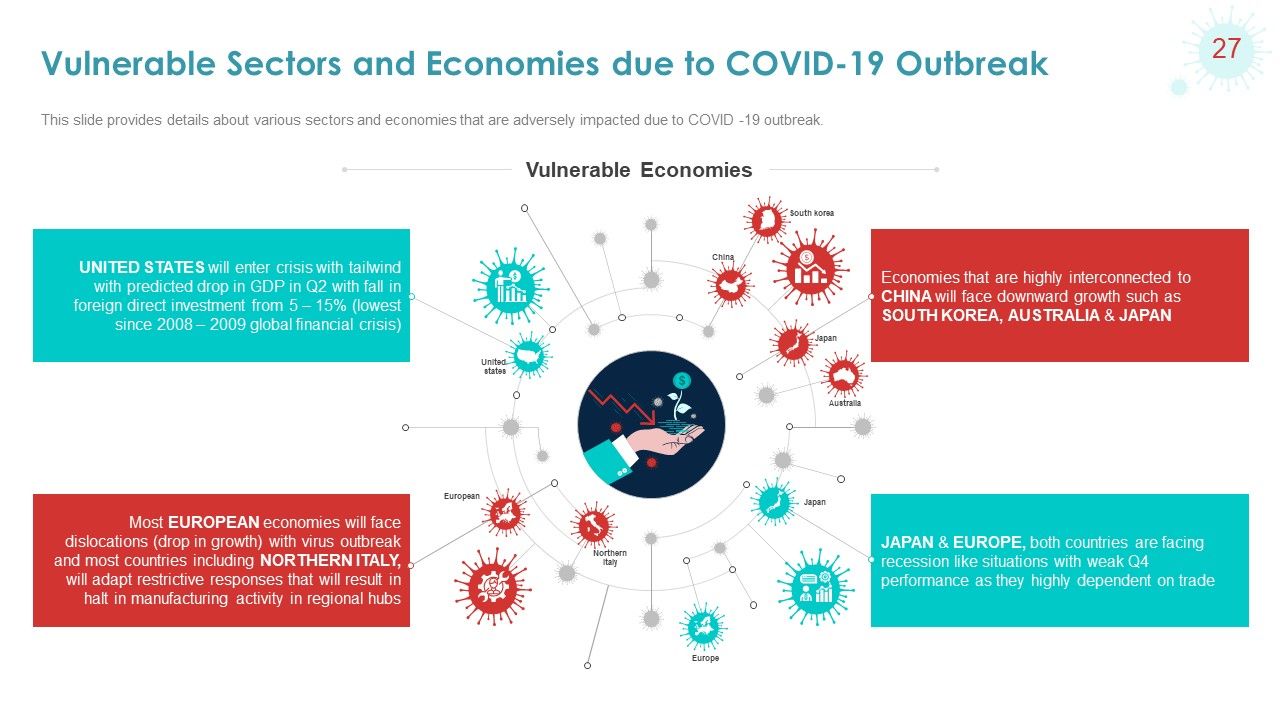
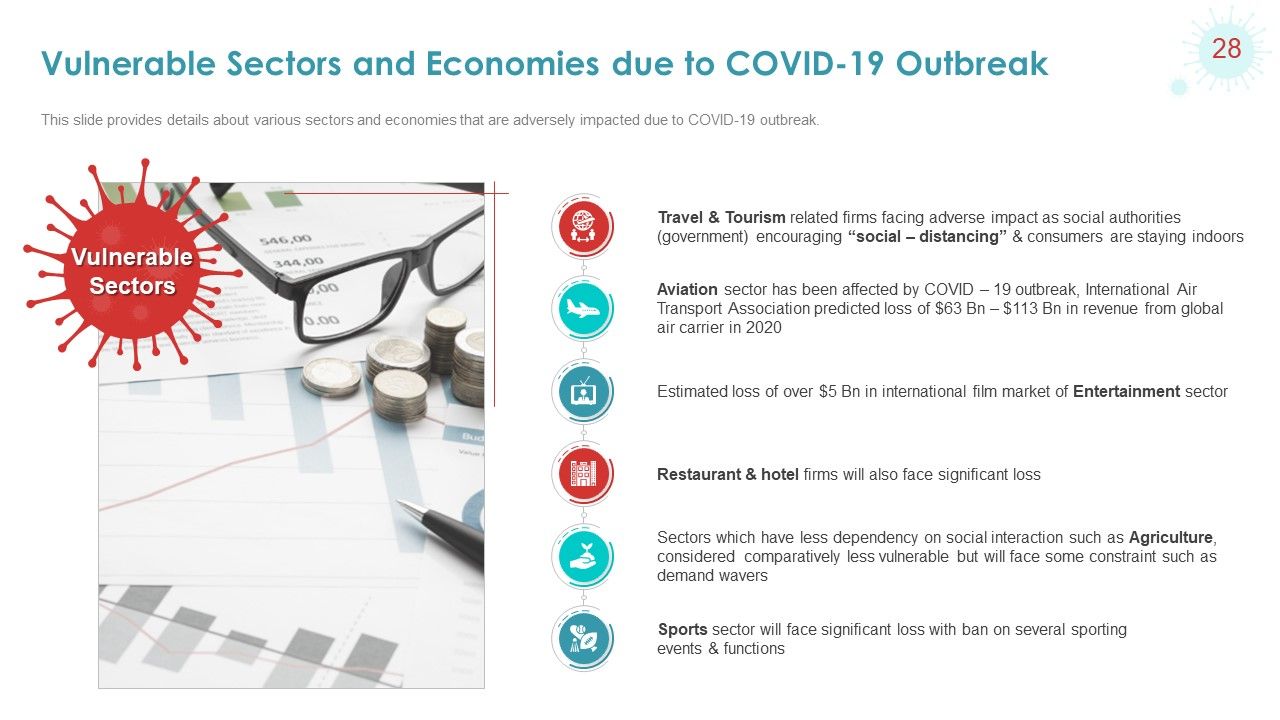
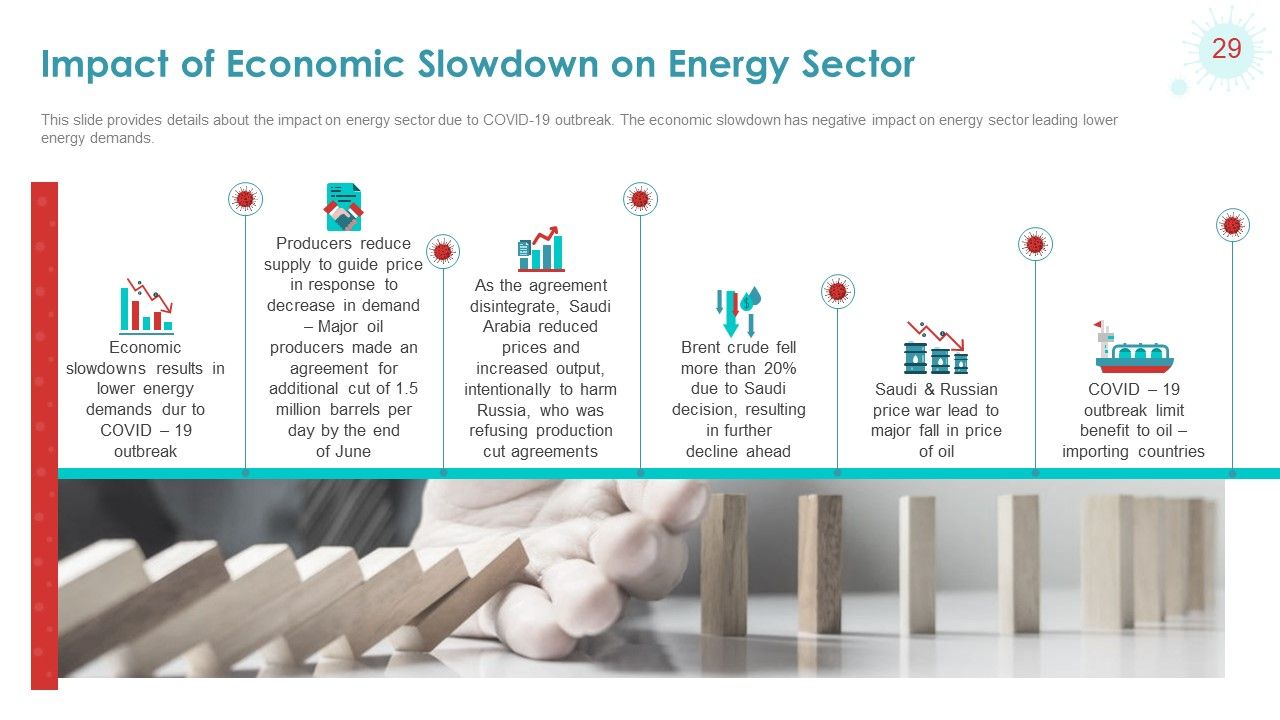
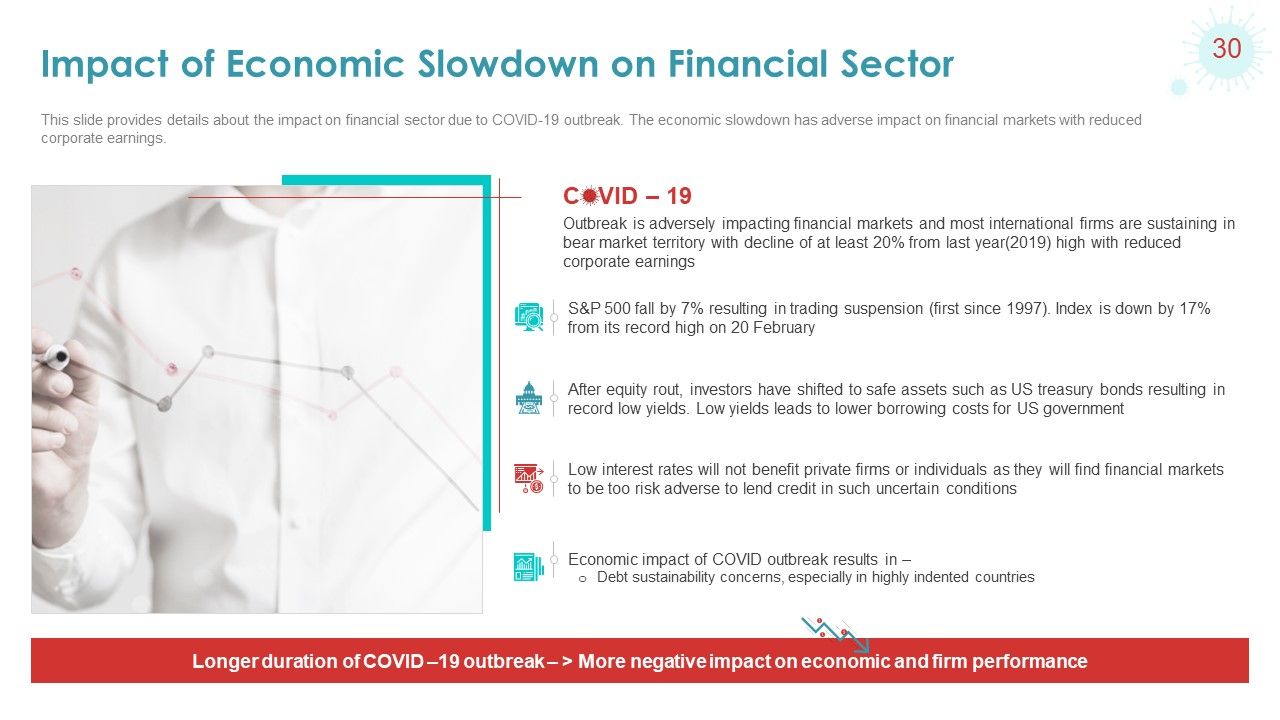
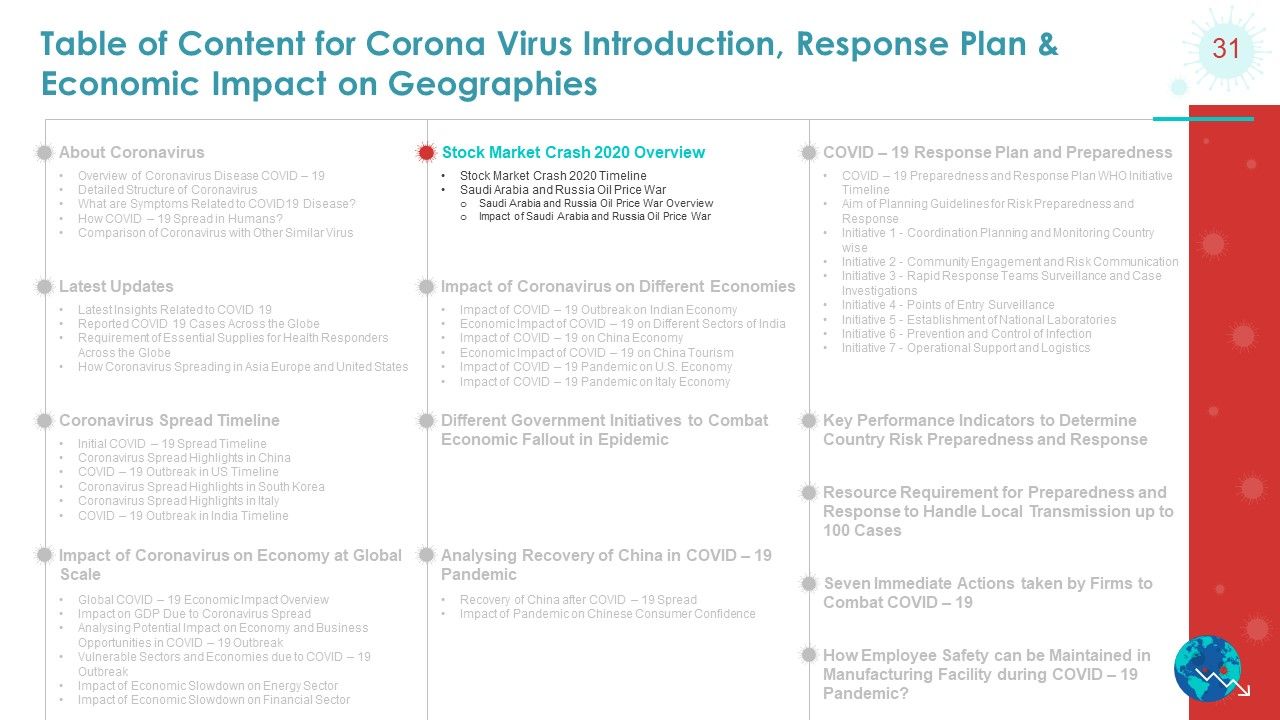
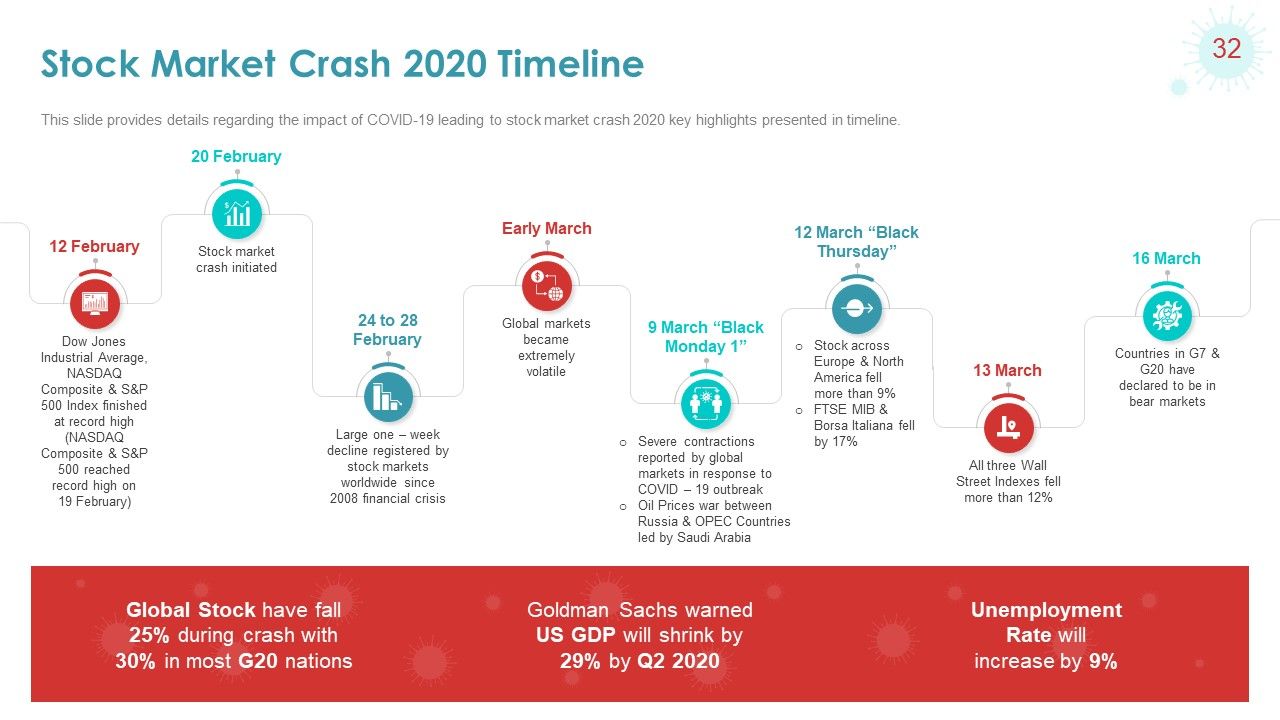
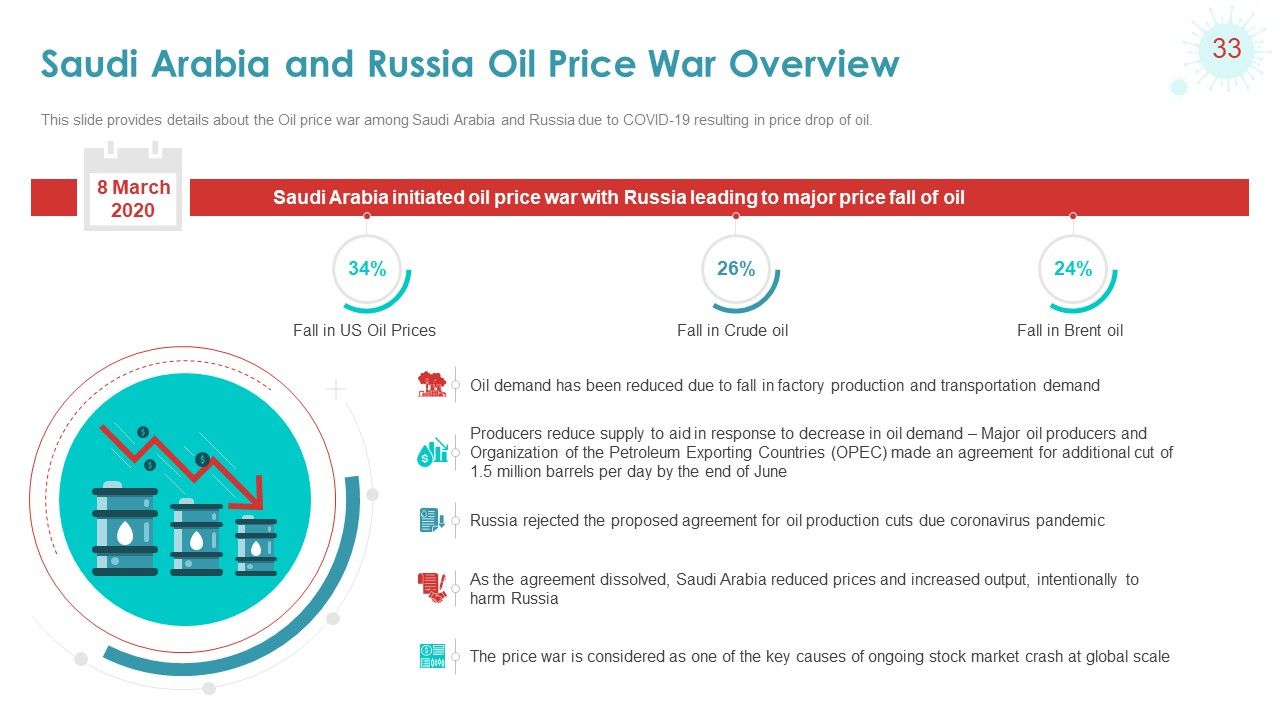
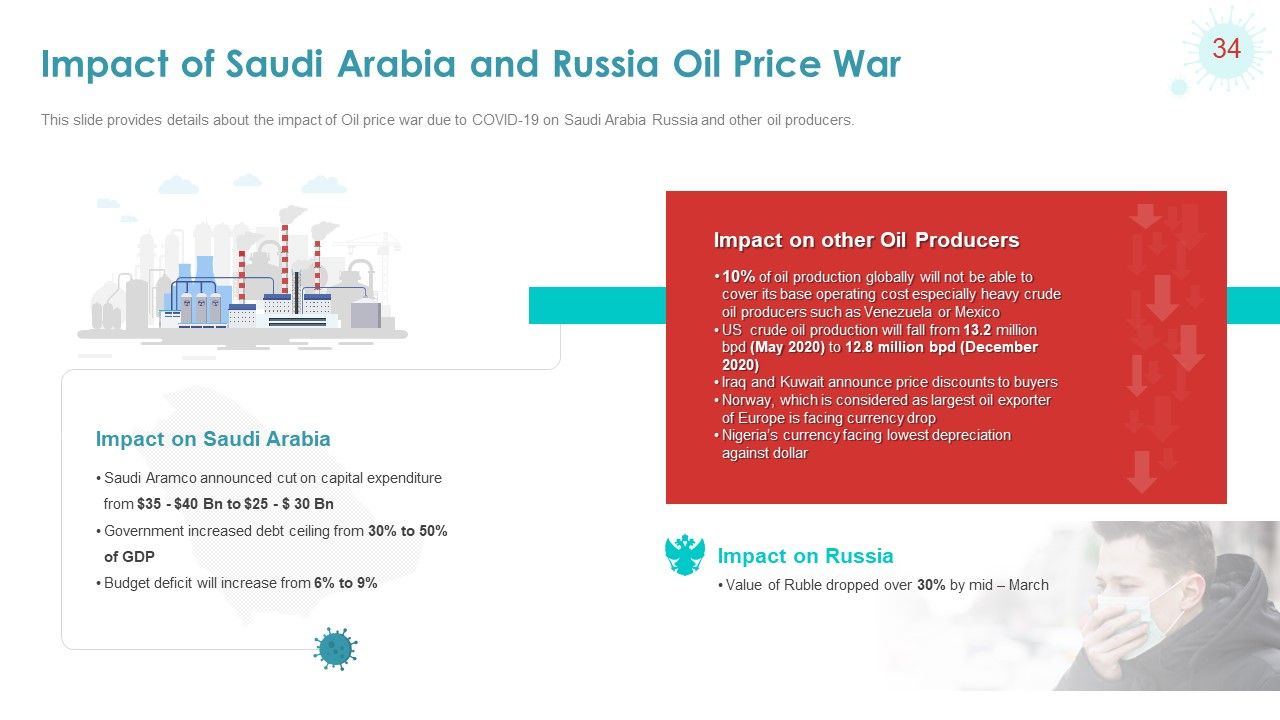
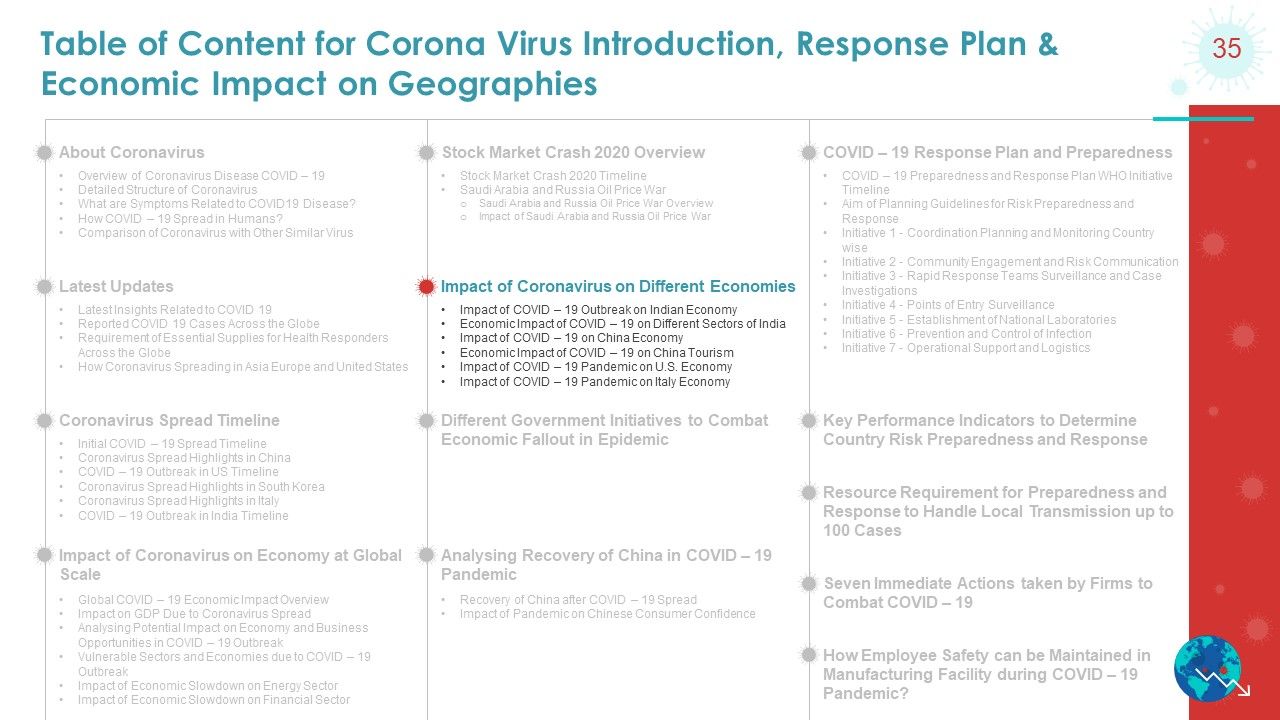
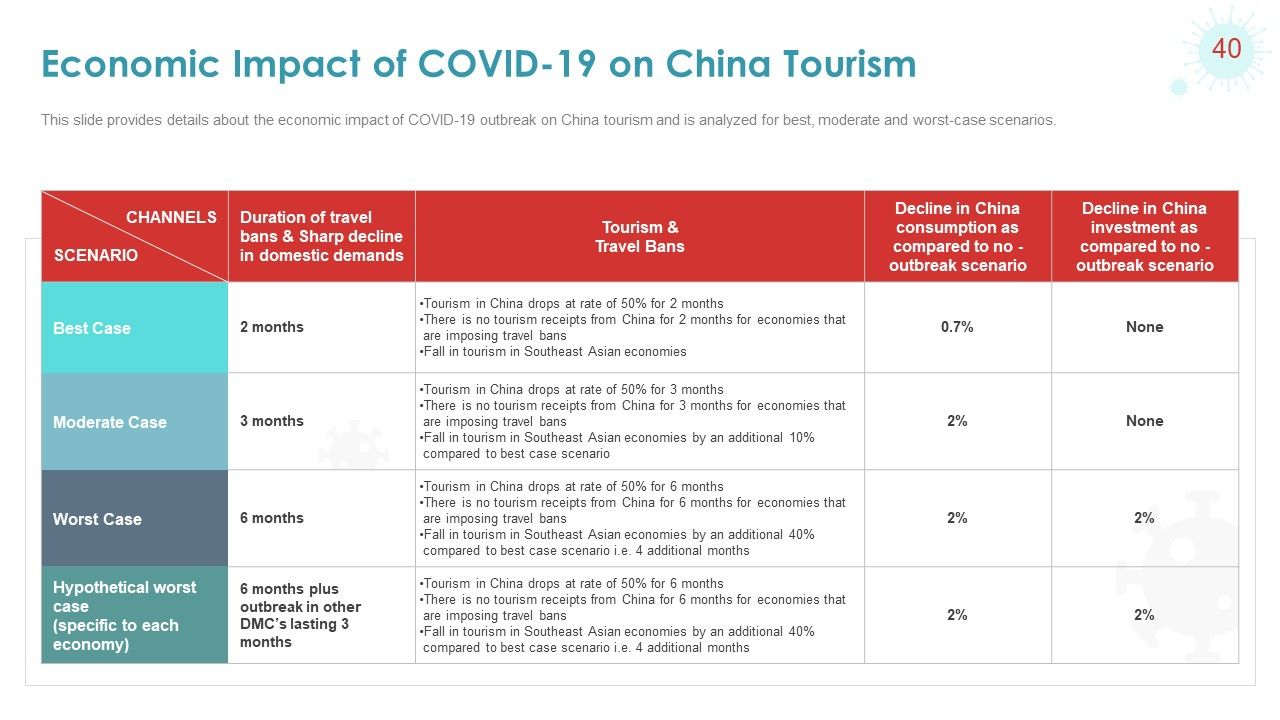
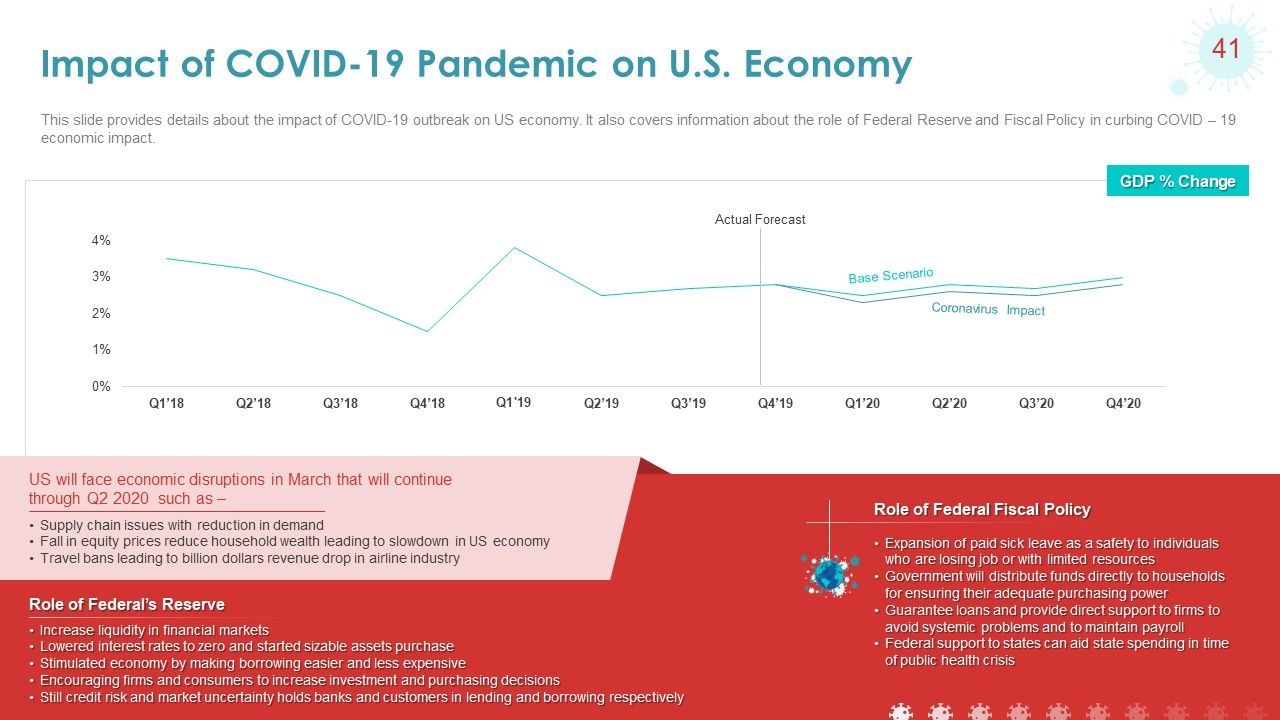
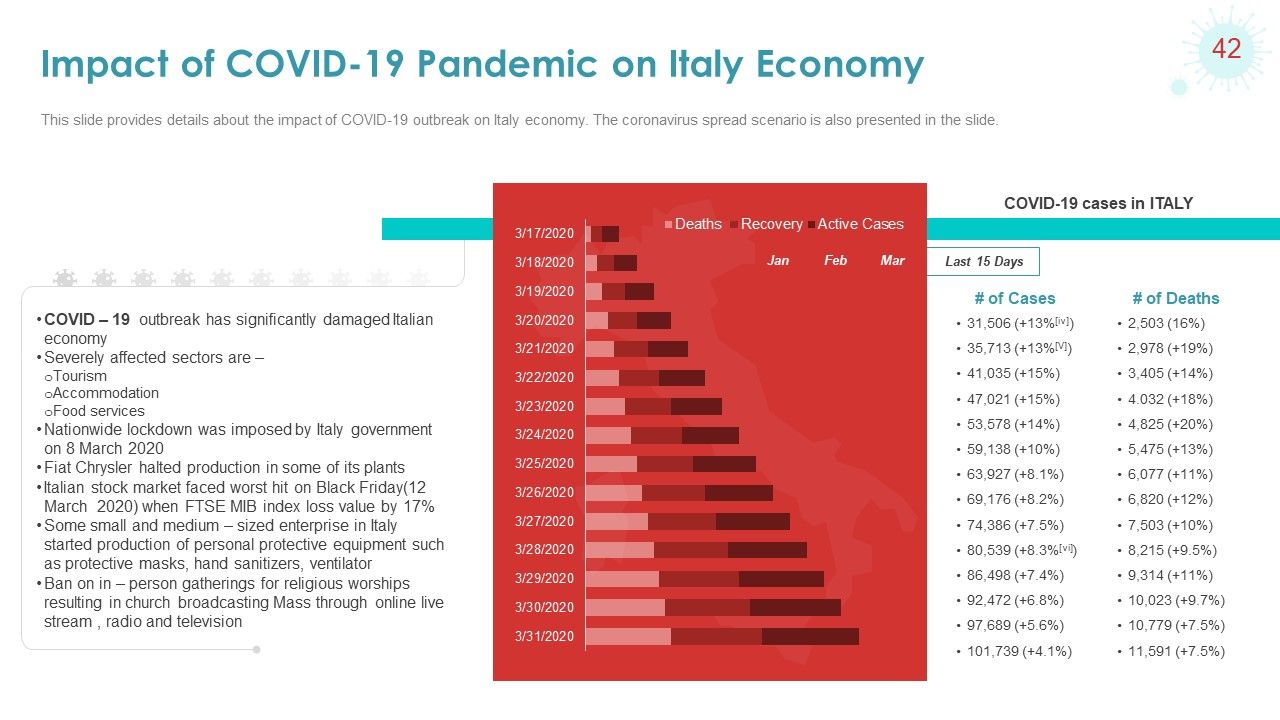
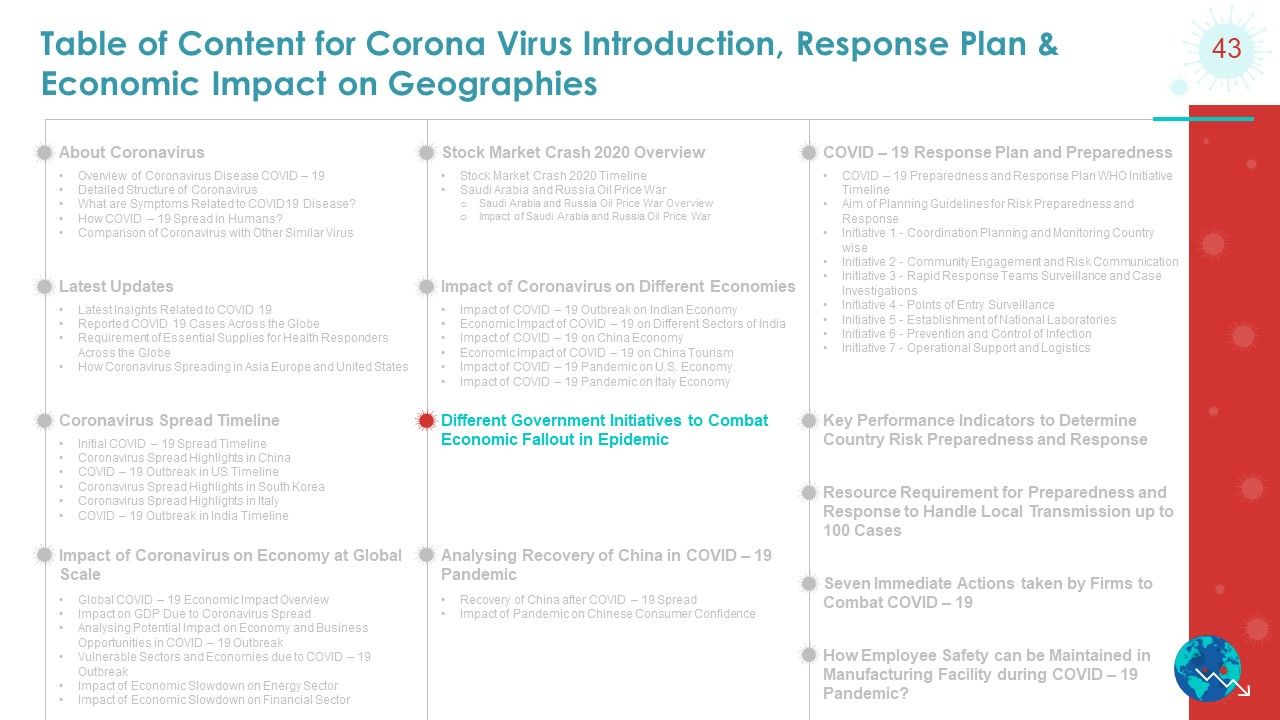
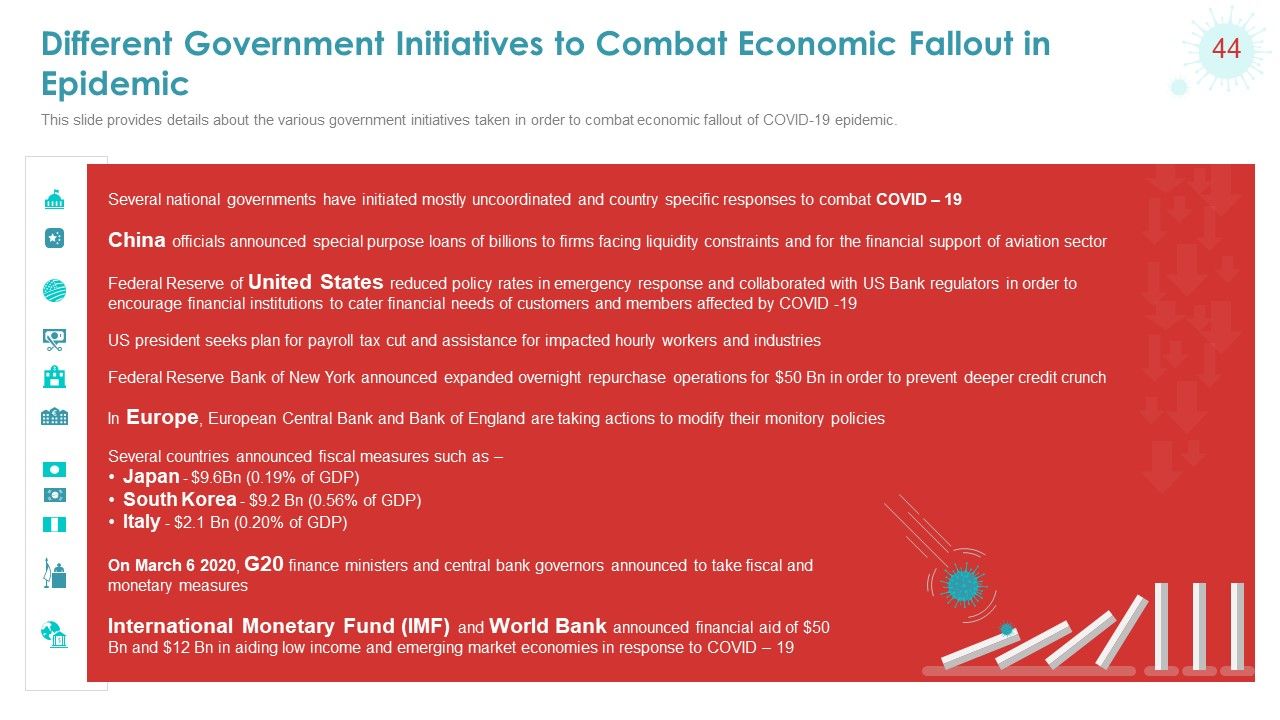
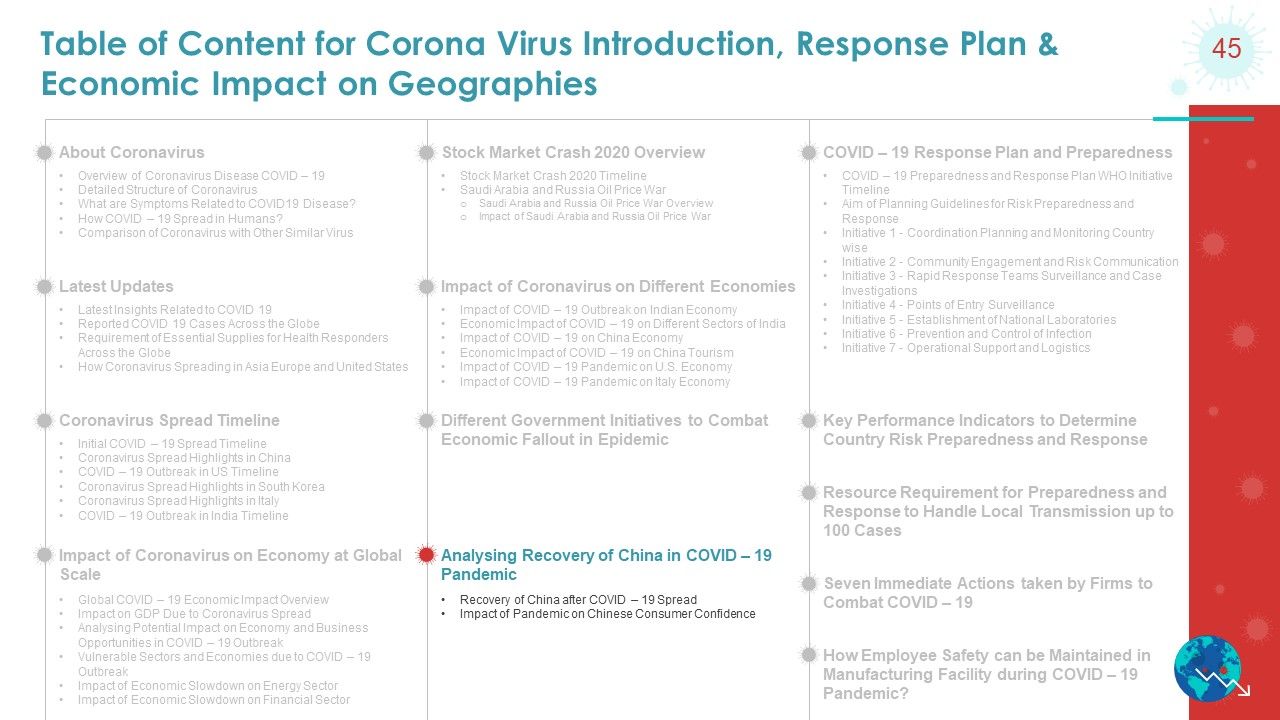
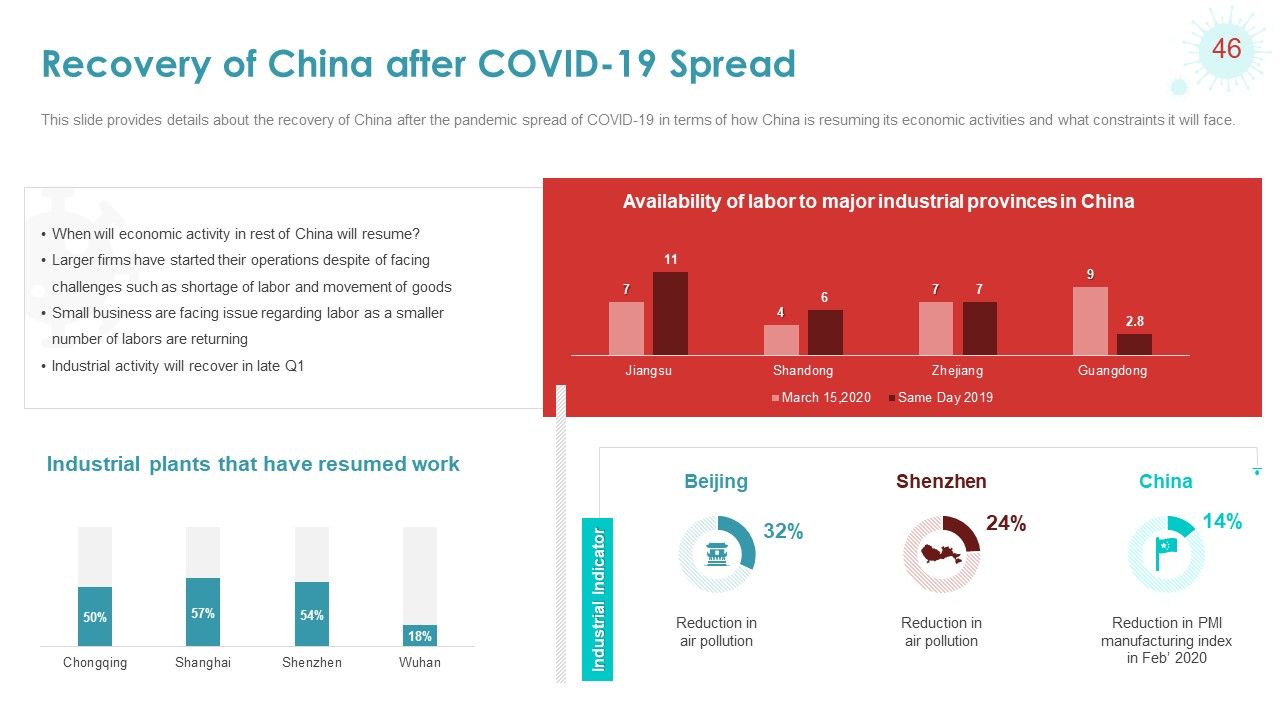
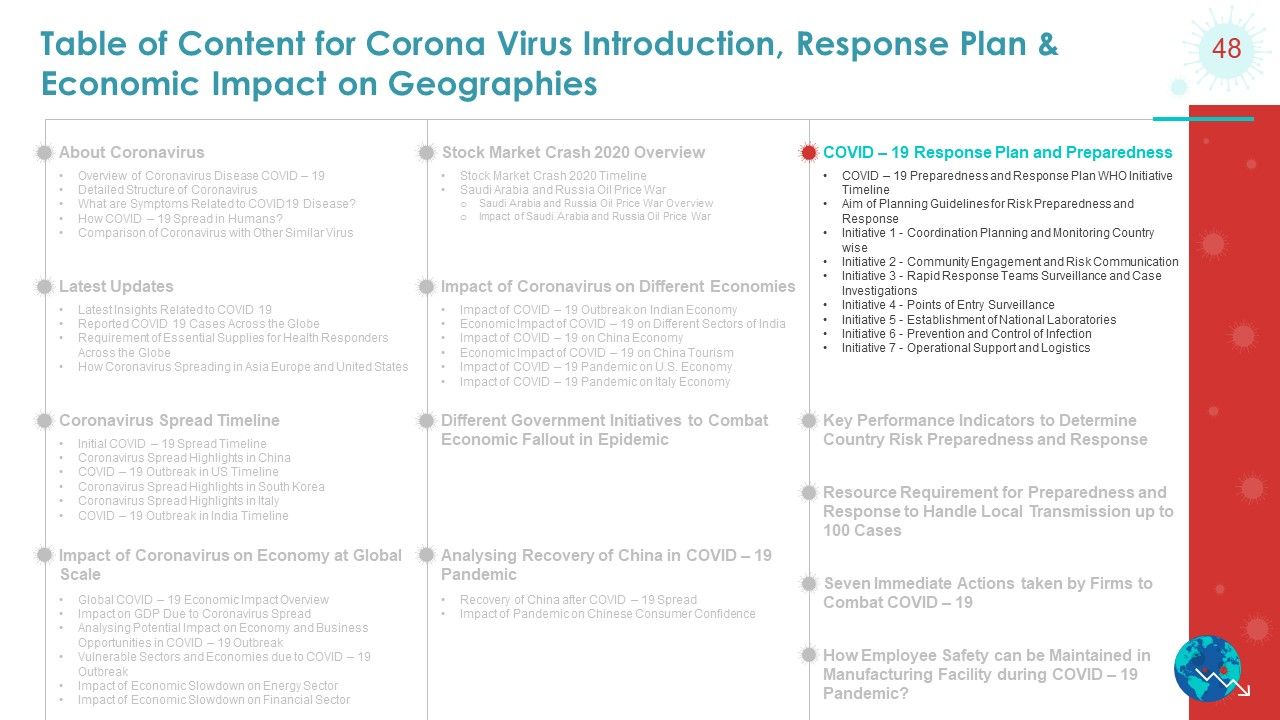
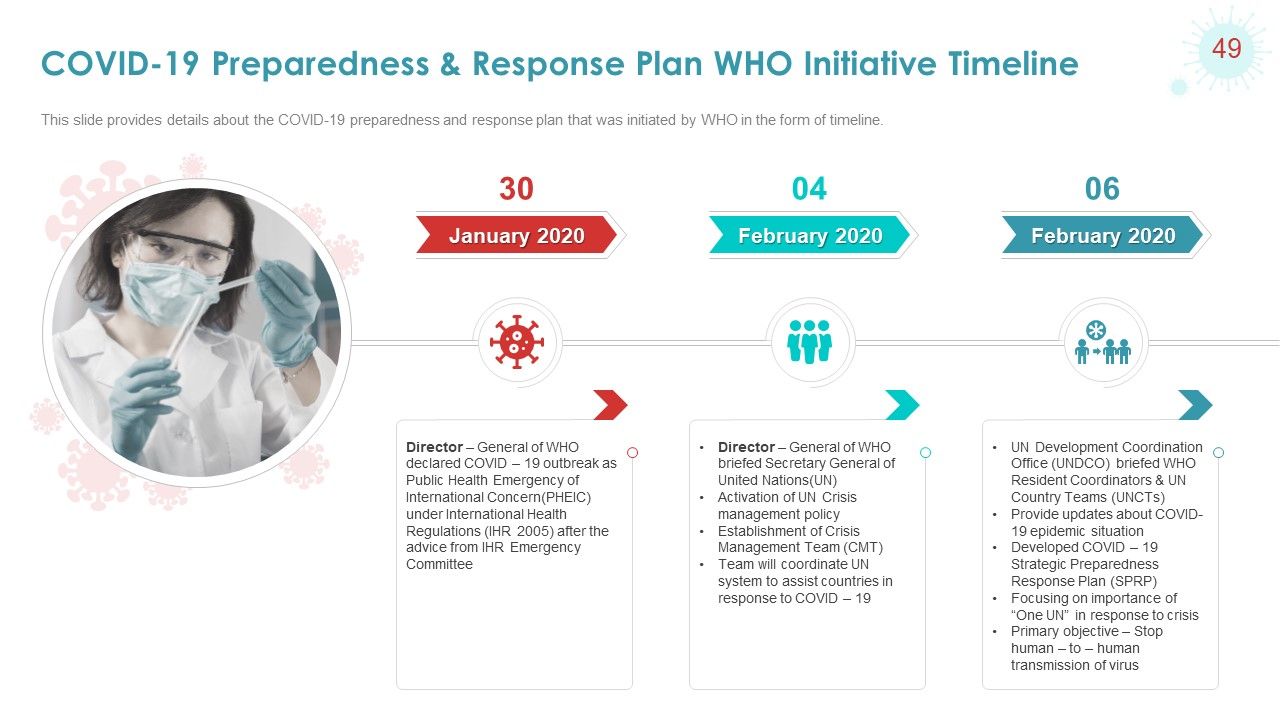
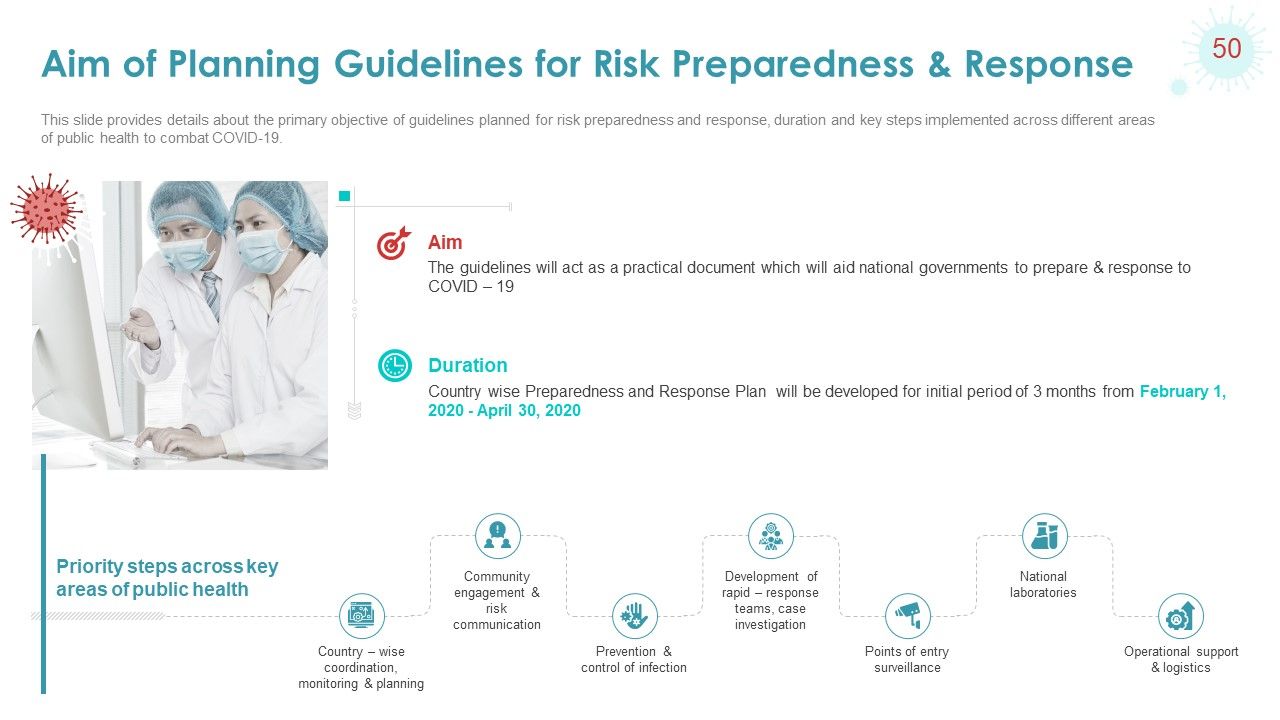
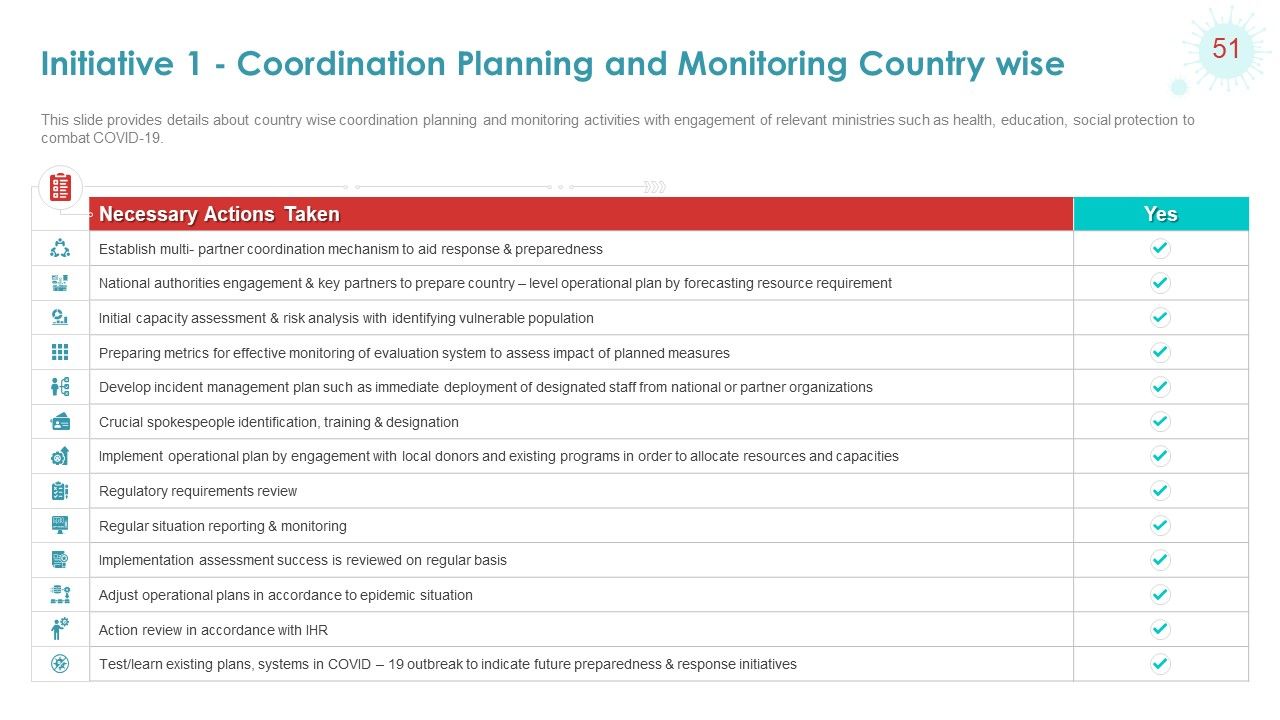
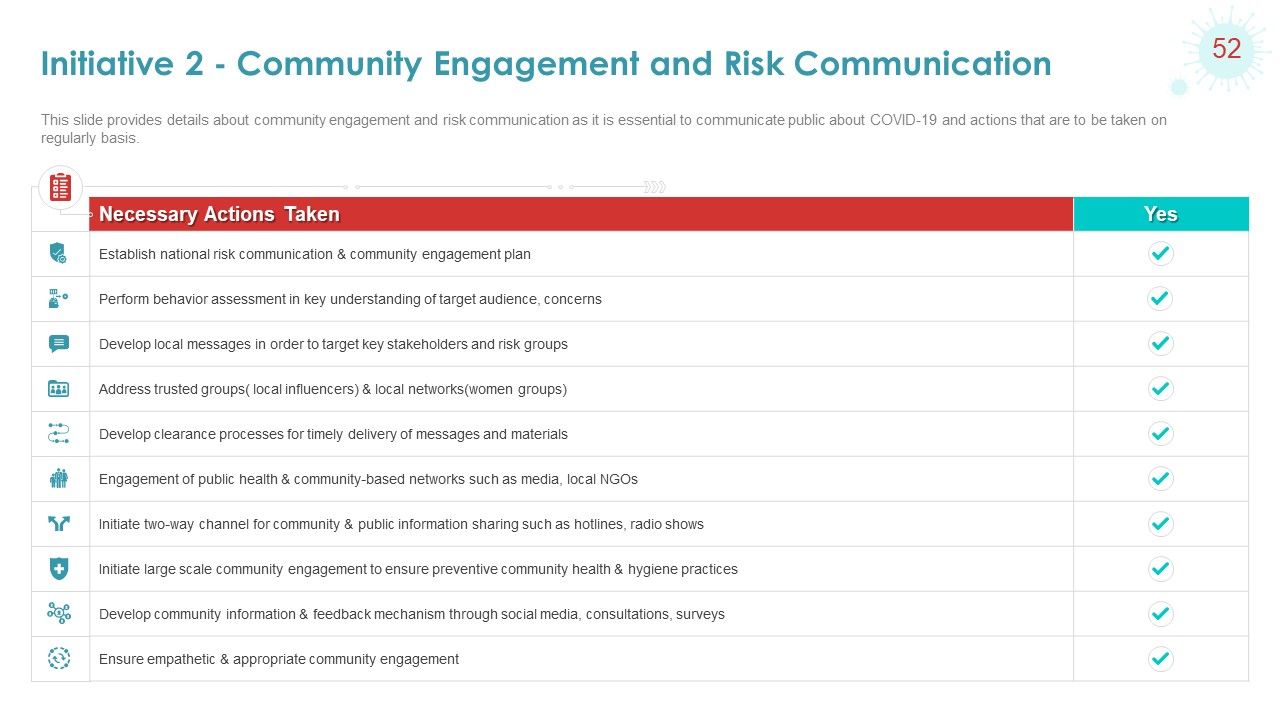
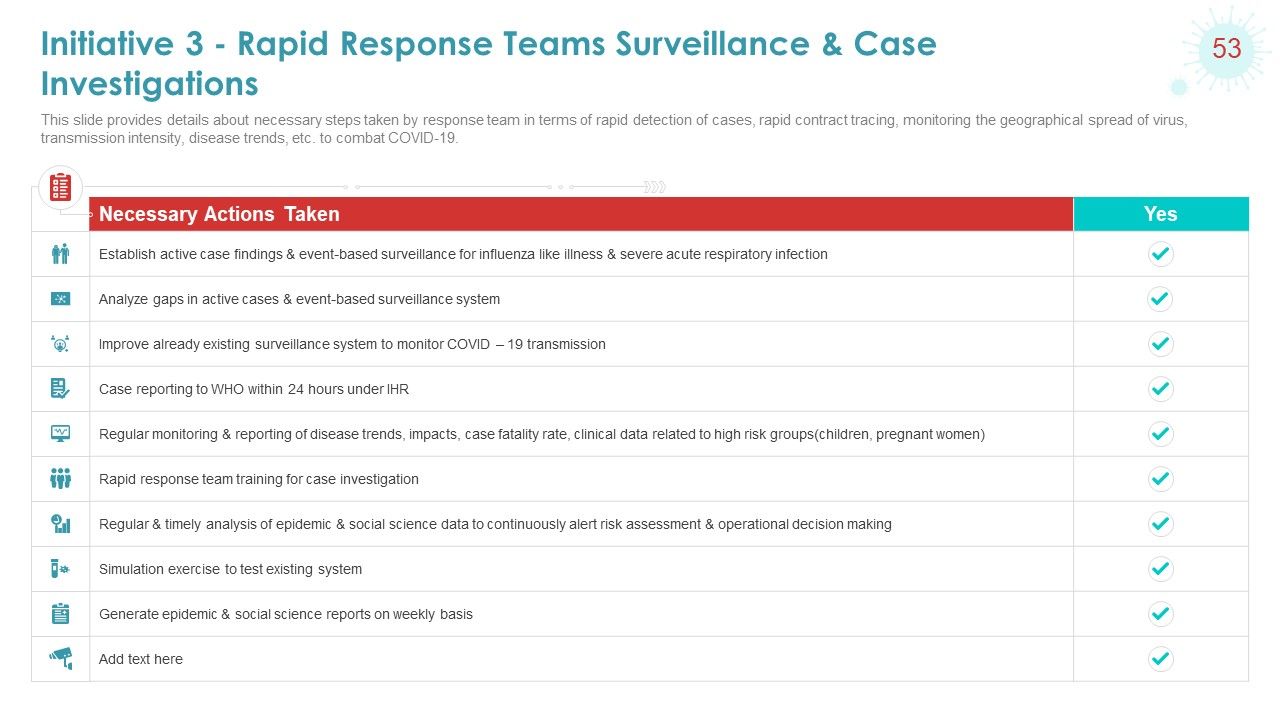
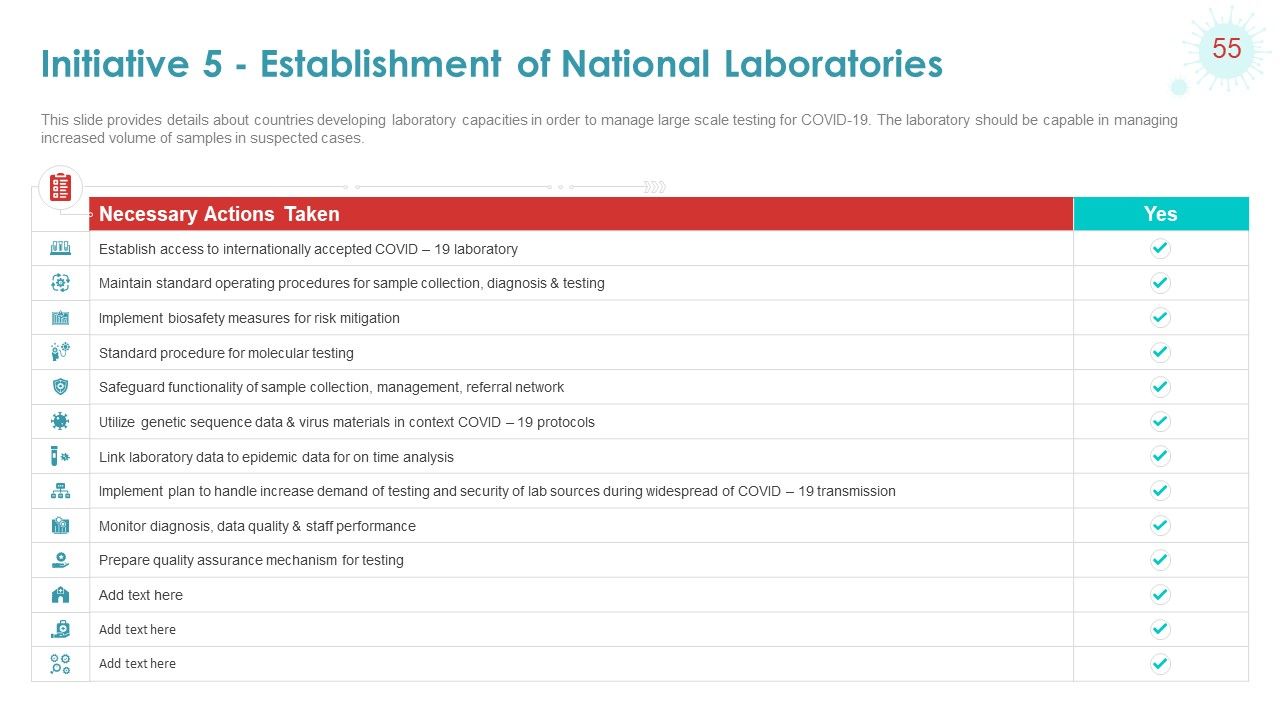
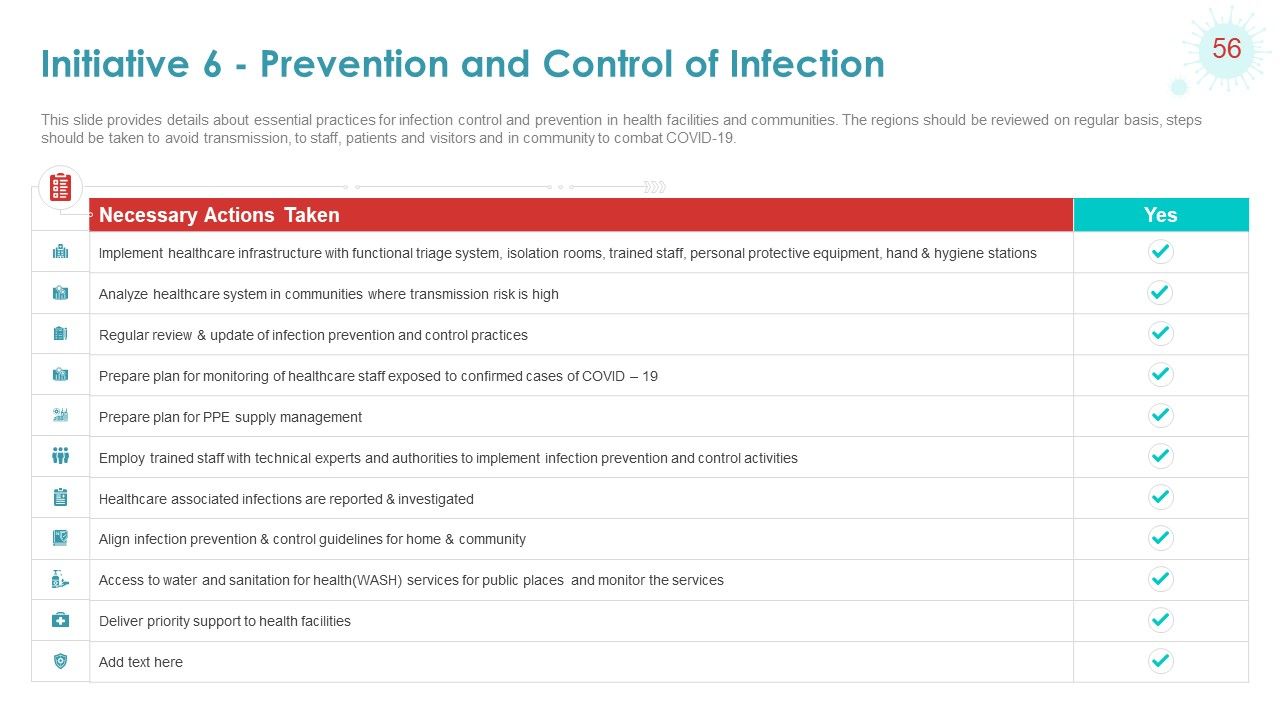
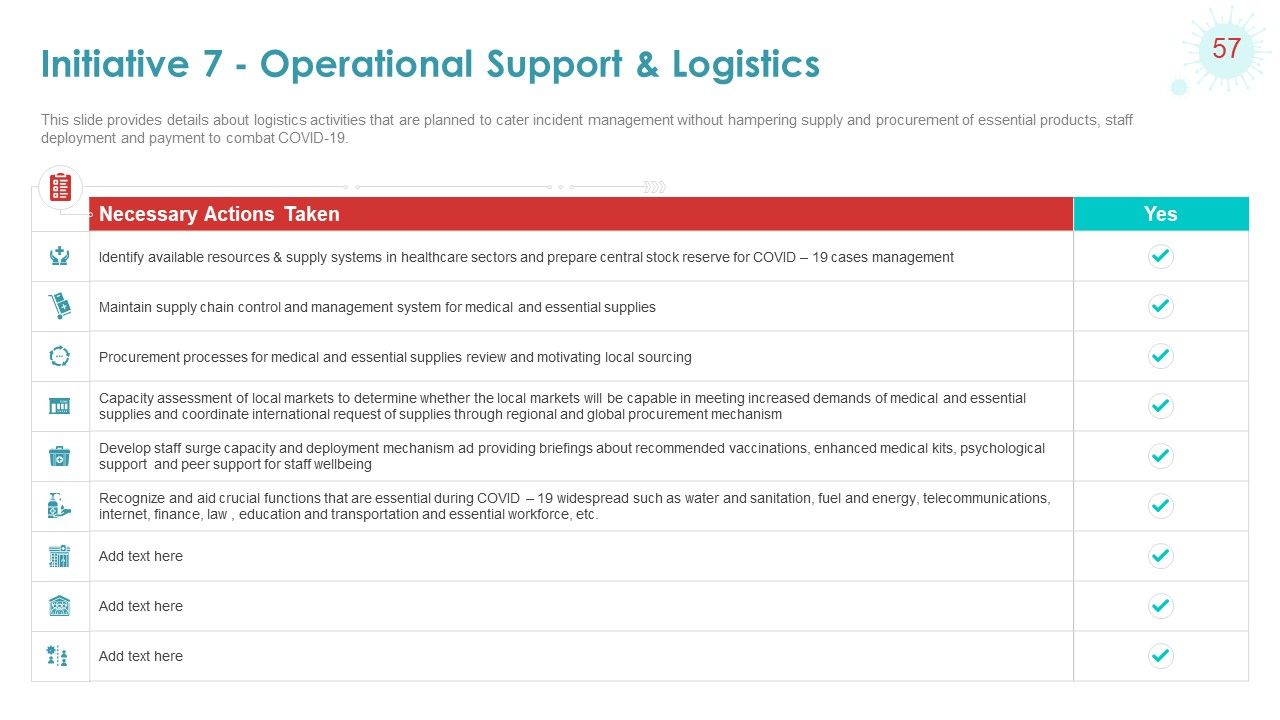
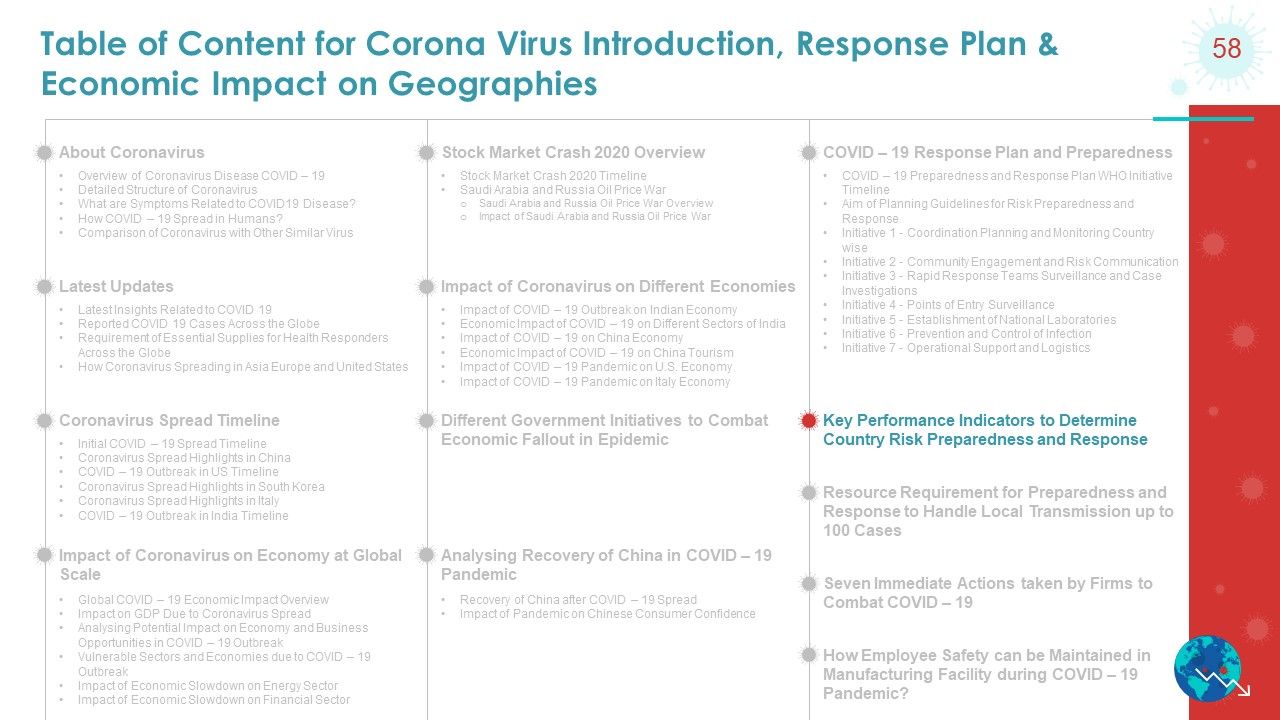
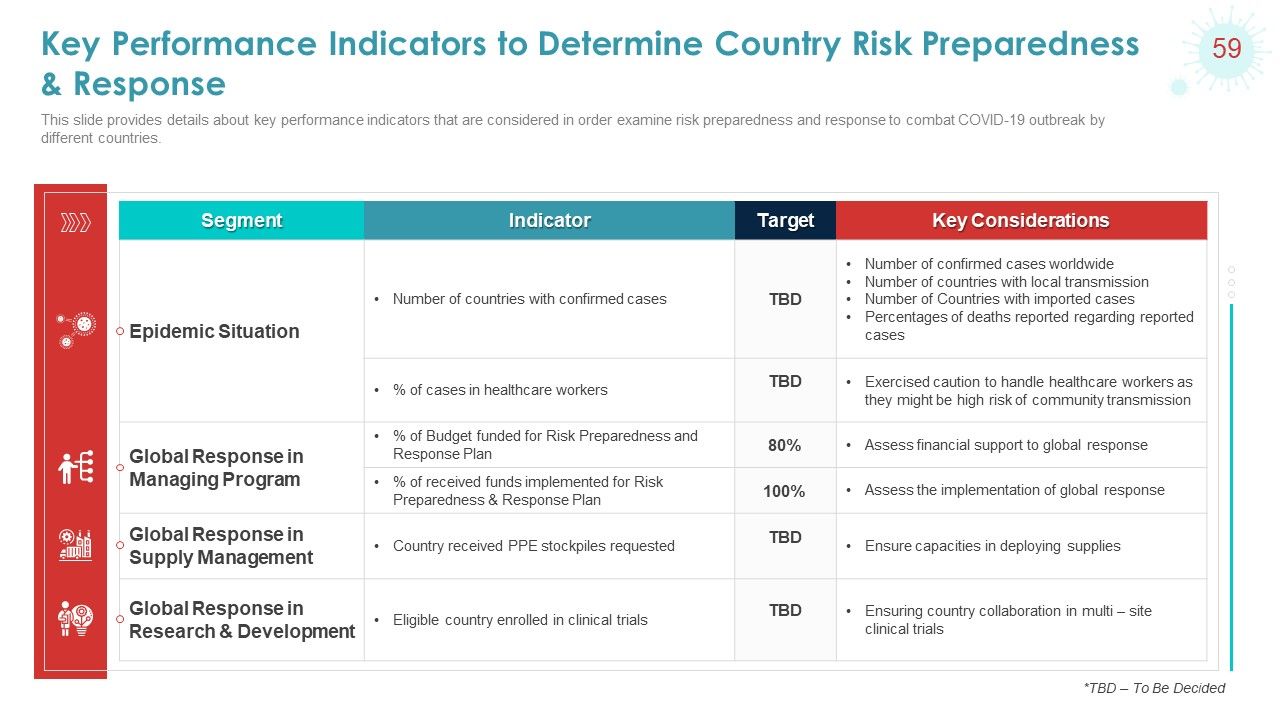
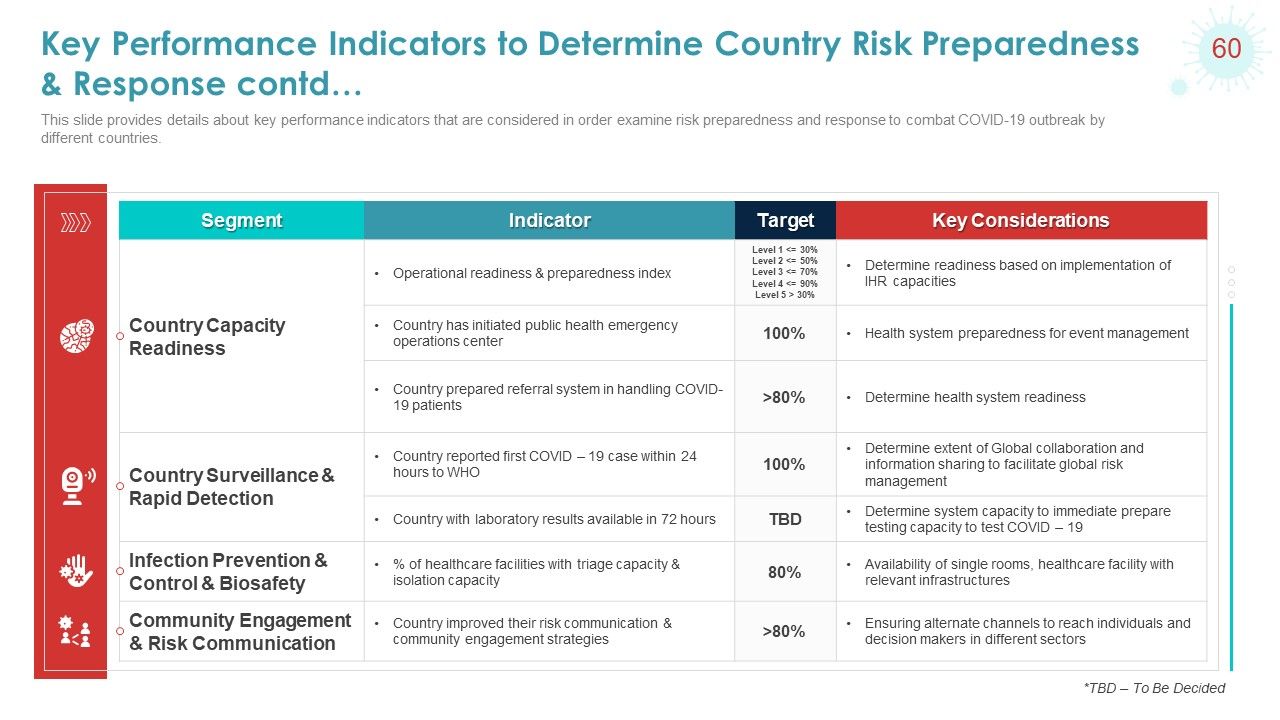
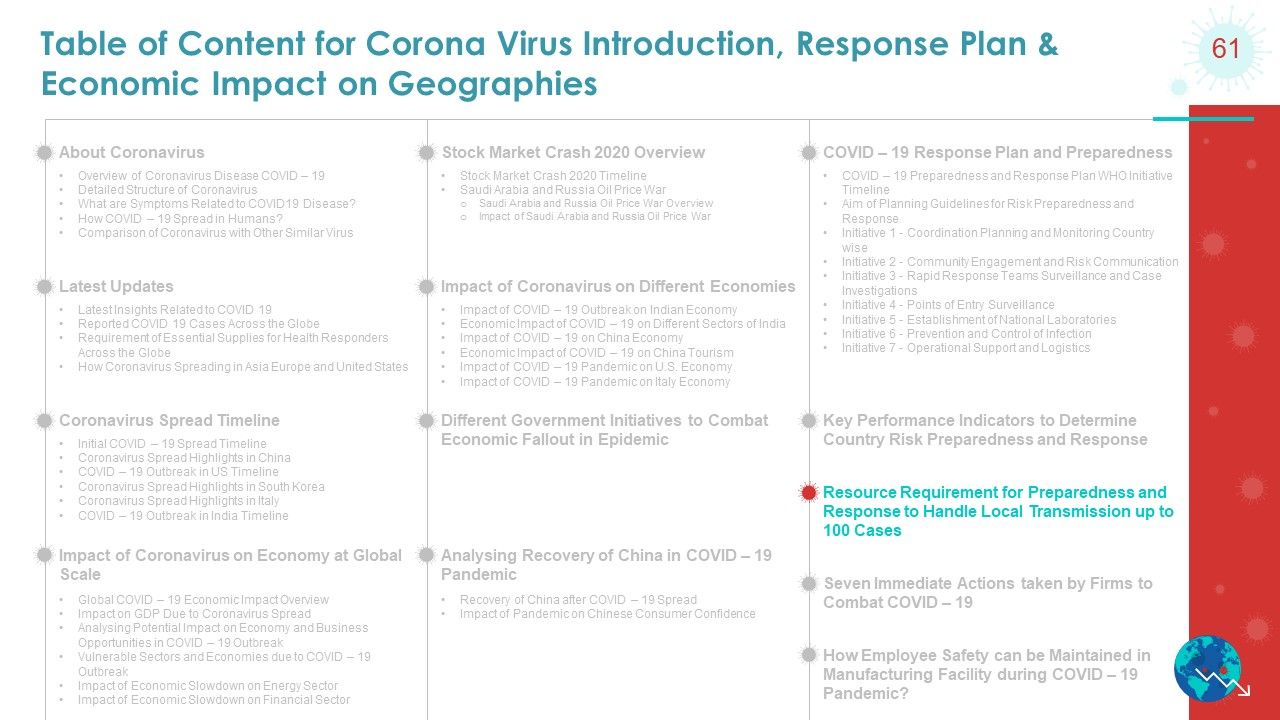
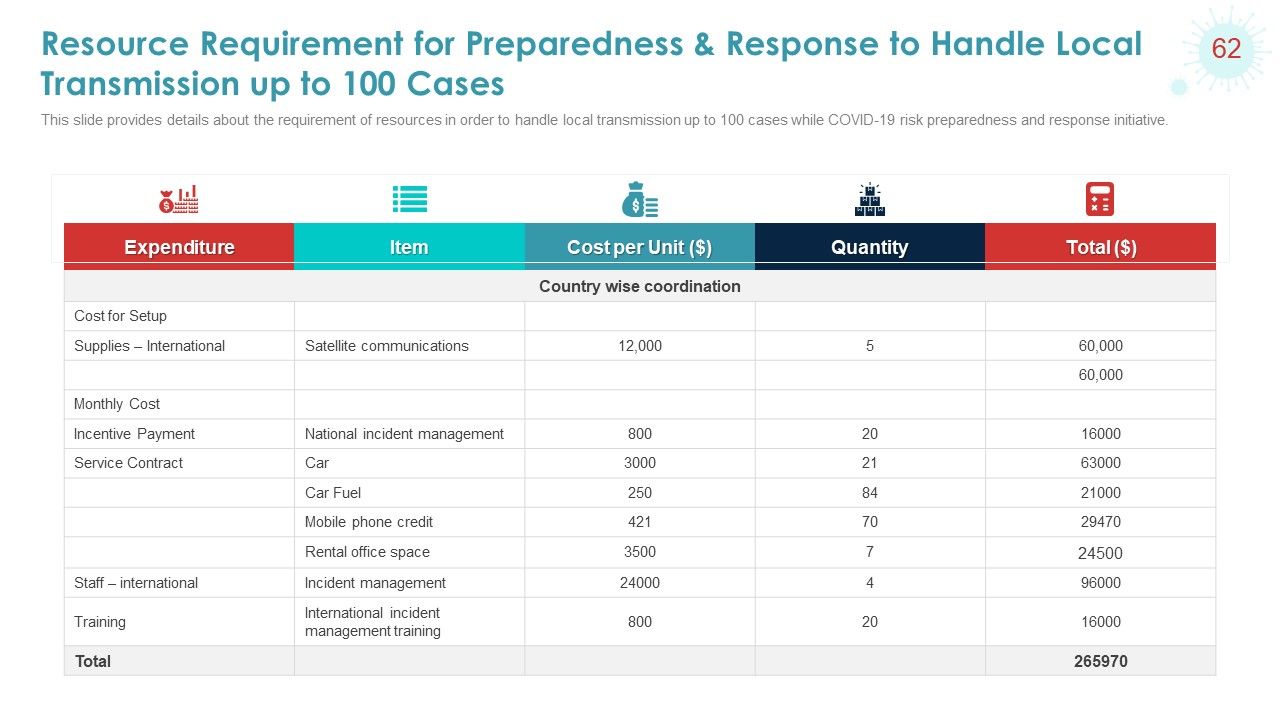
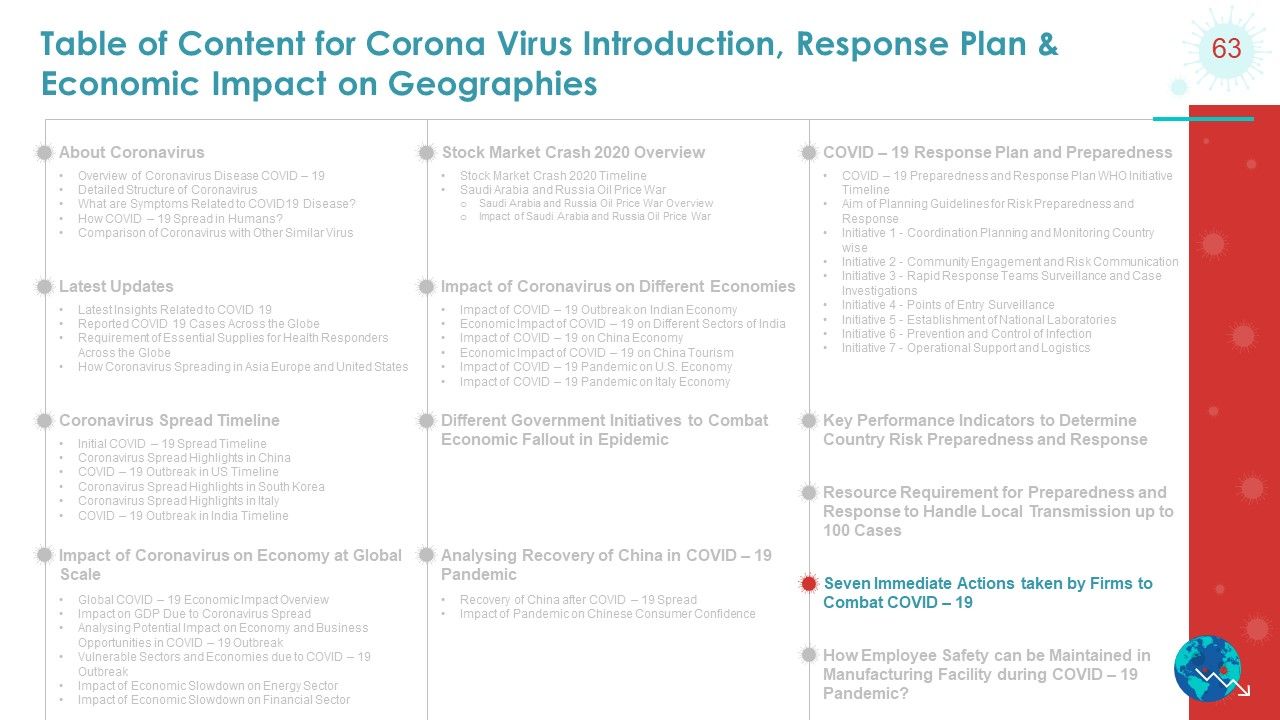
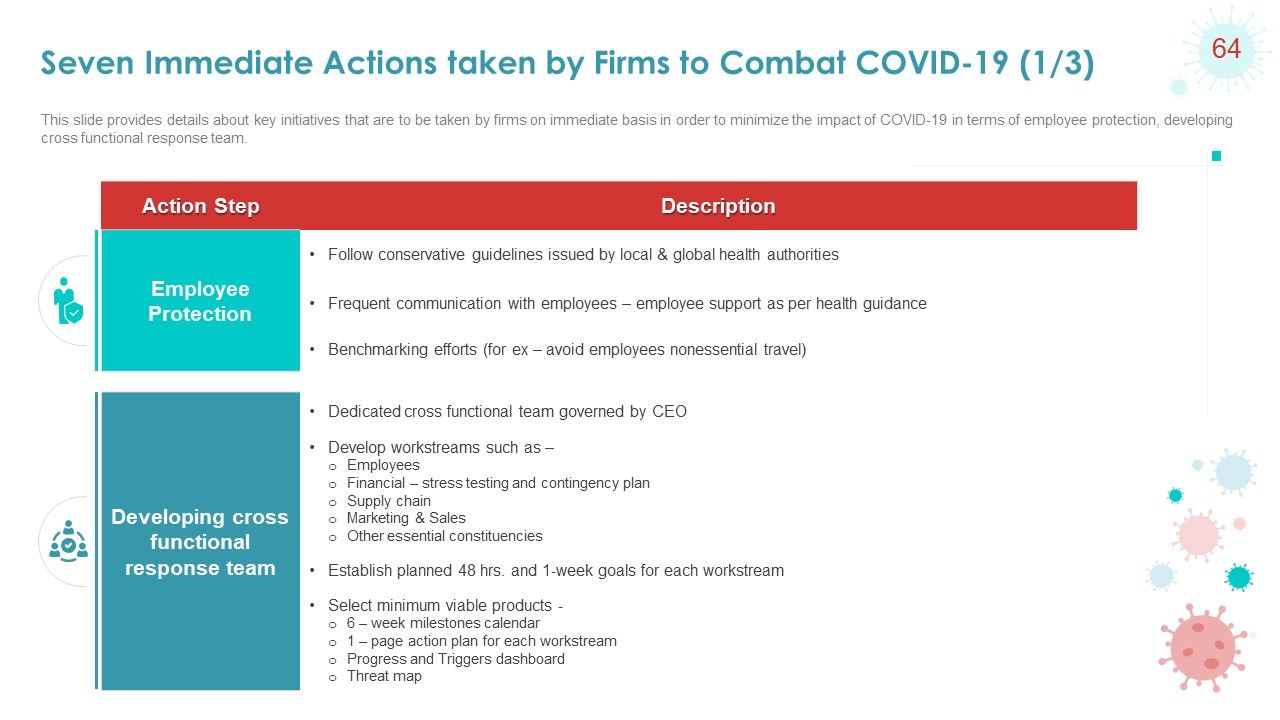
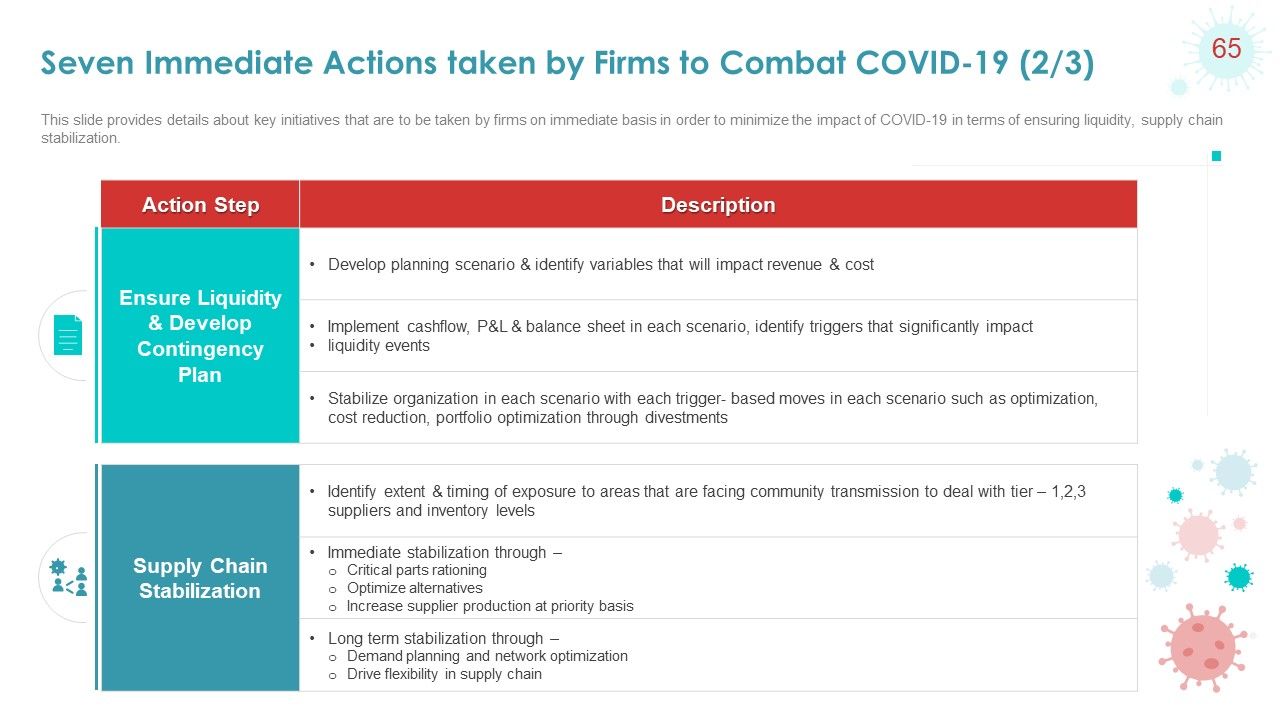
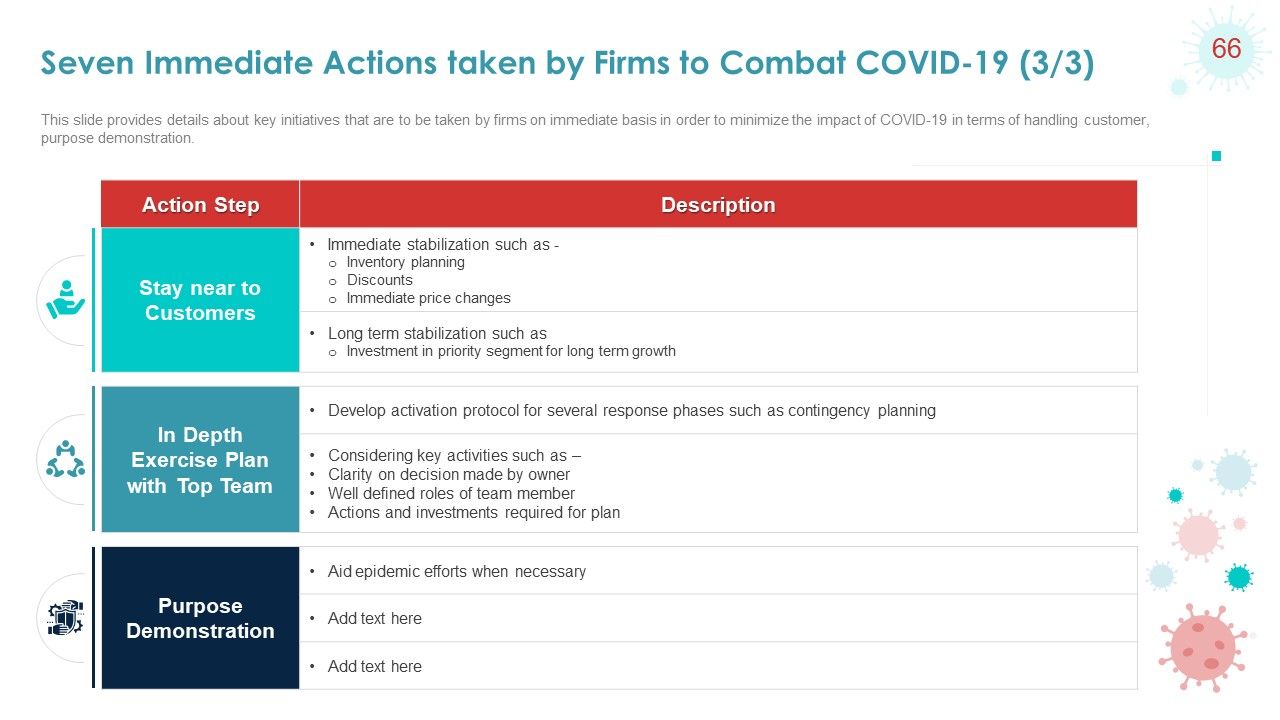
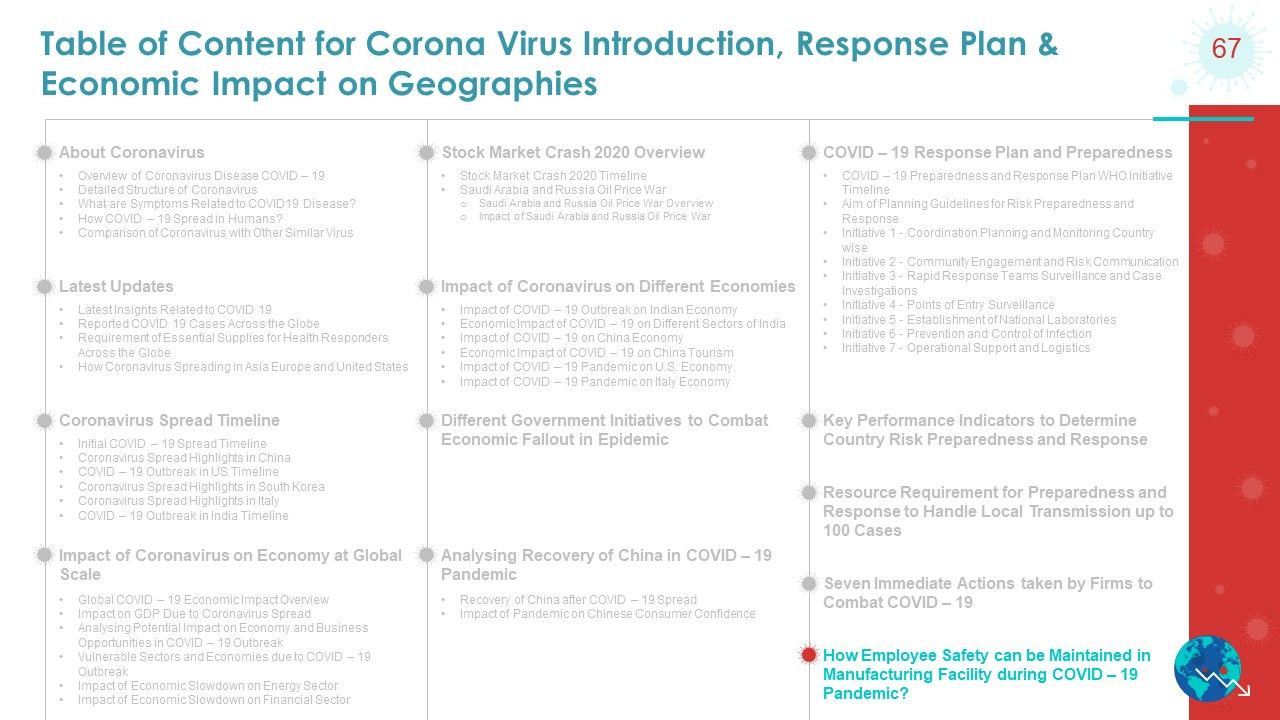
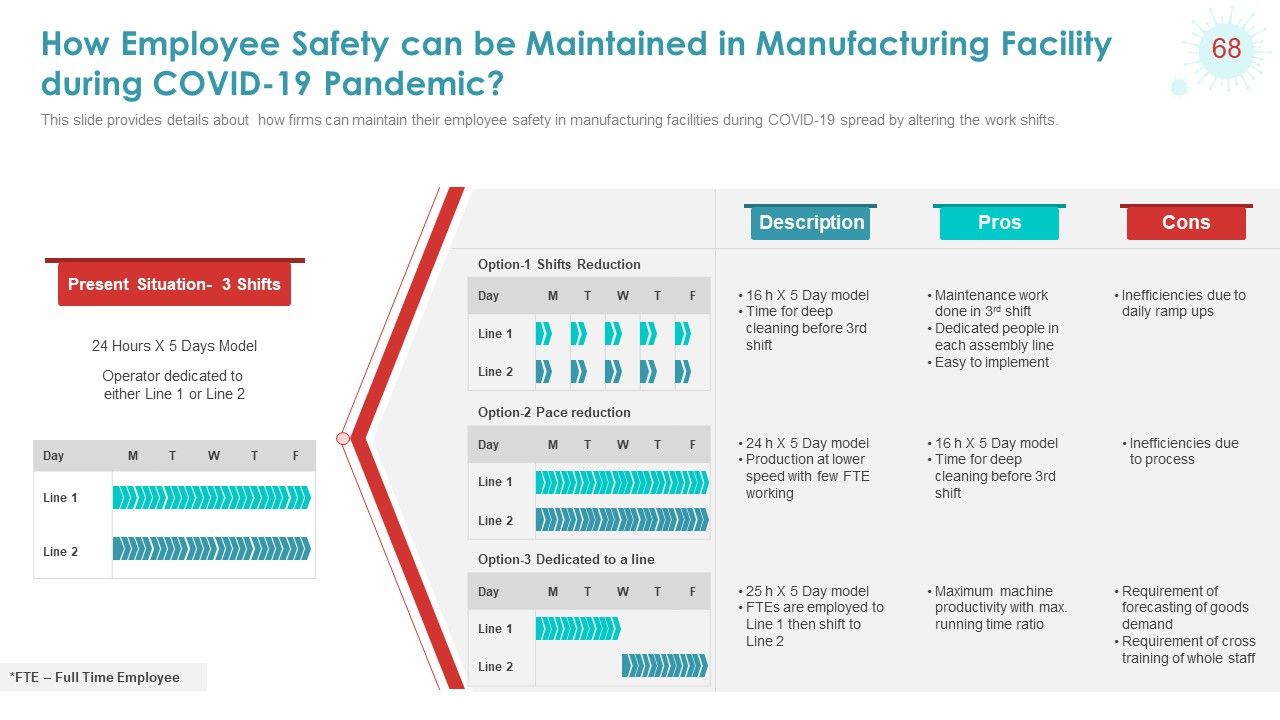
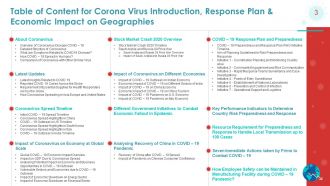
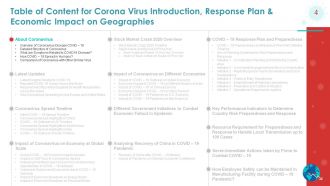
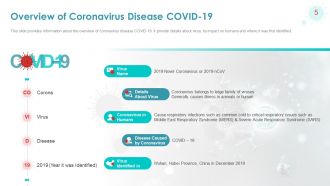
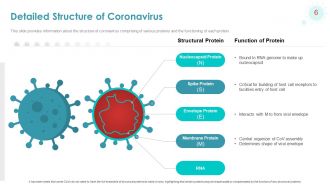
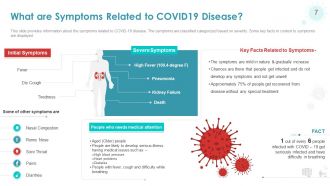
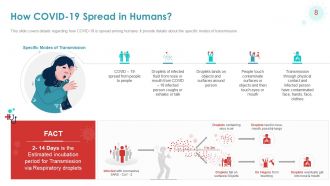
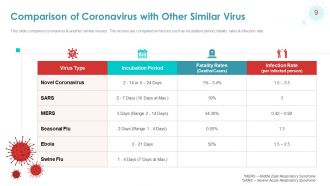
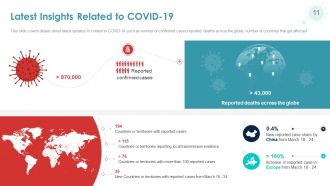
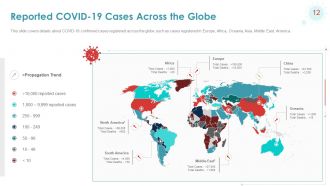
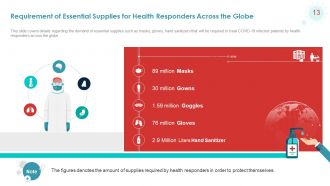
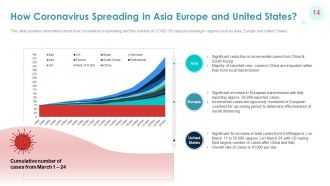
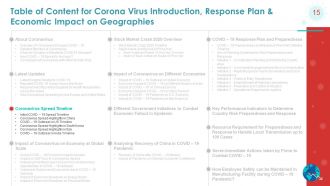
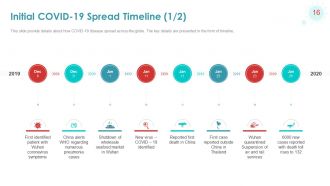
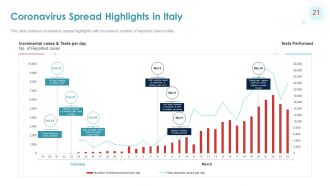
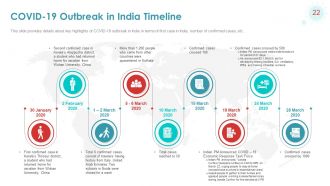
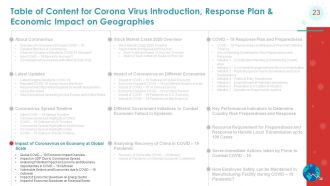
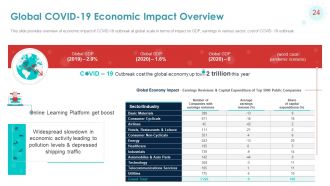
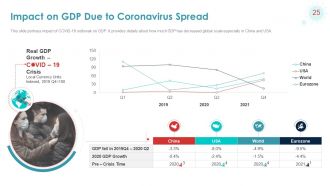
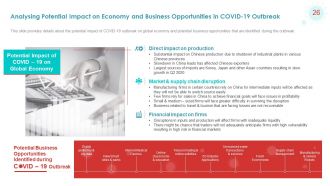
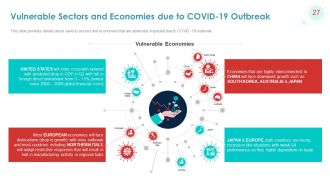
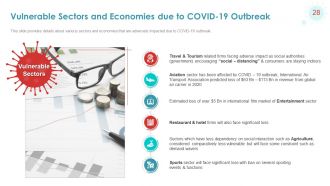
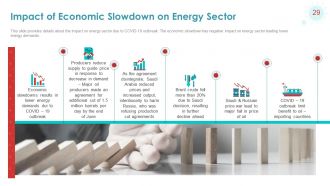
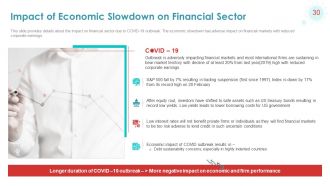
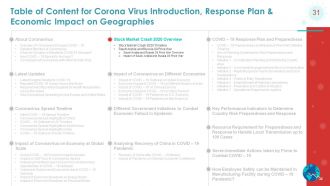
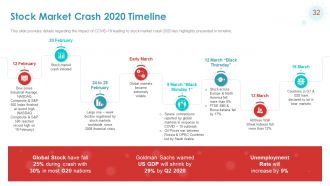
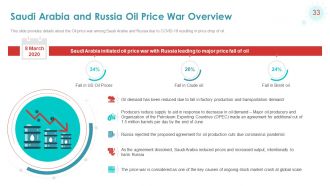
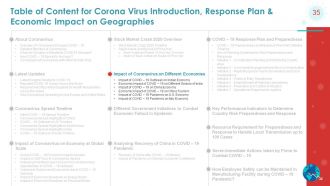
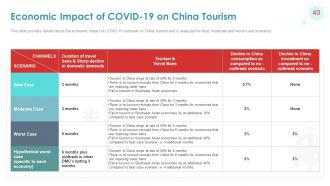
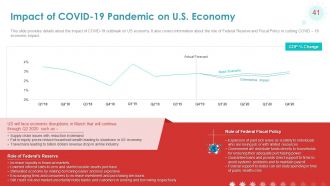
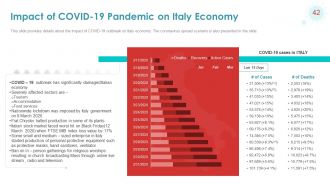
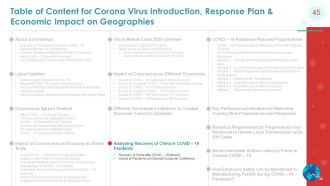
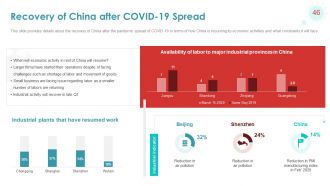
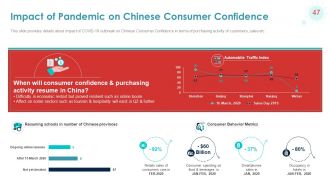
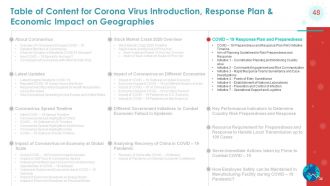
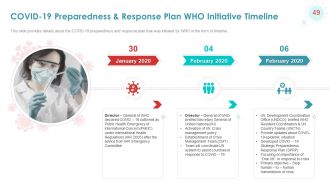
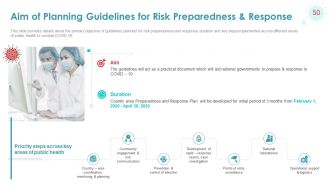
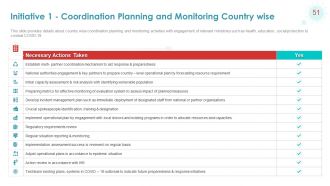
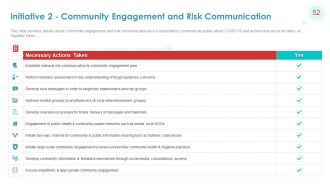
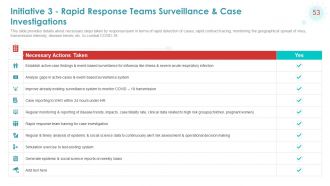
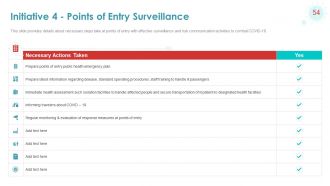
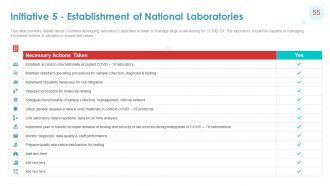
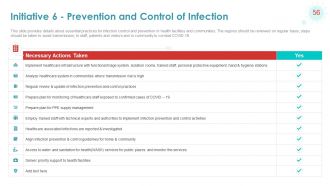
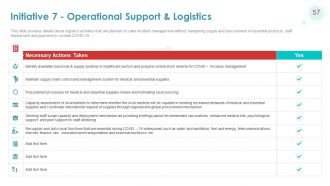
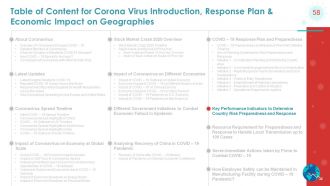
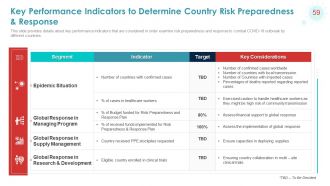
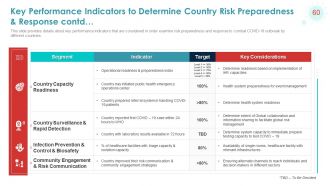
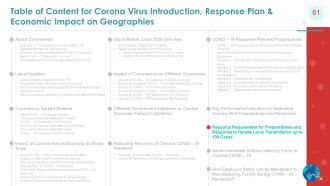
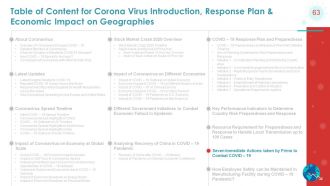
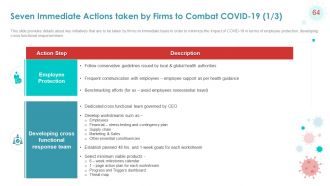
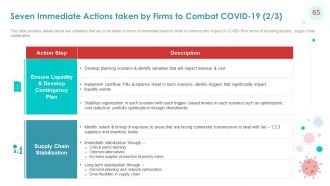
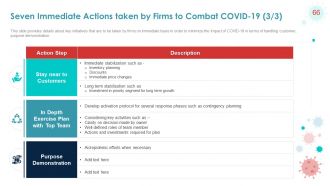
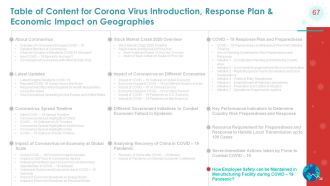
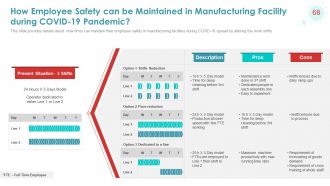
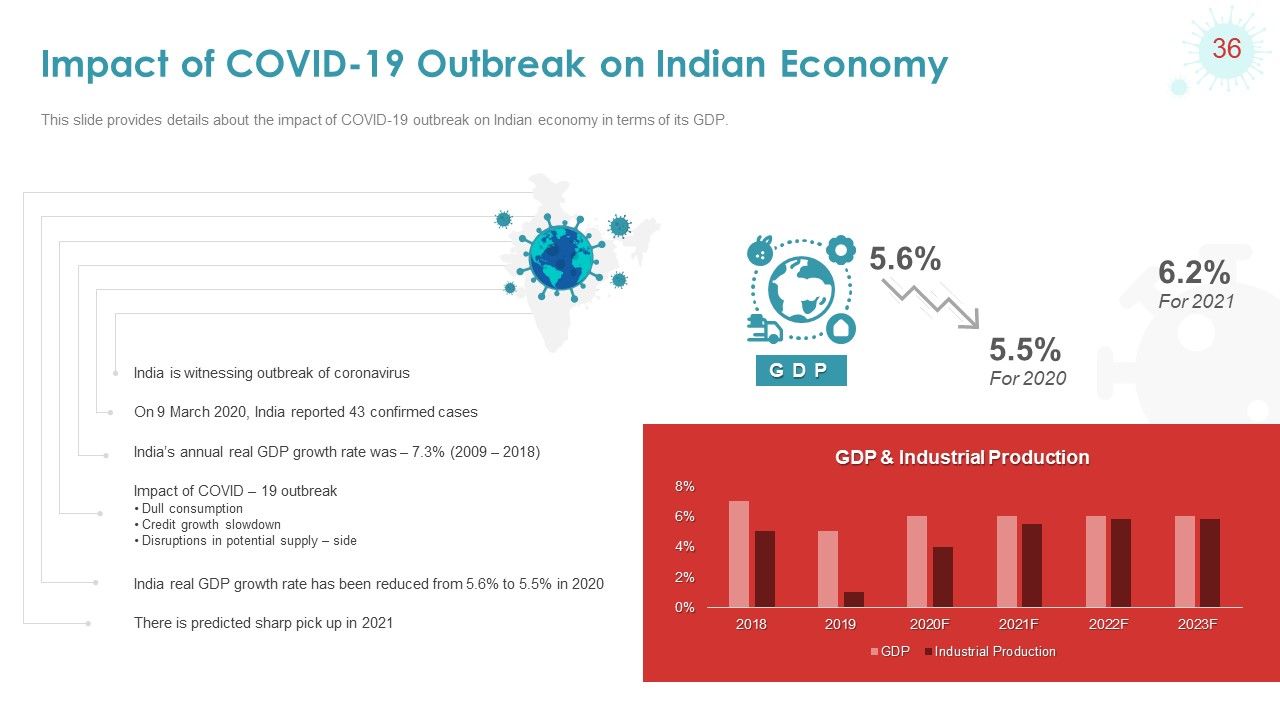
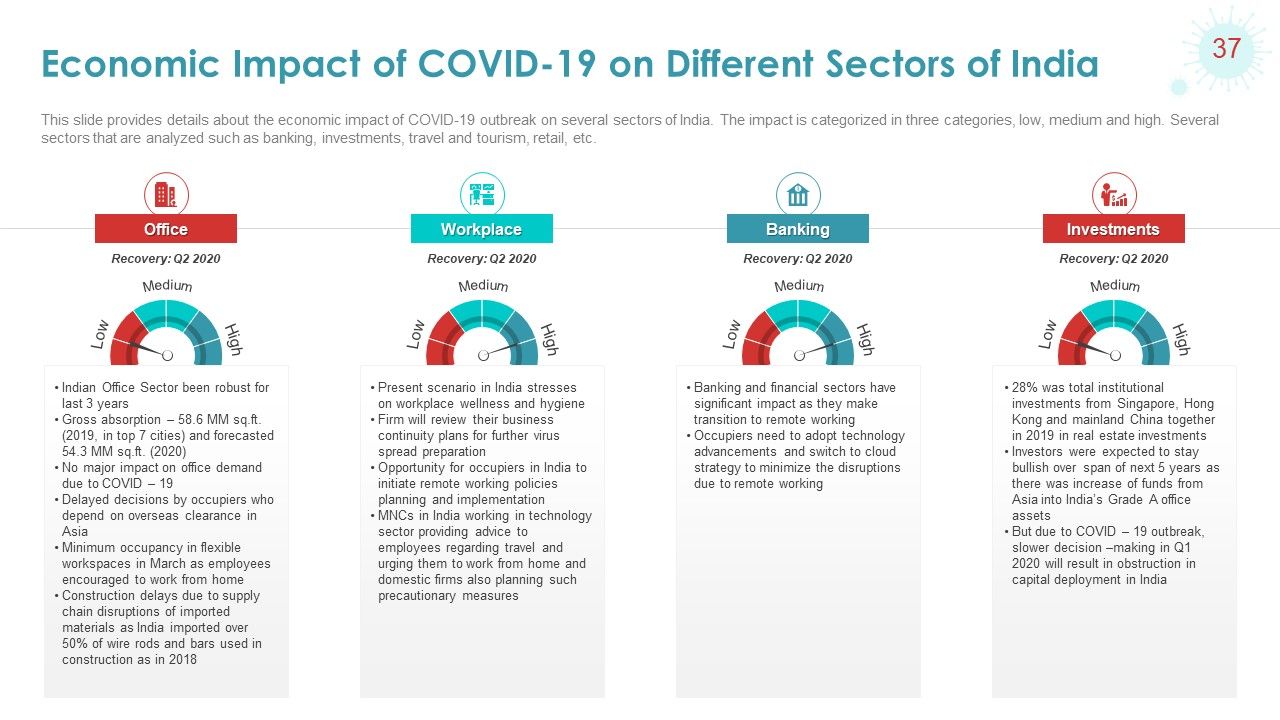
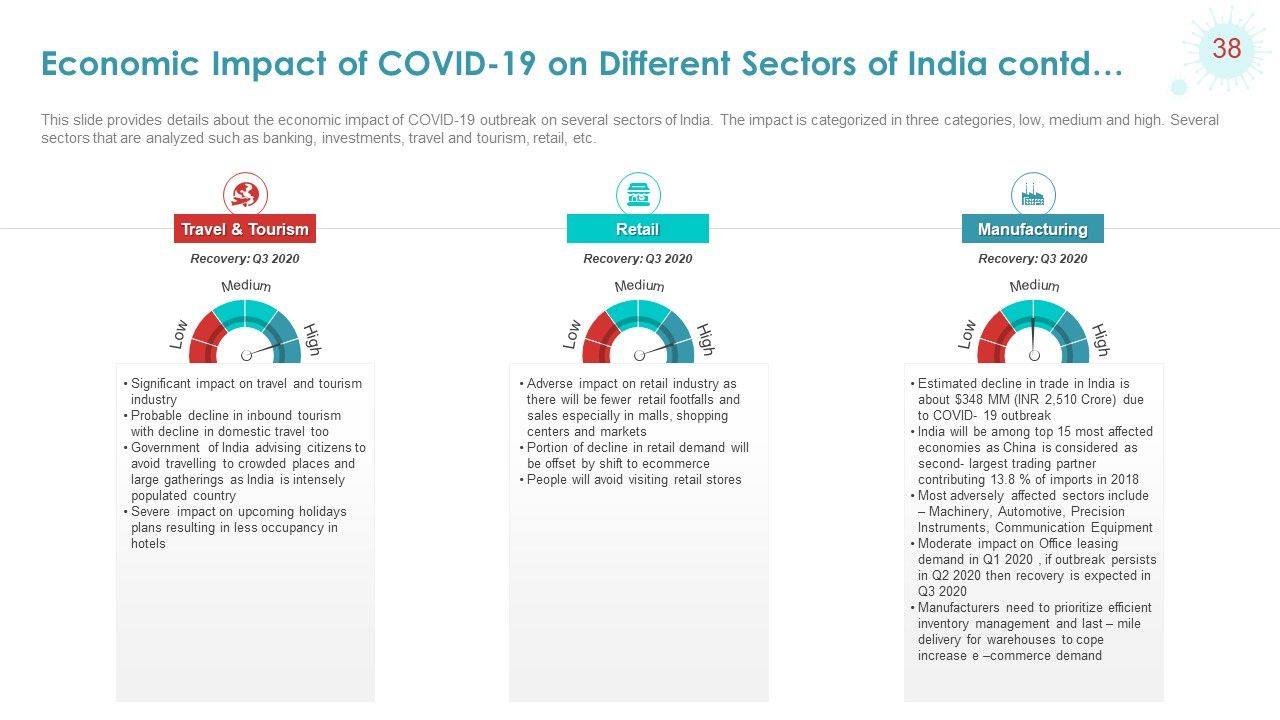
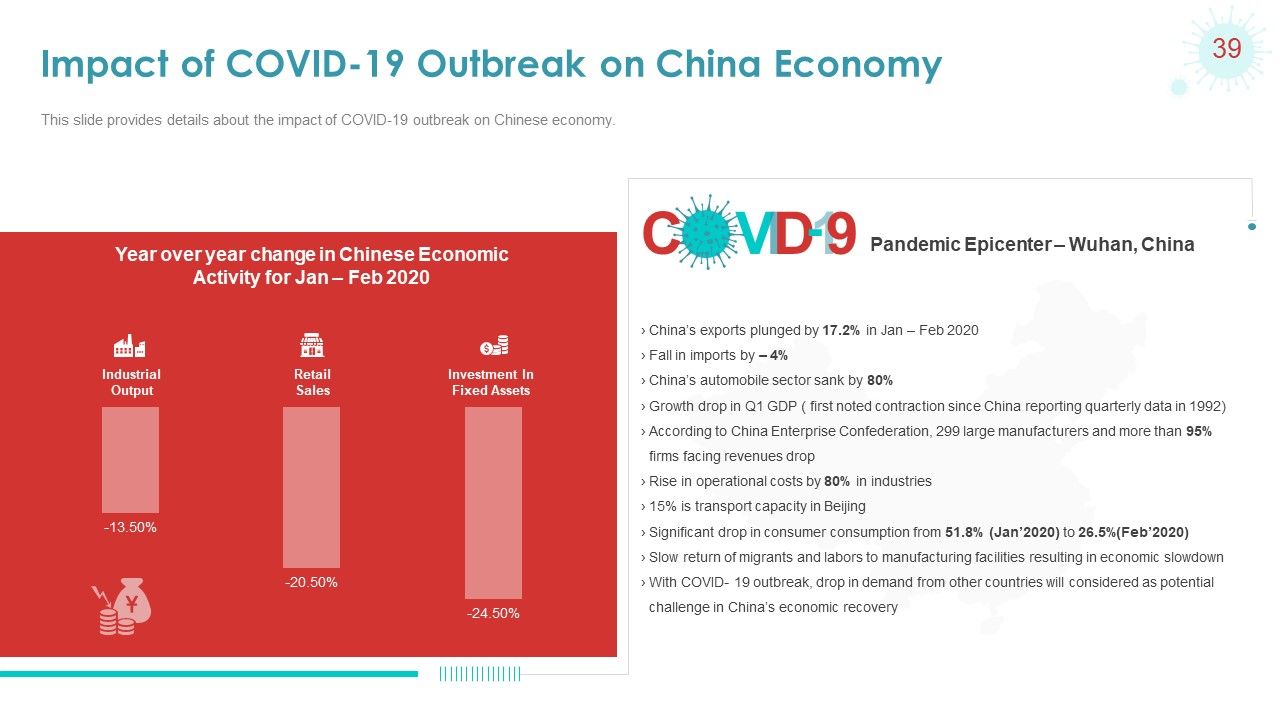
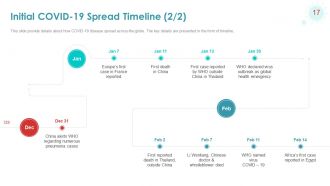
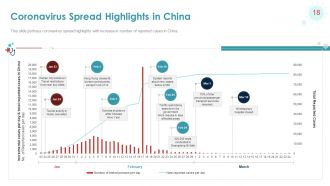
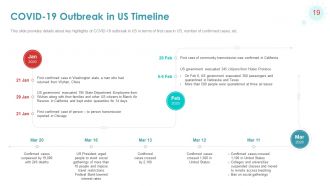
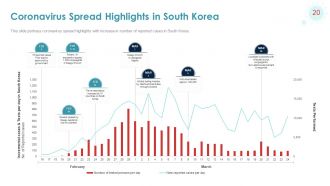
The PowerPoint template is useful in providing detailed description about COVID 19, coronavirus disease. It covers details about what is coronavirus, how it is transmitted in humans, how badly it is affecting economy at global scale and what initiatives are taken by various governments in combating the COVID 19 pandemic. The template initially covers details about overview of coronavirus disease COVID 19 in terms of information about the virus, its impact on humans, and place where it was firstly detected. The detailed structure of corona virus is presented with functioning of each protein exiting in virus. It covers information regarding the symptoms which are classified based on severity and people who needs special medical attention. The specific modes of coronavirus transmission are presented. The corona virus will be compared to similar viruses on parameters such as incubation period, fatality rates, infection rate, etc. Latest insights regrading COVID 19 are presented in terms of cases reported, deaths across the globe, number of affected countries, requirement of essential supplies for health responders across the globe, how the virus is spreading in geographical regions such as Asia, Europe and United States. The details about coronavirus spread is presented in timeline for countries such as China, US, South Korea, Italy and India. The template discusses about the impact of coronavirus on economy at global scale. It provides details about spread outbreak on GDP, determine the potential impact on economy and identified business opportunities. It will cover details about the vulnerable sectors and economies that are adversely impacted, how energy sector and financial sector is affected. The details about the stock market crash in 2020 is also elaborated in this deck with details about Oil Price war between Saudi Arabia and Russia. The template covers details about impact of coronavirus outbreak on various economies such as India, China, US and Italy. It covers details about the various government initiatives to combat economic fallout inn epidemic. It also provides details about the recovery of China in the pandemic outbreak. The template contains information regarding the COVID 19 response plan and preparedness action plan with various initiatives. It also provides information regarding the immediate action plan that firms need to take in order to combat outbreak with ensuring employee safety at manufacturing facilities.
People who downloaded this PowerPoint presentation also viewed the following :
Coronavirus covid19 introduction response plan economic impact on geographies with all 79 slides:
Bring about changes that go in your favor with our Coronavirus Covid19 Introduction Response Plan Economic Impact On Geographies. It helps convert drawbacks to an advantage.
FAQs for Coronavirus covid19 introduction response plan economic
Okay so you'll need employee health screening first - that's the foundation. Then nail down your sick leave policies and safety stuff like ventilation/cleaning. Remote work guidelines are clutch too. Communication strategy for updates, return-to-work criteria for sick employees. Oh and contact tracing - honestly most places forget this one but it's huge. The tricky part is covering prevention AND response phases, not just one. I'd personally start by writing down what you're already doing, then see what's missing. Makes the whole thing way less overwhelming when you break it down like that.
Start with surveying your employees about what they're comfortable with - that's huge. Remote work where you can, stagger office schedules so it's not packed. Health screenings became pretty standard everywhere. The productivity worry was real at first, but honestly most teams figured it out better than expected. PPE, better air circulation, isolation plans for when someone gets sick. Oh and communicate like crazy about safety stuff - people need to know you're taking it seriously. Be ready to change policies on the fly because things shift constantly. Flexibility is everything right now.
Dude, communication literally makes or breaks the whole thing. You've gotta have clear messaging so everyone knows what they're doing and stays updated when stuff changes. Otherwise people just start winging it - which is a disaster waiting to happen. Set up your channels from day one and pick specific people to handle messaging. Regular updates for stakeholders, easy-to-find guidance docs for your team, and feedback systems to catch issues early. Multiple channels work best since people communicate differently. Trust me, this part's worth getting right from the start.
Hey! So basically you can't just copy-paste some generic COVID plan - has to fit your actual business. Like healthcare places need way stricter stuff than regular offices, obviously. Manufacturing focuses more on cleaning equipment and maybe splitting up shifts. Retail got hit the hardest honestly, dealing with customers and all those surfaces people touch constantly. Tech companies can do the whole remote work thing, but try telling that to construction crews or restaurant workers lol. Just figure out where your biggest risk spots are first, then build around those specific problems instead of using whatever template you found online.
Honestly, communication is everything when your team's scattered. Daily check-ins work great - even just 15 minutes so people don't feel totally disconnected. Pick whatever tools actually work for you guys, whether that's Slack, Zoom, or something else entirely. Set clear boundaries around response times because otherwise people either burn out or disappear completely. I learned this the hard way lol. Be flexible though - everyone's dealing with different home situations. Start small - maybe just fix one obvious communication gap this week instead of overhauling everything at once.
Keep an eye on the basics - employee health incidents, how well people follow safety rules, any work disruptions. Monthly staff surveys are clutch since they're living it every day. Absence rates matter too, plus any COVID cases that slip through. I'd do weekly check-ins with department heads to see what's actually working. Your plan's only good if the business runs smoothly during outbreaks - that's honestly the real test. Track everything and tweak the plan quarterly based on what the data's telling you.
Start with employment law stuff - workplace safety, ADA accommodations, FMLA requirements. Privacy's a big deal since you're collecting health data, so figure out how you'll handle that without getting sued. The whole legal situation was honestly a mess during COVID and kept changing every week. Liability's another headache if someone gets sick on-site. Don't forget any industry rules that might apply to your specific business. I'd run the whole thing past a lawyer before you roll it out - my cousin's company got burned by skipping that step and it wasn't pretty.
Honestly, contact tracing apps are pretty helpful for tracking who's been exposed. Daily health screening tools can automate symptom checks too - saves time. Remote work stuff became huge obviously. Video calls, cloud sharing, digital workflows. We should've been doing this ages ago but whatever. Dashboards showing case numbers and facility capacity are solid for staying on top of things. Communication platforms help get updates out fast. Don't try implementing everything though - that's a mess waiting to happen. Pick maybe two tools that'll actually solve your biggest headaches first, then build from there.
Honestly, start with PPE training - that's where everyone messes up the most. Your team needs to actually practice putting on and taking off masks/gloves, not just watch a boring presentation about it. Cover symptom screening, sanitization stuff, and isolation rules too. Hand hygiene is huge - make them demonstrate it properly. If you deal with customers, throw in some contact tracing basics. I'd skip the PowerPoint route entirely and do hands-on sessions instead. Maybe refresh every few months since things change? The whole "just nodding along" thing doesn't work for this type of training.
Dude, definitely bake mental health stuff right into your COVID plan - don't treat it as an afterthought. Set up employee assistance programs and have managers do regular check-ins. People are still pretty stressed about everything, honestly. Address both the immediate workplace chaos AND the bigger picture stuff like isolation. Oh, and make resources super visible - like don't wait for someone to raise their hand asking for help. Flexible work helps too. I learned this the hard way at my last job where we were totally reactive about it.
Track infection rates and vaccination status first - that's your baseline. Absenteeism and productivity metrics matter too, obviously. I'd throw in employee sentiment surveys because honestly, if morale tanks, everything else follows. Financial stuff like revenue hits and extra COVID costs are pretty crucial. Don't go overboard though - maybe 5-7 metrics tops that actually apply to your company. Weekly dashboard reviews work well so you can adjust fast when things go sideways. Oh, and business continuity goals if that's relevant to what you're doing.
Map out your critical suppliers first - PPE, sanitizers, medical stuff. That inventory disappears crazy fast when things hit the fan. I'd honestly start building up backup sources now rather than waiting. Set up buffer stock for your must-have items and get those procurement deals locked in with pre-approved vendors. Regular check-ins with suppliers help too - they'll give you heads up about shortages coming down the pipeline. Oh, and diversify your supplier base. Don't put all your eggs in one basket because that never ends well during emergencies.
Dude, you absolutely need everyone on board for this to work - leadership, department heads, employees, the whole crew. Even local health folks if you're dealing with COVID stuff. Here's the thing though: if you don't get their input while you're building the plan, you'll miss obvious stuff that only they know about. Then your plan crashes when it hits reality. People actually follow rules they helped create instead of just rolling their eyes at top-down mandates. Once you're rolling it out, keep talking to these people regularly because things change constantly. Map out your key players first and set up those check-ins.
Look, COVID basically proved that rigid plans are useless when shit hits the fan. Build in flexibility from day one. Remote work setup, backup suppliers, communication systems that won't crash when everyone's freaking out - that stuff matters. Most "emergency plans" I've seen? Total paperweight material. Companies that did well could pivot fast and had actually tested things beforehand. You need regular drills (boring but necessary), current contact info, and cash reserves for when disruptions drag on. Oh, and pick decision-makers who won't get paralyzed by endless meetings when time's critical.
Yeah, those costs pile up fast - PPE, cleaning stuff, maybe redoing your space layout. Reduced capacity hits your revenue too, which sucks. The real killers are the day-to-day changes though. Extra cleaning, checking everyone's temperature, supply chain getting weird on you. Budget around 10-15% of operating costs for COVID stuff, but depends what business you're in. Honestly, no plan costs way more later. I'd start with basic safety things first - you know, the non-negotiables. Then add more as money comes in. My cousin's restaurant learned this the hard way.
-
good
-
good
-
Good