


Product cost management powerpoint presentation slides
Presenting our new, product cost management PowerPoint presentation slides. We have conceptualized these slides around tools, processes, methods, and culture used by firms who develop and manufacture products to ensure that a product meets its profit target. Write on agenda, key levers to cost management, levers to achieve successful cost optimization, levels of strategic cost optimization, details levels within strategic cost optimization framework, prioritize IT cost optimization, three-step approach to its cost optimization, it cost optimization initiative benefits. Moreover, you can elaborate on various other cost optimizations plans in the area of improving data management, supply chain optimization, process automation, customer self-service, improving business efficiency through analytics, digitalization of business process, improving inventory management, continuous improvement culture. Furthermore, cost optimization planning and stages in cost reduction are described here through cost cutting, cost management, cost design, and cost positioning. Additional slides included here can be used to describe your team, targets, timelines and briefing on the company. Cut down the journalese with our Product Cost Management Powerpoint Presentation Slides. Ensure the issue becomes easy to figure out.













-

- Google Slides is a new FREE Presentation software from Google.
- All our content is 100% compatible with Google Slides.
- Just download our designs, and upload them to Google Slides and they will work automatically.
- Amaze your audience with SlideTeam and Google Slides.
-

Want Changes to This PPT Slide? Check out our Presentation Design Services
-

- WideScreen Aspect ratio is becoming a very popular format. When you download this product, the downloaded ZIP will contain this product in both standard and widescreen format.
-

- Some older products that we have may only be in standard format, but they can easily be converted to widescreen.
- To do this, please open the SlideTeam product in Powerpoint, and go to
- Design ( On the top bar) -> Page Setup -> and select "On-screen Show (16:9)” in the drop down for "Slides Sized for".
- The slide or theme will change to widescreen, and all graphics will adjust automatically. You can similarly convert our content to any other desired screen aspect ratio.
Compatible With Google Slides

Get This In WideScreen
You must be logged in to download this presentation.


Do you want to remove this product from your favourites?
PowerPoint presentation slides
This PPT slide can be downloaded instantly in a snap and are compatible with google slides. Free of space constraints and allows you to mention titles and subtitles relating to product cost management. This PPT slide runs placidly on all software and can be easily converted into PDF or JPG forms. You can formulate the icons, color of elements, font and text used in these slides.

People who downloaded this PowerPoint presentation also viewed the following :
Content of this Powerpoint Presentation
Slide 1: This slide introduces Product Cost Management. State Your Company Name and get started.
Slide 2: This is an Agenda slide. State your agendas here.
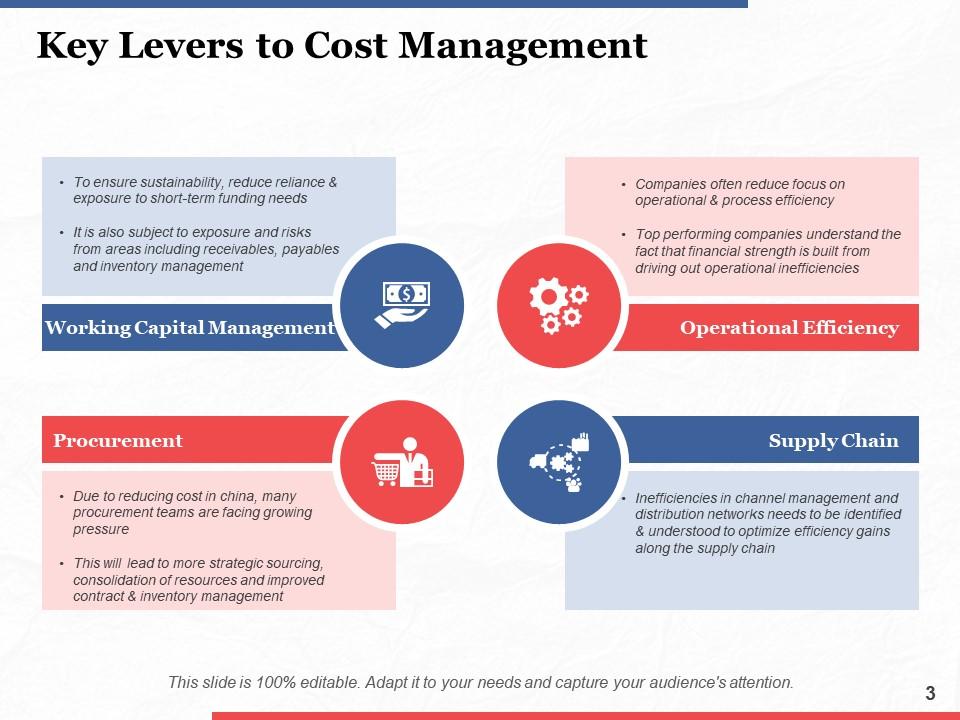
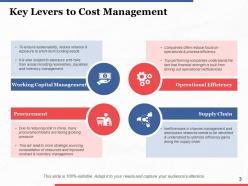
Slide 3: This slide presents Key Levers to Cost Management with the following subheadings- Working Capital Management: To ensure sustainability, reduce reliance & exposure to short-term funding needs. It is also subject to exposure and risks from areas including receivables, payables and inventory management. Procurement: Due to reducing cost in china, many procurement teams are facing growing pressure. This will lead to more strategic sourcing, consolidation of resources and improved contract & inventory management. Operational Efficiency: Companies often reduce focus on operational & process efficiency. Top performing companies understand the fact that financial strength is built from driving out operational inefficiencies. Supply Chain: Inefficiencies in channel management and distribution networks needs to be identified & understood to optimize efficiency gains along the supply chain.
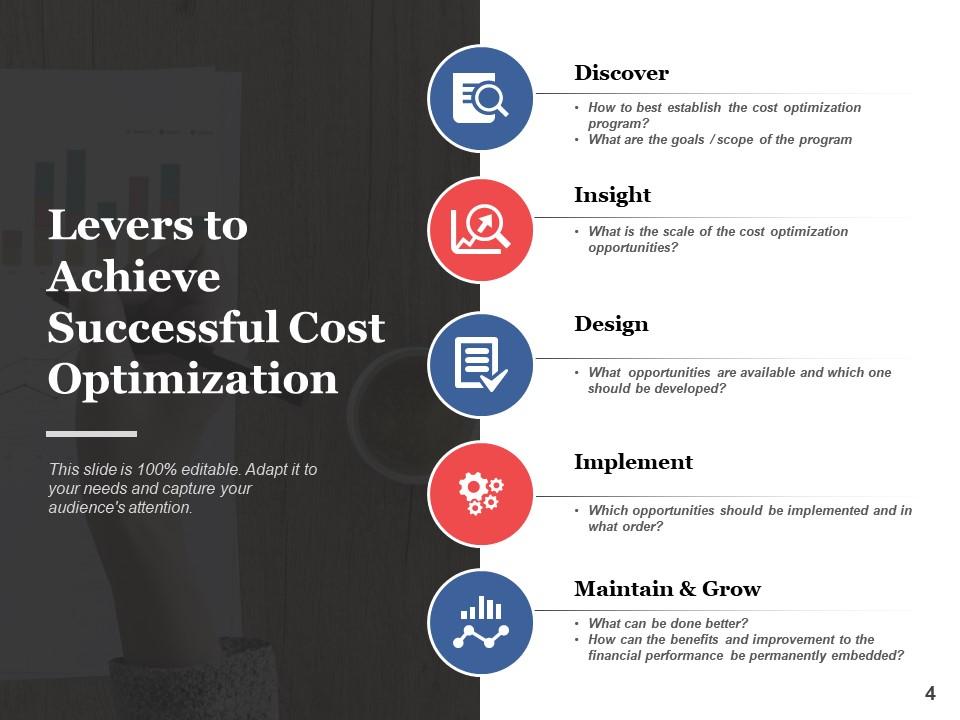
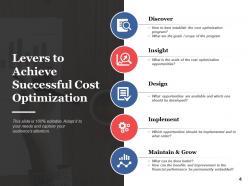
Slide 4: This slide showcases Levers to Achieve Successful Cost Optimization with the following points- Maintain & Grow, Discover, Insight, Design, Implement.
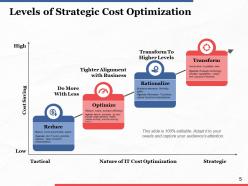
Slide 5: This slide shows Levels of Strategic Cost Optimization divided into- Transform, Rationalize, Optimize, Reduce.
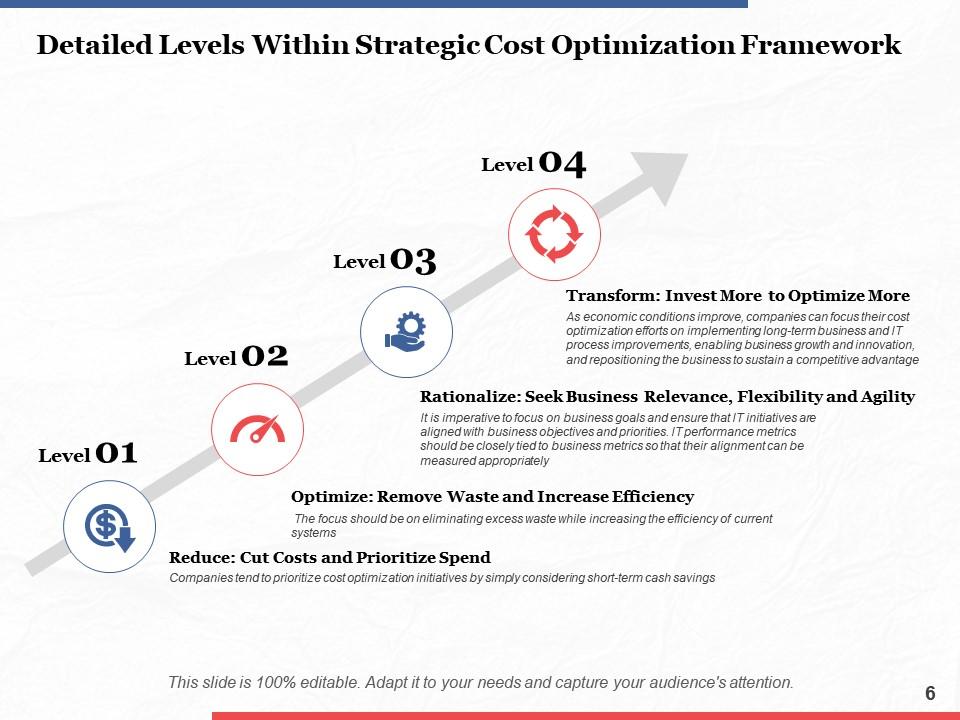
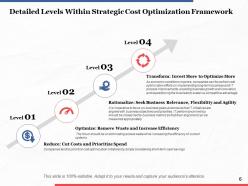
Slide 6: This slide presents Detailed Levels Within Strategic Cost Optimization Framework with four levels- Reduce: Cut Costs and Prioritize Spend, Optimize: Remove Waste and Increase Efficiency, Rationalize: Seek Business Relevance, Flexibility and Agility, Transform: Invest More to Optimize More.
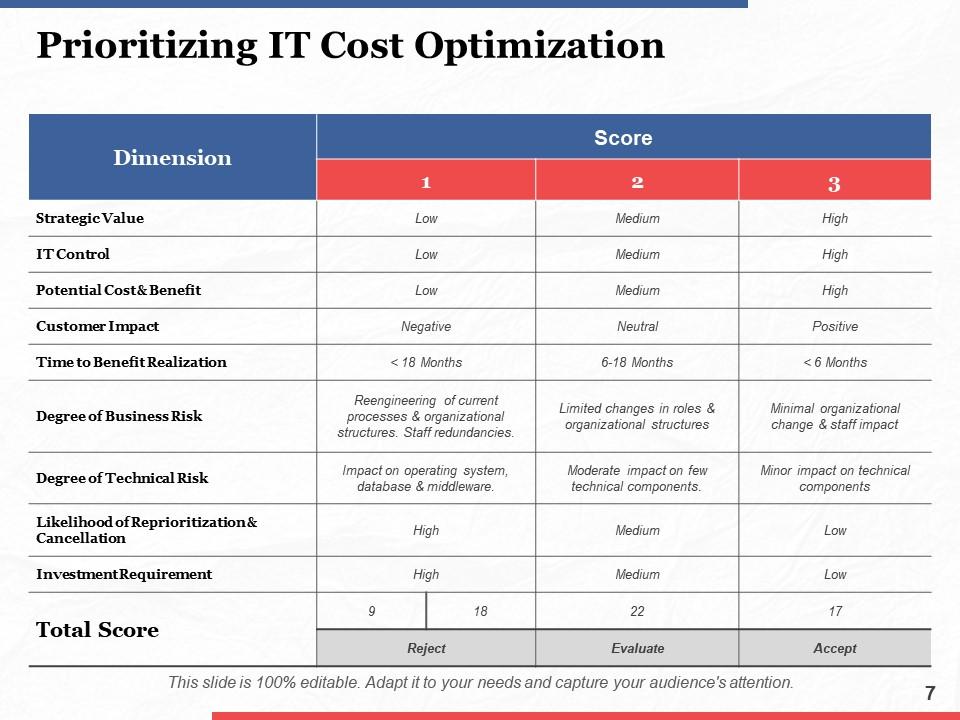
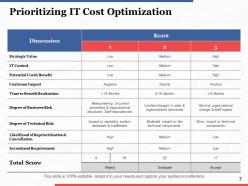
Slide 7: This slide presents Prioritizing IT Cost Optimization in tabular form.
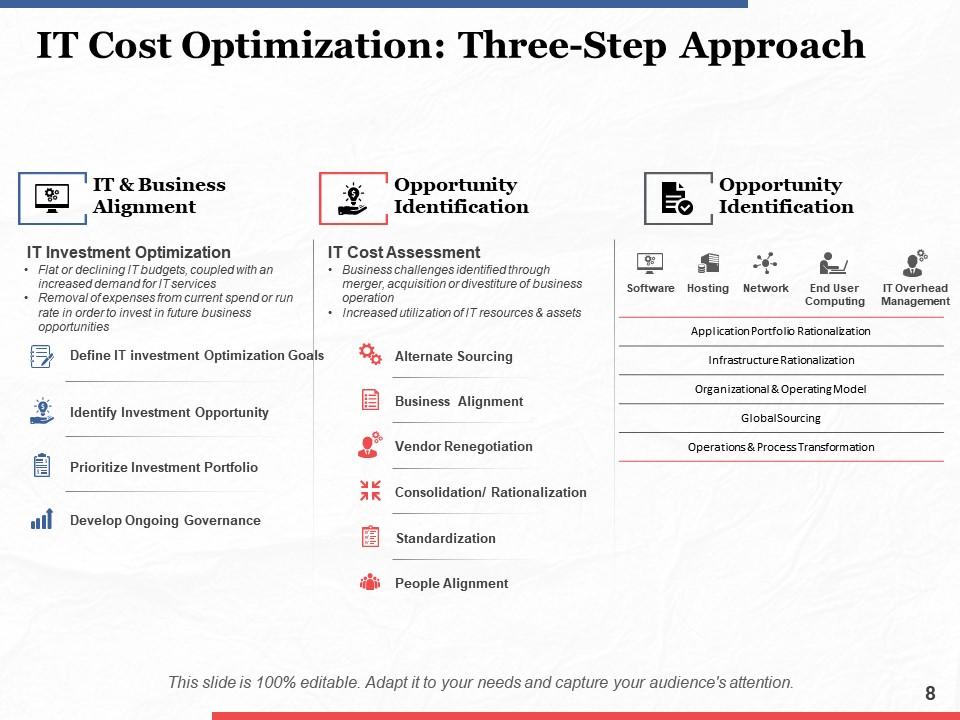
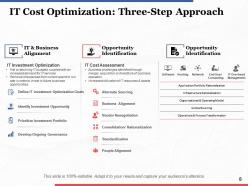
Slide 8: This slide presents IT Cost Optimization: Three-Step Approach with the following subheadings- IT & Business Alignment Opportunity Identification Opportunity Identification
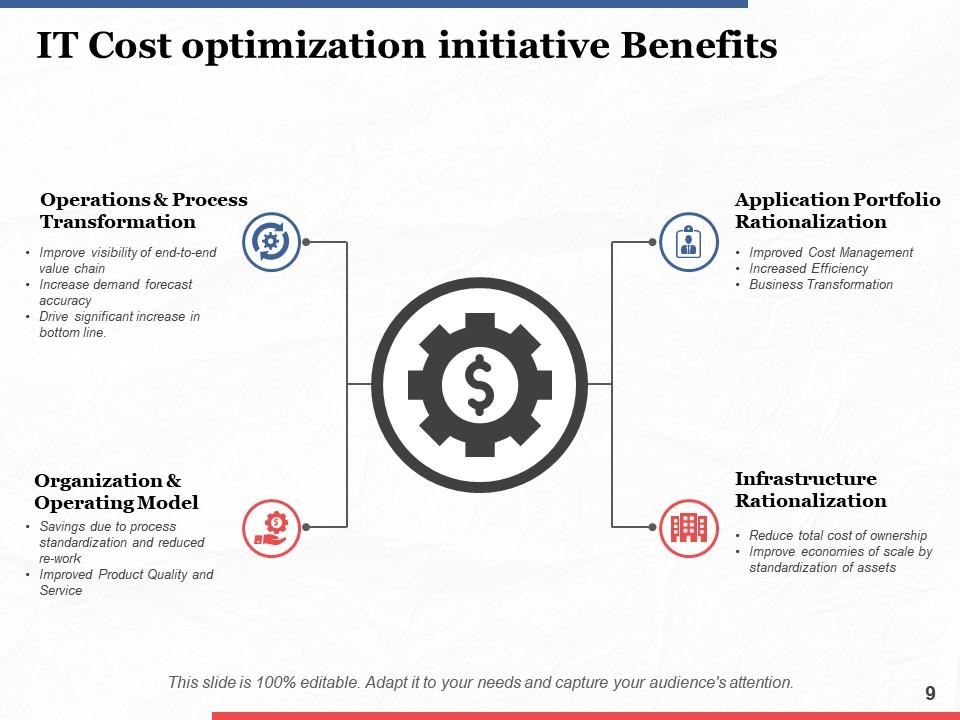
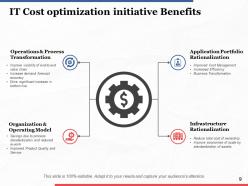
Slide 9: This slide presents IT Cost optimization initiative Benefits with the following subheadings- Operations & Process Transformation, Improve visibility of end-to-end value chain, Increase demand forecast accuracy, Drive significant increase in bottom line, Organization & Operating Model, Savings due to process standardization and reduced re-work, Improved Product Quality and Service, Application Portfolio Rationalization, Improved Cost Management, Increased Efficiency, Business Transformation, Infrastructure Rationalization, Reduce total cost of ownership, Improve economies of scale by standardization of assets.
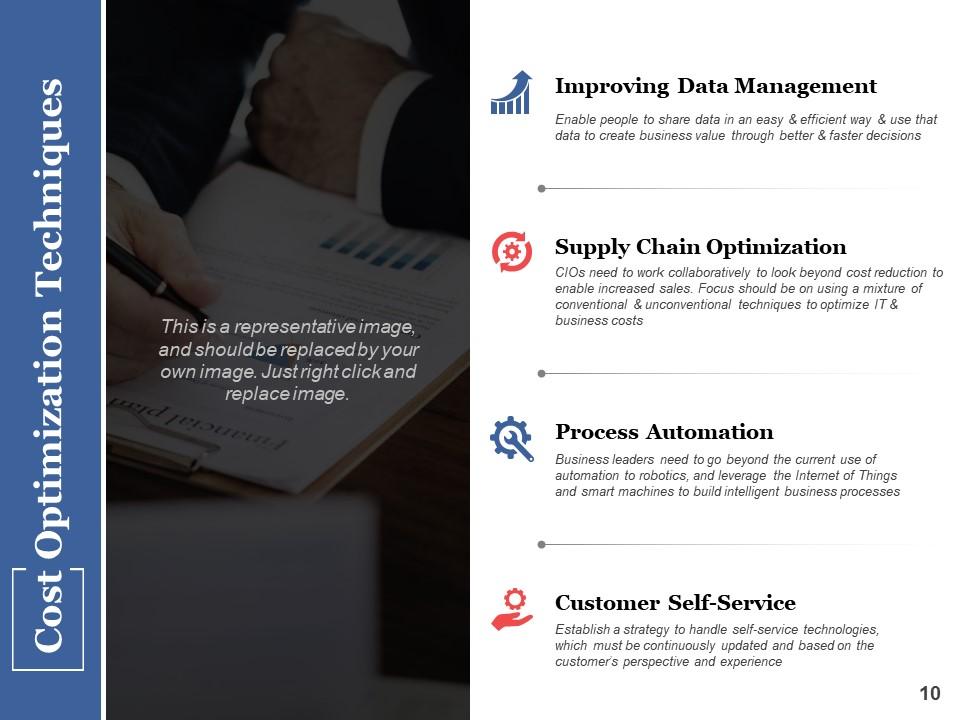
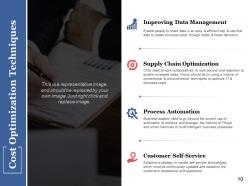
Slide 10: This slide showcases Cost Optimization Techniques such as- Improving Data Management, Supply Chain Optimization, Process Automation, Customer Self-Service.
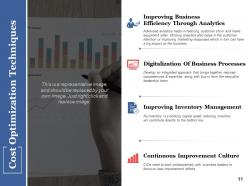
Slide 11: This slide presents Cost Optimization Techniques such as- Improving Business Efficiency Through Analytics, Digitalization Of Business Processes, Improving Inventory Management, Continuous Improvement Culture.
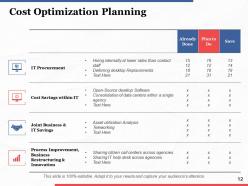
Slide 12: This slide presents Cost Optimization Planning in tabular form.
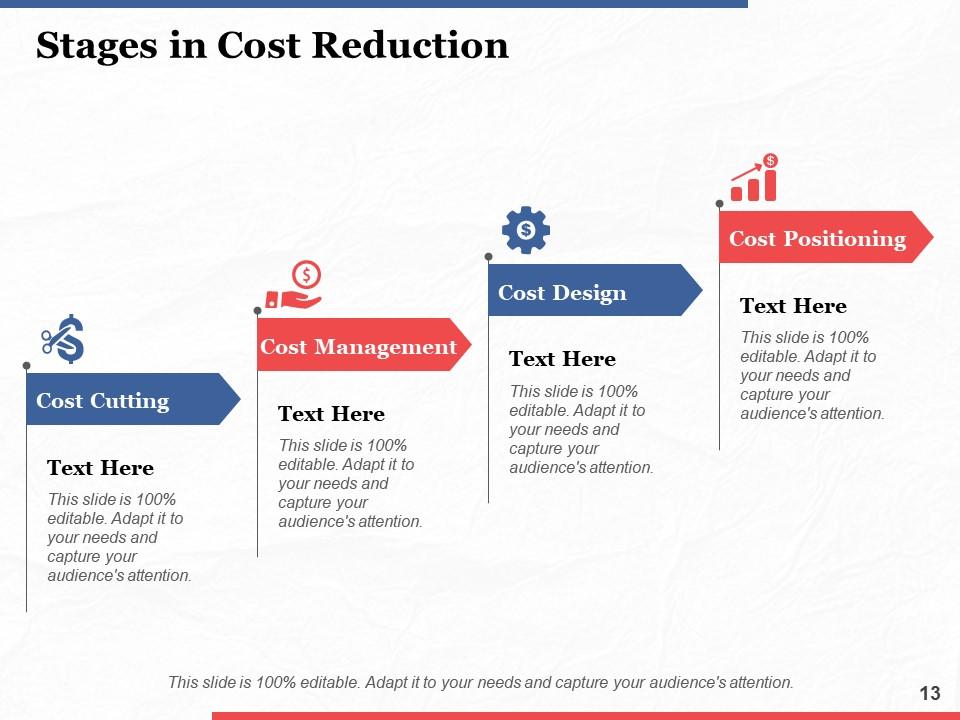
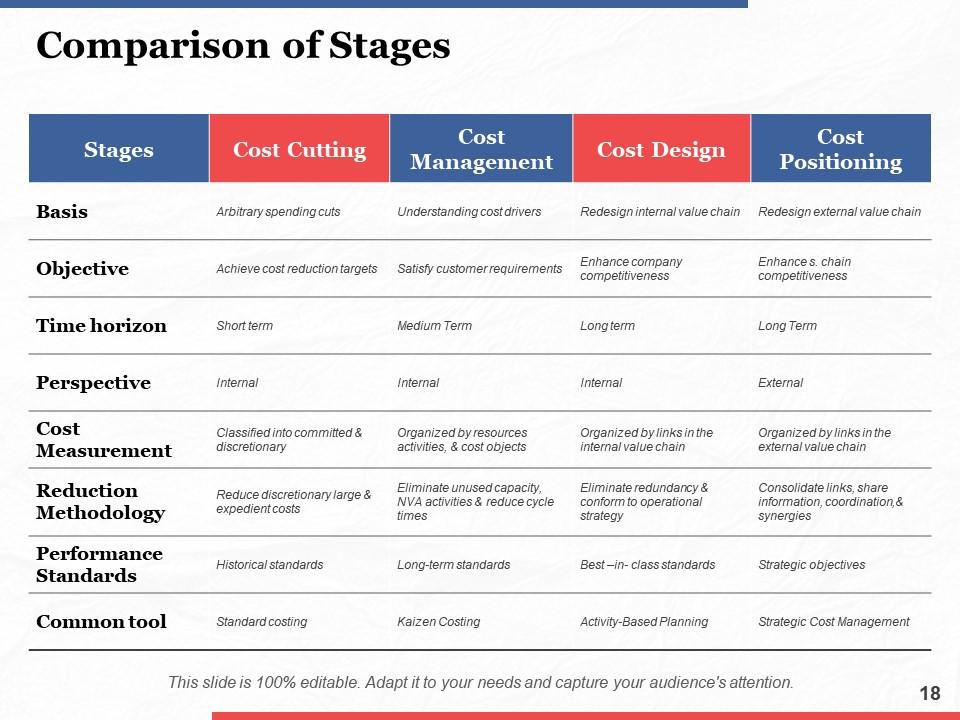
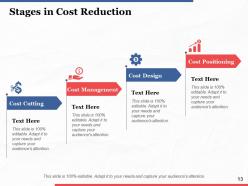
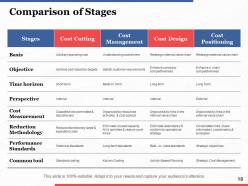
Slide 13: This slide displays the Stages in Cost Reduction such as- Cost Cutting, Cost Management, Cost Design, Cost Positioning.
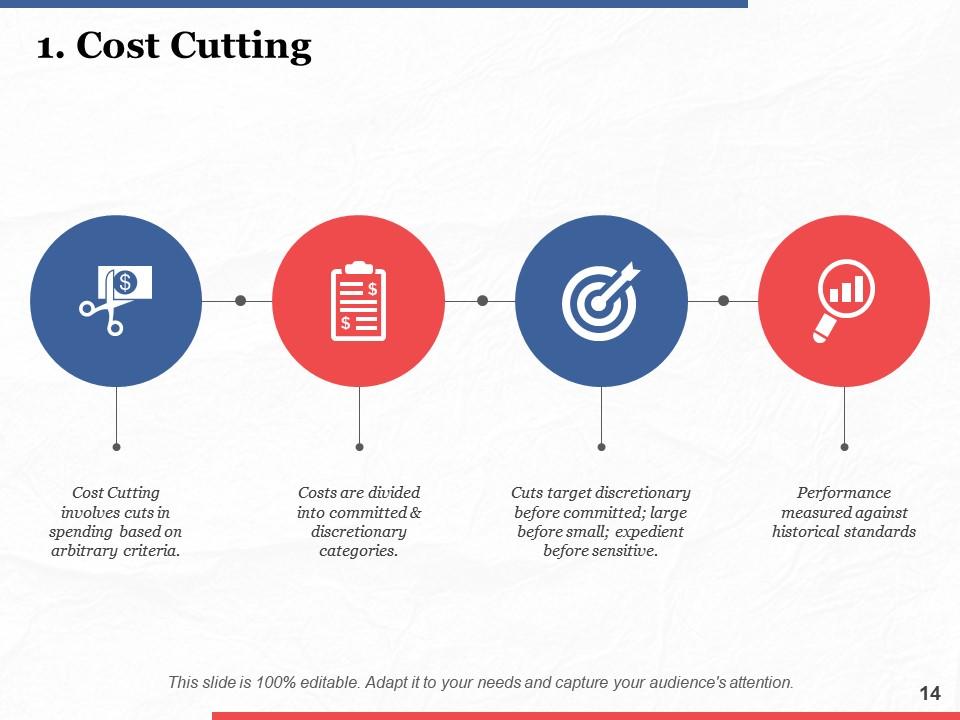
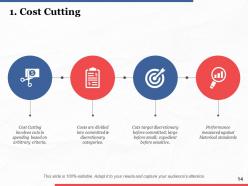
Slide 14: This slide displays Cost Cutting with the following content- Cost Cutting involves cuts in spending based on arbitrary criteria, Costs are divided into committed & discretionary categories, Cuts target discretionary before committed; large before small; expedient before sensitive, Performance measured against historical standards.
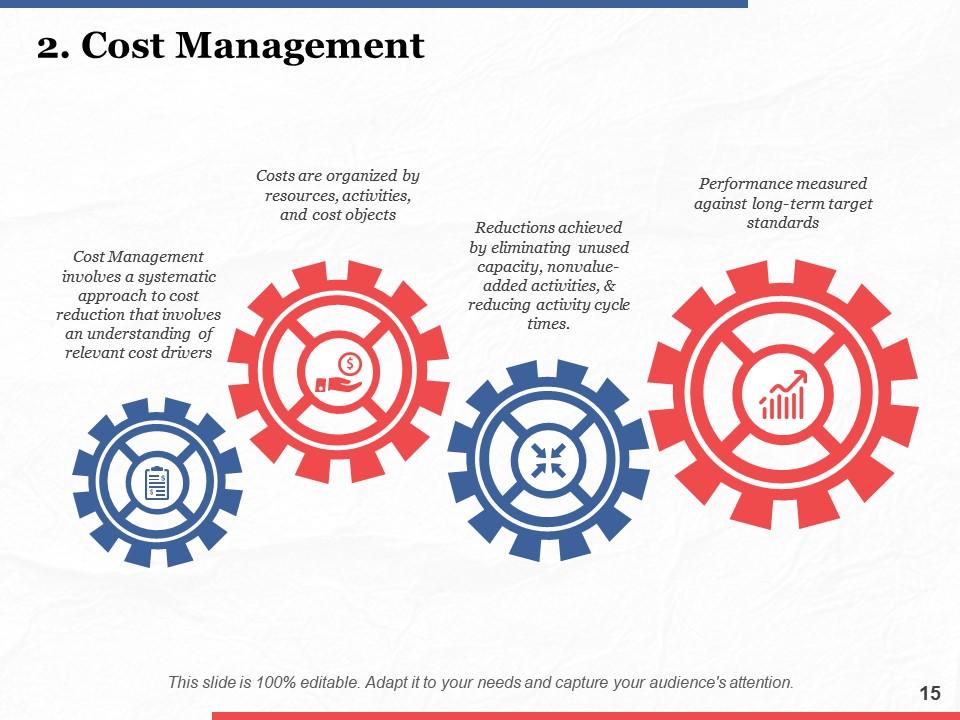
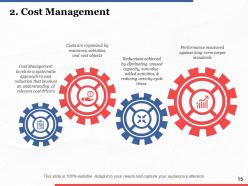
Slide 15: This slide presents Cost Management with the following content- Cost Management involves a systematic approach to cost reduction that involves an understanding of relevant cost drivers Costs are organized by resources, activities, and cost objects Reductions achieved by eliminating unused capacity, nonvalue-added activities, & reducing activity cycle times. Performance measured against long-term target standards
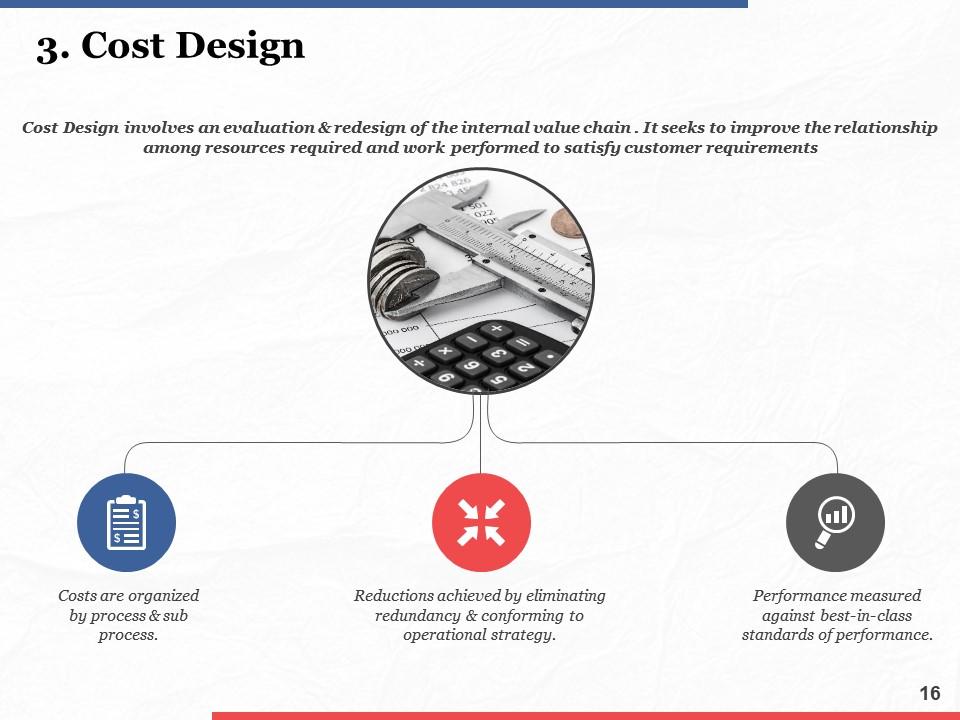
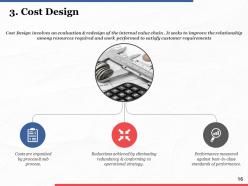
Slide 16: This slide presents Cost Design with the following content- Costs are organized by process & sub process. Reductions achieved by eliminating redundancy & conforming to operational strategy, Performance measured against best-in-class standards of performance, Cost Design involves an evaluation & redesign of the internal value chain . It seeks to improve the relationship among resources required and work performed to satisfy customer requirements.
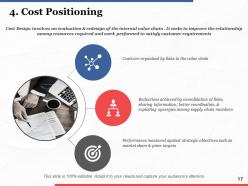
Slide 17: This slide presents Cost Positioning with the following content. Reductions achieved by consolidation of links, sharing information, better coordination, & exploiting synergies among supply chain members Costs are organized by links in the value chain. Performance measured against strategic objectives such as market share & price targets.
Slide 18: This slide showcases Comparison of Stages in tabular form.
Slide 19: This is a Coffee break image slide to halt. You can change the slide content as per need.
Slide 20: This slide is titled Additional Slides to move forward. You can alter the slide content as per need.
Slide 21: This is an About us slide to state company/team specifications.
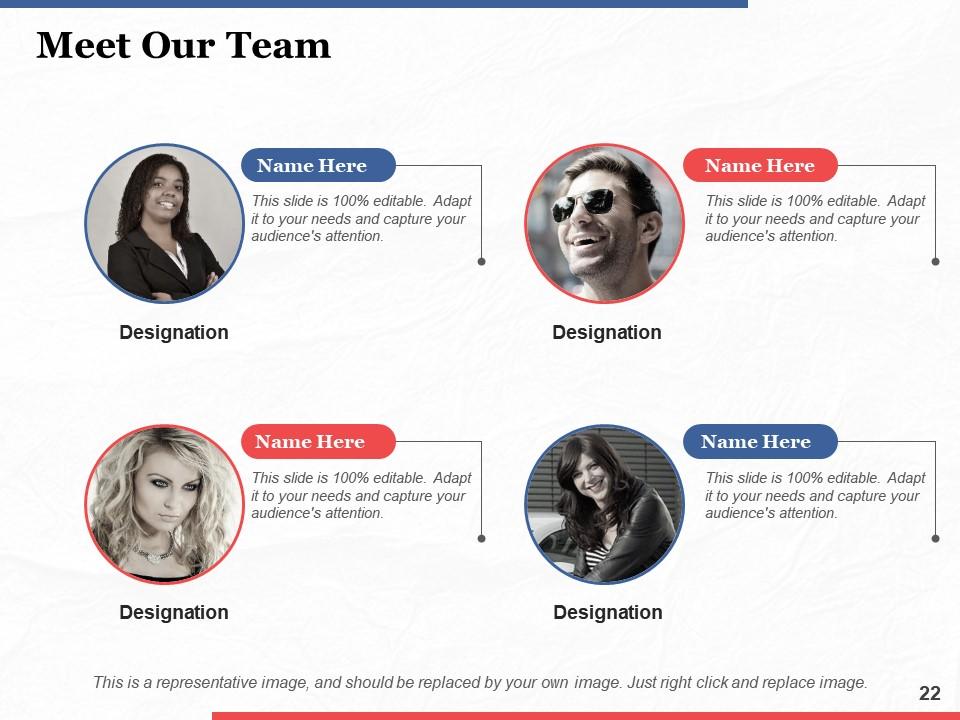
Slide 22: This is Meet Our Team slide to state team specifications, information, structure etc.
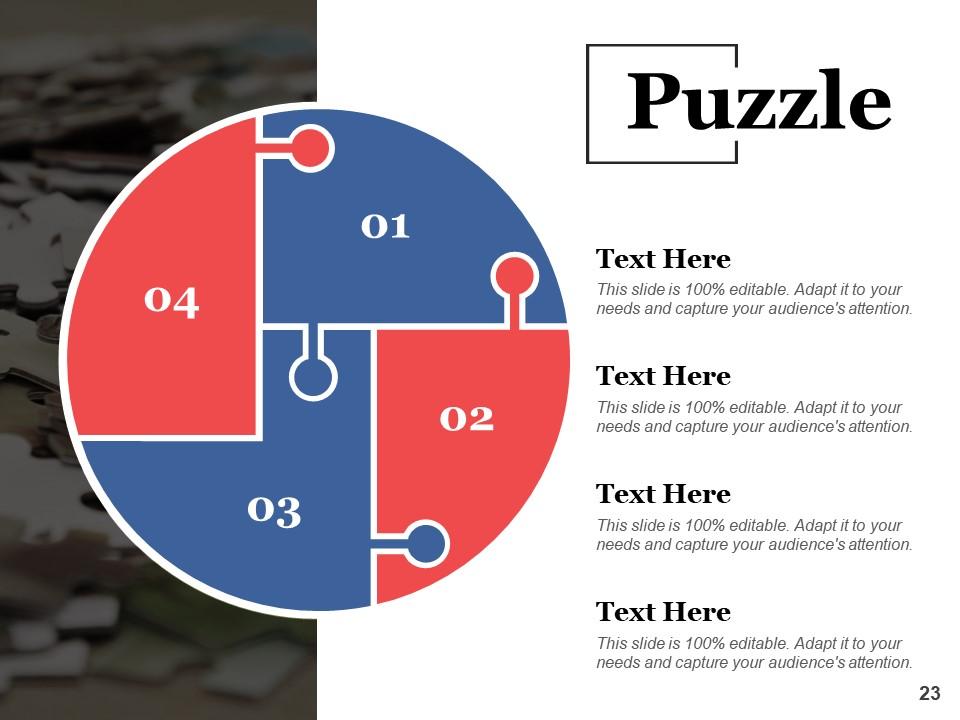
Slide 23: This is a Puzzle image slide to show information, specifications etc.
Slide 24: This slide showcases Important Notes to show information, specifications, events, reminders etc.
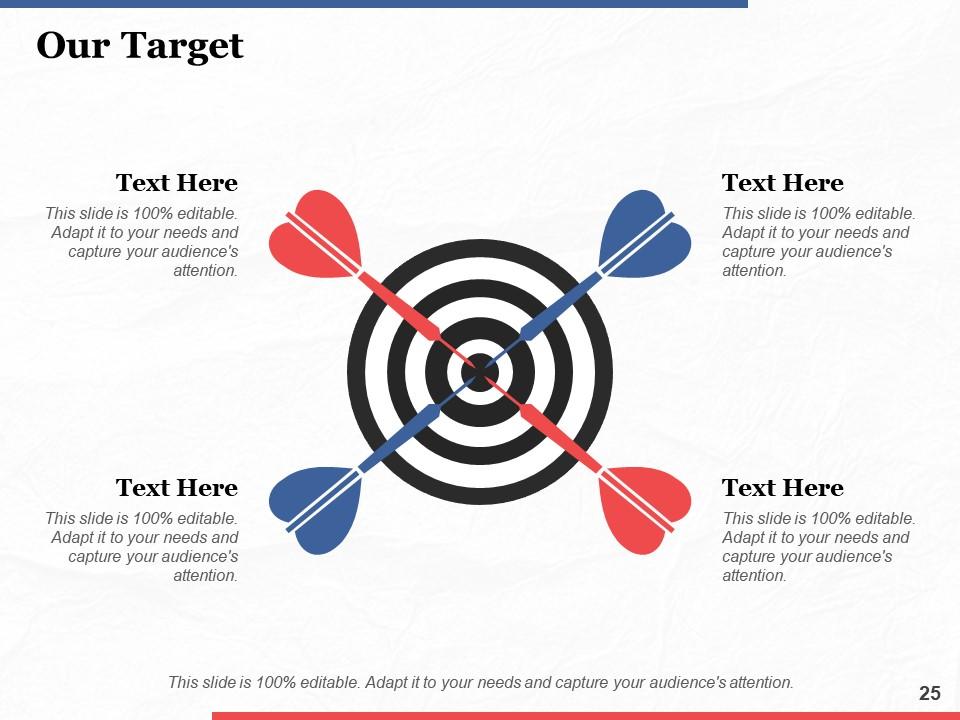
Slide 25: This is Our Target slide. State targets, goals etc. here.
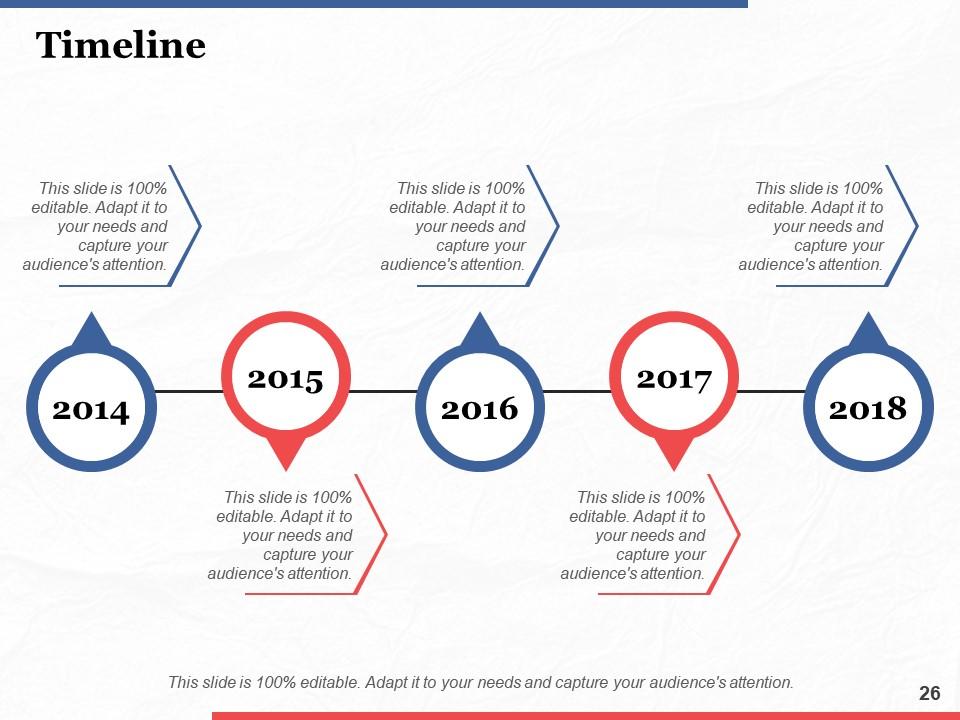
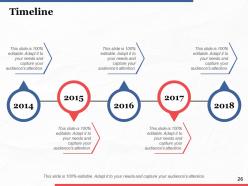
Slide 26: This is a Timeline slide to show growth, evolution or milestones of the company.
Slide 27: This is a Bulb/Idea image slide to show innovative information, specifications etc.
Slide 28: This is a Magnifying Glass image slide to show information, specifications etc.
Slide 29: This slide is titled Charts & Graphs to proceed forward. You may alter the slide content as per requirement.
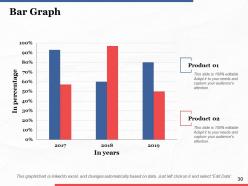
Slide 30: This is a Bar graph slide. State specifications, comparison of products/entities here.
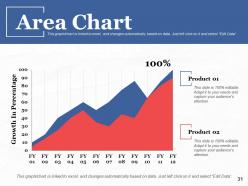
Slide 31: This is an Area chart slide. State specifications, comparison of products/entities here.
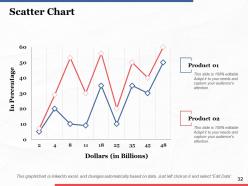
Slide 32: This is a Scatter Chart slide. State specifications, comparison of products/entities here.
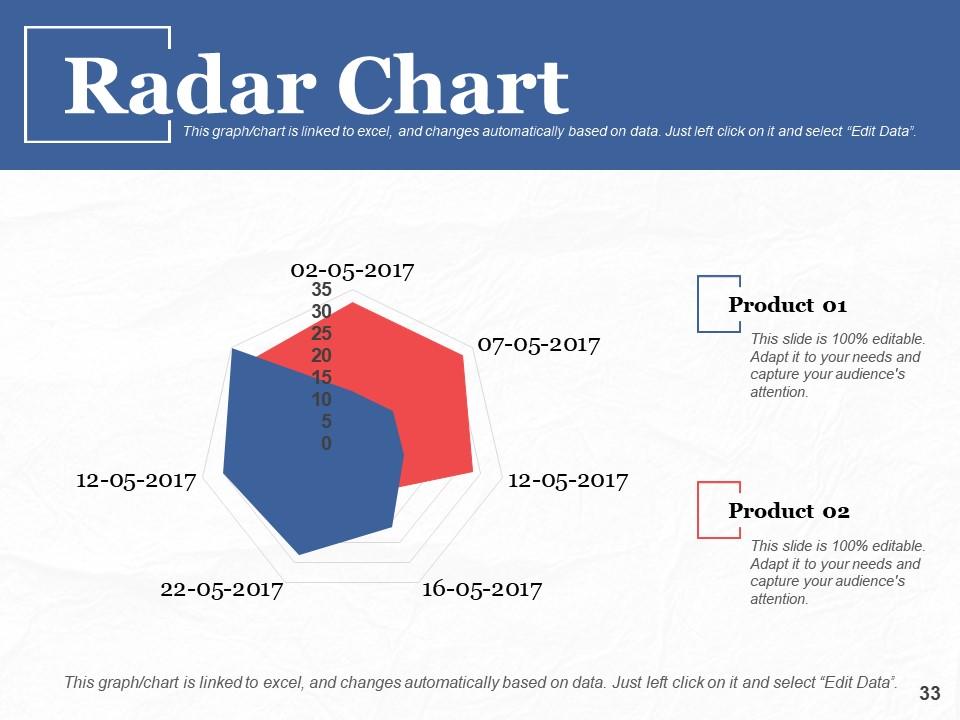
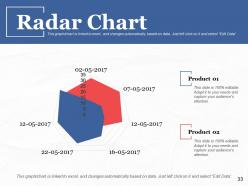
Slide 33: This is a Radar Chart slide. State specifications, comparison of products/entities here.
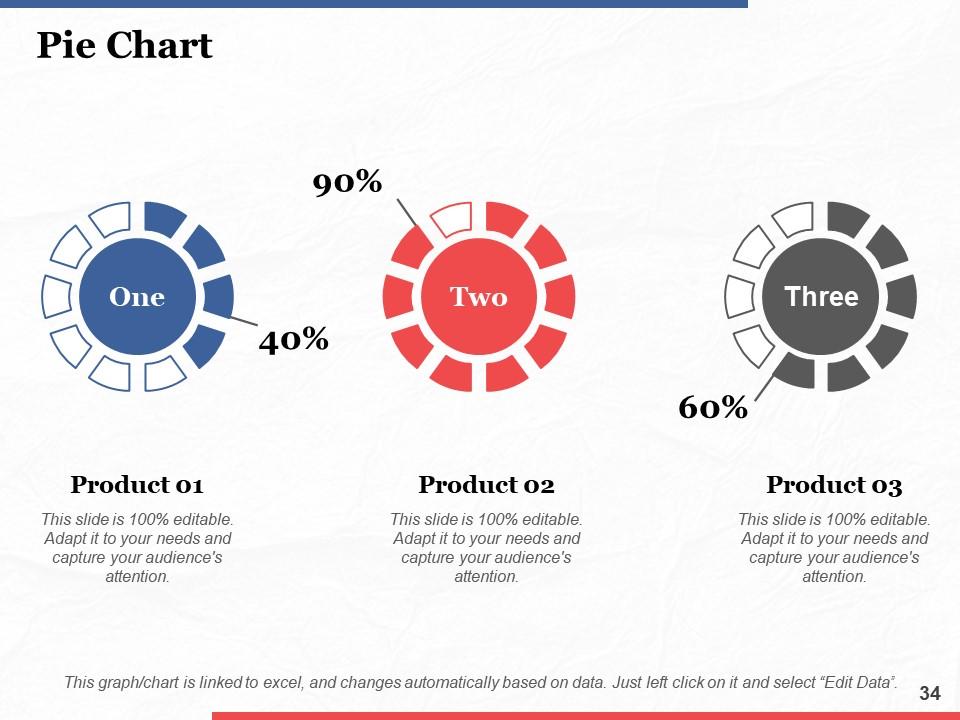
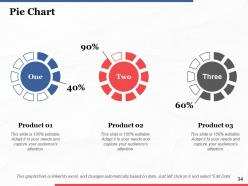
Slide 34: This is a Pie chart slide. State specifications, comparison of products/entities here.
Slide 35: This is a Thank You slide with Address# street number, city, state, Contact Number, Email Address.
Product cost management powerpoint presentation slides with all 35 slides:
Get folks aware of inflated accounts with our Product Cost Management Powerpoint Presentation Slides. It helps identify exaggerated assessments.
-
Use of icon with content is very relateable, informative and appealing.
-
Amazing product with appealing content and design.
