Project Management Process Powerpoint Ppt Template Bundles
Try Before you Buy Download Free Sample Product
Audience
Editable
of Time
Our Project Management Process Powerpoint Ppt Template Bundles are topically designed to provide an attractive backdrop to any subject. Use them to look like a presentation pro.
People who downloaded this PowerPoint presentation also viewed the following :
Project Management Process Powerpoint Ppt Template Bundles with all 17 slides:
Use our Project Management Process Powerpoint Ppt Template Bundles to effectively help you save your valuable time. They are readymade to fit into any presentation structure.
FAQs for Project Management Process Powerpoint
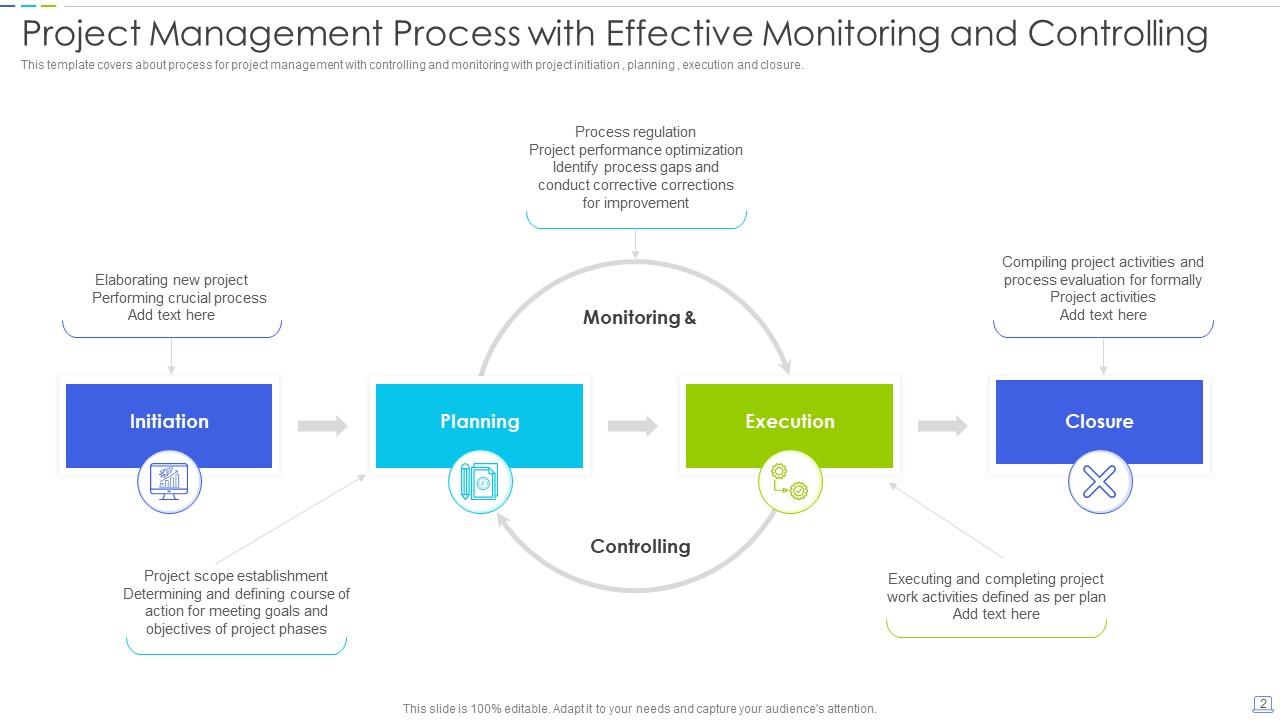
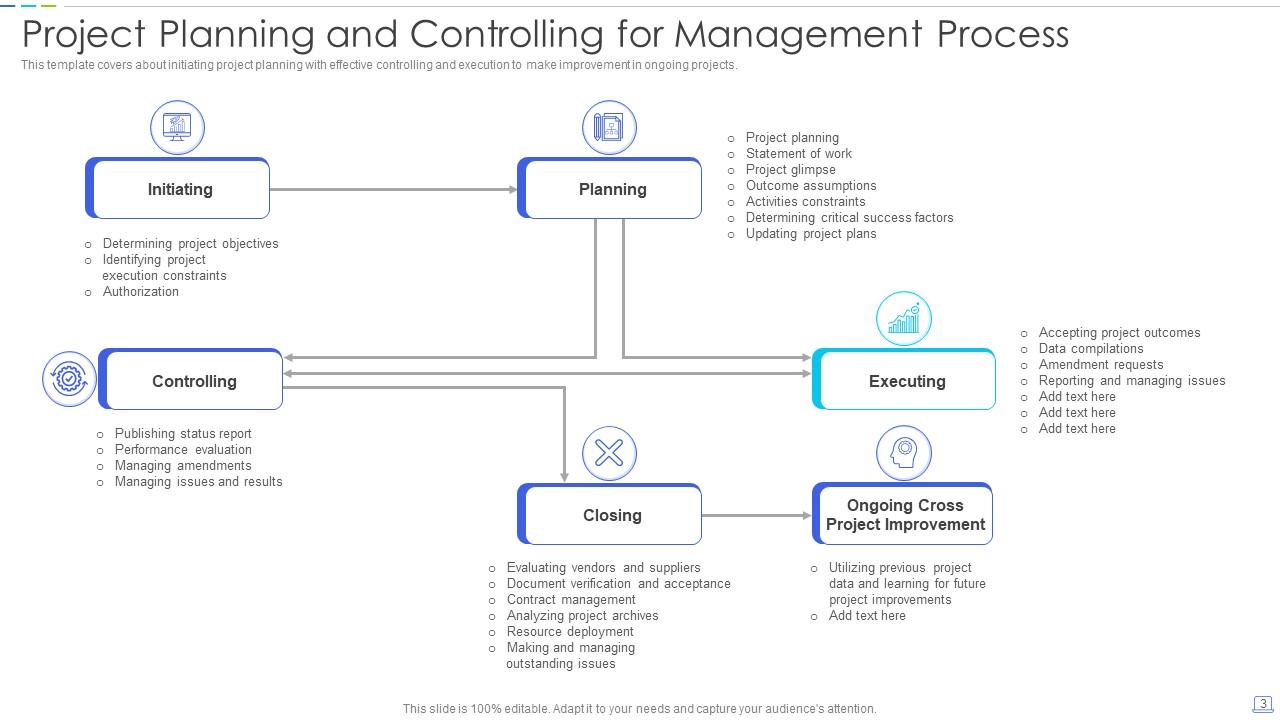
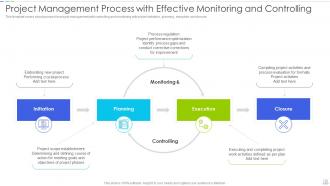
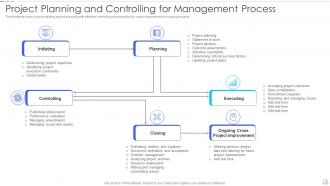
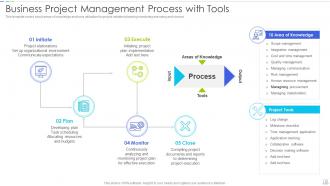
So there are basically five stages: initiation where you define everything and get the green light, then planning (timeline, resources, all that stuff), execution which is the actual work, monitoring where you track progress and fix things, and closure for wrapping up. Quick tip though - don't rush the planning phase like everyone does! You'll hate yourself later. Most of your time gets eaten up in execution obviously, but planning is what saves your butt. Oh, and figure out your scope and who's involved before anything else. Trust me on this one, I've seen too many projects go sideways because people skipped that step.
Honestly, I think of it like a triangle - mess with one side and the others have to shift too. My first big project taught me this the hard way lol. So if your client suddenly wants extra features, either timeline or budget has to give. Maybe both. Start by nailing down what "finished" actually means, then pad your timelines because something always goes sideways. Check in regularly so you catch problems before they blow up. The real trick is being super upfront about trade-offs - clients think they can get everything fast, cheap, and perfect but that's fantasy land. Write everything down though, because when scope creep hits (and it will), you'll need proof to back up those change requests.
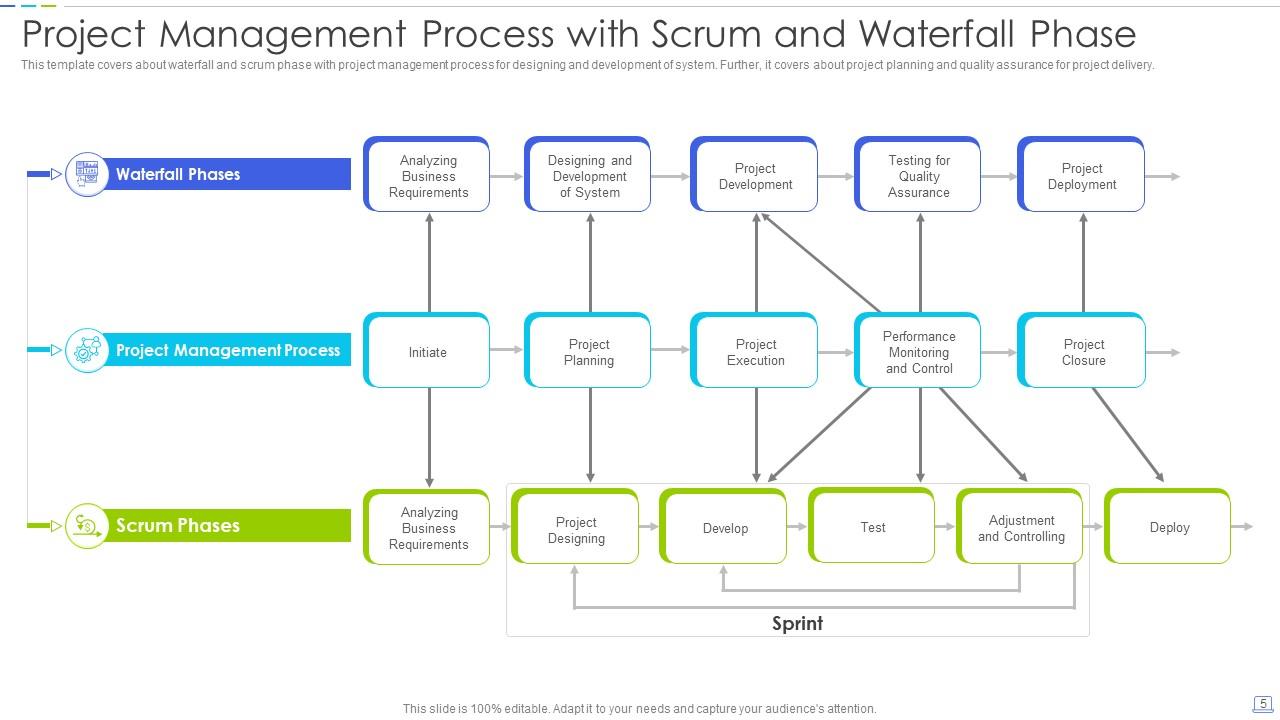
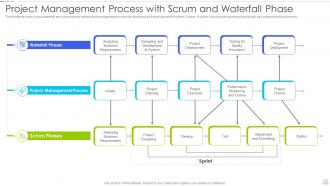
Honestly, you'll mostly see Waterfall, Agile, and Scrum everywhere. Waterfall's the old-school linear method where you finish one phase completely before starting the next - works well if your requirements are super clear from the start. Agile's way more flexible though. You work in iterations, which is clutch because let's be real, stuff always changes mid-project. Scrum's technically part of Agile but uses these short "sprints" and daily check-ins. There's also Kanban for tracking tasks visually and Lean for cutting out unnecessary steps. Pick based on how complex your project is, team size, and how much you think requirements might shift around.
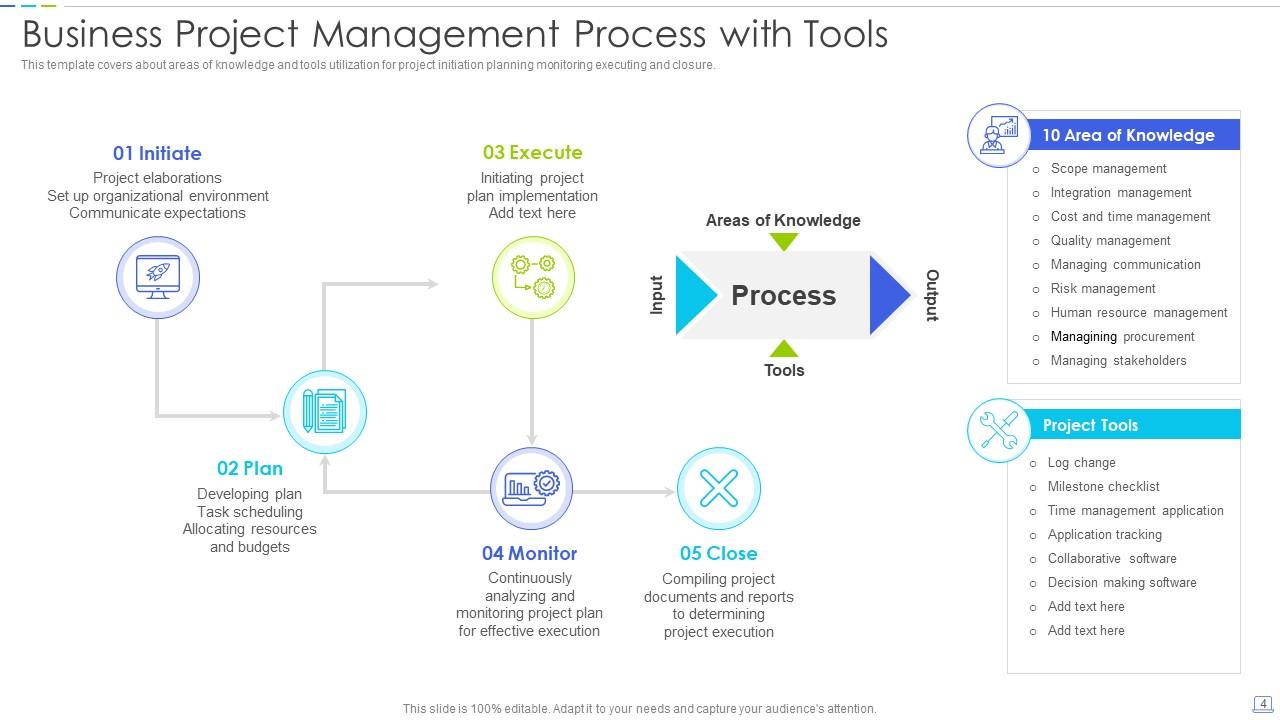
Honestly, tech makes project management so much easier - you can automate the boring stuff and actually see what's happening in real time. I use Asana for tracking deadlines (though Monday's good too), and Slack saves me from email hell. Seriously, how did people do this before? Your team can work from anywhere with cloud tools, plus AI helps predict issues before they blow up. Oh, and resource planning gets way simpler too. Just pick whatever's driving you crazy right now and find a tool for that specific problem first.
Communication is massive - you're constantly explaining stuff to people who want totally different amounts of detail. Also need to stay organized since you're juggling like 5 things at once. Problem-solving skills are clutch because projects never go smoothly (trust me on this one). Budget basics help too, plus time management for yourself and your team. But honestly? The biggest thing is reading people and switching up how you lead based on who you're dealing with. I'd figure out what you suck at most right now and work on that first.
Honestly, you've gotta nail down the communication thing from day one. Figure out a stakeholder matrix - sounds fancy but it's just who cares about what and how much power they have. Some people need weekly emails, others only want the big stuff or when things go sideways. Most updates can be email but do face-to-face for anything sensitive or when you need people on board. Oh and be proactive! Nobody wants to be blindsided by problems. Set those regular check-ins and actually stick to them - even when everything's cruising along fine, which let's be real, doesn't happen often enough.
Start by getting your team together to brainstorm literally everything that could go wrong - trust me, the weirdest stuff always happens. Once you've got your list, rank each risk by how likely it is and how badly it'd hurt if it happened. For the scary high-priority ones, figure out your game plan ahead of time. Here's the thing most PMs get wrong - they write it all down then never look at it again. You've got to review this stuff weekly and actually update it. Set up some early warning signs so you can jump on problems before they blow up in your face.
Dude, team dynamics are honestly everything. I've watched amazing projects completely implode just because people couldn't get along or communicate properly. Good teams? They crush deadlines and figure out solutions fast because everyone trusts each other and actually gives a damn. But when it's toxic... ugh, forget it. Conflicts start brewing, communication breaks down, and people mentally check out. Nobody wants to deal with that drama every day - it makes work absolutely miserable. Here's the thing though: catch problems early. Those little interpersonal annoyances will snowball into project-killing disasters if you ignore them. Regular team check-ins are clutch for this.
Look, I used to hate doing project documentation - felt like such a waste of time. But then I watched projects completely implode because nobody could remember why we made certain decisions or what the original scope even was. Documentation is basically your project's brain dump that keeps everyone on the same page. Meeting notes, key decisions, scope changes - just capture the important stuff as you go. New people joining mid-project? Hand them the docs instead of spending hours catching them up. Plus you'll actually learn from your mistakes when you review everything later. Start small though, don't go overboard initially.
Honestly, weekly check-ins are a game changer - they stop small problems from becoming disasters. Set your KPIs and milestones early, then track everything with dashboards. I mix hard numbers (budget, deadlines) with feedback from the team and stakeholders. Oh, and retrospectives after big phases are clutch for learning what worked. The whole trick is monitoring enough to stay on top of things without being that micromanaging boss everyone hates. Pro tip: set up alerts for budget/timeline issues so you can jump on fixes fast.
Honestly, Agile works because you're not waiting forever to see if you screwed up. Break everything into these short 1-2 week sprints where you're constantly checking with people and getting feedback. When priorities change (and they always do), you can pivot super fast instead of being stuck with some massive plan that's already outdated. Those daily standup meetings might feel annoying but they actually catch problems before they blow up. The whole "fail fast" approach isn't just buzzword BS - it genuinely helps. Try doing weekly check-ins with your stakeholders first. You'll be shocked how much quicker you can fix things when they go sideways.
Okay so think of the project charter as your official "we're really doing this" document. It needs project purpose, main goals, who's involved, rough budget and timeline, plus how you'll know if you succeeded. Honestly, getting stakeholder buy-in is where most people mess up - you absolutely need them to actually sign off, not just nod along in meetings. One to two pages tops though, nobody reads novels. It's basically your go-to reference when everything inevitably goes sideways and people start asking "wait, why are we doing this again?" Schedule that review meeting ASAP.
Oh man, this stuff will totally derail your project if you don't see it coming. I remember working with our Tokyo team - what a learning curve that was! Some cultures are crazy direct, others beat around the bush for ages. Hierarchy matters way more in certain places too. Even saying "yes" in meetings means different things depending on where people are from, which honestly blew my mind at first. My advice? Figure out everyone's communication style early and set up protocols that actually work for the whole team. Trust me, it's worth the upfront time investment.
Okay so definitely grab a project management tool first - Asana or Monday are solid choices, Jira if you're more technical. Slack's pretty much essential for team chat these days. Zoom for video calls obviously. I'm constantly switching between my calendar and Google Drive, which honestly gets annoying but whatever. Excel or Sheets work fine for tracking budgets and basic reporting stuff. Oh and if you're already using Microsoft everything, Teams isn't terrible either. Start simple with just PM + communication tools, then add more as you figure out what's actually missing.
Honestly, start doing proper project retrospectives after everything wraps up. Good and bad stuff - capture it all. Put those notes somewhere your team will actually see them again, not some random folder that'll get forgotten. Way too many teams keep making identical mistakes because they never look back at what happened before. During kickoffs for new projects? Pull up similar old ones and see what went wrong last time. I use a basic template - scope issues, timeline problems, risks we missed, how the team worked together. Sounds boring but it actually saves your butt later when you're planning.
-
Loved the collection. Editing the presentation was seamless with their templates.Â
-
You know what? I'm so glad I opted for this PPT design. It has been a total game-changer for me and my presentations. Thank you!Â