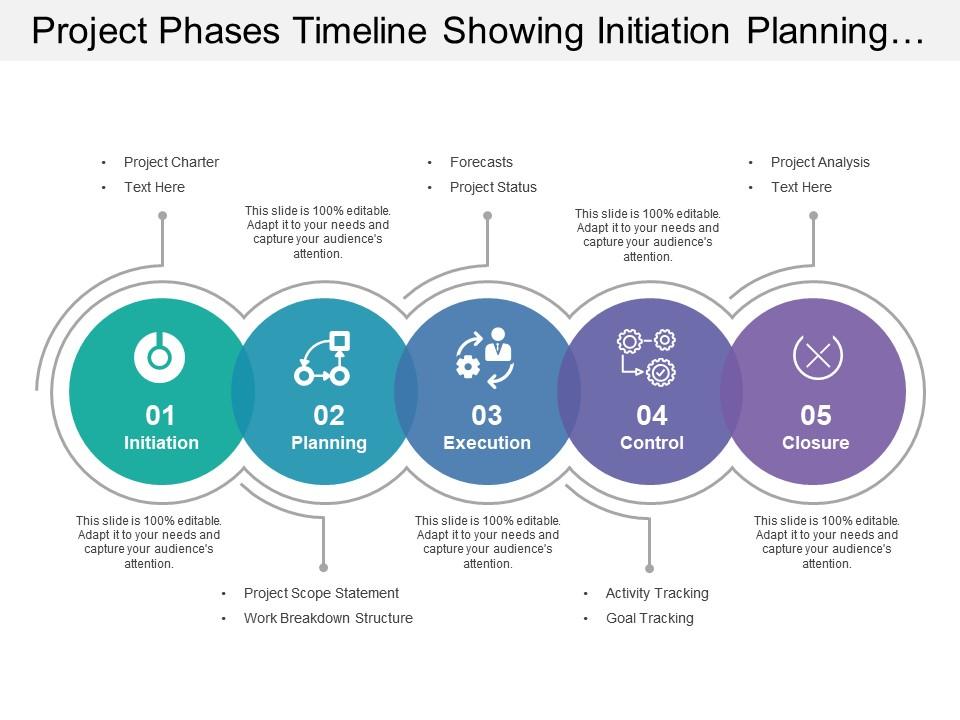
Project phases timeline showing initiation planning and execution with project scope and analysis
Try Before you Buy Download Free Sample Product
Audience
Editable
of Time
Deal with every hassle with our Project Phases Timeline Showing Initiation Planning And Execution With Project Scope And Analysis. Discover the best answer or any difficulty.
People who downloaded this PowerPoint presentation also viewed the following :
Project phases timeline showing initiation planning and execution with project scope and analysis with all 5 slides:
Enable instant calculations with our Project Phases Timeline Showing Initiation Planning And Execution With Project Scope And Analysis. Allow immediate access to all inputs.
FAQs for Project phases timeline showing initiation planning and execution with project
So basically waterfall is super linear - you do requirements, then design, then dev, then testing. Each step happens in order and you can't really go back. Agile is totally different though. You work in short sprints and constantly get feedback as you build stuff. Honestly? Once you've done agile it's hard to go back to waterfall because it feels so slow and rigid. Agile handles changes way better since you're not locked into some massive plan from month one. If your requirements might change or you want quick feedback, definitely go agile. But if everything's set in stone and you need predictable timelines, waterfall still works.
Ugh, scope creep is the worst! You've gotta jump on it fast with some kind of change control process. Regular check-ins help - review new requests against what you originally agreed to. Honestly, I've watched so many PMs crash and burn because they couldn't say no to anything. Don't be that guy! Document every request first, figure out how it'll mess with your budget and timeline, then give them options. Never start work without written approval though - learned that one the hard way. Trust me, you'll be way less stressed later when you're not explaining why everything costs twice as much.
Dude, seriously - talk to your stakeholders early and often. You'll get way better requirements upfront and avoid those nightmare scenarios where you build exactly what they asked for but somehow it's still "wrong." Regular check-ins are clutch, not just at the beginning and end. When stakeholders feel heard, they'll actually fight for your project when budgets get tight or priorities shift. I've seen too many projects tank because someone thought they could just figure out what people wanted without actually asking them. Trust me, a little extra communication now saves you from major headaches later.
Honestly, these tools are game-changers because everything lives in one spot instead of scattered across a million emails. You'll actually know what your teammates are doing and when stuff's due. No more awkward "hey, what's the status on that thing?" conversations. The comment features are clutch too - way better than endless reply-all chains that make you want to scream. I'm weirdly addicted to checking off completed tasks, but maybe that's just me. If you're drowning in status meetings or things keep getting forgotten, pick one tool and test it out. Your sanity will thank you.
Track both progress stuff and the bigger picture. Progress-wise: schedule variance, budget variance, scope creep. Success metrics are stakeholder satisfaction, quality deliverables, hitting your original goals. Don't get obsessed with timelines while missing what actually matters to the business - I've watched way too many PMs fall into that trap. Pick maybe 3-5 metrics you can actually keep up with without going crazy. Simple dashboard works great. Review weekly with your team and you're golden.
Honestly, just bake risk planning right into your initial meetings instead of treating it like some checkbox later. When you're defining scope, get the team brainstorming what could go wrong - then figure out how likely each thing is and how badly it'd mess you up. I learned this the hard way on a project that went sideways fast. Create a basic risk register early on because trust me, you don't want to be scrambling when stuff actually hits the fan. Build buffer time and extra budget based on your biggest risks. Oh, and make it a regular agenda item for every planning session, not just a one-and-done thing.
Okay so first thing - set up regular check-ins because remote teams fall apart without them. Daily standups are ideal but weekly calls are absolutely mandatory. Use Slack for quick stuff and project boards so everyone can see what's happening. Time zones are honestly the worst part, so document everything and try to find a few hours where people overlap for real collaboration. I'd definitely over-communicate rather than leave people guessing. Make sure everyone knows their deadlines and who to bug when they're stuck. Oh, and create a team charter upfront with working hours and response times - trust me, it prevents so many awkward situations later.
Oh man, cultural stuff will absolutely wreck your international projects if you're not careful. Some people are brutally direct, others dance around problems for ages - creates chaos fast. Honestly, time zones are nothing compared to how differently people view deadlines and hierarchy. Your "efficient" approach? Might totally offend stakeholders without you realizing it. Religious holidays mess with timelines, feedback styles vary like crazy, and don't get me started on work-life balance expectations across countries. Before you do anything else, grab some cultural briefings from local team leads. Trust me on this one.
Three things matter most: prep work, the right people in the room, and a clear agenda. Send project goals and roles ahead of time - nobody wants to sit through basic stuff they could've read. I've watched too many kickoffs become these awkward introduction circles that accomplish nothing. Get everyone aligned on expectations and communication early. Honestly, half the battle is just making sure people know what they're responsible for and how you'll measure success. Map out potential problems now rather than later. End with concrete next steps and deadlines, then actually send follow-up notes afterward.
Honestly, communication channels are make-or-break from day one. Regular check-ins are your best friend - set them up and actually stick to them. Slack or Asana work great for keeping everyone on the same page. Here's what I've learned the hard way: people will sit on bad news forever if you let them. Create that safe space where your team isn't afraid to flag problems early. Oh, and document everything! Decisions get forgotten or twisted so fast it's not even funny. Make sure everyone knows how to escalate issues when things go sideways.
Honestly, start with celebrating the small stuff - call out wins in team meetings or Slack. People eat that up. Give them real ownership over chunks of the project so they're not just taking orders all day. Be upfront about where things stand, even when it's a shitshow (and let's be real, it usually is). Check in regularly but actually listen - ask what's blocking them and then go fix it. That's huge. Break big goals into smaller milestones so they feel like they're crushing it instead of drowning. Pick whichever of these feels most natural for you first, then layer on the rest.
Honestly, just do a quick lessons learned session at major milestones and when projects wrap up. Make a basic template - what went well, what sucked, what to do differently next time. I used to skip this step and kept making the same dumb mistakes over and over. Put everything in a shared folder that people can actually search through later. Oh, and here's the part most teams forget - actually review old lessons when you're starting new projects! Otherwise you're just creating documents that'll never see daylight again. It's boring but saves you so much headache down the road.
Dude, AI's gonna completely change how we manage projects. Real-time scheduling that actually adjusts itself, predictive stuff that catches problems early - it's wild. Plus AI can handle all the boring tasks like status reports and figuring out who needs what resources. Makes me feel old tbh, but the data analysis side is incredible - spotting patterns we'd totally miss. My advice? Start playing around with AI project tools now. Don't wait until everyone else is already using them and you're stuck learning while trying to keep up with deadlines.
Dude, change management will literally save your project. I'm not even exaggerating - I've watched so many teams crash and burn because they just kept saying yes to every random request that came their way. Set up some kind of change control board (sounds fancy but it's not) and document everything. Before you agree to anything, figure out how it'll mess with your budget and timeline. Scope creep is real and it's brutal. You don't want to be three months behind schedule wondering where it all went wrong. Trust me on this one.
Think of documentation as your project's brain - it remembers all the decisions and requirements so you don't have to. Without it, you'll spend half your time trying to figure out what past-you was thinking (trust me on this one). Keep your docs alive and easy to find, not buried somewhere. Templates help maintain consistency. Focus on what stakeholders actually need to know. Oh, and update them during meetings instead of panicking later. Start simple: project charter, requirements doc, and regular status updates. You can always add more as things get complex.
-
Easy to edit slides with easy to understand instructions.
-
Illustrative design with editable content. Exceptional value for money. Highly pleased with the product.