Recruitment Dashboard Metrics Powerpoint Ppt Template Bundles

Rating:
90%
Recruitment Dashboard Metrics Powerpoint Ppt Template Bundles
Slide 1 of 18
Favourites Favourites

Try Before you Buy Download Free Sample Product

Audience Impress Your
Audience
Editable 100%
Editable
Time Save Hours
of Time
The Biggest Sale is ending soon in
0
0
:
0
0
:
0
0
Rating:
90%
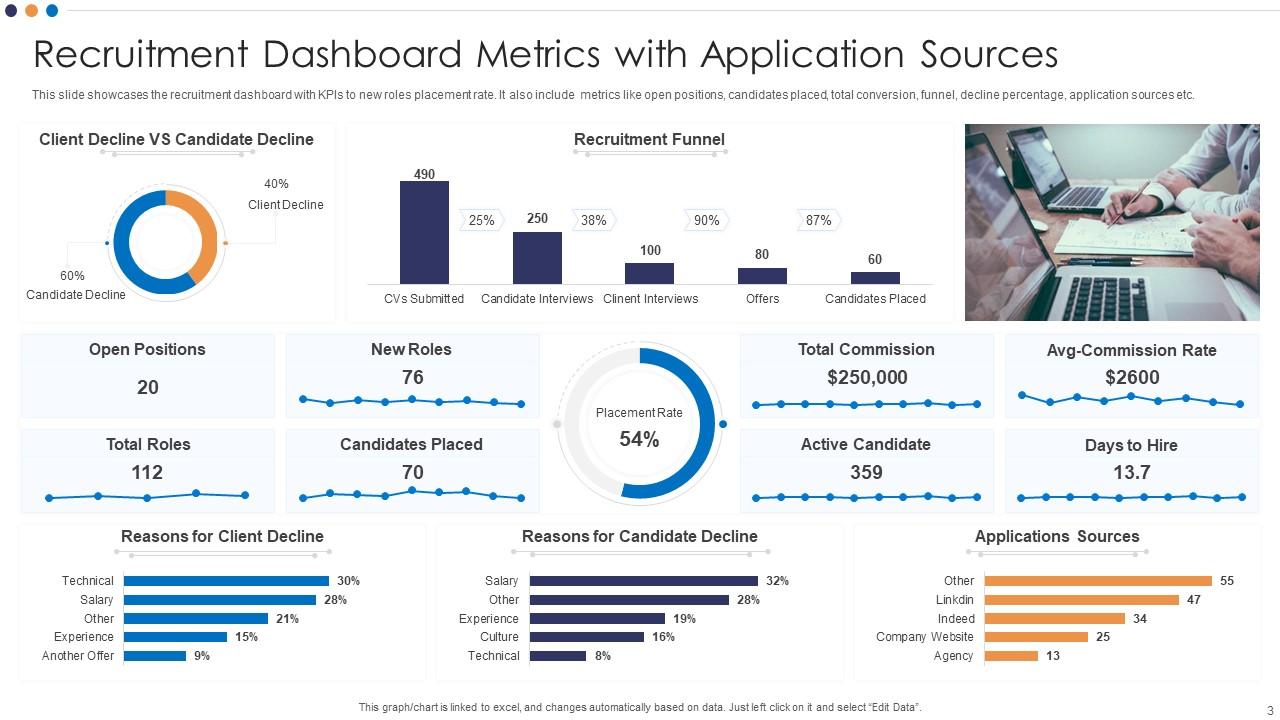
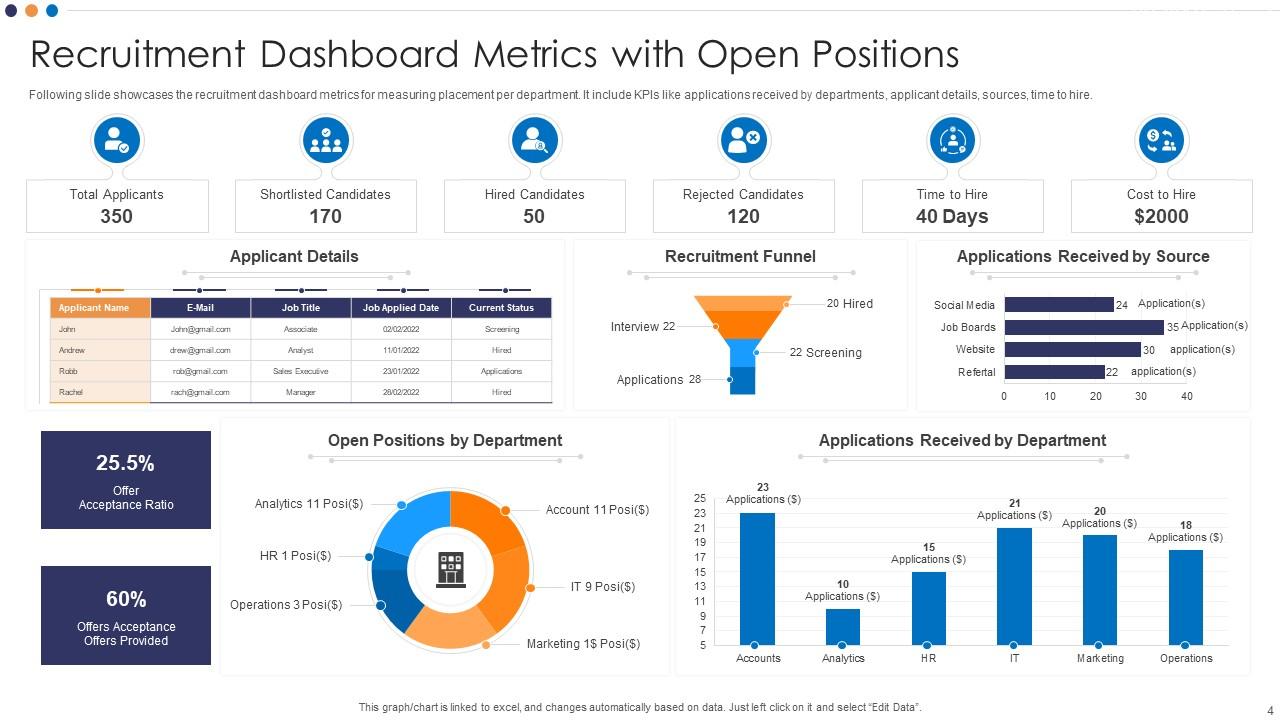
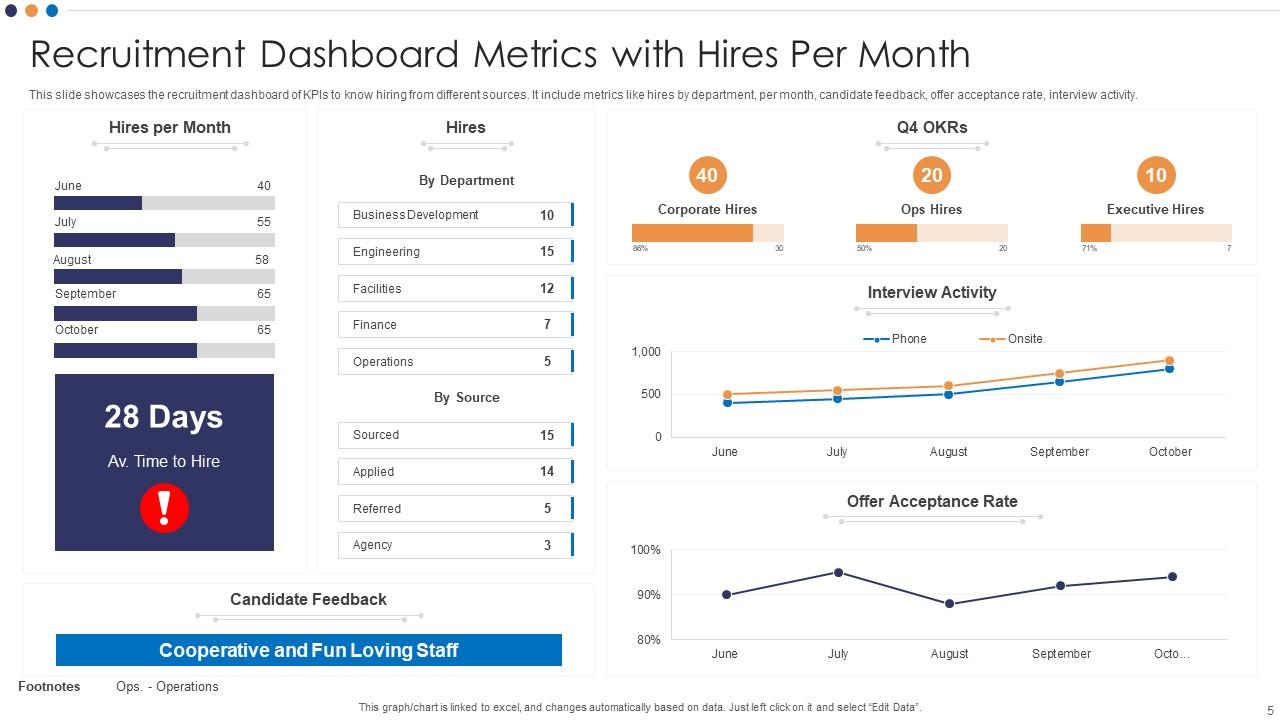
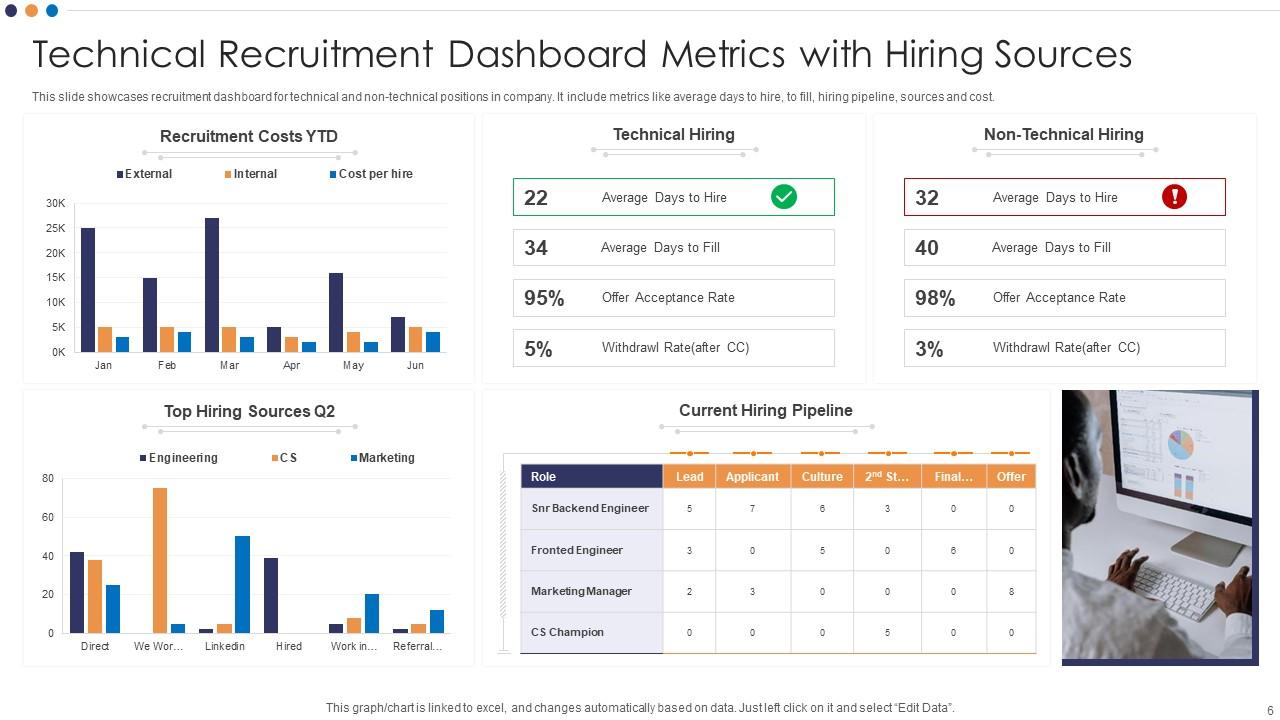
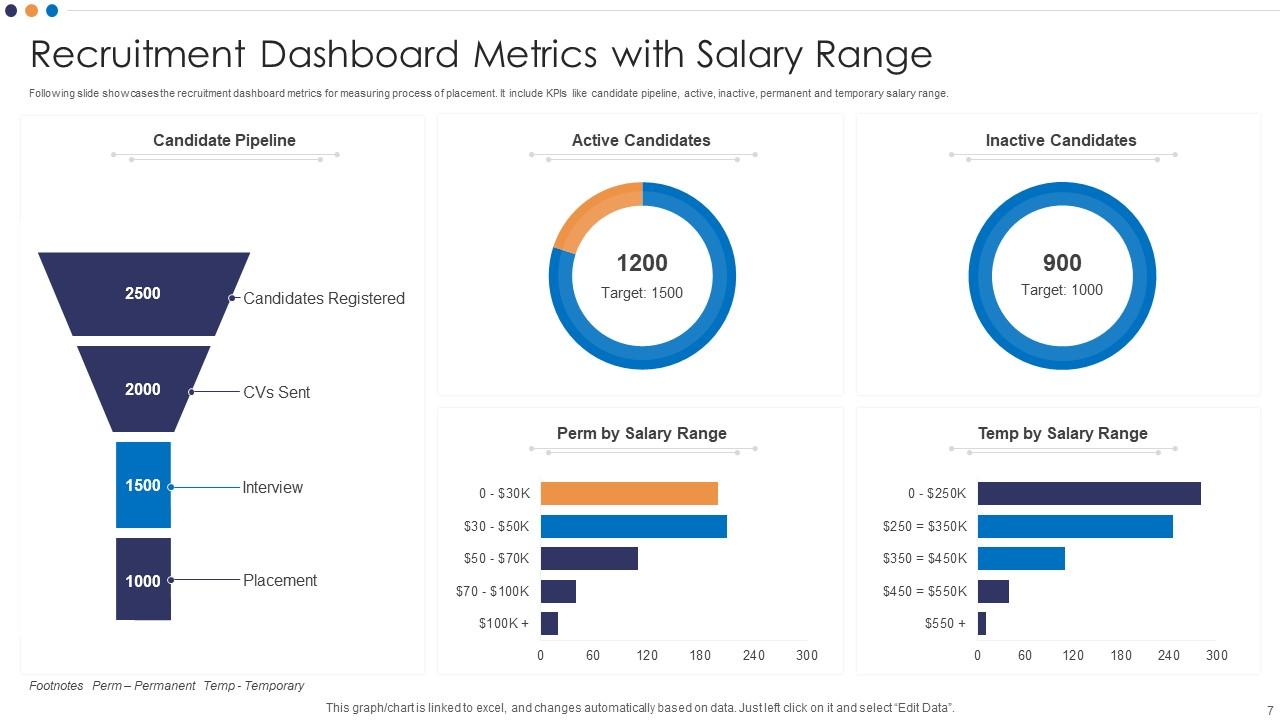
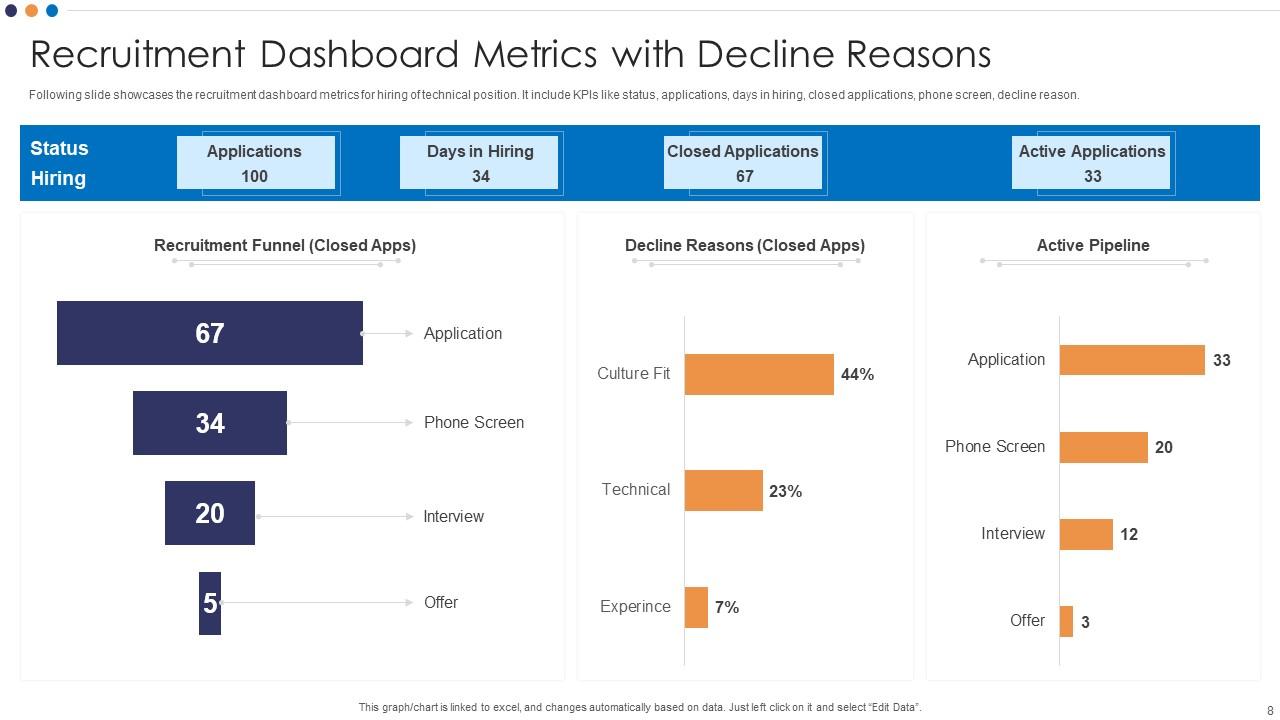
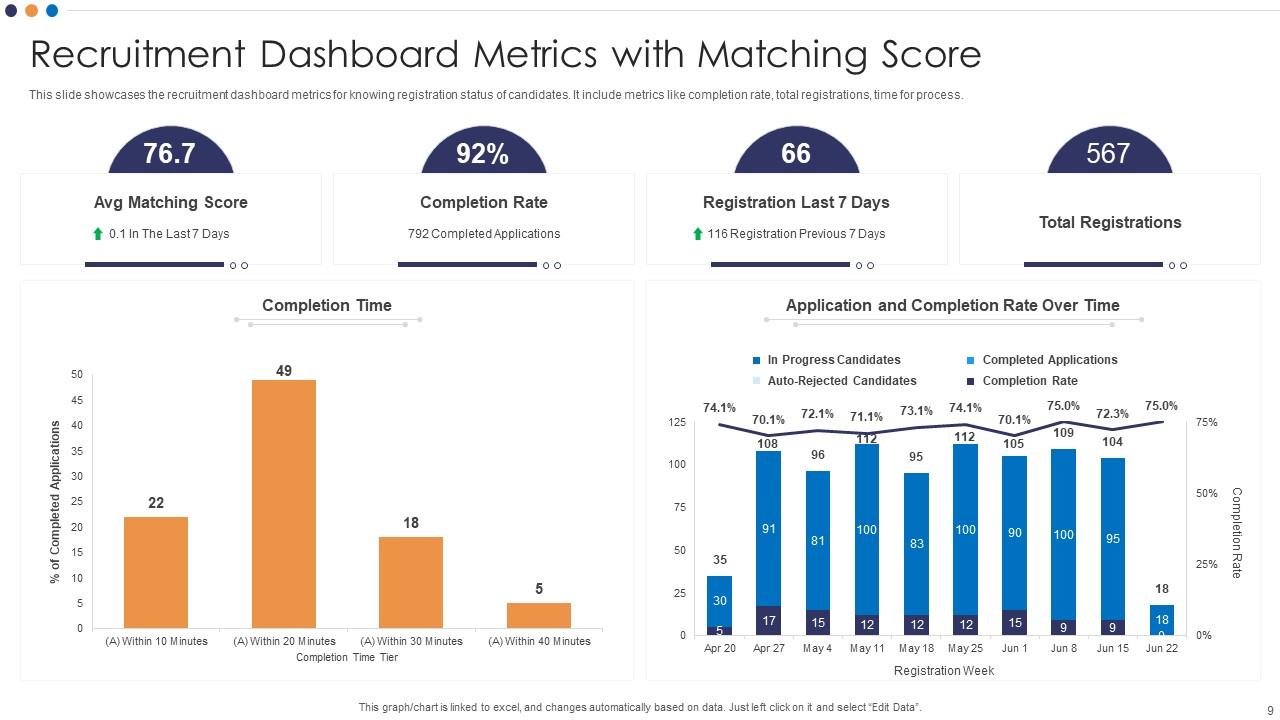
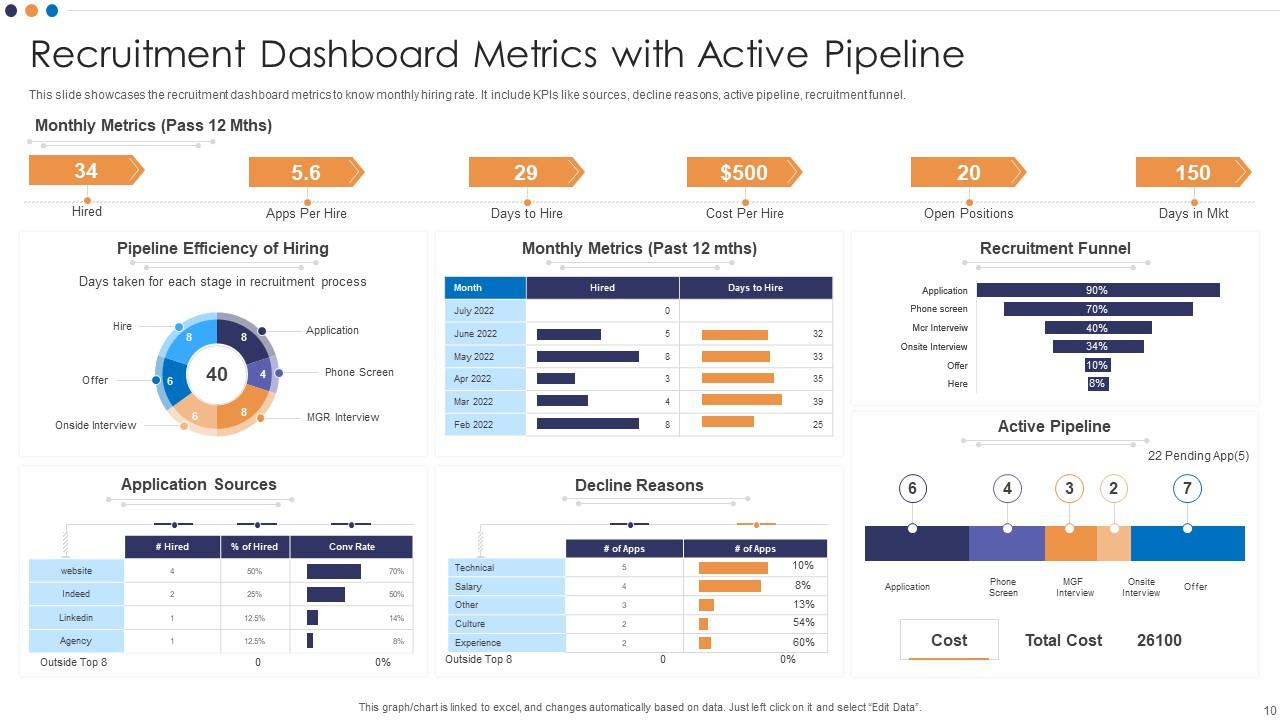
If you require a professional template with great design, then this Recruitment Dashboard Metrics Powerpoint Ppt Template Bundles is an ideal fit for you. Deploy it to enthrall your audience and increase your presentation threshold with the right graphics, images, and structure. Portray your ideas and vision using thirteen slides included in this complete deck. This template is suitable for expert discussion meetings presenting your views on the topic. With a variety of slides having the same thematic representation, this template can be regarded as a complete package. It employs some of the best design practices, so everything is well-structured. Not only this, it responds to all your needs and requirements by quickly adapting itself to the changes you make. This PPT slideshow is available for immediate download in PNG, JPG, and PDF formats, further enhancing its usability. Grab it by clicking the download button.

People who downloaded this PowerPoint presentation also viewed the following :

FAQs for Recruitment Dashboard Metrics Powerpoint

Honestly, start with time-to-fill and cost-per-hire - those two will tell you if you're bleeding time or money. Quality of hire is the big one though, since what's the point if people suck once they're hired? Track your offer acceptance rate too. Low acceptance usually means your process is turning people off or your offers are weak. Source effectiveness is super useful - like finding out Indeed is garbage but employee referrals are gold. Oh, and candidate satisfaction scores help, though sometimes candidates complain no matter what you do. These six metrics will give you everything you need to actually improve your hiring game.

Honestly, write way clearer job descriptions first - that alone saves tons of time. Post everywhere at once instead of one platform at a time. Then batch your interviews back-to-back rather than spreading them over weeks. Seriously, the scheduling back-and-forth is such a time suck. Keep the same interviewers and questions so you're not reinventing the wheel each time. Oh, and have backup interviewers lined up because someone always cancels last minute. You don't need to rush the actual evaluation part - just make your workflow smoother. Template your emails too.

Look, candidate experience totally makes or breaks your recruiting numbers. Good experiences = higher offer acceptance and faster fills. Bad ones? People drop out mid-process and your hiring drags on forever. The crazy part is happy candidates basically become free recruiters for you - they'll send way better referrals than most formal programs. I've seen companies tank their employer brand so hard that recruiting becomes this uphill battle. You should definitely track candidate satisfaction scores though. When those numbers drop, everything else follows. Trust me on this one.

Honestly, your best bet is tracking your own numbers for like 6 months first - way better than chasing random industry stats. Tech companies usually fill spots in 30-45 days, but healthcare? Try 60-90 days because of all the licensing headaches. Finance and consulting get crazy high acceptance rates (80-90%) while retail struggles around 60-70%. Makes sense when you think about it. Compare yourself to similar companies though, not just anyone. Your time-to-hire and cost-per-hire won't mean much if you're measuring against totally different industries. Once you've got your own baseline, then you can actually improve on something real.

Your offer acceptance rate basically shows if people actually want to work for you or just wasted your time interviewing. Low rates? You're probably targeting wrong or your comp sucks. Maybe you're overselling during interviews too - I've seen that backfire so many times. Good acceptance rates hit around 80%+. Track it monthly and actually listen when people decline offers. Their feedback tells you what's broken in your process. Nobody wants to be that recruiter who keeps striking out at the finish line, right?

So turnover rates? They're like a mirror for your hiring mistakes. High turnover in certain spots usually means you're either not screening properly or your job descriptions are painting a rosier picture than reality. I swear, some companies make roles sound amazing then surprise people with chaos. Track it by department first - that'll show you patterns. Exit interviews are gold here too, though people don't always tell the truth when they're walking out the door. Maybe your managers suck at onboarding? Worth checking. Use what you find to fix your screening process.

Track cost-per-hire, time-to-fill, and quality-of-hire for each channel - that's your starting point. Source conversion rates matter too. Like, LinkedIn candidates might have a way higher success rate than random job board people going through your process. Retention by source is key since some channels just attract job hoppers (learned this the hard way). Cost + quality + speed gives you the best picture overall. Oh, and don't try to analyze everything at once - pick 2-3 channels to compare first. You can always expand once you've got solid data to work with.

Yeah, those metrics definitely matter for culture. They show people what you actually care about vs just talking about it. Honestly, I've seen this work - diverse teams really do perform better (sounds cheesy but it's true). The tricky part is avoiding that checkbox-hiring trap where you're just hitting numbers. Pick metrics that align with your actual goals first. Then explain the reasoning to your team so they get why you're doing this. Otherwise it feels like arbitrary quotas and nobody wants that. When done right though, it shifts the whole vibe from lip service to real change.

So basically, applicant-to-hire ratios tell you how well your hiring process is working. High ratios? Your job posts might be too vague or you're getting tons of unqualified people applying. Low ratios could mean your requirements are too picky - but honestly, that's fine if you're actually finding good candidates. I'd track this stuff monthly and see where people are dropping off the most. You can compare different departments or job boards to figure out what's actually working. Oh, and definitely look for patterns over time - sometimes there's seasonal weirdness that throws everything off. Start with your current numbers and work backwards from there.

Dude, your ATS probably already tracks way more than you think - start there first. Set up automated reports so you're not pulling data manually every week (trust me, been there). Dashboard tools show you real-time metrics like time-to-hire and which job boards actually work. I mean, anything beats those messy spreadsheets we used to suffer through. You can automate weekly emails to your team, and some AI tools will predict your best sourcing channels. The whole thing just runs itself once you get it going. Way less headache overall.

Honestly, good recruitment marketing is like using the right bait instead of just casting a wide net. You'll attract way better candidates who actually want to work for you. When you nail your employer branding and show off what your company's really like, people self-select before applying. The candidates who do apply? They score higher on assessments and fit your culture better. Plus they stick around longer because they knew what they were getting into. I'd focus on being specific about the skills and values you want - saves everyone time in the long run.

Look at your industry benchmarks first - that's your starting point. Don't obsess over what everyone else does though, since every company's different. Company size matters a lot. So does location and role complexity. Silicon Valley software engineers? Yeah, that'll take way longer than hiring admin folks in smaller towns. Track your actual numbers for maybe 3-6 months to see real patterns. Then set goals that push your team without being totally unrealistic. I'd review quarterly - market conditions change fast these days. Honestly, the historical data is more useful than you'd think once you have enough of it.

Dude, passive candidates are honestly where it's at for recruitment metrics. They score way higher on quality and stick around longer than people actively job hunting. Track them separately though - their application rates suck but once they're interested? They actually say yes way more often. Finding them is a total pain since they're not looking, but it pays off. Oh and definitely split your dashboards between passive and active pools. Makes it way easier to see what's working with your outreach and where you're burning money on sourcing.

Honestly, ditch those boring spreadsheet rows and make some actual charts people want to look at. Time-to-hire trends, funnel conversions, source effectiveness - that stuff. Executives are visual creatures, they'd rather see a pretty graph than decode your data themselves. Tableau and Power BI are solid choices, though Google Charts works too if you're keeping it simple. Focus on what your audience actually cares about first. I'd start with just one metric that really matters - you can always add more later. Make the trends super obvious so people get it immediately.

Honestly, the data tells you everything about where to actually spend your recruiting money. Track your engagement rates and see which platforms convert - LinkedIn's the obvious choice but I've seen TikTok crush it for some roles, which is wild. Focus on cost-per-hire and quality metrics, not follower counts (that's just ego stuff). Video job tours and salary posts usually perform way better than generic job descriptions. You'll probably find your best hires come from weird places you never expected. Start tracking application sources more specifically - the results might surprise you.

Ratings and Reviews

90% of 100
Review Form
Write a review
Most Relevant Reviews
  1. 100%

    by Dannie Washington

    Impressive templates. Designing a presentation is fun now!
  2. 80%

    by Clement Patel

    The team is highly dedicated and professional. They deliver their work on time and with perfection.

2 Item(s)

per page: