Romania country powerpoint maps

Rating:
90%
Romania country powerpoint maps
Slide 1 of 7
Favourites Favourites

Try Before you Buy Download Free Sample Product

Audience Impress Your
Audience
Editable 100%
Editable
Time Save Hours
of Time
The Biggest Sale is ending soon in
0
0
:
0
0
:
0
0
Rating:
90%
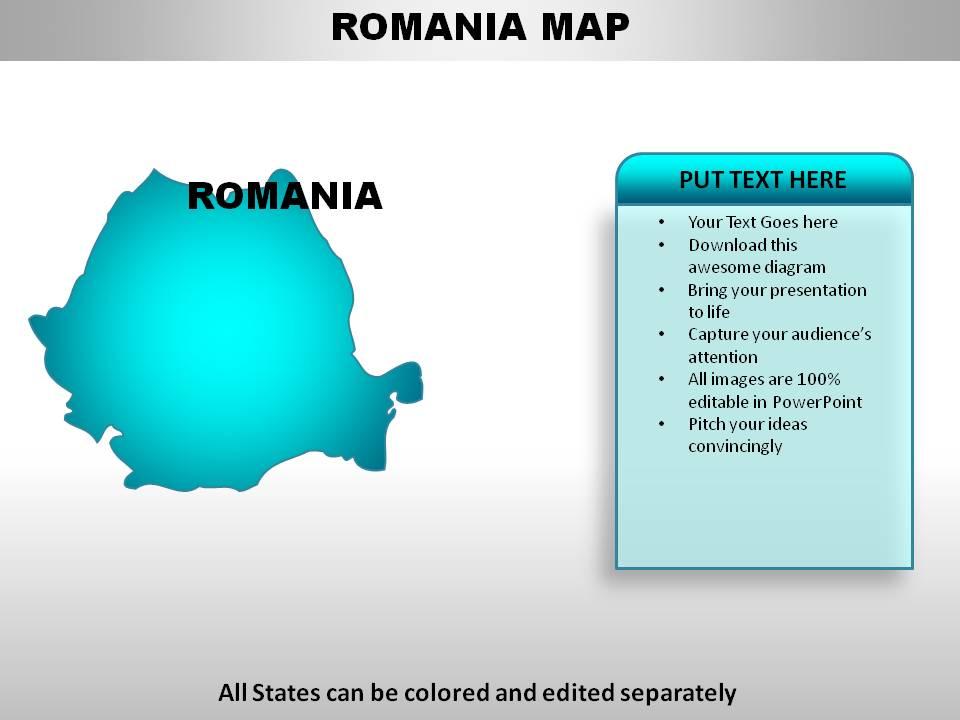
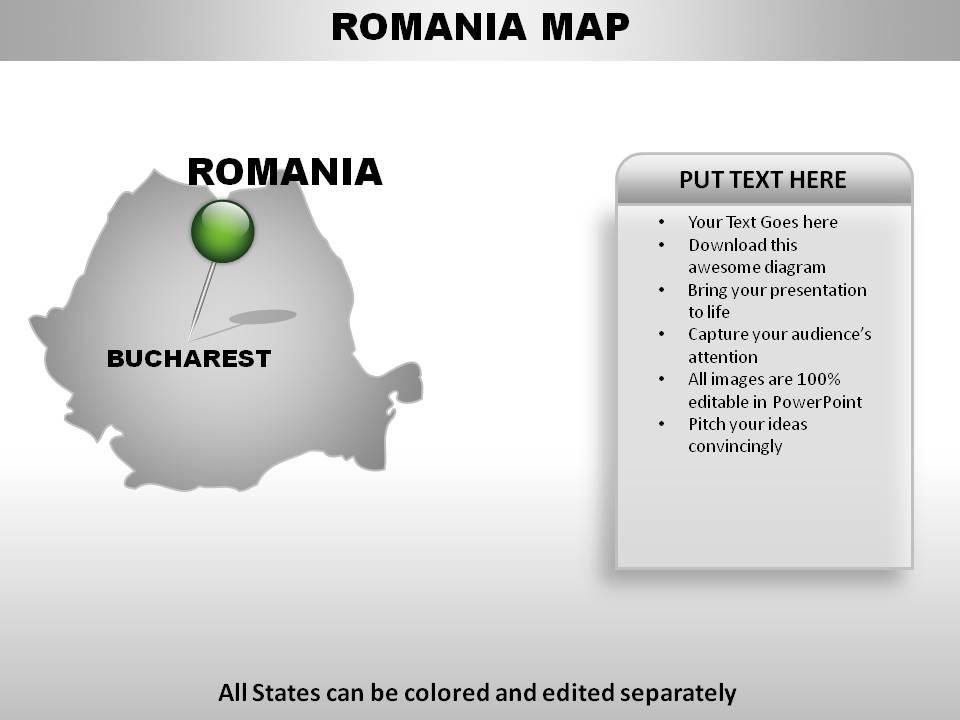
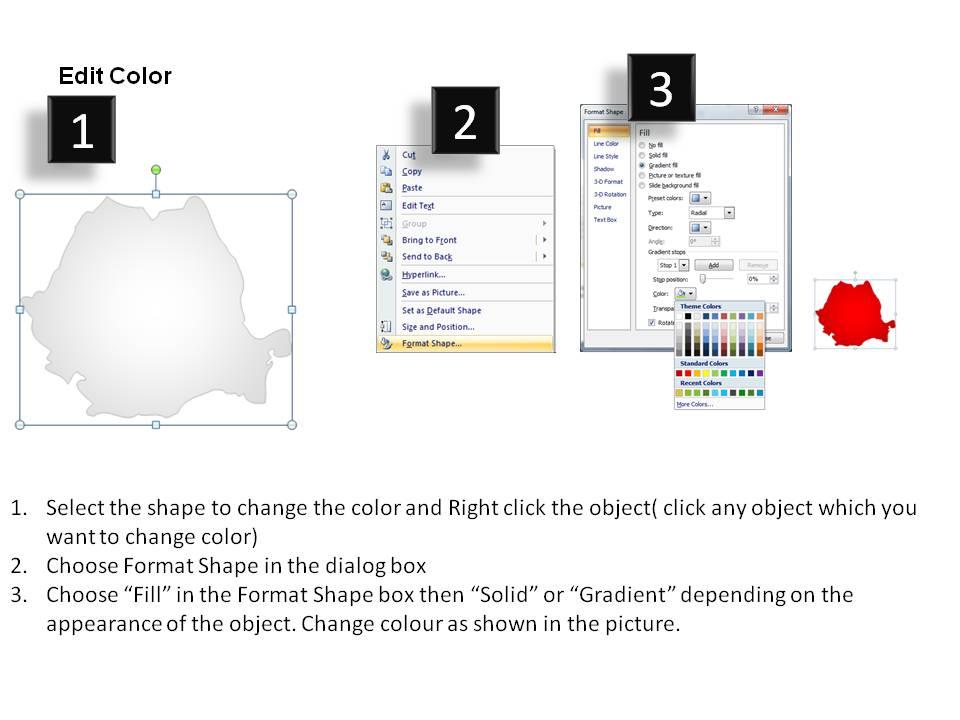
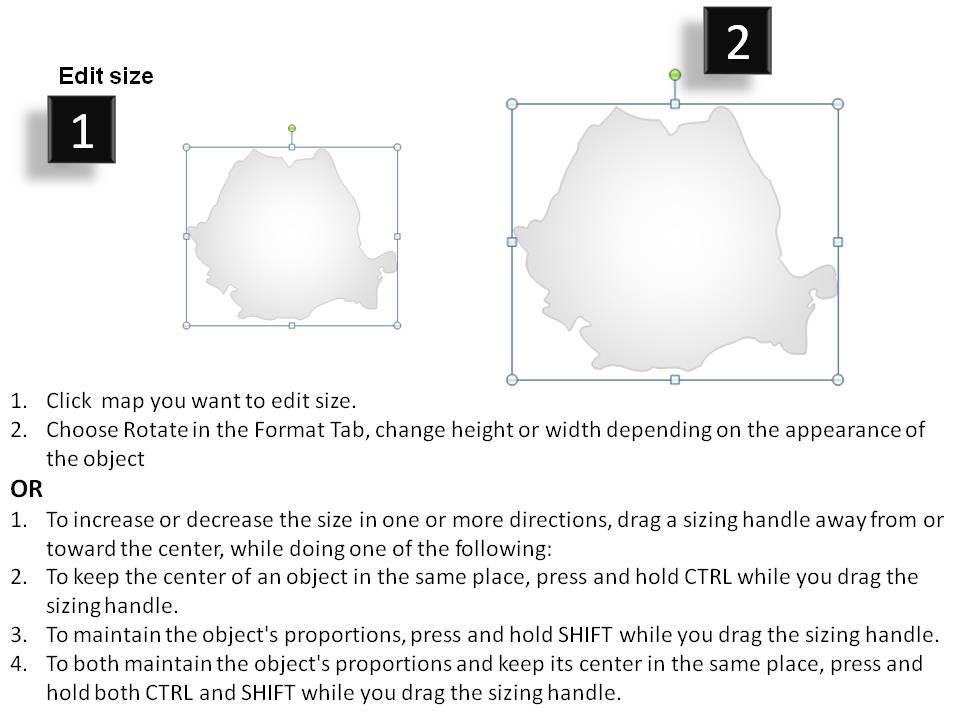
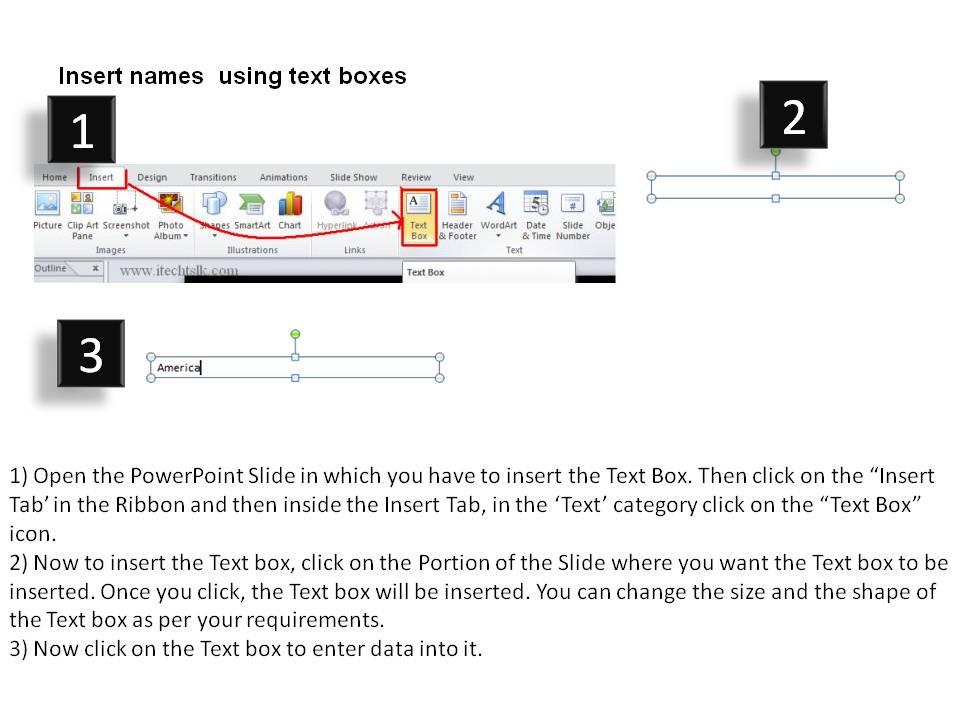
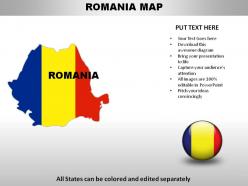
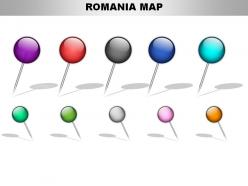
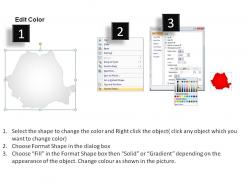
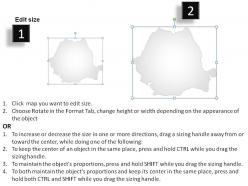
These high quality, editable powerpoint country maps have been carefully created by our professional team to display location and other geographic details in your PowerPoint presentation. Each map is vector based and is 100% editable in powerpoint. Each and every property of any region - color, size, shading etc can be modified to help you build an effective powerpoint presentation. Use these maps to show sales territories, business and new office locations, travel planning etc in your presentations. Any text can be entered at any point in the powerpoint map slide. Simply DOWNLOAD, TYPE and PRESENT!

People who downloaded this PowerPoint presentation also viewed the following :

FAQs for Romania

Romania's historical significance includes ancient Dacian settlements, medieval Saxon fortifications, Ottoman influences, and Communist-era monuments, while cultural landmarks feature painted monasteries of Bucovina, Brașov's Gothic architecture, and Sighișoara's medieval citadel. These elements enable tourism boards, educational institutions, and cultural organizations to create compelling narrative maps that showcase Romania's diverse heritage, ultimately enhancing visitor experiences and promoting cultural understanding across multiple sectors.

Romania's topographical features significantly shape regional maps by determining administrative boundaries, transportation networks, settlement patterns, and economic zones across the country. The Carpathian Mountains create natural divisions between Transylvania, Moldavia, and Wallachia, while the Danube River establishes southern borders and major commercial corridors, with many cartographic representations finding that these geographical elements ultimately drive infrastructure planning and regional development strategies.

Modern tools for creating interactive Romania maps include ArcGIS Online, Leaflet, Mapbox, Google Maps Platform, and QGIS with web plugins. These technologies streamline cartographic development by offering real-time data integration, customizable styling, and mobile responsiveness, with many Romanian municipalities and tourism boards finding that interactive mapping enhances citizen engagement and visitor experiences while delivering cost-effective digital solutions.

Thematic maps of Romania can illustrate socio-economic data through color-coded regions, graduated symbols, and choropleth mapping techniques that visualize population density, employment rates, income levels, and industrial distribution across counties. These visualization methods enable policymakers, businesses, and researchers to identify regional disparities, economic opportunities, and demographic trends, ultimately supporting strategic decision-making for resource allocation and targeted development initiatives.

A tourism map of Romania should include major attractions like Bran Castle and Peles Castle, UNESCO World Heritage sites, transportation networks, accommodation options, and cultural landmarks across regions like Transylvania and Moldavia. These elements streamline trip planning by providing comprehensive destination information, route optimization, and cultural context, ultimately delivering enhanced traveler experiences and encouraging longer stays with improved navigation throughout Romania's diverse landscapes.

Maps of Romania can promote environmental awareness by visualizing protected areas, biodiversity hotspots, pollution levels, deforestation patterns, and climate change impacts across regions. Through interactive digital mapping platforms, environmental organizations and government agencies can educate citizens about conservation priorities, track ecosystem changes, and engage communities in sustainable practices, ultimately delivering greater public participation in environmental protection and more informed policy decisions.

Historical maps serve as visual documentation of Romania's complex territorial evolution, illustrating the formation of Wallachia and Moldavia, Ottoman influence, Austro-Hungarian rule, and modern unification processes. These cartographic resources enable researchers, educators, and policymakers to analyze geopolitical shifts, demographic changes, and cultural boundaries, with many academic institutions and government agencies finding that historical mapping delivers enhanced understanding of national identity and strategic regional relationships.

Regional dialects and cultural variations manifest through linguistic boundary maps, ethnographic overlays, religious distribution patterns, traditional craft regions, and festival celebration zones across Romania's historical provinces. These cultural mapping approaches enable researchers, educators, and policymakers to visualize Romania's rich diversity by documenting Moldovan, Wallachian, and Transylvanian distinctions, ultimately delivering deeper understanding of national heritage and regional identity preservation strategies.

Educational maps most effective in Romanian schools include physical geography maps showing the Carpathians and Danube River, historical maps depicting Dacia and medieval principalities, administrative maps highlighting counties and regions, population density maps, and interactive digital maps. These tools enhance geographical literacy by combining traditional cartography with modern technology, enabling students to understand Romania's diverse landscape, rich history, and regional development patterns while developing critical spatial analysis skills.

Businesses utilize Romania maps for strategic planning by analyzing population density, transportation networks, economic zones, competitor locations, and regional market opportunities. Through geographic data visualization, companies can optimize supply chain routes, identify underserved markets, and plan expansion strategies, with retail and logistics firms finding that location intelligence significantly enhances operational efficiency and competitive positioning.

Updating digital maps of Romania presents challenges including rapid urban expansion, frequent road infrastructure changes, remote rural accessibility, and coordinating data from multiple governmental agencies. While satellite imagery helps track major developments, ground-level verification remains resource-intensive, with mapping companies increasingly using crowdsourced data and AI-powered change detection to maintain accuracy and deliver timely updates for navigation services.

Maps of Romania contribute to national identity by visually representing the country's distinctive borders, diverse regions, and cultural heritage sites, fostering a sense of territorial belonging and shared history. These geographical representations enhance pride by showcasing Romania's strategic position in Eastern Europe, its natural landmarks like the Carpathian Mountains, and historical regions such as Transylvania, ultimately strengthening citizens' connection to their homeland.

Urban maps of cities like Bucharest emphasize detailed street networks, public transportation systems, commercial districts, landmarks, and infrastructure density, while rural Romanian maps focus on topographical features, agricultural zones, village locations, and natural boundaries. These mapping approaches serve different navigation needs, with urban maps streamlining city movement and service location, while rural maps enable regional planning and resource management across Romania's diverse landscape.

Historical trade routes can be represented through layered cartographic approaches including color-coded pathways, timeline overlays, commodity flow indicators, interactive digital mapping, and archival integration with contemporary boundaries. These visualization methods enhance understanding by connecting Romania's medieval merchant networks, Ottoman-era commerce, and Austro-Hungarian trade connections to modern economic geography, with many historians and educators finding that visual route mapping delivers deeper insights into regional economic development patterns.

Best practices for designing user-friendly Romania maps include intuitive navigation controls, responsive design for multiple devices, clear geographic labeling in Romanian and English, optimized loading speeds, and interactive features like zoom functionality. These design elements enhance user engagement by providing seamless exploration experiences, reducing bounce rates, and improving accessibility across demographics, with many Romanian tourism and business platforms finding that well-designed maps significantly increase user retention and conversion rates.

Ratings and Reviews

90% of 100
Write a review
Most Relevant Reviews
  1. 100%

    by Delmer Black

    Innovative and Colorful designs.
  2. 80%

    by Dustin Perkins

    Professional and unique presentations.

2 Item(s)

per page: