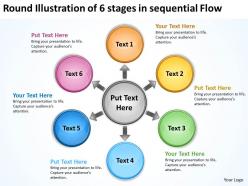
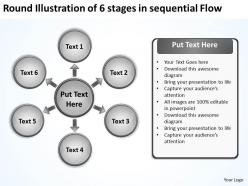
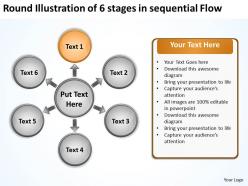
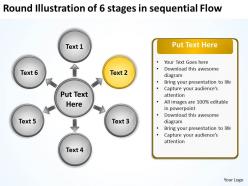
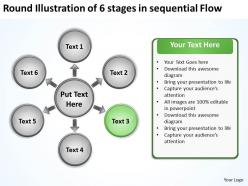
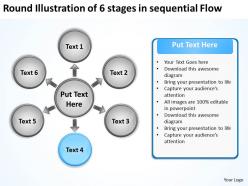
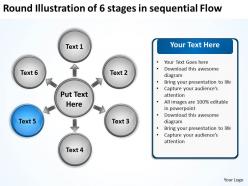
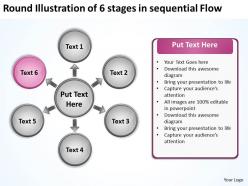
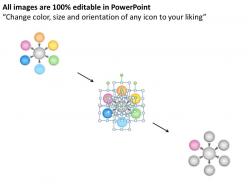
Round illustration of 6 stages in sequential flow processs and powerpoint slides

Rating:
90%
Round illustration of 6 stages in sequential flow processs and powerpoint slides
Slide 1 of 12
Favourites Favourites

Try Before you Buy Download Free Sample Product

Audience Impress Your
Audience
Editable 100%
Editable
Time Save Hours
of Time
The Biggest Sale is ending soon in
0
0
:
0
0
:
0
0
Rating:
90%
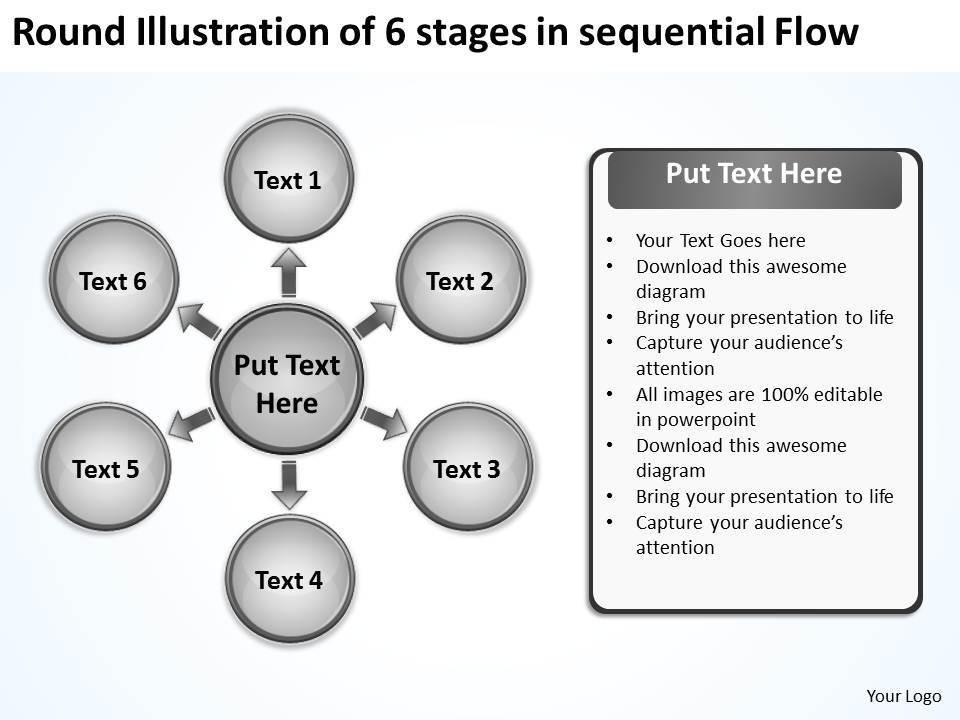
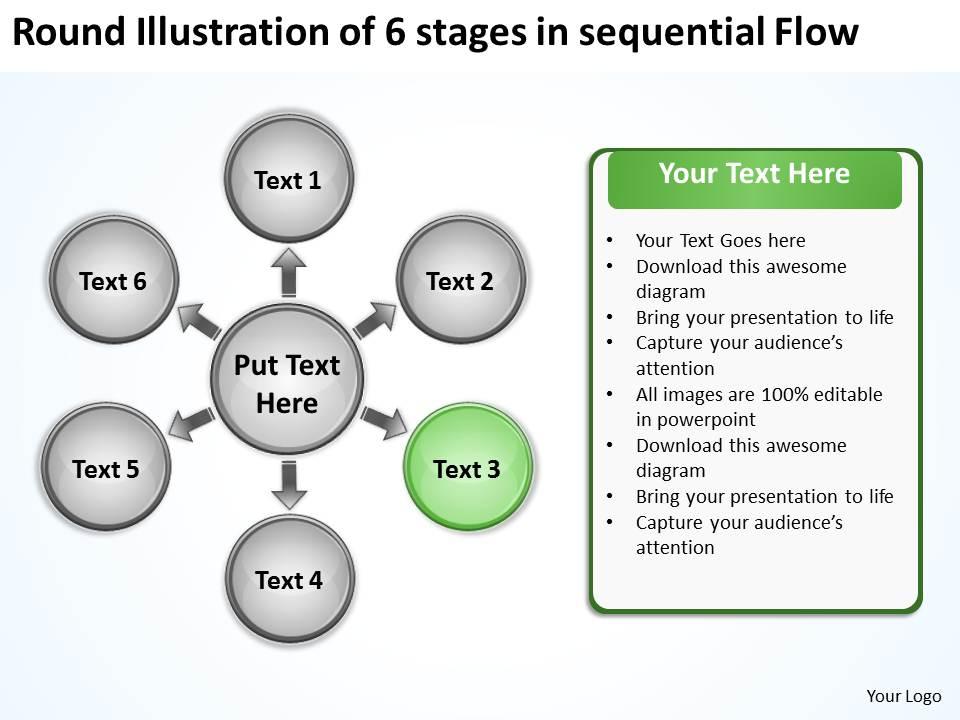
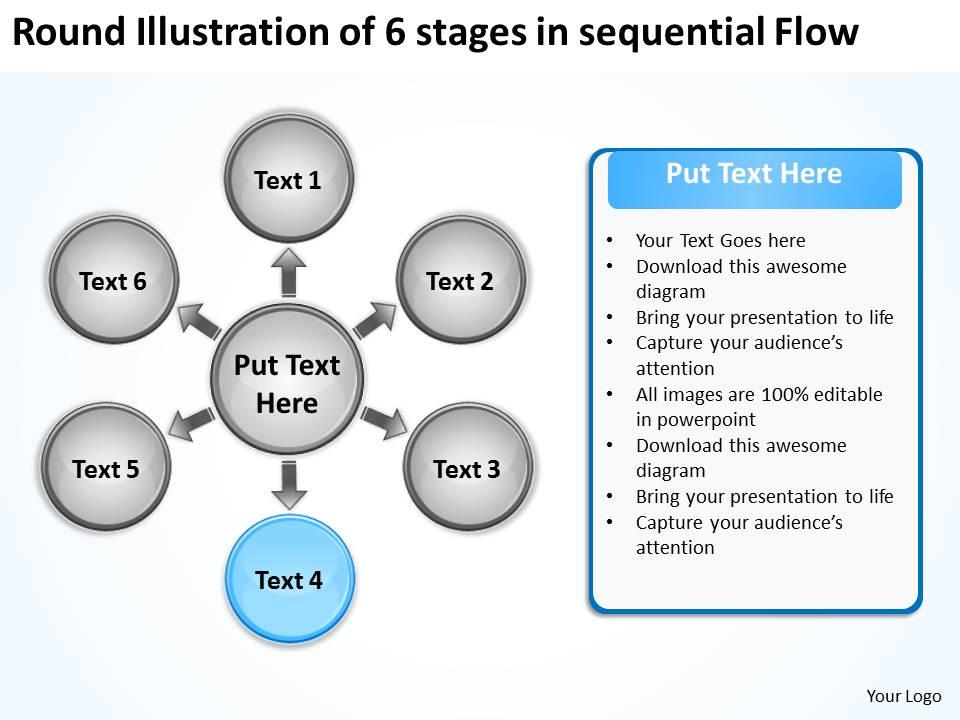
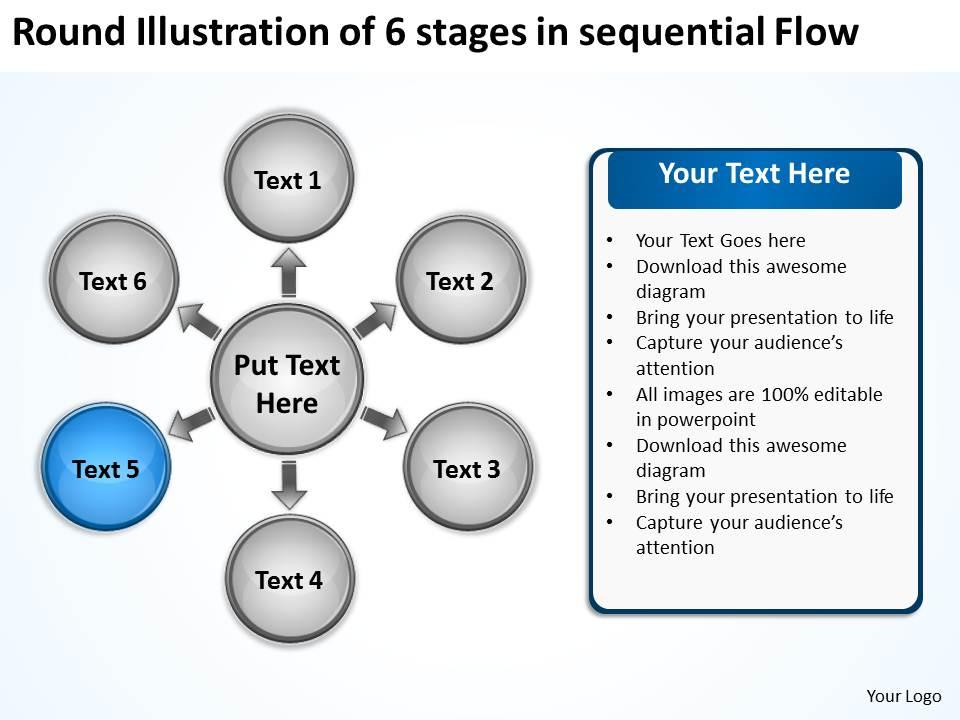
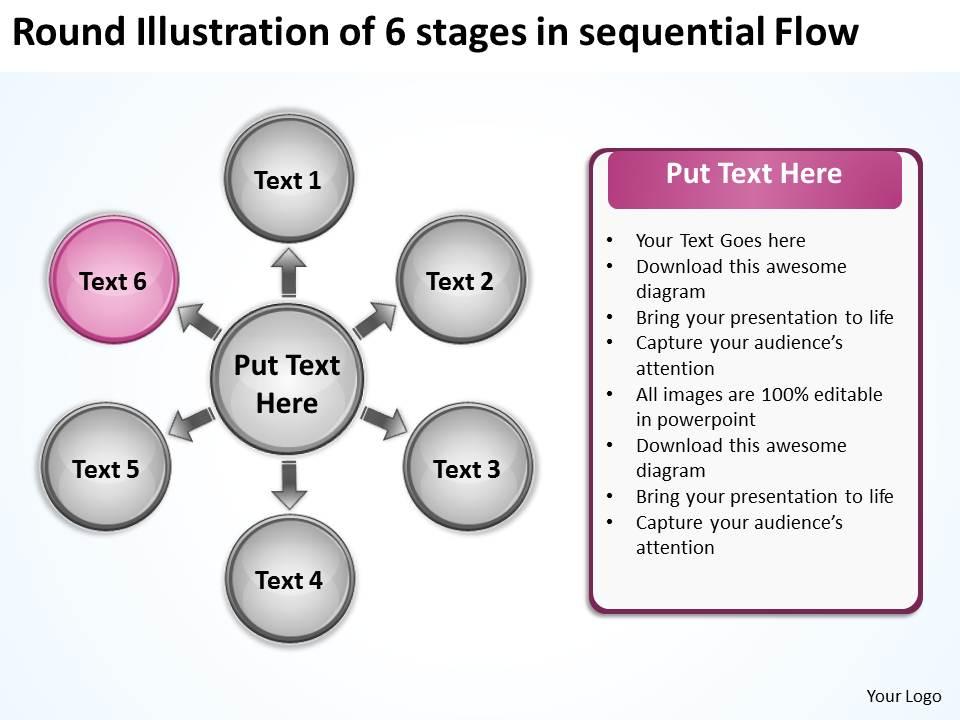
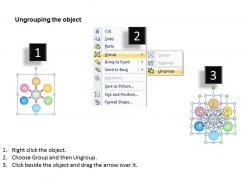
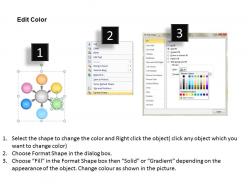
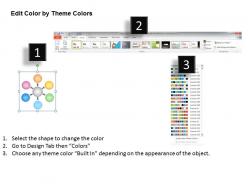
Create visually stimulating Microsoft office PPT Presentations with our above Diagram. This image has been professionally designed to emphasize the concept of interrelated issues, Approaches or Methods. This Business Diagram can be used in Marketing, Banking, and Management etc.

People who downloaded this PowerPoint presentation also viewed the following :

FAQs for Round illustration of 6 stages in sequential flow processs

Sequential flow processes typically include initiation, planning, execution, monitoring, and completion stages, with each phase building systematically upon the previous one. These structured approaches streamline operations by establishing clear dependencies, reducing bottlenecks, and ensuring quality control at each checkpoint, with many organizations finding that sequential workflows enhance accountability and deliver more predictable outcomes in project management and manufacturing environments.

Businesses identify optimal sequential flows by analyzing current processes, mapping workflow bottlenecks, conducting time-motion studies, and gathering employee feedback on operational pain points. Through process mining software and lean methodology assessments, organizations streamline resource allocation, eliminate redundancies, and enhance productivity, with many manufacturing and service companies finding significant efficiency gains and cost reductions.

Sequential flow processes in project management offer clear task dependencies, predictable timelines, structured milestone tracking, comprehensive documentation requirements, and reduced complexity through linear progression. These methodologies streamline resource allocation and team coordination by establishing defined phases, enabling better budget control and quality assurance, with many organizations finding that sequential approaches deliver enhanced project visibility and stakeholder confidence.

Sequential flow processes are most commonly utilized in manufacturing, pharmaceuticals, food processing, chemical production, and automotive assembly industries. These sectors benefit from the structured, step-by-step approach that ensures quality control, regulatory compliance, and operational efficiency, with many organizations finding that sequential workflows minimize errors, reduce waste, and accelerate production timelines while maintaining consistent output standards.

Sequential flow processes execute tasks one after another in a predetermined order, with each step depending on the previous step's completion, while parallel flow processes run multiple tasks simultaneously. Sequential flows ensure quality control and systematic progression, particularly in manufacturing and project management, whereas parallel processes accelerate timelines and resource utilization, with many organizations finding that combining both approaches optimizes operational efficiency.

Tools for designing sequential flow processes include Visio, Lucidchart, Process Street, Nintex, and Microsoft Power Automate, alongside enterprise solutions like SAP Workflow and Oracle BPM. These platforms streamline process mapping, automate task transitions, and enable real-time monitoring, with many organizations finding that integrated workflow management delivers faster execution, reduced errors, and enhanced operational visibility across departments.

Successful sequential flow processes include Toyota's lean manufacturing assembly lines, McDonald's standardized food preparation systems, Amazon's warehouse fulfillment operations, hospital patient care protocols, and software development pipelines. These implementations demonstrate how systematic step-by-step approaches streamline operations, reduce errors, and enhance efficiency, with organizations across manufacturing, retail, and healthcare finding that structured workflows ultimately deliver faster throughput and improved quality outcomes.

Businesses can measure sequential flow process efficiency through cycle time analysis, throughput rates, bottleneck identification, resource utilization metrics, and error tracking at each stage. Manufacturing companies, healthcare systems, and financial services increasingly use process mining tools and real-time dashboards to monitor these indicators, ultimately reducing operational costs while enhancing service delivery speed.

Automation enhances sequential flow processes by eliminating manual handoffs, reducing processing time, and ensuring consistent execution across each stage. Through workflow automation tools, organizations streamline approvals, data transfers, and task routing, while minimizing errors and accelerating throughput, ultimately delivering faster cycle times and improved operational efficiency in increasingly complex business environments.

Common challenges include resistance to change, inadequate training, poor communication between departments, technology integration issues, and insufficient resource allocation. These obstacles can significantly impact operational efficiency, with many organizations finding that strategic change management, comprehensive staff development, and cross-functional collaboration ultimately streamline implementation and deliver sustainable competitive advantage.

Organizations ensure continuous improvement in sequential flow systems through regular performance monitoring, data analytics, stakeholder feedback collection, and systematic bottleneck identification at each stage. These approaches enable streamlined operations by pinpointing inefficiencies, optimizing resource allocation, and implementing iterative enhancements, with many companies finding that consistent measurement and adjustment cycles ultimately deliver faster throughput, reduced costs, and enhanced overall system performance.

Effective sequential flow visualization techniques include flowcharts, process maps, swimlane diagrams, value stream maps, and interactive digital workflows. These methods enhance operational clarity by standardizing procedures, identifying bottlenecks, and streamlining handoffs between departments, with many organizations finding that visual process documentation reduces training time and improves cross-functional collaboration significantly.

Team dynamics significantly impact sequential flow efficiency through communication quality, role clarity, and collaborative problem-solving capabilities. Strong team cohesion enables seamless handoffs between process stages, reduces bottlenecks from miscommunication, and accelerates issue resolution, with many organizations finding that cross-functional training and regular team alignment sessions ultimately deliver faster cycle times and improved overall process performance.

Customer feedback influences sequential flow process design by identifying bottlenecks, highlighting pain points, revealing unnecessary steps, suggesting automation opportunities, and pinpointing moments requiring human intervention. Through analyzing customer experiences, organizations streamline workflows, reduce wait times, and enhance service quality, with many financial institutions and healthcare providers finding that feedback-driven process redesign ultimately delivers faster services and significantly improved customer satisfaction.

Best practices for documenting sequential flow processes include creating visual flowcharts, writing detailed step-by-step instructions, incorporating role-specific responsibilities, adding decision points with clear criteria, and including troubleshooting scenarios. These documentation methods enhance training effectiveness by providing clear visual guidance, standardized procedures, and practical reference materials, with many organizations finding that comprehensive process documentation reduces training time and improves operational consistency.

Ratings and Reviews

90% of 100
Write a review
Most Relevant Reviews
  1. 100%

    by Dominic Arnold

    Unique and attractive product design.
  2. 80%

    by Ed Lawrence

    Excellent template with unique design.

2 Item(s)

per page: