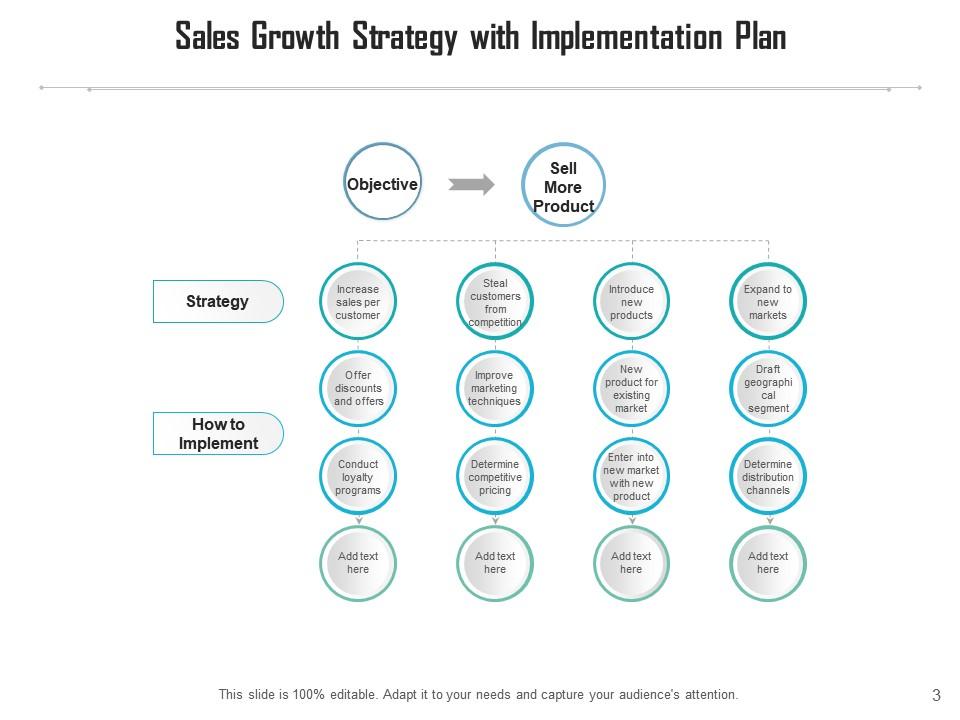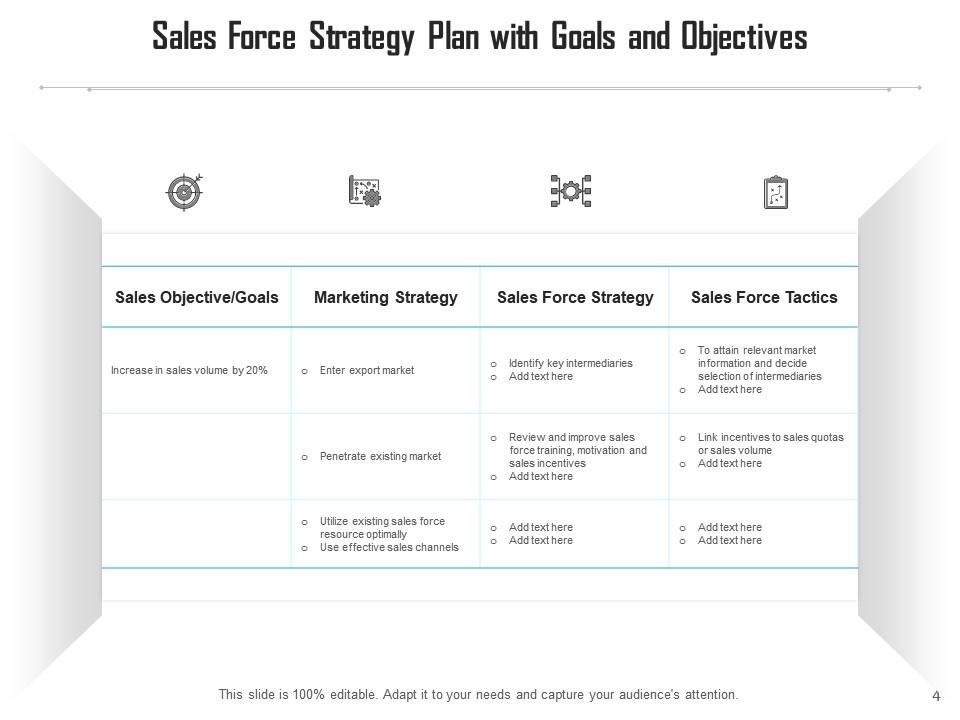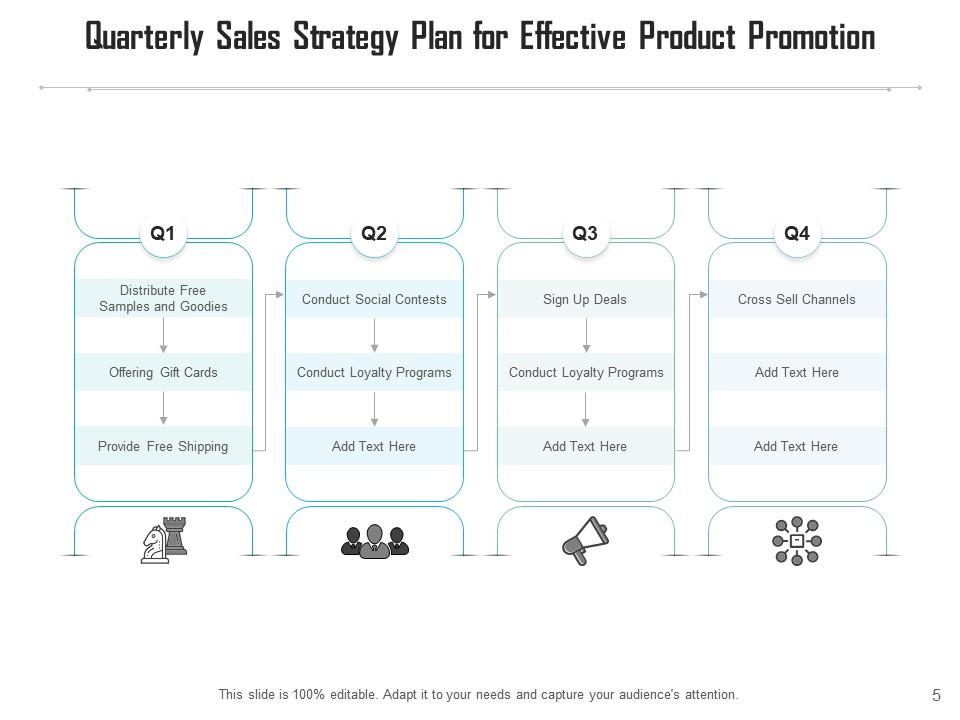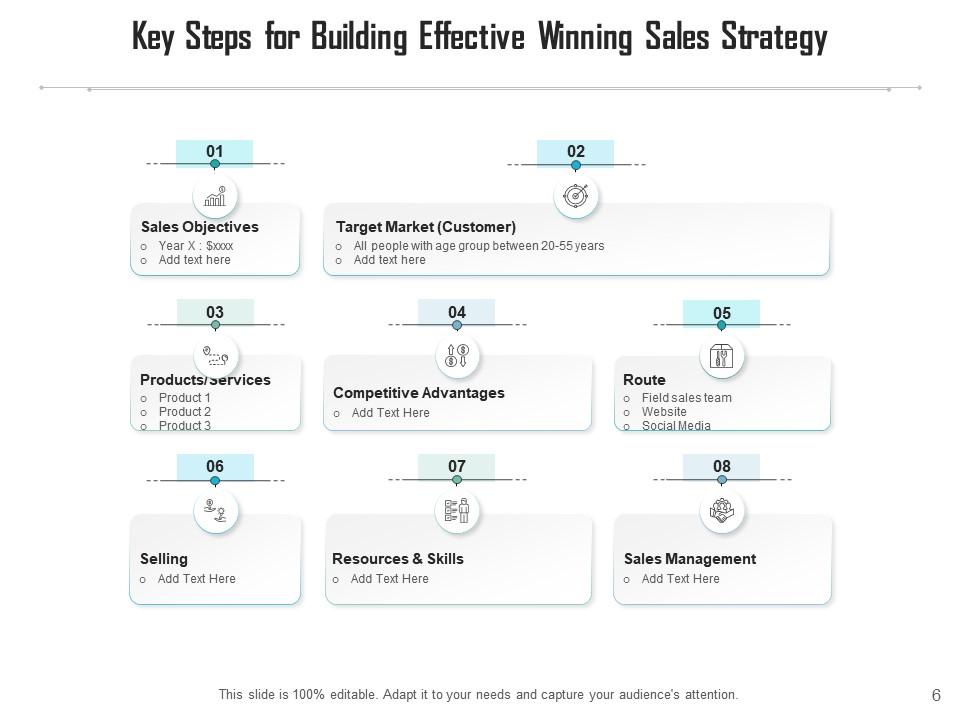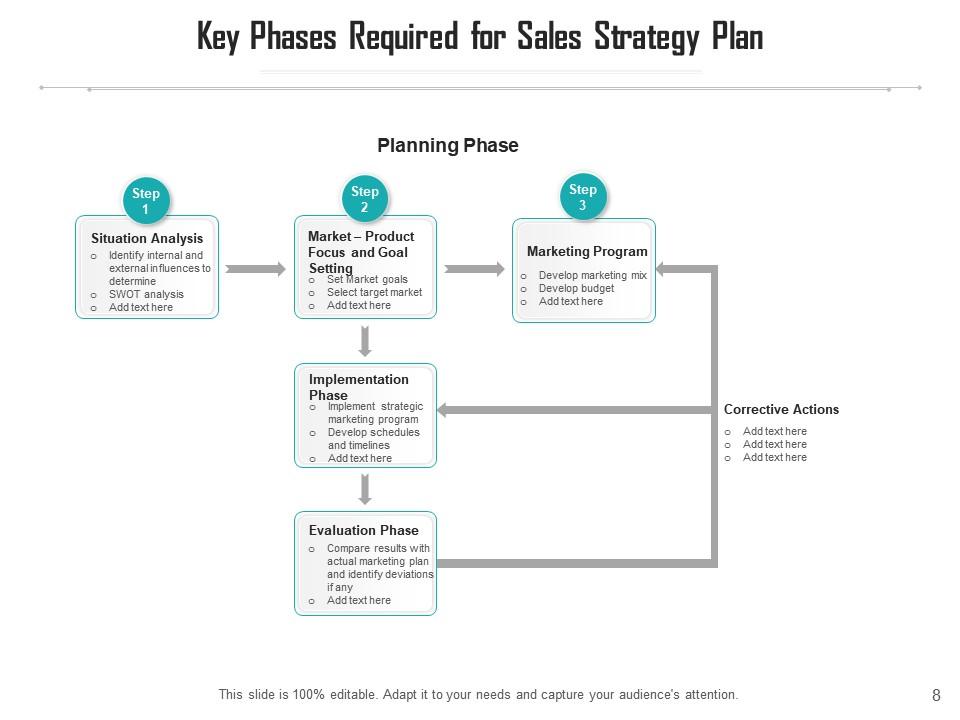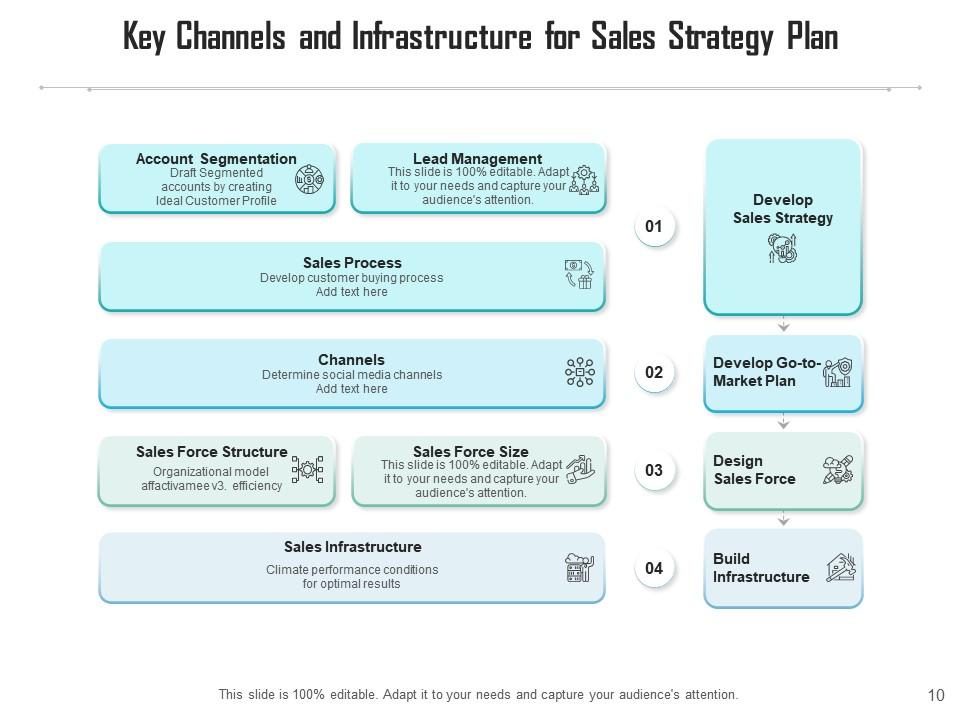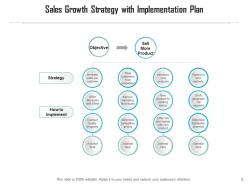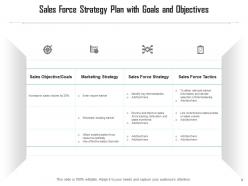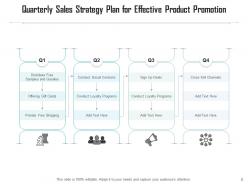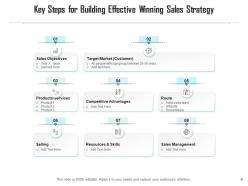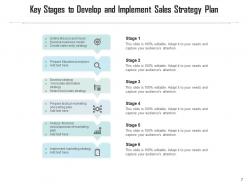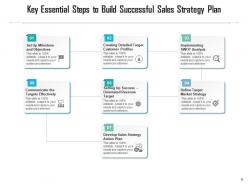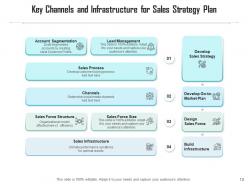
Sales Strategy Plan Measurement Target Implementation Goals Product
Try Before you Buy Download Free Sample Product
Audience
Editable
of Time
Our Sales Strategy Plan Measurement Target Implementation Goals Product are topically designed to provide an attractive backdrop to any subject. Use them to look like a presentation pro.
People who downloaded this PowerPoint presentation also viewed the following :
Sales Strategy Plan Measurement Target Implementation Goals Product with all 11 slides:
Use our Sales Strategy Plan Measurement Target Implementation Goals Product to effectively help you save your valuable time. They are readymade to fit into any presentation structure.
FAQs for Sales Strategy Plan Measurement Target
Honestly, start with figuring out who you're actually selling to - like, really dig into that. Then nail your value prop and get a lead gen system going. Map out your whole funnel from first contact to close. Pricing is huge too (I've seen so many people mess this up, it's not even funny). You'll need clear sales processes and ways to track what's working. Oh, and review your strategy regularly - don't just set it and forget it. I'd audit what you're doing now first and tackle your biggest weakness. Short sentences work better than rambling here.
Honestly, most sales teams are sleeping on their own data. You've got all this info about purchase history, what people click on, when they usually buy - why not use it? I'd start by just making 3-4 customer groups based on behavior patterns. Then switch up your messaging for each one. Like, if someone always buys premium stuff, don't lead with your budget option, you know? Also check their browsing habits - shows you which features actually matter to them. Oh and timing matters way more than people think. Some prospects are January buyers, others wait till quarter-end. Pretty straightforward once you dig in.
Dude, tech totally runs sales these days. CRMs track your whole pipeline while AI figures out which leads are worth chasing. Automation handles the boring follow-up stuff - thank god because I used to spend hours on that. Sales platforms show you what content actually works with prospects too. Oh, and forget those old spreadsheet nightmares! The trick is buying tools that fix YOUR problems, not whatever's trending. Some short-sighted companies just grab the flashiest software and wonder why nothing improves.
Honestly, downturns are all about switching gears - stop chasing volume and focus on the customers you already have. People get super cautious with their wallets, so forget pitching growth stuff. Talk ROI and cost savings instead. Trust matters way more when everyone's broke, so really invest in those relationships. Oh, and flexibility is huge - maybe offer payment plans or smaller pilot programs to make it easier for them to say yes. The whole pushy sales thing? Yeah, that's dead. You want to be the person who actually gets their problems and helps solve them, not just another vendor trying to squeeze money out of them.
Honestly, just look at what your team actually pulled off last quarter - forget the wishful thinking. I'd bump that up maybe 10-15%, nothing crazy. Break your big yearly goals into monthly bits so you can pivot fast when stuff inevitably gets weird. Don't forget seasonal patterns and any launches coming up. Here's my thing though - if you can't hit your targets, people get bummed out real quick. I do this 70% confidence check: if I'm not pretty sure we can make it happen, I'll scale back. Better to exceed a realistic goal than constantly chase impossible ones.
Dude, buyer personas are seriously a game changer. You stop shooting in the dark and actually know what makes your prospects tick. Figure out their pain points and what's stressing them out - then your pitch becomes way more targeted. Cold calls suck less when you know exactly what to say, trust me. Plus you'll quit wasting time on people who were never gonna buy anyway. Focus on the good prospects instead. Oh, and start by talking to your current customers who love you - they're basically free research.
So social selling is basically just relationship-building first, pitching second. You share helpful stuff in your industry, comment on prospects' posts, build trust - then when you finally reach out, they actually know who you are. Way less awkward than cold calling random people. Your conversion rates go up because your pipeline's warmer. I mean, you're still doing the same demos and closing deals, but now people don't immediately think "ugh, another salesperson." It's honestly just smarter. Takes longer upfront but totally worth it.
Honestly, the difference is huge when marketing and sales actually talk to each other instead of just tossing leads around. Your conversion rates jump up, sales cycles get way shorter. Marketing finally gets real feedback on whether their leads suck or not, so they can fix their targeting. Sales gets prospects who actually know what you do already - no more cold conversations. Oh, and you avoid those cringe moments where someone mentions a campaign your sales team has never heard of. Set up weekly syncs and pick metrics both sides actually care about. None of that vanity metric BS.
Honestly, skip the boring lecture stuff and get them doing role-plays with actual customer scenarios they'll deal with. Pair your new people with experienced reps for shadowing - that works way better than any PowerPoint. Break it into smaller sessions too because those all-day training marathons are brutal and nobody remembers anything afterward. I'd do regular check-ins to reinforce what they learned. The whole point is making it interactive. Give them tons of practice opportunities before they're talking to real prospects. Oh, and make sure the scenarios are realistic - not some generic "difficult customer" nonsense.
Dude, sales and customer service talking to each other is huge for fixing your strategy. Your sales people figure out which promises actually work vs. which ones create nightmare support calls later. Meanwhile, customer service sees complaint patterns that show you where products suck or new opportunities exist. Honestly feels like cheating sometimes. When they share insights regularly, you can tweak your targeting and pitch way better. Plus it helps with product stuff too. Just do weekly meetings between the teams - I've seen close rates go up while support tickets drop. It's pretty wild how much this helps.
Honestly, conversion rates at each funnel stage are what I'd watch first - shows you exactly where deals die. Sales cycle length matters too since shorter cycles usually mean you're doing something right. Average deal size and win rate are obvious ones, plus customer acquisition cost if you want to stay profitable. Revenue per rep is solid for seeing if your team's actually improving. Oh and skip the vanity metrics - I've seen too many people get obsessed with stuff that doesn't move the needle. Those five will give you what you need to start fixing things.
Honestly, stories work way better than just listing features - I've watched reps completely flip their close rates this way. Share customer wins, how you solved specific problems, maybe your company's origin story. People need to actually picture themselves using your stuff, you know? Have maybe 3-4 solid stories ready to go: one that handles objections, one showing clear ROI, and one about real transformation. The ROI one is probably most important if I'm being honest. Just tell them like you're chatting, not reading some script. Makes everything feel more real.
Honestly? Most people try to target everyone and end up reaching nobody. Do your research first or you'll waste months chasing leads that'll never convert. I've watched teams set completely unrealistic goals that just crush morale - like, why would you do that to yourself? Also don't just copy what competitors are doing without understanding their actual strategy. Your sales team should be involved from day one since they're talking to real prospects every single day. Pick one specific audience first, nail that down, then expand. Way less overwhelming that way.
So competitive analysis is basically your roadmap to see what's actually working in your market. Look at 3-5 competitors and check out their pricing, messaging, all that stuff. You'll find weak spots where they're dropping the ball - that's where you swoop in. Honestly, their customer targeting strategies alone will give you tons of ideas. I'd track their moves every quarter or so, but don't get too obsessed with it. The whole point is finding what makes your pitch different from theirs. It's like having insider info for your sales approach.
Dude, emotional intelligence is everything in sales. You've gotta read people - like actually pick up on whether they're genuinely interested or just being polite. Makes such a difference. When you can spot buying signals or sense hesitation, your whole approach gets sharper. Managing your own emotions matters too, especially after getting rejected (which happens constantly, let's be real). Nobody wants to deal with someone who comes across desperate. But here's the thing - using EI to customize how you pitch based on what clicks with each buyer? That's where the magic happens. It's not rocket science, just paying attention.
-
Excellent design and quick turnaround.
-
Enough space for editing and adding your own content.
-
Easy to edit slides with easy to understand instructions.
-
Nice and innovative design.