


Scrum marketing process powerpoint presentation slides
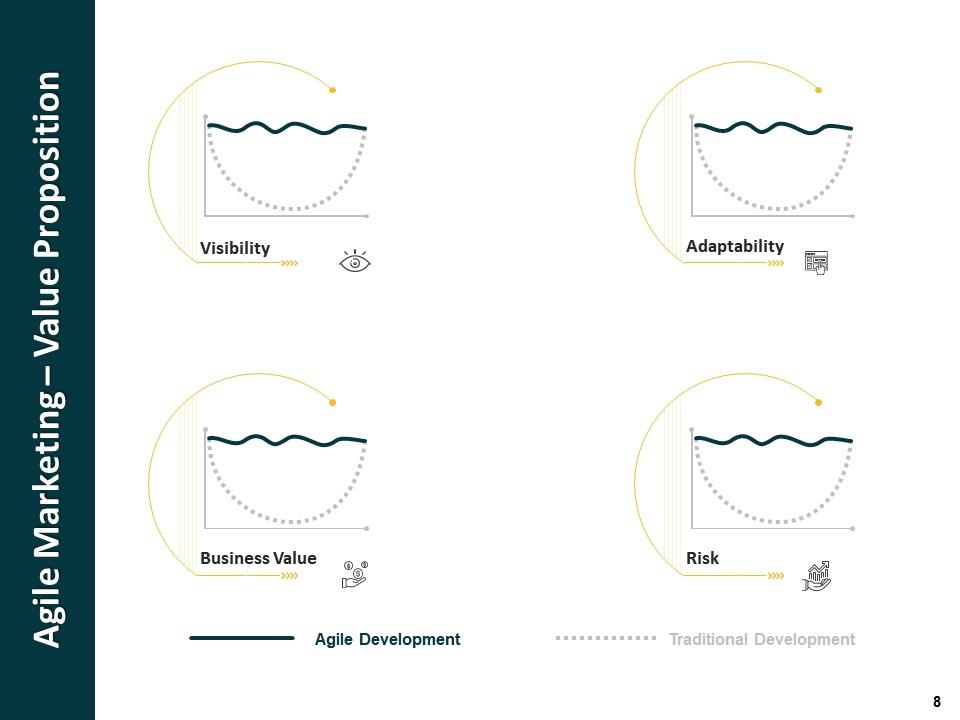
Introduce your organization to an agile framework to gain a competitive edge using the Scrum Marketing Process PowerPoint Presentation. Our sprint planning PPT theme helps you to introduce your audience to the agile marketing fundamentals with visual brilliance. The succinct graphical representations of this agile marketing PowerPoint template like process diagrams assist scrum masters to communicate the essentials of scrum. The agile marketing methodology PPT presentation offers line graphs to demonstrate value propositions of agile. This scrum marketing PowerPoint theme is useful for agile marketers to elucidate the concepts and principles of agile marketing manifesto. Marketing professionals can take advantage of our agile marketing planning PPT template to illustrate the agile techniques and implementation. Explain the philosophy of sprints and the steps involved therein through our agile marketing PowerPoint presentation. This scrum project management PPT deck will help you track project progress and explain the benefits of agile marketing concisely.
Introduce your organization to an agile framework to gain a competitive edge using the Scrum Marketing Process PowerPoint P..
















-

- Google Slides is a new FREE Presentation software from Google.
- All our content is 100% compatible with Google Slides.
- Just download our designs, and upload them to Google Slides and they will work automatically.
- Amaze your audience with SlideTeam and Google Slides.
-

Want Changes to This PPT Slide? Check out our Presentation Design Services
-

- WideScreen Aspect ratio is becoming a very popular format. When you download this product, the downloaded ZIP will contain this product in both standard and widescreen format.
-
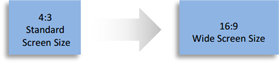
- Some older products that we have may only be in standard format, but they can easily be converted to widescreen.
- To do this, please open the SlideTeam product in Powerpoint, and go to
- Design ( On the top bar) -> Page Setup -> and select "On-screen Show (16:9)” in the drop down for "Slides Sized for".
- The slide or theme will change to widescreen, and all graphics will adjust automatically. You can similarly convert our content to any other desired screen aspect ratio.
Compatible With Google Slides

Get This In WideScreen
You must be logged in to download this presentation.


Do you want to remove this product from your favourites?
PowerPoint presentation slides
Presenting Scrum Marketing Process PowerPoint Presentation Slides. Download this 32-slide long complete PPT deck and get access to 100% customizable templates. You can change the text, font, background, and colors as per your wish. It is also fairly easy to convert the PPT format into PDF, PNG, and JPG. Our PowerPoint slideshow works on standard as well as widescreen. It is loaded with visualization tools like a line chart, and mind map. This PPT presentation is compatible with Google Slides.

People who downloaded this PowerPoint presentation also viewed the following :
Content of this Powerpoint Presentation
Slide 1: This slide introduces Scrum Marketing Process. State your Company name and begin.
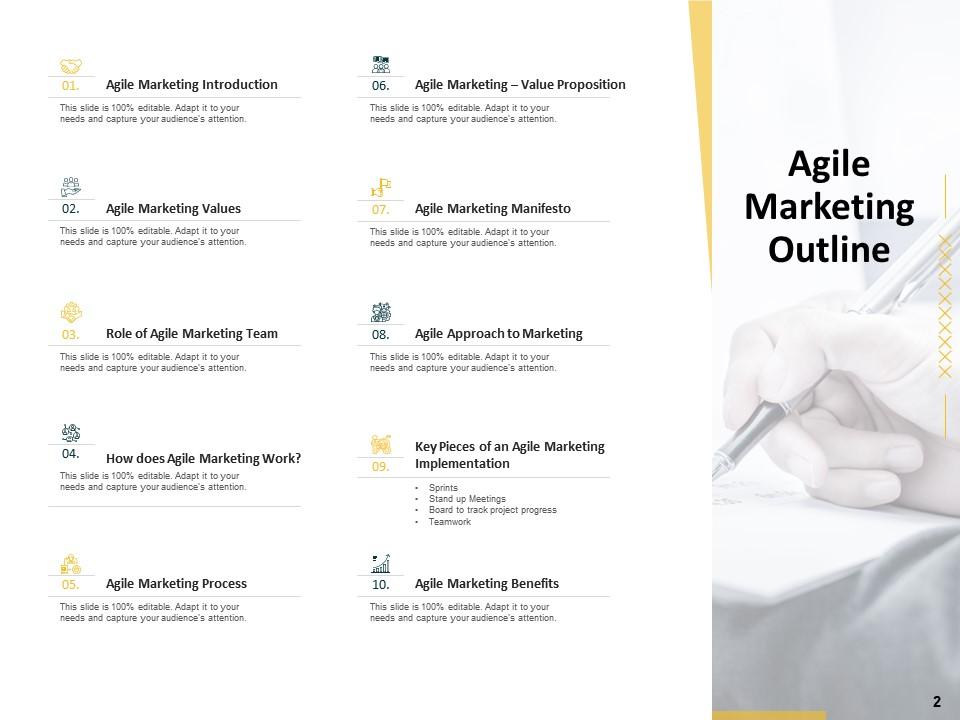
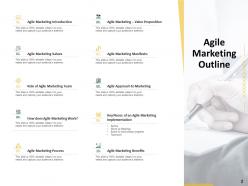
Slide 2: This slide presents the Outline of Agile Marketing.
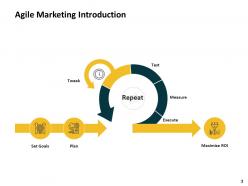
Slide 3: This slide presents the introduction of Agile Marketing.
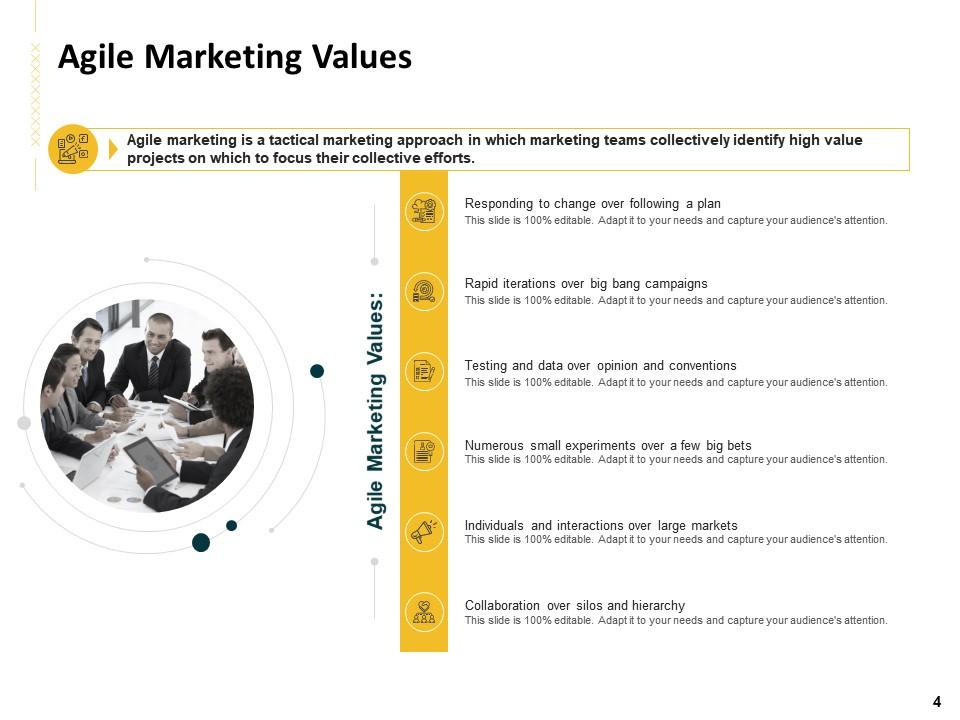
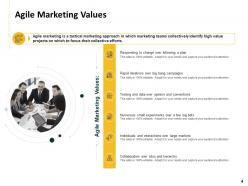
Slide 4: This slide describes Agile Marketing Values.
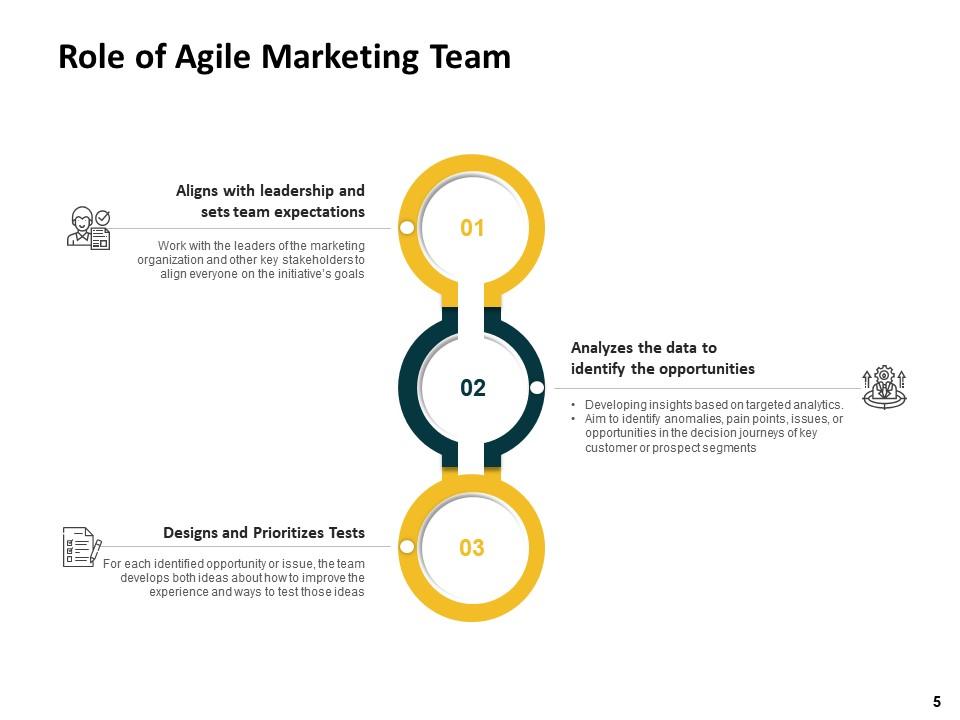
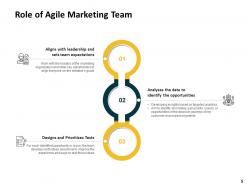
Slide 5: This slide showcases the Role of Agile Marketing Team.
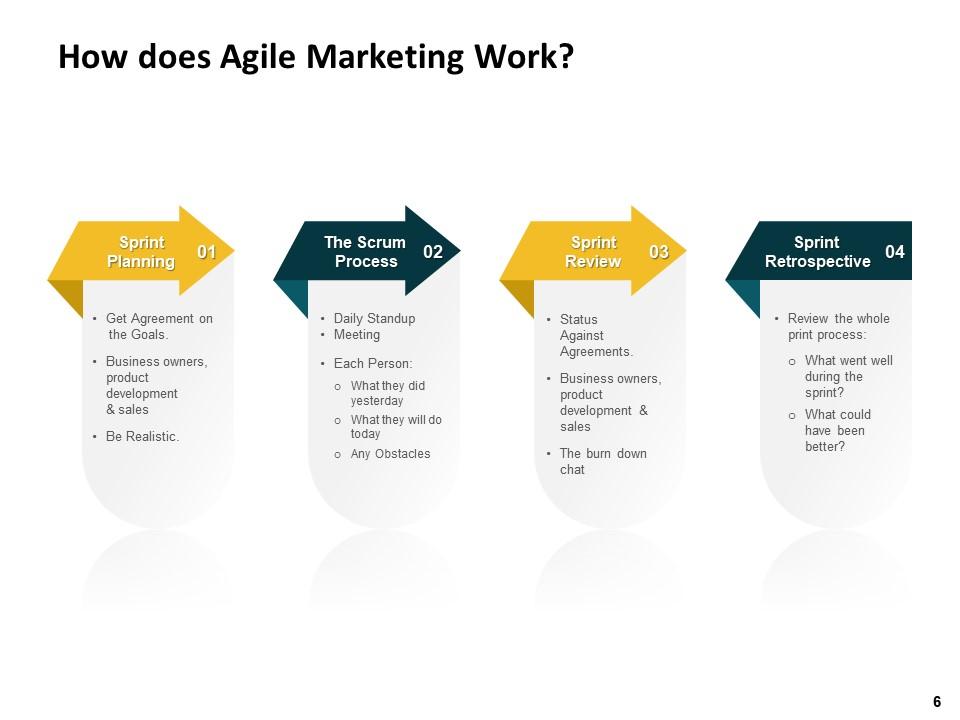
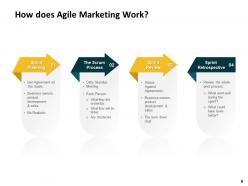
Slide 6: This slide describes How Does Agile Marketing Work?
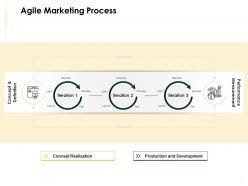
Slide 7: This slide showcases Agile Marketing Process.
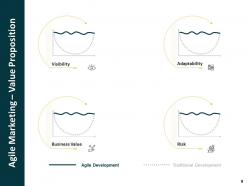
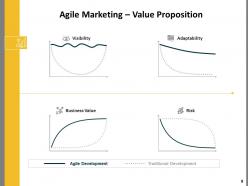
Slide 9: This slide depicts Agile Marketing – Value Proposition containing- Agile Development, Traditional Development, Visibility, Business Value, Adaptability, Risk.
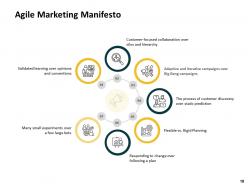
Slide 10: This slide depicts Agile Marketing Manifesto.
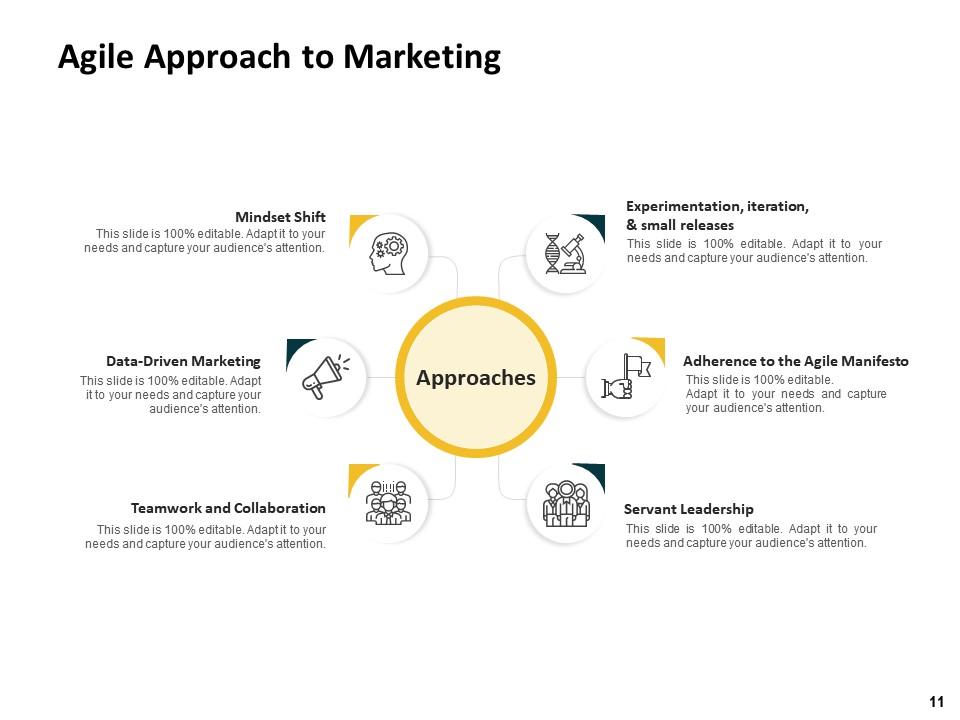
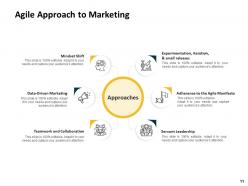
Slide 11: This slide represents Agile Approach to Marketing.
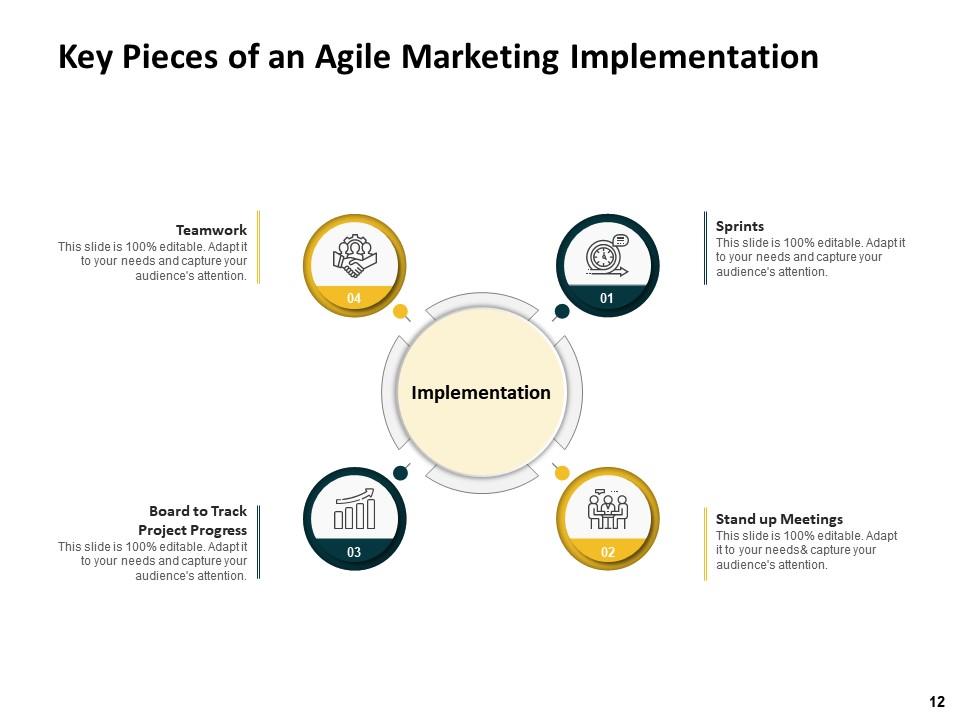
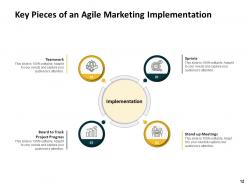
Slide 12: This slide showcases Key Pieces of an Agile Marketing Implementation
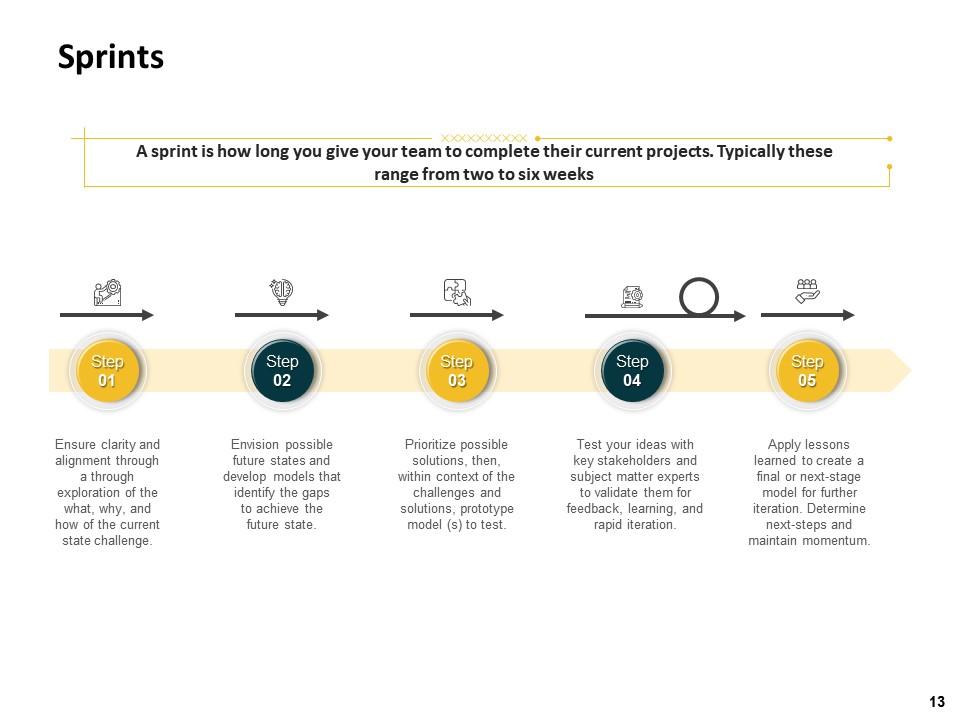
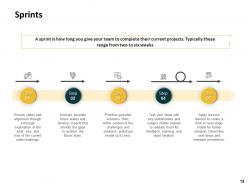
Slide 13: This slide showcases Sprints.
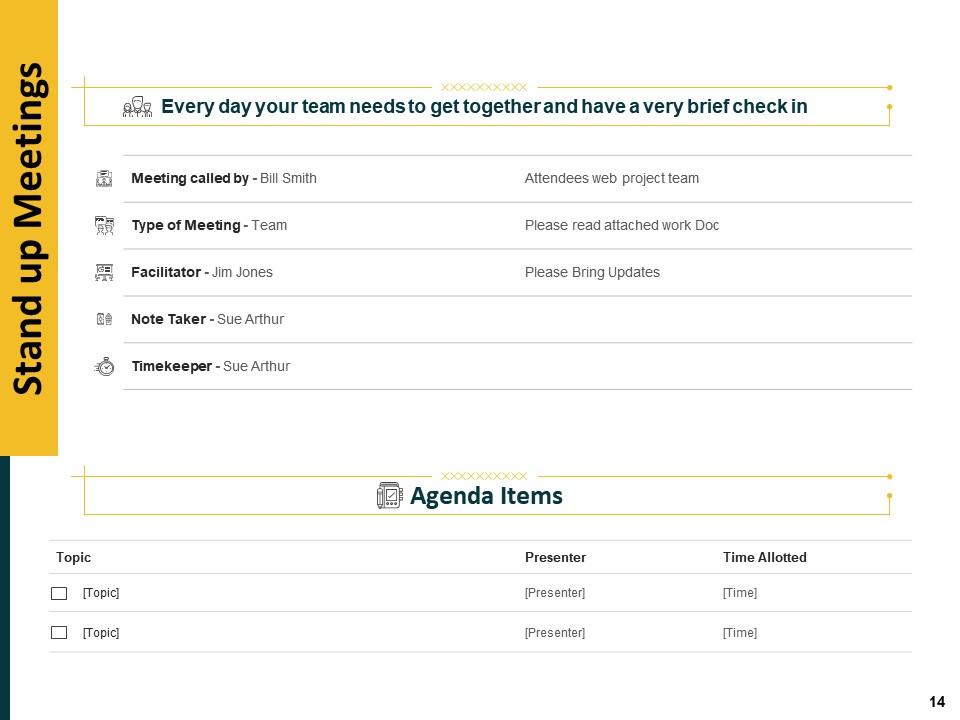
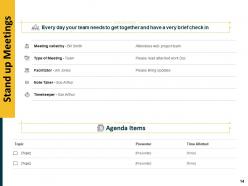
Slide 14: This slide shows Stand up Meetings.
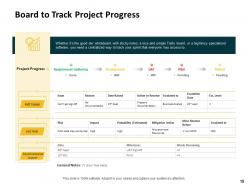
Slide 15: This slide presents Board to Track Project Progress.
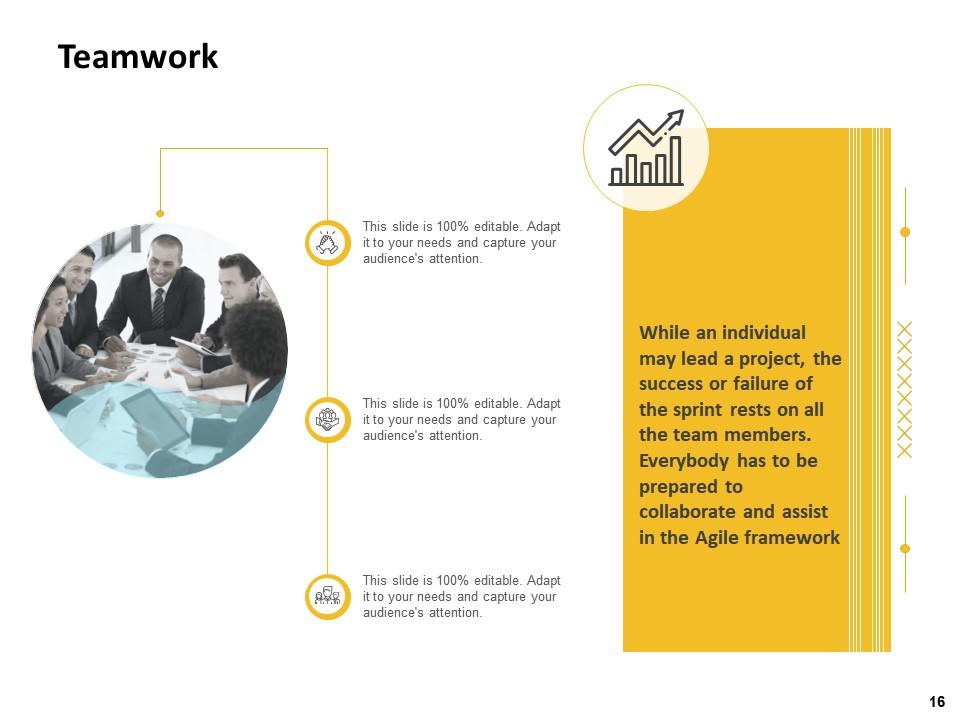
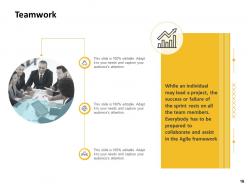
Slide 16: This slide shows Teamwork. While an individual may lead a project, the success or failure of the sprint rests on all the team members. Everybody has to be prepared to collaborate and assist in the Agile framework
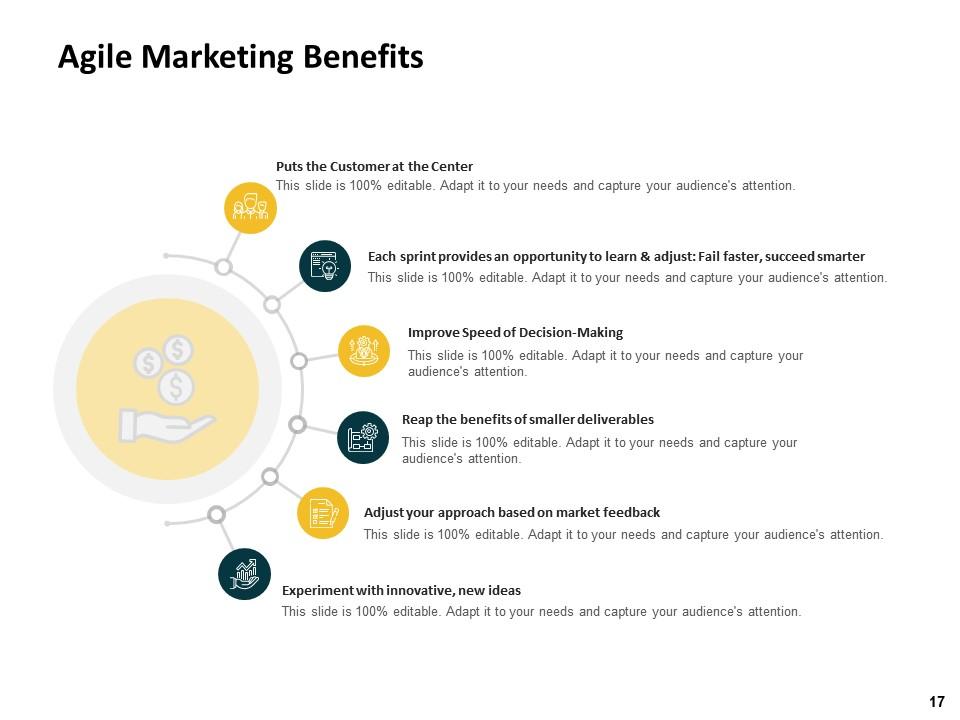
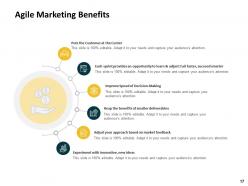
Slide 17: This slide presents Agile Marketing Benefits.
Slide 18: This is Scrum Marketing Process Icons Slide.
Slide 19: This slide is titled as Additional Slides for moving forward.
Slide 20: This slide reminds of Tea break.
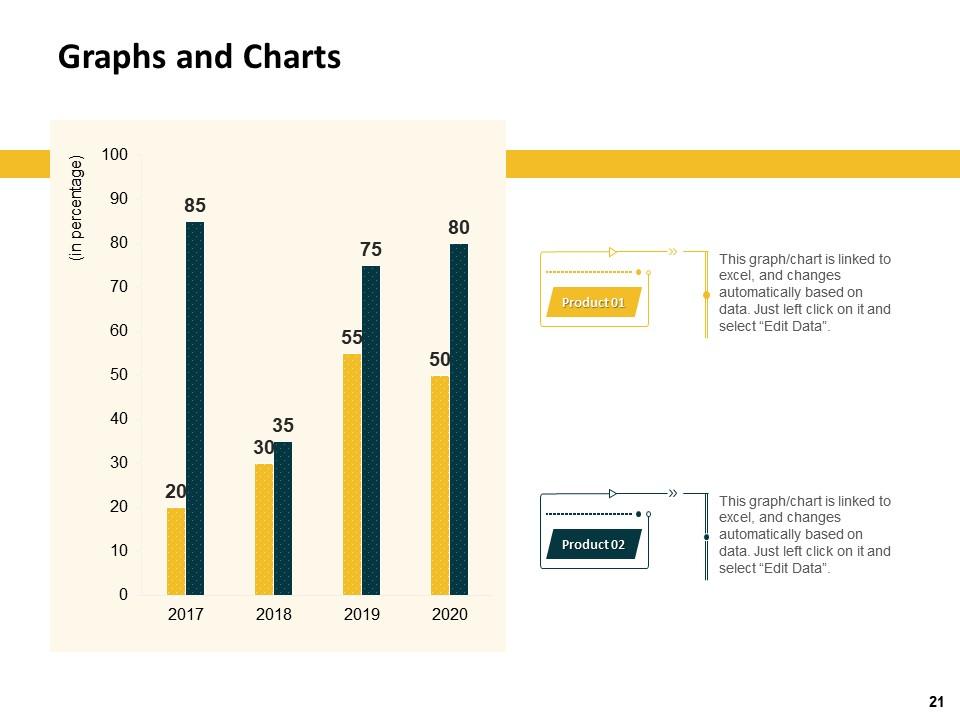
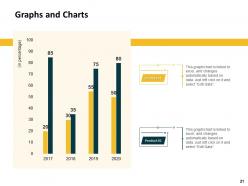
Slide 21: This slide displays Graphs and Charts for displaying products Comparison.
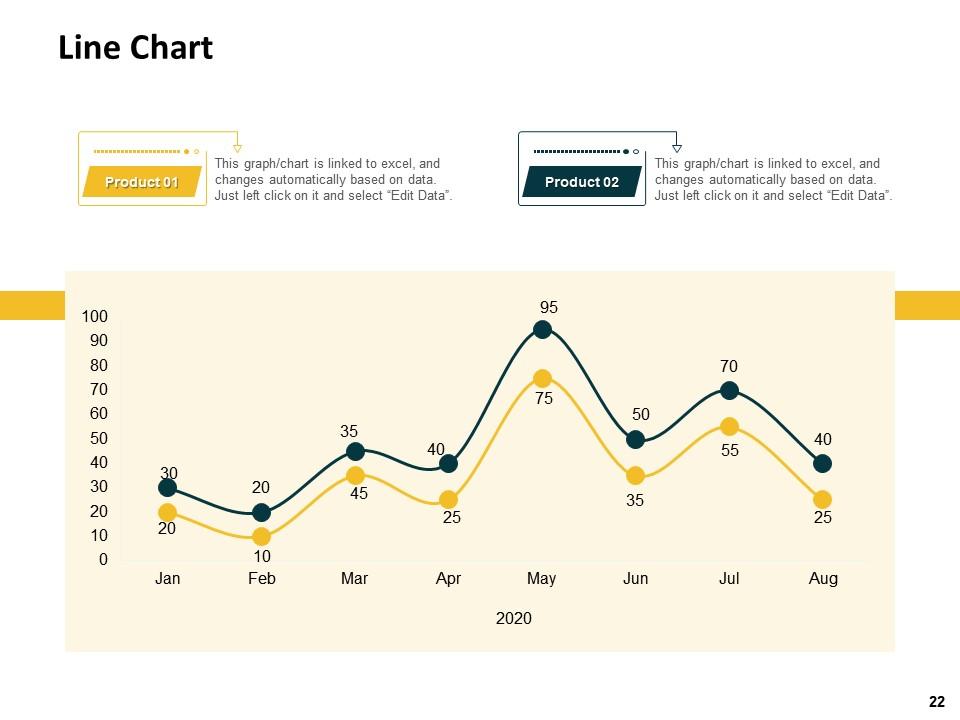
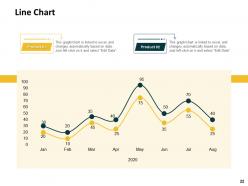
Slide 22: This slide shows Line Chart with Product Comparison.
Slide 23: This is Idea Generation slide. Highlight your important ideas and beliefs.
Slide 24: This is Quotes slide to mention inspirational quotes.
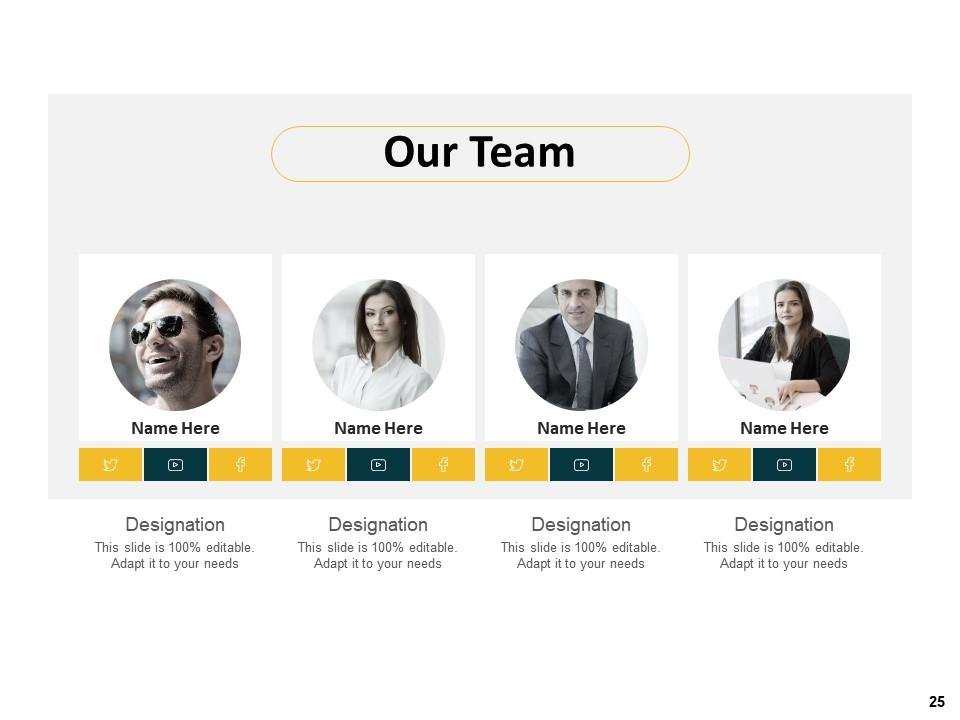
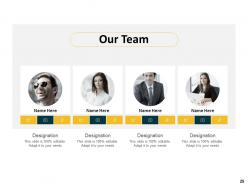
Slide 25: This is Our Team slide with Names and Designations.
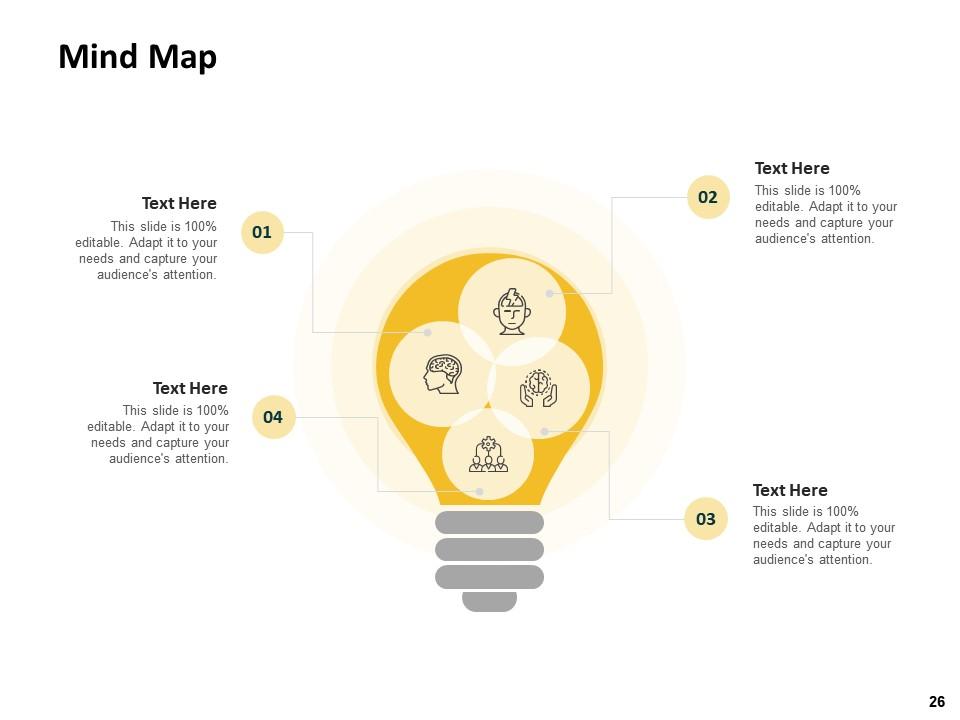
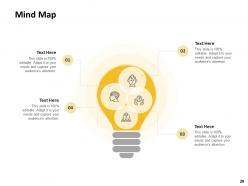
Slide 26: This is Mind Map slide for representing entities.
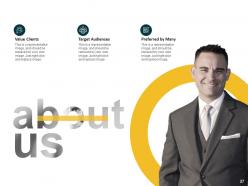
Slide 27: This slide shows Value Clients,Target Audiences, Preferred by Many.
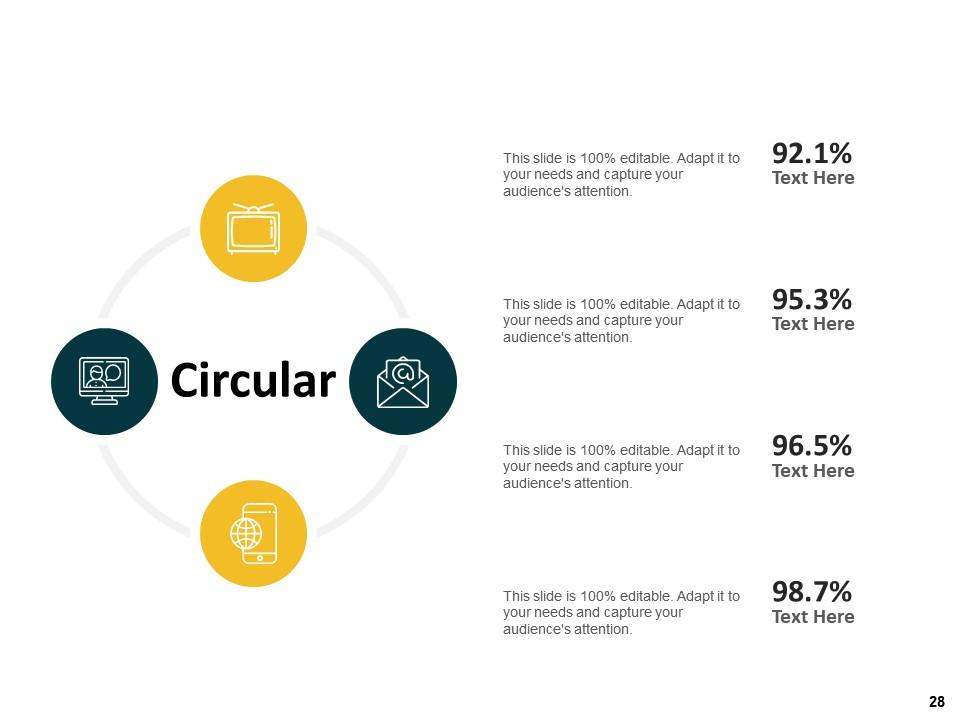
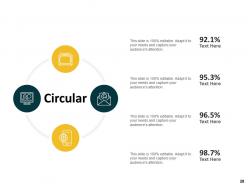
Slide 28: This is Circular slide with data in percentage.
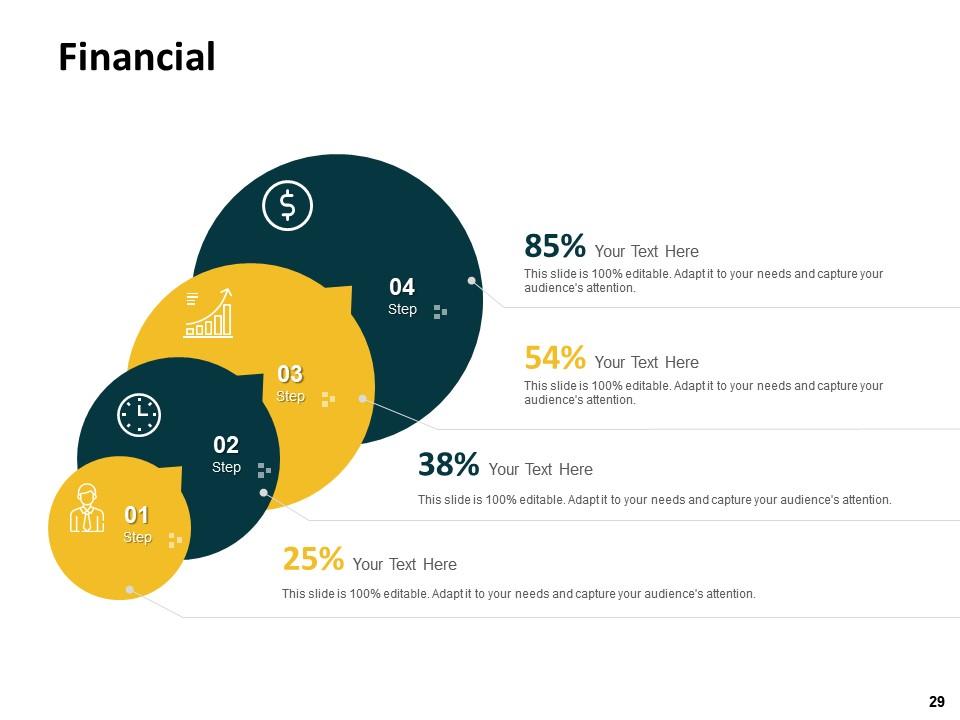
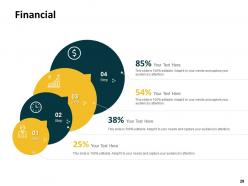
Slide 29: This is Financial slide. Showcase finance related stuff here.
Slide 30: This slide represents Magnifying Glass to highlight important content under it.
Slide 31: This slide is titled as Post it Notes. Post your important notes here.
Slide 32: This slide represents Contact details.
Scrum marketing process powerpoint presentation slides with all 32 slides:
Use our Scrum Marketing Process Powerpoint Presentation Slides to effectively help you save your valuable time. They are readymade to fit into any presentation structure.
-
Helpful product design for delivering presentation.
-
Qualitative and comprehensive slides.
-
Great product with effective design. Helped a lot in our corporate presentations. Easy to edit and stunning visuals.
-
Qualitative and comprehensive slides.
-
Qualitative and comprehensive slides.
