Steps to create digital marketing strategy ppt images

Rating:
100%
Steps to create digital marketing strategy ppt images
Slide 1 of 5
Favourites Favourites

Try Before you Buy Download Free Sample Product

Audience Impress Your
Audience
Editable 100%
Editable
Time Save Hours
of Time
The Biggest Sale is ending soon in
0
0
:
0
0
:
0
0
Rating:
100%
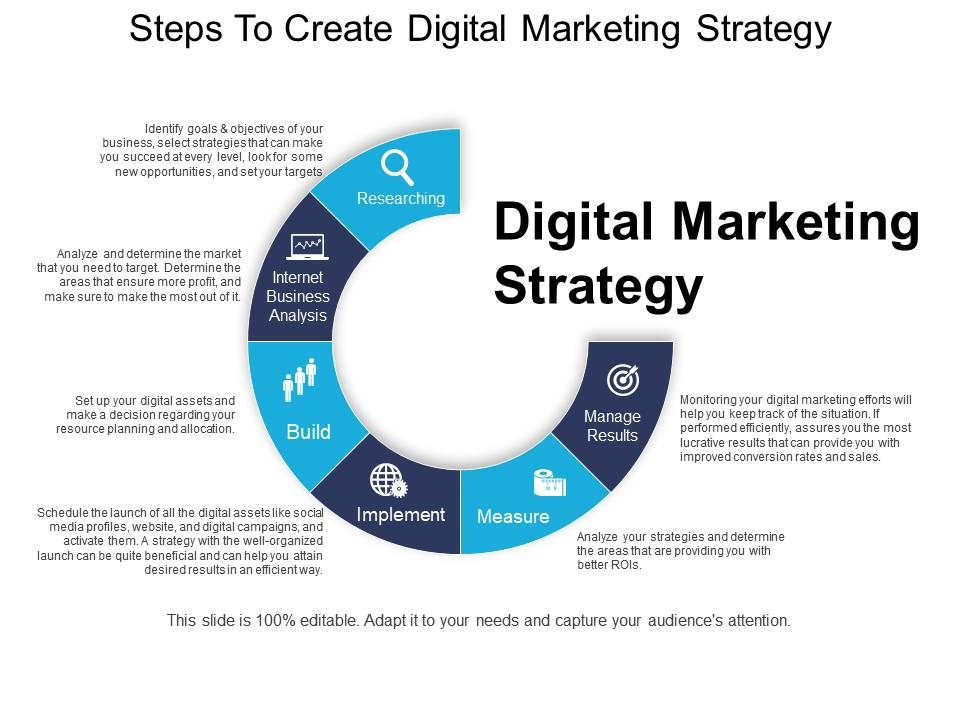
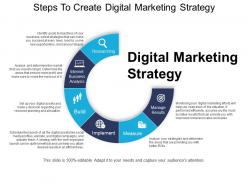
Introducing steps to create digital marketing strategy PPT image. Magnificently fabricated PowerPoint theme opportune for different marketing and business professionals, Executives, managers etc. 100 % adjustable shapes, subject matters, colors, sizes PPT images etc. Flexibility to replace dummy data and can insert company logo, trade mark and name as per need. Handy and sleek download. Runs smoothly with all the Google Slides and other available operating systems.

FAQs for Steps to create digital marketing

Honestly, focus on these five things: figure out exactly who you're targeting, create content that's actually useful (not just promotional BS), get your SEO basics right, maybe throw some money at ads once you know what works, and track everything so you're not flying blind. Social media matters too, but don't waste time on every platform - just go where your people are. Here's what kills most people though: they try doing all this stuff simultaneously and burn out. Pick two or three things max, get decent at those first, then add more later. Way less overwhelming that way.

Honestly, forget about likes and followers - that stuff doesn't pay the bills. Track conversion rates, customer acquisition costs, and lifetime value instead. Set up attribution tracking so you actually know which channels bring in sales (this took me way too long to figure out). A/B test everything - email subjects, ad copy, you name it. Google Analytics 4 and your CRM will show you patterns in how customers behave. Then just double down on what's working and ditch the rest. Start with one small campaign, see what the data tells you, then scale up the winners.

Honestly, content marketing is what makes everything else click. Without it, your ads and emails are just noise - nobody cares. Good content builds trust and shows you actually know your stuff, which is huge. People need a reason to give a damn about your brand beyond "please buy this." Your content feeds your SEO, social posts, email campaigns, all of it. I'd start by just answering the questions your customers keep asking you. That's literally gold sitting right there.

Honestly, just pick 2-3 platforms where your people actually are instead of spreading yourself too thin everywhere. Post stuff that shows who you really are - behind-the-scenes content, repost what customers share about you, that kind of thing. Each platform's different though. Instagram's all visual, LinkedIn's buttoned-up professional, TikTok's complete chaos but somehow works. Be consistent with posting and actually reply when people comment. Use hashtags that make sense. Maybe team up with other brands or influencers in your space too. The biggest thing? Don't try to sound corporate - people can smell fake from a mile away.

Honestly, start with the basics - keyword optimization and decent content that actually helps people. On-page SEO is huge, so fix your title tags and meta descriptions first. Site speed is everything now (Google hates slow sites more than I hate waiting for coffee). Quality backlinks from good sites matter too, but that takes time. Local SEO's worth doing if you're targeting specific cities or whatever. Oh, and mobile responsiveness - can't ignore that anymore. I'd audit what you have now and just pick like 3-5 solid keywords to focus on this month instead of going crazy with everything at once.

Hey! So start with basic stuff like segmenting by age or what they've bought before. Behavioral triggers work really well - abandoned cart emails, product recs based on what they looked at. Dynamic content is where you show different products to different people in the same email template, which is pretty cool. Using first names is obviously basic now but still helps. I'd definitely A/B test everything though - you never know what'll click with people. Oh and timing matters too, send when your specific audience is most active.

Pick metrics that actually move the needle for your biz - conversion rates, customer acquisition cost, lifetime value. Traffic's cool and all, but who cares if nobody's buying? ROAS is huge too, plus email open rates and how long people stick around your site. Don't get sucked into social media vanity metrics (I've been there). Honestly, you'll go crazy if you track everything. Just grab 3-5 that really matter, throw them in a simple dashboard, and check weekly. Way better than drowning in spreadsheets trying to analyze every single click.

Honestly, influencer marketing is pretty solid for reaching people you'd never hit otherwise. You're basically pigging-backing on the trust they've already built with their followers. Way better than regular ads IMO - people actually listen to creators they follow. Perfect for getting your name out there or launching something new. Micro-influencers are where I'd start though. Their audiences are super engaged and you won't go broke hiring them. Plus they actually know what makes their people tick, so the content feels real instead of like... obviously sponsored garbage.

Paid ads are basically like hitting the gas pedal on what's already working. I'd use them to amplify your best organic content and target specific audiences while your SEO does its slow-burn thing. Think of it as a volume dial for your marketing - pretty handy when you need results faster. Just make sure everything connects to your bigger picture goals. Oh, and figure out your priority first - brand awareness, leads, whatever. Then build campaigns around that. Honestly, the targeting options these days are kind of insane compared to even a few years ago.

Dude, you really need to get on this - like 60% of people are browsing on their phones now. Google's gonna tank your rankings if your site looks like garbage on mobile. I learned this the hard way honestly. People will bail so fast if pages take forever to load or buttons are impossible to tap. Test your site on a few different phones first, then fix whatever's obviously broken. The whole thumb navigation thing isn't just trendy BS either, it actually matters. Your visitors are scrolling with one hand while drinking coffee or whatever.

Honestly, customer feedback is like getting free market research handed to you on a silver platter. Reviews, social comments, surveys - people literally tell you what works and what sucks. They're giving you their exact words too, so steal that language for your ads! Notice they keep complaining about the same thing? Build a whole campaign around fixing it. Also pay attention to where they actually want to hear from you - maybe they ignore emails but live on TikTok. Set up some basic system to collect this stuff monthly. Patterns will jump out at you pretty quickly once you start looking.

Honestly, multi-channel marketing is a game changer because you're not stuck relying on just one platform. Facebook decides to mess with their algorithm? No big deal - you've still got email and search bringing in customers. The cool part is how different channels actually boost each other when you connect the data. Like, someone visits your site, then you hit them with a social ad AND follow up through email - that combo works so well it's almost unfair. Oh, and don't try to be on every platform right away. Pick maybe 2-3 that make sense together first, then expand from there.

Dude, AI is a game-changer for ad targeting. You'll get predictive analytics showing which audiences actually convert instead of just throwing money at random people. The automated bidding adjusts faster than you ever could manually. Dynamic creative optimization is insane too - it tests like hundreds of ad variations at once to see what hits. Honestly, the tech jumped so much this year it's kinda crazy. Oh, and the personalized content adapts to each user automatically. My advice? Start with automated bidding first, then add more tools once you're comfortable.

Honestly, it's all about making people feel like you actually know them. Pull data from their past purchases to suggest stuff they'd actually want. Email campaigns work way better when they're tailored - none of that generic blast nonsense. Social media's where you can really shine though - actually reply to comments instead of just posting and ghosting. I'd definitely look into app-based loyalty programs too. Give people early access to new products or remember their usual order. Oh, and segment your audience so you're not sending dog food ads to cat people. Start by checking where you currently interact with customers and see what feels too robotic.

Honestly, UX can make or break your conversion rates - I've watched amazing ad campaigns completely fail because the landing page was a mess. People will bounce instantly if they hit any friction, doesn't matter how perfect your targeting was. Good UX keeps users around longer and actually builds trust, which obviously leads to better conversions. Plus your marketing spend goes way further when the whole user journey flows smoothly. Oh, and returning customers too - that's huge for ROI. I'd start by looking at your main conversion paths and just fix whatever's obviously broken first.

Ratings and Reviews

100% of 100
Review Form
Write a review
Most Relevant Reviews
  1. 100%

    by Dwain Johnston

    Use of icon with content is very relateable, informative and appealing.
  2. 100%

    by Darwin Mendez

    Very unique, user-friendly presentation interface.

2 Item(s)

per page: