Stock Inventory Management Powerpoint Ppt Template Bundles

Rating:
100%
Stock Inventory Management Powerpoint Ppt Template Bundles
Slide 1 of 27
Favourites Favourites

Try Before you Buy Download Free Sample Product

Audience Impress Your
Audience
Editable 100%
Editable
Time Save Hours
of Time
The Biggest Sale is ending soon in
0
0
:
0
0
:
0
0
Rating:
100%
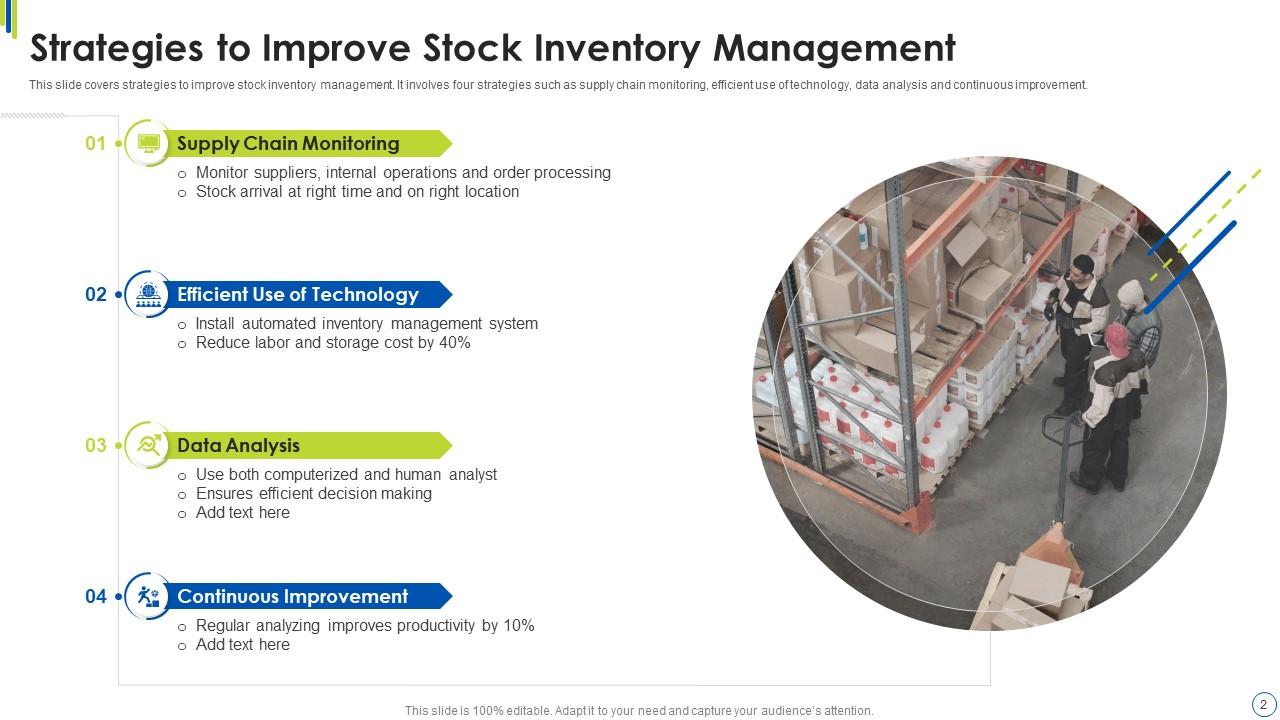
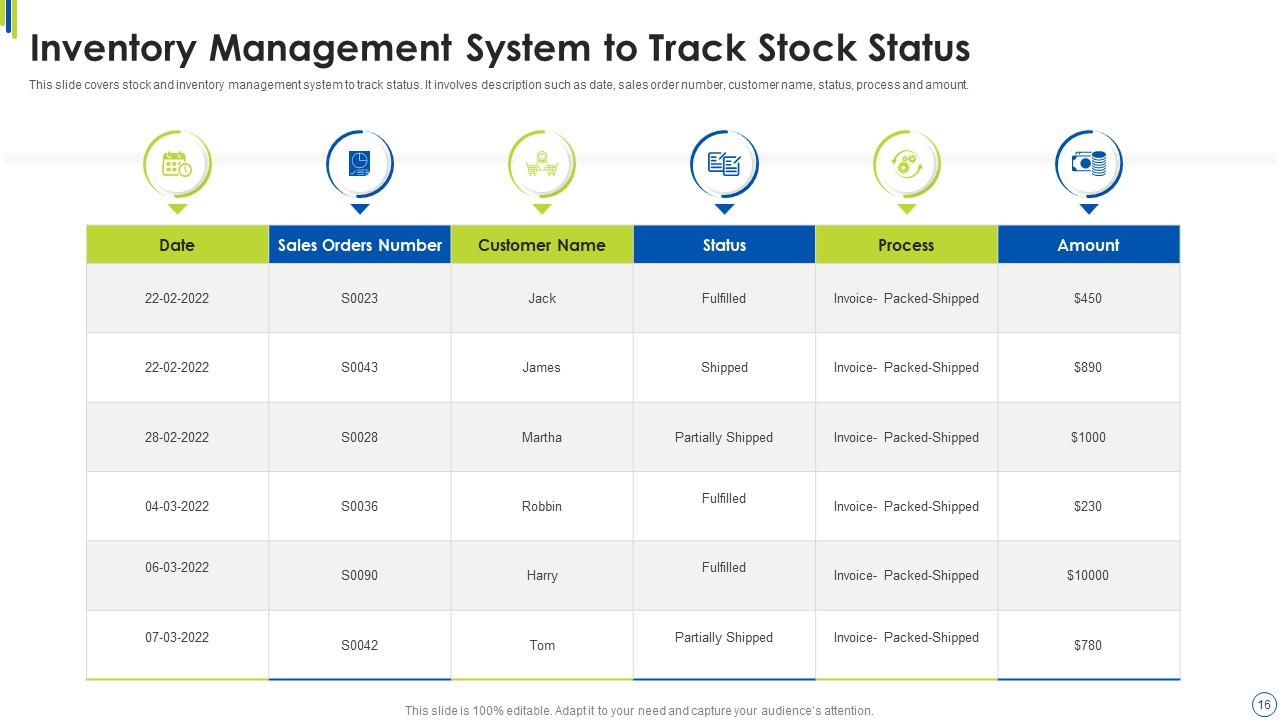
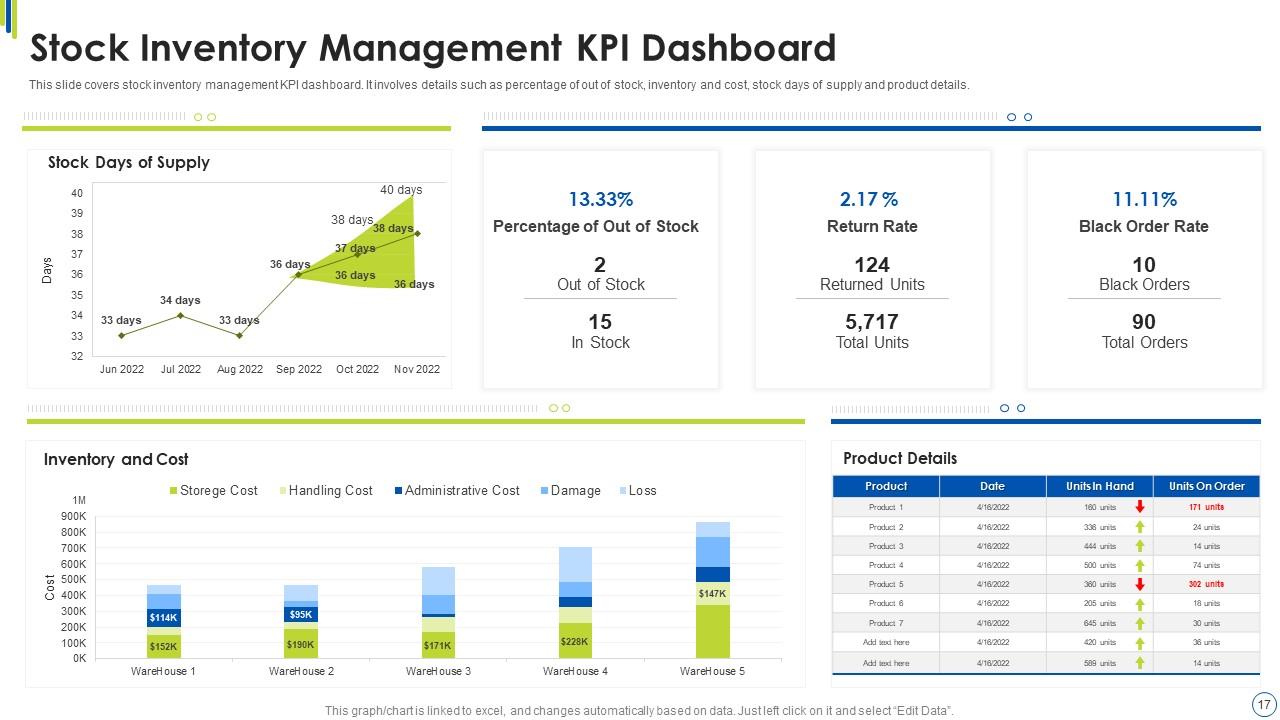
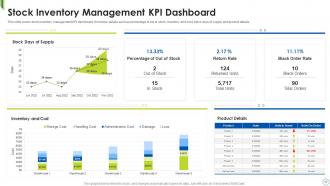
Engage buyer personas and boost brand awareness by pitching yourself using this prefabricated set. This Stock Inventory Management Powerpoint Ppt Template Bundles is a great tool to connect with your audience as it contains high-quality content and graphics. This helps in conveying your thoughts in a well-structured manner. It also helps you attain a competitive advantage because of its unique design and aesthetics. In addition to this, you can use this PPT design to portray information and educate your audience on various topics. With twenty two slides, this is a great design to use for your upcoming presentations. Not only is it cost-effective but also easily pliable depending on your needs and requirements. As such color, font, or any other design component can be altered. It is also available for immediate download in different formats such as PNG, JPG, etc. So, without any further ado, download it now.

FAQs for Stock Inventory Management Powerpoint

Honestly, the cash flow improvement is huge - you're not burning money on stuff that just sits there. Stockouts become way less of a headache too, which keeps customers from getting pissed off. Forecasting gets so much cleaner when you can actually see patterns in your data. I swear, once you start tracking turnover rates properly, you'll wonder how you managed before. Spotting trends becomes automatic, and pivoting your buying decisions feels natural instead of stressful. My advice? Focus on your top 20% products first - don't try to tackle everything at once or you'll go crazy.

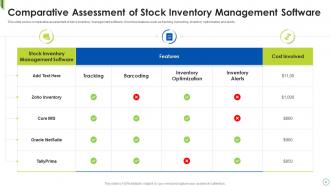
Honestly, tech makes inventory so much easier these days. Barcode scanners cut out all those counting mistakes - game changer. Real-time updates mean you actually know what's in stock across locations, and the AI stuff can predict when you're running low (which still feels kinda futuristic to me). Mobile apps let your team update things instantly, plus it syncs with your POS so inventory adjusts automatically when stuff sells. I'd start simple with basic barcode scanning and decent software. You'll stop running out of popular items or ordering way too much of things that don't move.

Honestly, demand forecasting is probably your biggest pain point - like, who can predict what customers actually want? Stockouts will piss people off, but overstocking kills your cash flow. Supplier delays are inevitable too. Then there's shrinkage from theft or stuff just going missing (happens more than you'd think). Spreadsheet tracking is a disaster waiting to happen. You're constantly trying to balance carrying costs with keeping customers happy. My take? Figure out your demand patterns first, then get some decent inventory software. Real-time visibility across everything makes a huge difference.
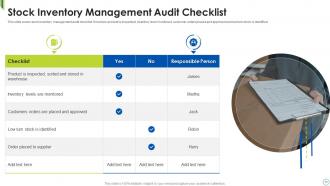
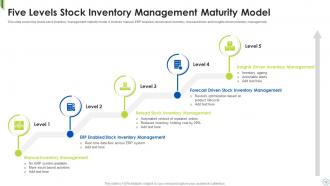
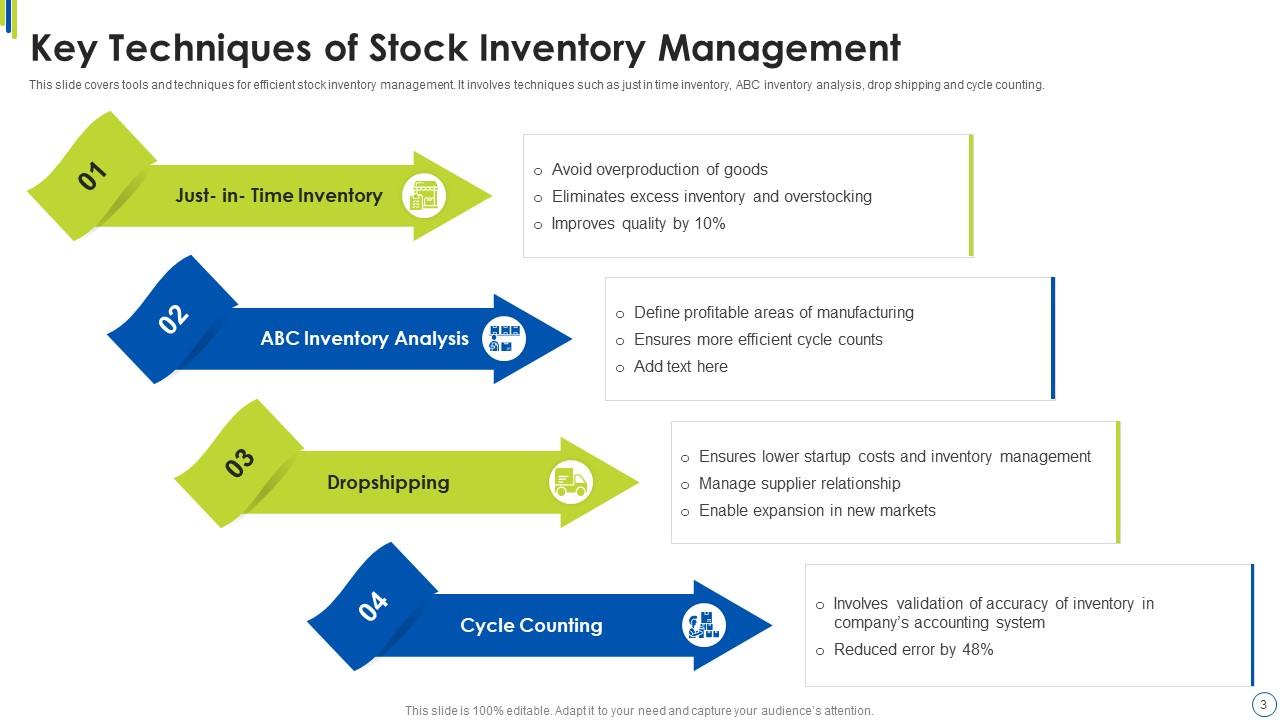
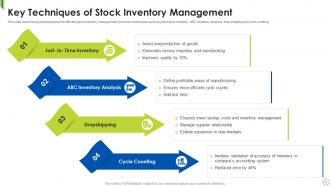
So JIT is basically ordering stuff right when you need it instead of hoarding inventory. The whole point is working with suppliers who can deliver materials just as you're about to use them. You'll save tons of money since you're not sitting on piles of stock, plus way less storage costs. It's honestly pretty nerve-wracking at first though! You become super responsive to demand changes, and there's less waste from things going bad or becoming obsolete. My cousin tried this with his restaurant and it took forever to get suppliers on board. Start with non-critical items to test it out.

Look, start with inventory turnover ratio - basically how fast you're moving stuff off the shelves. Days sales outstanding matters too, plus how often you're running out of stock. Here's what I learned the hard way: check your gross margin by product line because some bestsellers are actually money losers, which sucks to find out later. Dead stock percentage and fill rate are worth tracking too. The goal is having enough inventory without your cash just sitting there in slow products. Honestly though? Pick like 3-4 metrics that match your biggest headaches right now and go from there.

So basically, grab your sales data from the last year or two and look for patterns - seasonal stuff, slow months, growth spurts. Then factor in the bigger picture like what's happening with the economy or if competitors are doing anything crazy. Honestly, a lot of people make this way more complicated than it needs to be. Just use Excel with moving averages or get some forecasting software. I'd update monthly and track how accurate you're being so you can get better at it. Oh, and don't forget about your own promotions or new launches coming up.

So inventory turnover is basically how often you're selling through your stock and replacing it. Higher turnover means you're converting inventory to cash faster, which is what you want. When it's low, you've got dead stock just sitting there burning through your money - honestly the worst feeling as a business owner. You calculate it by taking cost of goods sold divided by your average inventory value. I'd track this monthly if I were you, maybe compare it to what others in your industry are doing. It really helps you catch problems before they get ugly.

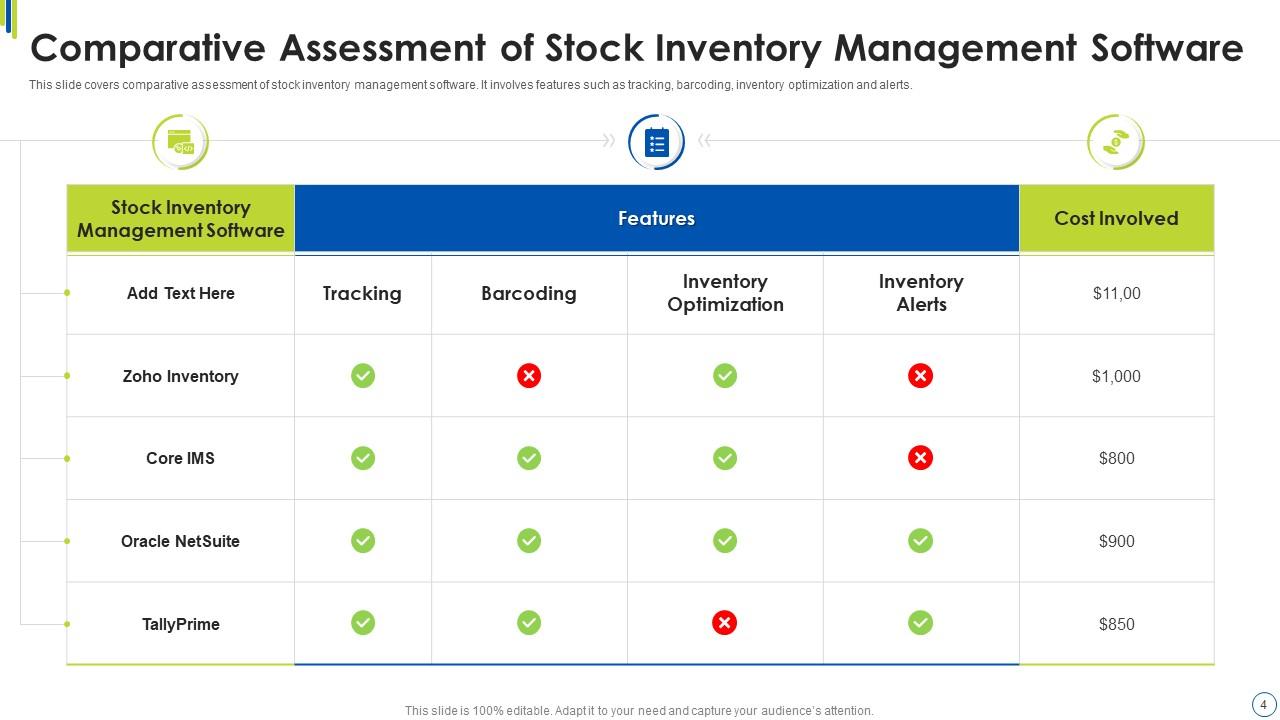
Honestly, just start with Google Sheets - don't overthink it. Do that ABC thing where you figure out which products actually make you money vs the random stuff that sits around forever. You'll waste so much time tracking pencils while your main sellers run out. Set basic reorder points for your top items first. Safety stock too, but keep it simple. When spreadsheets get annoying (they will), try inFlow or Zoho - both are pretty cheap. Build up slowly though. Track what actually moves and automate the boring repetitive tasks when you're ready.

Hey! So for that inventory mess - start by looking at what's been sitting around the longest, that's your biggest problem right there. Better forecasting with your sales data will save you tons of headaches down the road, trust me on this one. Bundle those slow movers with stuff people actually want, or just run some promotions to get rid of them. You can probably return some items to suppliers if you've got decent agreements. Also maybe rethink your reorder points? Like, base them on real sales instead of guessing. Worst case, liquidate through discount sites. Oh and honestly, fixing your safety stock levels is pretty crucial too.

Yeah, so different industries handle inventory completely differently depending on what they sell. Retail's all about predicting seasonal stuff and moving products fast. Manufacturing tries to get materials just when they need them - saves money that way. Healthcare has zero flexibility with expiration dates and regulations, which honestly sounds stressful. Food places have to juggle stuff going bad with keeping costs down. Tech companies? A lot just drop-ship so they don't need huge warehouses. You really gotta match your approach to how fast your products move, what customers expect, and how much cash you've got tied up.

Honestly, seasonal demand is a total game-changer for inventory planning. You gotta start ordering way earlier than feels natural - like getting Christmas stuff in August or winter coats by September. Just-in-time inventory? Forget about it during busy seasons, that'll bite you hard. Build up your stock levels before peak hits, and yeah, you'll need more storage space and cash upfront. I always look at last year's numbers to guess what'll sell, but pad those estimates because running out during peak season is literally the worst thing that can happen. Way better to have extras sitting around.

So basically, you want to dig into your sales data to figure out demand patterns and when stuff moves slow. Look at seasonal trends, promotions, customer buying habits - that'll tell you what you actually need vs what you think you need. Companies I know have slashed inventory costs by like 20-30% just from better timing, which is honestly crazy when you think about it. Track your inventory turnover and how often you run out of stock - those numbers will show you exactly where you're bleeding money on warehouse space for products that just sit there.

Dude, inventory screwups are customer satisfaction killers. You run out of stuff? People bounce to your competitors - I've done it myself honestly. But here's the thing - having too much of the wrong products is just as bad. Nobody wants last season's junk you're desperately trying to move. Both situations make customers lose faith in you. They start thinking you can't keep your act together. You need that balance where you've got what people actually want without drowning in inventory that won't sell.

So your inventory is literally money just sitting there not doing anything for you. Stock too much and your cash gets trapped on shelves - learned that one the hard way lol. But you can't go too lean either because then you're losing sales when stuff runs out. Super annoying balance to figure out honestly. What helps is checking your inventory turnover ratio every month. Shows you how fast you're actually moving product and turning it back into cash. The goal is having just enough to keep customers happy without your warehouse looking like you're prepping for the apocalypse.

Schedule counts when things are slow - way less chaos that way. Train everyone beforehand so they're not figuring it out on the fly. Cycle counting beats those brutal annual inventory sessions every time. Have two people count each area separately, then compare notes on any differences. Barcode scanners are a lifesaver if you can swing them. Oh, and freeze all inventory moves during counts - otherwise you'll be chasing your tail trying to figure out what got moved where. Document variances immediately while it's all still fresh.

Ratings and Reviews

100% of 100
Write a review
Most Relevant Reviews
  1. 100%

    by Walsh Turner

    My team has been relying on SlideTeam’s professional PPT designs for a while now. It has greatly sped up quality work at my organization. So thanks!
  2. 100%

    by Charley Bailey

    I am extremely pleased with these PPT slides that we used for our event. They were easy to modify and came out great in all aspects!

2 Item(s)

per page: