


Stock market risk management strategies powerpoint presentation slides
Are you asked to create the complete Deck on Stock Market Risk Management Strategies? If yes, then just simply download this PowerPoint slides deck that assist you to highlight the risks involved in the stock market investment. The presentation slide has been crafted after complete research by the industry professionals who understand the importance of sharing the information in a professional way. Some key aspects that are part of this PPT deck are portfolio management process, investment objectives, risk tolerance analysis, asset allocation, risk reward matrix etc. There are total 57 slides included in the deck that communicates the messages in an organized manner. Risk is the part of the financial industry, it is the process of identifying, analyze and acceptance of uncertainty investment decisions. The presentation deck shows that what precautionary measures you can take in order to ensure that you don't lose your money. Download this stock market risk management PowerPoint deck that has been designed to understand the significance of risk management. stock market risk management strategies. Display the appetite to go for broke with our Stock Market Risk Management Strategies Complete Powerpoint Deck With Slides. Demonstrate the ability to handle consequences.























-

- Google Slides is a new FREE Presentation software from Google.
- All our content is 100% compatible with Google Slides.
- Just download our designs, and upload them to Google Slides and they will work automatically.
- Amaze your audience with SlideTeam and Google Slides.
-

Want Changes to This PPT Slide? Check out our Presentation Design Services
-

- WideScreen Aspect ratio is becoming a very popular format. When you download this product, the downloaded ZIP will contain this product in both standard and widescreen format.
-

- Some older products that we have may only be in standard format, but they can easily be converted to widescreen.
- To do this, please open the SlideTeam product in Powerpoint, and go to
- Design ( On the top bar) -> Page Setup -> and select "On-screen Show (16:9)” in the drop down for "Slides Sized for".
- The slide or theme will change to widescreen, and all graphics will adjust automatically. You can similarly convert our content to any other desired screen aspect ratio.
Compatible With Google Slides

Get This In WideScreen
You must be logged in to download this presentation.


Do you want to remove this product from your favourites?
PowerPoint presentation slides
Download our professional Stock Market Risk Management Strategies PPT comprising extensively researched content and professional design layouts. Don’t waste hours fiddling with PowerPoint toolbars and finding professional PowerPoint templates. This complete presentation saves hours of your time. Comprising a total of 57 slides, the PowerPoint presentation is a visual masterpiece with professional PPT templates, data-driven graphs, charts and tables, a beautiful theme, impressive slide designs, icons, imagery and more. It is fully editable so that you can make changes to colors, data and fonts if you need to. Just enter your text in the placeholders provided and rock the meeting or conference you are presenting at.

People who downloaded this PowerPoint presentation also viewed the following :
Content of this Powerpoint Presentation
Slide 1: This slide introduces Stock market Risk Management Strategies. State Your Company Name and begins.
Slide 2: This slide presents Agenda. Add your comapany agenda and use it.
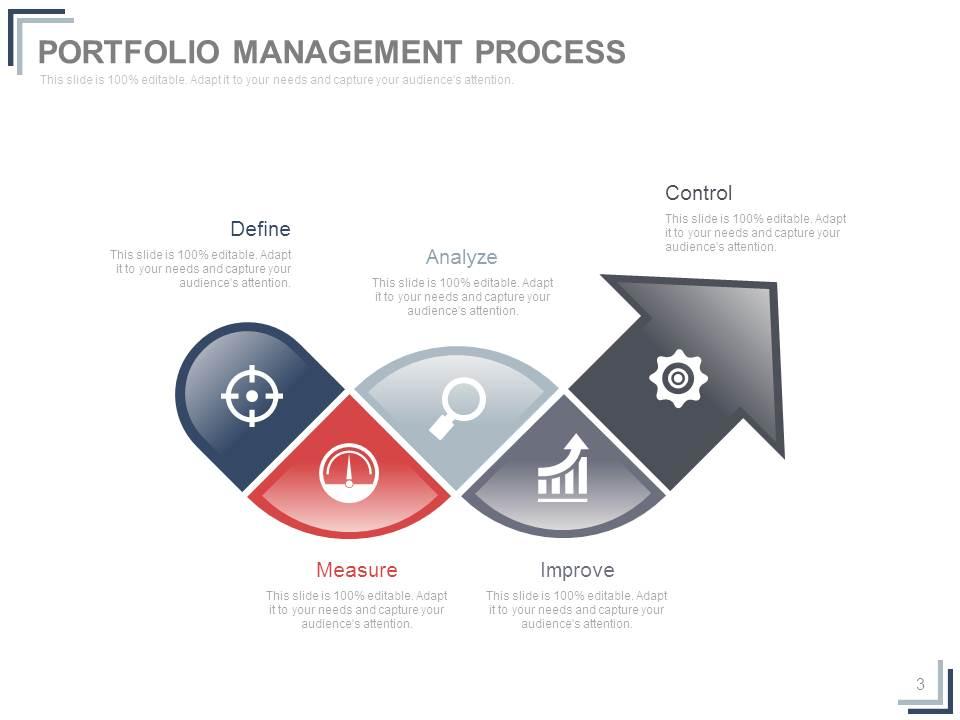
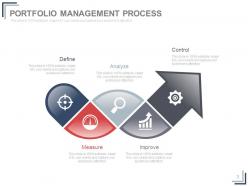
Slide 3: This slide shows the portfolio management process with these of the five stages- Define, Analyze, Measure, Improve, Control.
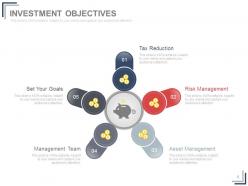
Slide 4: This slide presents Investment objectives with these five of the we have listed- Asset Management, Risk Management, Management Team, Tax Reduction, Set Your Goals.
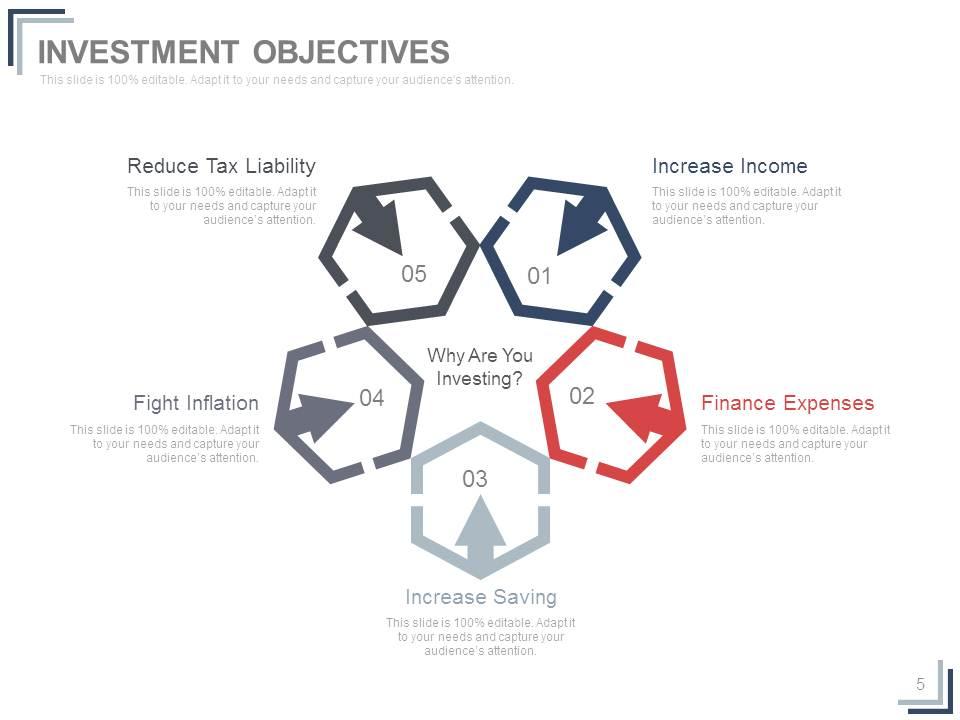
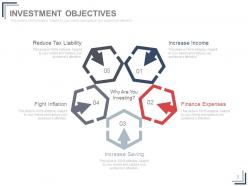
Slide 5: This slide showcases investment objectives- Increase Saving, Increase Income, Fight Inflation, Finance Expenses, Reduce Tax Liability.
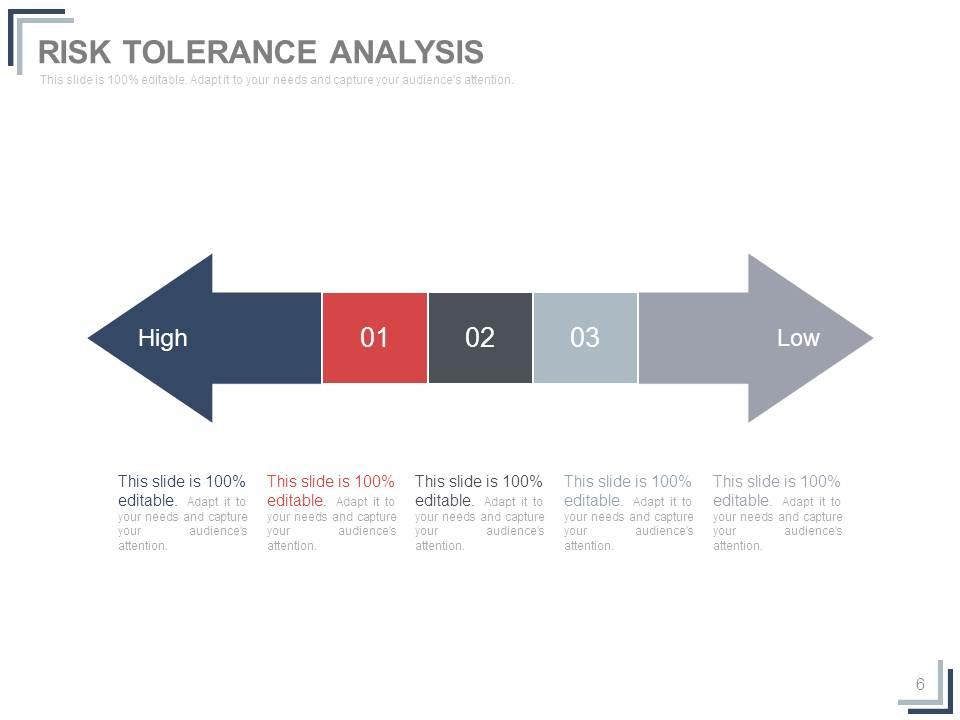
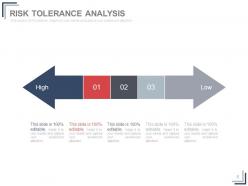
Slide 6: This slide presents Risk tolorence analysis with these two ways we have parameters- High, Low.
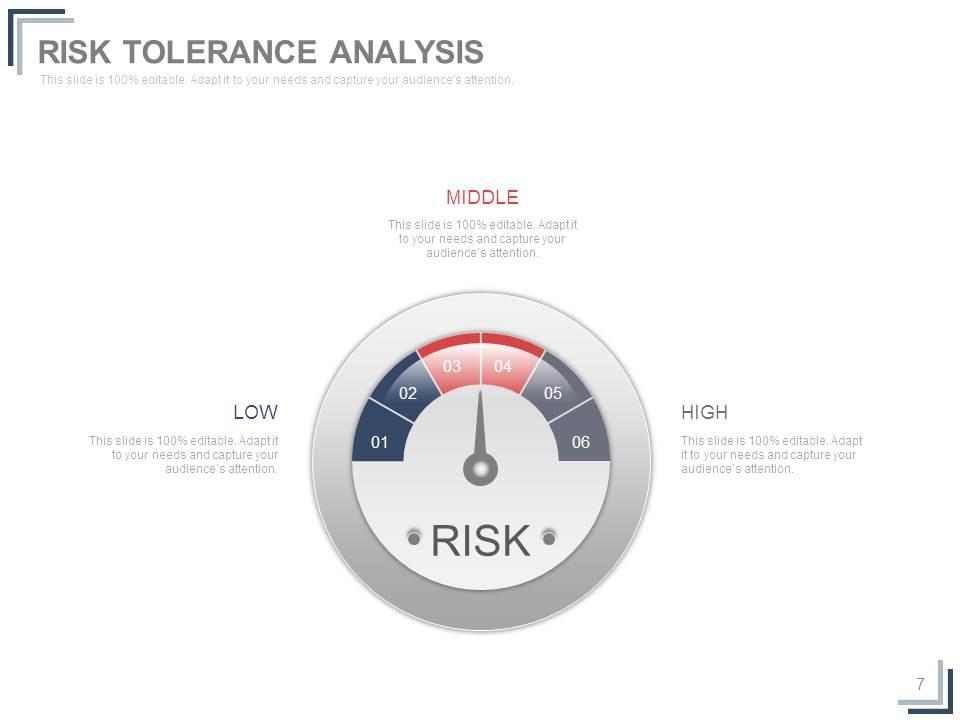
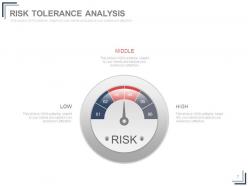
Slide 7: This slide showcases risk with these three parameters.
Slide 8: This slide shows risk tolorence. Add the data and use it.
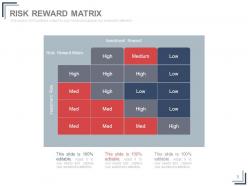
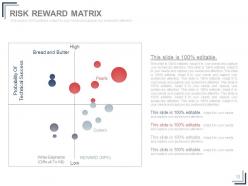
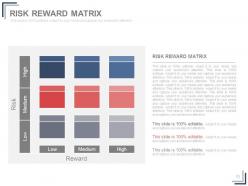
Slide 9: This slide presents Risk- Reward Matrix.
Slide 10: This slide showcases risk reward matriix.
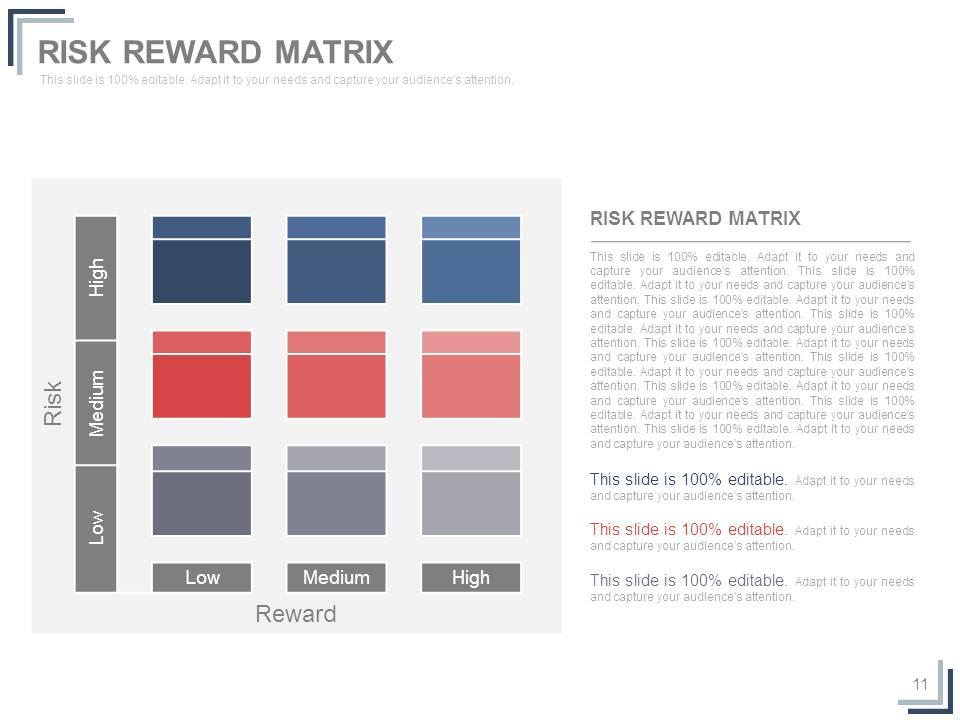
Slide 11: This slide shows risk reward matrix.
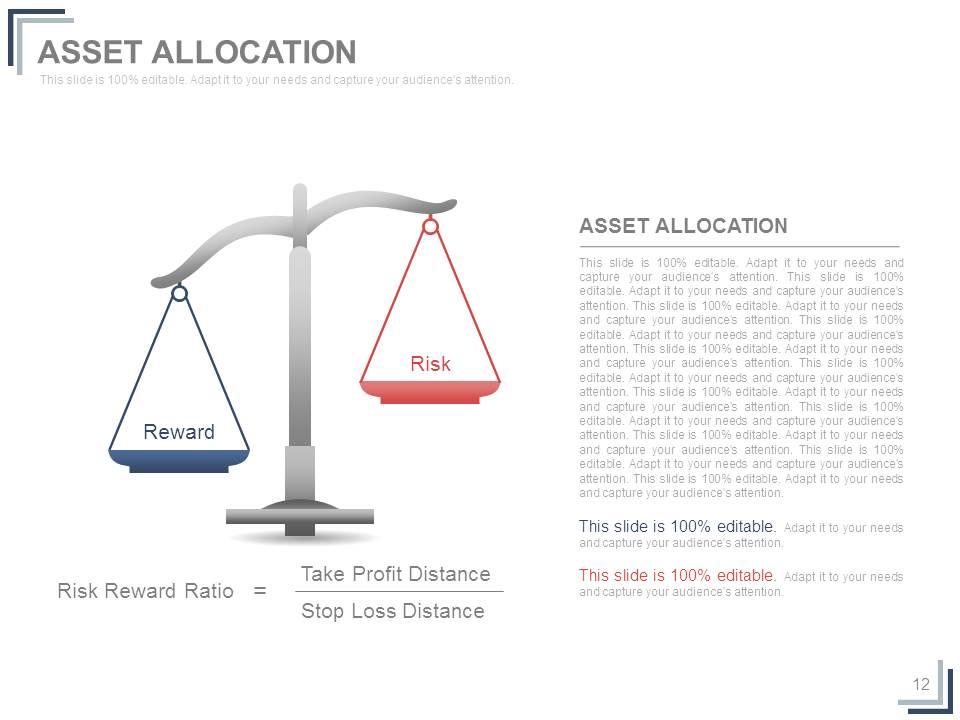
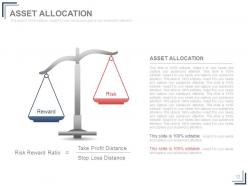
Slide 12: This slide showcases asset allocation . You can compare the reward and risk.
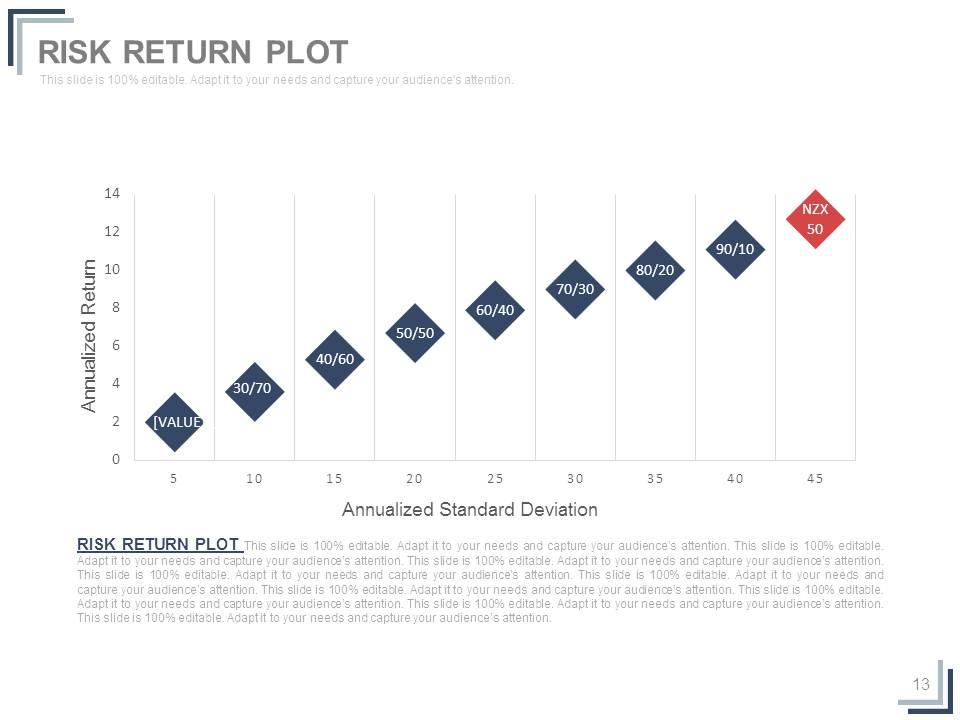
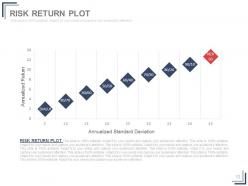
Slide 13: This slide presents risk return plot with these of the parameters- Annualized Return, Annualized Standard Deviation.
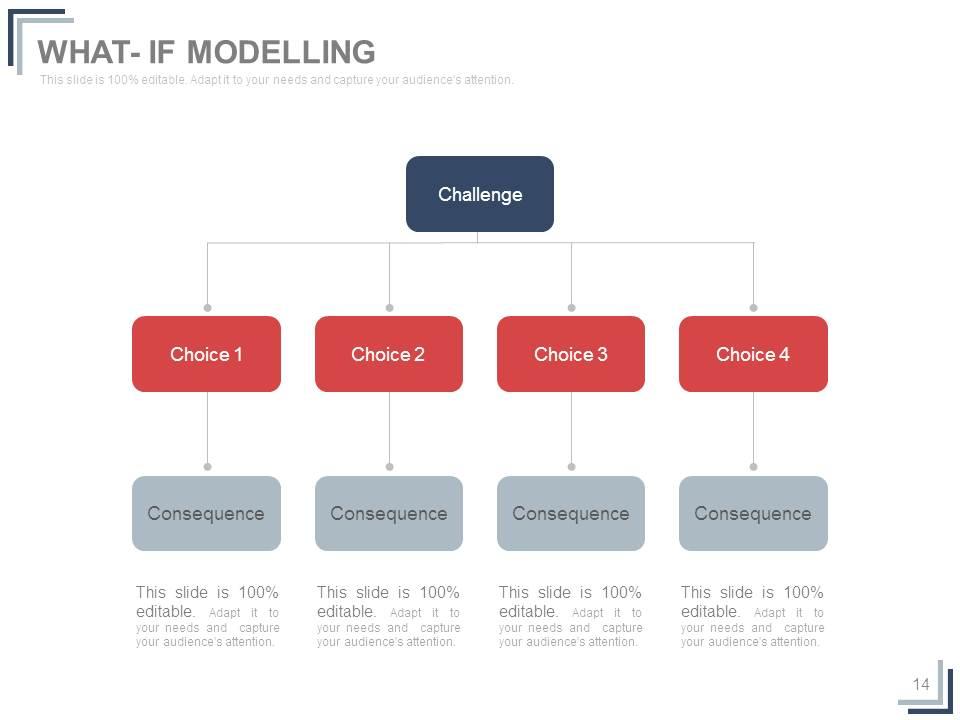
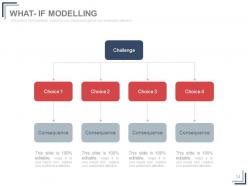
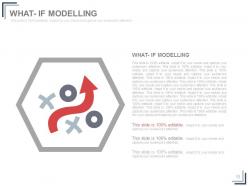
Slide 14: This slide shows what if modelling.
Slide 15: This slide presents what if modelling.
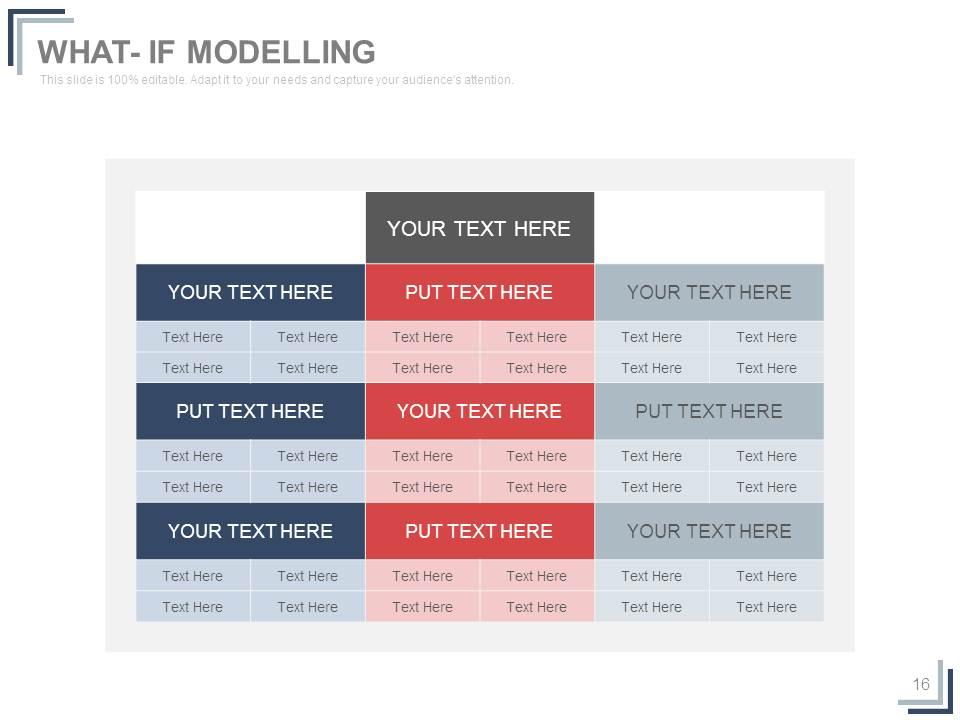
Slide 16: This slide showcases what if modelling.
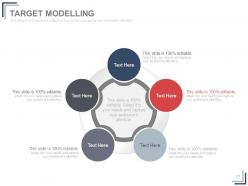
Slide 17: This slide presents target modelling.
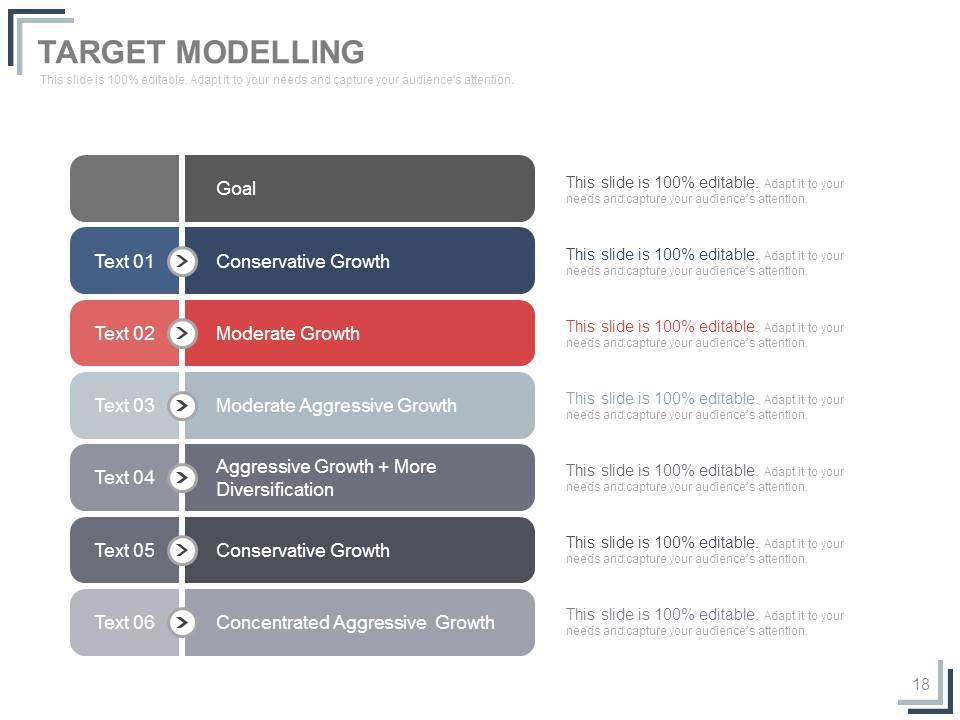
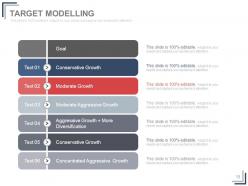
Slide 18: This slide showcases target modelling with these of the following stages- Conservative Growth, Moderate Growth, Moderate Aggressive Growth, Aggressive Growth + More Diversification, Conservative Growth, Concentrated Aggressive Growth, Goal.
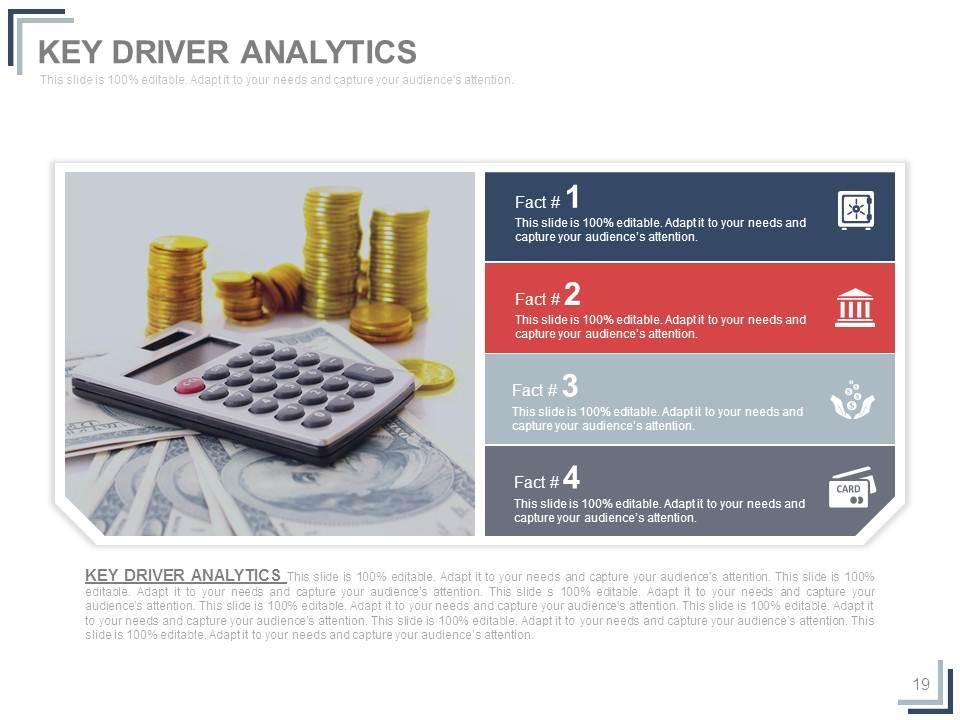
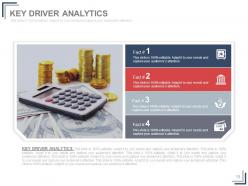
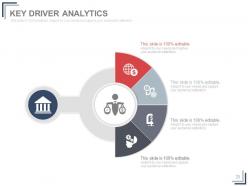
Slide 19: This slide presents key driver analystics.
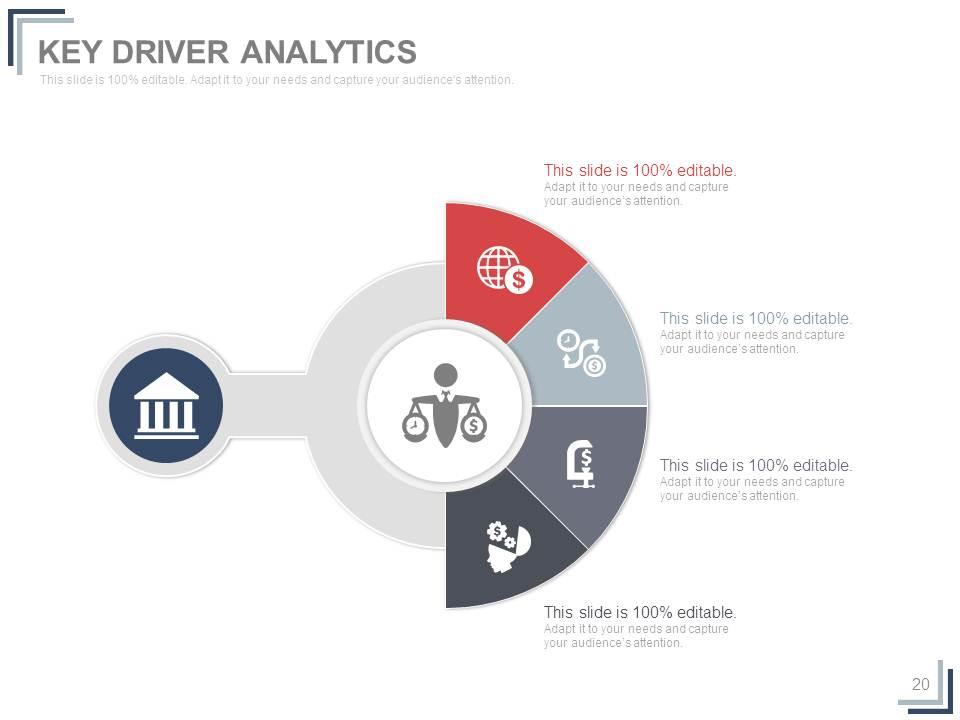
Slide 20: This slide showcases key driver analystics.
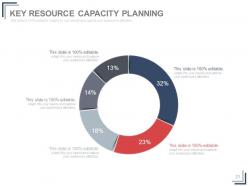
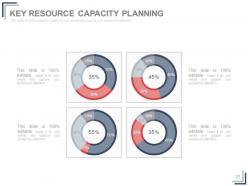
Slide 21: This slide presents key reseource capacity planning.
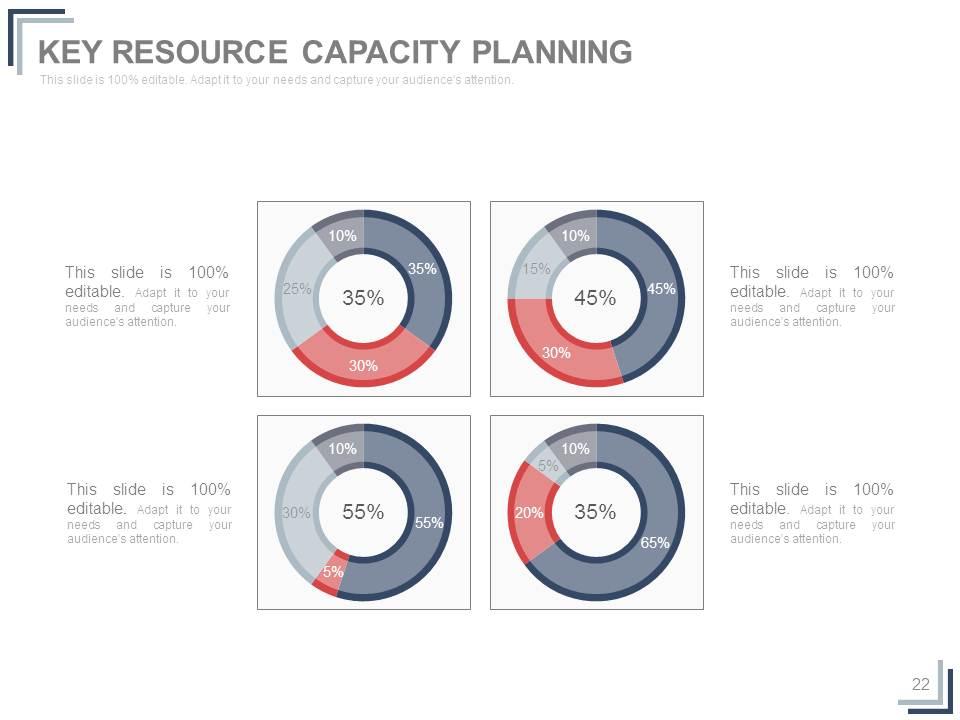
Slide 22: This slide showcases key resource capacity planning. Add your data and make use of it.
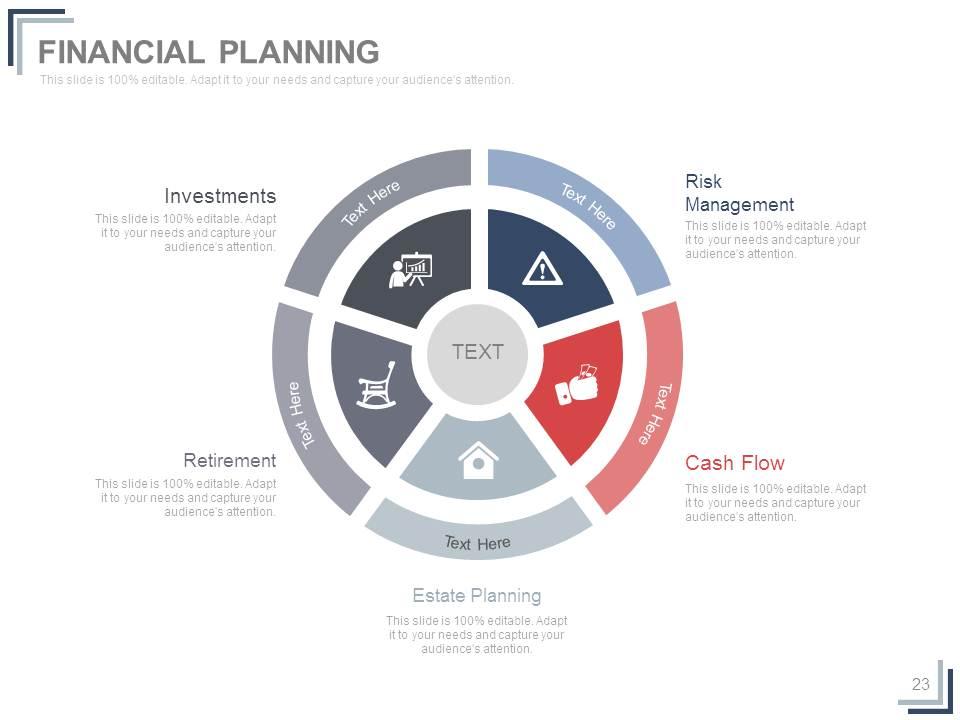
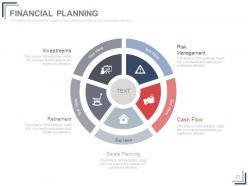
Slide 23: This slide presents financial planning with these of the four main categories- Estate Planning, Risk Management, Investments, Cash Flow.
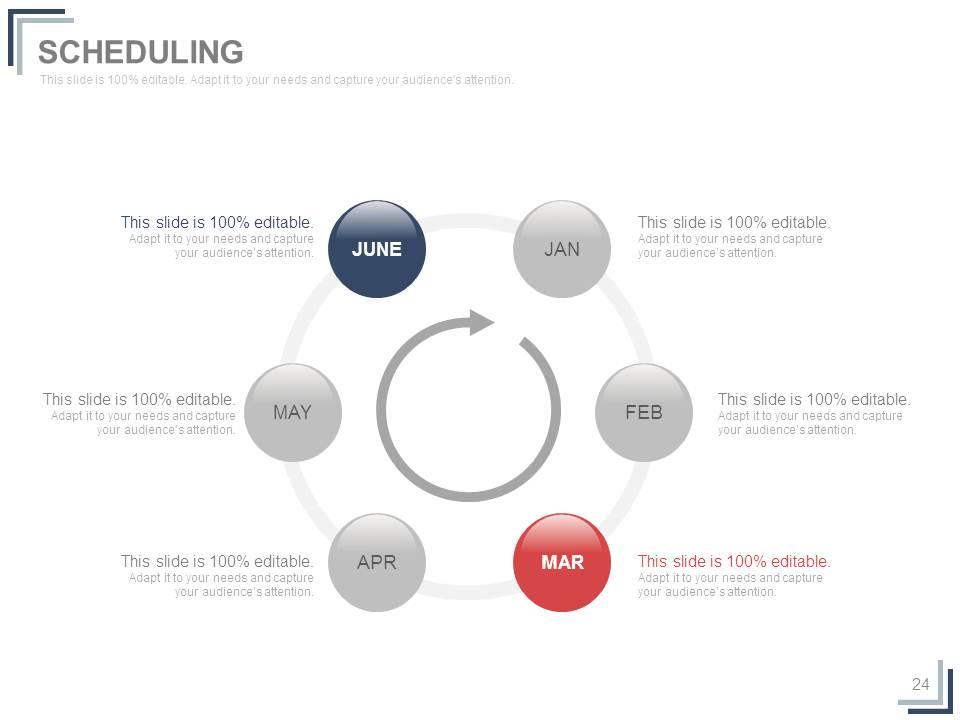
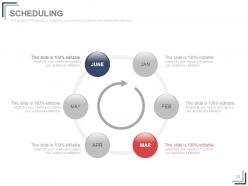
Slide 24: This slide showcases scheduling.
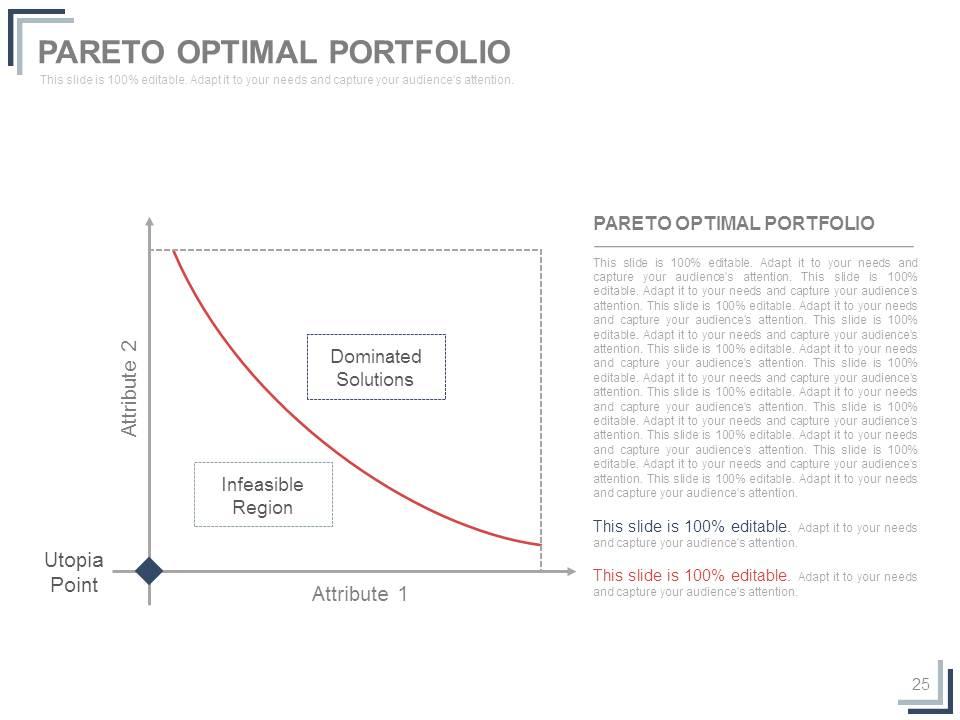
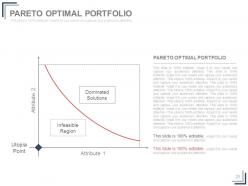
Slide 25: This slide presents pareto optimal portfolio.
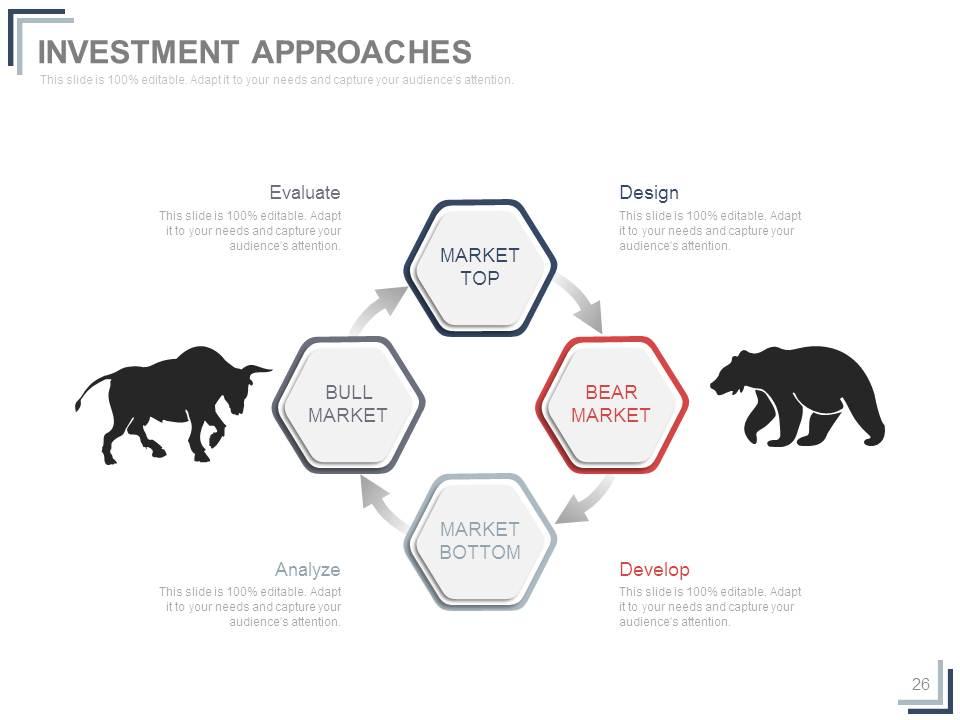
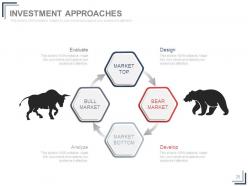
Slide 26: This slide showcases investment approches with these four Design, Develop, Evaluate, Analyze.
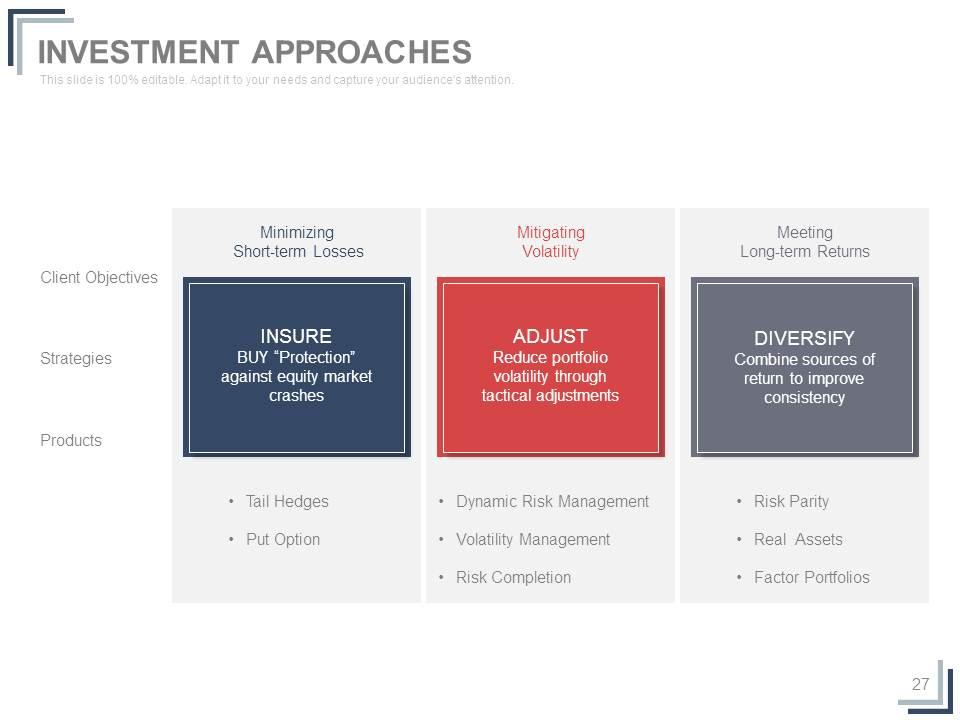
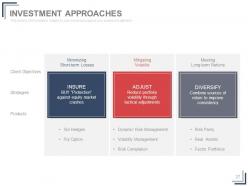
Slide 27: This slide presents investment approaches.
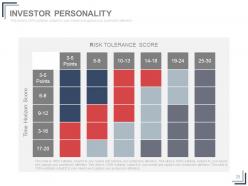
Slide 28: This slide shows investor personality.
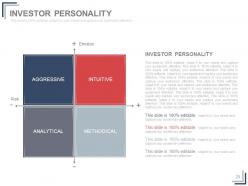
Slide 29: This slide presents investor personally.
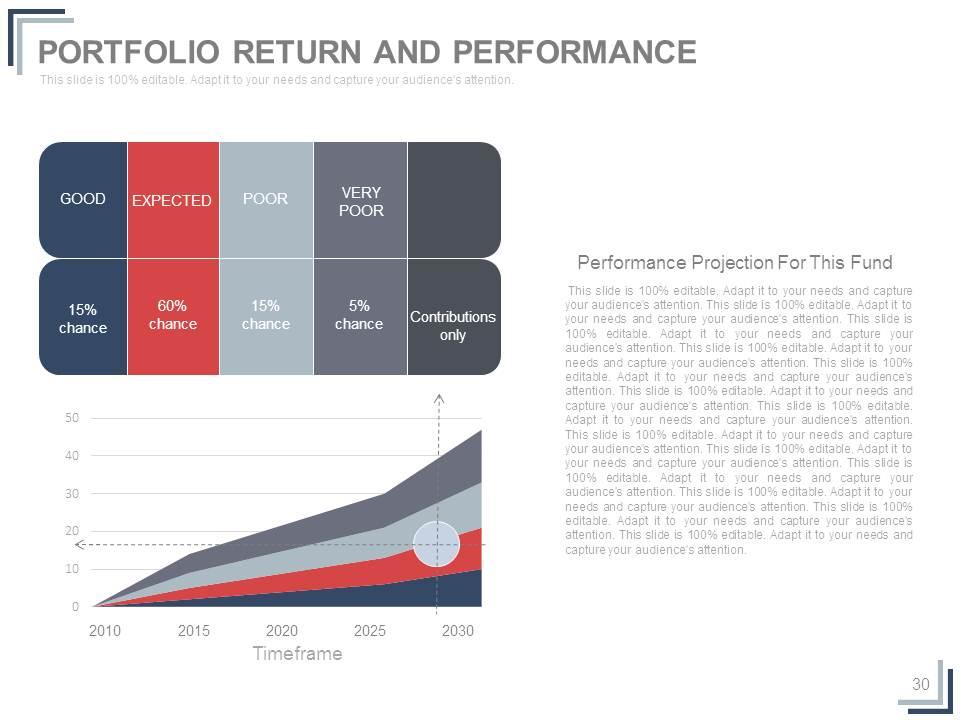
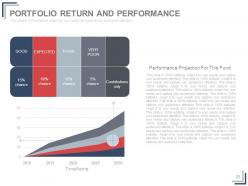
Slide 30: This slide presents portfolio return and performance.
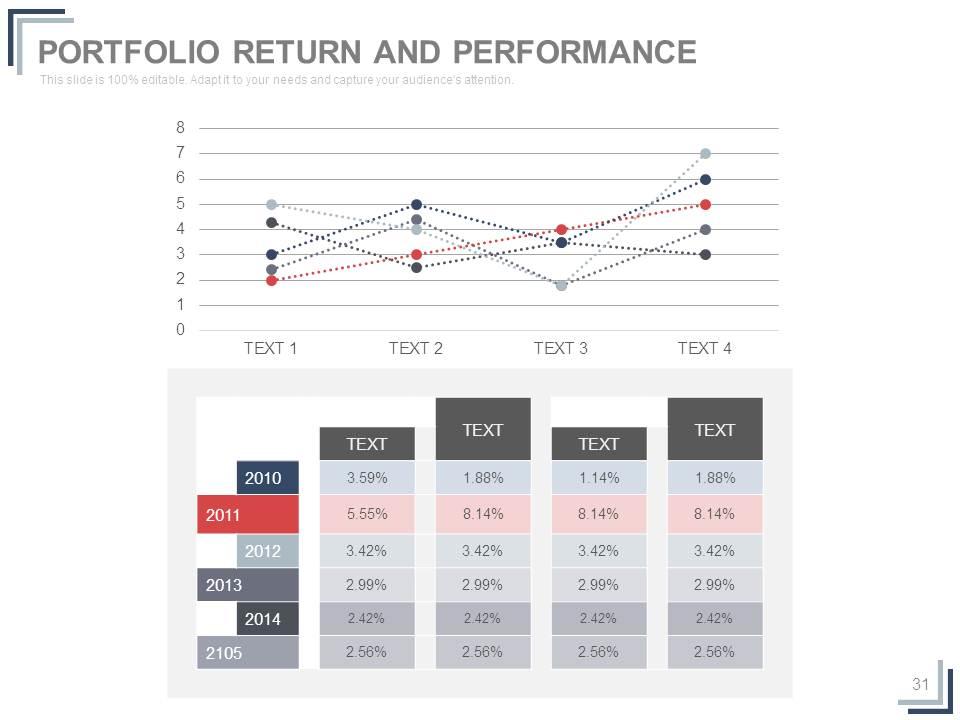
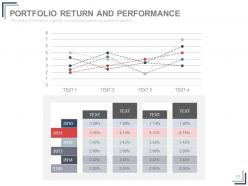
Slide 31: This slide shows portfolio return and performance.
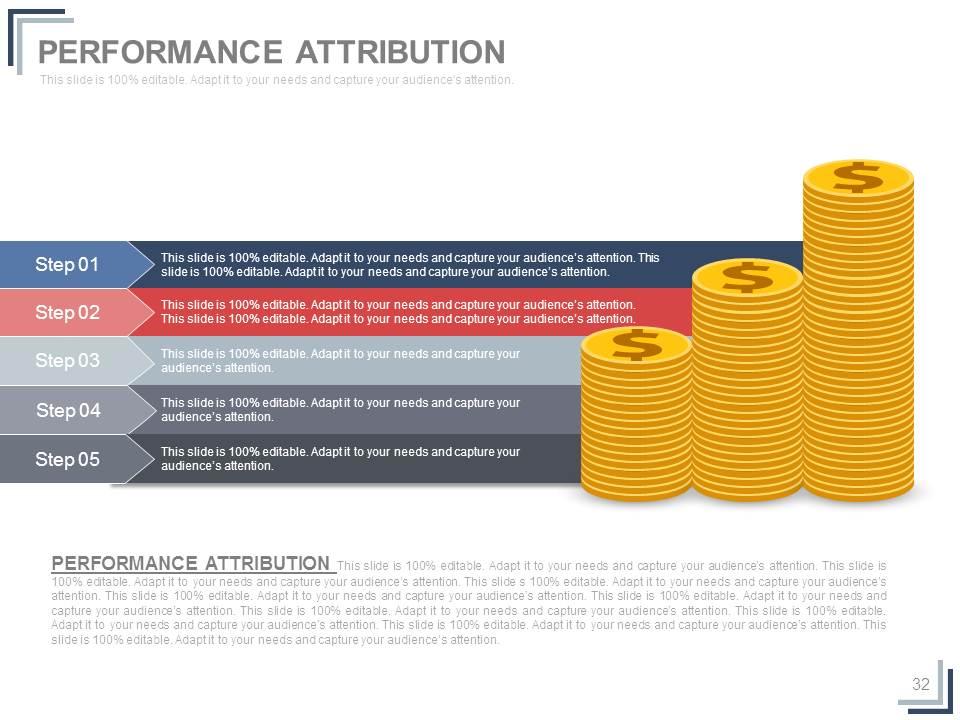
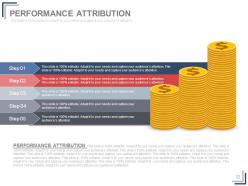
Slide 32: This slide showscases performance attribution.
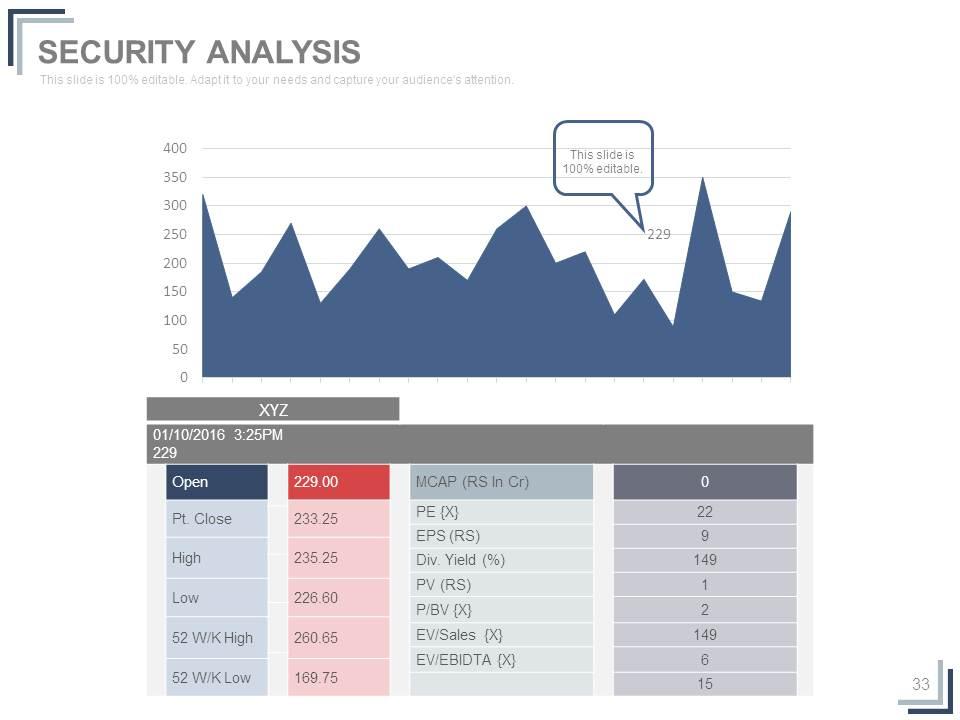
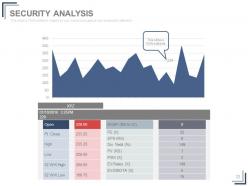
Slide 33: This slide shows security analysis.
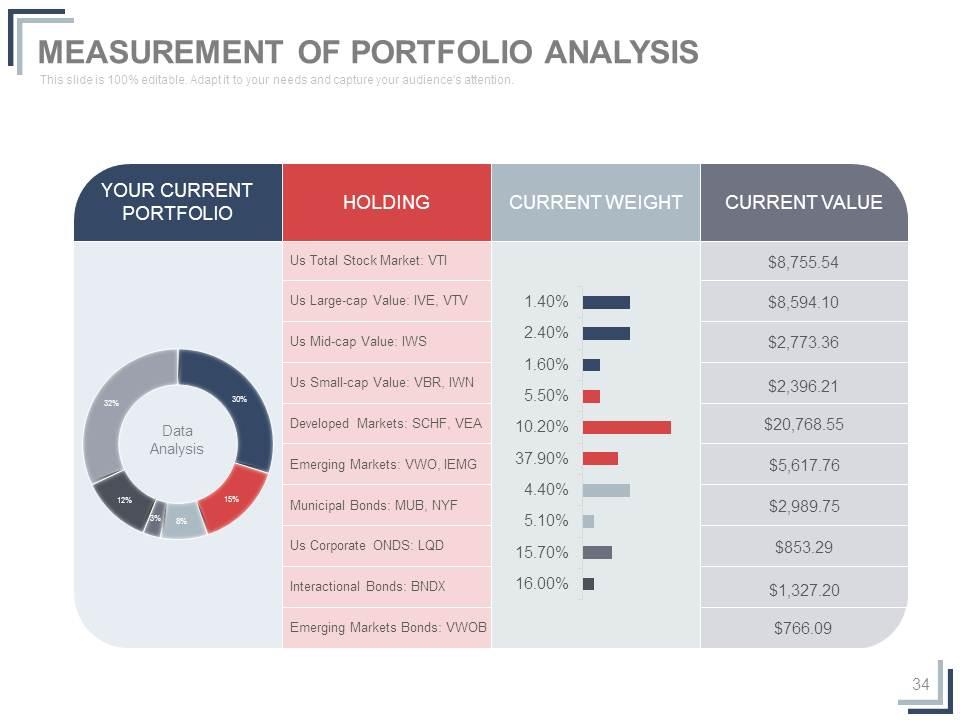
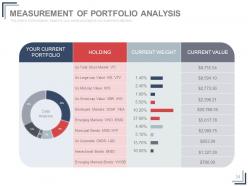
Slide 34: This slide presents measurement of portfolio analysis.
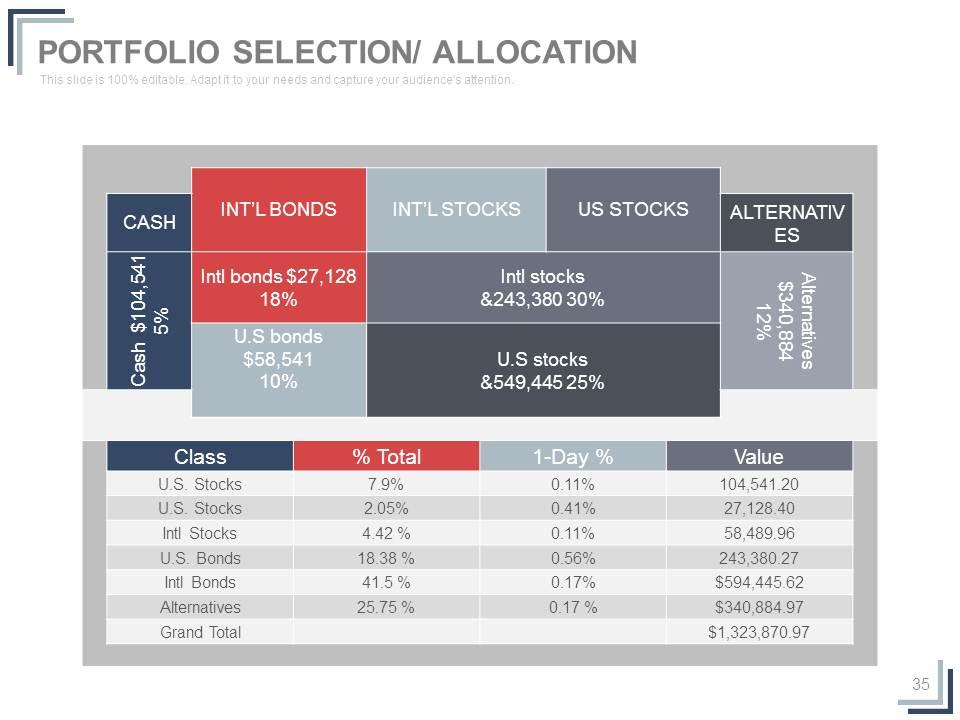
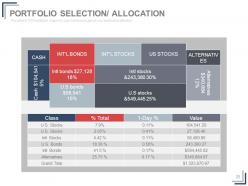
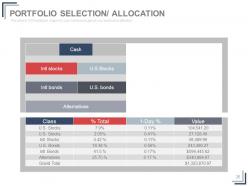
Slide 35: This slide showcases portfolio selection.
Slide 36: This slide shows portfolio selection.
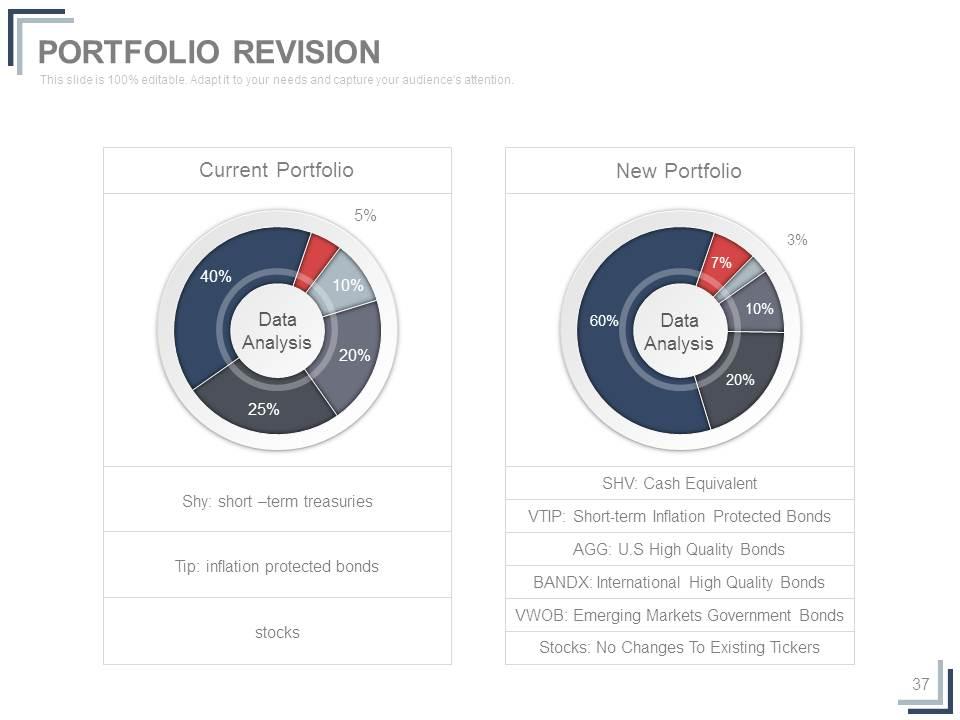
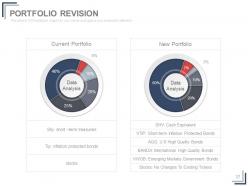
Slide 37: This slide presents portfolio revision.
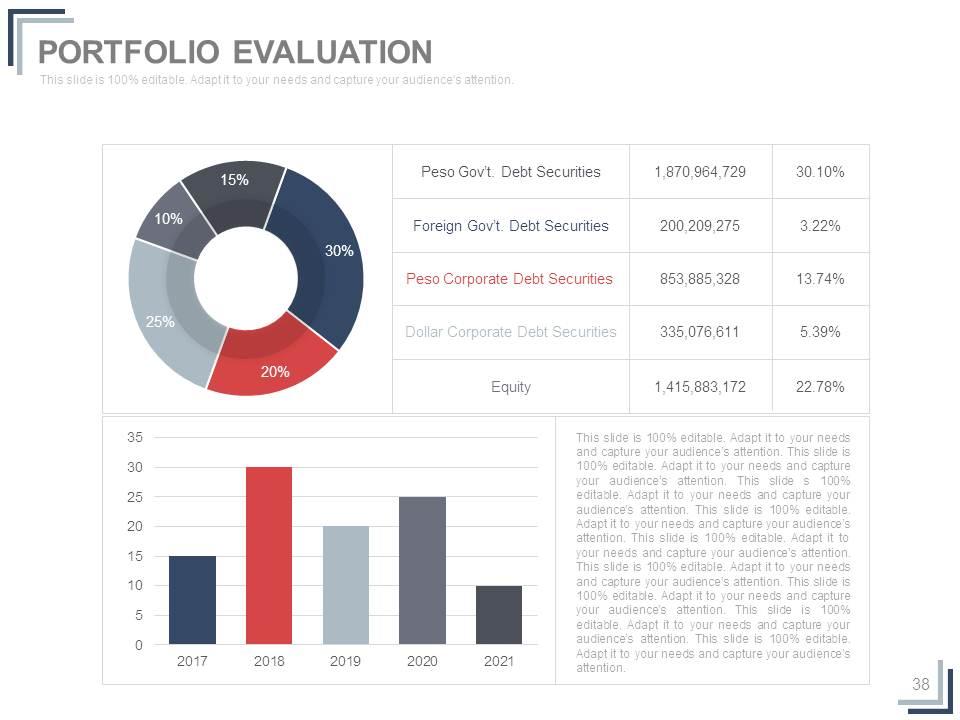
Slide 38: This slide showcase portfolio.
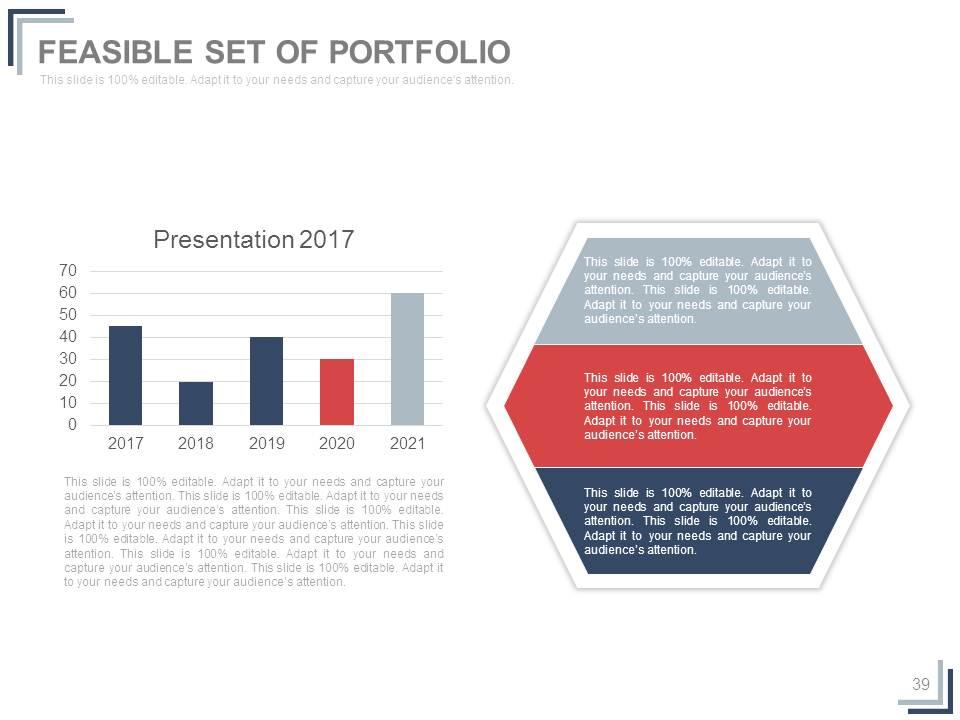
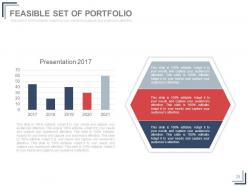
Slide 39: This slide presents frsible set of portfolio.
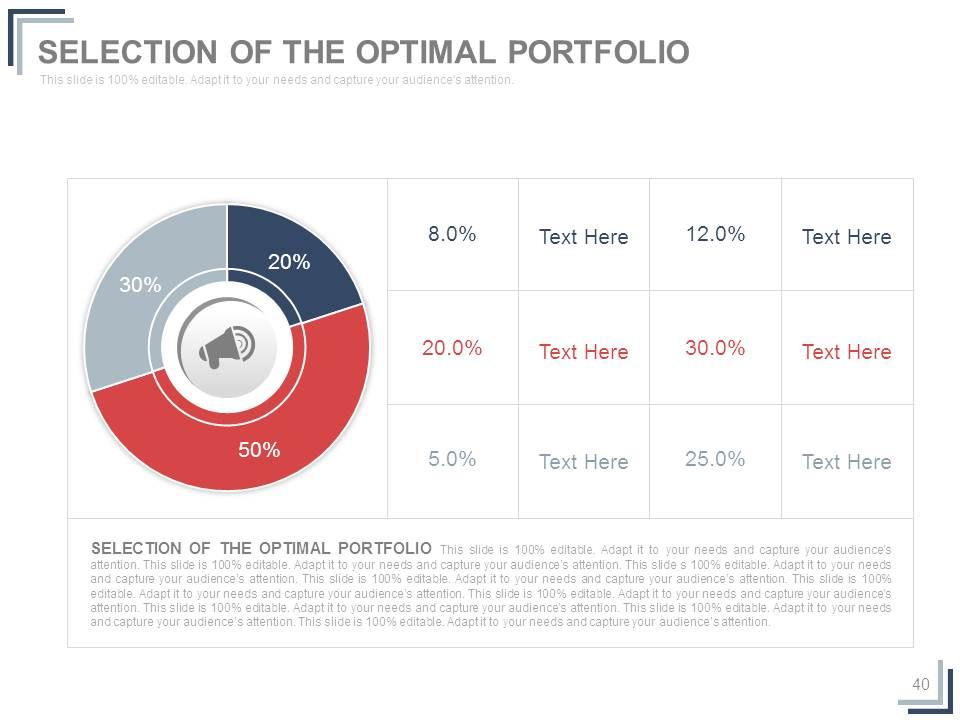
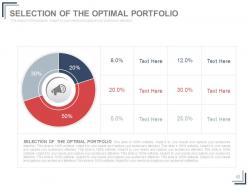
Slide 40: This slide showcases slection of thr optimal portfolio.
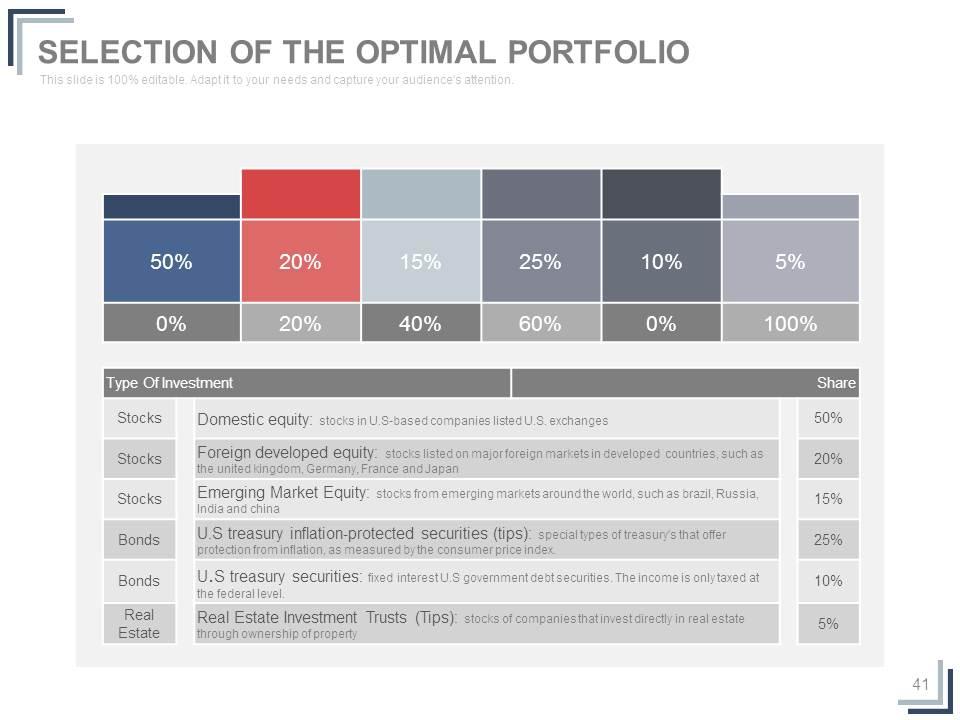
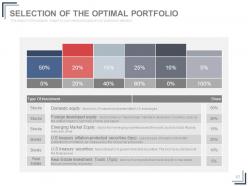
Slide 41: This slide presents selection of the optimal portfolio.
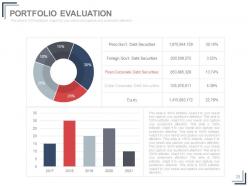
Slide 42: This slide showcases key evaluation metrics.
Slide 43: This slide presents additional slides.
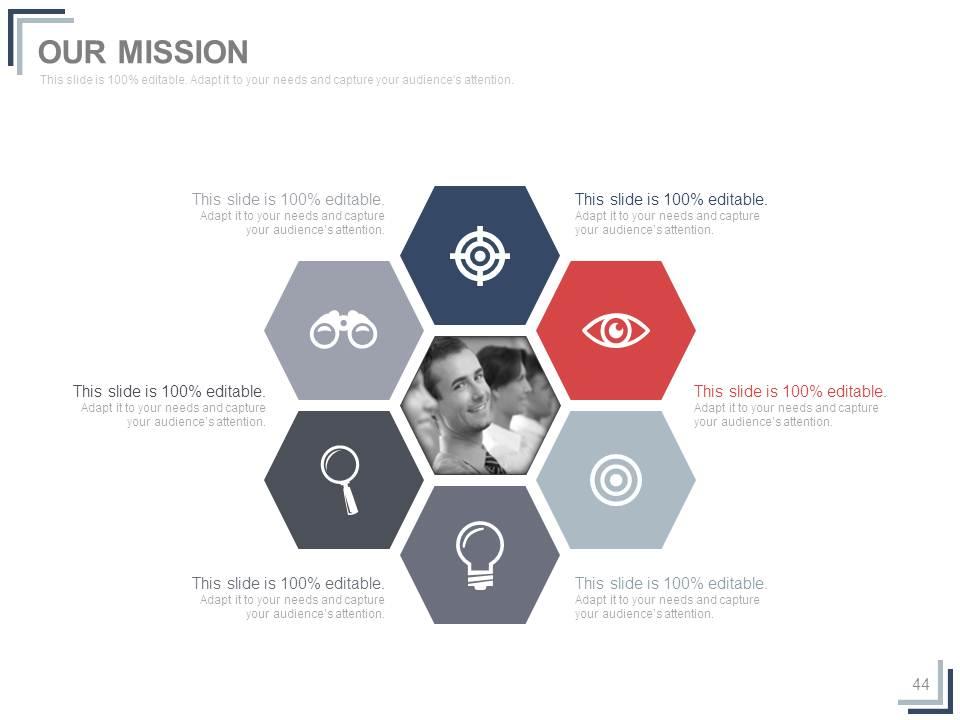
Slide 44: This is Our mission slide with imagery and text boxes to go with.
Slide 45: This is Our team slide with names and designation.
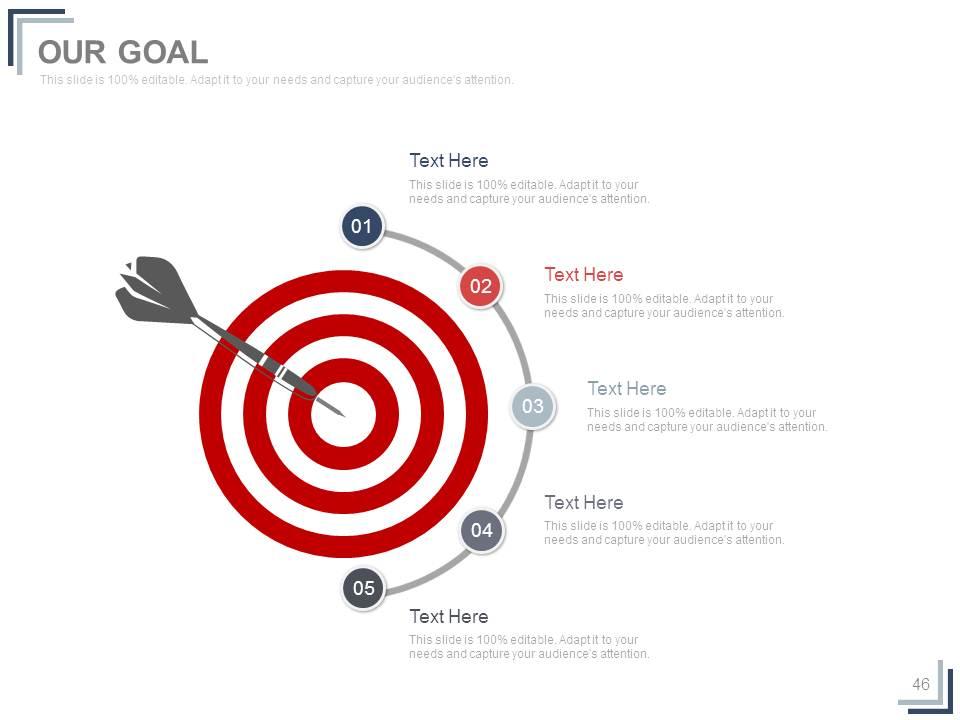
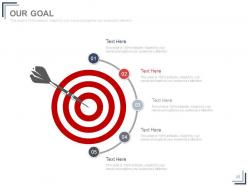
Slide 46: This is an Our Goal slide. State your important goals here.
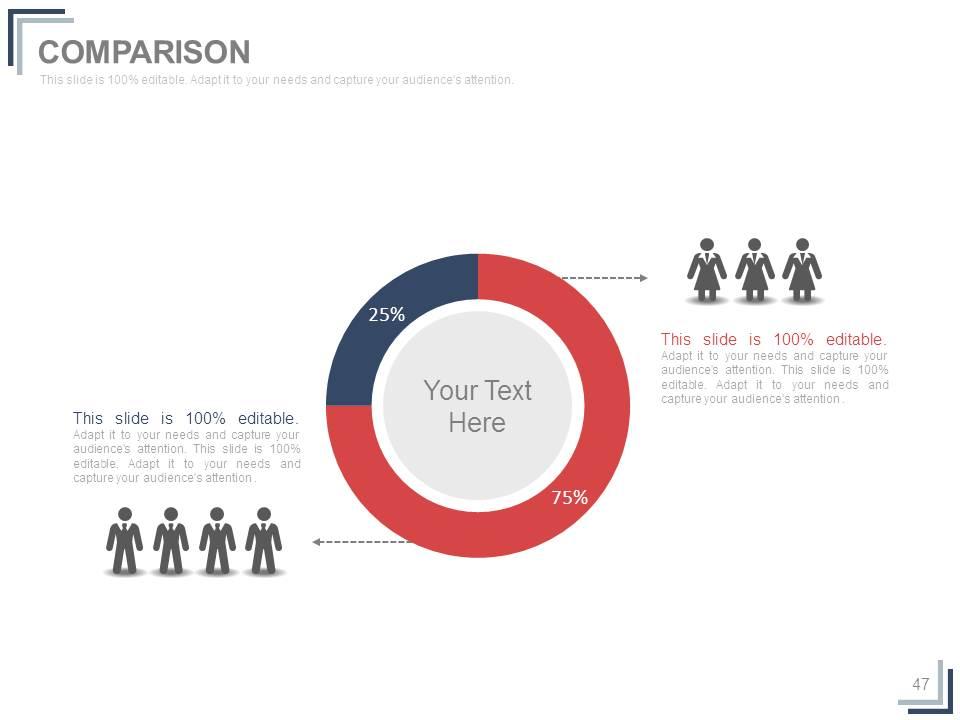
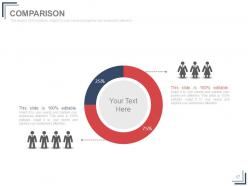
Slide 47: This slide shows Comparison of Positive Factors v/s Negative Factors with thumbsup and thumb down imagery.
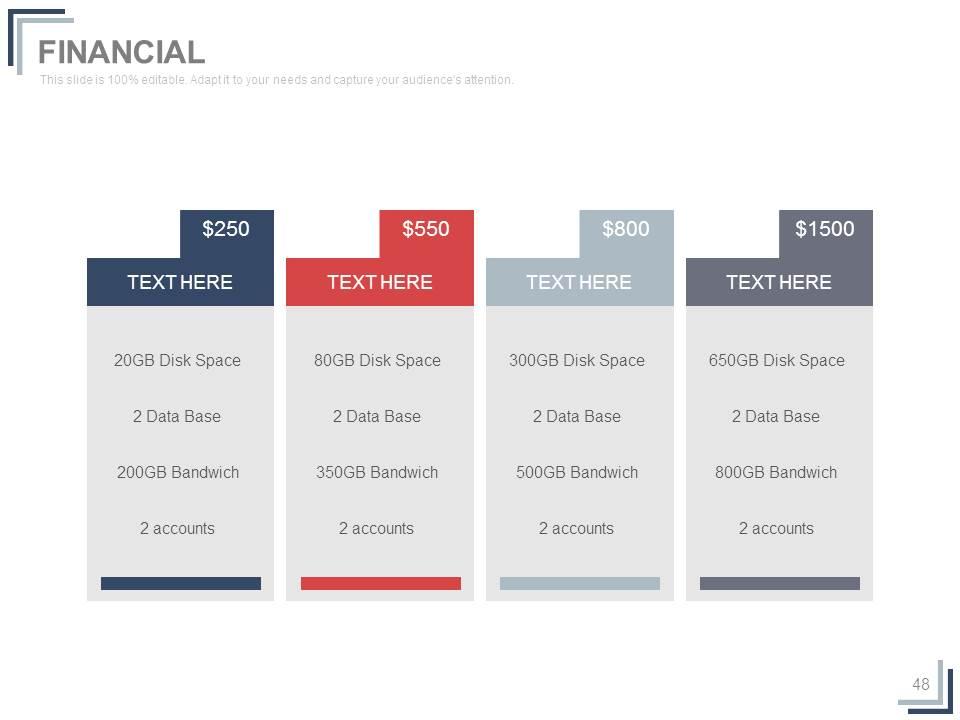
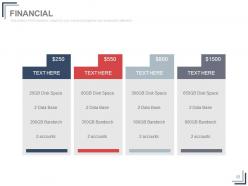
Slide 48: This is a Financial Score slide to show financial aspects here.
Slide 49: This is a Quotes slide to convey message, beliefs etc.
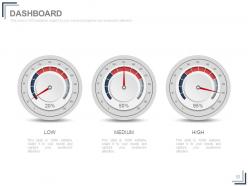
Slide 50: This is a Dashboard slide to show- Strategic System, Success, Goal Process, Sales Review, Communication Study.
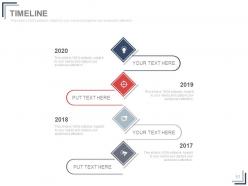
Slide 51: This is a Timelines slide to show- Plan, Budget, Schedule, Review.
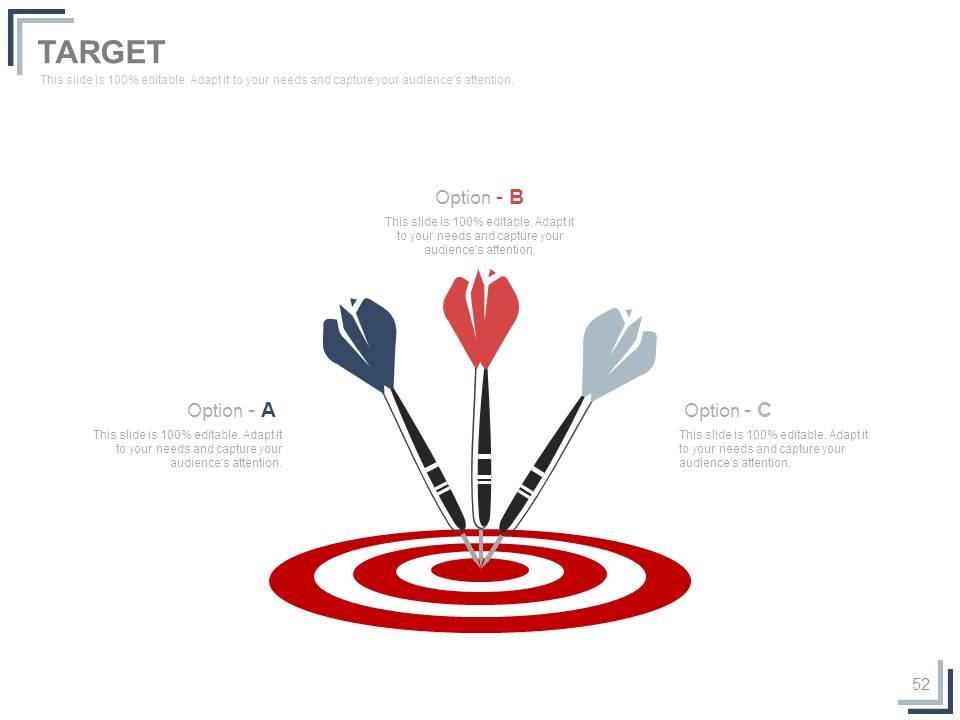
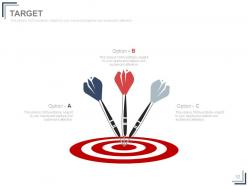
Slide 52: This slide shows Target image with text boxes.
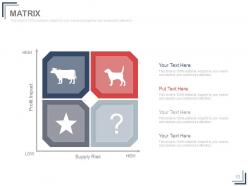
Slide 53: This slide shows a Matrix in terms of High and Low.
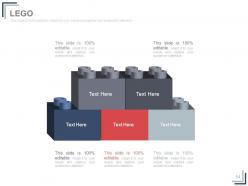
Slide 54: This is a LEGO slide with text boxes to show information.
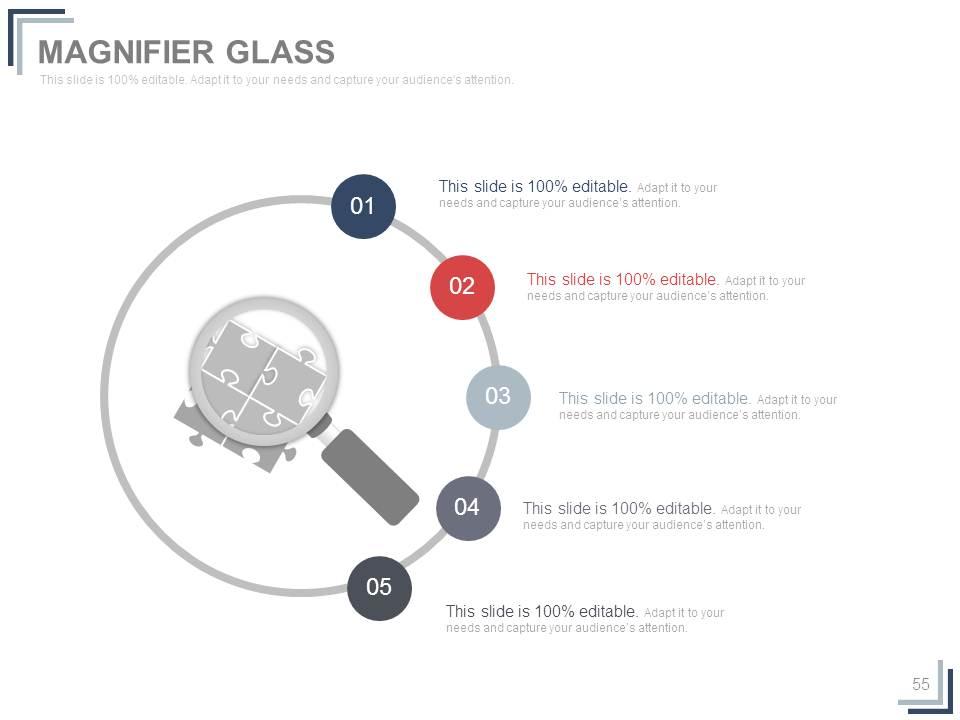
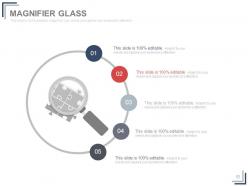
Slide 55: This slide shows a Magnifying glass with text boxes.
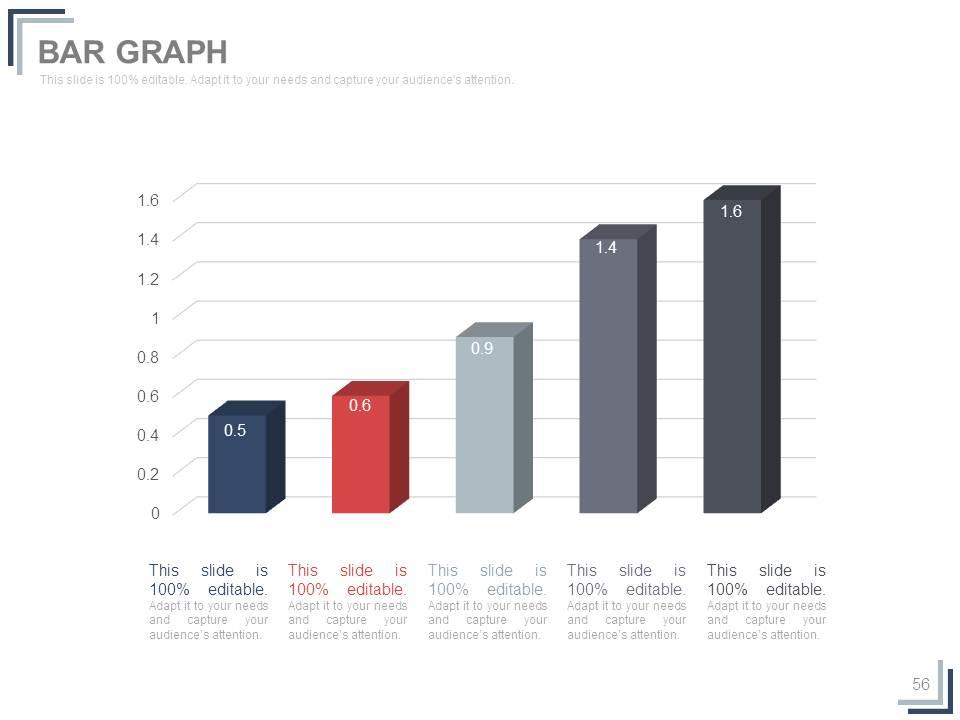
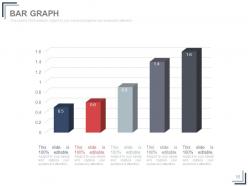
Slide 56: This slide presents a Bar graph in arrow form with text boxes.
Slide 57: This is a Thank You slide with Address# street number, city, state, Contact Number, Email Address
Stock market risk management strategies powerpoint presentation slides with all 57 slides:
Get folks to consider factors important to you with our Stock Market Risk Management Strategies Complete Powerpoint Deck With Slides. Be able to interpose effectively.
-
Topic best represented with attractive design.
-
Colors used are bright and distinctive.
