


Strategic Management Guide For Leaders Strategy CD
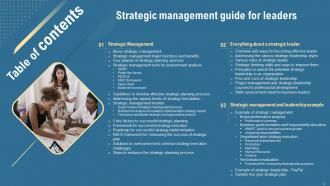
Strategic management is the ongoing process of planning, monitoring, and measuring an organizations needs to meet long-term goals. It provides a set of principles for achieving corporate objectives and further expanding the business. Check out our insightfully designed Presentation on the Strategic Management Guide for Leaders that incorporates the complete process of systematic business planning. Professionals can take the help of sections such as strategic management and everything about a strategic leader to walk the audience through the strategic management process. This Strategy formulation and implementation PPT includes the tools, models, framework, various leadership styles, and skills to become an effective strategic leader. Our Strategic leadership deck also contains a Section named strategic management for explicit information. It also demonstrates formulating an effective strategic plan from beginning to end and executing it into practice to achieve the end goal. Get access to our powerful strategic management template now.










































-

- Google Slides is a new FREE Presentation software from Google.
- All our content is 100% compatible with Google Slides.
- Just download our designs, and upload them to Google Slides and they will work automatically.
- Amaze your audience with SlideTeam and Google Slides.
-

Want Changes to This PPT Slide? Check out our Presentation Design Services
-

- WideScreen Aspect ratio is becoming a very popular format. When you download this product, the downloaded ZIP will contain this product in both standard and widescreen format.
-

- Some older products that we have may only be in standard format, but they can easily be converted to widescreen.
- To do this, please open the SlideTeam product in Powerpoint, and go to
- Design ( On the top bar) -> Page Setup -> and select "On-screen Show (16:9)” in the drop down for "Slides Sized for".
- The slide or theme will change to widescreen, and all graphics will adjust automatically. You can similarly convert our content to any other desired screen aspect ratio.
Compatible With Google Slides

Get This In WideScreen
You must be logged in to download this presentation.


Do you want to remove this product from your favourites?
PowerPoint presentation slides
Enthrall your audience with this Strategic Management Guide For Leaders Strategy CD. Increase your presentation threshold by deploying this well-crafted template. It acts as a great communication tool due to its well-researched content. It also contains stylized icons, graphics, visuals etc, which make it an immediate attention-grabber. Comprising seventy one slides, this complete deck is all you need to get noticed. All the slides and their content can be altered to suit your unique business setting. Not only that, other components and graphics can also be modified to add personal touches to this prefabricated set.

People who downloaded this PowerPoint presentation also viewed the following :
Content of this Powerpoint Presentation
Slide 1: This slide introduces Strategic Management Guide for Leaders. Begin by stating Your Company Name.
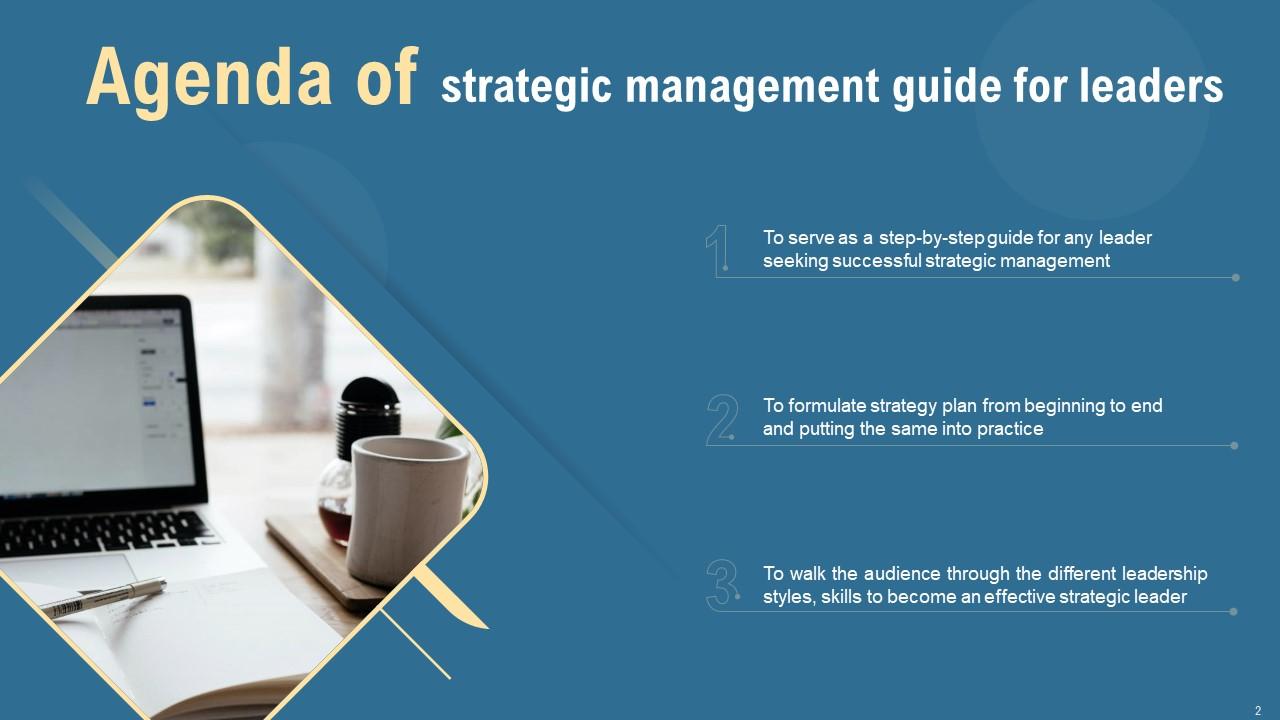
Slide 2: This slide depicts the Agenda of the presentation.
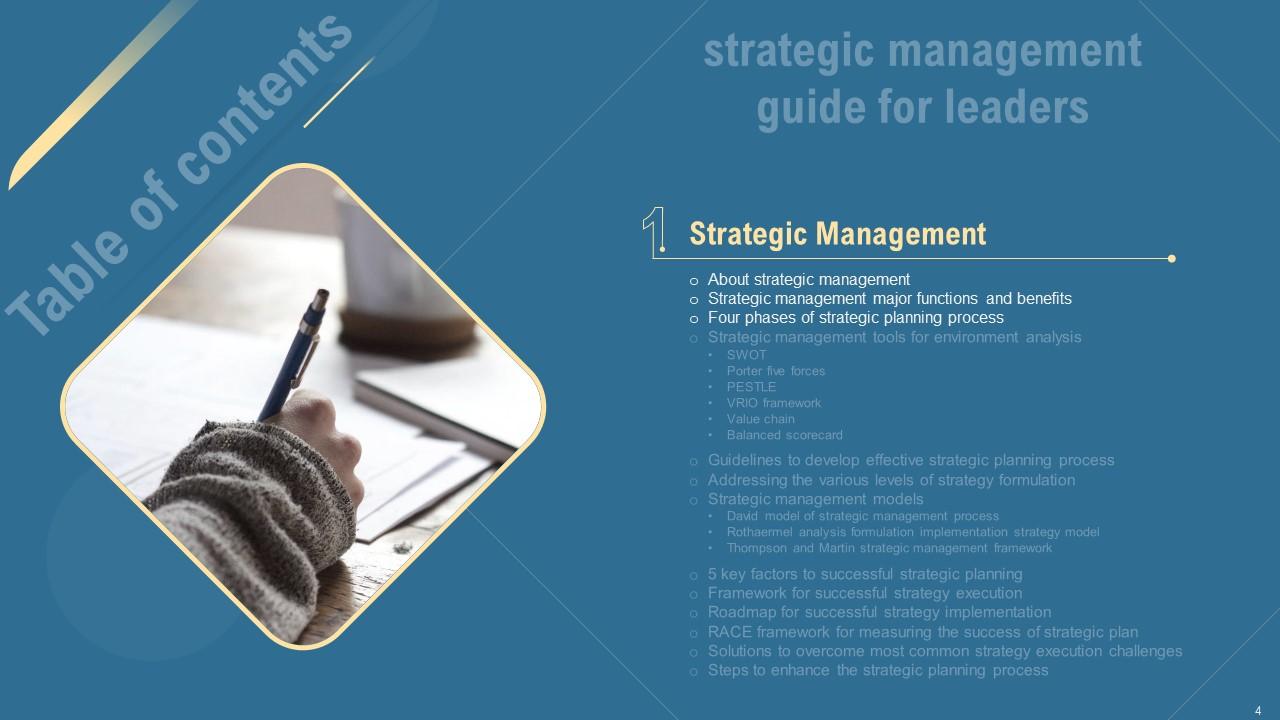
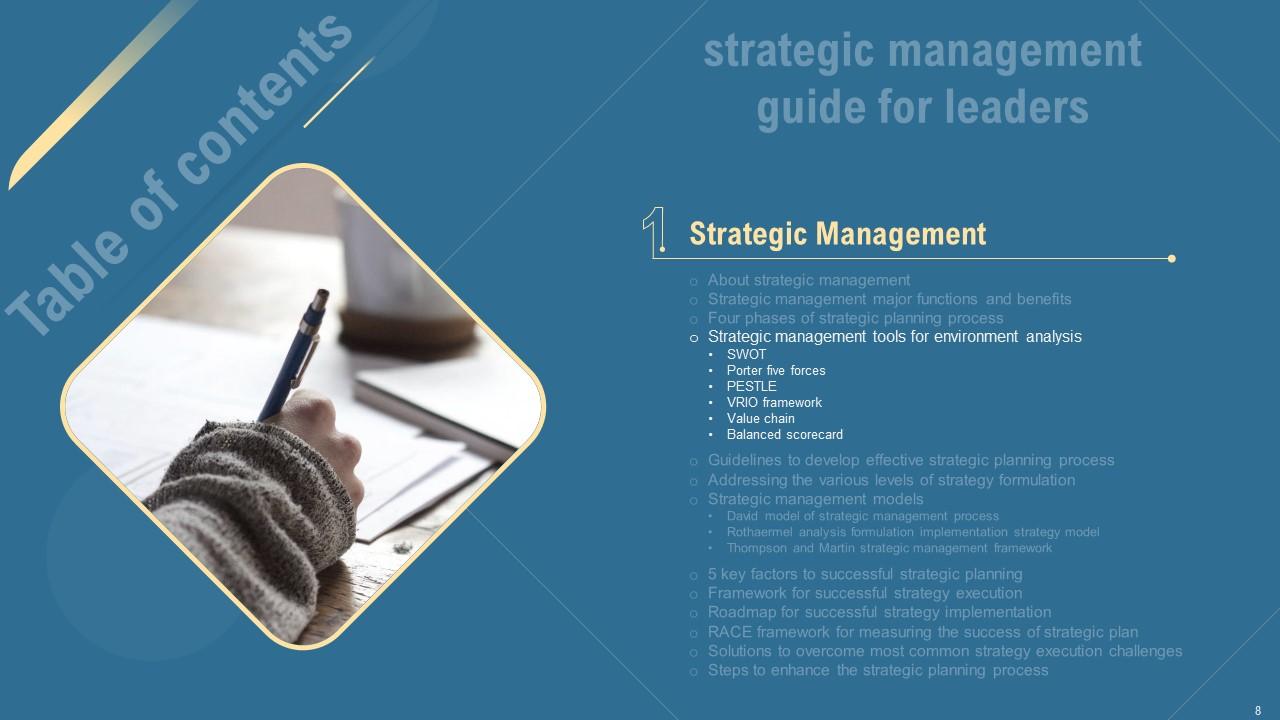
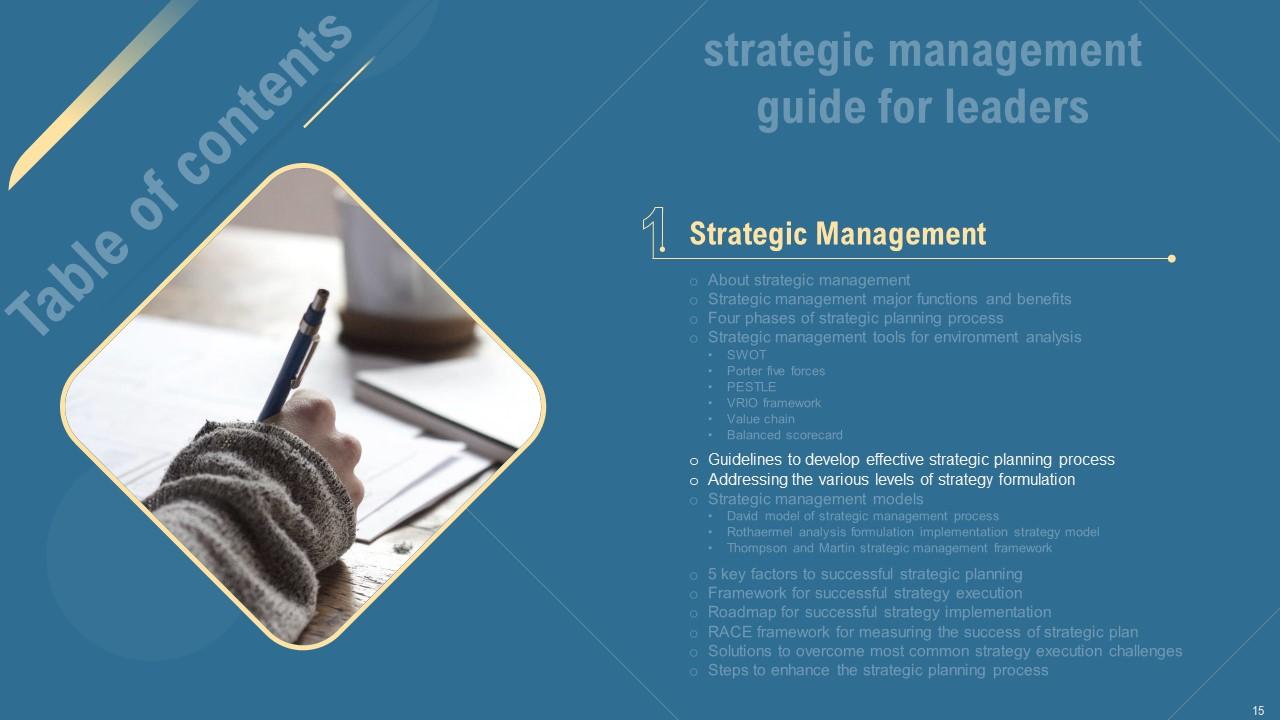
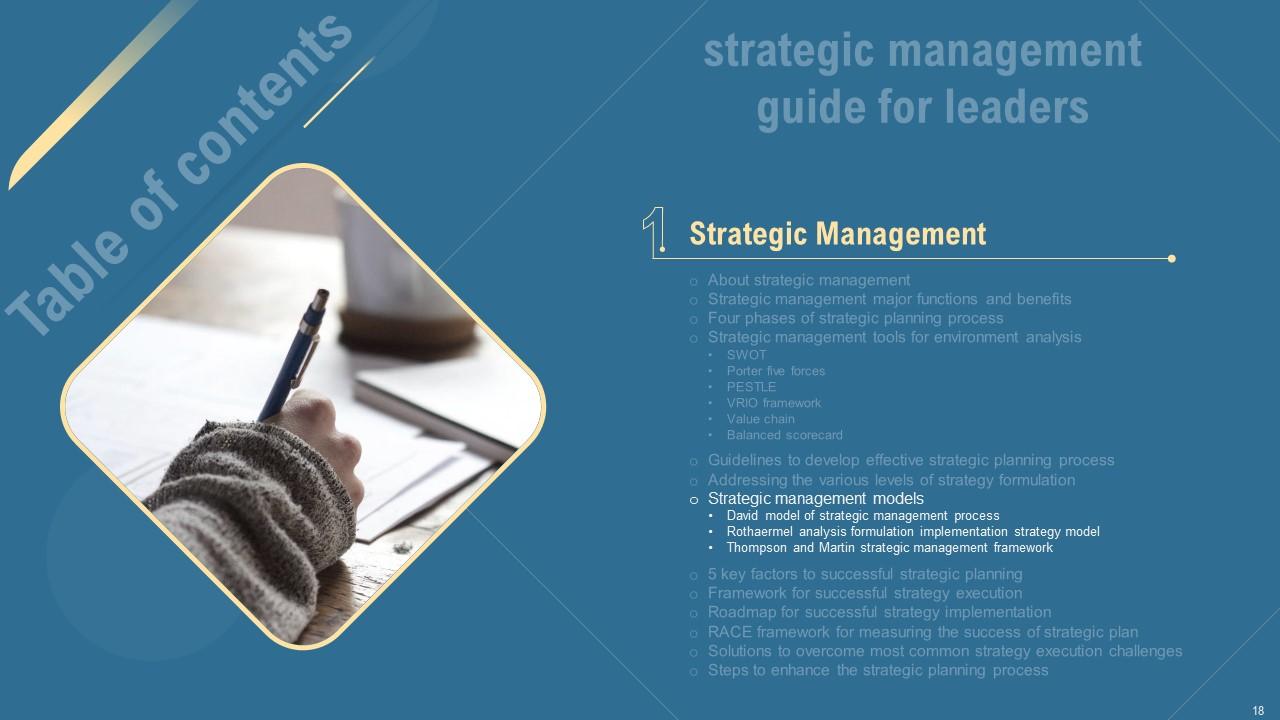
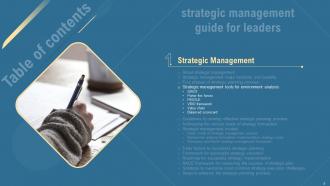
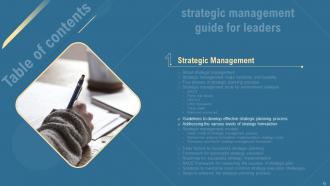
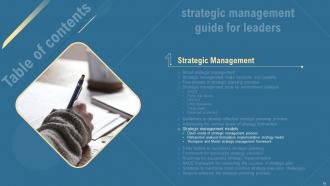
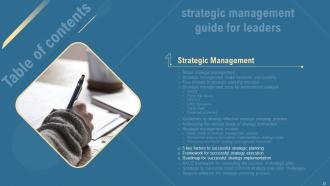
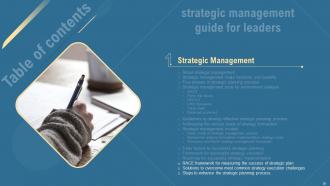
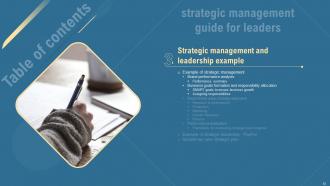
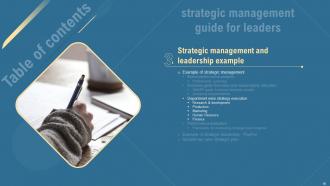
Slide 3: This slide includes the Table of contents.
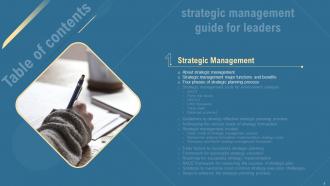
Slide 4: This slide highlights the Title for the Topics to be covered in the next template.
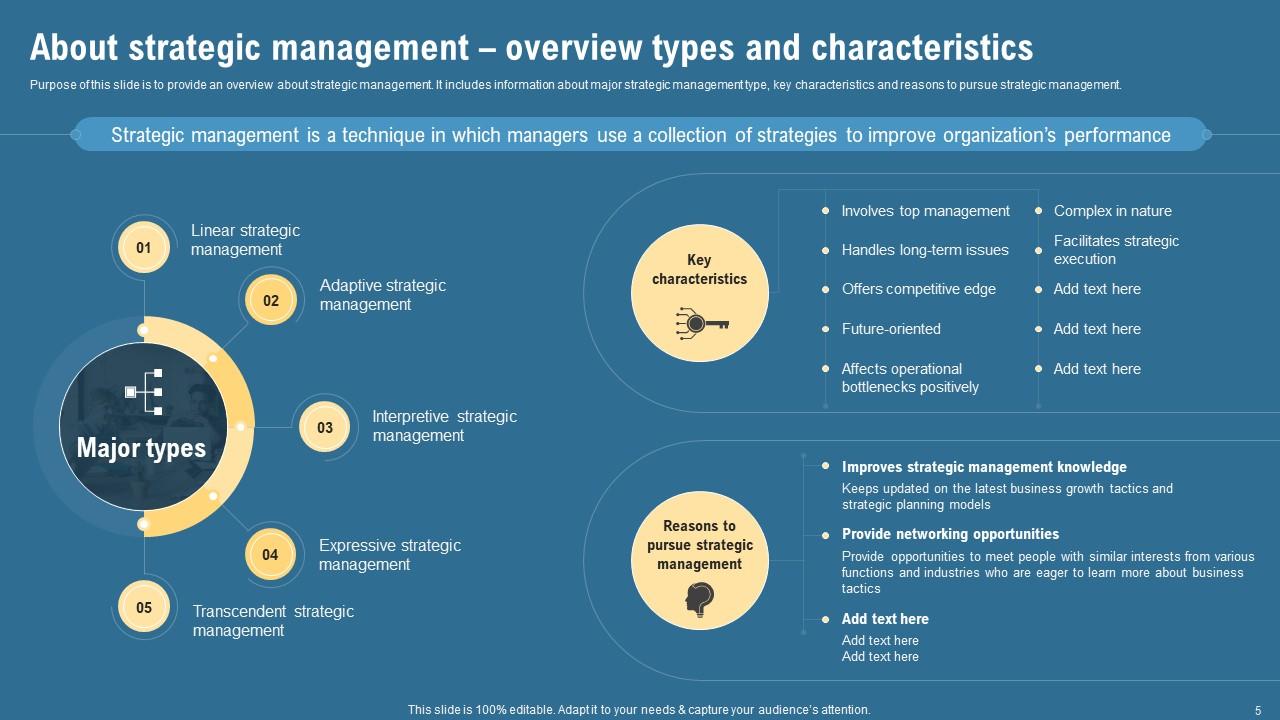
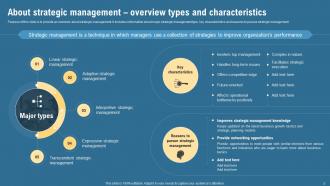
Slide 5: The Purpose of this slide is to provide an overview about strategic management.
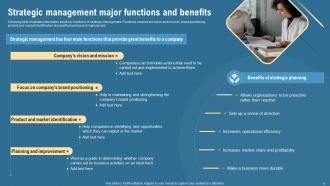
Slide 6: This slide states the Strategic management major functions and benefits.
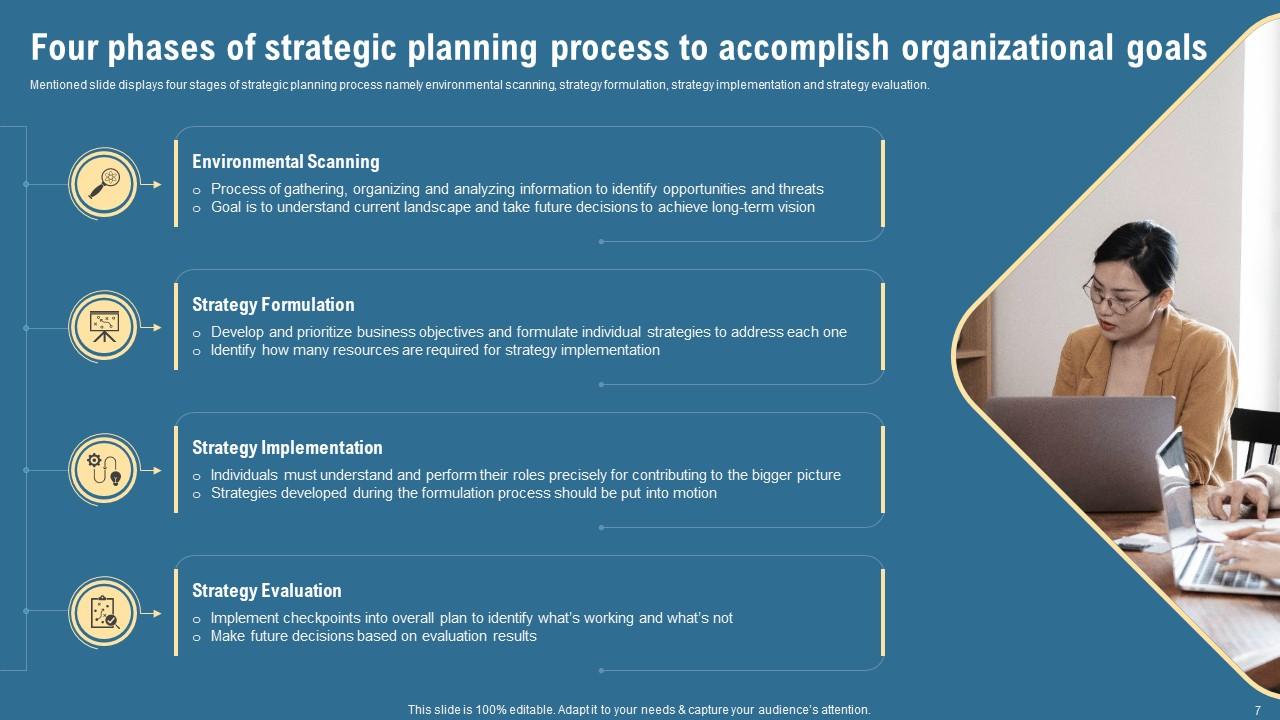
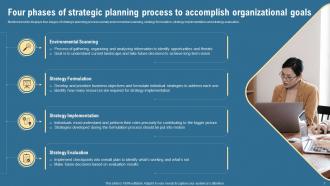
Slide 7: This slide mentions the four stages of strategic planning process to accomplish organizational goals.
Slide 8: This slide incorporates the Heading for the Contents to be discussed further.
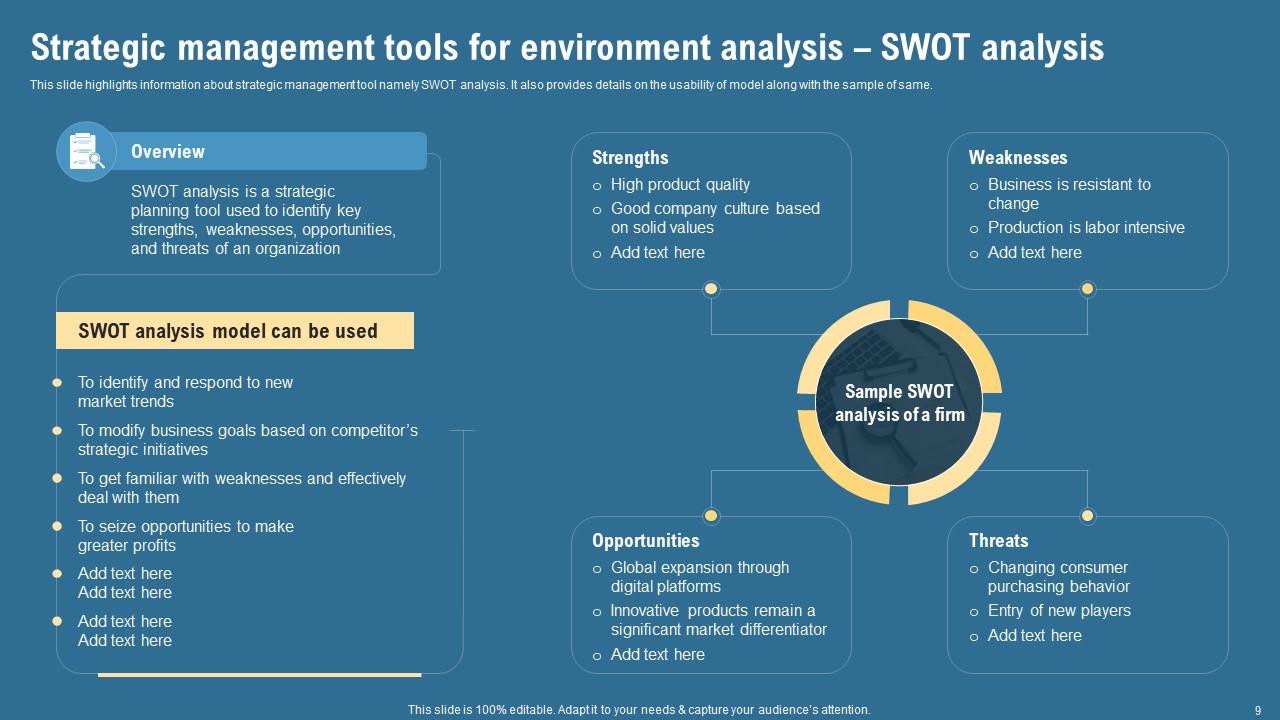
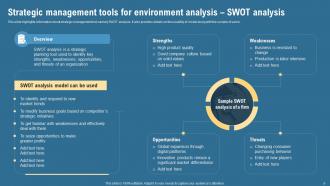
Slide 9: This slide highlights information about strategic management tool namely SWOT analysis.
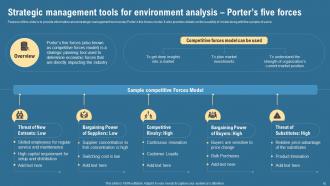
Slide 10: This slide exhibits information about strategic management tool namely Porter’s five forces model.
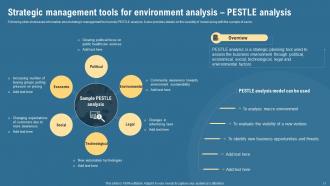
Slide 11: The following slide showcases information about strategic management tool namely PESTLE analysis.
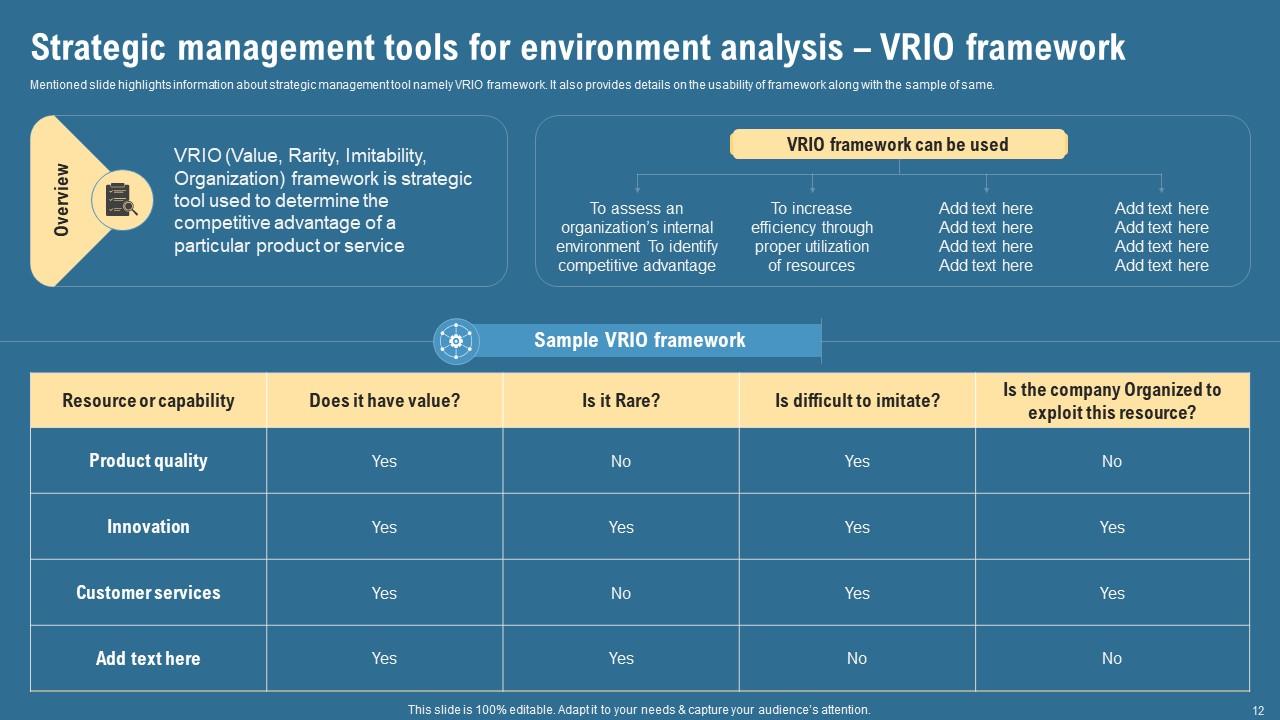
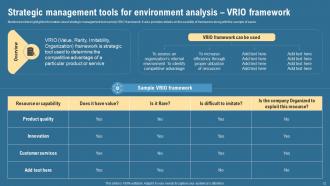
Slide 12: This slide presents information about strategic management tool namely VRIO framework.
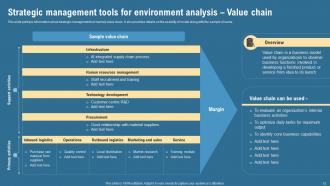
Slide 13: This slide portrays information about strategic management tool namely value chain.
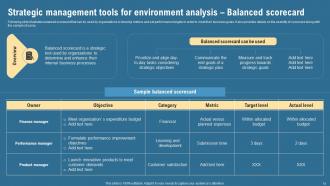
Slide 14: This slide illustrates the Balanced scorecard, for determining and enhancing internal business processes.
Slide 15: This slide reveals the Heading for the Ideas to be covered in the upcoming template.
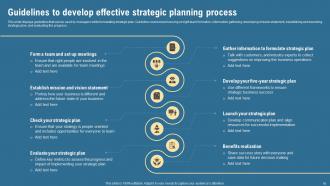
Slide 16: This slide focuses on the Guidelines to develop effective strategic planning process.
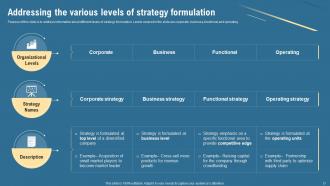
Slide 17: This slide addresses the various levels of strategy formulation.
Slide 18: This slide contains the Title for the Contents to be covered further.
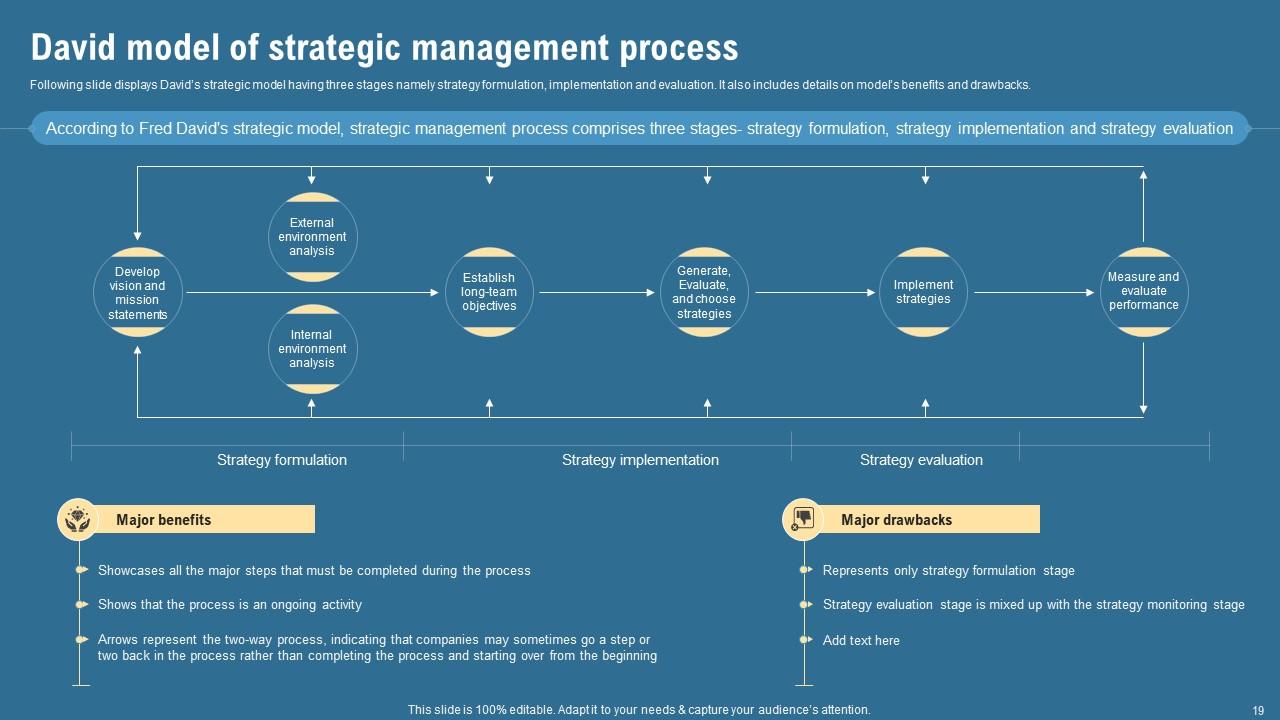
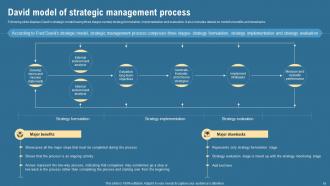
Slide 19: This slide elucidates the David’s strategic model having three stages.
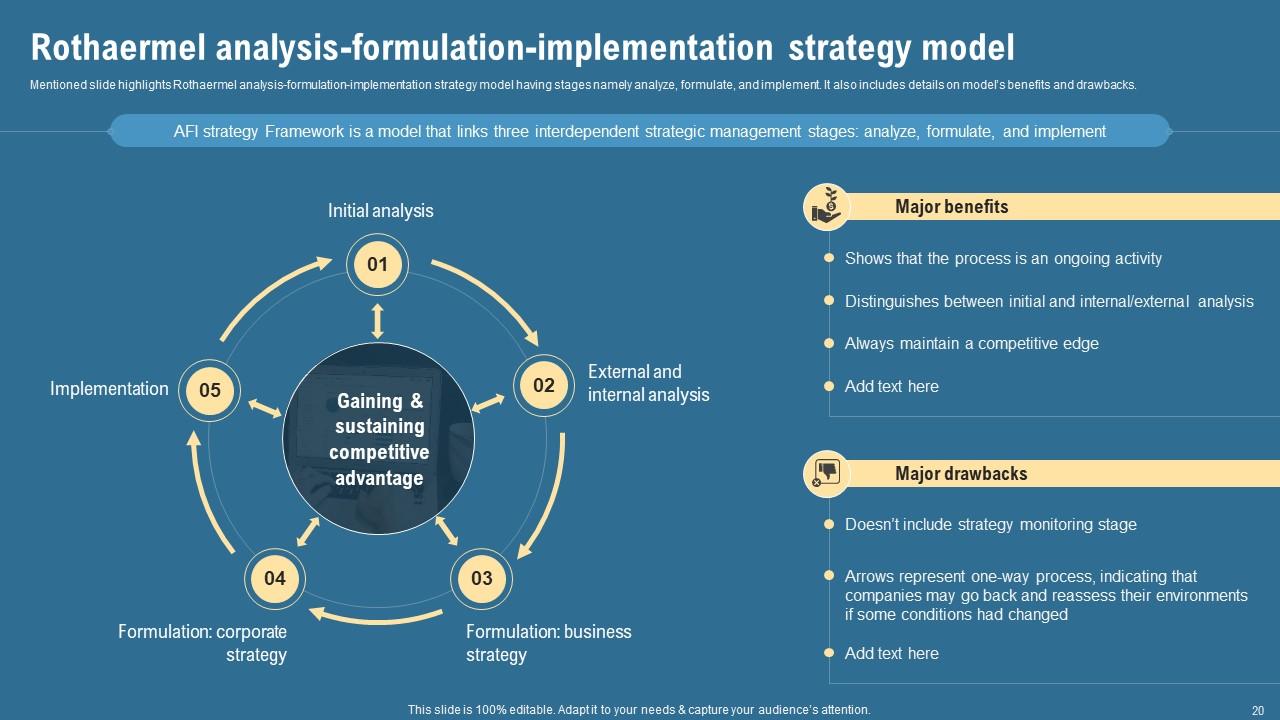
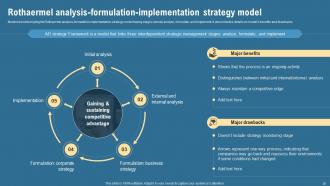
Slide 20: This slide deals with the Rothaermel analysis-formulation-implementation strategy model.
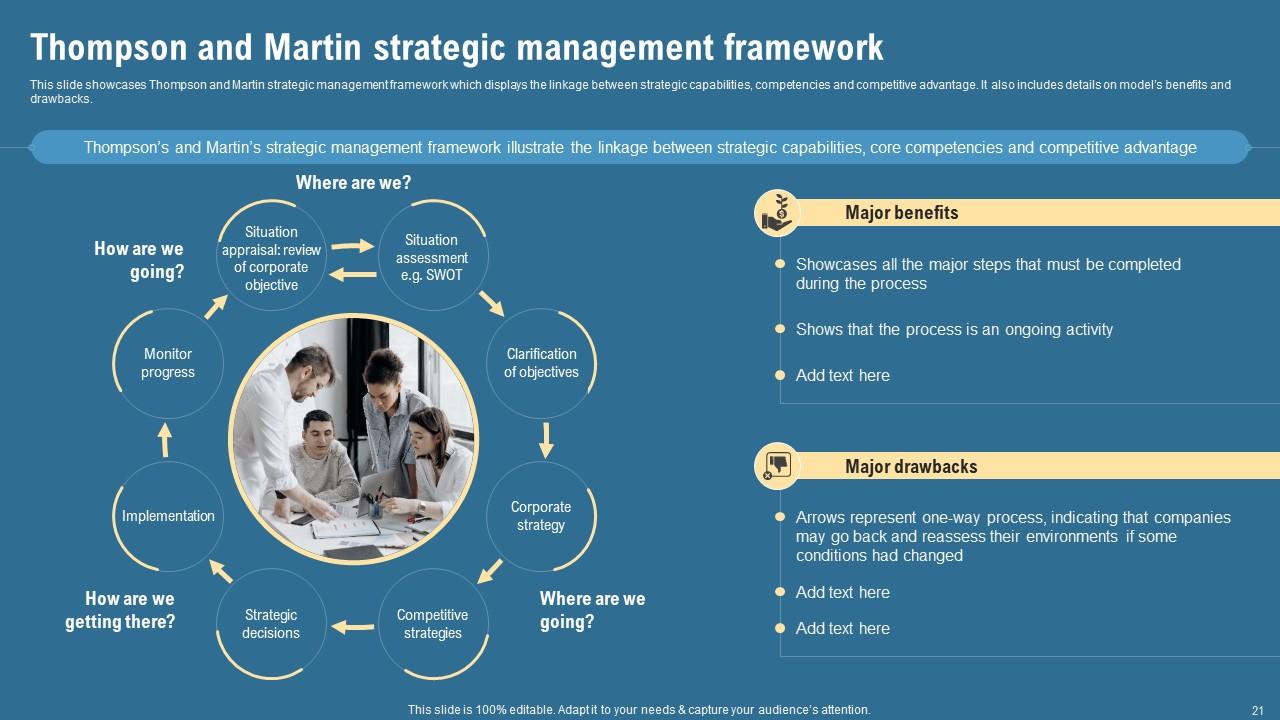
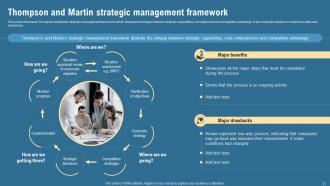
Slide 21: This slide represents the Thompson and Martin strategic management framework.
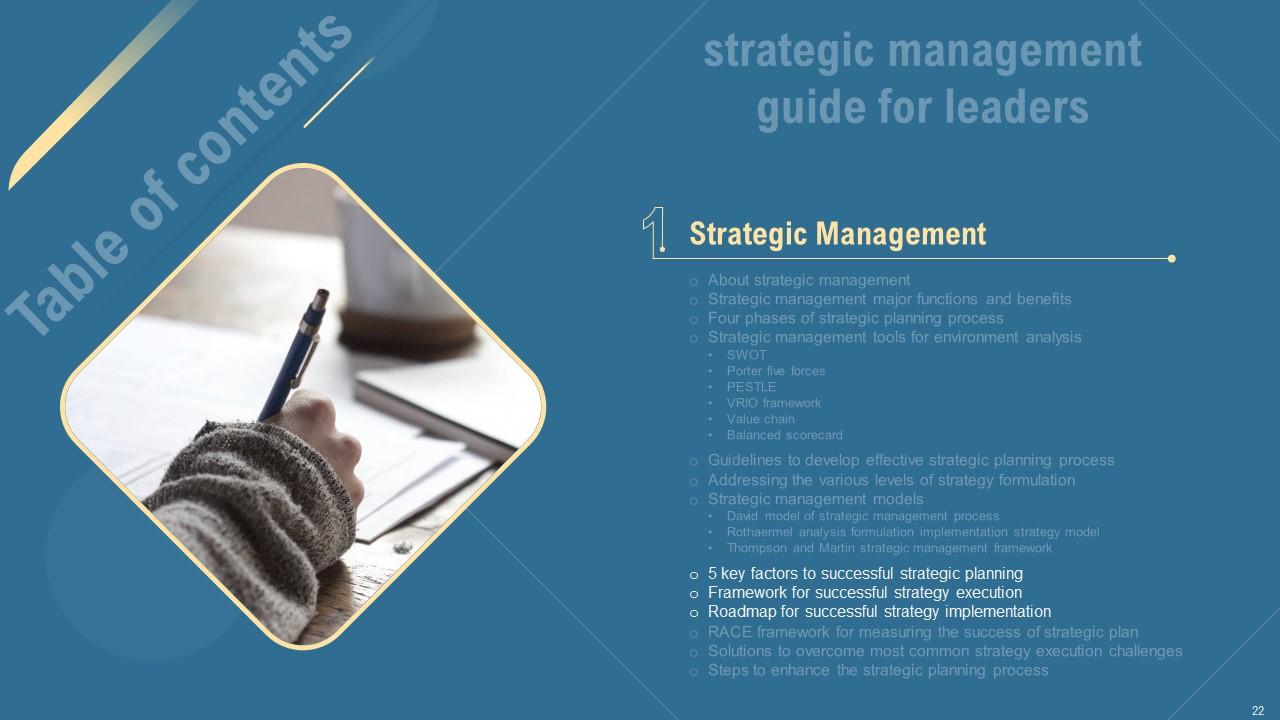
Slide 22: This slide incorporates the Heading for the Ideas to be covered next.
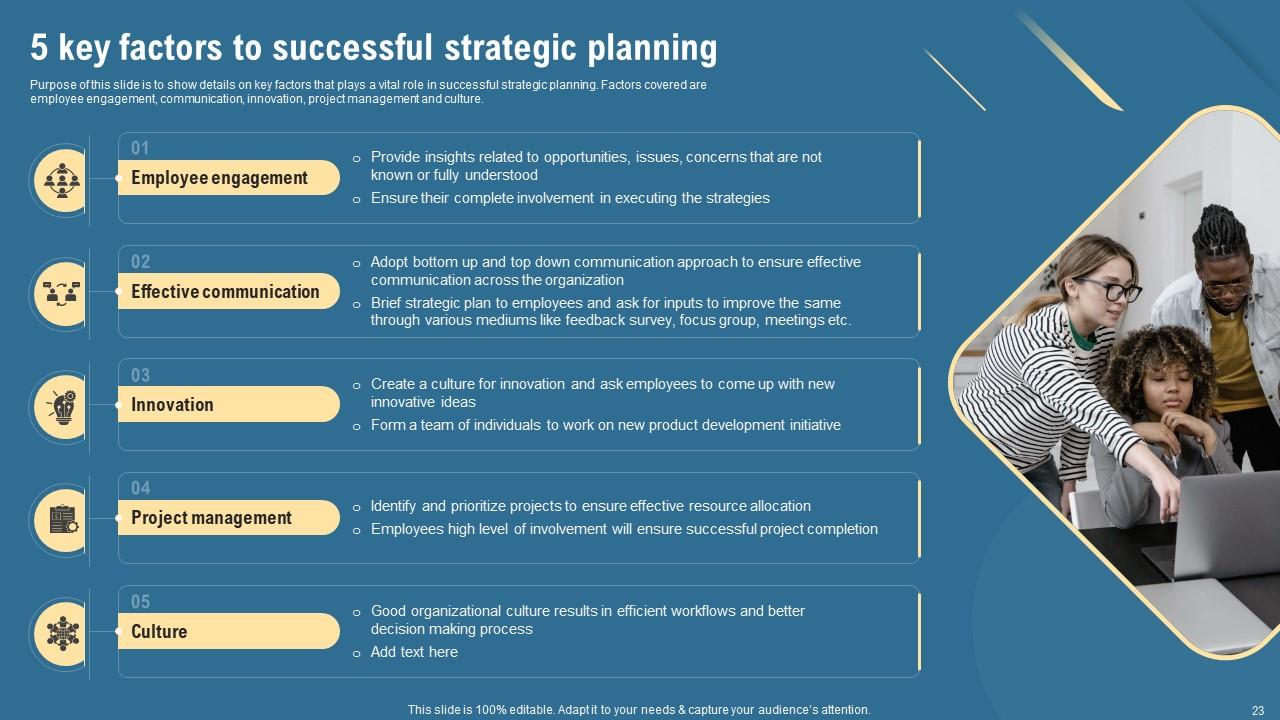
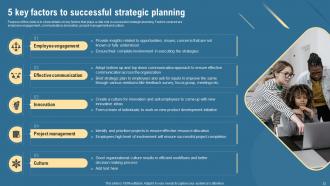
Slide 23: This slide indicates the key factors that plays a vital role in successful strategic planning.
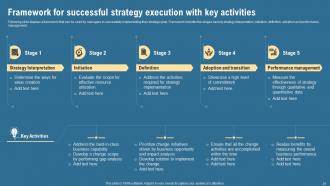
Slide 24: This stemplate shows the Framework for successful strategy execution with key activities.
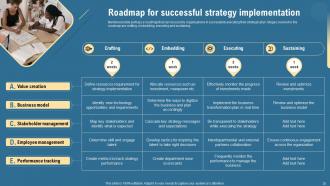
Slide 25: This slide displays the Roadmap for successful strategy implementation.
Slide 26: This slide exhibits the Title for the Topics to be discussed in the forth-coming slide.
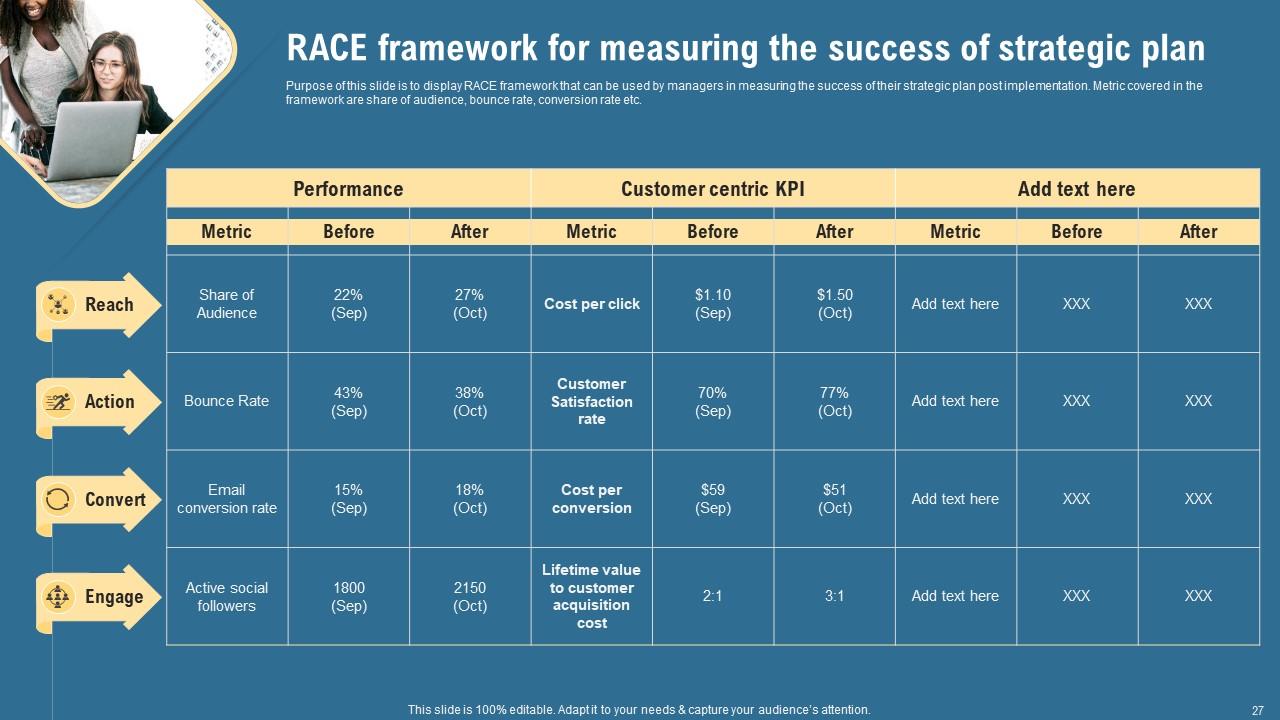
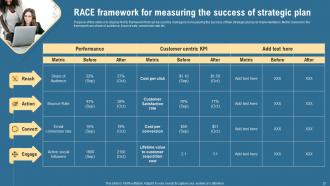
Slide 27: This slide presents the RACE framework for measuring the success of strategic plan.
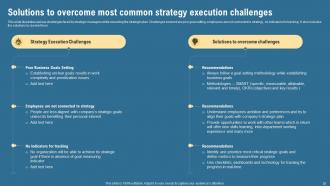
Slide 28: This slide contains the Solutions to overcome most common strategy execution challenges.
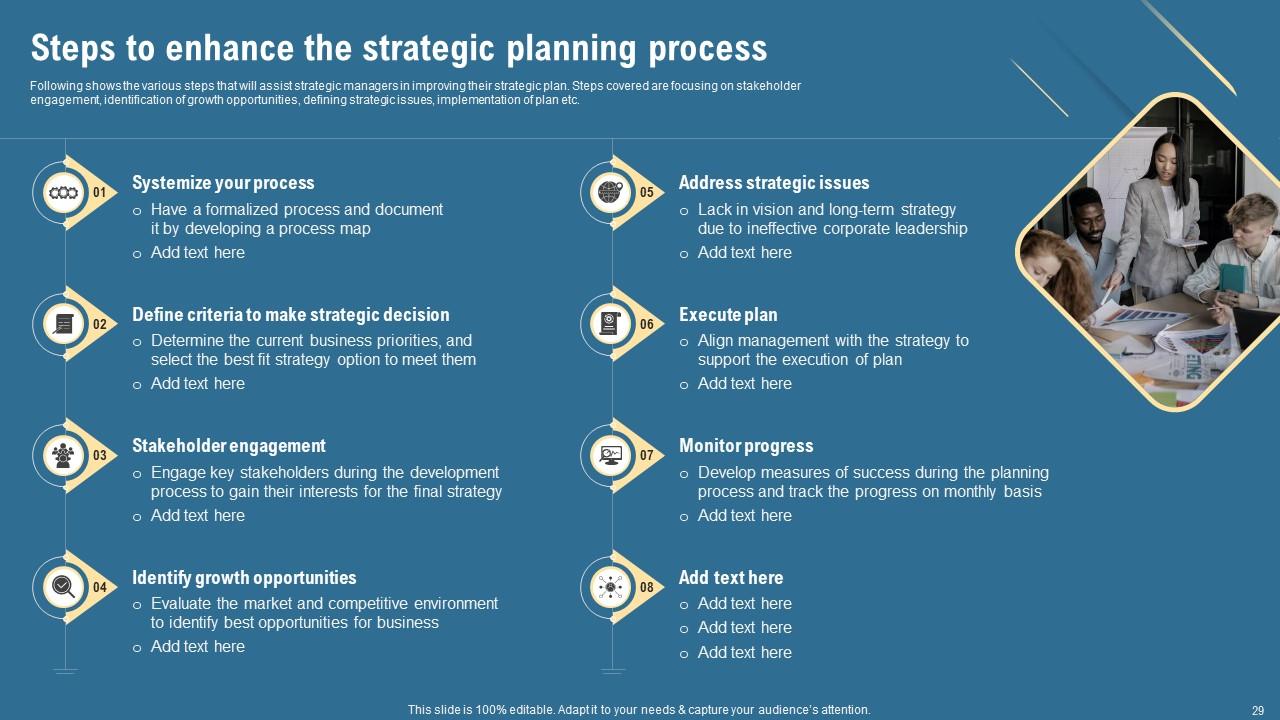
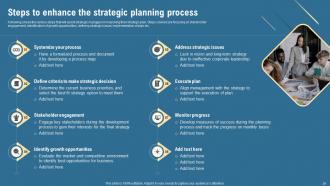
Slide 29: This slide reveals the Steps to enhance the strategic planning process.
Slide 30: This slide highlights the Heading for the Contents to be discussed further.
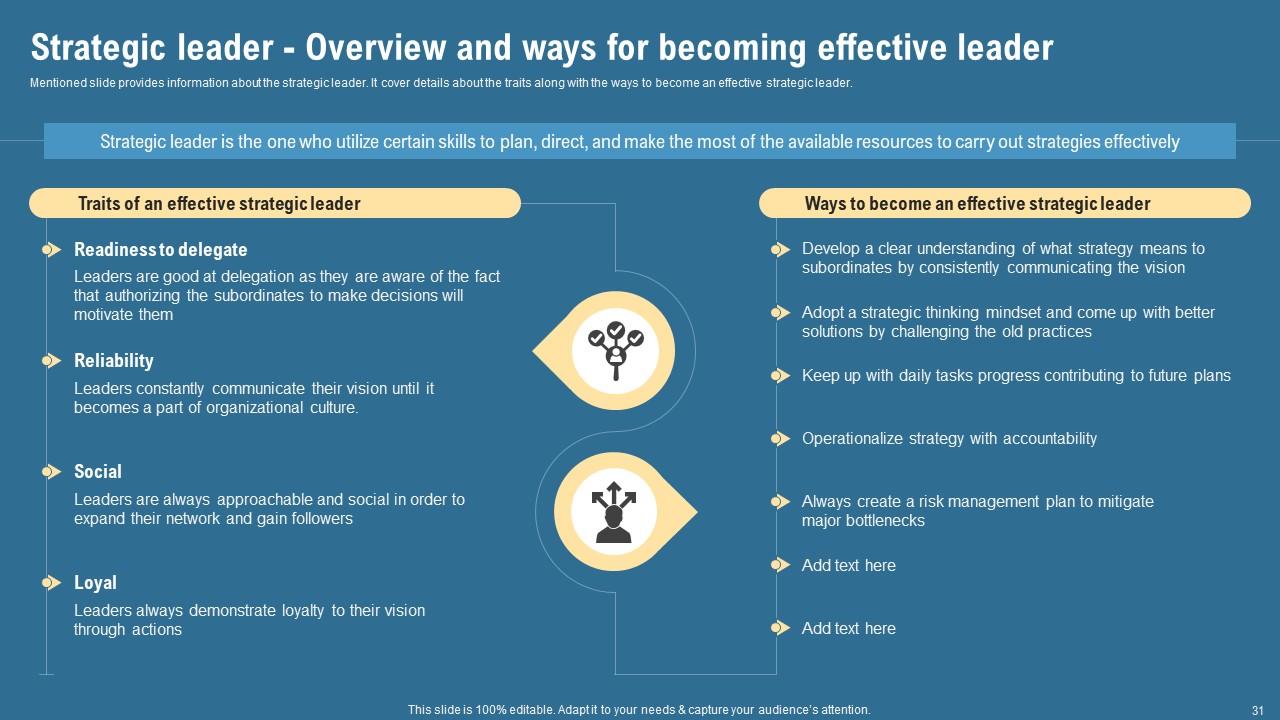
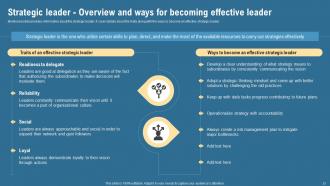
Slide 31: This slide mentions about the strategic leader and covers details about the traits along with the ways to become one.
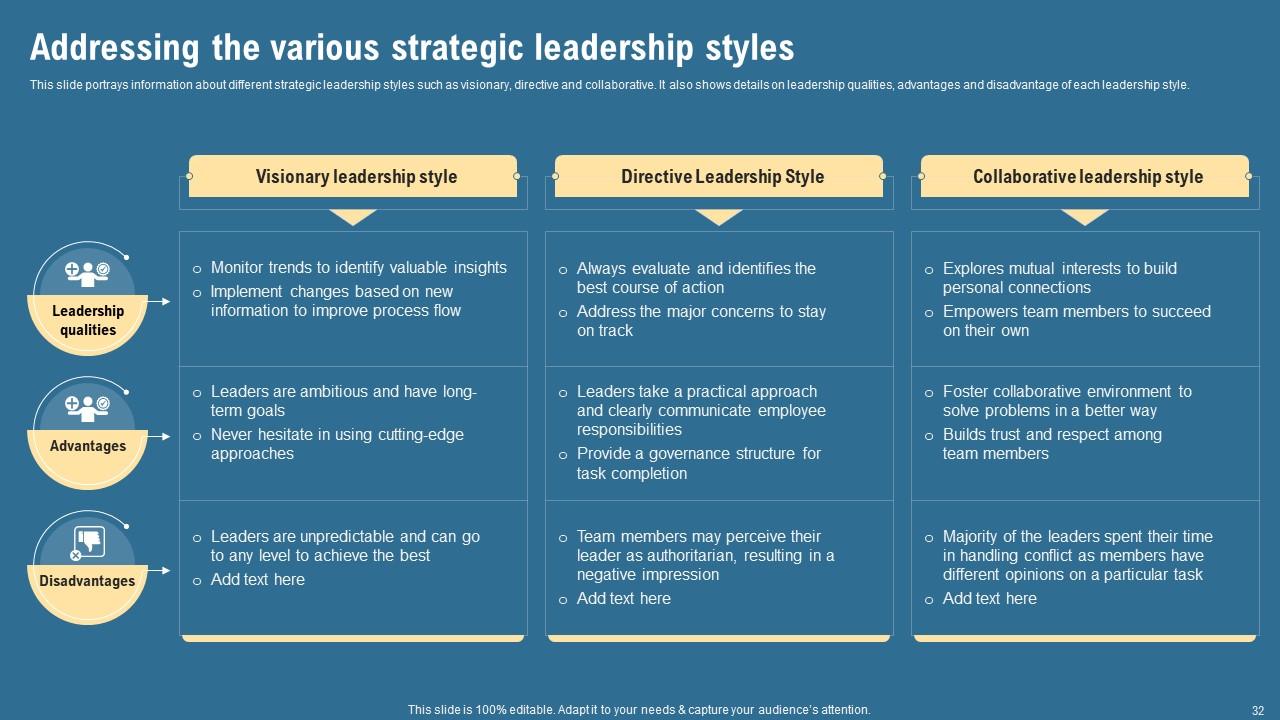
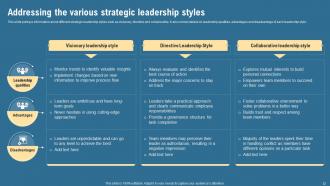
Slide 32: This slide addresses the various strategic leadership styles.
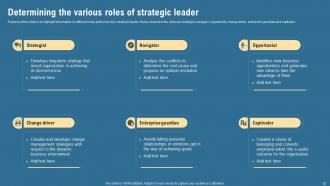
Slide 33: This slide highlights the different roles performed by a strategic leader.
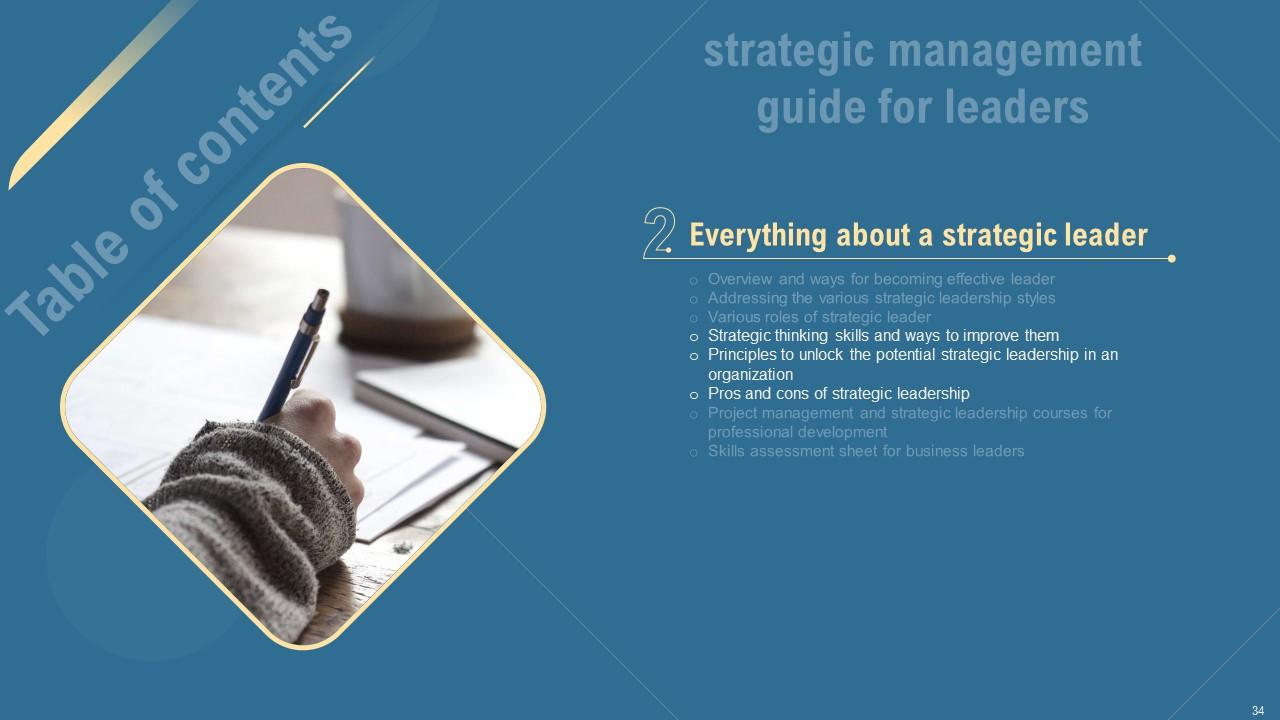
Slide 34: This slide includes the Heading for the Topics to be covered further.
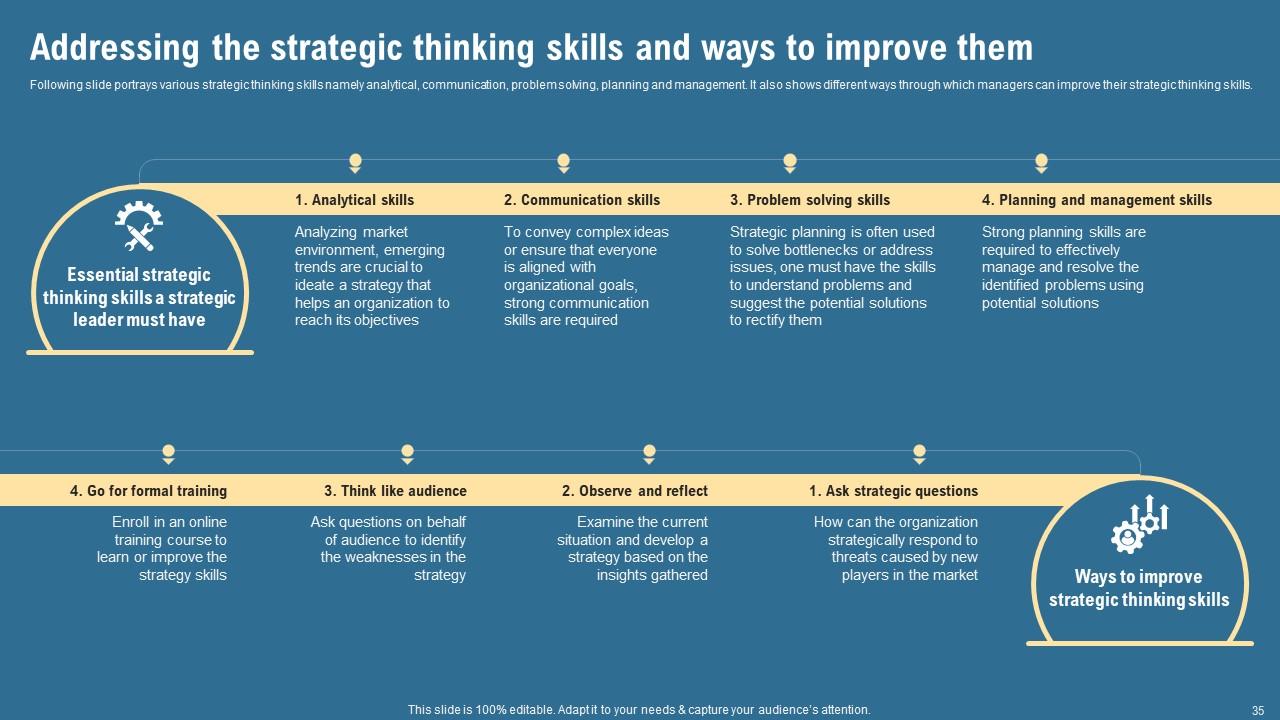
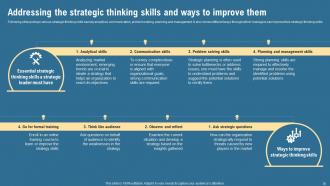
Slide 35: This slide portrays various strategic thinking skills and shows different ways to improve them.
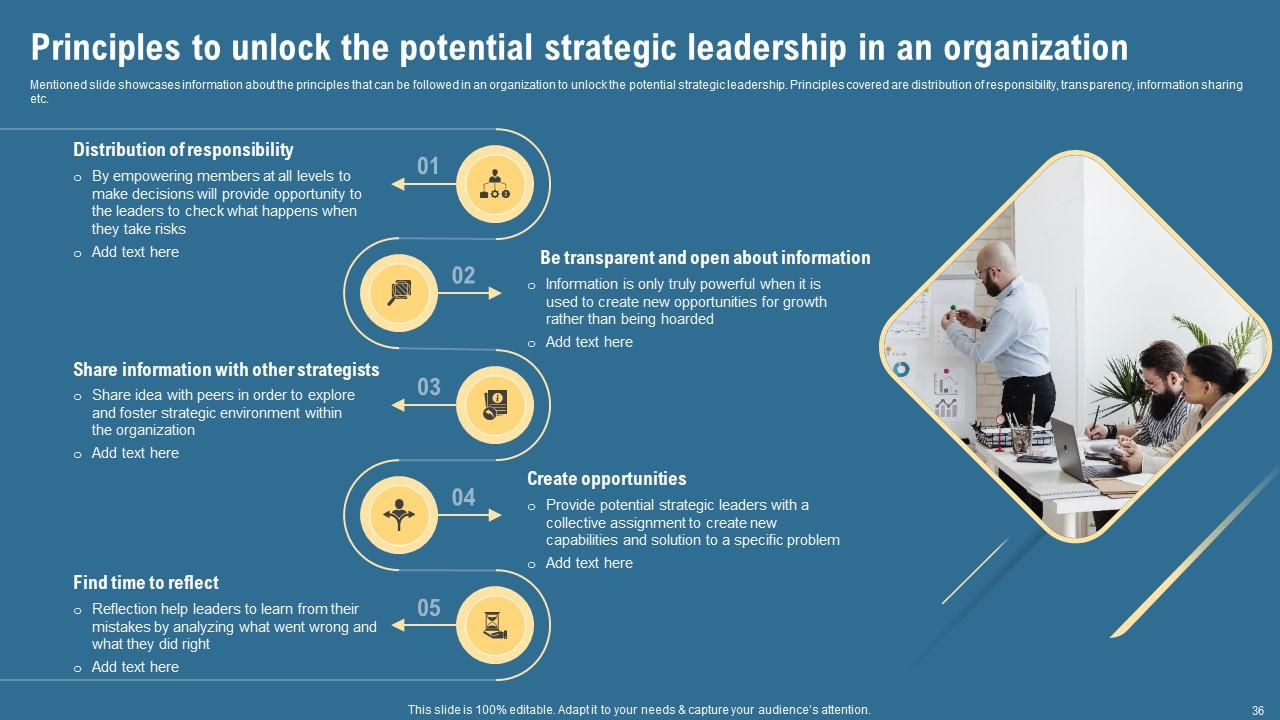
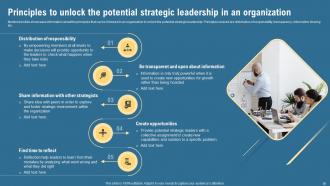
Slide 36: This slide showcases the Principles to unlock the potential strategic leadership in an organization.
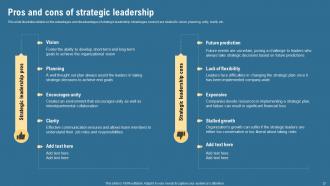
Slide 37: This slide illustrates details on the advantages and disadvantages of strategic leadership.
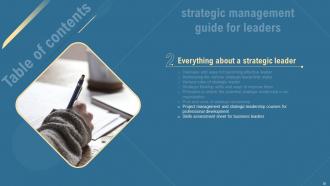
Slide 38: This slide focuses on the Title for the Contents to be discussed further.
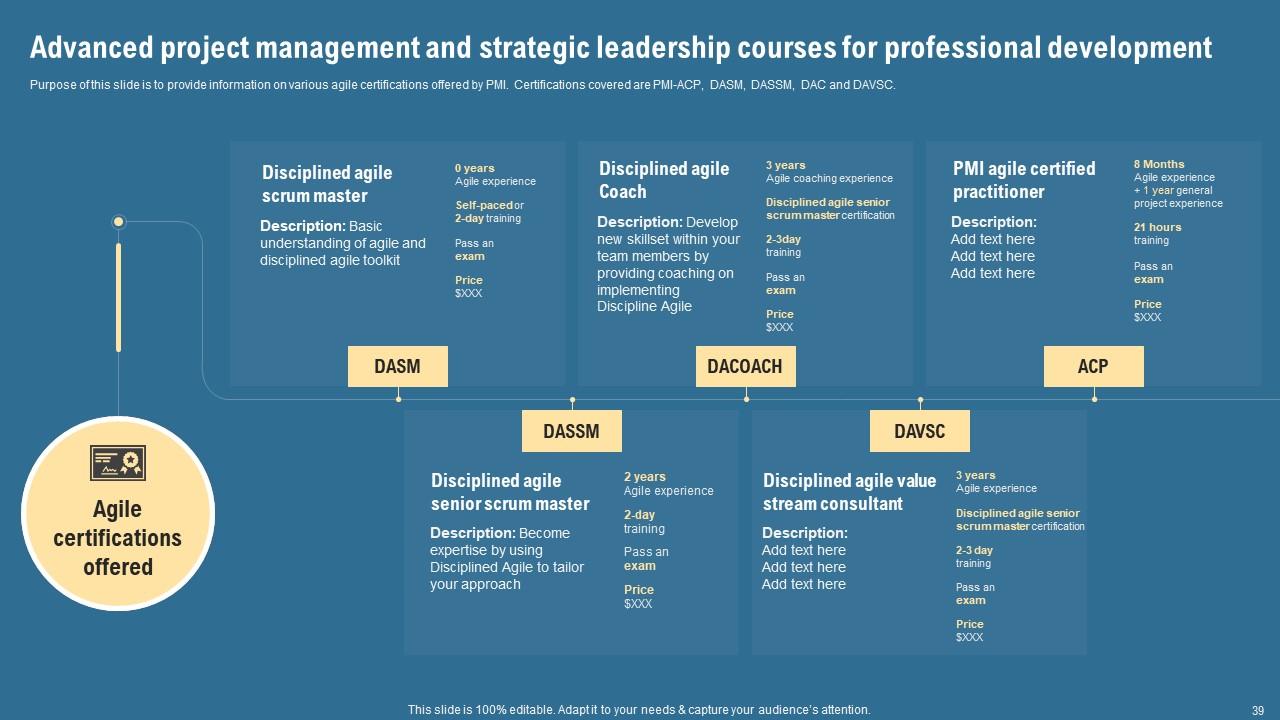
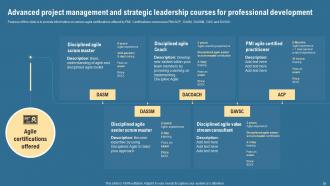
Slide 39: This slide explains the Advanced project management and strategic leadership courses for professional development.
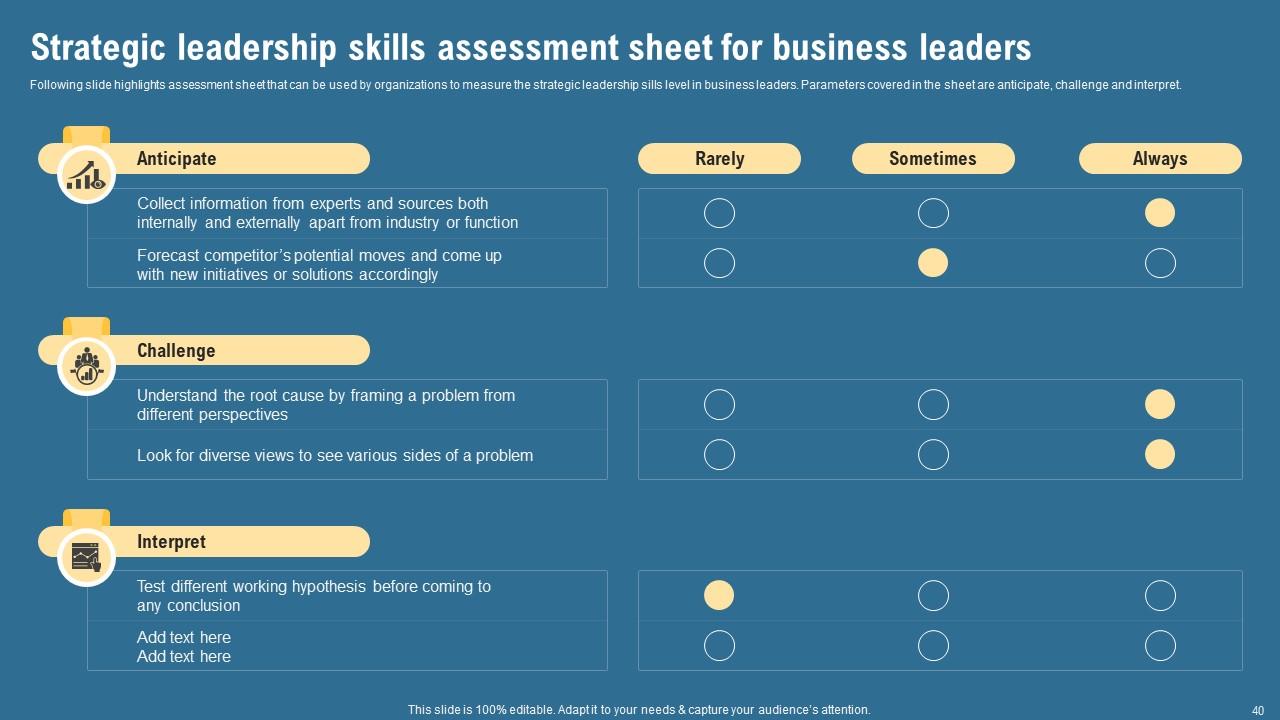
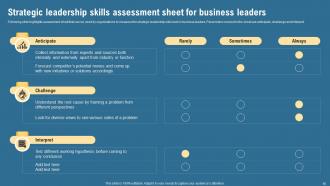
Slide 40: This slide represents the Strategic leadership skills assessment sheet for business leaders.
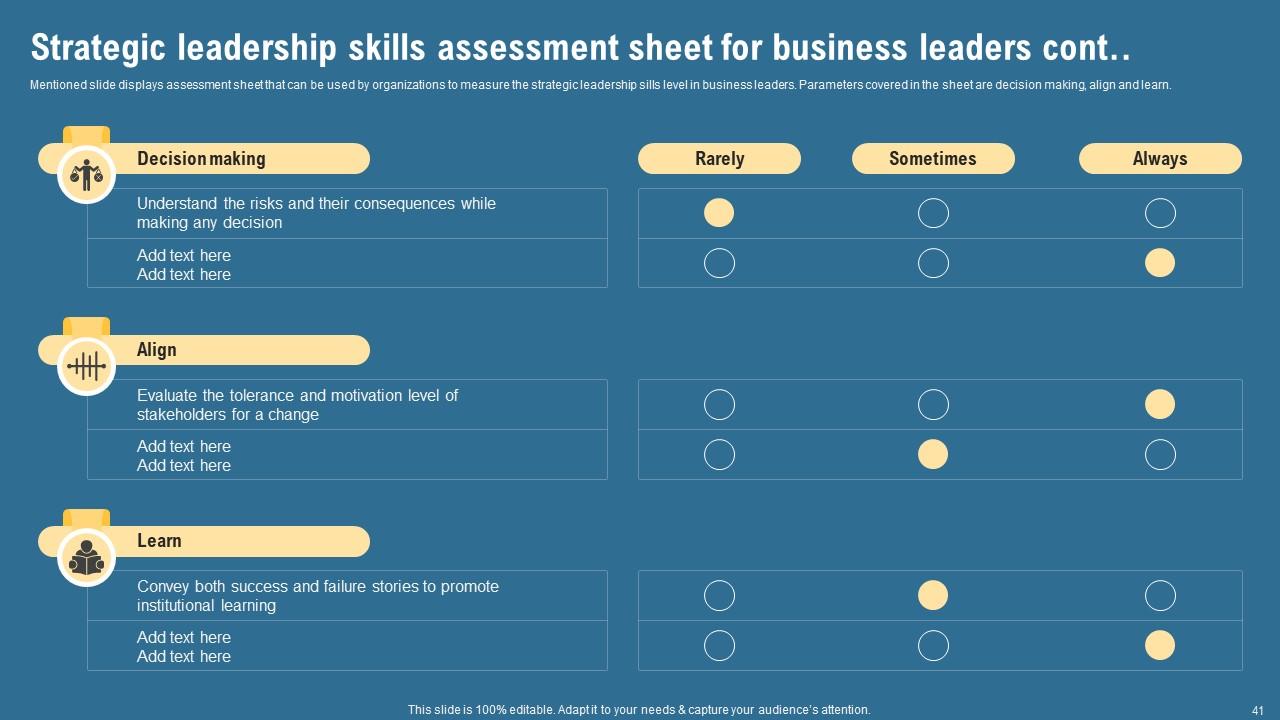
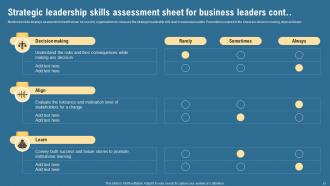
Slide 41: This is yet another slide continuing the Strategic leadership skills assessment sheet.
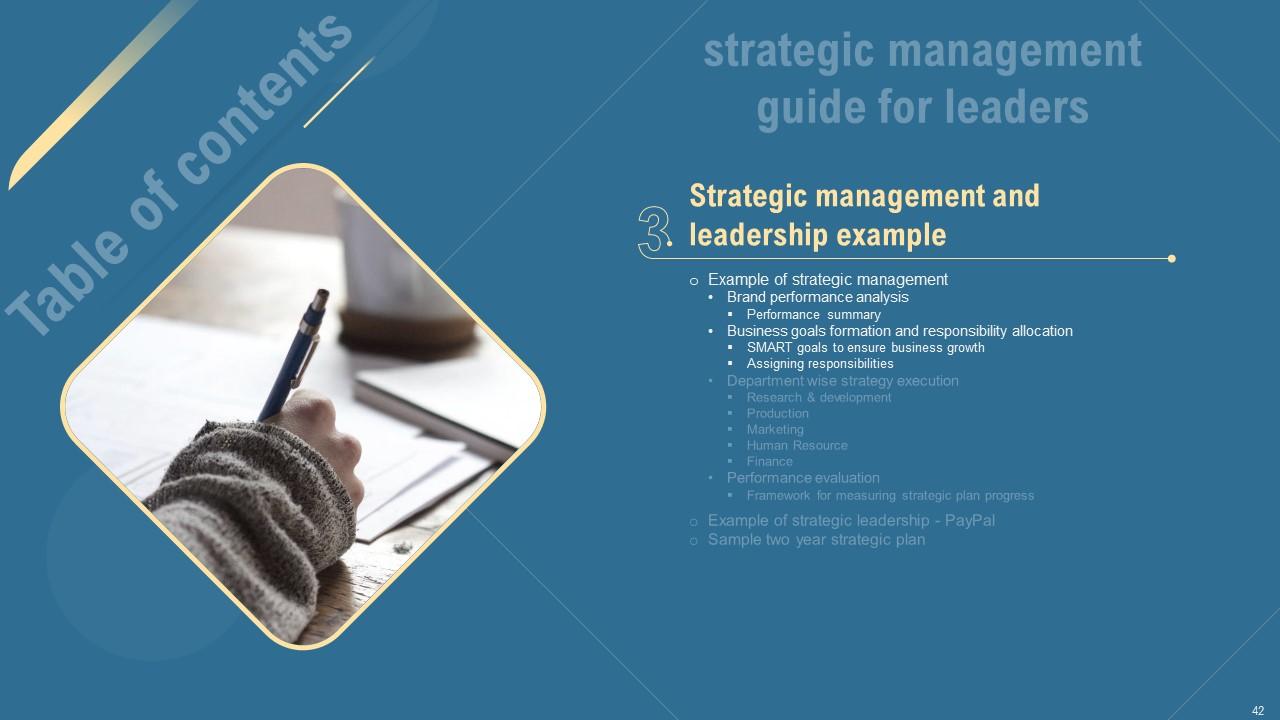
Slide 42: This slide includes the Title for the Ideas to be covered further.
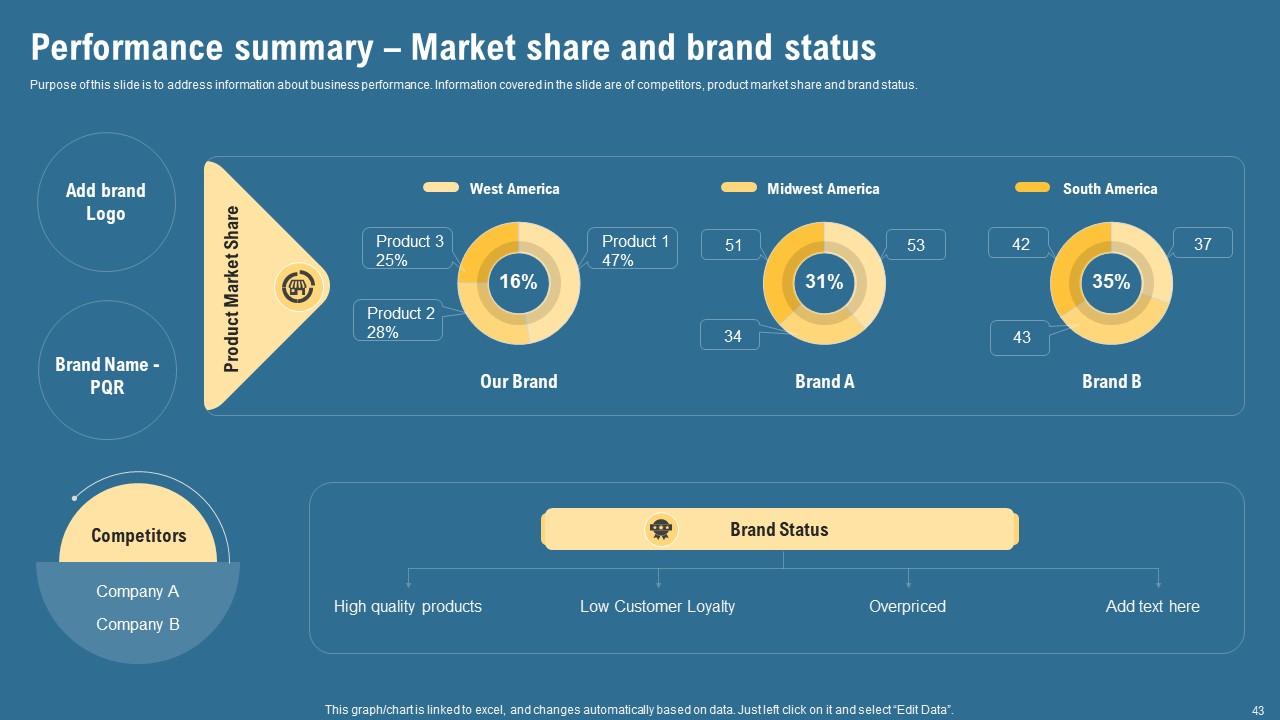
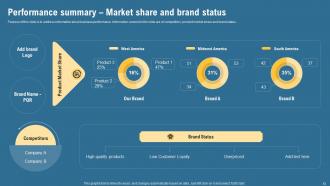
Slide 43: This slide addresses information about business performance including product market share and brand status.
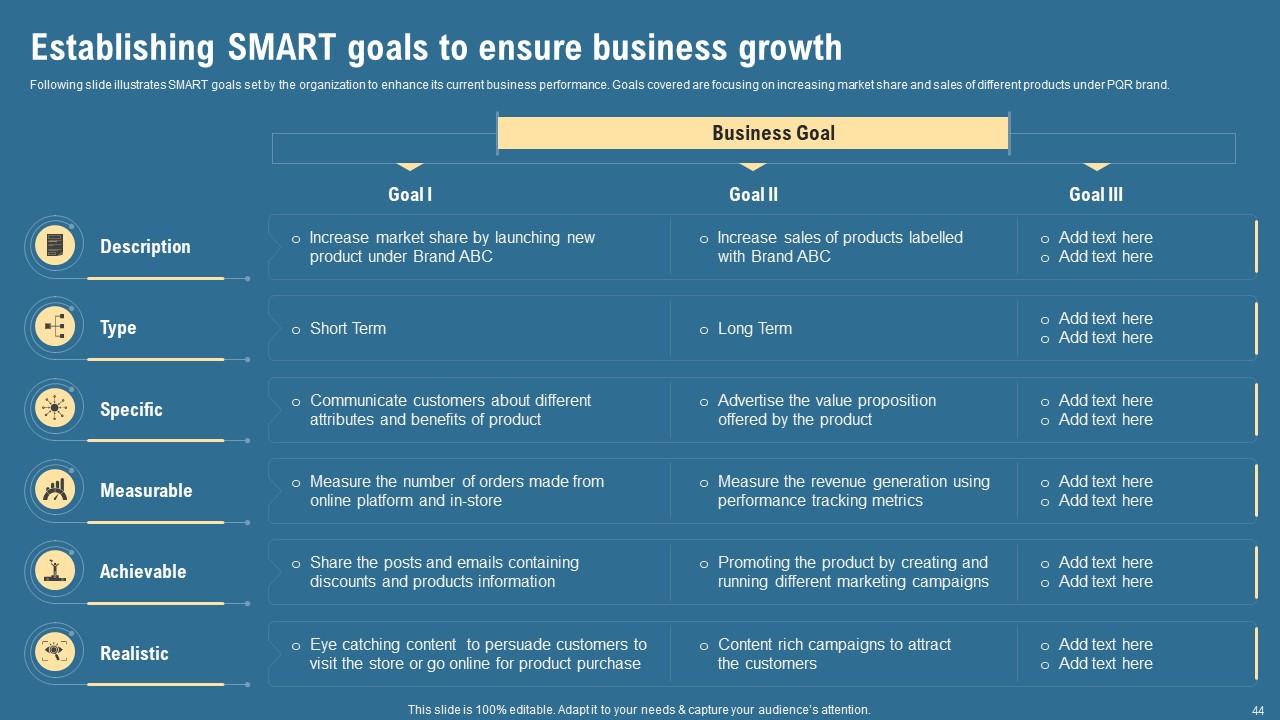
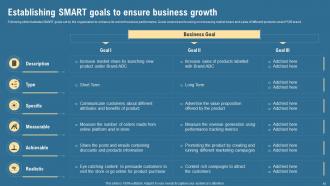
Slide 44: This slide deals with Establishing SMART goals to ensure business growth.
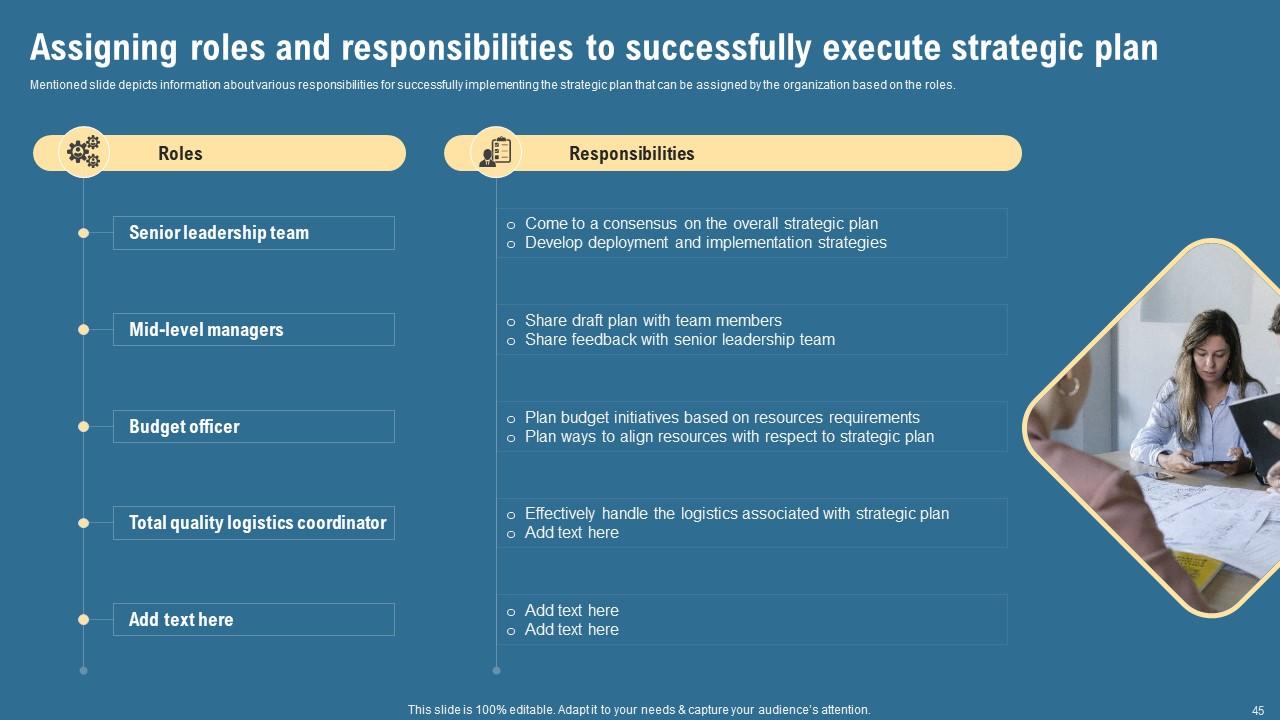
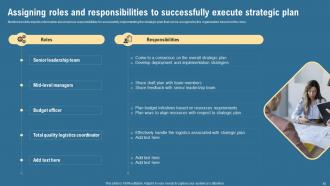
Slide 45: This slide focuses on Assigning roles and responsibilities to successfully execute strategic plan.
Slide 46: This slide indicates the Heading for the Topics to be discussed further.
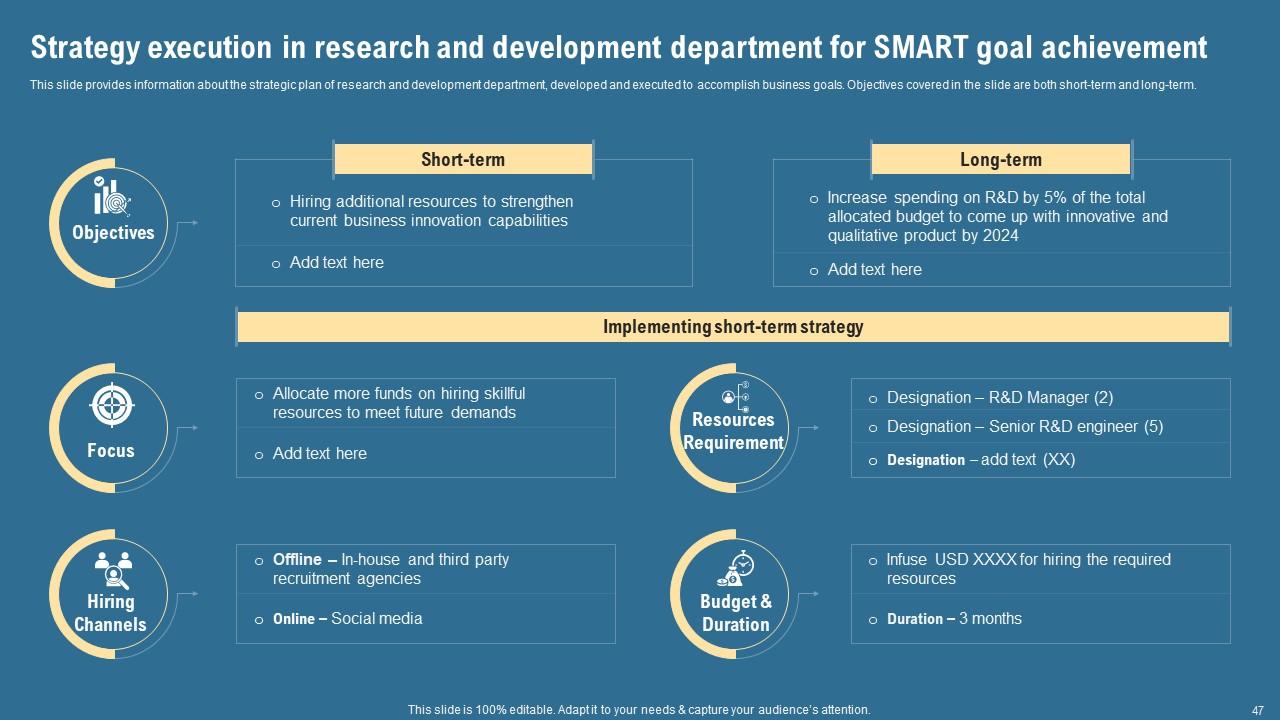
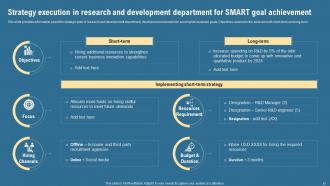
Slide 47: This slide exhibits the Strategy execution in research and development department for SMART goal achievement.
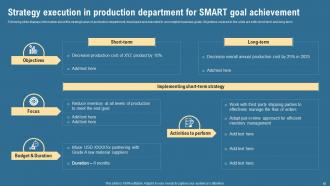
Slide 48: This slide illustrates the Strategy execution in production department for SMART goal achievement.
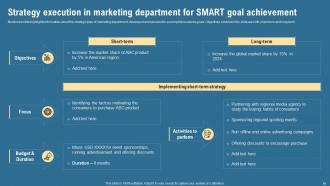
Slide 49: This slide mentions the Strategy execution in marketing department for SMART goal achievement.
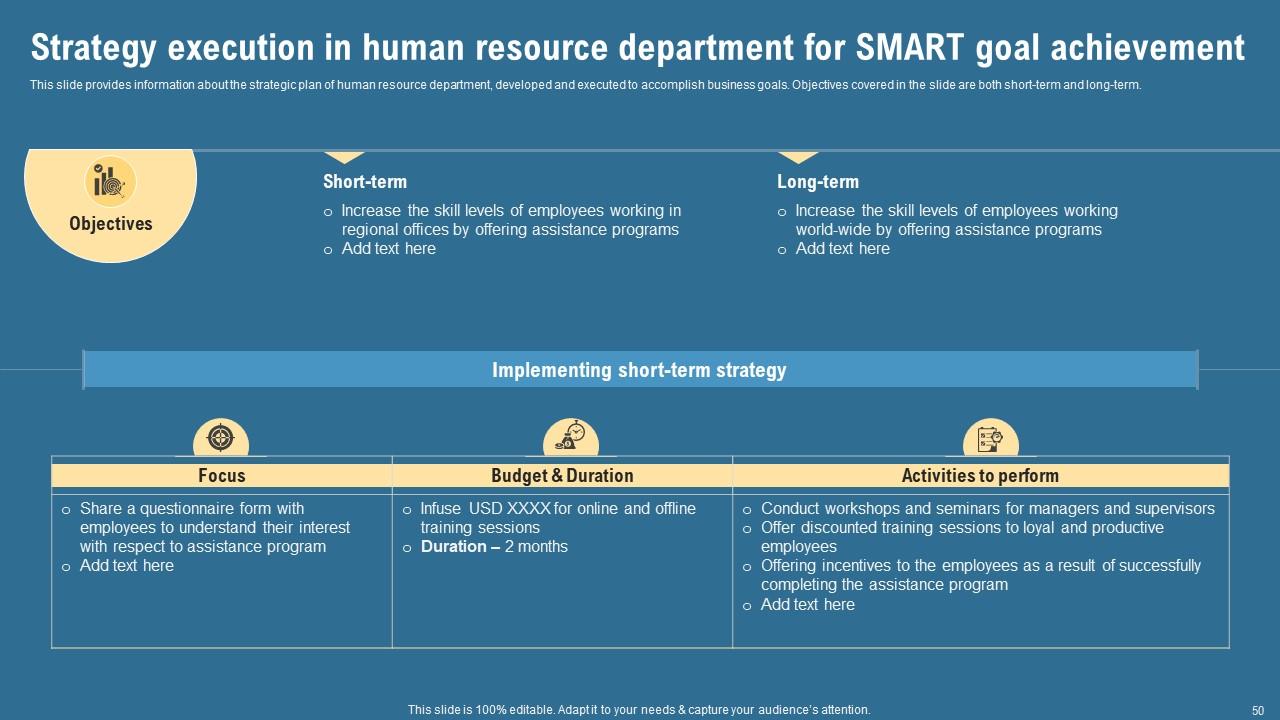
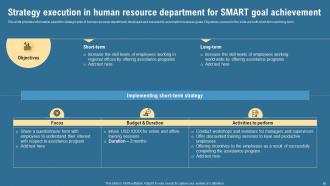
Slide 50: This slide provides information about the strategic plan of human resource department to accomplish business goals.
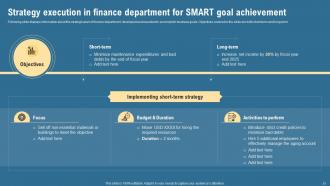
Slide 51: This slide highlights the Strategy execution in finance department for SMART goal achievement.
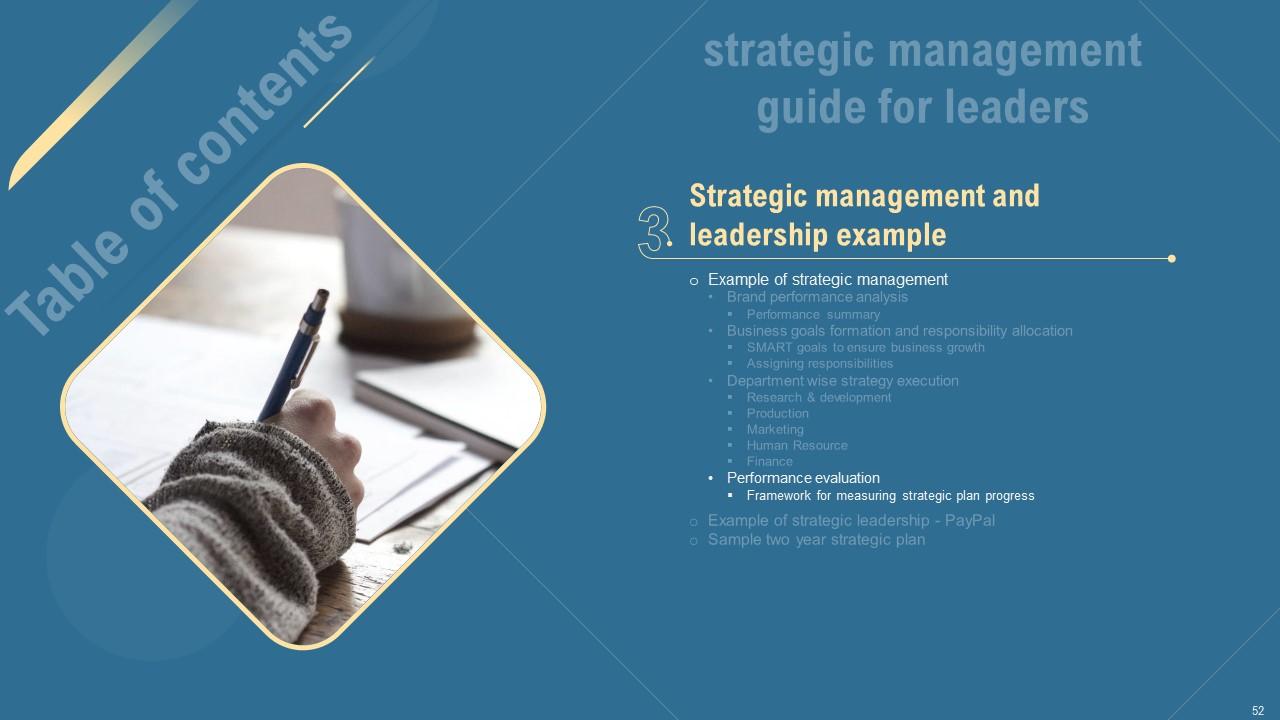
Slide 52: This slide elucidates the Heading for the Ideas to be discussed further.
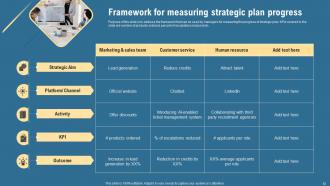
Slide 53: This slide address the framework that can be used by managers for measuring the progress of strategic plan.
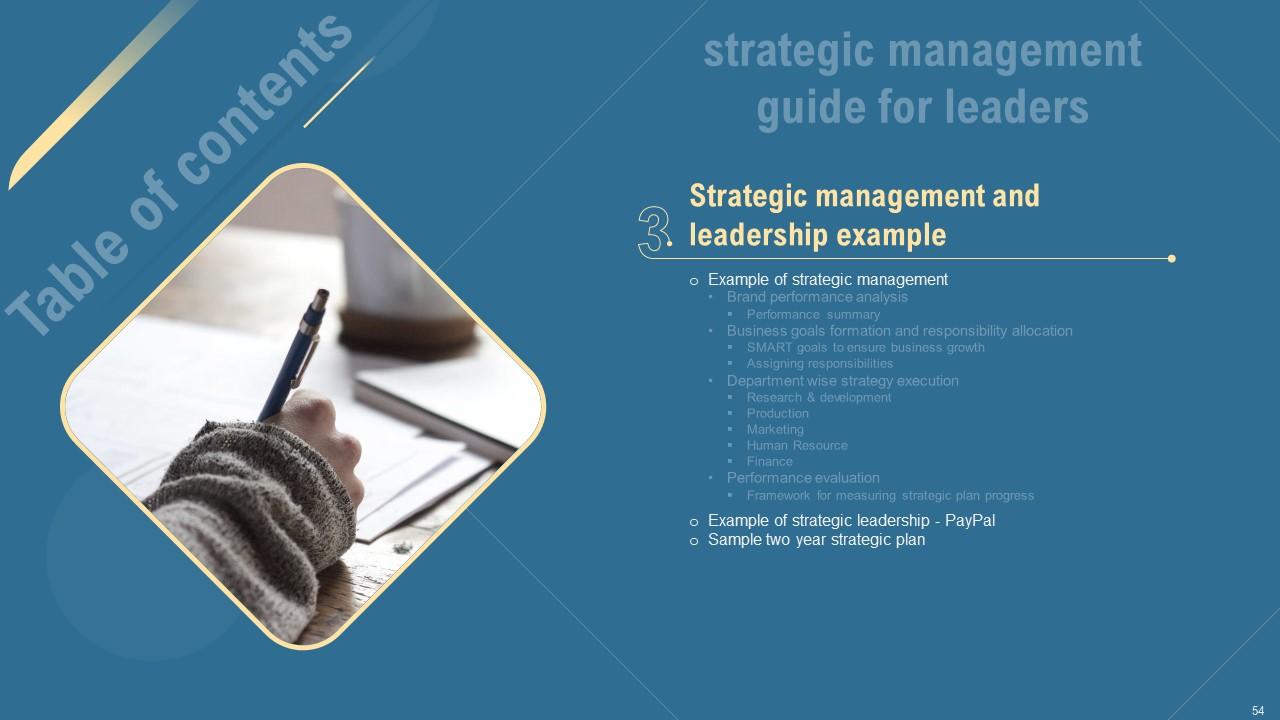
Slide 54: This slide presents the Title for the Topics to be covered in the upcoming template.
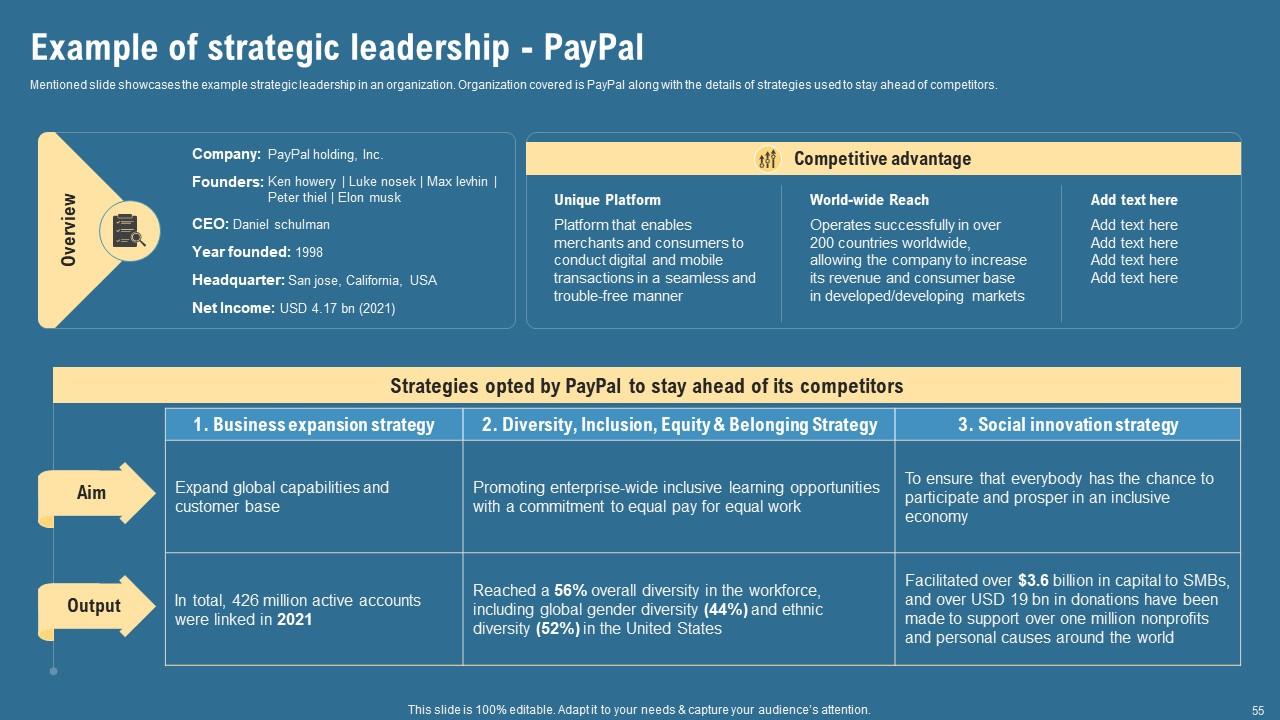
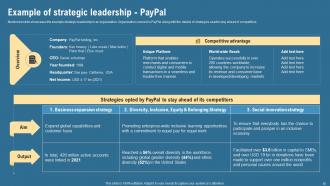
Slide 55: This slide Exemplifies strategic leadership in an Organization covering PayPal.
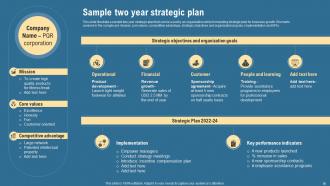
Slide 56: This slide elucidates the Sample two year strategic plan that can be used by the firm.
Slide 57: This is the Icons slide for strategic management guide for leaders.
Slide 58: This slide shows extra information related to Strategic sales plan for organizational growth and Revenue generation.
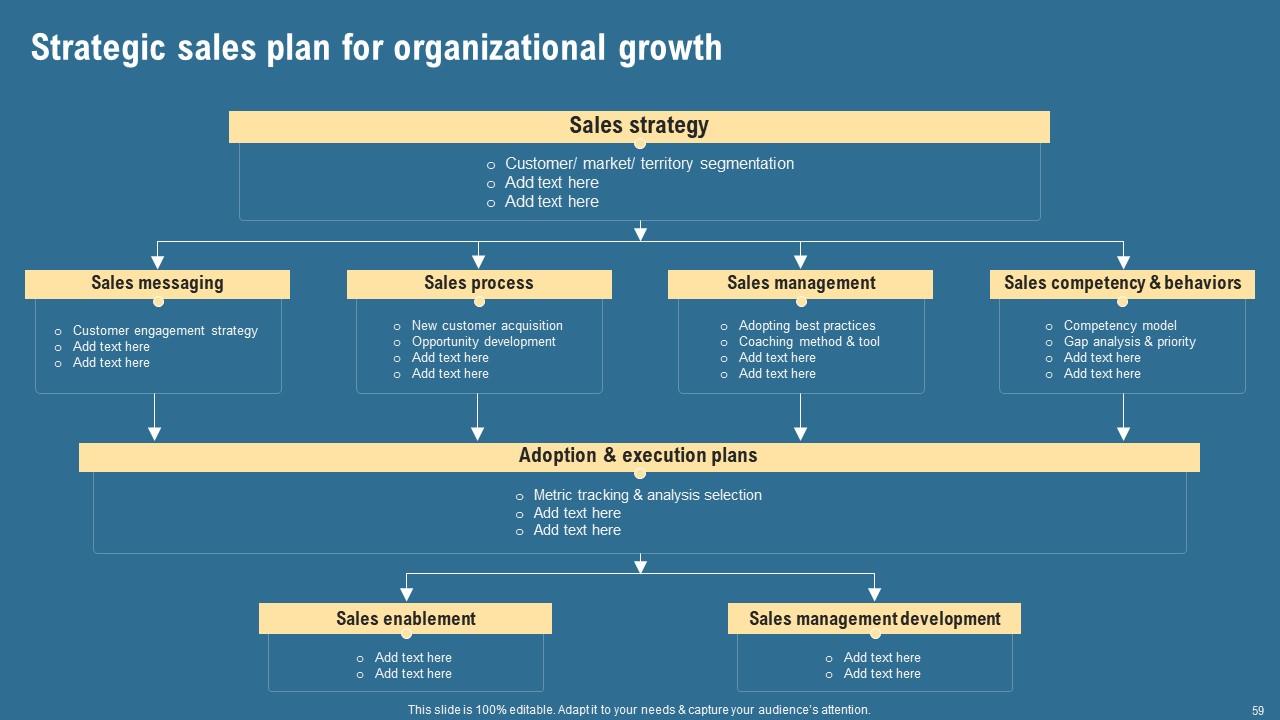
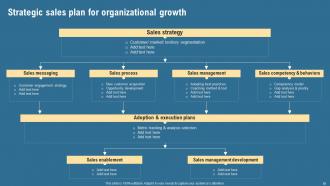
Slide 59: This slide reveals the Strategic sales plan for organizational growth.
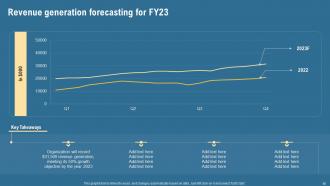
Slide 60: This slide illustrates the Revenue generation forecasting for FY23 using line graphs.
Slide 61: This is the Puzzle slide with related imagery.
Slide 62: This slide is used for the purpose of Comparison on the basis of gender.
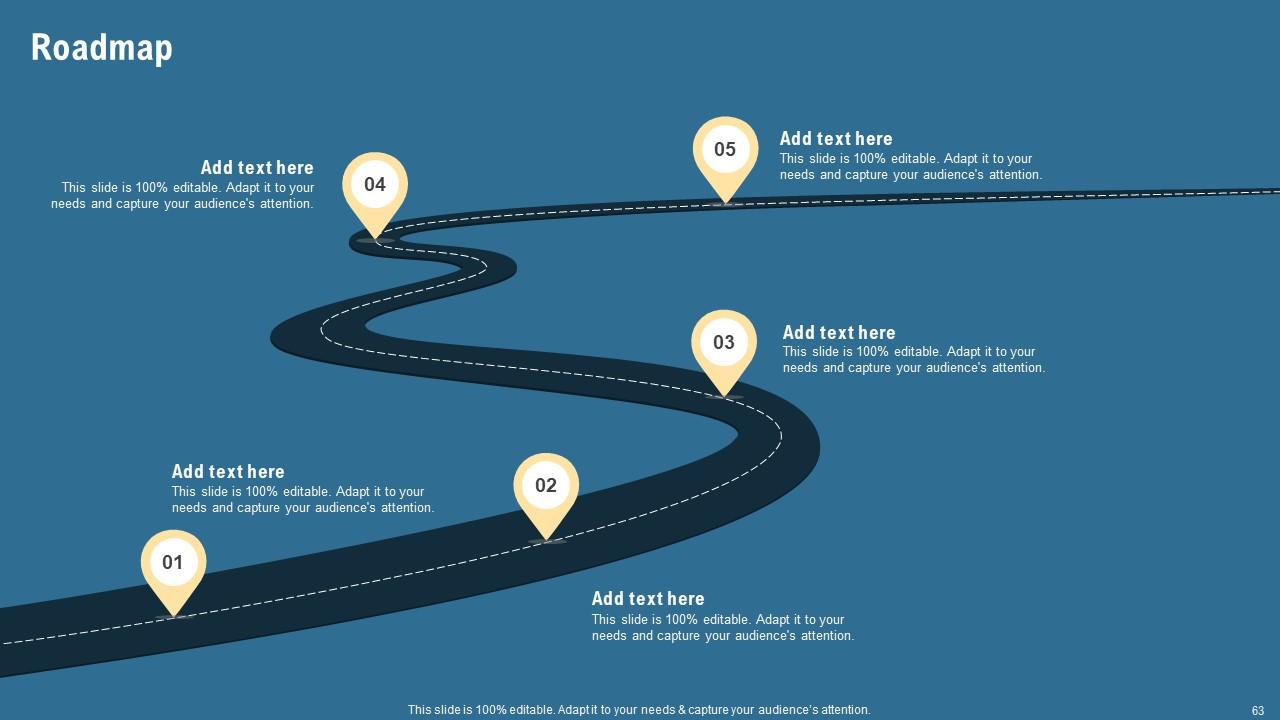
Slide 63: This slide reveals the Organization's Roadmap.
Slide 64: This slide includes the Post it notes for reminders and deadlines.
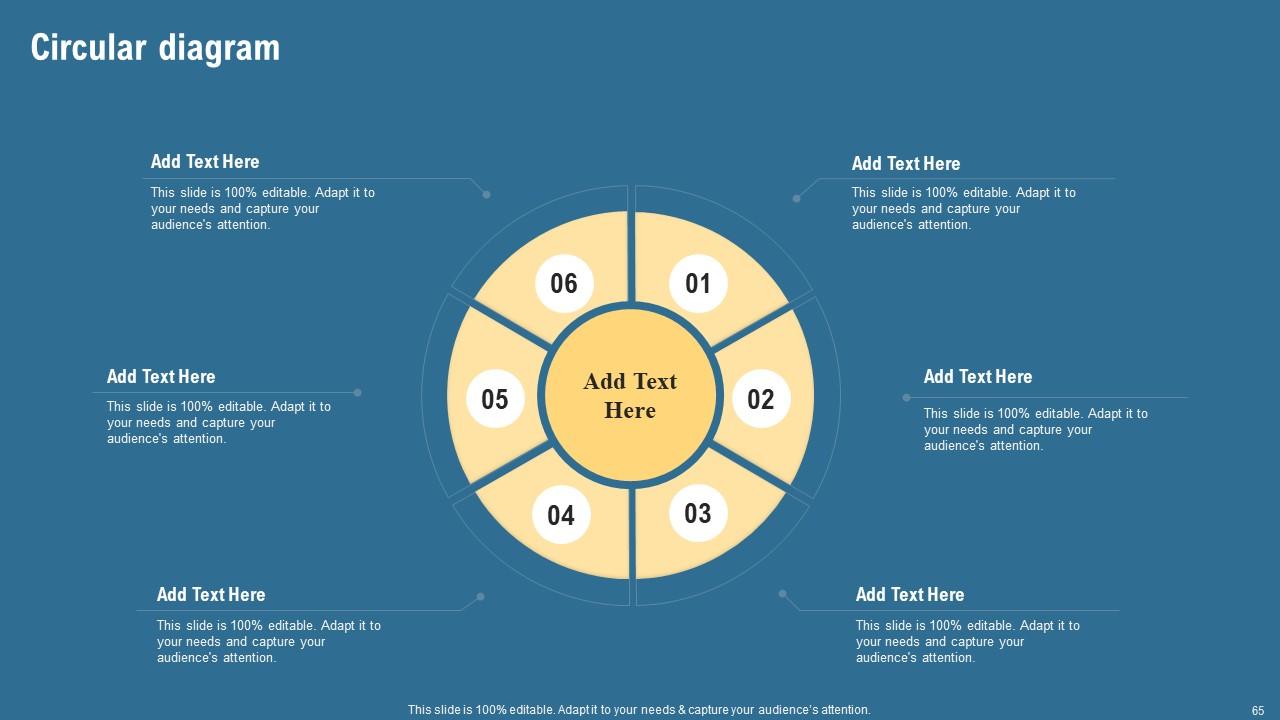
Slide 65: This slide shows the Circular diagram for depicting some relevant Company information.
Slide 66: This is Our target slide. State your Organization's Targets here.
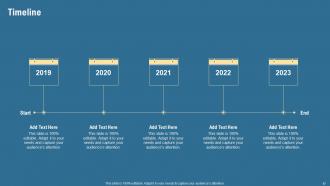
Slide 67: This slide reveals the Organization's Timeline.
Slide 68: This slide displays a Magnifying glass for showcasing minute details.
Slide 69: This slide illustrates the Mind map of the Company.
Slide 70: This is the Venn slide for some Company related information.
Slide 71: This is the Thank You slide for acknowledgement.
Strategic Management Guide For Leaders Strategy CD with all 76 slides:
Use our Strategic Management Guide For Leaders Strategy CD to effectively help you save your valuable time. They are readymade to fit into any presentation structure.
-
I am really satisfied with their XYZ products. Used their slides for my business presentations and now I am taking their help for my son's high-school assignments. Super satisfied!!
-
Great product with effective design. Helped a lot in our corporate presentations. Easy to edit and stunning visuals.
