Sustainable supply chain management model

Rating:
100%
Sustainable supply chain management model
Slide 1 of 2
Favourites Favourites

Try Before you Buy Download Free Sample Product

Audience Impress Your
Audience
Editable 100%
Editable
Time Save Hours
of Time
The Biggest Sale is ending soon in
0
0
:
0
0
:
0
0
Rating:
100%
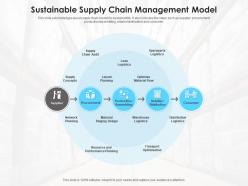
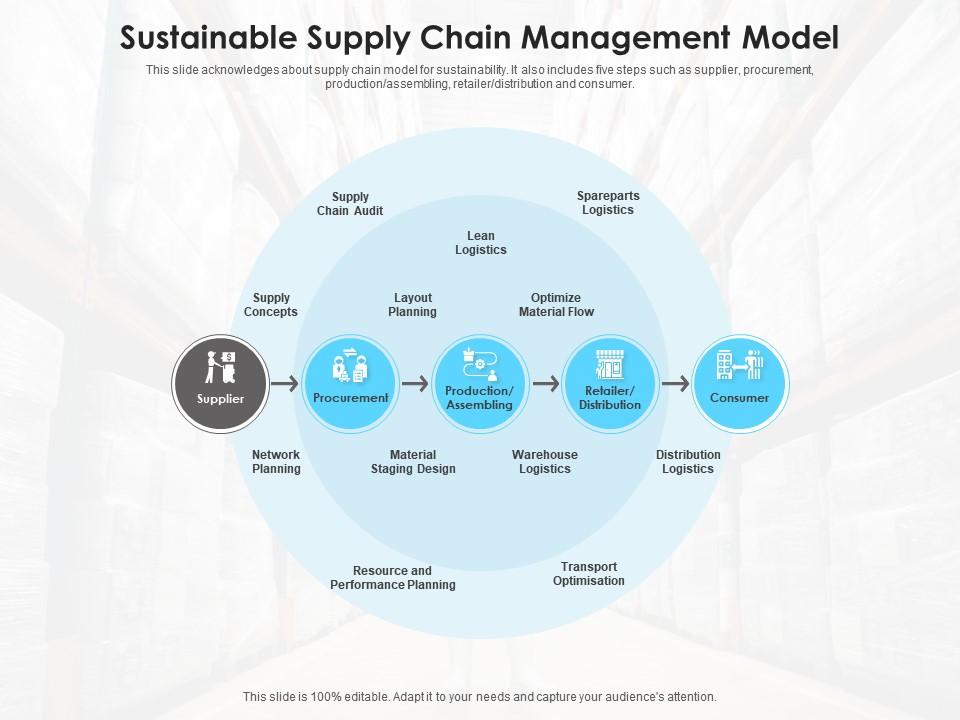
This slide acknowledges about supply chain model for sustainability. It also includes five steps such as supplier, procurement, production or assembling, retailer or distribution and consumer. Introducing our Sustainable Supply Chain Management Model set of slides. The topics discussed in these slides are Procurement, Supplier, Consumer, Resource And Performance Planning, Distribution Logistics. This is an immediately available PowerPoint presentation that can be conveniently customized. Download it and convince your audience.
People who downloaded this PowerPoint presentation also viewed the following :

FAQs for Sustainable supply

Look, it's basically juggling three big things: environmental stuff, treating workers right, and making sure it's actually profitable. Most companies totally blow it on the transparency piece because their supply chains are a mess - like seriously, some don't even know who's making their products two levels down. You've got to think beyond just grabbing the cheapest supplier. Map out who you're working with first, then figure out where the sketchy stuff might be happening. Cut waste and emissions where you can. The whole thing only works if you're playing the long game instead of just chasing quick wins.

Start with your main suppliers - seriously, don't try to do everyone at once or you'll lose your mind. Map out carbon emissions, water use, waste, labor stuff, supplier diversity. GRI or SASB frameworks are good for keeping things consistent. Get some supply chain software if you can swing it, makes data collection way less painful. Pick like 3-5 key metrics to focus on first. Set your baseline numbers, then track how you're improving over time. Oh and work backwards through the supply chain once you get the hang of it with tier 1 suppliers.

Dude, tech is seriously a game-changer for sustainable supply chains. IoT sensors let you track energy use and emissions as they happen. AI optimizes routes so you're not wasting fuel or resources. Blockchain actually verifies your suppliers aren't lying about their practices - which honestly happens more than you'd think. The predictive analytics stuff catches problems before they blow up too. What really gets me excited though? Finally having visibility into what's actually going down across your whole operation. I'd say pick one tracking technology for a pilot program first, then expand once you see results.

Look at your supply chain first - where's all the waste happening? That's your goldmine for cuts that actually help the planet too. Yeah, some green stuff costs more upfront, but you'll make it back through less waste and customers who actually give a damn about this stuff. Quick wins: fix your shipping routes, ditch excess packaging, go local when you can. Find suppliers who care about sustainability - they're usually the innovative ones anyway. The big investments like renewable energy partnerships come later, but honestly? Don't think quarterly profits. Think years ahead. Your ROI will thank you, and you won't hate yourself for trashing the environment.

Honestly, the biggest pain points are usually cost hikes and pushback from suppliers. Smaller vendors especially freak out about meeting sustainability standards without jacking up prices - puts you in a really tough spot budget-wise. Tracking environmental stuff across multiple supplier tiers is also a total mess without decent systems. Oh, and you'll definitely get internal resistance when your green goals clash with the usual speed/cost metrics everyone's used to. My take? Start with your direct suppliers first and focus on building actual partnerships instead of just telling them what to do. Makes everything way less painful.

Honestly, your suppliers probably have way better sustainability ideas than you think they do. Start by asking your top 3 what challenges they're dealing with - you'll find tons of overlap. From there, you can tackle stuff together: cutting waste, finding better materials, maybe even splitting costs on cleaner tech. Joint goal-setting works really well too. Transportation routes are a big one that gets overlooked. The trick is being transparent about your metrics so everyone's on the same page. I mean, pooling resources just makes sense when you're both trying to go greener anyway.

So basically regulations force companies to get their act together on sustainability stuff - carbon reporting, labor standards, all that. The EU's new supply chain law has everyone freaking out because they actually have to audit their suppliers now. Companies get tax breaks for good behavior and penalties for being sketchy, which obviously affects where they source from. Honestly, the whole thing is kind of a mess right now but it's working. My take? Map out your supply chain ASAP and find the weak spots before these rules get even stricter.

Dude, circular economy stuff can totally change how your supply chain works. Cost cuts are real - less waste, reusing materials, saving energy. What really matters though is you're not stuck relying on new raw materials all the time. Commodity prices are insane right now, so that stability is clutch. Customers actually care about this stuff too, which helps your brand look good. Oh and it's way easier to hire people when you're not seen as wasteful. Just pick one product line to start with - don't go crazy trying to overhaul everything at once.

Honestly, start by mapping your whole supply chain - raw materials through delivery. Then calculate emissions at each step. Most companies either use carbon accounting software or hire consultants (this stuff gets messy with data collection). I'd focus on your biggest suppliers first since they're probably your main emissions culprits. You can ask suppliers for their carbon data directly, use industry averages, or crunch numbers on transportation and energy use. The real trick is getting solid baseline numbers. Otherwise you won't know if you're actually improving anything over time.

Honestly? Your wallet has way more power than you think. Companies totally scramble when customers start caring about sustainability - like, they'll actually audit their whole supply chain if enough people demand it. Buy from brands doing ethical sourcing and fair labor stuff, and you're basically forcing other companies to step up their game. What really works is being annoying about it too (in a good way) - ask brands direct questions about their practices, leave reviews mentioning sustainability. I swear companies obsess over customer feedback more than we realize. It's wild how individual choices actually add up to real change when enough people do it.

Honestly, just build the sustainability stuff right into how you pick vendors from day one. I'd start with your biggest spending categories - that's where you'll actually move the needle. Create scorecards that rank suppliers on environmental and social stuff alongside the usual cost and quality metrics. Carbon footprint, labor practices, waste - whatever matters to your company. Yeah, it's more work upfront, but being super clear about expectations saves headaches later. The auditing part is crucial though, otherwise vendors just tell you what you want to hear. Trust me on that one.

Okay so Patagonia's crushing it - they've mapped their whole supply chain and actually tell customers to fix stuff instead of buying new (wild concept, right?). Unilever cut their environmental impact in half while doubling profits through their Sustainable Living Plan. IKEA went full renewable energy and circular design. These aren't just feel-good stories either. The numbers show sustainability actually boosts profits and makes companies more resilient. Check their sustainability reports if you want the real data and strategies you could steal for your own thing.

Honestly, training programs are game-changers for getting your supply chain team to actually care about sustainability. Most people hate change when they don't understand why it matters, right? But when you show them how their specific job connects to environmental impact - not just some vague corporate BS - suddenly it clicks. Role-specific workshops work way better than generic presentations. Connect sustainability metrics directly to their performance goals and you'll see real results. Oh, and don't make it a one-time thing. People need ongoing learning or they'll just forget and slip back into old habits.

Honestly, transportation is gonna be your biggest headache here. It's like 15-20% of carbon emissions across most industries - every shipment burns fuel and pumps out pollution. Distance is obviously huge too. Shipping from China versus getting stuff locally? Night and day difference. You've also got packaging waste, noise, traffic jams... it adds up fast. My advice? Optimize your routes first, try consolidating shipments when you can. Switch to rail or electric trucks if possible - though I know that's easier said than done depending on your setup.

So basically, start tracking data on carbon emissions, waste, and resource use throughout your supply chain. Once you see the patterns, it's honestly pretty eye-opening. You'll spot which suppliers aren't hitting sustainability goals and can predict demand better to avoid overproducing stuff. Route optimization cuts fuel costs too. Real-time monitoring helps catch inefficiencies fast - though honestly, the amount of data can be overwhelming at first. I'd focus on just carbon footprint initially, get that dialed in with your main suppliers, then expand from there. Way easier than trying to track everything at once.

Ratings and Reviews

100% of 100
Review Form
Write a review
Most Relevant Reviews
  1. 100%

    by Cody Bell

    Unique research projects to present in meeting.

1 Item

per page: