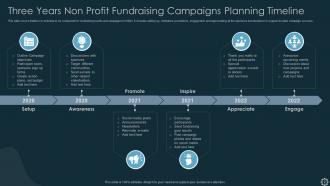
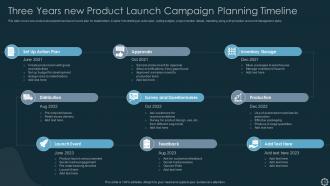
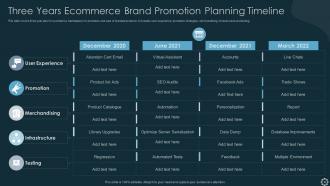
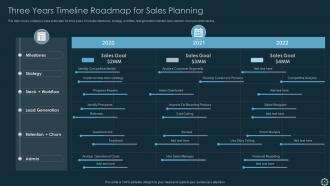
Three Year Planning Timeline Powerpoint Ppt Template Bundles

Rating:
100%
Three Year Planning Timeline Powerpoint Ppt Template Bundles
Slide 1 of 17
Favourites Favourites

Try Before you Buy Download Free Sample Product

Audience Impress Your
Audience
Editable 100%
Editable
Time Save Hours
of Time
The Biggest Sale is ending soon in
0
0
:
0
0
:
0
0
AI-Ready
Upload this template to AI and ask it to make any changes to content or color
100% editable Powerpoint Template for AI-assisted presentations. Finish your work in less time. Download Prompt Kit
Works with
Microsoft PowerPoint
Microsoft 365
Claude for PowerPoint
ChatGPT
Google Slides
Microsoft Copilot
Rating:
100%
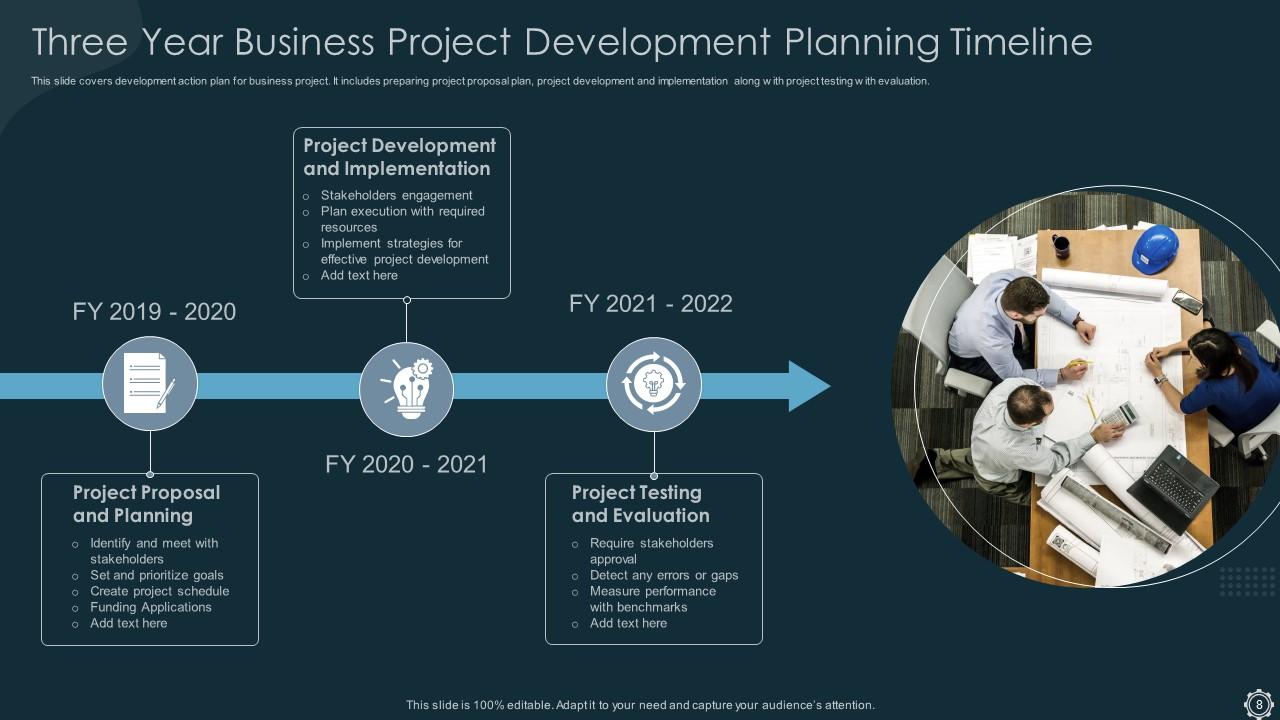
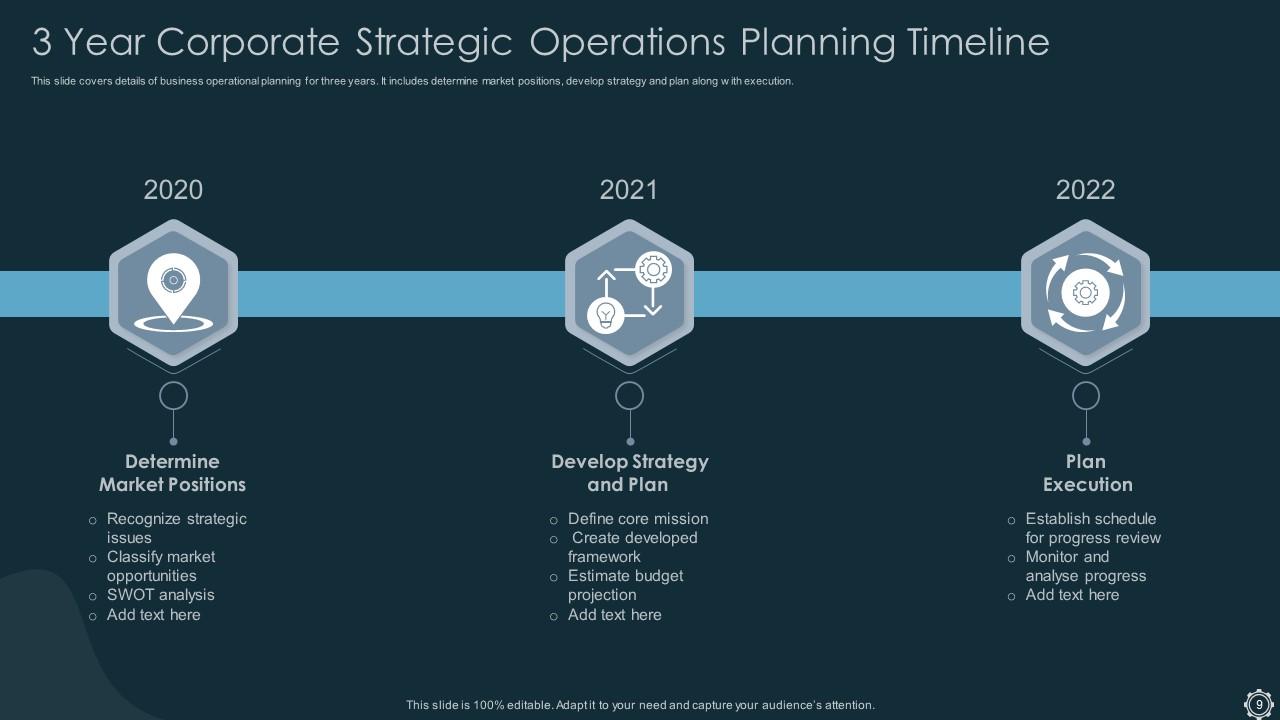
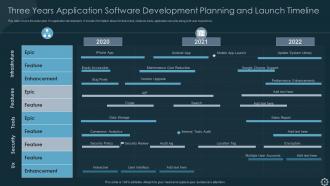
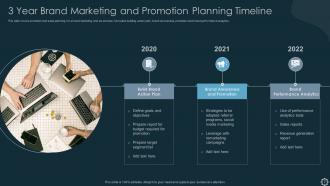
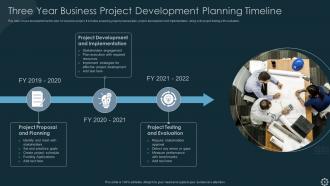
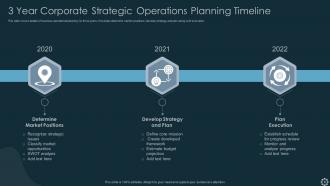
Engage buyer personas and boost brand awareness by pitching yourself using this prefabricated set. This Three Year Planning Timeline Powerpoint Ppt Template Bundles is a great tool to connect with your audience as it contains high-quality content and graphics. This helps in conveying your thoughts in a well-structured manner. It also helps you attain a competitive advantage because of its unique design and aesthetics. In addition to this, you can use this PPT design to portray information and educate your audience on various topics. With twelve slides, this is a great design to use for your upcoming presentations. Not only is it cost-effective but also easily pliable depending on your needs and requirements. As such color, font, or any other design component can be altered. It is also available for immediate download in different formats such as PNG, JPG, etc. So, without any further ado, download it now.

FAQs for Three Year Planning Timeline Powerpoint

Key components include strategic objectives, financial projections, resource allocation plans, milestone markers, and performance metrics. These elements work together by establishing clear direction, ensuring adequate funding, optimizing talent deployment, and tracking progress, with many organizations finding that comprehensive three-year timelines enhance operational efficiency and competitive positioning.

Organizations effectively align their three-year planning timeline with strategic goals by establishing clear milestone checkpoints, integrating cross-departmental objectives, conducting quarterly progress reviews, and maintaining flexible resource allocation frameworks. Through strategic roadmapping and regular stakeholder alignment sessions, companies in sectors like manufacturing and financial services streamline decision-making processes, enhance operational efficiency, and deliver sustained competitive advantage while adapting to market changes.

Project management platforms like Gantt charts, Visio, and Lucidchart enable organizations to create comprehensive three-year planning timelines through drag-and-drop interfaces, milestone tracking, and collaborative editing features. These tools streamline strategic planning by offering customizable templates, real-time updates, and integration capabilities, with many enterprises finding that visual timeline software enhances stakeholder alignment and accelerates decision-making processes.

Prioritizing initiatives within a three-year planning timeline involves evaluating strategic alignment, resource requirements, potential ROI, market timing, and interdependencies between projects. Organizations typically prioritize high-impact, foundational initiatives first, followed by complementary programs that build upon earlier successes, with many finding that this sequential approach delivers stronger cumulative results and sustainable competitive advantage.

Common pitfalls include overestimating capabilities, underestimating resource requirements, failing to build in contingency buffers, neglecting stakeholder alignment, and creating overly rigid timelines without flexibility. These planning errors often derail strategic initiatives in organizations across sectors like manufacturing and financial services, with many finding that regular milestone reviews and adaptive frameworks ultimately deliver better execution and competitive advantage.

A three-year planning timeline should be reviewed quarterly and updated annually, with major revisions triggered by significant market shifts, regulatory changes, or strategic pivots. Many organizations find that quarterly reviews enable course corrections while maintaining long-term vision, ultimately delivering better resource allocation and competitive positioning in increasingly dynamic business environments.

Stakeholder input enhances three-year planning accuracy by providing diverse perspectives, identifying potential risks, validating assumptions, and offering real-world implementation insights from various departments. These contributions enable organizations to create more realistic timelines, anticipate resource constraints, and build broader buy-in, with many companies finding that collaborative planning reduces project delays and ultimately delivers more achievable strategic outcomes.

Progress measurement methods include key performance indicators (KPIs), quarterly business reviews, milestone tracking, financial benchmarks, and balanced scorecards. These approaches enable organizations to monitor strategic objectives through regular assessments, data-driven insights, and performance dashboards, with many companies finding that combining quantitative metrics with qualitative evaluations delivers comprehensive visibility and faster course corrections.

Market research shapes three-year planning timelines by identifying consumer trends, competitive landscapes, economic forecasts, and emerging opportunities that inform strategic direction. Through comprehensive market analysis, organizations can anticipate demand shifts, allocate resources strategically, and time product launches effectively, with many companies finding that data-driven insights ultimately deliver more accurate growth projections and competitive positioning.

In a three-year planning timeline, short-term goals are quarterly or annual milestones that build toward broader objectives, while long-term goals represent the strategic vision achieved by year three through cumulative progress. Short-term goals focus on immediate operational improvements, resource allocation, and measurable outcomes, whereas long-term goals emphasize market positioning, competitive advantage, and transformational growth that ultimately delivers sustained business value.

Effectively communicating a three-year planning timeline requires tailored approaches for each organizational level, using executive summaries for leadership, departmental roadmaps for middle management, and specific milestone charts for operational teams. Through strategic presentations, regular progress dashboards, and cascading communication sessions, organizations streamline alignment across all levels, ensuring transparency and accountability while enabling teams to understand their role in achieving long-term objectives.

Risk assessment serves as the foundation for constructing realistic three-year planning timelines by identifying potential obstacles, market uncertainties, regulatory changes, and resource constraints that could impact strategic objectives. Through comprehensive risk evaluation, organizations can build contingency plans, adjust milestone schedules, and allocate buffer resources, with many companies finding that proactive risk planning ultimately delivers more achievable timelines and sustained competitive advantage.

Visualization techniques enhance three-year planning comprehension by transforming complex data into clear charts, timelines, and dashboards that highlight key milestones, dependencies, and progress indicators. Through interactive Gantt charts and milestone maps, organizations streamline stakeholder communication, identify potential bottlenecks earlier, and maintain strategic alignment across departments, ultimately delivering improved project coordination and faster decision-making capabilities.

When setting milestones within a three-year planning timeline, consider realistic resource allocation, market dynamics, regulatory changes, technology evolution, and competitive positioning. These benchmarks should balance ambitious growth targets with operational feasibility, while incorporating quarterly reviews and adjustment mechanisms, ultimately enabling organizations to maintain strategic momentum and adapt to changing business environments.

Lessons learned from previous planning timelines inform future three-year plans by identifying implementation bottlenecks, resource allocation gaps, and market response patterns that enhance forecasting accuracy. Organizations leverage these insights to refine milestone scheduling, strengthen risk mitigation strategies, and optimize budget distribution, with many finding that systematic review processes ultimately deliver more realistic timelines and improved strategic outcomes.

Ratings and Reviews

100% of 100
Review Form
Write a review
Most Relevant Reviews
  1. 100%

    by Derrick Rice

    “Slides are formally built and the color theme is also very exciting. This went perfectly with my needs and saved a good amount of time.”
  2. 100%

    by Danial Fernandez

    “I've always gotten excellent slides from them and the customer service is up to the mark.”

2 Item(s)

per page: