Travel And Expense Marketing Department Approval Reimbursement Process

Rating:
84%
Travel And Expense Marketing Department Approval Reimbursement Process
Slide 1 of 14
Favourites Favourites

Try Before you Buy Download Free Sample Product

Audience Impress Your
Audience
Editable 100%
Editable
Time Save Hours
of Time
The Biggest Sale is ending soon in
0
0
:
0
0
:
0
0
Rating:
84%
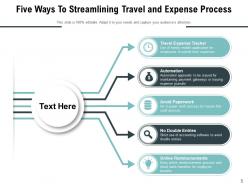
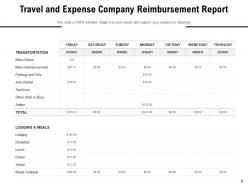
Deliver a lucid presentation by utilizing this Travel And Expense Marketing Department Approval Reimbursement Process. Use it to present an overview of the topic with the right visuals, themes, shapes, and graphics. This is an expertly designed complete deck that reinforces positive thoughts and actions. Use it to provide visual cues to your audience and help them make informed decisions. A wide variety of discussion topics can be covered with this creative bundle such as Travel And Expense, Marketing, Department, Approval, Reimbursement. All the fourteen slides are available for immediate download and use. They can be edited and modified to add a personal touch to the presentation. This helps in creating a unique presentation every time. Not only that, with a host of editable features, this presentation can be used by any industry or business vertical depending on their needs and requirements. The compatibility with Google Slides is another feature to look out for in the PPT slideshow.

FAQs for Travel And Expense Marketing Department

Travel expense reimbursement policies typically include transportation costs, accommodation expenses, meal allowances, incidental expenses, and mileage reimbursements for personal vehicle use. These components streamline expense management by establishing clear guidelines, standardizing approval processes, and ensuring compliance with tax regulations, while many organizations find that comprehensive policies reduce administrative overhead and enhance employee satisfaction through transparent, efficient reimbursement procedures.

Businesses determine maximum allowable travel expense amounts through industry benchmarking, government per diem rates, cost-of-living analyses, and internal budget parameters. These standards enable organizations to control costs while ensuring employee comfort, with many companies finding that clear, location-specific limits streamline approval processes, reduce administrative overhead, and maintain equitable reimbursement policies across different regions.

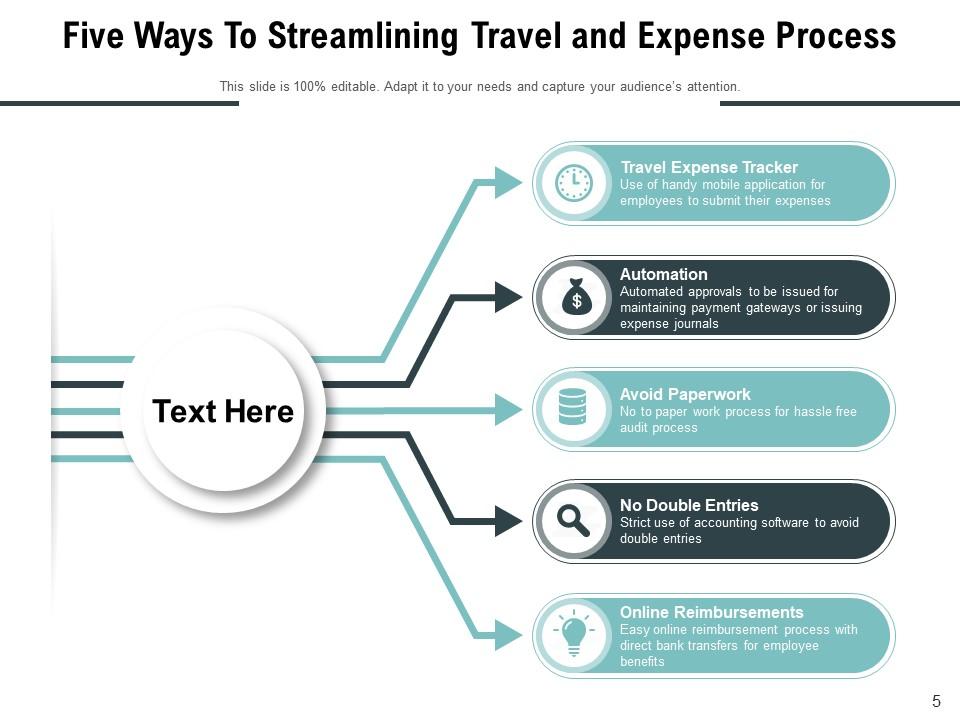
Technology revolutionizes travel expense reimbursement through automated receipt scanning, real-time expense tracking, integrated approval workflows, and seamless accounting system integration. These digital solutions streamline processes by eliminating manual data entry, reducing processing time, and minimizing errors, with many organizations finding that employees receive reimbursements faster while finance teams gain greater visibility and control.

Organizations ensure tax regulation compliance through automated expense management systems, clear reimbursement policies, detailed documentation requirements, and regular auditing processes. These systems streamline receipt verification, mileage tracking, and per diem calculations, while maintaining comprehensive records for tax authorities, ultimately reducing audit risks and enabling faster, more accurate reimbursement processing for employees.

Common pitfalls include delayed reimbursements, unclear expense policies, inadequate receipt management, lack of automated approval workflows, and insufficient spending controls. These challenges create employee frustration, compliance risks, and administrative inefficiencies, with many organizations finding that manual processes ultimately increase costs, reduce transparency, and hinder accurate financial reporting across departments.

Industries approach travel expense reimbursement through sector-specific policies, approval workflows, expense categories, and reimbursement timelines tailored to their operational needs. Consulting firms typically offer higher per-diems and faster approvals for frequent travelers, while manufacturing companies emphasize cost controls and detailed documentation, and healthcare organizations balance compliance requirements with employee mobility, ultimately enabling organizations to align travel policies with business objectives and employee expectations.

Employees should consider documentation completeness, receipt quality, expense categorization accuracy, policy compliance, and submission timing when filing travel expense claims. These factors streamline approval processes by ensuring transparency, reducing administrative back-and-forth, and accelerating reimbursement cycles, with many organizations finding that well-prepared submissions enhance overall expense management efficiency.

Businesses can analyze travel expense data to identify patterns in spending, negotiate better rates with preferred vendors, optimize booking timing, and eliminate unnecessary travel through virtual alternatives. By examining trends across departments, companies streamline approval processes, implement dynamic travel policies, and leverage bulk purchasing power, ultimately reducing costs by 15-30% while maintaining employee satisfaction.

Best practices for documenting travel expenses include maintaining digital receipts, using standardized expense forms, categorizing expenses by type, capturing detailed transaction information, and submitting reports promptly after travel completion. These practices streamline reimbursement processes by ensuring compliance with company policies, reducing processing delays, and providing clear audit trails, with many organizations finding that systematic documentation ultimately delivers faster approvals and improved expense visibility.

Companies can effectively communicate travel reimbursement policies through comprehensive employee handbooks, interactive training sessions, dedicated intranet portals, and regular email updates with clear examples. These communication strategies streamline the reimbursement process by reducing confusion, minimizing processing delays, and ensuring policy compliance, with many organizations finding that multi-channel approaches significantly enhance employee understanding and reduce administrative overhead.

Remote work significantly reduces traditional business travel expenses while introducing new reimbursement categories like home office setups, coworking spaces, and occasional travel for team meetings. Organizations are streamlining their expense management systems to accommodate hybrid work patterns, with many companies finding that remote-first policies deliver substantial cost savings while requiring more flexible reimbursement frameworks for distributed teams.

International travel expense reimbursements require specialized approaches including multi-currency conversion protocols, per-diem adjustments for regional cost variations, tax compliance across jurisdictions, and documentation standards for foreign receipts. These enhanced processes streamline global operations by automating currency calculations, ensuring regulatory compliance, and standardizing reporting procedures, with many multinational organizations finding that centralized international reimbursement systems ultimately deliver faster processing and reduced administrative overhead.

Travel expense automation tools include expense management software like Expensify and Concur, mobile receipt scanning apps, integrated accounting platforms, AI-powered categorization systems, and real-time approval workflows. These technologies streamline reimbursement by automating receipt capture, policy compliance checking, and direct bank transfers, with many organizations finding that employees receive faster reimbursements while finance teams reduce processing time significantly.

Fraudulent travel expense claims create significant financial losses, compliance risks, damaged employee trust, increased administrative costs, and potential legal consequences for organizations. These violations ultimately undermine expense management systems, require enhanced verification processes, and can damage company culture, with many businesses finding that robust approval workflows and digital receipt tracking help minimize risks while maintaining operational efficiency.

Organizations can improve employee satisfaction by implementing automated expense management systems, providing corporate credit cards, establishing clear reimbursement policies, and ensuring faster processing times through digital receipts and mobile apps. Through streamlined workflows and transparent tracking, companies reduce administrative burden while enabling quicker reimbursements, ultimately enhancing employee experience and reducing travel-related stress.

Ratings and Reviews

84% of 100
Write a review
Most Relevant Reviews
  1. 80%

    by Christopher Wood

    Designs have enough space to add content.
  2. 80%

    by Dexter Weaver

    Topic best represented with attractive design.
  3. 80%

    by Cristobal West

    I discovered this website through a google search, the services matched my needs perfectly and the pricing was very reasonable. I was thrilled with the product and the customer service. I will definitely use their slides again for my presentations and recommend them to other colleagues.
  4. 100%

    by Mason Thompson

    Graphics are very appealing to eyes.
  5. 80%

    by Dino Grant

    Designs have enough space to add content.

5 Item(s)

per page: