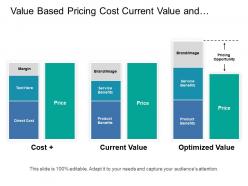
Value based pricing cost current value and optimized value

Rating:
90%
Value based pricing cost current value and optimized value
Slide 1 of 5

or

Favourites Favourites

Try Before you Buy Download Free Sample Product

Audience Impress Your
Audience
Editable 100%
Editable
Time Save Hours
of Time
The Biggest Sale is ending soon in
0
0
:
0
0
:
0
0
Rating:
90%
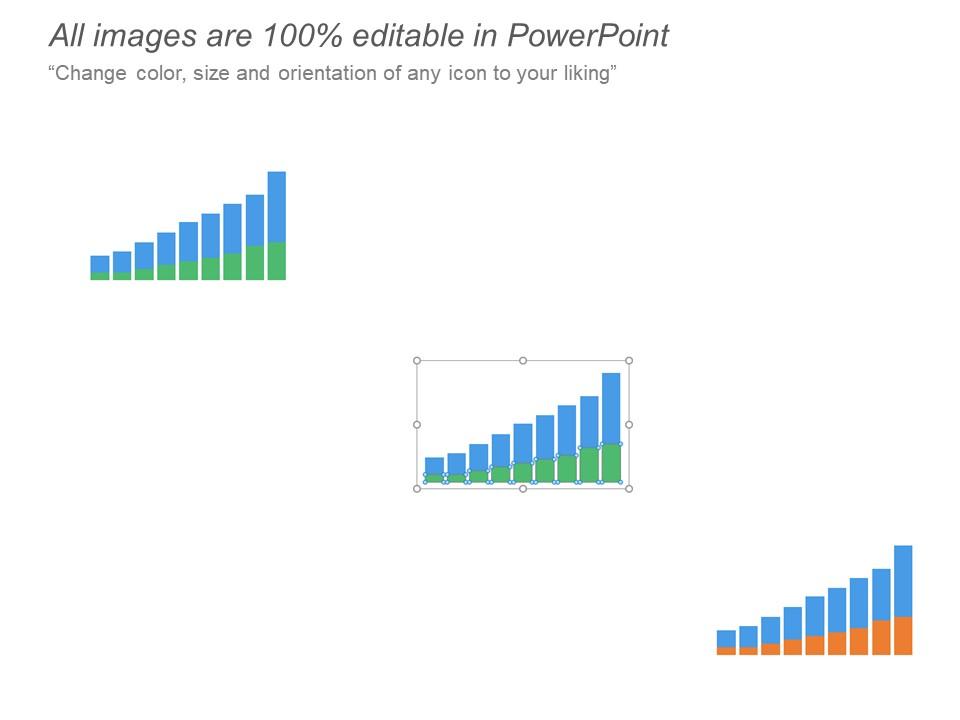
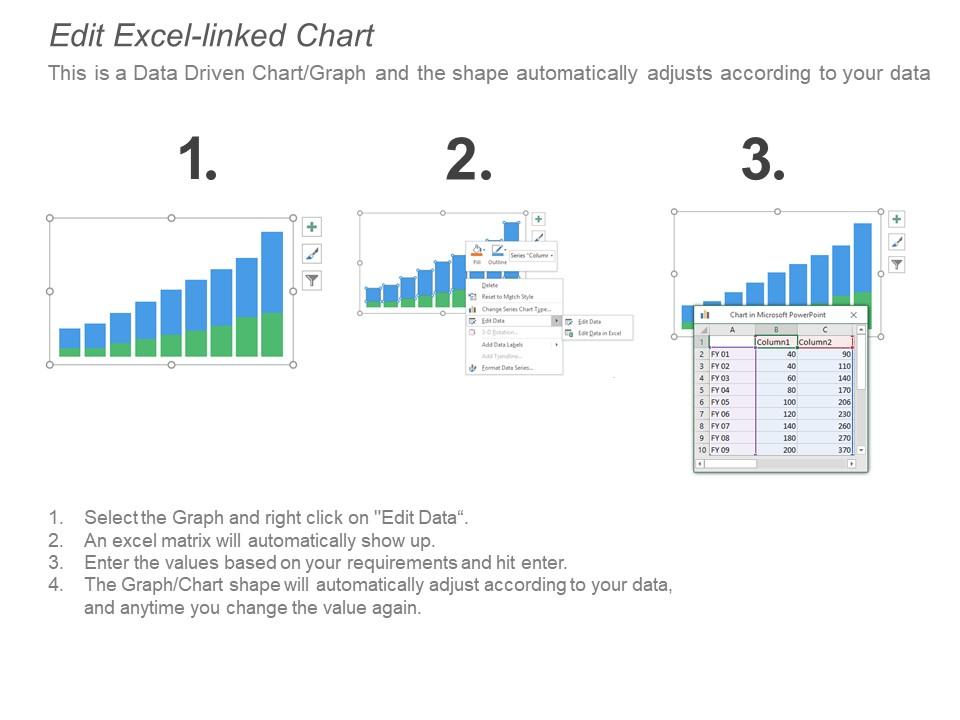
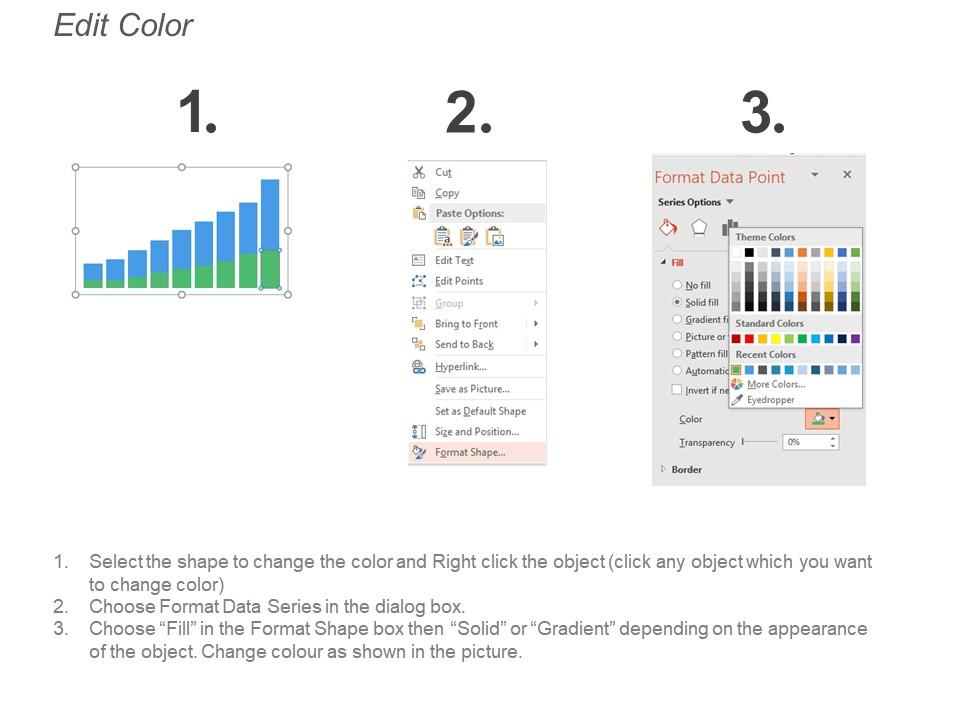
Presenting Value-Based Pricing Cost Current Value And Optimized Value template. This presentation is designed in such a way that it is editable in PowerPoint and other office suites. Customize the font type, size, diagram color, and background color according to your requirement. The slide is supported by Google Slides and can be saved in image formats such as JPG or document formats such as PDF. High-quality graphics and icons ensure that pixelation does not occur when you enlarge their size.

People who downloaded this PowerPoint presentation also viewed the following :

FAQs for Value based pricing cost current value

Value-based pricing sets prices according to perceived customer value rather than production costs, focusing on benefits delivered and competitive positioning. Unlike cost-plus pricing which adds markup to expenses, value-based approaches enable businesses to capture premium pricing through strategic differentiation, with many service industries finding enhanced profitability and stronger customer relationships.

Businesses can determine perceived customer value through comprehensive market research, direct customer surveys, competitive analysis, focus groups, and behavioral data analysis. These methods enable companies to understand price sensitivity, feature preferences, and outcome expectations across different customer segments, while many organizations find that combining qualitative feedback with purchasing patterns delivers the most accurate value insights for strategic pricing decisions.

Customer perception of value is influenced by product quality, brand reputation, customer service excellence, competitive positioning, and emotional connection to the brand. These factors work together through market research, customer feedback analysis, and competitive benchmarking, with many organizations finding that consistent delivery across all touchpoints ultimately enhances perceived value and enables premium pricing strategies.

Companies effectively communicate value by clearly articulating specific benefits, quantifiable outcomes, and competitive differentiators through targeted messaging, case studies, and ROI demonstrations. Through strategic storytelling and data-driven presentations, organizations showcase how their offerings reduce costs, increase efficiency, and deliver measurable results, with many finding that transparent value communication builds customer trust and justifies premium pricing.

Market research plays a crucial role in value-based pricing by identifying customer pain points, quantifying willingness to pay, analyzing competitor positioning, and understanding perceived value drivers across different market segments. Through comprehensive research, companies can map specific benefits to pricing tiers, validate value propositions with target audiences, and optimize pricing strategies that align with customer expectations, ultimately delivering competitive advantage and maximized revenue potential.

Value-based pricing strengthens customer loyalty by aligning costs with perceived benefits, creating transparent value exchanges that build trust and satisfaction. When customers see clear connections between pricing and outcomes, especially in sectors like healthcare and professional services, they develop stronger relationships with providers, ultimately reducing churn rates and increasing lifetime value through enhanced perceived fairness.

Industries with high customization needs, complex solutions, and measurable client outcomes benefit most from value-based pricing, including consulting, software development, healthcare, pharmaceuticals, and professional services. These sectors can directly link their offerings to client results, revenue generation, or cost savings, with many consulting firms and SaaS companies finding that this approach significantly enhances profitability while strengthening long-term client relationships.

Companies can pivot to value-based pricing by conducting comprehensive customer research to understand perceived value, segmenting customers based on willingness to pay, and gradually testing new pricing structures alongside existing models. This transition requires cross-functional collaboration between sales, marketing, and finance teams, with many organizations finding that pilot programs in specific product lines or customer segments enable smoother adoption while demonstrating measurable revenue improvements.

Common pitfalls include inadequate customer value research, pricing complexity that confuses sales teams, insufficient differentiation from competitors, poor communication of value propositions, and unrealistic pricing expectations. Many organizations struggle with quantifying intangible benefits, while others fail to align internal stakeholders, ultimately missing revenue opportunities and customer retention goals in competitive markets.

Technology and data analytics enhance value-based pricing by enabling real-time market analysis, customer behavior tracking, and predictive modeling to optimize pricing decisions. Through AI-powered platforms and advanced analytics, businesses can identify price sensitivity patterns, segment customers effectively, and adjust pricing dynamically, ultimately delivering improved profit margins and competitive positioning in increasingly data-driven markets.

Businesses should track customer lifetime value, price acceptance rates, profit margins per segment, retention rates, and willingness-to-pay indicators through surveys and purchasing behavior analysis. These metrics enable organizations to measure pricing effectiveness across different customer segments, with many companies finding that tracking value perception alongside financial performance delivers deeper insights into competitive positioning and long-term profitability optimization.

Value-based pricing strategies align with business goals by maximizing profit margins, enhancing customer relationships, and driving sustainable growth through strategic positioning. This approach enables organizations to capture premium pricing for high-value solutions, improve resource allocation toward profitable segments, and build competitive differentiation, ultimately delivering stronger financial performance and long-term market positioning.

Customer feedback directly influences value-based pricing adjustments through satisfaction surveys, purchase behavior analysis, willingness-to-pay studies, feature usage data, and competitive comparison insights. This feedback enables businesses to recalibrate pricing tiers, modify service bundles, and realign value propositions with actual customer perceptions, with many organizations finding that regular feedback integration delivers more accurate pricing strategies and enhanced customer retention.

Competitive pricing strategies can both challenge and enhance value-based pricing implementation by forcing organizations to clearly articulate their unique value propositions, differentiate offerings through superior service or innovation, and justify premium pricing through demonstrable outcomes. While competitive pressures may initially constrain pricing flexibility, they ultimately strengthen value-based approaches by compelling businesses to deliver measurable results that customers willingly pay premiums for.

**INPUT**: What tools or resources can help businesses transition to a value-based pricing model? **OUTPUT**: Tools for transitioning to value-based pricing include customer analytics platforms, pricing optimization software, CRM systems, value assessment frameworks, and competitive intelligence tools. These resources enable businesses to quantify customer outcomes, track value delivery, and optimize pricing strategies across different segments, with many organizations finding that strategic implementation delivers enhanced profitability and stronger customer relationships. *[Word count: 55 words]*

Ratings and Reviews

90% of 100
Review Form
Write a review
Most Relevant Reviews
  1. 80%

    by Richard Scott

    Informative design.
  2. 100%

    by Daniel Mcdonald

    Great product with effective design. Helped a lot in our corporate presentations. Easy to edit and stunning visuals.

2 Item(s)

per page: