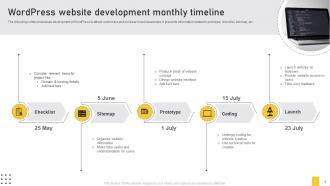
Website Development Timeline Powerpoint Ppt Template Bundles

Rating:
80%
Website Development Timeline Powerpoint Ppt Template Bundles
Slide 1 of 15
Favourites Favourites

Try Before you Buy Download Free Sample Product

Audience Impress Your
Audience
Editable 100%
Editable
Time Save Hours
of Time
The Biggest Sale is ending soon in
0
0
:
0
0
:
0
0
Rating:
80%
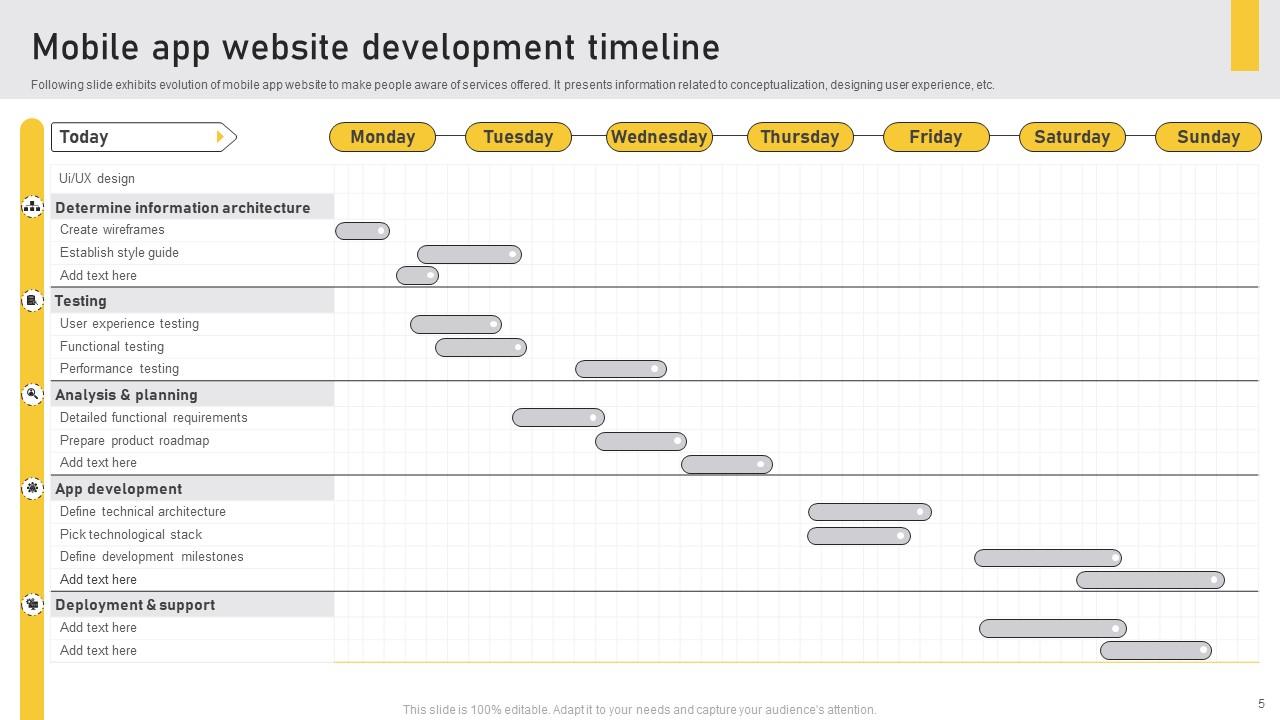
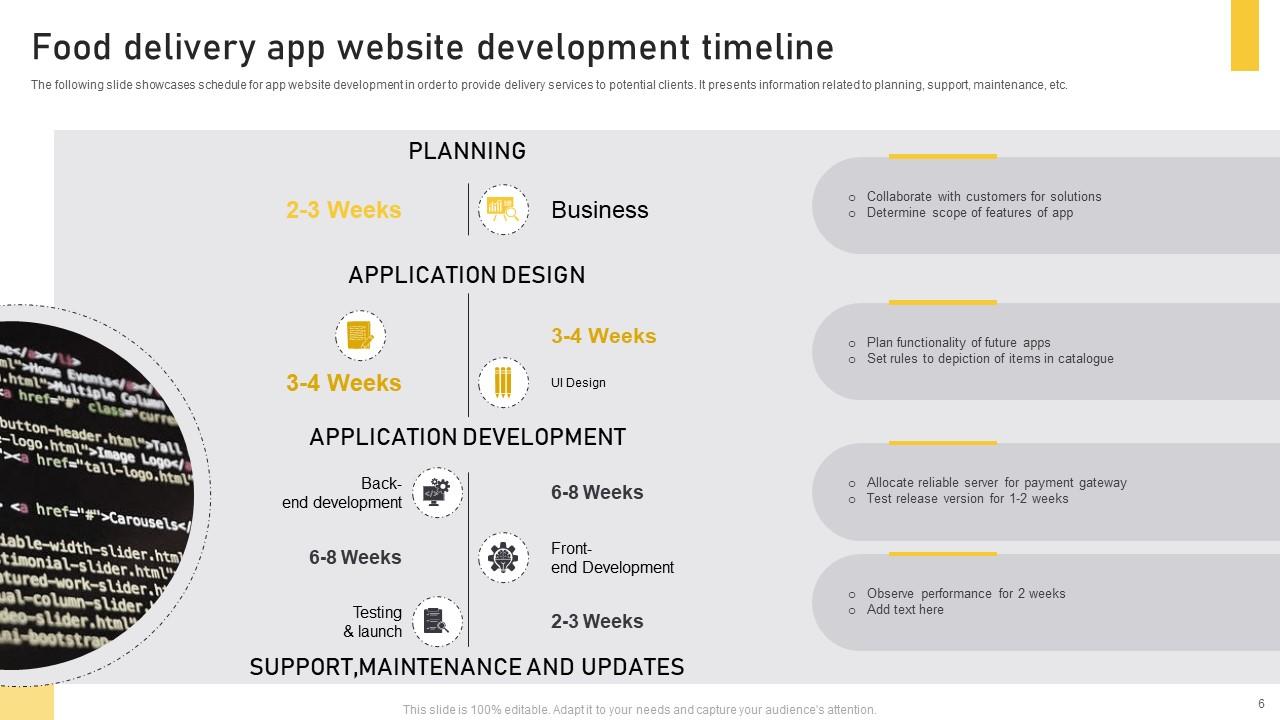
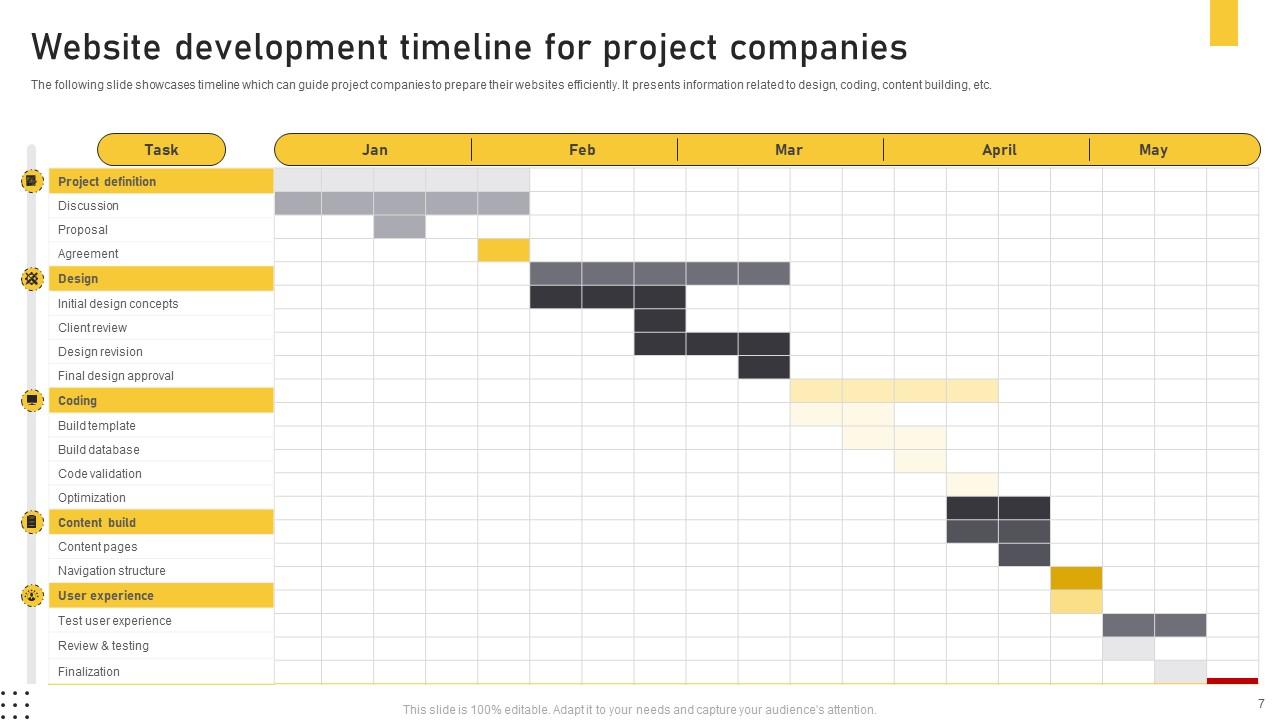
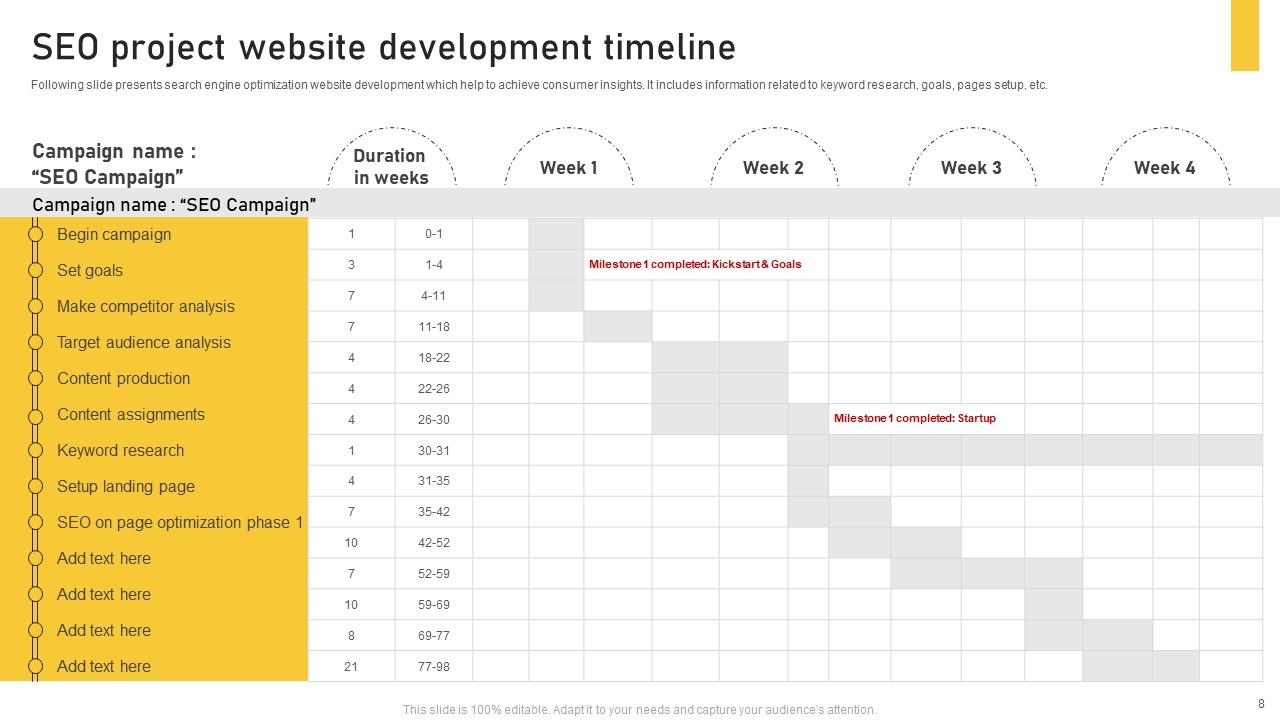
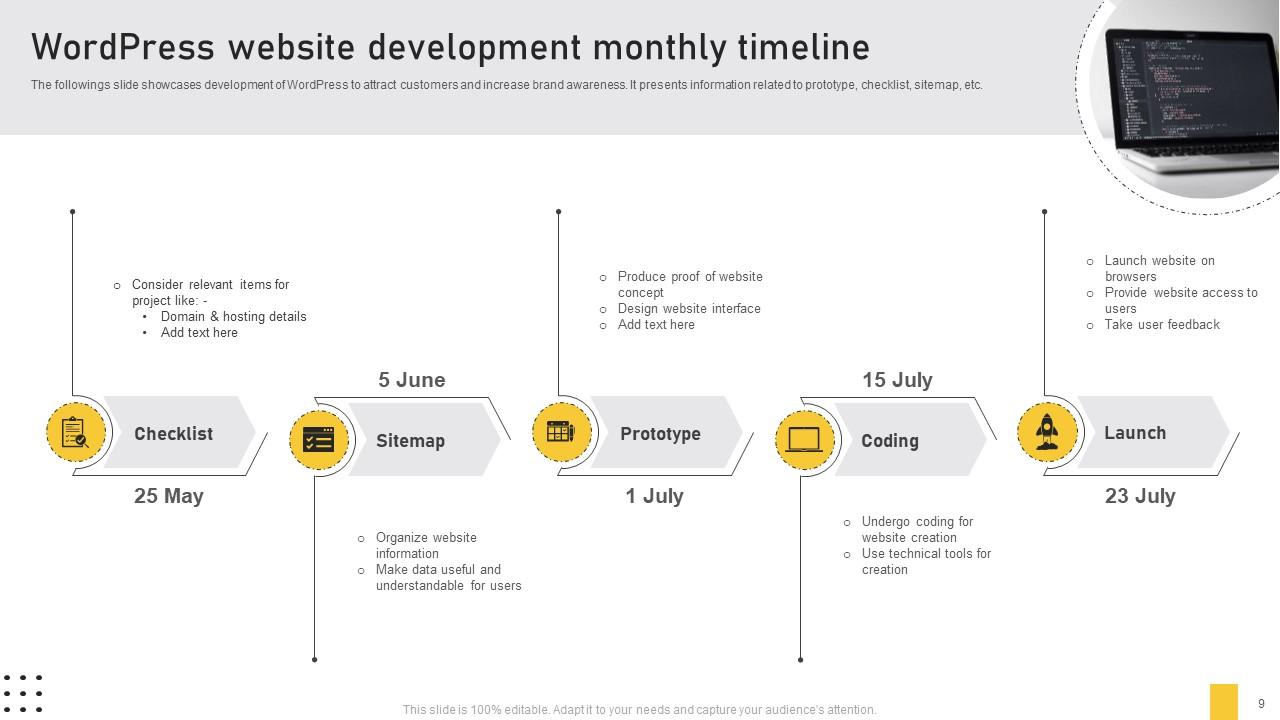
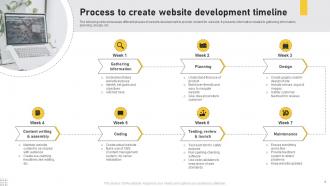
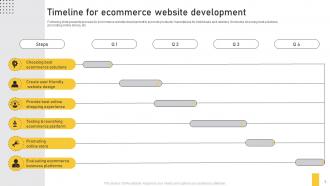
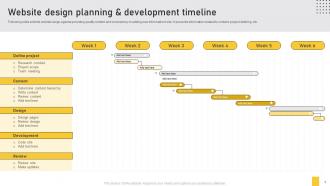
Deliver a credible and compelling presentation by deploying this Website Development Timeline Powerpoint Ppt Template Bundles. Intensify your message with the right graphics, images, icons, etc. presented in this complete deck. This PPT template is a great starting point to convey your messages and build a good collaboration. The ten slides added to this PowerPoint slideshow helps you present a thorough explanation of the topic. You can use it to study and present various kinds of information in the form of stats, figures, data charts, and many more. This Website Development Timeline Powerpoint Ppt Template Bundles PPT slideshow is available for use in standard and widescreen aspects ratios. So, you can use it as per your convenience. Apart from this, it can be downloaded in PNG, JPG, and PDF formats, all completely editable and modifiable. The most profound feature of this PPT design is that it is fully compatible with Google Slides making it suitable for every industry and business domain.

FAQs for Website Development Timeline Powerpoint

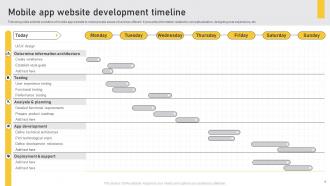
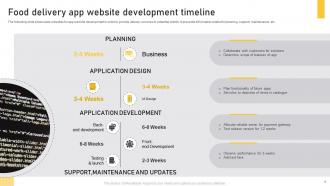
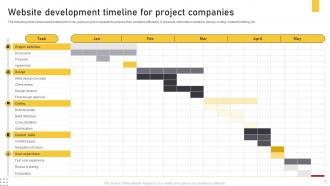
Website development typically involves discovery, design, development, testing, and deployment phases, each crucial for a successful launch. These stages streamline project management by defining scope, creating wireframes, coding functionality, ensuring quality, and ultimately delivering a user-friendly online presence, with many organizations finding that phased approaches minimize risks and accelerate time-to-market.

Project scope and requirements gathering significantly impact website development timelines by defining deliverables, functionalities, and integrations, while incomplete or frequently changing requirements present both challenges and opportunities. Thorough upfront planning, encompassing detailed user stories and use cases for sectors like retail and finance, streamlines development by minimizing revisions, ultimately delivering faster project completion and reduced costs with many organizations finding that clear documentation saves up to 20% of the total project timeframe.

Wireframes and prototypes are crucial in website development, outlining site structure, user flow, and visual design before coding begins. These deliverables present both challenges and opportunities, enabling stakeholders to visualize the final product and provide feedback, ultimately minimizing costly revisions later in the process. With many agencies finding that detailed upfront planning streamlines development by 20-30%, they enhance collaboration between designers, developers, and clients, ultimately delivering a user-centric and efficient online experience.

A content management system (CMS) can significantly affect website development timelines by streamlining content creation, simplifying updates, and accelerating deployment, while also presenting both challenges and opportunities regarding customization. Utilizing platforms like WordPress, Drupal, or Joomla enables faster iteration through pre-built templates and plugins, with many organizations finding that front-end development time is reduced by as much as 40%, ultimately delivering enhanced agility and reduced costs.

Website design and development timelines depend on factors like project scope, content complexity, feature integrations, and the chosen platform—WordPress, Shopify, or custom coding. These elements impact timelines by requiring detailed planning, iterative design phases, and rigorous testing, with many organizations finding that clear communication streamlines the process. Ultimately delivering faster launch times and reduced development costs, while ensuring a scalable and user-friendly online presence.

Client feedback and revision cycles significantly influence website development timelines by introducing iterative loops for design and functionality adjustments. While crucial for ensuring client satisfaction, these cycles can extend project durations, requiring careful management of expectations and scope creep. With many agencies finding that proactive communication, clearly defined feedback stages, and efficient revision protocols streamline this process, ultimately delivering a polished product and fostering long-term client relationships.

Website development timelines often face delays due to scope creep, poor communication, and inadequate planning, alongside unforeseen technical challenges and content bottlenecks. These issues present both challenges and opportunities, with many organizations finding that detailed project management, clear stakeholder alignment, and agile methodologies streamline workflows, ultimately delivering projects on time and within budget, enhancing operational efficiency.

Website testing and launch require meticulous time management through phased deployments, rigorous user acceptance testing, and detailed contingency planning. These technologies streamline workflows by automating regression tests, prioritizing critical bug fixes, and enabling continuous integration, ultimately delivering faster time-to-market and enhanced user experiences. With many financial services and healthcare institutions finding that proactive monitoring minimizes post-launch issues, teams can ensure a seamless transition while maximizing operational efficiency.

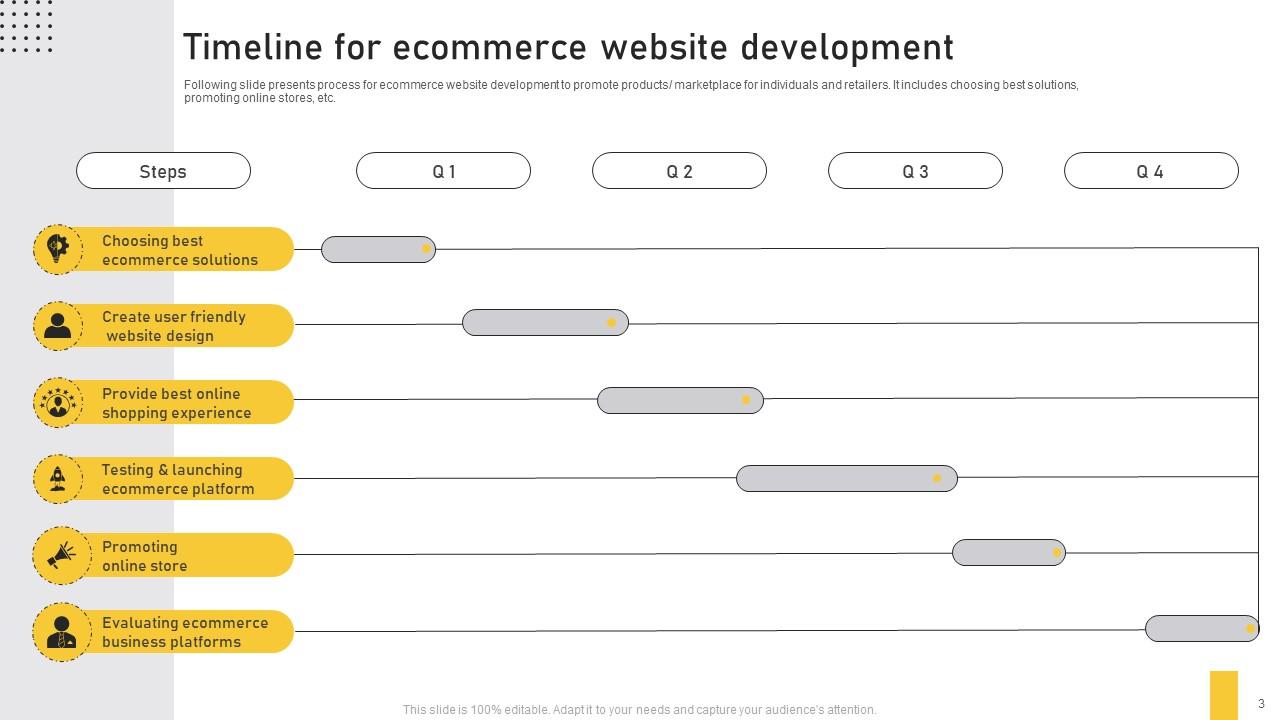
E-commerce websites typically require 3-6 months for development, encompassing secure payment gateway integration, product catalog management, and shopping cart functionality, while standard informational sites average 1-3 months focusing on content delivery and basic SEO. These timelines reflect the increased complexity, with many retail and financial services organizations finding that thorough testing and robust security measures are crucial for successful launches, ultimately delivering enhanced customer trust and streamlined online transactions.

Team size and expertise significantly impact website development timelines by influencing project speed, quality, and complexity. While larger teams can accelerate tasks like coding and design, they also present challenges and opportunities regarding communication and coordination. Experienced developers, designers, and project managers streamline processes by leveraging best practices, ultimately delivering faster turnaround and enhanced functionality, with many organizations finding that skilled teams minimize costly revisions and ensure timely launches.

Website development benefits from tools like Figma for design, React for front-end development, and Node.js for back-end operations, alongside project management software such as Asana or Jira. These technologies streamline workflows by enabling collaborative design, component-based coding, and efficient task allocation, ultimately delivering faster project completion and reduced operational costs with many agencies finding that agile methodologies further accelerate timelines.

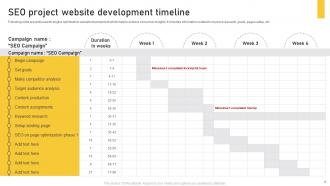
SEO is critically important in early website development, influencing timelines by necessitating keyword research, content planning, and technical optimization from the outset. While adding complexity, integrating SEO early streamlines future marketing efforts, enhances organic visibility, and avoids costly rework later, with many organizations finding that proactive SEO delivers significantly faster results.

Effective website development communication strategies include weekly progress updates, dedicated project management software, and scheduled video conferences, alongside prompt responses to inquiries. These technologies streamline feedback loops by fostering transparency, minimizing misunderstandings, and enabling quicker decision-making, ultimately delivering projects on time and within budget with many organizations finding that consistent engagement enhances client satisfaction.

Website maintenance and updates should be factored into the initial development timeline through dedicated sprints for content refreshes, security patches, and plugin updates. These ongoing tasks streamline operations by proactively addressing vulnerabilities, enhancing user experiences, and ensuring compatibility, with many organizations finding that a 10-20% buffer delivers long-term stability and minimizes costly disruptions.

Agile methodologies in website development timelines enhance flexibility, accelerate delivery, and improve collaboration between teams, ultimately reducing time-to-market. While traditional methods often present rigid schedules, Agile enables iterative progress with frequent feedback, allowing for adjustments based on evolving client needs and market demands. With many financial services and retail organizations finding that this approach streamlines workflows by 20-30%, it delivers enhanced customer experiences and a significant competitive advantage.

Ratings and Reviews

80% of 100
Review Form
Write a review
Most Relevant Reviews
  1. 80%

    by Chester Kim

    Happy to incorporate such stunning templates in my presentation. Made my presentation look professional and engaging. 
  2. 80%

    by Edgardo Chapman

    The pricing page of this website is very sorted. I felt no pain while buying the PPTs.

2 Item(s)

per page: