


 0 Comment
 Customer Reviews

To grow one’s business, it is pertinent to have a strong social media presence. A strong product will be insufficient if it is not backed by a good footing on social media. Media outreach via identification of the right channels helps in curating a content style that caters to the product needs of the business. Earned media coverage enhances brand awareness, visibility and creates public awareness. Endorsements done for brands by top media companies, influencers, and bloggers establish a good image around the brand. All of these act as a major marketing strategy to grow.
A company can get a strong footing for its business with the right set of social media activities. With the right kind of Public Relations team, one can chart out press releases, social media content successfully that would garner the attention of the masses. There are numerous ways in which you can establish a strong social media footing and garner the right kind of attention for your business.
Our customized templates will help you in the process and help curate the right kind of strategies to build a strong footing. Continue reading to see more of it!
Template 1: Strategies for Positive Public Relations and Media Outreach
This template gives a glimpse of different strategies of public relations and media outreach for travel businesses that help in increasing lead generation and building brand loyalty. The strategies that are included are media relations, press releases, events, etc. The table in the template shows characteristics like description, types, strategy, and goals. Media relations can involve pitching to travel journalists and bloggers, building relationships with journalists, media contacts, and this facilitates the goal of better visibility and credibility. Press release columns will help you plan out the types of announcements, packages, and strategies that can be used in writing compelling press releases, etc. The goal is to generate media coverage and build awareness of the travel agency’s offerings. Events can be planned in the same way to build better relations and brand visibility.

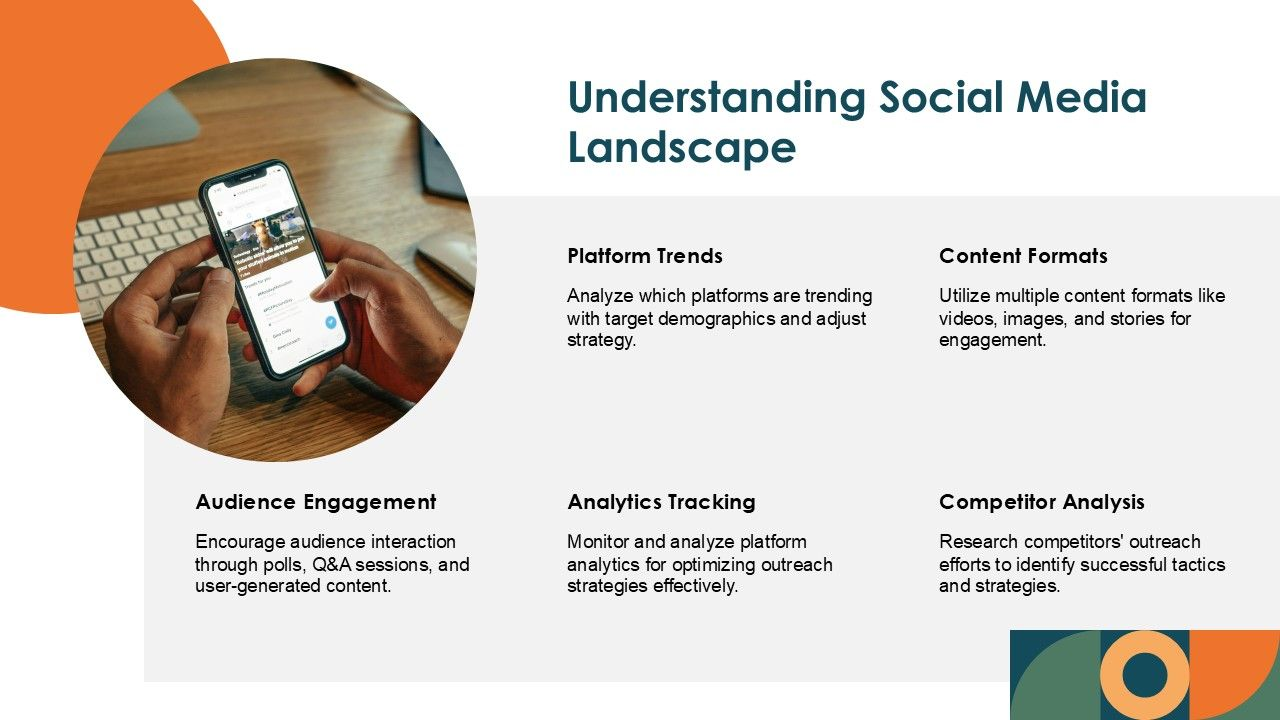
Template 2: Understanding Social Media Landscape
This template helps in understanding the social media landscape that’s crucial to building strong functionality online. Analysis of platforms and seeing which ones are trending helps to reach out to the right demographics. Videos, images and stories can be used post deciding on a suitable content format and doing content marketing accordingly. Further, polls, Q&A sessions serve as good audience engagement tools. Monitoring and tracking platform analytics helps in optimizing outreach strategies. Since competitors exist, thorough research on customers’ outreach helps in identifying successful tactics and strategies that are up and thriving.
Template 3: Identifying Target Audience on Social Media
No business can thrive if one fails to identify and analyse the target audience well. This template will help you curate a framework to identify the target audience, which starts from awareness. Once the customers discover the product through social media advertising, user engagement around the content starts. Post this, every audience evaluates various product features and benefits over what your competitors are offering. Users indicate purchasing intent via requests for demos or questions. Once this entire chain of analysis and decision-making ends, the purchase is completed.

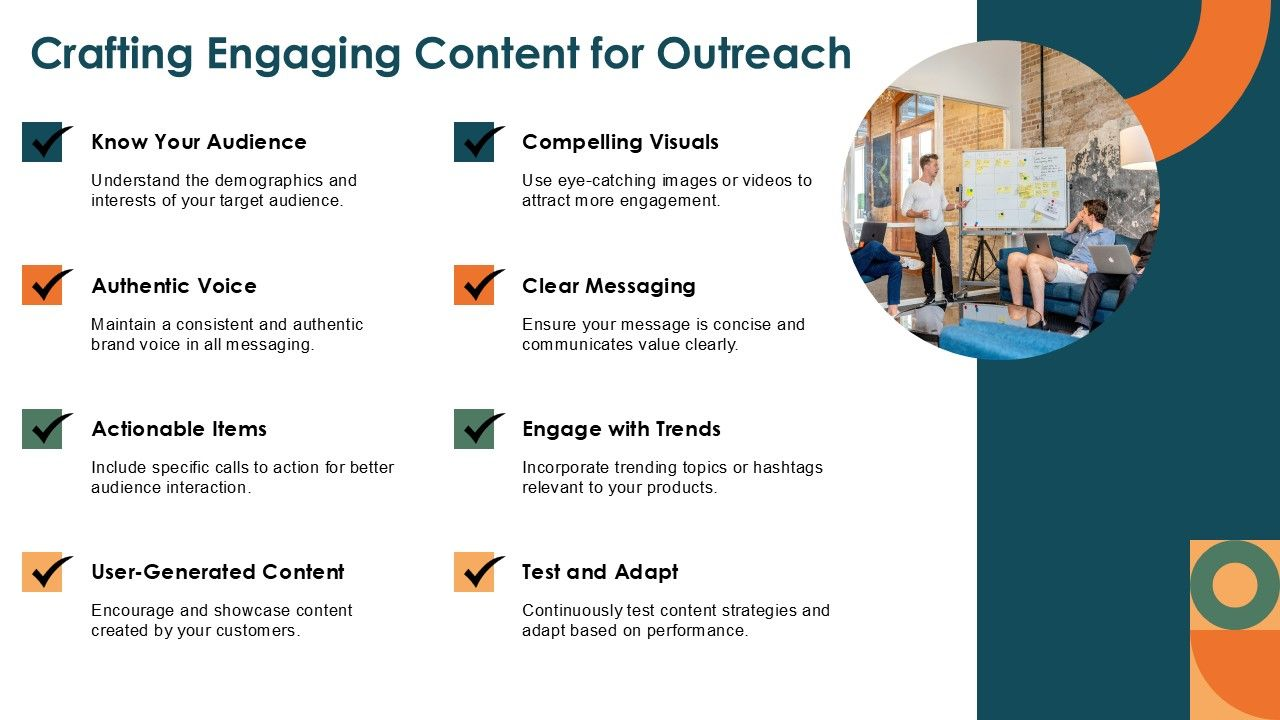
Template 4: Crafting Engaging Content for Outreach
This template helps you in curating engaging content for outreach. The first step before any action is understanding the audience, the demographics, interests, etc. Maintaining a consistent brand voice along with compelling visuals sets the tone clearly. It is crucial to keep catching up with trends and incorporating them as per the relevance of products. Content that is created by customers helps in building trust and authenticity. It is important to continuously test content strategies and adapt based on performance analysis.
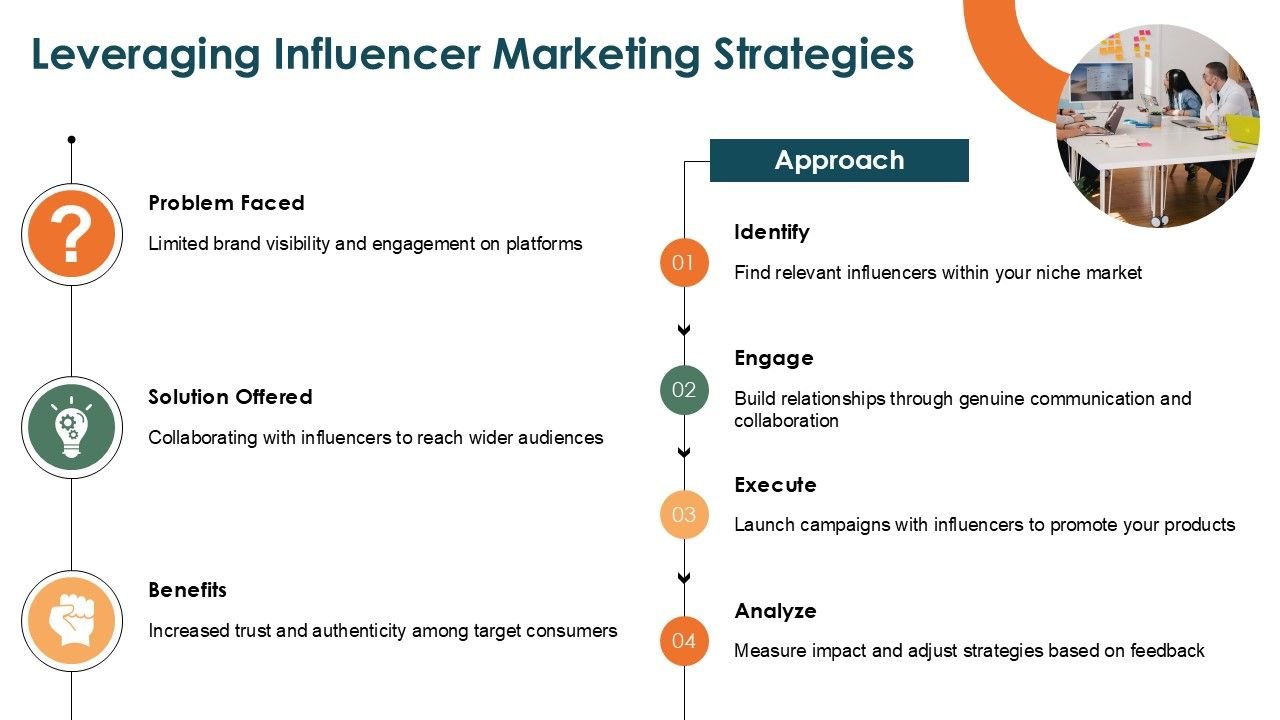
Template 5: Leveraging Influencer Marketing Strategies
Social media has seen immense growth, and marketing has seen a shift to promotions by influencers. If you are a brand that has limited brand visibility and engagement, one solution can be collaborating with influencers to reach a wider audience. This enhances trust and authenticity among a larger target group. The approach to this involves identifying relevant influencers, building genuine communication and collaboration, launching campaigns with influencers via influencer outreach programs to promote products and finally analyzing the level of impact and adjusting strategies based on feedback.
Template 6: Community Engagement and Interaction
This template helps in checking if community engagement and interaction are on track. Feedback encourages users to share product experiences. Apart from this, Live Q&A, prompt response to comments, inviting customers to share photos using products, running engaging contests, collaborating with influencers, tips sharing by customers and utilising social media polls to gauge customer preferences are impactful ways to keep updated on the preferences of customers.

Template 7: Cross-Promotion Across Different Platforms
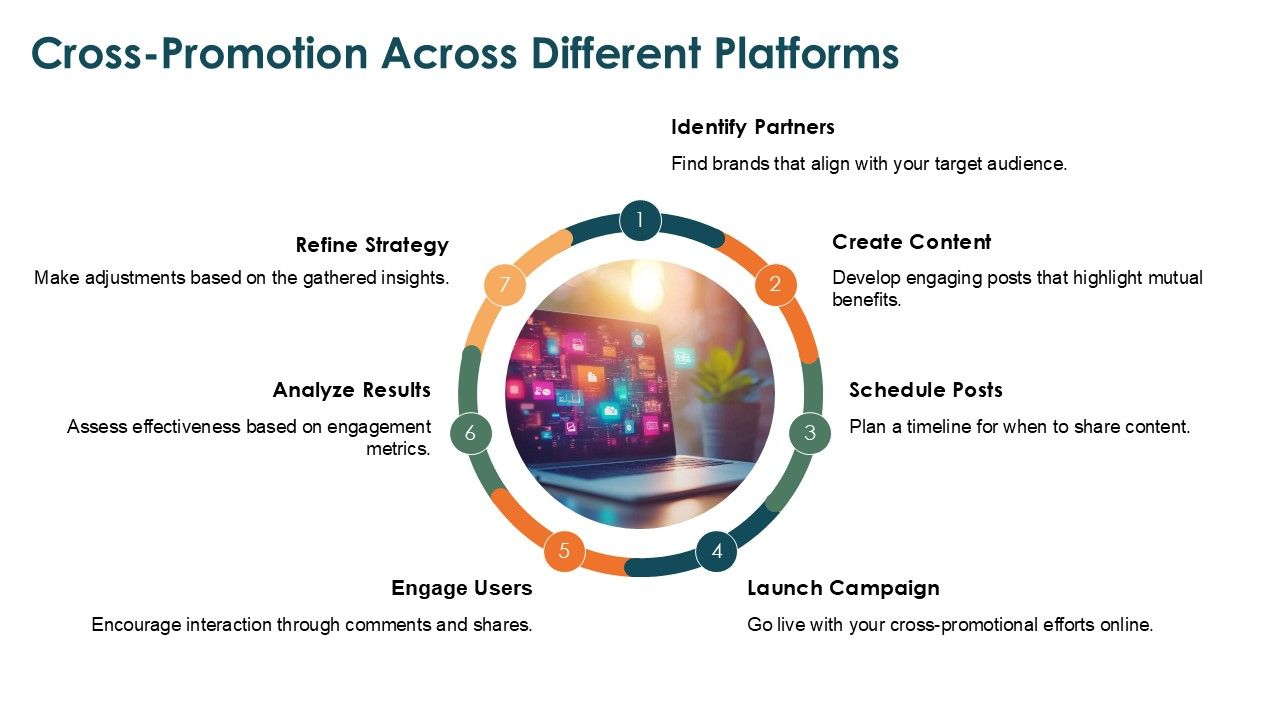
It is important to find brands that align with the target audience. Quality Content is everything, so developing engaging posts that highlight mutual benefits is helpful. Planning a timeline for when to share content streamlines operations. Launch campaigns should be such that it encourages online interactions through comments and sharing. Assessing the effectiveness based on engagement metrics and refining strategies helps in making adjustments to the process based on the gathered insights.
Template 8: Tools for Social Media Management
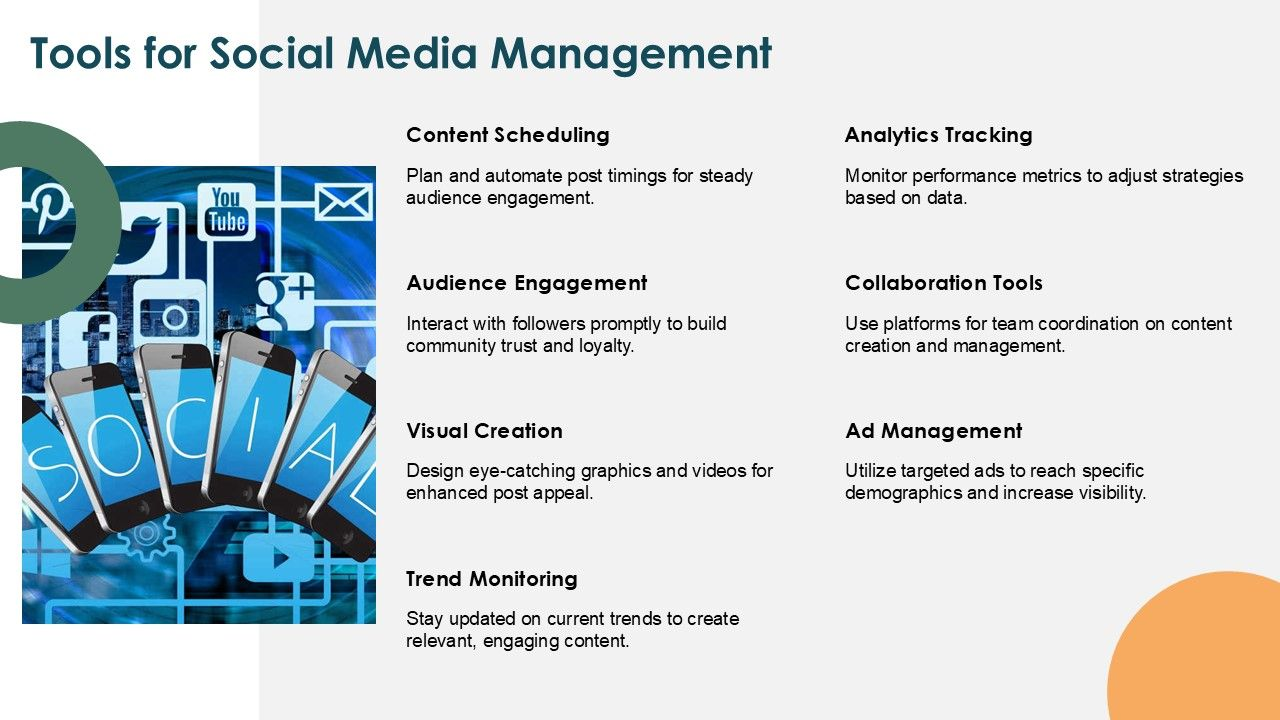
Implementing social media strategies skillfully requires experience. This template makes things easier for you in terms of planning - content scheduling, audience engagement planning, visual creation, trend monitoring, analytics tracking, collaboration tools, and ad management - includes utilizing targeted ads to reach specific demographics and increase visibility. It is pertinent to stay updated with the fast-changing trends. This helps in keeping the attention of the audience intact and helps them hold onto the brand for a longer time. Digital marketing is crucial and has to be included in the workflow at all costs.
Template 9: Legal and Ethical Considerations in Outreach
This template helps you draw a SWOT analysis. Identification of strength involves immediate communication that fosters a direct connection with the target audience on platforms and social media, allowing for real-time marketing adaptations to trends. Opportunities include leveraging social media, which can increase brand visibility; further collaborations with influencers can help reach new audiences. Limited control over content spread can lead to misinformation about the brand, and managing customer feedback on social media can stand out to be a weakness. Negative public perception and legal issues may arise from improper handling of customer data on social media, which is a major threat.

Template 10: Understanding Platform-specific best practices
This template helps in sorting and under the platform-specific best practices that make work so much easier. The content format chosen should be such that it's visually appealing to the customers. This enables having better engagement and shareability. Identifying peak user activity timings can help achieve optimal post visibility. Encouraging user interactions through polls and questions. Staying updated on trending topics helps align messaging. These hacks work wonders and help you gain good results if executed well.

In this fast-changing world, to thrive, one has to continuously improve and run through the changing patterns that help in securing a strong online footing. We hope these templates will come in handy and you can keep coming back to this space for more!
FAQs on Media Outreach
1.What is media outreach, and why is it important for brand visibility?
The process of building relationships with editors, bloggers, and journalists helps in spreading and presenting the brand’s story through media coverage. Brand visibility helps the company and its product to thrive, even if the market has huge competitors; the right kind of attention can be drawn to the product by a smooth media outreach. It builds immense trust in the brand and helps in cost-effective promotion.
2.How do you create an effective media outreach strategy?
It is crucial to define the product goals. It can be around brand awareness, event promotion, a new product launch, etc. Once this is done, it's important to figure out the target audience, followed by building a media list to whom you can reach out. Personalizing pitches, messages, invites, etc, creates a sense of personal touch and creates value. Multiple channels should be used to communicate and build strong relationships. Following up is the key - keeping a check on responses and subtly following up on responses.
3.What are the best practices for pitching to journalists and media outlets?
Research is the key here. It is important to pitch to journalists and media outlets who can fit your bill as well as their beat. The pitch should be short, focused, the story should be solid and credibility of your brand should be made clear as well. Personalisation should be clearly done to ensure that they feel connected.