

Master Thesis Defense Structure Powerpoint Presentation Slides






Try Before you Buy Download Free Sample Product
 Impress Your
 Audience
 100%
100% Editable
 Save Hours
 of Time


Want a sample masters thesis defense presentation? Do not look any futher as our team of experts have come up with 49 slides ready-made Master Thesis Defense Structure Powerpoint Presentation Slides. These master thesis defense presentation templates is what you want if you are making a presentation for the related topic. There are many visual slides in this PPT sample file like agenda, thesis outline, introduction, literature review, hypothesis, methods, statistical analysis, results, column chart, bar diagram, pie chart, discussion, limitation of your study, conclusions, reference, and many more. Our thesis defense presentation outline will help you to present your topic in a very professional and impactful way. Best part is that all the slides in our thesis presentation ppt samples are fully editable, and you can make changes as per your need and content. These PPT templates will save you time and effort, that you must put in if you need to create a professional presentation from scratch. There are additional slides too like vision, goals and objectives, comparison, financial, quote, dashboard, location, timeline, post it, mind map etc. So, do not wait, just download this Master Thesis Defense Structure Powerpoint Presentation Slides and put your point across to the audience in a professional manner. Our Master Thesis Defense Structure Powerpoint Presentation Slides are highly informative. Acquaint yourself with current events.
People who downloaded this PowerPoint presentation also viewed the following :
Content of this Powerpoint Presentation
To be honored with a doctor’s or even master’s degree, an individual needs to have an impressive thesis defense. A thesis is a research paper that helps you analyze a topic of your study in depth, and naturally, you’d want it to be unique. A professionally-designed thesis defense presentation will help you with this. Generally, the popular structure of a thesis defense consists of a heading, introduction, literature review, research methodology, results, discussion, and conclusion.
Submit your research proposal with our expert-designed presentation templates shown here.
The entire content in your thesis defense should be well-backed by proper research and every detail must be cross-checked. Additionally, as a thesis defender, you need to have clear concepts of your own. In other words, you should be thoroughly invested in preparing it. To reinforce your research work and presentation delivery, check out SlideTeam's Thesis Defense Structure Templates. This complete deck contains amazing graphics and visuals, including tables, charts, and bar graphs to present complex information regarding thesis defense in a clear and concise manner. Scroll to discover the best of the presentation designs that this complete deck has to offer and what makes it the top choice for a graduate student.
Template 1- Master Thesis Defense Structure Template

Are you looking for a sample master thesis defense PPT Presentation? No need to look any further. Introducing this complete deck of Master Thesis Defense Structure PowerPoint Template that summarizes your thesis defense insightfully. This presentation template consists of various slides including agenda, thesis outline, introduction, literature review, hypothesis, statistical analysis, discussion, chats, graphs, limitation of the study, conclusion, reference, and many more. Our thesis defense template helps you present your topic professionally, and you can make changes as needed, as it is fully customizable.
Template 2- Introduction Template
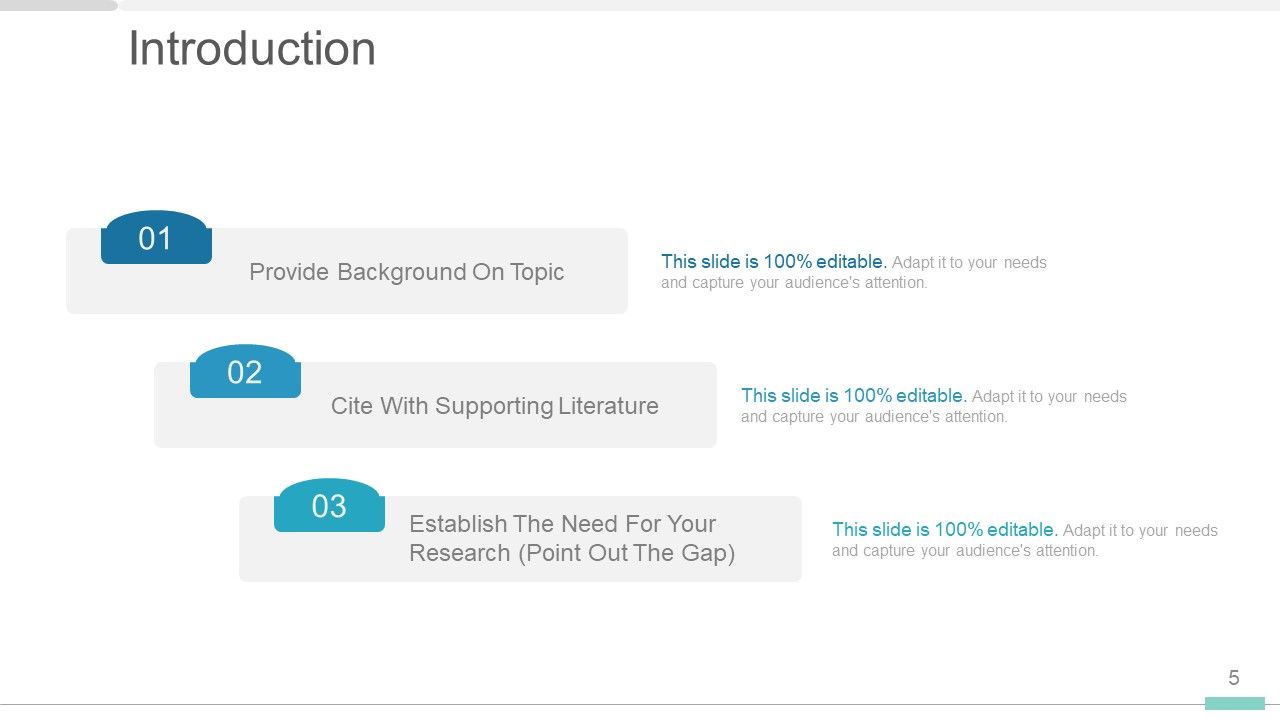
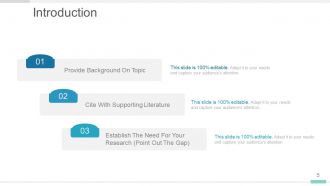
The introduction is the first section of your thesis. The introduction captures the readers' attention and sets the stage for your research with a clear focus, purpose, and direction on a relevant topic. An ideal introduction should include the topic in context, the focus and scope, the relevance of the research, research questions and objectives, and an overview of the structure. Our Thesis Defense PPT Template offers what the introduction of a thesis paper looks like. This slide stresses the background of the topic and cites supporting literature. Also, it establishes the need for your research and points out the gap. Use our PPT Slide to set the stage for your readers.
Template 3- Literature Review Template
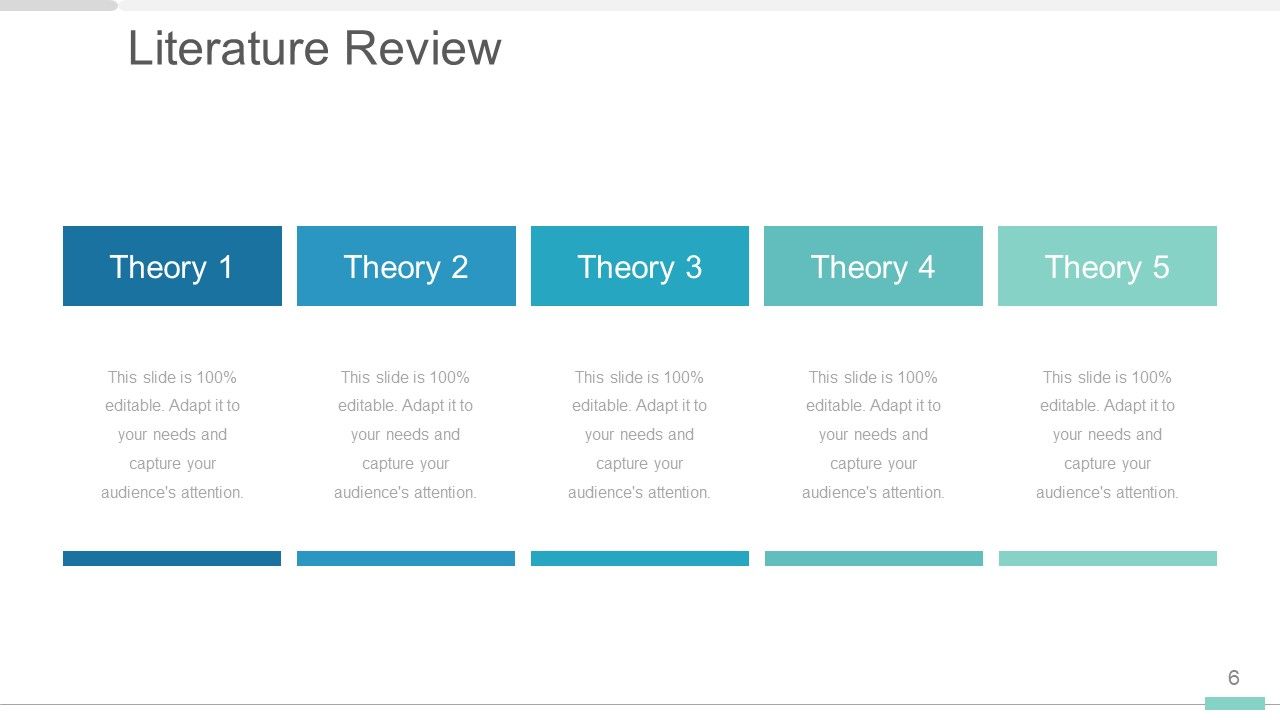
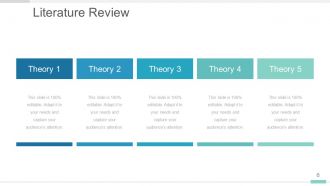
A well-constructed literature review is mandatory for research because it helps you to build a strong foundation for a specific topic. Introducing the Literature Review PPT Template enables you to identify relevant theories, methods ,and gaps in the existing research. This presentation slide showcases the five steps of a literature review: searching for relevant literature, evaluating sources, identifying themes, debates and gaps, outlining the structure, and writing the review. Use our literature review template to analyze, synthesize, and critically assess the clear picture of the subject.
Plan a research roadmap using these dedicated PPT Products to manage your time and resources efficiently.
Template 4- Hypothesis Template
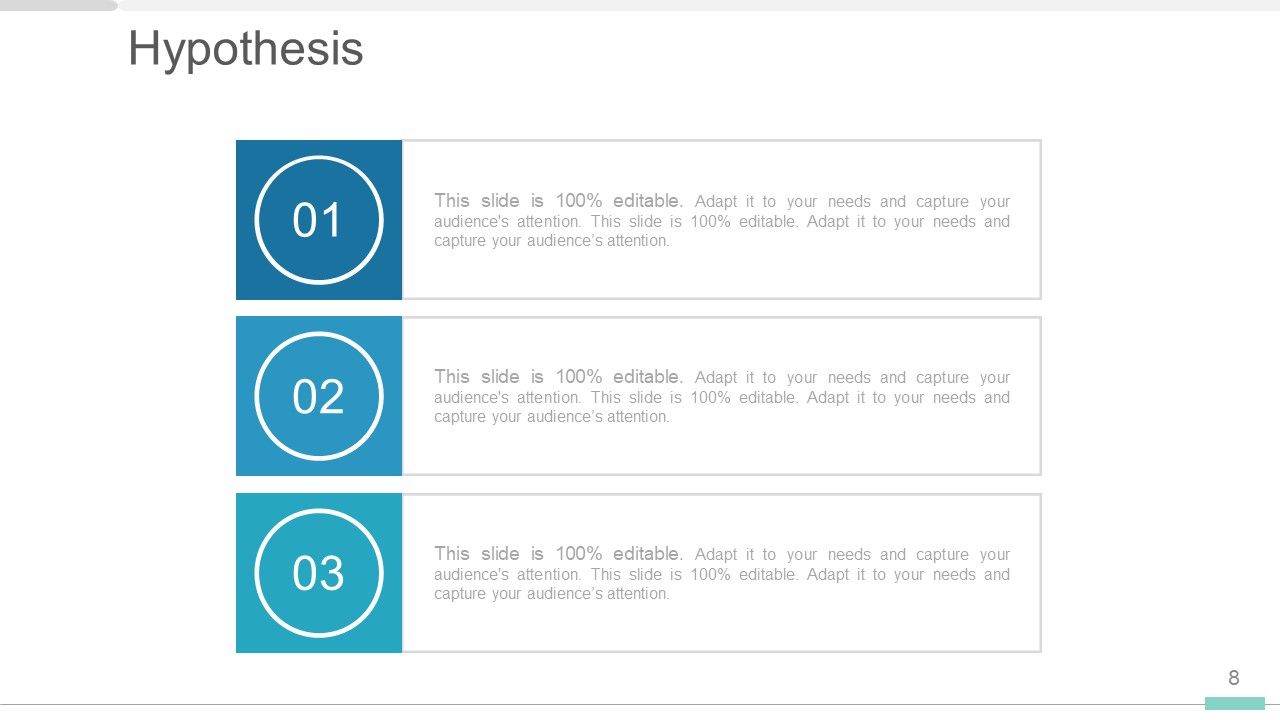
A hypothesis highlights the possible outcome of the experiment. It showcases the relation between the problem and the literature review defined using the hypothesis. Use our hypothesis PowerPoint Template, which is self-explanatory and consistent. This PPT Layout helps you test theories and concepts by formulating hypotheses and also enables you to evaluate the relationships, patterns, or effects between variables. Apart from this, the "hypothesis slide” guides you in selecting appropriate research methods and tools, the choice of which depends upon the specific hypothesis being tested.
Template 5- Methods Template
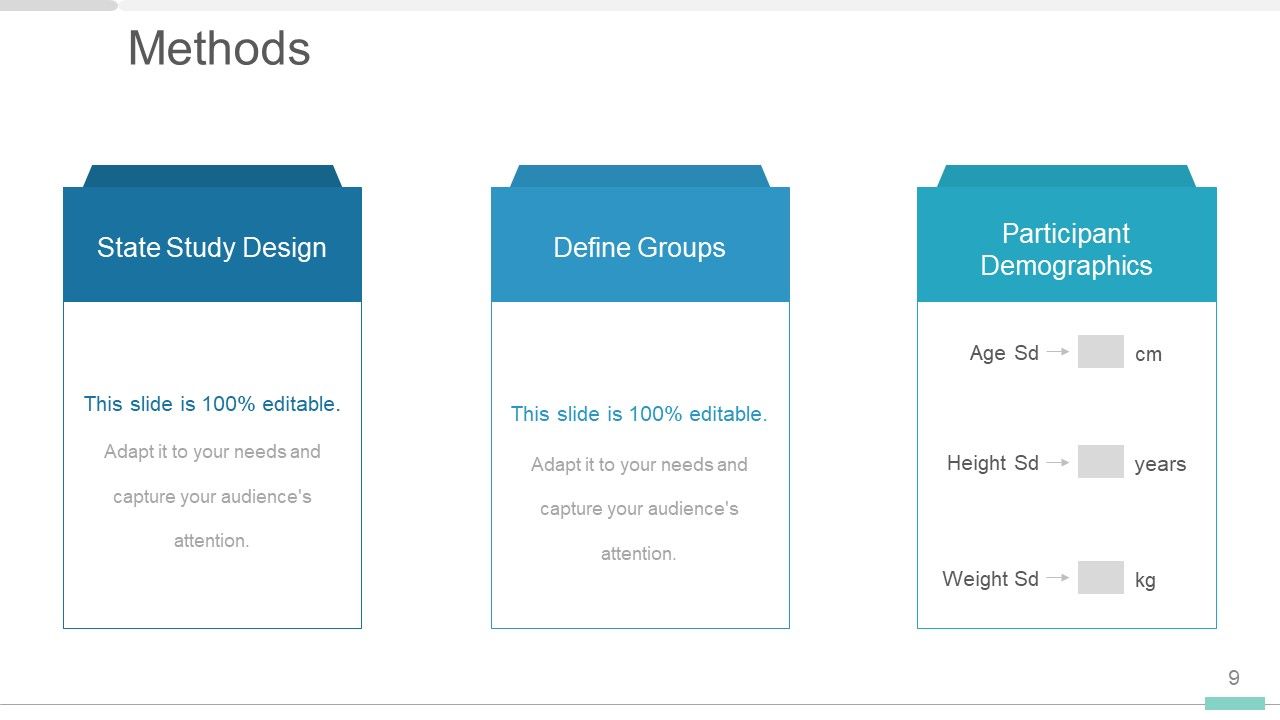
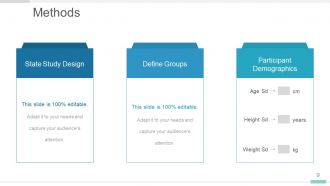
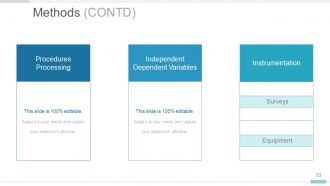
The methods used in a thesis or research are the collection and analysis of data. Establishing the research methods is an integral part of your thesis paper. In our Methods Template, we follow some steps to plan your strategies. It showcases the study design in the first place. Then, groups are defined, and participant demographics are based on age, height, and weight. Moreover, this PPT Design also highlights the procedures of research processing, determining the independent and dependent variables and instrumentation, including surveys and equipment. Use this slide to identify research problems and develop a hypothesis.
Template 6- Statistical Analysis Template
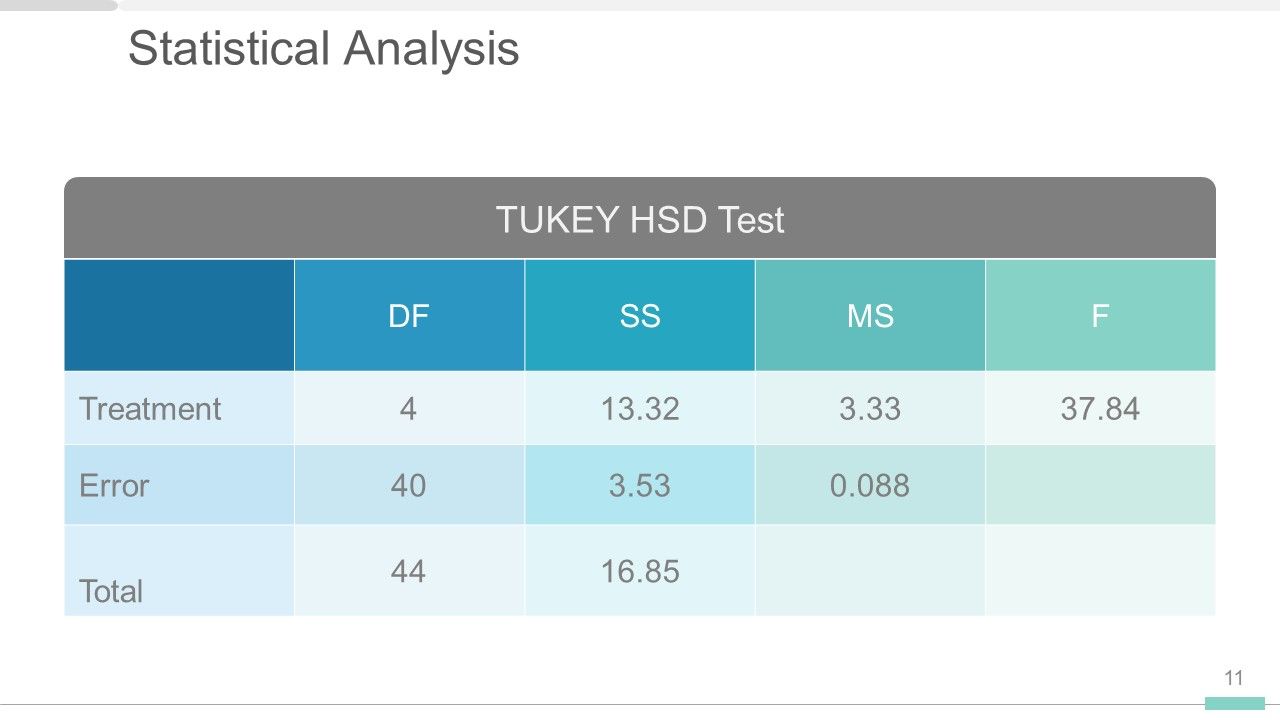
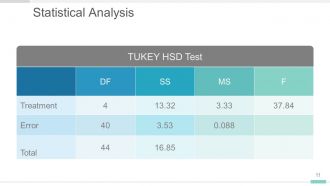
Statistical analysis is a crucial research tool used by research aspirants. Statistical analysis helps you draw valid conclusions with careful planning from the beginning of the research process. To prepare an appropriate statistical analysis, specify your hypothesis, research design, sample size, and sampling procedure. Our professionally designed statistical analysis PPT Framework highlights the significant relationship between two data sets with the help of the Tukey HSD Test. It focuses on treatment and error. Apart from this, statistical analysis also showcases mean difference, standard error, and confidence interval. Therefore, interpret your findings and hypothesis with our statistical analysis template.
Template 7- Results Template
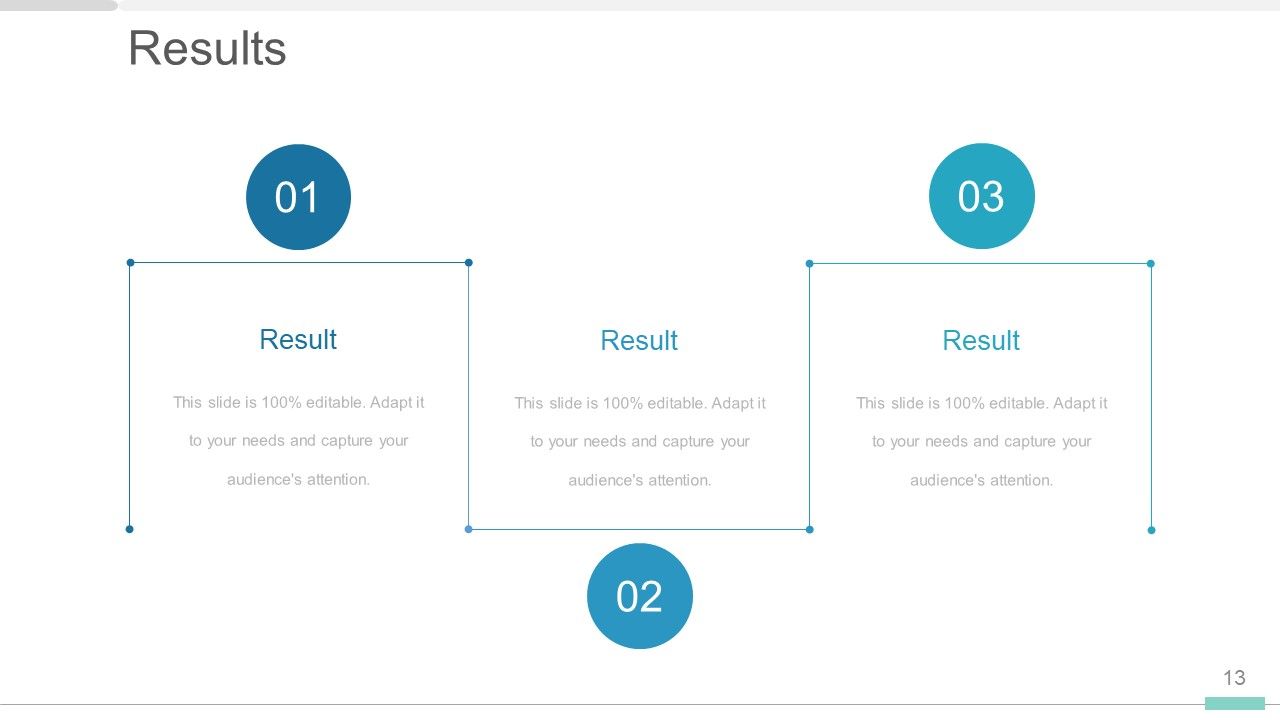
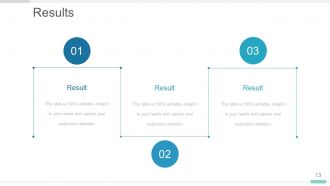
The result segment of a thesis defense paper highlights the study's findings. In this section, the research aspirant reports and investigates the data collected during the survey to derive conclusions. Our customizable Results PowerPoint Template provides an idea of the data collection, statistical analysis performed, and key findings. Use this presentation design to report the data accurately and objectively.
Template 8- Discussion Template
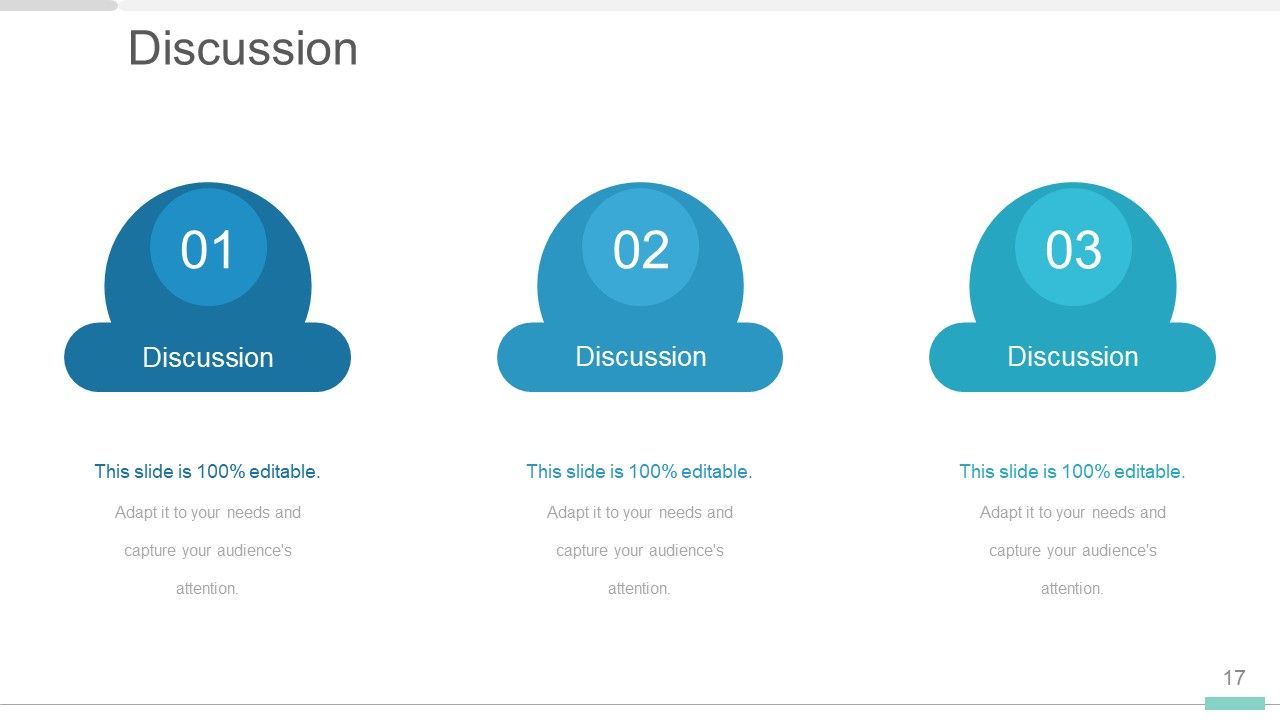
This professionally designed customizable PowerPoint Layout highlights the interpretation and describes the significance of your findings in relation to the investigated research problem. This PPT Slide showcases the explanation and evaluation of your findings and how they relate to your literature review and thesis. Use this presentation slide to make an argument in support of your overall conclusion.
Template 9- Limitations of your Study Template
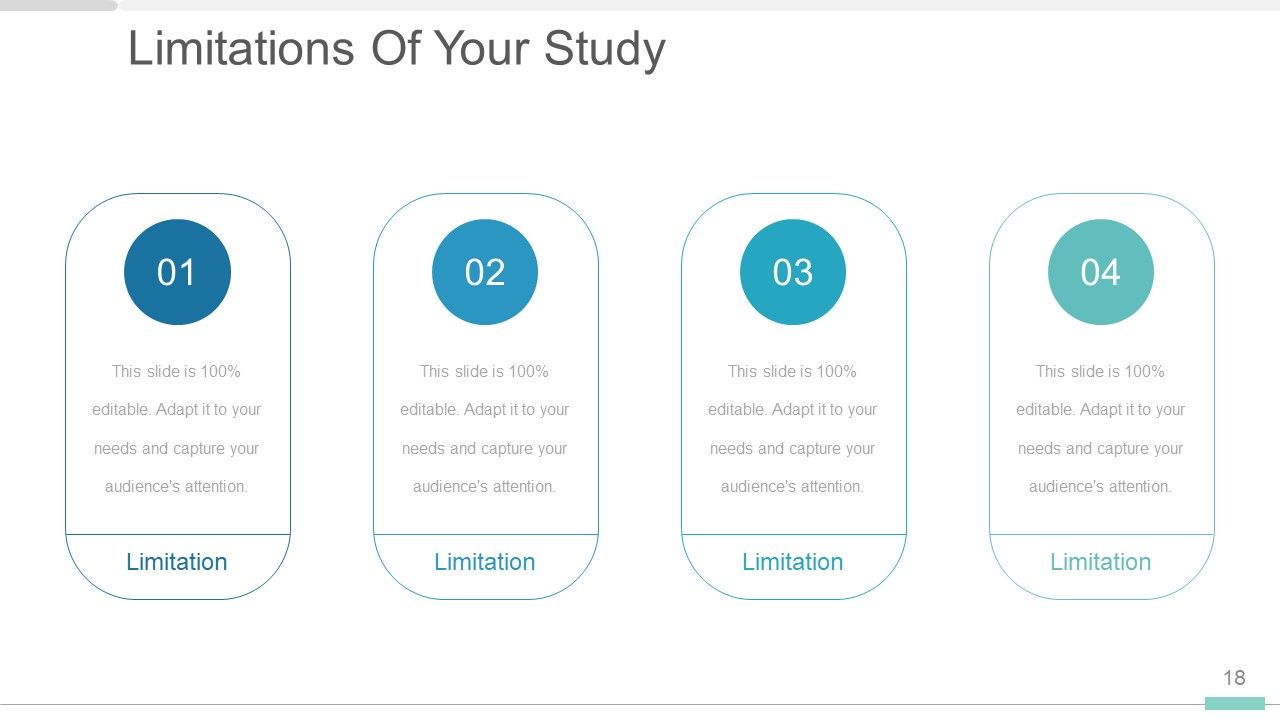
Use the Limitation PPT Template to highlight the weaknesses in your research design or the implementation that may have affected outcomes and conclusions. This PPT Layout helps you to encounter challenges that limit your research efforts. Grab it now.
Template 10- Implications for Future Research Template
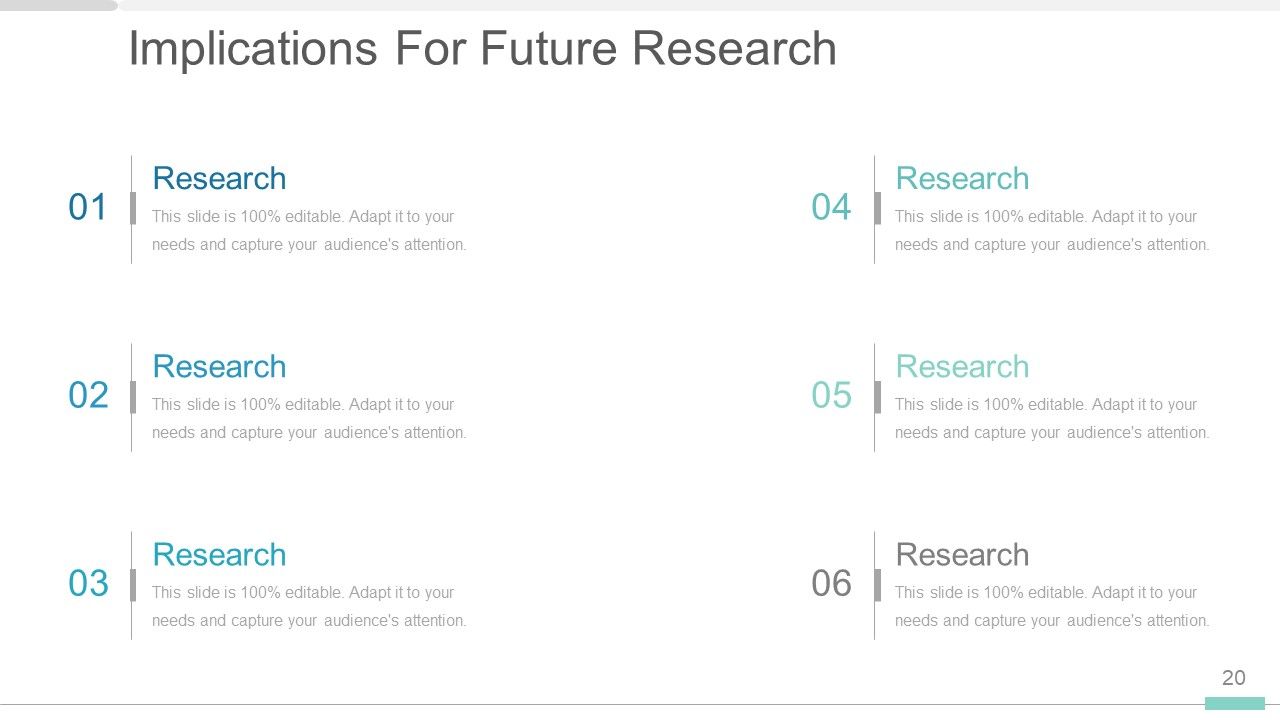
Do you want to guide your future research? Use this Implications for Future Research PowerPoint Template to guide your future research by identifying the areas that need further investigation, pointing out the gaps in current knowledge, and suggesting new directions for research. Grab this presentation layout now.
Conclusion
Justify your perceptions, ideas, and methods for your field of study and elaborate on the insights of the persisting literature and theories related to the topic using these ready-to-use presentation templates. Using the predefined structure of this PPT Presentation, you can easily defend your topic and offer your research and analysis as its justification. Download now.
Master Thesis Defense Structure Powerpoint Presentation Slides with all 49 slides:
Accomplish every goal you aimed for with our Master Thesis Defense Structure Powerpoint Presentation Slides. Achieve what you had intended.
-

Master Thesis Defense Structure
-
Agenda
-
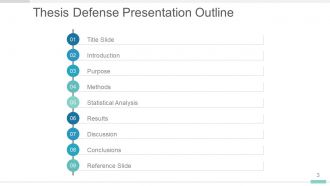
Thesis Defense Presentation Outline
-
Title Slide
-
Introduction
-
Literature Review
-

Purpose Statement
-
Hypothesis
-
Methods
-
Methods CONTD
-
Statistical Analysis
-

Statistical Analysis
-
Results
-
Column Chart
-
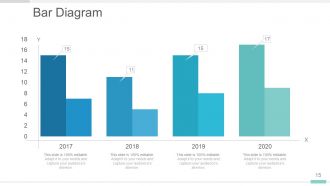
Bar Diagram
-
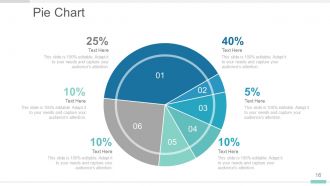
Pie Chart
-
Discussion
-
Limitations Of Your Study
-
Conclusions Findings
-

Implications For Future Research
-
References
-

Any Questions
-

Additional Slides
-
Vision Slide
-

Text Slide Layout 01
-
Text Slide Layout 02
-
Goals Objectives
-
Comparison
-
Financial
-
Quote
-
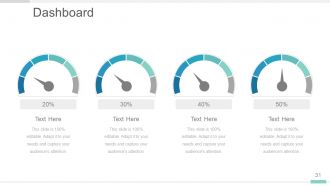
Dashboard
-
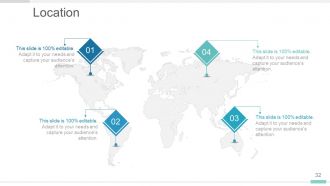
Location
-
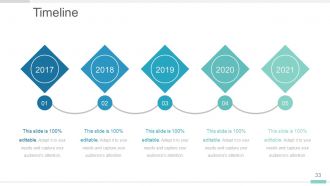
Timeline
-
Post It
-

Newspaper
-
Puzzle
-
Target
-
Circular
-
Venn
-
Mind Map
-

Matrix
-
Master Thesis Defense Structure
-
Silhouettes
-
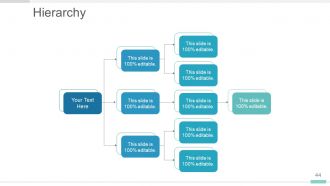
Hierarchy
-
Bulb Idea
-
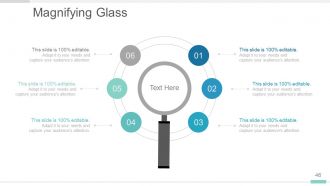
Magnifying Glass
-
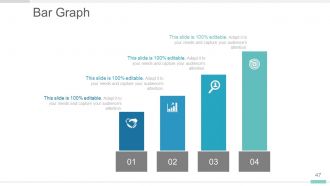
Bar Graph
-
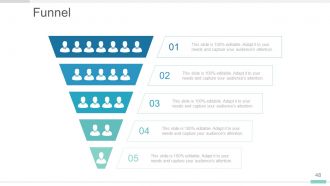
Funnel
-

Thank You Slide
FAQs for Master Thesis Defense Structure
For your defense, cover the problem you're solving and your research goals first. Then walk through your methodology - explain why you picked that approach. Share your main findings with data backing them up. The conclusions should connect back to your original questions. Oh, and definitely include limitations and future research ideas. Committees eat that up honestly. Keep your lit review short since they've read your full thesis already. Most defenses are 15-20 minutes, so time yourself when practicing. The Q&A afterward can get pretty intense, so prep for some curveball questions.
Okay so first thing - explain why anyone should care about your research before you get into the weirdly technical stuff. I always use analogies, like comparing whatever statistical model to following a recipe or something people actually understand. Most committees zone out during methodology anyway, so make it a story instead of just data dumps. Walk them through how you figured things out. Oh and seriously, drop all the fancy academic words even if it feels wrong. I practiced on my roommate first - if she could follow along, I knew I wasn't completely losing people. Short version: make it human.
Dude, run through that presentation like 20 times minimum - I'm not even kidding. Get your lab mates to grill you with random questions beforehand. Show up early on the day so you can mess with all the tech stuff without panicking. Your committee actually wants you to pass, which is weirdly comforting when you think about it. Totally fine to pause and say "good question, give me a sec" if your brain goes blank. Don't speed through your answers either. Oh and bring water - you'll probably need it. You literally know this stuff better than anyone else in that room!
Oh man, you HAVE to prep for the hard questions - honestly it's like 90% of your defense prep. Committee members will totally go after the weak spots in your research and methodology. Trust me, I bombed a few practice rounds before I figured this out! Don't stress about having perfect answers though. Just show you can think critically about your work and own up to the limitations. Figure out the 3-4 most vulnerable parts of your thesis (you know what they are) and practice responding without getting flustered. Also rehearse explaining why you chose your approach over other options.
Honestly, don't underestimate how much your slides matter for defense. I've watched people with amazing research totally bomb because their PowerPoint was a mess – like, we're talking unreadable fonts and chaos everywhere. Your committee needs to follow your logic without getting distracted by visual clutter. Good contrast and spacing make complex data way easier to digest. Clean design guides attention to your key findings. Start simple with one template and stick to consistent colors throughout. Oh, and test readability from across the room – you'd be surprised how many people skip that step.
Look, your committee wants to see you get how your work fits into the bigger conversation. Start with the key studies that got you to your research question, then call out what's still missing or unsolved. I know it feels super obvious to you at this point, but spell it out anyway. Show whether your findings back up, challenge, or build on what came before - and get specific about why that actually matters. Don't just throw around words like "significant." What does this mean for future research or real problems people face? Honestly, half the battle is just practicing how to explain these connections without rambling.
Just be honest and say "I don't know, but let me work through this with you." Way better than fumbling around with some made-up answer. You can usually connect it back to stuff you actually know from your research, or at least explain how you'd figure it out. The committee isn't trying to be evil - they want to see how your brain works when you hit something new. I've watched people completely crash their defense by just making things up on the spot. Don't be that person. Stay calm, show them your thinking process. They actually respect the honesty more than you'd think.
You've got to connect your methods to your actual findings. Explain why you picked your approach - like if you did interviews instead of surveys, mention how that got you way deeper insights even though your sample was smaller. Be honest about what worked and what didn't. I always practiced these explanations out loud because committees love asking "why didn't you just do X instead?" and you don't want to freeze up. The whole thing is really about showing you made smart choices, not perfect ones. Walk them through each decision and how it shaped what you found.
Start with something that grabs them - your biggest finding or a question that makes them think. Don't jump straight into methods, that's boring as hell. Make eye contact and throw in some pauses so your key points actually sink in. Stories work great even for academic stuff! Keep slides visual instead of cramming text everywhere. Move around if you can, it keeps energy up. Oh, and practice those transitions between sections - nothing worse than awkward "um, so next..." moments. Here's what really helped me though: prep 2-3 solid questions for your committee. Shows you're thinking bigger picture and gets them talking instead of just grilling you.
Okay so basically structure it like a story - research question first (why should anyone care?), then methodology, findings, conclusions. Don't just jump around randomly. Oh and do one of those roadmap slides early on because committee members get antsy wondering if you'll ever get to the actual results. Honestly, that little preview saves so much awkward energy in the room. Your conclusion needs to tie back to that opening question - like, what did you actually contribute here? Practice those transitions between sections too. That's where people usually crash and burn because they haven't thought about how everything connects.
Honestly, the worst thing you can do is ramble about methodology when you're nervous - just gets you more flustered. Answer their questions directly instead of dancing around them. Don't take critiques personally either, they're just testing if you actually understand your stuff. Whatever you do, don't memorize some speech because you'll sound like a robot and panic when they interrupt (which they will). Practice explaining things multiple ways so you can roll with it. Oh, and saying "I don't know but here's how I'd figure it out" is totally fine - way better than bullshitting your way through.
Look for patterns first - when multiple people flag the same thing, that's what you fix. Timing's huge too since running over will just mess with your head during the actual presentation. Honestly, I'd do 2-3 practice rounds with different groups if you can swing it. Each audience catches stuff the others miss. Work on those tricky questions they hit you with until your answers don't sound rehearsed. Oh, and write down feedback right after each session - you'll forget the good stuff otherwise. Then just make a simple list and tackle improvements one by one. Way less overwhelming that way.
Start with a clean PowerPoint template - Canva's got some solid academic ones that won't give you a headache. Keep slides visual with charts and diagrams, minimal text. Oh, and get a slide clicker remote if you can - way better than being stuck next to your laptop the whole time. PowerPoint's Presenter Coach is actually pretty decent for timing practice. But honestly? Just rehearse out loud a bunch. I know it feels weird talking to yourself, but record it if possible. You'll catch weird phrasing and spots where you're rushing through stuff.
Plan for about 20-30 minutes, but honestly it depends on your department. Some are stricter than others. You'll want to hit your research question, methods, findings, and wrap-up. Don't stress if complex methods need a bit more time - I've seen defenses go longer and it's fine. Actually, being concise is better anyway since it shows you really get your own work. Oh, and there's usually Q&A after for like 15-30 minutes. Definitely ask your advisor what they expect though, and practice timing it! You don't want to be rushing through your big conclusion moment.
Don't frame limitations like you screwed up - they're just research boundaries. Follow each one immediately with what you actually discovered. Like "My sample was only 200 people, but that let me do deeper analysis and find these three major patterns..." You know what I mean? Never just list what went wrong because honestly, that's giving the committee reasons to tear you apart. Show them you worked smart within real constraints. The whole thing is about proving you get how research works while still being confident about what you contributed. Practice those smooth transitions from limitation straight into your wins.
-
GREAT
-
I love this template
-
Great!
-
Like
-
excellent
-
The Designed Graphic are very professional and classic.
-
Attractive design and informative presentation.