


Disaster Management Powerpoint Presentation Slides





Try Before you Buy Download Free Sample Product
 Impress Your
 Audience
 100%
100% Editable
 Save Hours
 of Time


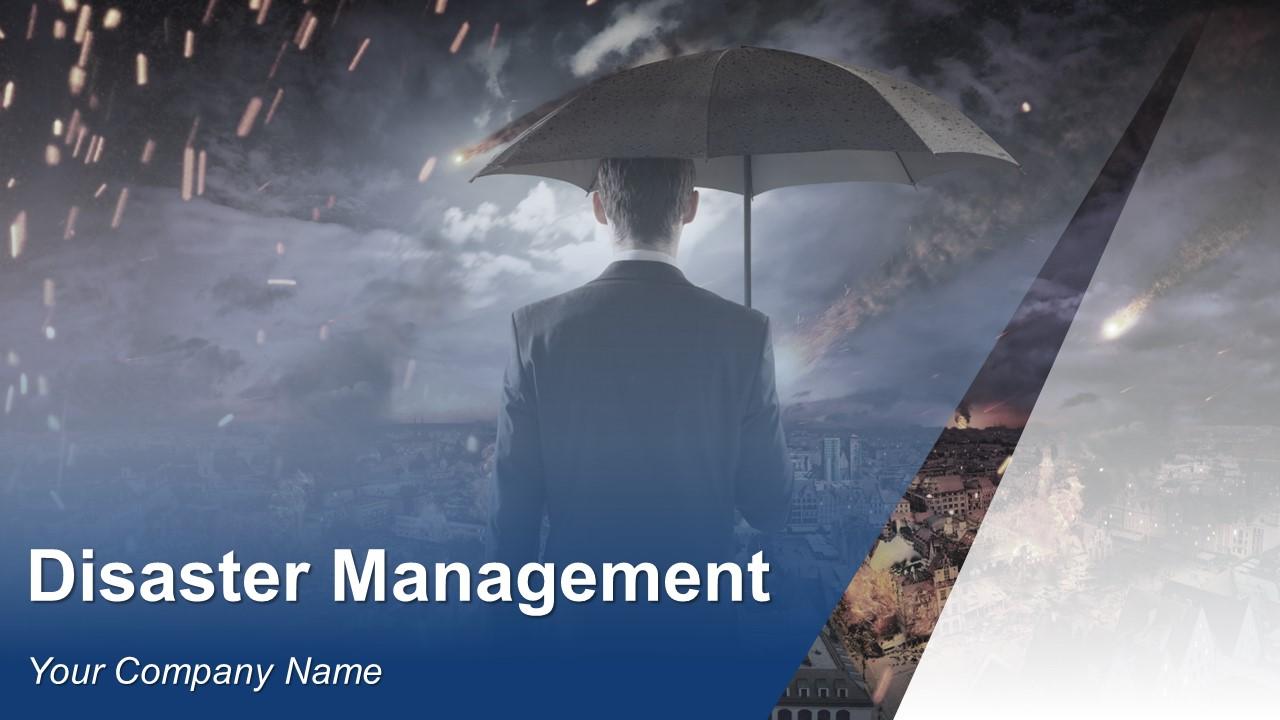
Showcase your presentation skills with our disaster management PowerPoint presentation slides. This calamity control PPT deck gives you an insight into the real meaning of disaster management so that the viewers can get the correct information. Showcasing different types of tragedy handling such as natural and man-made disaster, and the further divisions in this mishap governance PowerPoint design help you in creatng more aware about them. The slides in this mishap oversight PPT bundle make it easier for you to manage things by providing you an authentic risk formula. Continuing further, the risk formula involves root causes, dynamic pressures, unsafe conditions, and natural hazards which are all displayed in this tragedy guiding creative PPT set. This setback controlling PowerPoint template also presents the components assessing for risk such as hazard, exposure, vulnerability, impact, and risk. Having a risk reduction method in one of the slides in this catastrophe controlling PPT set is the cherry on top. Grab it now to safeguard your business against all uncertainties.
People who downloaded this PowerPoint presentation also viewed the following :


Content of this Powerpoint Presentation
Remember the summer of 2020? Half the country was battling raging wildfires while the other half was preparing for tropical storms. In August, Hurricane Laura hit Louisiana hard, leaving chaos and destruction all over in its wake. Thousands were left homeless and without electricity, with some enduring weeks of darkness and limited access to basic necessities.
Lights Out in Louisiana: Could a Template Have Helped?
Imagine if a clear, structured, and well-planned roadmap existed in that situation, such as a disaster management template to guide response efforts. This blog will discuss types of Disaster Management Templates, explore their benefits, and explain how you can create one in a time of need.
What exactly is a Disaster Management Template?
A disaster management template is a pre-designed blueprint that outlines the steps, procedures, and protocols to be followed during a disaster or emergency. These templates can be modified based on the type of disaster, such as natural disasters (e.g., hurricanes, floods, earthquakes, wildfires), technological disasters (e.g., machinery failures, chemical spills, protocol hazards, power outages), or public health emergencies (e.g., pandemics, disease outbreaks).
Our templates aid in effective communication, crucial for preparedness, response, and recovery in tough times. Whether you're an experienced emergency management professional, a social worker, or a community leader building awareness, these make a difference.
A quick update: This complete deck of ten Disaster Management PowerPoint Presentation Slides contains top-notch graphics and visuals, such as tables, formula charts, bar graphs, bubble texts, flowcharts, icons, and pie charts, designed to present complex information clearly and concisely. Plus, each slide is 100% editable and customizable.
Let’s dig in!
Template 1: Types of Disaster
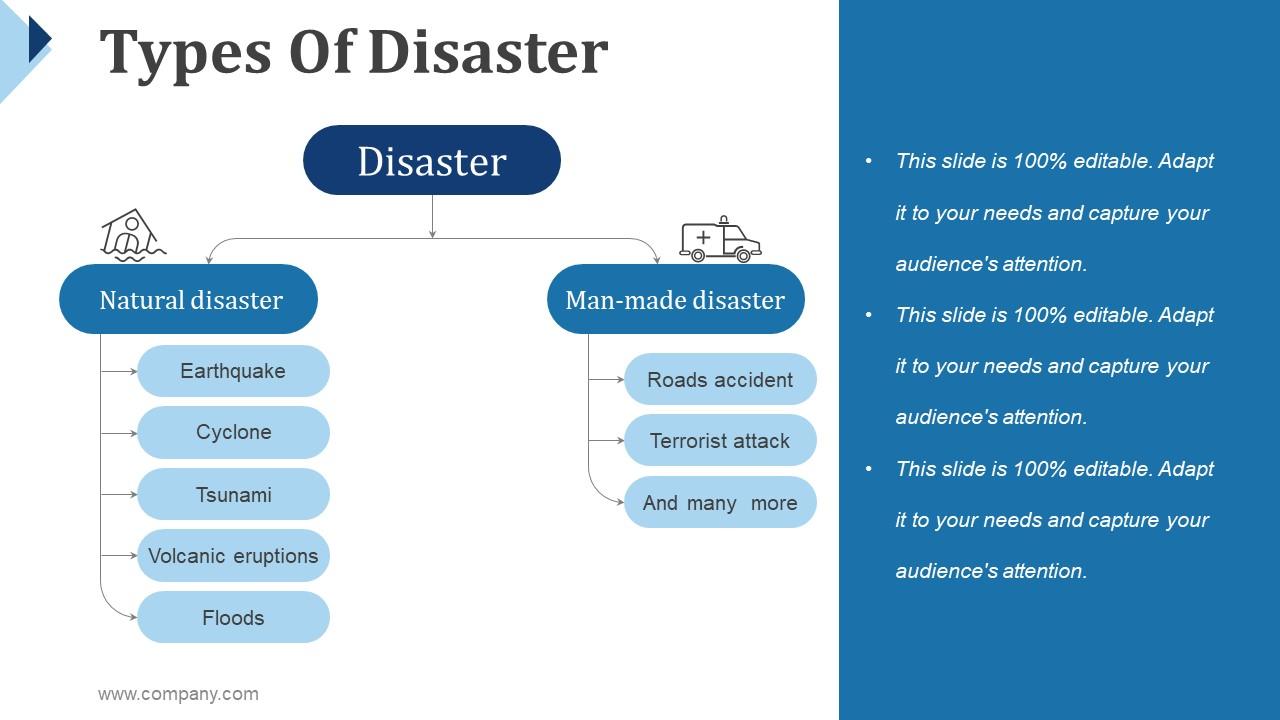
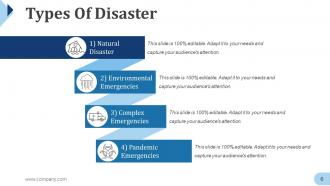
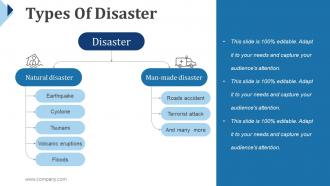
Disasters can strike in countless ways, just like categories on this slide! It encapsulates natural disasters, environmental emergencies, complex emergencies, and pandemic emergencies. It offers a well-demonstrated overview of potential crises, including earthquakes, road accidents, chemical spills, conflict situations, war, and disease outbreaks. This categorization aids in raising awareness, encouraging preparedness, and supporting response planning by developing targeted strategies, protocols, and training programs to mitigate risks and safeguard the well-being of those in need. Additionally, it supports proactive risk management efforts by enabling the prioritization of essential resources and implementation of mitigation measures to enhance resilience and reduce panic.
Template 2: Disaster Factors
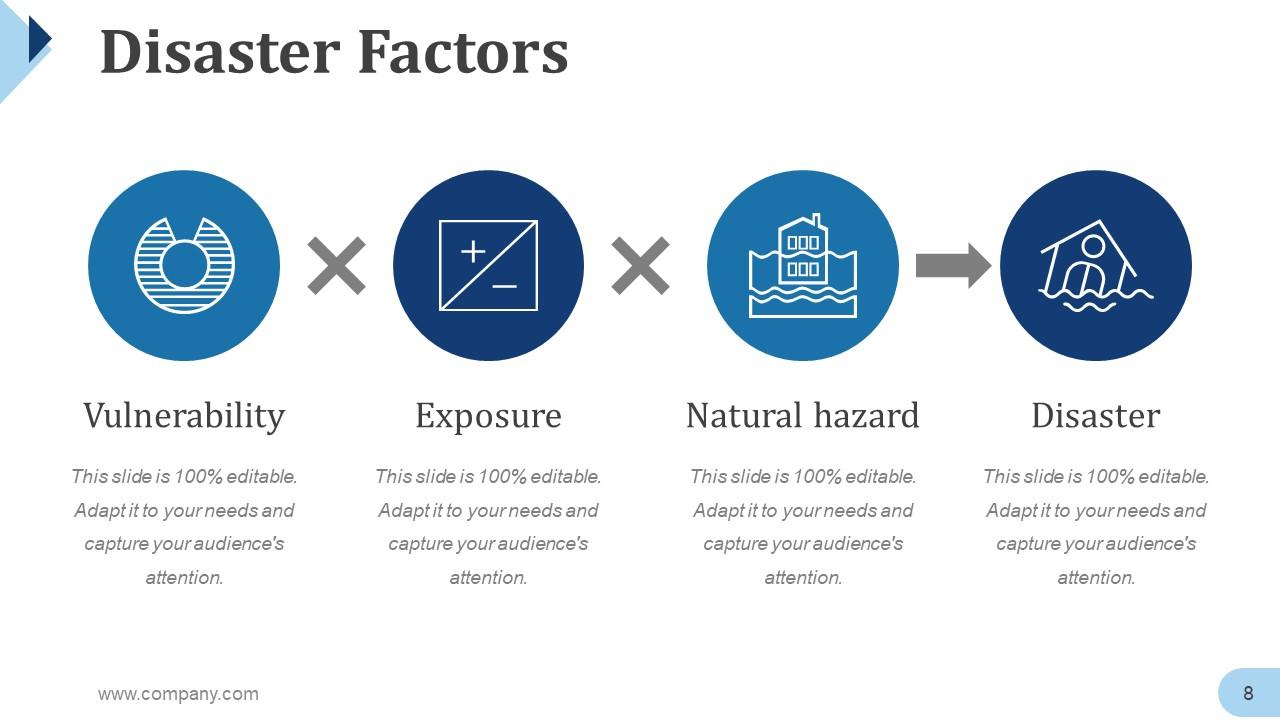
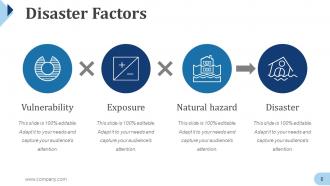
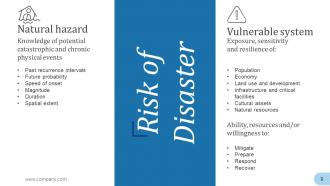
This slide focuses on key components that contribute to the occurrence and impact of disasters. It includes sections for vulnerability (poverty, lack of access to resources, or living in a high-risk area), exposure (community living on a flood plain), natural hazards (earthquakes, hurricanes, tornadoes, etc.), and disaster. It also hints toward factors such as the susceptibility of communities or infrastructure to adverse events and assessing the extent of the risk or potential situational harm that may trigger a disaster. The slide helps organizations address these factors and understand the complex interplay of elements contributing to disaster risk, enabling them to take steps to mitigate the risks.
Template 3: Disaster Risk Formula

Don't get wiped out! This slide reveals the secrets of disaster preparation, like vulnerability, exposure, and hazards, which are essential for understanding and managing disaster risks. From root causes to local investments, it highlights the formula of building a solid foundation of emergency preparedness, assessing contributing elements like dynamic pressures, unsafe conditions, and limited access to power, training, structures, and resources. The slide acknowledges how ideas, political views, and economic structure can accelerate disaster vulnerability. Additionally, the slide emphasizes the importance of considering natural disaster hazards and local investment, along with external forces like population change, urbanization, and environmental degradation.
Template 4: Components Assessing for Risk
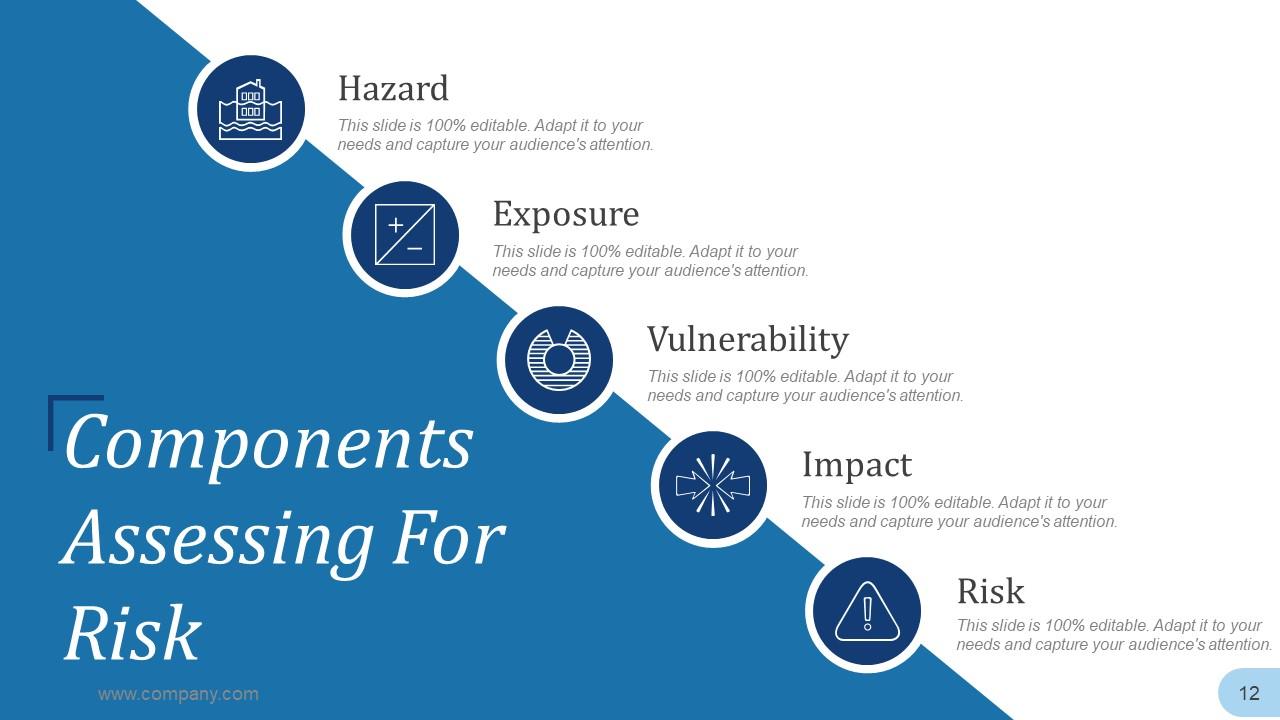
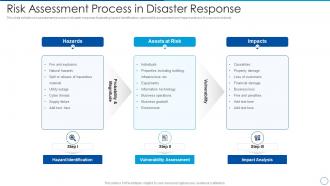
This slide breaks down steps involved in a risk assessment. Start by defining and identifying potential hazards within your region. The slide then lets you analyze these hazards (exposure), considering how likely they are to occur (vulnerability) and how serious the threats could be, determining the risk level (impact & risk). Discuss strategies to control these risks using safeguards, procedures, functional exercises, training courses, or After-Action Reviews (AARs). These components give you a clear picture of the structured approach to managing risk proactively and foreseeing potential risks.
Template 5: Risk Mapping
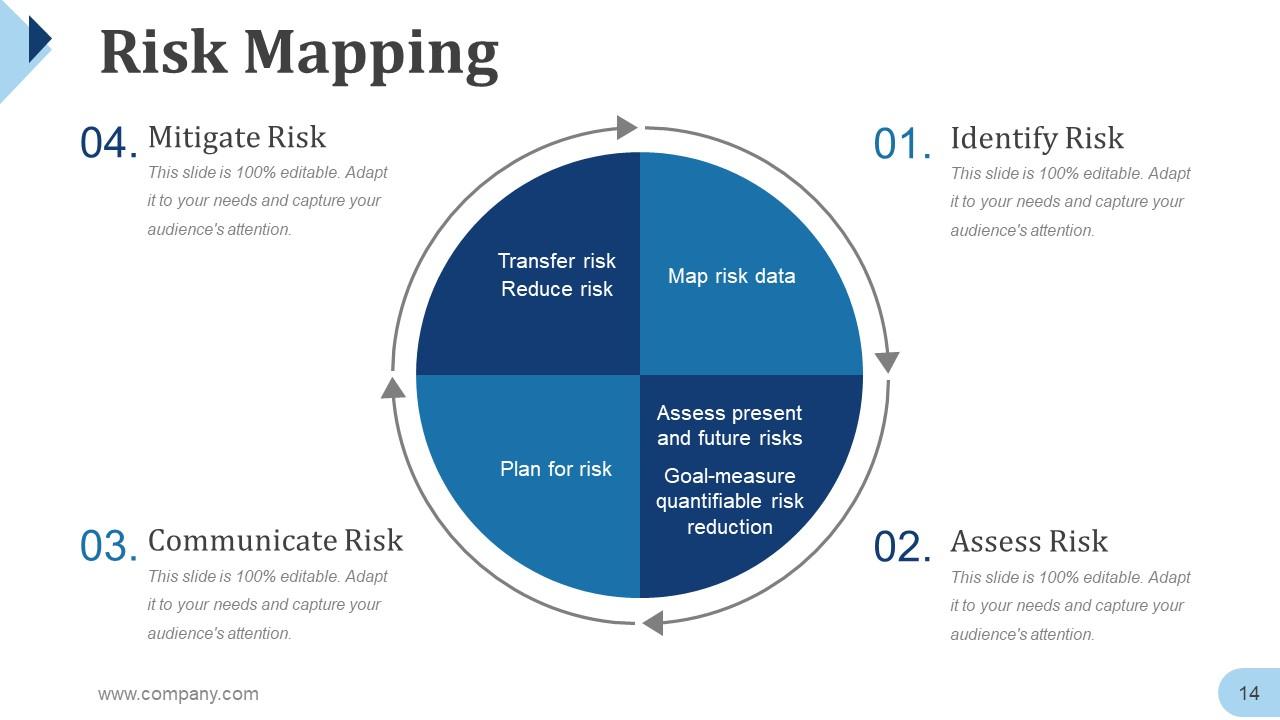
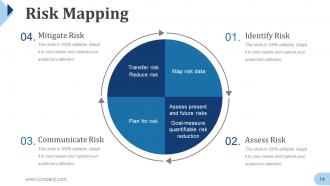
This interactive slide offers a structured approach to managing risks. Divided into four sections, it guides the audience through each risk management stage. Beginning with 'Identify Risk,' it prompts the audience to recognize potential risks and vulnerabilities. Moving to 'Assess Risk,' the slide encourages an in-depth evaluation of potential present and future risks. The 'communicate risk' section demonstrates the importance of transparent communication regarding organizational risks. Finally, 'mitigate risk' outlines strategies for reducing and transferring risks, including mapping risk data and planning for risk scenarios.
Template 6: Major Disasters
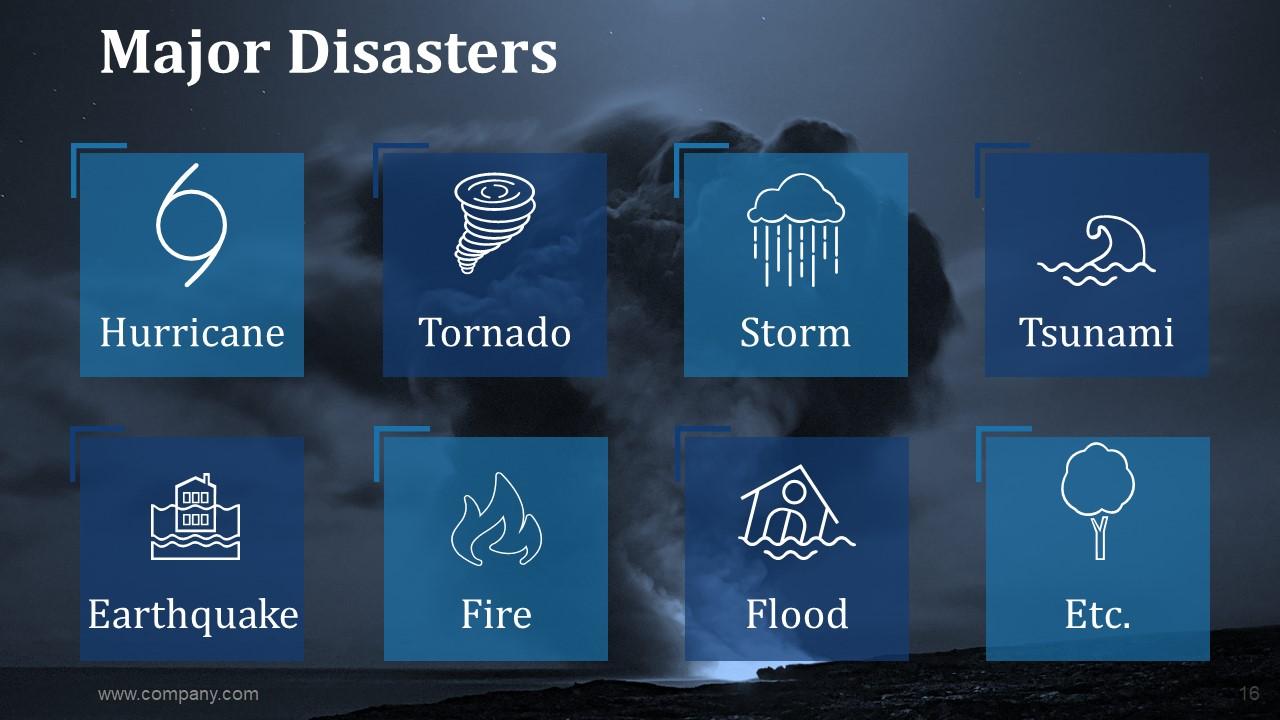
This slide illustrates Mother Nature's fury—all in one—urging you to be proactive, build resilience, and minimize damage! It gives you a stark look at major disasters—hurricanes, tornadoes, storms, tsunamis, fires, floods, and earthquakes. Each disaster comes with a sophisticated yet alarming icon, a reminder of the devastation these events hide beneath. It's a wake-up call for preparedness: get ready; get informed because disaster doesn't discriminate.
Template 7: Disaster Cycle
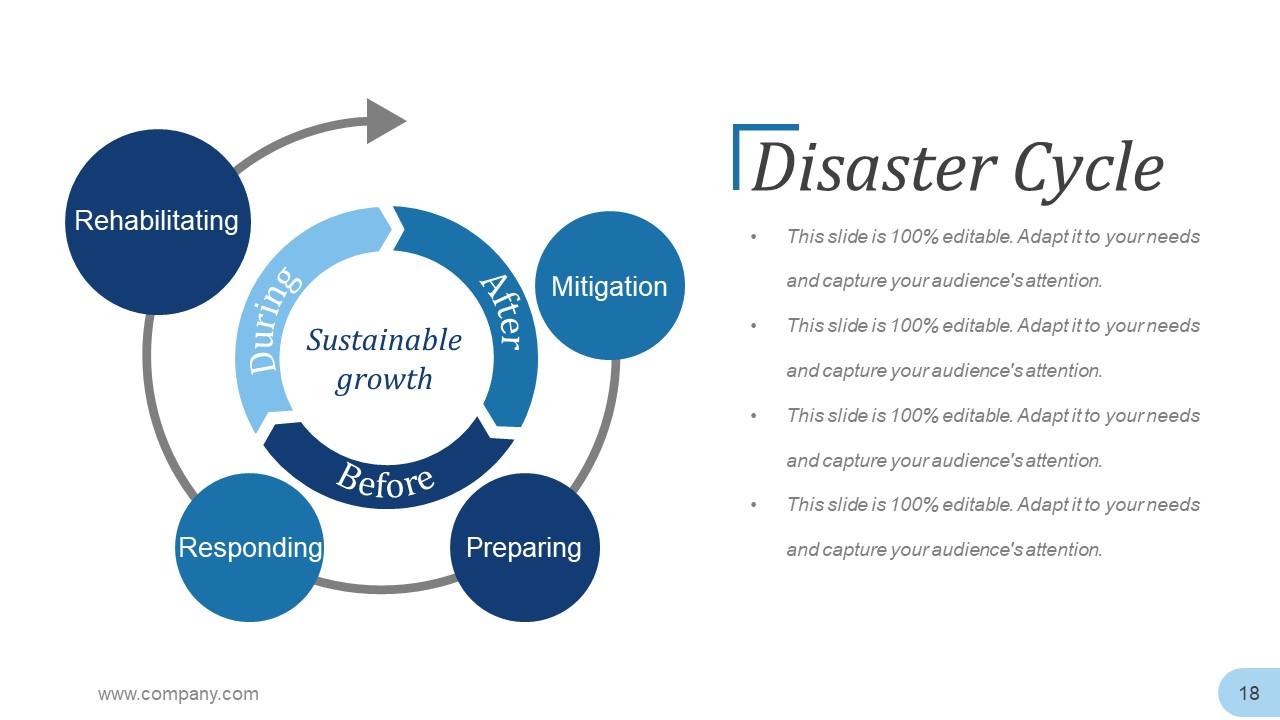
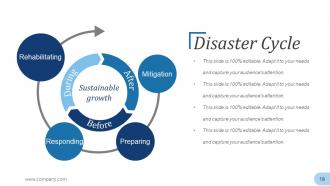
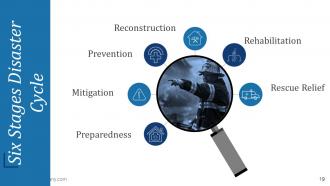
The disaster cycle in this slide outlines the stages involved in managing and responding to disasters. Classified into four sections, it guides the audience through each phase of sustainable growth of the disaster cycle. The ‘before' section includes proactive measures such as disaster preparedness planning, risk assessments, and early warning systems to minimize the impact of disasters. The 'during' section addresses immediate response efforts, highlighting the urgency for response measures, search and rescue operations, and humanitarian aid delivery. The ‘after' focuses on the rehabilitation and recovery phases, addressing immediate needs, rebuilding infrastructure, and supporting affected communities. Embrace every twist and turn of the disaster cycle with the slide’s additional sections, such as mitigation, preparing, responding, and rehabilitating.
Template 8: Disaster Preparedness

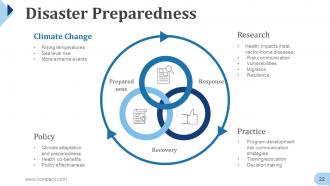
This slide lays out everything you need to tackle climate change disasters. It stresses the importance of preparing for tougher times and disasters like storms, tsunamis, and wilder weather. The slide empowers communities to build resilience and weather the storm by focusing on policies, research, and implementing plans. It outlines a cyclical process with policy and practice interlinked. Here’s a breakdown:
Climate Change examines rising temperatures, sea level rise, and more extreme weather events.
Research on climate change aids in policy decisions. It examines temperatures, heat, vector-borne diseases, risk communication, vulnerabilities, migration, and resilience.
The Policy addresses climate change through adaptation and preparedness strategies. These could include focusing on policy effectiveness programs and implementing health co-benefits.
Practice puts the policies into action. This involves program development and risk communication strategies, training/ education programs, and decision-making about responding to disasters.
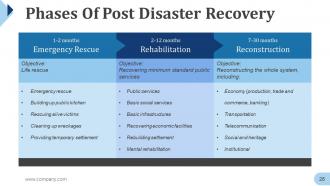
Template 9: Phases of Post-Disaster Recovery
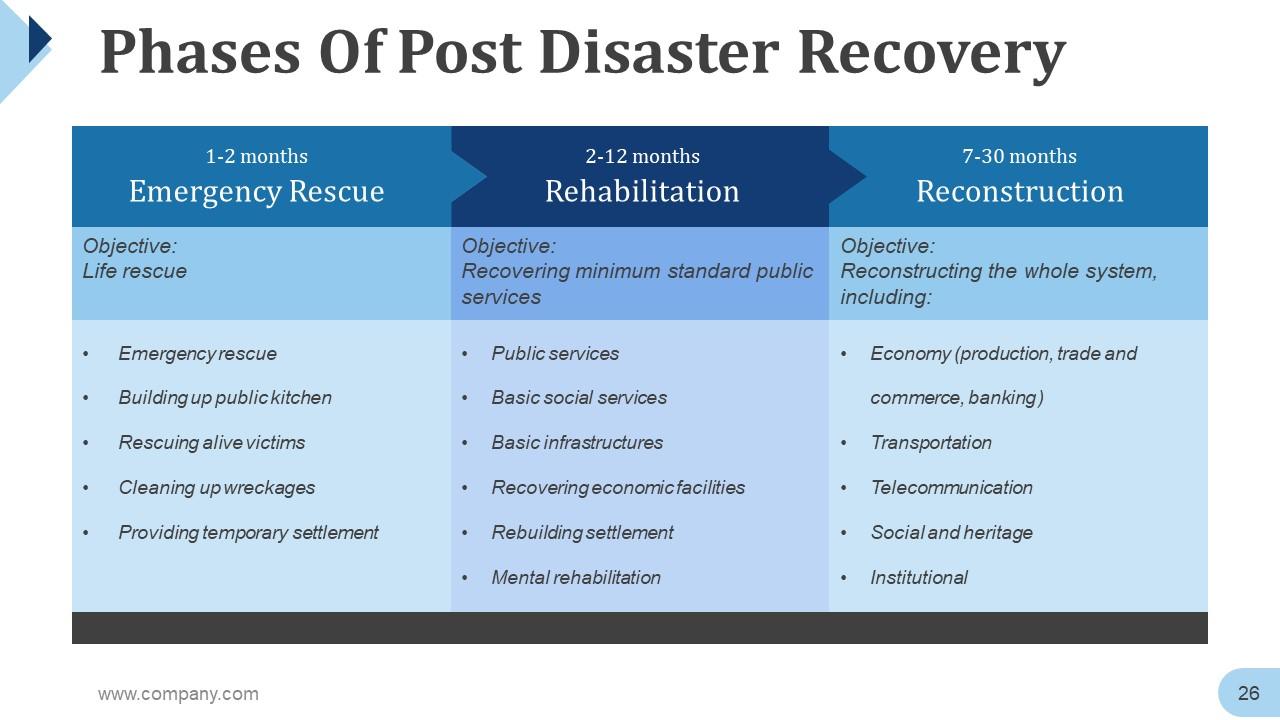
From rescue to rebuild, it is a long road to recovery after a disaster strikes. This slide illustrates the three crucial phases of post-disaster recovery: emergency rescue, rehabilitation, and reconstruction, each pivotal in strengthening communities.
Emergency Rescue lasts 1-2 months after a disaster. It is focused on saving lives, rescuing survivors, providing medical care, and setting up temporary shelters. It also involves establishing public kitchens, debris cleanup, and restoring utilities.
Rehabilitation lasts 2-12 months and primarily aims to restore basic public services and infrastructure. Activities include repairing roads and bridges, restoring power and water supplies, reopening schools and hospitals, and providing basic mental health services. Mental health services focus on assisting with the psychological impact of the disaster.
Reconstruction can span seven-30 years and aims to rebuild the community and restore its economy. It involves initiatives like rebuilding homes and businesses and revitalizing sectors like industry and finance, telecommunication, transportation, institutional, and social and heritage well-being.
Template 10: Disaster Statistics
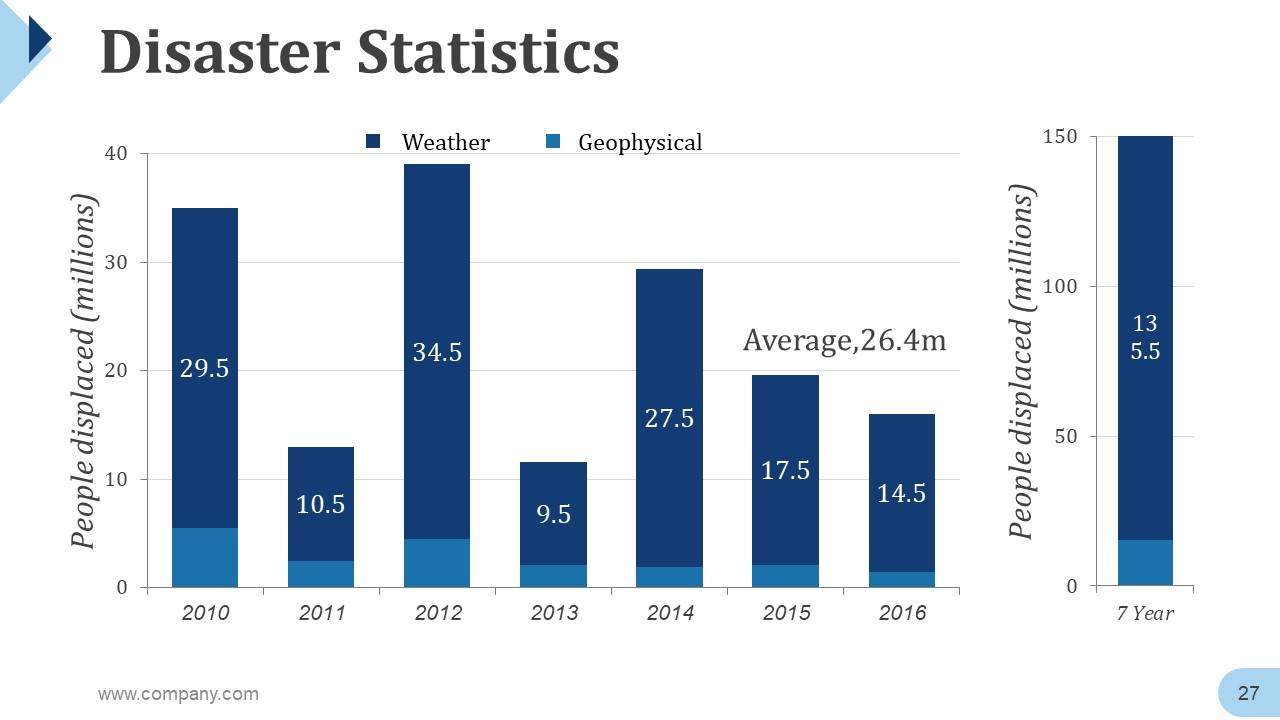
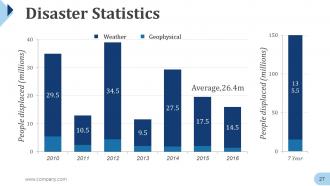
This slide depicts the average number of people displaced (in millions) by disaster types over a seven-year period (2010 to 2016). The data is classified into geophysical disasters (earthquakes, volcanic eruptions, etc.) and weather disasters (floods, earthquakes, storms, etc.). This information helps preparation by highlighting common disaster types and their displacement impact. The easy-to-understand information in the slide allows communities to stockpile supplies, create evacuation plans, prepare for potential threats, and reinforce infrastructure. Additionally, this data allows disaster relief organizations to allocate resources effectively by targeting vulnerable areas. Statistics can also be used to advocate for stronger policies and raise awareness.
It’s Time To Get Panic-Key!
Imagine a wildfire raging through a forest - that's a natural disaster. But if a factory malfunction sparked that fire, it becomes an environmental disaster, too. Things can get even trickier with complex emergencies, which mix natural disasters like floods with human struggles like war. And who can forget pandemic emergencies? Those are the fast-spreading illnesses that cause chaos around the world. The key takeaway? Disasters can strike anytime, anywhere, but being prepared is crucial.
Thankfully, you now know how to be prepared to effectively communicate your organization's disaster management plan to your team and the public.PS Here are our products that emphasize the importance of disaster recovery and mitigation.
Disaster Management Powerpoint Presentation Slides with all 80 slides:
Use our Disaster Management Powerpoint Presentation Slides to effectively help you save your valuable time. They are readymade to fit into any presentation structure.
-
Disaster Management
-
Agenda
-
Disaster Management Is
-
Definition of Disaster Management
-
Principle Of Disaster Management
-
Types Of Disaster
-
Types Of Disaster
-
Disaster Factors
-
Risk of Disaster
-
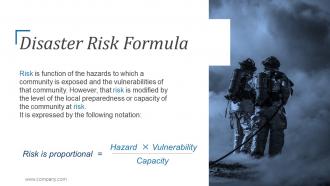
Disaster Risk Formula
-
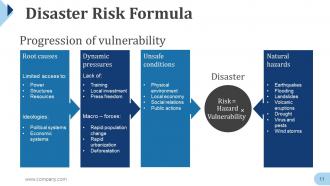
Disaster Risk Formula
-
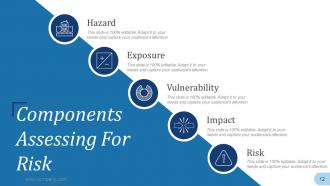
Components Assessing for Risk
-
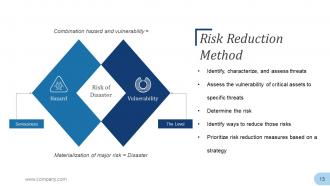
Risk Reduction Method
-
Risk Mapping
-
Disaster Level
-

Major Disasters
-
Phases Of Disaster Relief
-
Disaster Cycle
-
Six Stages Disaster Cycle
-
Prevention Mitigation
-
Disaster Preparedness
-
Disaster Preparedness
-
Responding To The Disaster
-
Rehabilitation
-
Recover Reconstruction
-
Phases Of Post Disaster Recovery
-
Disaster Statistics
-
Disaster Scale
-
Role Of Media In The Disaster
-

Disaster Risk Management
-
Right Tools For Disaster Management Job
-
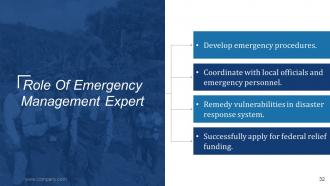
Role Of Emergency Management Expert
-
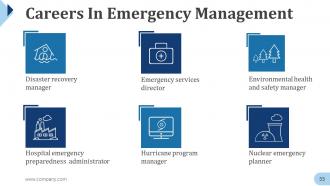
Careers In Emergency Management
-

Coffee Break
-

Our Charts Graph
-
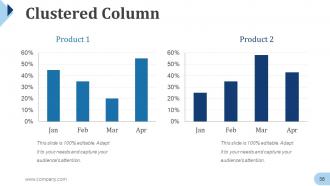
Clustered Column
-
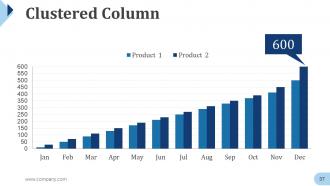
Clustered Column
-
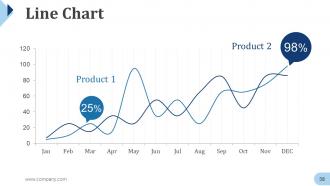
Line Chart
-
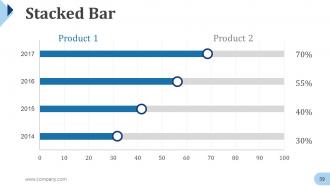
Stacked Bar
-
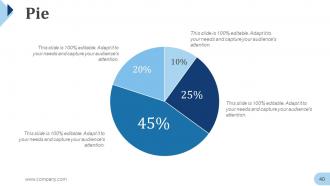
Pie
-
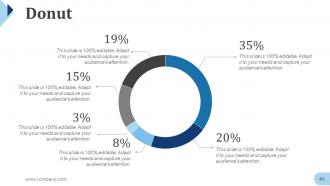
Donut
-
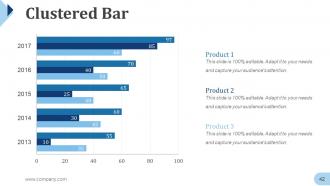
Clustered Bar
-
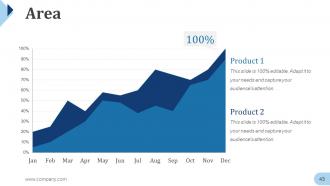
Area
-
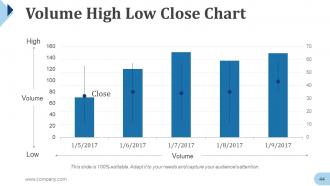
Volume High Low Close Chart
-
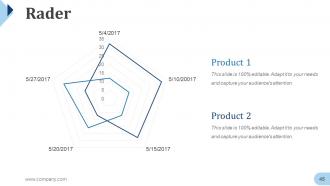
Rader
-
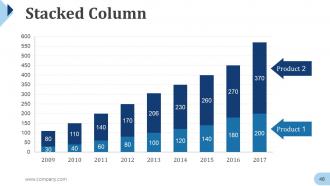
Stacked Column
-
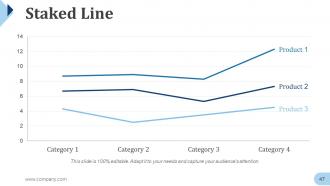
Staked Line
-
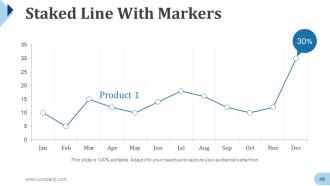
Staked Line With Markers
-
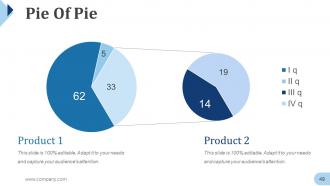
Pie Of Pie
-
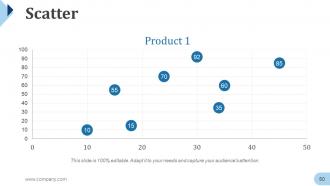
Scatter
-
Disaster Management Icons
-
Additional Slides
-

Mission
-

Meet Our Team
-
About Us
-
Our Goal
-
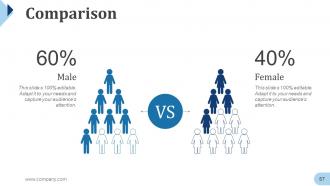
Comparison
-
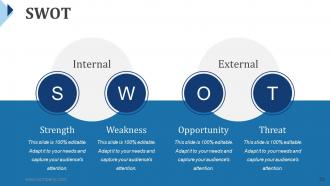
SWOT Analysis
-
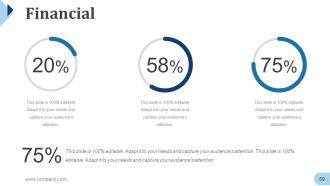
Financial
-
Disaster Management
-
Dashboard
-
Timeline
-
Disaster Management
-
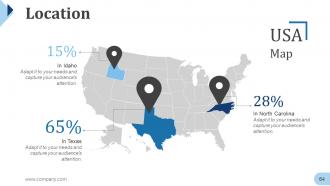
Location
-
Post It
-
News Paper
-
Puzzle
-
Target
-
Circular
-
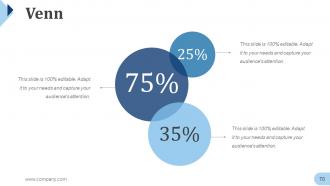
Venn
-
Mind Map
-
Matrix
-
Lego
-
Silhouettes
-
Hierarchy
-
Disaster Management
-
Magnifying Glass
-
Disaster Management
-
Funnel
-

Thank You Slide
FAQs for Disaster Management
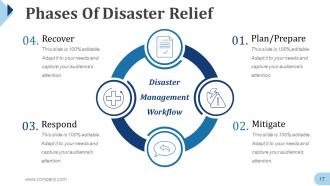
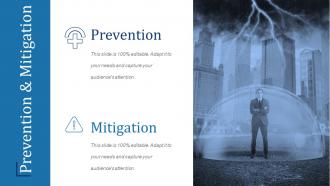
So there's four main phases - mitigation, preparedness, response, and recovery. Mitigation is basically reducing risks before stuff goes wrong. Preparedness means planning and training. Response is the dramatic part everyone sees on TV, all the immediate life-saving action when disaster actually hits. Recovery comes after, rebuilding everything. But here's what's cool - it's not really a straight line. You might be recovering from one thing while prepping for something else entirely. The whole thing loops back on itself too. Whatever you learn during recovery should make your mitigation better next time. Don't think of them as separate things.
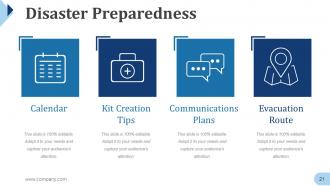
Honestly, start with the basics - figure out your evacuation routes and where everyone meets up if things go sideways. Those neighborhood group chats are actually clutch for emergencies, or even just old phone trees if people are being weird about WhatsApp. Stock your place with water, canned stuff, flashlights, basic medical supplies. I know it sounds dorky but practice drills work. Oh and seriously, introduce yourself to your neighbors like... now? When disaster hits you're gonna need each other anyway, so might as well not be strangers. Communication + planning + supplies = you're covered.
Dude, tech has totally changed disaster management. We can now predict stuff using satellites and AI before it hits. GPS and drones let you assess damage in real-time, which is pretty amazing when you think about it. Social media monitoring helps track situations as they develop - though honestly, sorting through all that noise can be tricky. Mobile apps are huge for coordinating response teams and getting info to communities fast. It's crazy how much better we've gotten at this compared to like 2014. My advice? Don't put all your eggs in one basket - mix different tools together for the best results.
Social media's honestly your best bet for getting info out fast during emergencies. Twitter and Facebook are obvious choices for stuff like road closures, evacuation routes, shelter locations. Instagram and TikTok hit different audiences though - my aunt gets all her news from TikTok now, weirdly enough. Get your accounts verified way before anything happens. During actual emergencies, post consistently and watch your comments since people will flood you with questions. Oh, and set up those crisis templates ahead of time. You'll thank yourself later when you're not scrambling to write coherent updates at 3am during some disaster.
Honestly? The biggest mess you'll deal with is everyone stepping on each other's toes - like five different agencies all trying to coordinate rescue efforts but nobody's actually talking. Resources get crazy complicated fast because you're working with whatever didn't get destroyed, and priorities keep shifting every hour. Time crunch is insane. You're also getting fragments of info constantly, so figuring out where to send people first becomes this impossible puzzle. Weather usually makes everything worse too, obviously. Set up solid communication channels right away - seriously, assign specific people to talk between groups. Trust me, it prevents so much headache later.
So basically the UN runs this cluster system where WHO handles health stuff, UNICEF does water/sanitation, WFP covers logistics - you get the idea. OCHA tries to coordinate everyone but honestly it's still a mess half the time. Regional groups and the affected country's disaster agency also jump in, which can make things even more complicated. The whole thing works better when they've done joint training beforehand so people actually know what they're supposed to be doing. Oh and if you're getting into this field, learn the cluster roles first - that'll save you so much confusion later.
Honestly, you've gotta hit this from two angles. Cut emissions first - renewable energy, better efficiency, save the forests, all that stuff. But here's the thing, some damage is already baked in no matter what we do. So you need the adaptation side too. Upgrade infrastructure for crazy weather, set up early warning systems, make agriculture more resilient. Cities need way better planning - more green spaces and drainage that actually works when it floods. I'd say the biggest mistake is treating climate stuff as separate from regular disaster planning. Just weave it into everything from the start.
Honestly, mental health stuff can't just be an add-on to your disaster plan - it needs to be baked right in from the start. Get some local therapists on speed dial who can jump in when needed. Your first responders should learn basic psychological first aid too (sounds cheesy but it actually helps people). Set up quiet counseling spots in shelters and make sure there's a clear path for referring folks to help. Oh, and don't just think short-term - you'll need support for months after. Building those relationships with mental health orgs beforehand is clutch.
Honestly, start with ICS-100 certification if you haven't done it yet. Your team needs solid incident command training plus basic medical response skills. Communication training is huge too - coordinating between agencies gets messy real quick. Don't forget hazard-specific stuff like flood response, fires, chemical spills. Risk assessment and safety protocols matter because becoming a casualty yourself helps nobody. Oh, and skip the boring classroom-only approach. Run actual scenario drills regularly so your people can think straight when everything's going sideways. Building that muscle memory is everything.
So resilience is basically about training your community to bounce back fast when disasters hit, rather than just hoping to prevent them completely. You're strengthening infrastructure and creating backup systems so recovery happens quicker. It's like building muscle memory for crises - honestly, way better than having some dusty emergency plan nobody remembers. I mean, we all know those binders just sit there until it's too late. Instead of just reacting, you're making systems that can actually handle getting knocked around. Short version? Figure out what'll break first in your area and build redundancies around those weak spots now.
Honestly, focus on the basics first - get power, water, and medical stuff running before anything else. Then do a proper damage assessment and actually involve people in the planning (seriously, communities that get ignored end up being disasters twice over). Build back smarter with codes that won't fall apart next time. Getting all the agencies talking early saves so much headache later. Communication is huge - nobody should be guessing who's handling what. Oh, and make a realistic timeline you can actually stick to. Overpromising just pisses everyone off.
Look, you gotta build disaster planning right into your business plan from day one. Figure out what could actually hit you - floods, fires, hackers, supply chain mess, whatever. Then create specific playbooks for each scenario instead of some useless generic plan that sits in a drawer. Honestly, most companies totally blow this part. Set up backup systems, find alternative suppliers, get remote work sorted beforehand. Don't wait until you're scrambling. Run practice drills with your team so they're not deer-in-headlights when stuff actually goes wrong.
Look, every major disaster basically proves the same thing - you can't just figure it out as you go. COVID showed us backup supply chains matter way more than anyone realized. With wildfires, getting people out early beats waiting until the last second every single time. And honestly? Hurricane responses keep failing because they ignore local leaders who actually know their communities. The weirdest part is how fast fake news spreads on social media compared to real help showing up. My advice - start connecting with neighbors now, not when everything's already falling apart.
Culture plays a huge role in disaster prep - like, way more than people realize. Some communities don't trust official warnings at all, while others follow them religiously. Family dynamics matter too since extended families communicate differently than nuclear ones. Language barriers are obvious but there's also stuff like religious beliefs affecting when people evacuate. Collective vs individual approaches vary wildly between cultures, and honestly both can work. The key is getting community leaders involved from the start, not just showing up during the crisis. Oh and translating materials isn't enough - you gotta understand how info actually flows through different social networks.
FEMA's got the big grants - HMGP for mitigation stuff and PDM for preparedness. CDC has public health emergency funding too. Your state emergency management office probably has their own programs running. Honestly, I'd start there since they know what's actually available right now and won't make you jump through crazy hoops. Community development block grants work at the local level. Foundation grants are decent if you can write a solid proposal. Crowdfunding sounds weird for disaster prep but it's surprisingly effective for smaller projects. The state folks will walk you through applications and save you time.
-
VERY INFORMATIVE WELL STRUCTURED PRESENTATION
-
All is good
-
Good research work and creative work done on every template.
-
This so helpful for me thanks alot
-
Very unique, user-friendly presentation interface.
-
Great designs, Easily Editable.
-
great presntation
-
great presntation
-
good
-
good