

Crisis Management Powerpoint Presentation Slides





Try Before you Buy Download Free Sample Product
 Impress Your
 Audience
 100%
100% Editable
 Save Hours
 of Time


Our Crisis Management Powerpoint Presentation Slides are topically designed to provide an attractive backdrop to any subject. Use them to look like a presentation pro.
People who downloaded this PowerPoint presentation also viewed the following :
Content of this Powerpoint Presentation
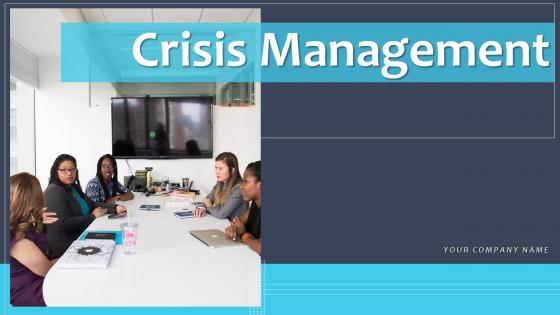
Slide 1: This slide introduces Crisis Management. State your Company name and begin.
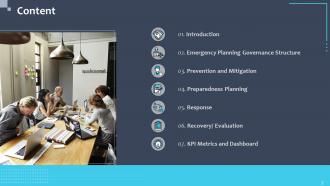
Slide 2: This slide displays Content of the presentation.
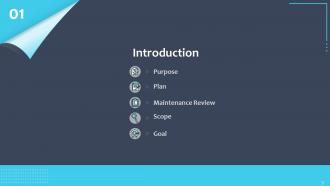
Slide 3: This slide displays Introduction.
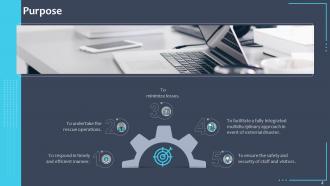
Slide 4: This slide showcases Purpose.
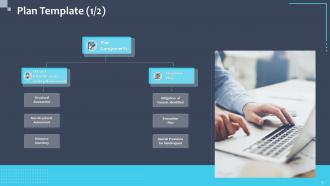
Slide 5: This is Plan Template for risk assessment.
Slide 6: This is Plan Template for risk assessment.
Slide 7: This slide showcases Maintenance Review.
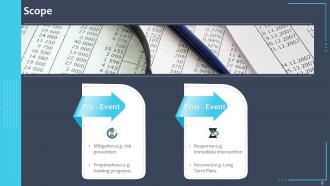
Slide 8: This slide represents Scope
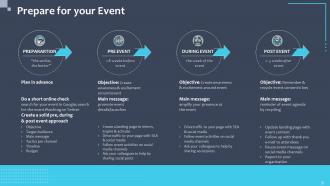
Slide 9: This slide presents information regarding Preparing for your Event.
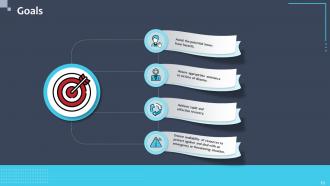
Slide 10: This slide highlights Goals.
Slide 11: This slide shows Emergency Planning Governance Structure.
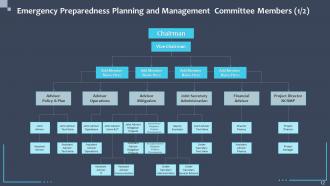
Slide 12: This slide provides information regarding Emergency Preparedness Planning and Management Committee Members.
Slide 13: This slide shows Emergency Preparedness Planning and Management Committee Members.
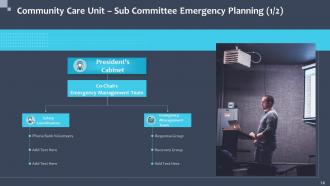
Slide 14: This slide displays Community Care Unit – Sub Committee Emergency Planning.
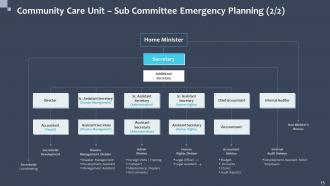
Slide 15: This slide displays Community Care Unit – Sub Committee Emergency Planning.
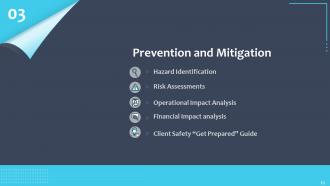
Slide 16: This slide showcases Prevention and Mitigation.
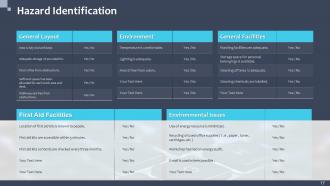
Slide 17: This slide shows Hazard Identification.
Slide 18: This slide presents Risk Assessment.
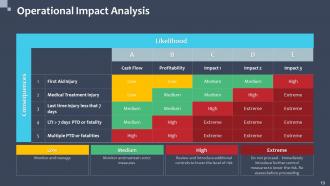
Slide 19: This slide depicts Operational Impact Analysis.
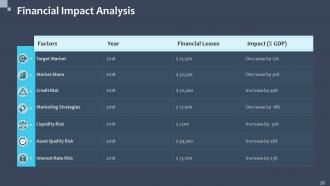
Slide 20: This slide shows Financial Impact Analysis.
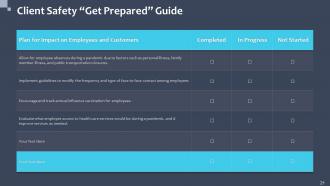
Slide 21: This slide shows Client Safety “Get Prepared” Guide.
Slide 22: This slide describes Preparedness Planning and Business Continuity Planning
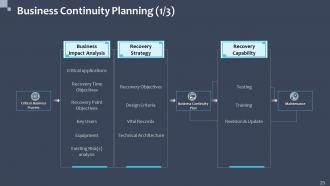
Slide 23: This slide describes Business Continuity Planning.
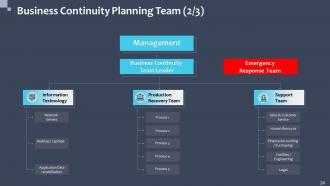
Slide 24: This slide represents Business Continuity Planning Team.
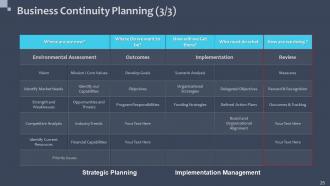
Slide 25: This slide shows Business Continuity Planning.
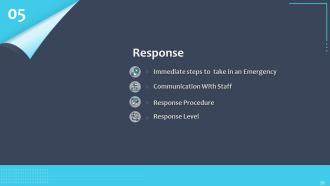
Slide 26: This slide shows Immediate steps to take in an Emergency
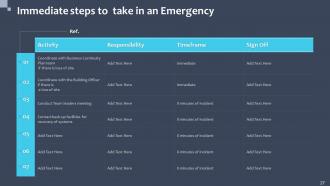
Slide 27: This slide shows Immediate steps to take in an Emergency.
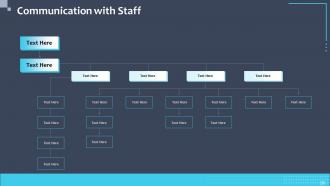
Slide 28: This slide presents information regarding Communication with Staff
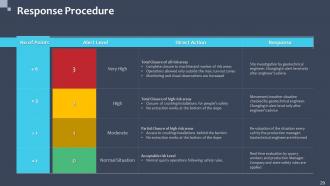
Slide 29: This slide depicts Response Procedure.
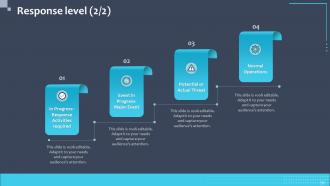
Slide 30: This slide shows Response Level.
Slide 31: This slide presents Response level.
Slide 32: This slide showcases Recovery/Evaluation.
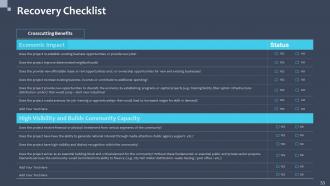
Slide 33: This slide presents Recovery Checklist
Slide 34: This slide shows Dashboard Metrics
Slide 35: This slide represents Crisis Management KPI Metrics.
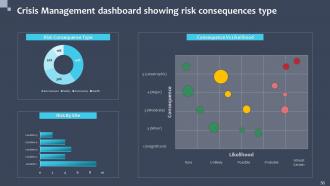
Slide 36: This slide presents Crisis Management dashboard showing risk consequences type
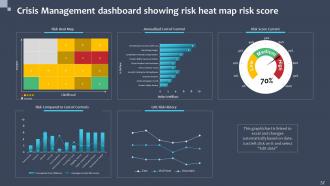
Slide 37: This slide showcases Crisis Management dashboard showing risk heat map risk score.
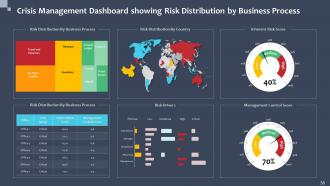
Slide 38: This slide presents Crisis Management Dashboard showing Risk Distribution by Business Process
Slide 39: This slide showcases Crisis Management Dashboard showing Company Compliance and Risk Posture.
Slide 40: This is Icons Slide Crisis Management
Slide 41: This slide reminds about Coffee break.
Slide 42: This slide represents Graphs and Charts.
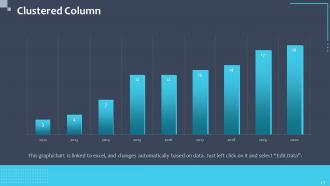
Slide 43: This slide displays Clustered Column for Comparison of products.
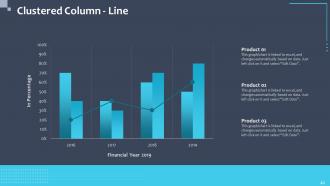
Slide 44: This slide shows Clustered Column - Line chart.
Slide 45: This slide is titled as Additional Slides for moving forward.
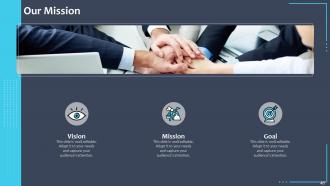
Slide 46: This slide displays Mission, Vision and Goals.
Slide 47: This is Our team slide with Names and Designations.
Slide 48: This is About Us slide to showcase specifications of the Company.
Slide 49: This slide shows Venn diagram.
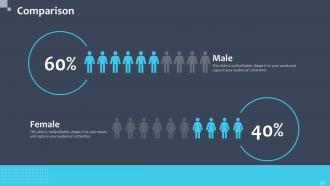
Slide 50: This slide shows Comparison between Male and Female users.
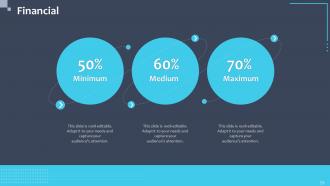
Slide 51: This is Financial slide to showcase finance related stuff.
Slide 52: This is Thank You slide with Contact details.
Crisis Management Powerpoint Presentation Slides with all 52 slides:
Use our Crisis Management Powerpoint Presentation Slides to effectively help you save your valuable time. They are readymade to fit into any presentation structure.















FAQs for Crisis Management
Look, you basically need five things sorted out. First - a crisis team where everyone knows their job. Communication plans for talking to staff and the public. Risk assessment stuff so you can size up problems fast. Then have response strategies ready for different disasters (trust me, winging it sucks). Business continuity plans are huge too - keeps everything running when it hits the fan. Document all this and actually test it quarterly. I know practicing sounds boring, but when people are freaking out, you'll be glad your team knows what they're doing automatically.
Start with a solid risk assessment - look at internal and external threats hitting your company. Cyberattacks, natural disasters, supply chain issues, PR disasters. The list gets crazy long but that's kinda the point. Check your vulnerabilities by reviewing past incidents and running scenario exercises. Different departments will catch blind spots you'd never think of, so definitely loop them in. Oh, and this isn't a one-and-done thing - new risks pop up constantly so you've gotta keep updating it. Be brutally honest about weak spots or you're just wasting time.
Honestly, communication can totally make or break your crisis response. Once rumors start flying, you're basically screwed and stuck playing defense. Get ahead of it with clear, consistent messaging - be transparent about what you actually know but don't speculate about stuff you don't. The smart move? Set everything up beforehand. Pick your spokespeople, write some template responses, figure out who approves what. That way when things hit the fan (and they will), you can respond fast instead of scrambling around like headless chickens. Trust me on this one.
Think of it like hospital triage - who needs attention first to prevent the worst damage? Start with employees because they'll be fielding questions and need to know what's actually happening. Customers are next since they can bail pretty quickly if they feel left in the dark. After that, deal with investors and any regulators who might be circling. Honestly, the media can wait a bit - they're gonna write whatever they want anyway. Set up your stakeholder map ahead of time though, because when stuff hits the fan, you don't want to be figuring out priorities on the fly.
Honestly, the scenario-based stuff works way better than just reading manuals. Do surprise drills so people actually build muscle memory instead of freezing up. Tabletop exercises are great - walk through different "what if" situations as a team. Role-playing helps too, especially if you deal with customers. Cross-train people on multiple roles because someone's always gonna be out sick when crisis hits, right? I'd probably run these quarterly and definitely debrief after each one. You'll catch problems you didn't even know existed. The repetition is what makes it stick.
Ugh, the worst thing companies do is take forever to respond - like they're crafting some masterpiece when really people just want to know you're handling it. Also hate when they go into damage control mode instead of just being honest about what happened. Oh and definitely don't have five different people giving statements because then your message gets all jumbled. Radio silence is terrible too. People will keep asking for updates whether you like it or not. Best advice? Have someone designated as the main voice beforehand, so when things blow up you're not running around like headless chickens trying to figure out who's supposed to say what.
Look, tech is honestly a lifesaver when everything hits the fan. Mass notification systems get alerts out instantly to everyone who matters. Social media monitoring helps you see what people are actually saying (not just what you think they're saying). Collaboration tools keep your team connected even when you're all working from different places - super clutch. GPS and mapping make logistics way less of a headache too. Here's the thing though - set this stuff up NOW, not when you're already drowning. Do a quick audit of what you've got and figure out where the big holes are.
Track response times first - how fast did you activate, communicate, contain the mess? Then look at the real damage: money lost, reputation hits, customer churn, media coverage. Honestly, employee confidence is huge too because if your own people don't believe in the plan, you're screwed. Recovery time matters - how quickly did normal operations resume? Oh, and set up your measurement dashboard beforehand. Trust me, you don't want to figure out metrics while everything's on fire.
Your company's culture is basically a crystal ball for crisis response. Open cultures? Teams share bad news fast and fix things. Hierarchical places though - people get paralyzed waiting for permission or scared to speak up. I've watched blame-heavy companies absolutely implode because everyone's busy covering themselves instead of actually solving the problem. You want people who call out issues early and aren't afraid to make quick calls. Honestly, just watch how your team deals with regular everyday screwups. That's exactly how they'll handle the big stuff when everything's on fire.
Honestly, crisis leadership is all about being the calm one when everyone's losing their minds. People will smell your fear instantly, so even if you're internally screaming, you've got to look steady. Make those tough calls fast - you'll never have perfect info anyway. Communication is huge though. Like, way more than you think. Set up regular check-ins and just be real with people about what you know vs. what you don't. Silence makes everyone's imagination run wild with worst-case scenarios. Oh, and own your mistakes when they happen - because they will happen.
Build that resilience way before things go sideways, trust me on this. Your team needs to feel safe calling out problems without getting blamed - otherwise they'll just stay quiet when stuff breaks. Cross-train everyone so you're not screwed when someone gets sick or quits. We learned this the hard way tbh. Set up communication channels that actually work under pressure, not just the fancy ones nobody uses. Run those scenario planning sessions regularly - yeah, they feel awkward at first, but it's like fire drills for your business. Practice makes uncertainty way less terrifying.
So here's what I've noticed from studying past disasters - the companies that made it through weren't the ones with perfect plans, they were just really good at adapting fast. Build flexibility into everything, not rigid rules that'll break under pressure. Cross-train your people so you're not screwed if someone key gets sick or quits. Honestly, the whole "redundant communication systems" thing sounds boring but it's huge when everything's falling apart. Start running those weird tabletop exercises with your team - like "what if our main supplier disappears tomorrow?" The weirder the scenario, the better you'll get at thinking on your feet.
Okay so basically - just be upfront about everything unless it's actually sensitive stuff like personal info or legal things. Tell people what's happening as soon as you know, and if you don't know something yet, just say that. Honestly, trying to bullshit your way through just makes everything worse because people aren't stupid. Get out in front of it before rumors start flying around, you know? Even if nothing's changed, keep giving regular updates. I've seen this mess up so many times when companies go radio silent. People respect honesty way more than perfect PR speak, even when the news sucks.
Ugh, crises mess with people's heads so badly. Your team's probably dealing with anxiety, stress, all that uncertainty stuff. Some folks completely shut down. Others go crazy busy mode - honestly the shutdown ones worry me more. You've gotta stay ahead of it though. Keep everyone in the loop with regular updates, even boring "no news" ones. Make sure they know about counseling services or whatever mental health stuff your company has. Let people work flexibly if you can swing it. Most important thing? Give them space to actually talk about their concerns without feeling judged. Start with one-on-ones this week.
Honestly, social media's your best bet for getting ahead of any rumors. Post updates constantly on your main channels and actually respond to people's questions fast. Twitter's great for quick updates, but use Facebook or LinkedIn when you need to explain more complicated stuff. Just be real with people - they can totally tell when you're being fake corporate during a crisis, and it makes everything worse. Oh, and definitely have someone monitoring what people are saying so you're not blindsided. Make sure only one person handles the posting though, or your messaging gets all over the place.
-
Its really awesome
-
Graphics are very appealing to eyes.
-
Great quality slides in rapid time.