

Power Management Powerpoint Presentation Slides




Try Before you Buy Download Free Sample Product
 Impress Your
 Audience
 100%
100% Editable
 Save Hours
 of Time


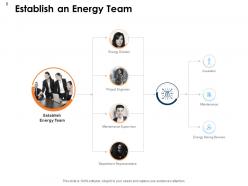
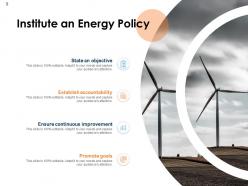
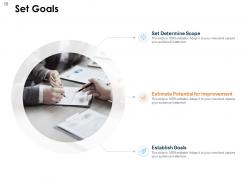
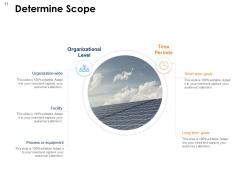
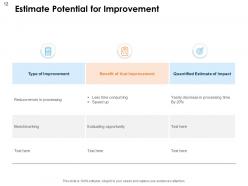
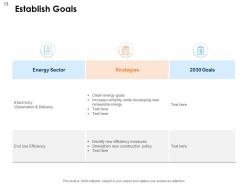
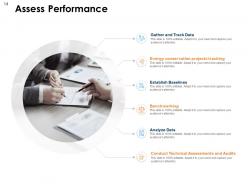
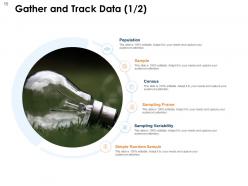
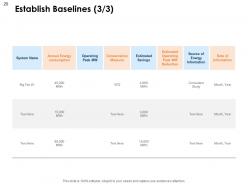
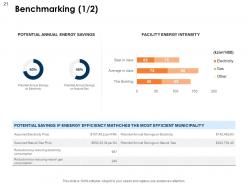
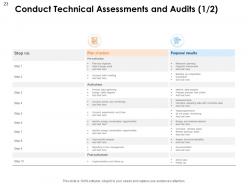
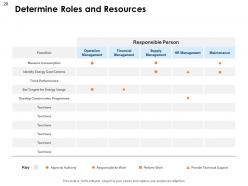
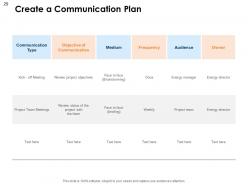
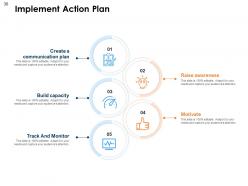
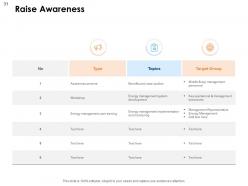
Monitor energy usage by employing Power Management Powerpoint Presentation Slides. With our energy management PPT slideshow, you can measure future results by gathering and tracking data, benchmarking & establish baselines. Demonstrate the working of energy management systems with the help of this high-quality energy demand management PPT slideshow. Establish goals & estimate the potential for improvement with the assistance of the energy management system PPT slideshow. Track the performance of energy conservation projects by using energy procurement PPT visuals. Demonstrate the importance of energy audits to analyze energy flows using these professionally designed power efficiency PPT templates. Demonstrate the steps by which energy can be conserved for future use with the assistance of this visually appealing energy solutions management PowerPoint template. Thus, download our impressive power management process PPT Presentation and save your energy cost by reducing waste.
People who downloaded this PowerPoint presentation also viewed the following :
Power Management Powerpoint Presentation Slides with all 61 slides:
Use our Power Management Powerpoint Presentation Slides to effectively help you save your valuable time. They are readymade to fit into any presentation structure.





FAQs for Power Management
Honestly, you need three main things: monitoring, automation, and solid policies. Map out your current power usage first - that's where you'll spot the worst offenders. Set up real-time tracking so you can see consumption patterns, then build automated controls around your biggest problem areas. Peak hours and emergencies need different rules, obviously. Backup power is non-negotiable because nobody wants to explain why everything crashed during the quarterly meeting (been there, not fun). Regular audits help catch inefficiencies you missed. Train your team so they actually know what to do when stuff hits the fan.
Dude, you can easily cut 20-30% off your energy bills with decent power management. Instead of running everything full blast all the time, it actually adjusts server loads, AC, and lights based on when you're using stuff. Your data center is probably the biggest culprit here - those things never sleep. The system gets smarter over time too, picks up on your company's patterns. Honestly, most places I've seen are hemorrhaging money during nights and weekends when nobody's even there. Do a quick audit of your current usage first though. You'll probably be horrified at what you find.
So smart tech is basically like having a brain running your power system 24/7. It watches everything, spots problems before they happen, and adjusts things automatically. The AI learns how your place uses energy and tweaks the distribution accordingly - honestly pretty impressive stuff. You get way fewer outages, better efficiency, and don't have to babysit everything constantly. Remote control is huge too. I'd start by checking what you've got now and seeing where upgrades would help most.
Yeah, absolutely! Start with an energy audit so you actually know where you're bleeding power - that's your game plan right there. Smart systems and energy-efficient gear are your best friends here. Automated stuff cuts down on waste like crazy, and if you can swing renewable sources, even better. The cool thing is modern power management usually pays for itself through lower bills while helping the environment. I'd say go after the biggest energy hogs first - you'll see results faster that way. Honestly, measuring everything upfront makes such a difference because then you're not just guessing what needs fixing.
Honestly, the worst part is dealing with legacy systems that hate talking to anything modern. Different teams will fight you on changing their workflows too - people are stubborn like that. Hardware support is a nightmare since it either doesn't exist or works terribly when it does. You'll spend forever trying to balance power savings without making everything feel slow (users notice EVERYTHING). Money's always tight, especially when you need to spend upfront for savings later. My advice? Start small with a pilot on some non-critical systems first. Prove it actually saves money before going company-wide.
Dude, power management is seriously underrated for cutting industrial costs. Your electricity bills drop when motors and HVAC only run when actually needed. Automated controls stop equipment from pointlessly running during downtime - honestly, you'd be shocked how much stuff just sits there burning power for no reason. Equipment lasts way longer too since it's not getting beat up constantly. Most places I know about have cut energy costs 20-30% without breaking a sweat. Oh, and maintenance costs go down since your machinery isn't working overtime. Just audit what you're using now - bet you'll find some ridiculous waste immediately.
Dude, so much cool stuff happening right now. AI-powered smart power management is everywhere, plus GaN semiconductors are finally making things way more efficient. Wireless charging is getting legit practical too - not just for phones anymore. Oh and energy harvesting from random stuff like vibrations? That's actually working now. Digital controllers are pretty much standard at this point, which is nice for real-time monitoring. Honestly though, if you're doing any new designs, just go GaN. Yeah it seemed expensive before but it's not anymore, and you'll cut power losses while making everything smaller.
So predictive maintenance is huge - get sensors on everything to catch problems before they blow up. Demand response programs work really well too, basically you pay customers to use less power during peak times. Sounds weird but it's a lifesaver during summer heat waves. Diversify your energy sources and build backup pathways so power can reroute automatically when lines fail. Real-time monitoring gives you eyes on the whole system. Oh, and don't forget regular training for your ops team - they're the ones actually running this thing.
So here's the thing - power management is basically your secret weapon for cooling costs. Every watt you save on computing cuts about 0.4 watts on cooling too, which adds up fast. Consolidating workloads onto fewer servers means less heat overall, so your HVAC doesn't work as hard. Modern systems can even coordinate power and cooling dynamically (honestly didn't know that was a thing until recently). Sleep states are underrated - tons of servers just sit there burning energy for no reason. I'd start by checking what's actually being used vs. what's just running because nobody bothered to optimize it.
So it totally depends where you're based - power regulations are all over the place. US has EPA stuff plus state efficiency rules. Europe's got EcoDesign and Energy Labeling regs, which are honestly a pain but whatever. China uses GB standards, Japan has their Top Runner thing. Most countries focus on the same basics though: energy efficiency, how much power stuff uses on standby, environmental impact. Oh and Asia-Pacific is kind of a mess since every country does their own thing. I'd just hit up your local energy authority's site first - way easier than trying to figure it out from scratch.
So predictive analytics is pretty sweet - it looks at your past energy use, weather data, when people are actually in the building, all that noise. Then it forecasts demand spikes before they hit you. Way better than scrambling when your power bill explodes, right? You can shift heavy stuff to cheaper off-peak times and catch equipment about to fail. The trick is getting good data from whatever systems you're already running. I've seen places cut their energy costs by like 20% just from timing things better. Build models that fit YOUR patterns though, not some generic template.
So energy storage is like having a backup plan that also makes everything run smoother. You store extra power when nobody needs it, then dump it back out during peak hours. This keeps your system from freaking out during those crazy demand spikes that can cause brownouts. Really helpful for renewables too since solar and wind are all over the place - one minute you're getting tons of power, next minute nothing. The tricky part is figuring out how much storage you actually need. Don't go overboard though, you'll just waste money on capacity you'll never touch.
Measure your kWh usage first - get that baseline before changing anything. Then watch your monthly bills and peak demand numbers drop. Most places save 10-30% which honestly makes all the effort worth it. Don't forget to check if your systems are still running smoothly though. Nobody wants angry users complaining about slow computers just to save a few bucks. Set up some dashboards to track everything automatically. Makes it way easier to spot weird patterns or adjust things when needed. Oh, and peak demand reduction is usually where you'll see the biggest dollar savings.
Yeah so renewables basically mess with everything we knew about power grids. Solar doesn't care that everyone comes home at 6pm and cranks their AC - the sun's already setting by then. Grid operators used to just fire up more coal plants when demand spiked, but now they're stuck trying to predict weather patterns and store energy for later. It's honestly pretty wild how much infrastructure needs updating. Smart grids, battery storage, real-time balancing systems - the whole nine yards. Traditional baseload plants were so much simpler to manage, but here we are.
Dude, you're gonna need the basics down cold - circuit analysis, power electronics, control systems. Can't skip those. Programming is massive now too, like MATLAB, Python, C++. Everything's going digital so fast it's crazy. ETAP and PSS/E are the simulation tools everyone uses - total game changers once you figure them out. The renewable stuff and smart grids keep evolving constantly. IEEE has decent courses to stay updated. Honestly? Start with a solid fundamentals course first, then dive into the simulation software. That one-two punch will definitely make you stand out when you're job hunting.
-
Great quality slides in rapid time.