


Battery Energy Storage Systems PPT Guidelines ACP





Try Before you Buy Download Free Sample Product
 Impress Your
 Audience
 100%
100% Editable
 Save Hours
 of Time


Unlock insights into oil market dynamics with our Average Oil Price Volatility PPT Demonstration. This professional presentation deck offers in-depth analysis, visual data representations, and expert commentary, empowering stakeholders to make informed decisions. Perfect for analysts, investors, and industry professionals seeking clarity in fluctuating oil prices.
People who downloaded this PowerPoint presentation also viewed the following :
Battery Energy Storage Systems PPT Guidelines ACP with all 40 slides:
Use our Battery Energy Storage Systems PPT Guidelines ACP to effectively help you save your valuable time. They are readymade to fit into any presentation structure.












FAQs for Battery Energy Storage Systems
So BESS systems have four main parts. Battery cells store the energy, obviously. Then there's a power conversion system that handles the AC/DC stuff so it can actually connect to the grid. The battery management system is huge - it watches temperature, voltage, all that safety stuff. Honestly that's where most problems happen if it's cheap. There's also an energy management system that basically runs the whole show. Think of it like... the batteries are storage, PCS is the translator, BMS is the safety guard, and EMS coordinates everything. When you're shopping around, definitely focus on BMS quality first.
Honestly, the chemistry you pick makes or breaks your BESS setup. Lithium-ion is fast and compact but starts losing capacity after like 10-15 years. Flow batteries? Total opposite - they're huge but can handle daily cycling for 20+ years without much degradation. It's basically speed vs longevity. Most grid stuff goes lithium-ion because the performance is just better. But if you're doing heavy cycling long-term, flow batteries might be worth the extra space. I mean, depends what you're prioritizing really.
Dude, batteries are a game changer for renewables. Solar panels pump out tons of power during sunny days, but what happens at night? That's where storage kicks in - it banks all that extra energy for later. Wind's the same deal, totally unreliable timing-wise. Think of it like this: instead of cranking up dirty power plants every time renewables dip, you just pull from your stored juice. Makes the whole grid way steadier. Honestly, if you're doing any renewable stuff these days, you'd be crazy not to plan for batteries right from the start.
So batteries are basically the grid's shock absorbers - they soak up extra power when renewables are cranking out energy, then dump it back when demand goes crazy. Picture it like a savings account but for electricity. The cool part? Utilities can fire these things up in seconds instead of starting expensive backup plants when everyone's blasting their AC. Oh, and they're clutch for keeping voltage steady when the grid gets wonky. Honestly beats the hell out of the old system where you'd just cross your fingers during peak hours.
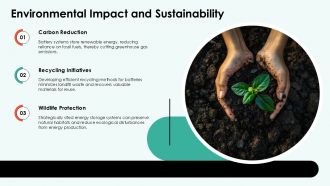
Yeah, so battery manufacturing is pretty rough on the environment - all that lithium and cobalt mining trashes ecosystems and guzzles water like crazy. But here's the thing: BESS batteries actually last 10-15 years and you can recycle them properly (not like those old phone batteries we all have lying around somewhere). Recycling tech keeps getting better too. My advice? Find suppliers who've got their recycling game figured out and solid lifecycle plans. Trust me, it'll make your life easier later and your ESG reports won't look like garbage.
So you charge up when electricity's dirt cheap - like late at night or whatever. Then when everyone's blasting their AC and rates go crazy, you just use your stored power instead. It's honestly like stocking up on sale items at the grocery store. Time-of-use pricing makes this way more worth it. You'll want to look at when your usage spikes first though. Some people save a ton doing this, others not so much depending on their utility company. Short version: buy low, use high. Works pretty well if your rate structure isn't terrible.
Ok so there's actually a bunch of ways to finance battery storage. The federal ITC tax credit is huge - 30% of costs through 2032. Check what your state offers too, California's SGIP is really solid if you're out there. Banks have specialized clean energy loans now, or you could do a PPA where someone else owns the system. Oh and your utility might have programs too, though honestly those vary wildly. I'd hit up the DSIRE database first to see what's in your area specifically - it's like the best resource for this stuff.
So BESS totally flips how you design electrical systems - now you've got power flowing both ways instead of just one direction. Protection schemes need reworking, control systems too, plus your grid connections. Honestly, the flexibility is pretty sweet compared to old-school generation. You'll need beefier inverters and new monitoring gear. Sometimes extra transformers depending on voltage levels. Here's the thing though - plan those integration points early! Trying to retrofit BESS later is a nightmare and costs way more than building it in from day one.
Solid-state batteries are finally getting real - they're way safer and last forever. LFP lithium-ion is crushing it on cost drops too. AI management systems now optimize your storage automatically, which is pretty wild. Grid stuff is going modular so you don't have to build everything upfront. Sodium-ion for stationary storage actually works now (honestly shocked me). Better algorithms mean you're storing smarter, not just more. Oh and permitting is getting less painful - that was such a headache before for big projects.
So BESS is like a buffer for your EV chargers - charge it up when electricity's cheap during off-peak hours, then use that stored power when people actually plug in. Honestly, demand charges are such a pain and can wreck your budget if you're not careful. The cool thing is you can add more charging stations without beefing up your grid connection since you're not hammering the system all at once. My advice? Check your peak usage first - that'll tell you how big to size the battery to smooth out those spikes.
Honestly, the money thing hits first - we're talking millions upfront per installation. Grid integration gets messy because you need fancy management systems for all the power flow chaos. Raw materials are a total headache right now - lithium shortages are killing procurement teams everywhere. Oh, and don't get me started on regulations. Every region has different rules that'll slow you down for months. My advice? Start with smaller pilot projects first. Prove the economics work before you go big, otherwise you might burn through cash way too fast.
Dude, regulations are make-or-break for BESS projects. They control everything - safety codes, how you connect to the grid, what markets you can even play in. Some places have their shit together with fast permitting, others will bury you in red tape for months. Your revenue depends on what they allow too - frequency regulation, peak shaving, capacity markets. Oh and fire codes keep changing which messes with your site design costs. Honestly the worst part? Environmental rules that pop up mid-project. Do your homework on local regs first and budget extra for compliance headaches.
So the energy management software is basically what runs your whole BESS setup - it decides when to charge, discharge, how much juice to push through. Pretty wild how smart these algorithms are getting tbh. The software watches grid conditions, electricity prices, your battery health, all that stuff to optimize everything. You'll be sitting on crazy expensive hardware that can't do shit without decent software. Real-time adaptation is where the money's made. Whatever system you're looking at, make sure the software's actually proven and robust - that's honestly where most of the value comes from, not the batteries themselves.
Look, safety stuff controls literally everything about BESS design - it's not like you can slap it on later. Fire suppression, thermal monitoring, emergency shutoffs, decent ventilation... all mandatory because lithium batteries get nasty when they go bad. UL 9540 and NFPA 855 cover your spacing and containment requirements. The safety gear honestly costs more than the actual batteries half the time, which is wild. But if you bake these standards in from the start instead of trying to retrofit? Way cheaper and less of a nightmare. Oh, and check your local fire codes early - learned that one the hard way.
So the big thing right now is direct recycling - basically getting usable materials back without melting everything into slag. Way more efficient. Closed-loop systems are huge too, where companies actually take responsibility for their own batteries instead of dumping them on someone else. Hydrometallurgy is replacing a lot of the old smelting processes since it uses like 60% less energy. Regional hubs are starting up everywhere to avoid shipping batteries across continents, which honestly makes sense. EU regulations are forcing minimum recycled content requirements globally now. Start talking to recyclers early though - don't wait until you've got dead batteries sitting around. Build those relationships and get end-of-life costs into your models from day one.
-
Stunning collection! With a wide variety of options available, I was able to find a perfect slide for my presentation. Thank you, SlideTeam!
-
“Love it! I was able to grab an exciting proposal because of SlideTeam.”