

Marketing plan powerpoint presentation slides




Try Before you Buy Download Free Sample Product
 Impress Your
 Audience
 100%
100% Editable
 Save Hours
 of Time


Looking for a professional PPT presentation on marketing plan? Not sure where to find the most relevant content and graphics? Do not worry! Download our content ready marketing plan PowerPoint presentation slides that will help you in describing the business exercises involved in achieving explicit marketing targets within a set time period. This business marketing strategy PPT presentation comprises of 19 slides that are designed using the most effective and impressive graphics and images. The business marketing planning PowerPoint presentation includes slide on relevant topics like distribution model, content distribution, distribution plan, timeline, content distribution matrix, our vision, our team, about us, our goals, puzzle, timeline, clustered bar, combo chart, area chart, and thank you. With the help of these impressive presentation slides, you will be able to plot a business promoting and marketing efforts for the coming year. You can also showcase your organization present marketing position. Our graphics designers have used tables, timeline, heatmap to design this stunning presentation. Download this marketing plan PPT presentation slides. We offer the finest Marketing Plan Powerpoint Presentation Slides in a kaleidoscope of colors. Thousands of choices mean that all of your needs are covered.
People who downloaded this PowerPoint presentation also viewed the following :
Content of this Powerpoint Presentation
Slide 1: This slide introduces Marketing Plan. State Your Company Name and get started.
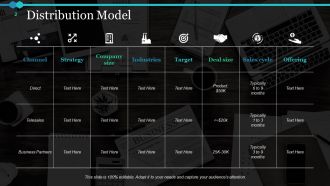
Slide 2: This slide showcases Distribution Model.
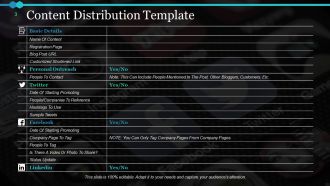
Slide 3: This slide presents Content Distribution Template.
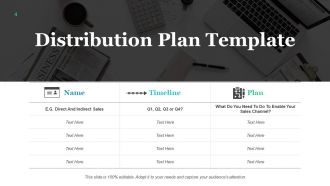
Slide 4: This slide shows Distribution Plan Template. Add the data in the table and use it accordingly.
Slide 5: This slide presents Distribution Plan Timeline.
Slide 6: This slide shows Template. Add the data in table and use it.
Slide 7: This slide presents Content Distribution Matrix.
Slide 8: This slide showcases Marketing Plan Icons Slide.
Slide 9: This slide is titled Additional slides to proceed forward
Slide 10: This is Our mission slide with imagery and text boxes to go with
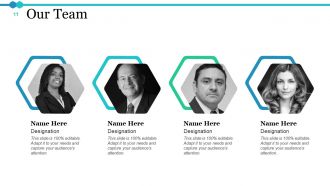
Slide 11: This is Our team slide with names and designation.
Slide 12: This is an About us slide to state company specifications etc.
Slide 13: This is an Our Goal slide. State your important goals here
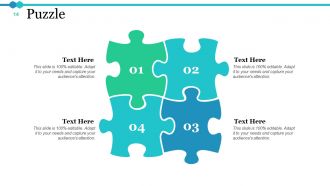
Slide 14: This slide presents a PUZZLE slide with the following subheadings- Integrity and Judgment, Critical and Decision Making, Leadership, Agility.
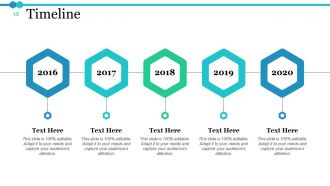
Slide 15: This is a Timeline slide to show milestones, growth or highlighting factors.
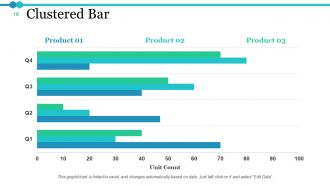
Slide 16: This slide showcases Clustered Bar.
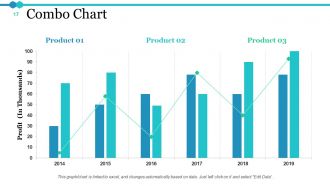
Slide 17: This slide presents Combo Chart.
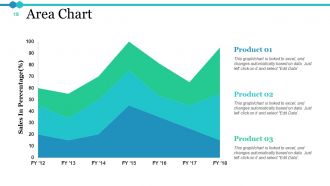
Slide 18: This is an Area Chart slide for product/entity comparison
Slide 19: This is a Thank You slide with Address# street number, city, state, Contact Numbers, Email Address.
Marketing plan powerpoint presentation slides with all 19 slides:
Our Marketing Plan Powerpoint Presentation Slides have an discerning impact. Build an atmosphere that encourages acceptance.
-

Marketing Plan
-
Distribution Model
-
Content Distribution Template
-
Distribution Plan Template
-
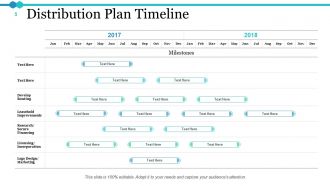
Distribution Plan Timeline
-
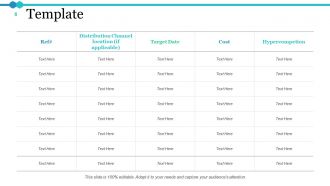
Template
-
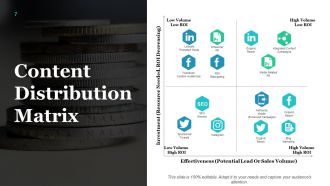
Content Distribution Matrix
-
Marketing Plan Icons Slide
-

Additional Slides
-
Our Mission
-
Our Team
-

ABOUT US
-
Our Goal
-
Puzzle
-
Timeline
-
Clustered Bar
-
Combo Chart
-
Area Chart
-

Thank You Slide
FAQs for Marketing plan
Start with figuring out exactly who you're targeting - like really specific stuff about demographics and where they hang out. That's honestly the hardest part but everything else builds from there. You'll need clear goals you can actually measure, plus your unique selling point that makes you different. Don't forget budget and timeline (I literally always mess up the timeline part). Oh and pick your channels - whether that's social, email, whatever works for your people. I'd say spend most of your time nailing down those audience personas first since the rest is pretty much useless if you get that wrong.
First thing - figure out what your company actually wants to achieve. Revenue goals? New markets? Whatever the big stuff is. Map your marketing straight to those outcomes. So if they want 25% growth, focus on leads and conversions that'll get you there (not just Instagram likes, even though those are nice to see go up). Every campaign needs to connect back to a real business goal - otherwise you're just throwing money around. Oh, and set up regular check-ins to see what's working. You'll probably need to pivot your strategy anyway.
Honestly, market research is everything when it comes to your marketing plan. You'll know who your customers are, what they actually want, and how they think. Skip it and you're basically throwing money at the wall hoping something sticks - trust me, I've watched campaigns crash and burn this way. The research shows you market gaps, where competitors are positioned, and whether your ideas are any good before you blow your budget. Customer surveys are a solid starting point, plus checking out what your competition's doing. Even basic research beats going in completely blind, which... yeah, never ends well.
Honestly, I'd dig into your current customer data first - look for patterns in who they are, what they do, their problems. Build 2-3 detailed buyer personas from that. Age, income, interests, where they spend time online, what stresses them out. More than 3 gets messy and you'll lose focus. Then actually validate these through surveys or interviews because assumptions will bite you. I learned that the hard way once. The goal is being specific enough that you can picture exactly who you're talking to and how to reach them.
Start with the obvious stuff - their websites, social media, reviews. SEMrush or Ahrefs will show you what keywords they're targeting and how much they're spending on ads. I'm weirdly addicted to signing up for competitor email lists (probably get like 50 marketing emails a day now lol). Mystery shop them if you can. Track their pricing over time too. Google Alerts for their brand names catches the big announcements. Don't try to monitor everyone though - pick 3-5 main competitors and check monthly instead of randomly going down rabbit holes.
Honestly, short-form video is where it's at right now - TikTok and Reels are killing it. Voice search stuff is getting big too since literally everyone talks to their phone now. AI personalization and interactive content like polls work really well for engagement. Oh, and micro-influencers beat out celebrities every time for actual engagement rates, which is wild but makes sense when you think about it. Privacy-first approaches are huge with all the cookie drama happening. I'd pick maybe two of these that actually fit your audience and test them out next quarter instead of trying everything at once.
Honestly, SWOT analysis is a game-changer for marketing plans. It forces you to be real about what you're actually good at and what sucks. Plus you'll catch opportunities you'd totally miss otherwise. I've watched so many teams get hyped about random tactics without doing this basic homework first - then wonder why nothing works. The sweet spot is matching your strengths with actual market opportunities. That's where you make bank. Just brain dump everything first, even the uncomfortable stuff. Then figure out which insights should actually drive your strategy.
Honestly, focus on the metrics that actually matter for your bottom line. Conversion rates and customer acquisition cost are non-negotiable - start there. ROI on ads is huge too. I'd also track engagement stuff like click-through rates and email opens since they're way more useful than follower counts (which are basically meaningless). Oh, and lifetime customer value if you can swing it - that one's a game changer. Brand awareness through surveys is smart but kinda tedious. Pick maybe 6 metrics max that connect to your actual goals. Otherwise you'll just get overwhelmed by data. Simple monthly dashboard works great for staying on top of everything.
Okay so seasonal trends are huge for knowing when to push products and spend your budget. Retailers blow up in Q4, fitness brands own January - you get it. Map out your industry's patterns first because timing is everything. Consumer behavior changes so much between seasons too (I totally bombed a summer campaign in December once, whoops). Build your content calendar around those natural peaks and valleys. Don't just copy-paste campaigns across seasons though - what works in summer probably tanks in winter. Budget allocation should follow those same cycles.
Here's what's worked for me: Put 70-80% into channels you know convert well already. The remaining 20-30% goes toward testing new stuff - this part's actually fun once you get into it. Monthly budget planning beats quarterly, trust me on this one. You need room to move money around when something's crushing it. Track your cost per acquisition religiously because most people just... don't, and then wonder why they're bleeding cash. Oh, and keep like 10% as a buffer for random opportunities. Tie every dollar to an actual metric so you're not just guessing what worked.
Think of social media as your megaphone, not the whole show. Pick maybe 2-3 platforms tops - I'd go Instagram and LinkedIn for B2B stuff, TikTok if you're after Gen Z (though honestly their algorithm is so moody). Don't just throw content out there and ghost. Spend like 15 minutes daily actually talking to people in your comments and jumping into industry conversations. That's where the magic happens. Use it to funnel people back to your main content and let your brand's personality shine through. Way more effective than posting random stuff and hoping for the best.
So you basically don't want to put all your eggs in one basket, right? Spread your marketing across different places - social media, email, paid ads, events, whatever works. Each one hits different people at different stages. Some folks discover you on Instagram, others through Google ads or word of mouth. The trick is figuring out where your people actually spend time (not where you think they do - learned that one the hard way). Test a few channels first before dumping your whole budget. It's like... you wouldn't ask someone out using just carrier pigeons, you know?
Ditch the feature lists and start talking about actual customer journeys instead. People eat up transformation stories way more than boring specs. Grab some real before-and-after moments from your customers, or hell, even share how your company got started. Behind-the-scenes stuff works great too. Then spread these stories everywhere - social media, emails, videos, case studies, whatever. Here's the thing though: make your customers the hero, not your product. That's where most people mess up. Start small - find one solid customer story this week and figure out how to use it across different platforms. Trust me, it's way more engaging than rattling off product benefits.
Honestly, the biggest trap is being super vague about who you're actually targeting. Like, "millennials" isn't specific enough lol. Also don't set goals that sound fancy but you can't really measure - I've done this and it's pointless. Budget for actually doing the work, not just planning it. So many people skip this part! Look at what your competitors are doing too. Yeah it's boring research but you need to know what you're up against. Keep timelines realistic and track your results so you can change direction if something's not working. Trust me on the timeline thing - always add buffer time.
Honestly, you can't just set up your marketing plan and forget about it. Check in monthly - don't wait for those quarterly reviews because by then it's too late. I made that mistake once and watched a campaign completely bomb while I sat there doing nothing. Track your metrics constantly and actually listen to what customers are saying. Sometimes what you think will crush it just... doesn't. Quick pivots save money and headaches. Oh, and those feedback loops everyone talks about? They're annoying to set up but worth it when you catch problems early.
-
excellent