

Financial Crisis Powerpoint Presentation Slides




Try Before you Buy Download Free Sample Product
 Impress Your
 Audience
 100%
100% Editable
 Save Hours
 of Time


Grab this visually-opulent Financial Crisis PowerPoint Presentation Slides to showcase the economic slump of the 20th century. This economic crisis PPT slides deck is replete with graphical layouts to help you elucidate vital facts with ease. From infographics, and flowcharts to pie charts, and timeline diagrams, our financial depression PowerPoint theme gives you impeccable layouts. Apart from the 2008 depression, this economic recession PPT slideshow provides you appropriate graphics to showcase key statistics of past financial crunches. Use the information provided in economic downturn PowerPoint templates like key figures of 2008 depression, or edit in your findings. Our economic decline PPT theme gives you a tabular format to represent the impact of the great depression on investment banks, etc. Use gripping design elements of the fiscal crisis PowerPoint presentation to discuss the spread and the events that ensued. So, download our financial turmoil PPT to obtain professional layouts such as the subprime effect, fed tapering, and current situation.
People who downloaded this PowerPoint presentation also viewed the following :
Content of this Powerpoint Presentation
Slide 1: This slide introduces Financial Crisis. State your Company name and begin.
Slide 2: This slide explains 2008 Financial Crises Impact
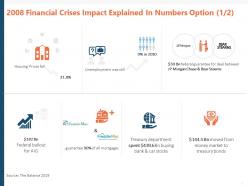
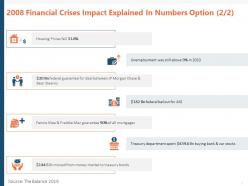
Slide 3: This slide also explains 2008 Financial Crises Impact In Numbers Option.
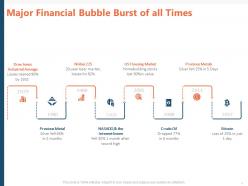
Slide 4: This slide depicts Major Financial Bubble Burst of all Times.
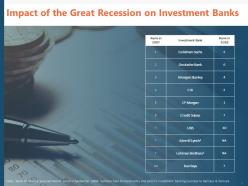
Slide 5: This slide shows Impact of the Great Recession on Investment Banks.
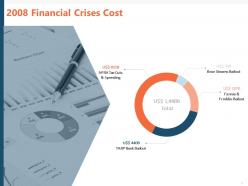
Slide 6: This slide depicts 2008 Financial Crises Cost.
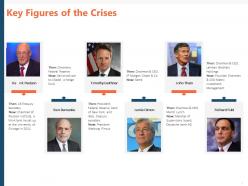
Slide 7: This slide showcases Key Figures of the Crises.
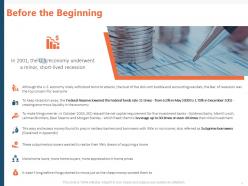
Slide 8: This slide displays Before the Beginning.
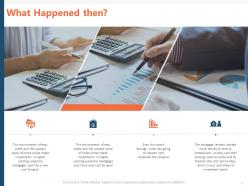
Slide 9: This slide showcases What Happened then?
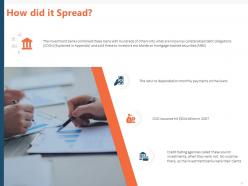
Slide 10: This slide showcases How did it Spread?
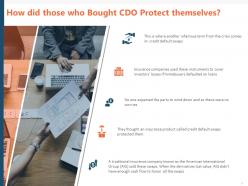
Slide 11: This slide presents How did those who Bought CDO Protect themselves?
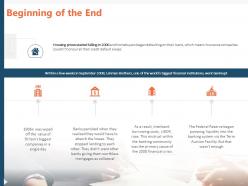
Slide 12: This slide depicts Beginning of the End.
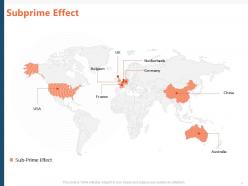
Slide 13: This slide depicts Sub-prime Effect.
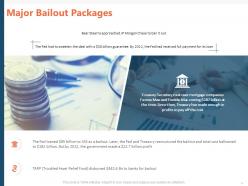
Slide 14: This slide shows Major Bailout Packages.
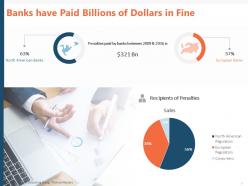
Slide 15: This slide showcases Banks have Paid Billions of Dollars in Fine.
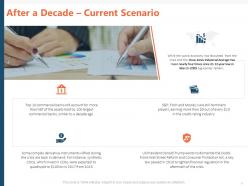
Slide 16: This slide displays After a Decade – Current Scenario.
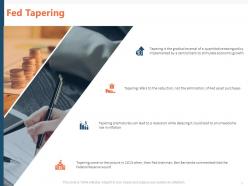
Slide 17: This slide shows Fed Tapering.
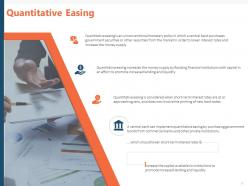
Slide 18: This slide depicts Quantitative Easing.
Slide 19: This is Financial Crisis Icons Slide.
Slide 20: This slide is titled as Additional Slides for moving forward.
Slide 21: This is Our Mission slide with Vision, Mission and Goal.
Slide 22: This is Our Team slide with names and designations.
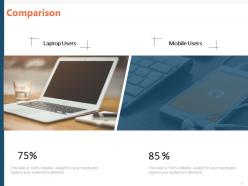
Slide 23: This is Comparison slide showcasing comparison between laptop users and mobile users.
Slide 24: This is Our Target slide. Showcase your targets here.
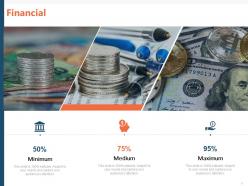
Slide 25: This is Financial slide. Showcase finance related stuff here.
Slide 26: This is 30 60 90 Days plan slide.
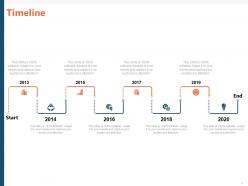
Slide 27: This slide showcases Timeline process.
Slide 28: This is Thank You slide with Contact number, address and email address.
Financial Crisis Powerpoint Presentation Slides with all 28 slides:
Use our Financial Crisis Powerpoint Presentation Slides to effectively help you save your valuable time. They are readymade to fit into any presentation structure.





FAQs for Financial Crisis
Honestly, it's mostly too much debt and banks acting like idiots with risk. Housing bubbles, stock bubbles - you name it. Central banks keep rates super low which just makes everything worse. Banks start handing out loans to anyone with a pulse. The scary part? Everything's so connected now that when one thing crashes, it all goes down together. Regulation is usually garbage too - they let these institutions do whatever until boom, crisis time. Red flags are pretty obvious: home prices going nuts, people drowning in debt, banks getting sloppy with who they'll lend to. Classic recipe for disaster.
Honestly, it comes down to whether politicians are being smart or reckless. Like, when interest rates stay crazy low for years, people start taking dumb risks and bubbles form. The whole 2008 mess happened partly because they stripped away banking regulations - basically removed the safety net. Massive government debt makes everything worse too. But here's the thing: good oversight and reasonable interest rates actually work as protection. Smart banking rules help a ton. If you're watching the economy, red flags go up whenever policies start encouraging wild speculation or let banks go nuts with risky bets.
Dude, consumer behavior basically drives financial crises. People get scared and stop spending - businesses suffer, then everything spirals. The 2008 housing mess? Classic example of folks borrowing way too much. Panic selling makes everything worse too. When everyone rushes to pull money from banks at once, you're screwed. It's wild how our individual freak-outs somehow create these massive economic disasters. I always check consumer confidence numbers now - they usually show trouble before it hits. Psychology is way more connected to economics than most people think.
Banks are weird - they're both the problem and the solution during financial crises. They cause trouble by taking crazy risks and getting way too interconnected. Remember 2008? That whole mortgage mess spread everywhere because banks were all linked together. But here's the thing - they also help stabilize things by keeping money flowing and payment systems running. Central banks jump in as emergency lenders too. Honestly, the red flag I watch for is when banks start acting like they're at a casino instead of, you know, being actual banks.
Look, when countries are all financially connected, one country's mess becomes everyone's problem. Remember 2008? US housing crashed and suddenly European banks were toast, Asian exports tanked - the whole domino effect thing. More connected you are, more vulnerable to outside shocks. But going isolationist isn't realistic either since you'd kill your growth (honestly, it's a tough balance). Countries need better regulations that actually test banks against global crises, not just local ones. You can't predict everything, but at least you're not flying blind when the next crisis hits.
So these models basically hunt for the same red flags that showed up before past meltdowns - like how 2008 had those crazy subprime indicators, or dot-com valuations going absolutely nuts. They crunch economic data: credit spreads, housing prices, unemployment, banking health, all that stuff. Here's the thing though - don't rely on just one metric. You'll want to combine different data sources and set up alerts for when multiple warning signs hit at once. Real-time monitoring works best. Start small with a few solid early warning indicators for whatever sector you're watching. Way more manageable than trying to track everything.
Look, banks being so connected means when one crashes, they all crash - total domino effect. After 2008, we learned you can't let banks borrow crazy amounts against sketchy mortgages. Some of that subprime stuff was literally criminal if you ask me. Now there's way more capital requirements and stress tests. Problem is, when these "too big to fail" banks mess up, we're the ones paying for bailouts. Pretty unfair tbh. For your money though? Don't put all eggs in one basket. Keep debt low when times are good - that's what screws people when everything falls apart.
So basically regulators always end up chasing whatever crisis just hit. After 2008, we got Dodd-Frank targeting mortgage stuff. Problem is, they're fixing yesterday's disaster while new sketchy things are already cooking elsewhere. It's like whack-a-mole honestly. Do the new rules work? Yeah, they stop that exact same crisis from happening again. But then finance bros just get creative and find fresh loopholes. My take? There's always gonna be some blind spot regulators missed, so just assume there's risk hiding somewhere.
Dude, financial crises are absolutely brutal on families. People lose jobs, wages get slashed, and house values just tank completely. Families start cutting everything - restaurants, doctor visits, you name it. Tons of people can't make mortgage payments anymore and end up losing their homes. The mental toll is honestly the worst part though - constant stress about bills really messes with your head. Getting loans becomes nearly impossible since credit dries up everywhere. Oh, and recovery is super slow, like painfully slow. If you're thinking ahead, definitely build up that emergency fund and maybe find some side income streams. Trust me on this one.
Look, most market craziness comes down to people freaking out together. Fear spreads ridiculously fast - way faster than anyone actually thinks things through. Someone starts selling, then everyone panics and dumps their stuff too. Same thing happens with greed during those insane bubble periods. Your brain basically wants to follow what everyone else does, especially with money on the line. Makes volatility go completely nuts compared to what companies are actually worth. Plus we're terrible at cutting losses - I've definitely held onto garbage stocks too long, then sold at exactly the wrong moment. Honestly? Best thing you can do is figure out your exit plan before everything goes sideways.
Look, fintech could actually help prevent the next big crash. AI catches red flags way earlier than humans ever could - we're talking real-time risk monitoring that spots trouble before it spirals. Blockchain gives you bulletproof audit trails, and banks can stress-test themselves instantly instead of waiting weeks for results. Digital payments are huge too since they break up those messy bank networks that made 2008 so contagious. Though honestly? New tech just creates different problems we haven't figured out yet. The trick is building actual backup systems, not just making everything faster.
So central banks are like the financial world's firefighters and smoke detectors combined. They watch for trouble by regulating banks and tweaking interest rates to stop bubbles from getting crazy. When shit hits the fan though, they become the lender of last resort - pumping money into markets and slashing rates. The 2008 crisis is a perfect example. Without the Fed going all-out, we probably would've seen another Great Depression (which honestly nobody wants to live through). If you're watching economic stuff for work, pay attention to what they're hinting about future moves.
Dude, emerging markets get absolutely wrecked during financial crises. Investors freak out and yank their money super fast - that's the whole capital flight thing. Their currencies tank, inflation goes nuts, and borrowing becomes insanely expensive since they owe so much in foreign currency. Meanwhile developed countries have way better tools to deal with this stuff. They've got reserve currencies and stronger institutions. Emerging markets? They're basically stuck with fewer options and take forever to bounce back. Pro tip though - watch those emerging market bond spreads. They'll tell you when shit's about to hit the fan globally.
So the major ones to study are 1929, 2008, and Japan's mess in the '90s. That '29 crash basically created the Great Depression and gave us FDIC insurance. 2008 was wild - it killed those sketchy NINJA loans and brought us Dodd-Frank regulations. Japan's still kinda recovering from their deflationary spiral, honestly. What's crazy is how each crisis completely rewrites the rulebook on risk and banking. People get super cautious for like 20+ years afterward. If you're watching current markets for red flags, these three will teach you the patterns to look for.
Honestly, the media can totally make or break how bad a financial crisis gets. All those scary headlines? They freak people out and suddenly everyone's pulling their money out of banks and panic-selling stocks. Which obviously makes everything way worse. It's wild how that works. But when journalists actually explain what's happening instead of just screaming about disaster, people stay calmer. During rough times, I'd definitely mix up your news sources - don't just read one outlet. Look for reporting that gives context, not just fear. Some stations are way worse about this than others.
-
Great experience, I would definitely use your services further.
-
I discovered this website through a google search, the services matched my needs perfectly and the pricing was very reasonable. I was thrilled with the product and the customer service. I will definitely use their slides again for my presentations and recommend them to other colleagues.