

Financial Management Powerpoint Presentation Slides





Try Before you Buy Download Free Sample Product
 Impress Your
 Audience
 100%
100% Editable
 Save Hours
 of Time


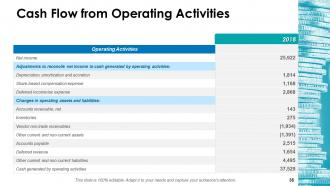
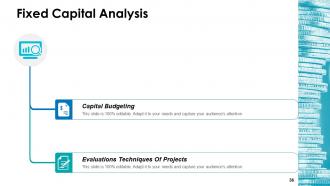
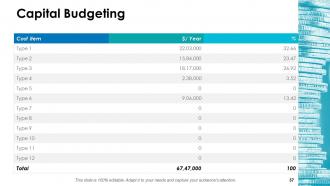
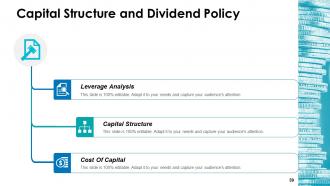
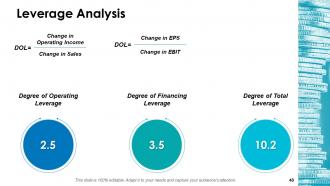
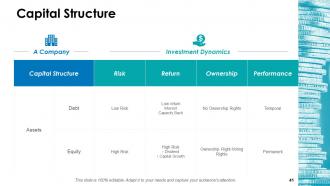
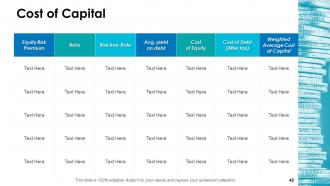
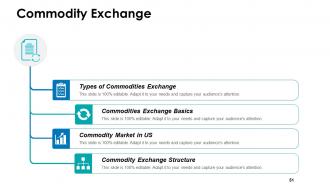
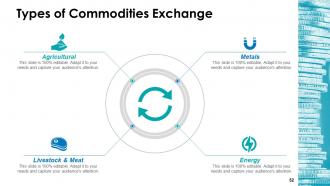
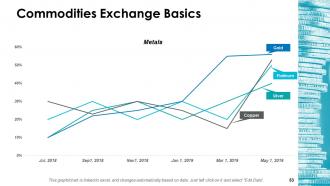
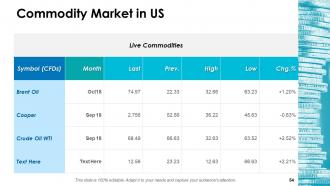
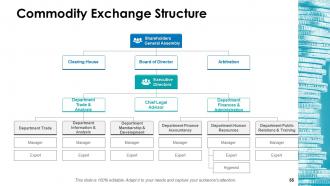
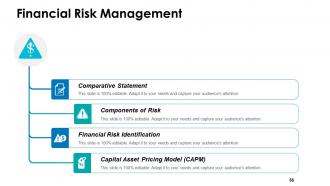
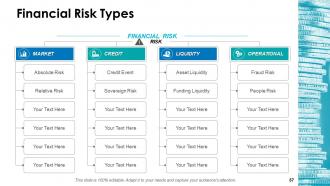
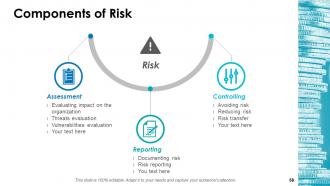
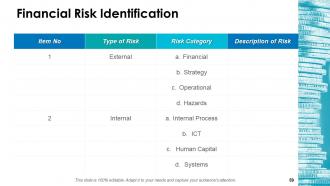
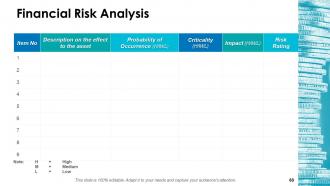
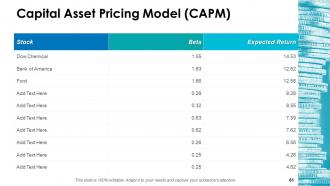
Showcase the scope of financial management with this content ready Financial Management PowerPoint Presentation Slides. The ready to use financial planning PowerPoint complete deck includes various slides such as financial management goals, objectives, US financial system, financial instruments, rights issue, debenture, time value for money parameters, valuation of bonds, comparative statement, common size statement, balance sheet , cash flow statement, trend analysis, ratio analysis, cash flow for operating activities and many more. Determine the financial needs and ensure availability to adequate funds. Get your audience focus on forex capital analysis, capital budgeting evaluation techniques of projects, capital structure and dividend policy, leverage analysis, cost of capital, working capital analysis, receivable management, inventory management, economic order quality, FIFO and LIFO method, commodity exchange basics and types, commodity exchange structure, financial risk management, types and components, financial risk analysis, capital asset pricing model, etc. Download the investment management PPT slides to present the concepts of financial accounting. Display grasp of every aspect with our Financial Management Powerpoint Presentation Slides . They help exhibit great dexterity.
People who downloaded this PowerPoint presentation also viewed the following :
Content of this Powerpoint Presentation
Finance is the lifeblood of any business. Without its use and correct application, owners find it challenging to understand how to add value. For instance, it is well-known that a dollar today is more valuable than a dollar tomorrow. Yet, when in a business, the daily routine and hurly-burly can distract the management’s attention from the basics of finance.
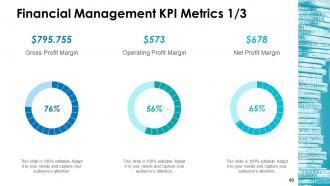
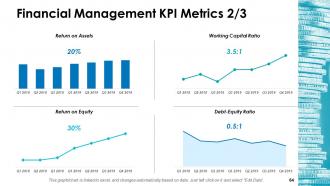
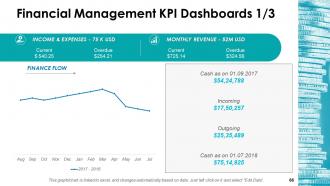
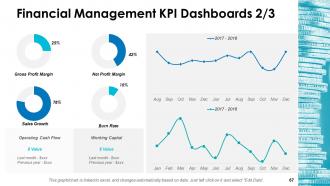
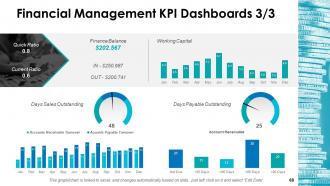
A financial management reporting dashboard is an important tool for compiling results for analysis and learning to improve. Find best-in-class financial management reporting dashboards here.
When to record revenue, for instance, is a major financial business decision. Should it be done only when the cash is in the bank, or should it be done as soon as the machine you sell is received at your customer’s premises? All these and more questions need financial management knowledge to be answered, and SlideTeam provides it to you.
These PPT Templates resolve the pain point of businesses that do not want to burden their teams with the nitty gritty of finance while ensuring the entire team has basic operational knowledge of finance. Even better, each of these templates is 100% editable and customizable, providing you with structure, a starting point, and the capability to change these templates according to the audience profile.
Access a world-class process to evaluate a project portfolio with demand and financial management here.
Let’s explore these templates now!
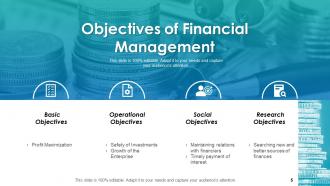
Template 1 Objectives of Financial Management PPT Templates

Use this PPT Template to get a fundamental outlook on the basic, operational, social and research objectives of financial management. The slide lists profit maximization as the bedrock or the basic objective. Then, come the objectives of growth of the enterprise, timely payment of interest, safety of investments and successfully searching for new sources of finance. Get this template now!
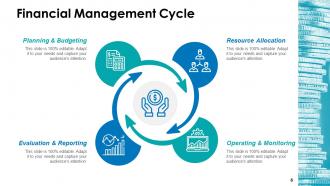
Template 2 Financial Management Cycle
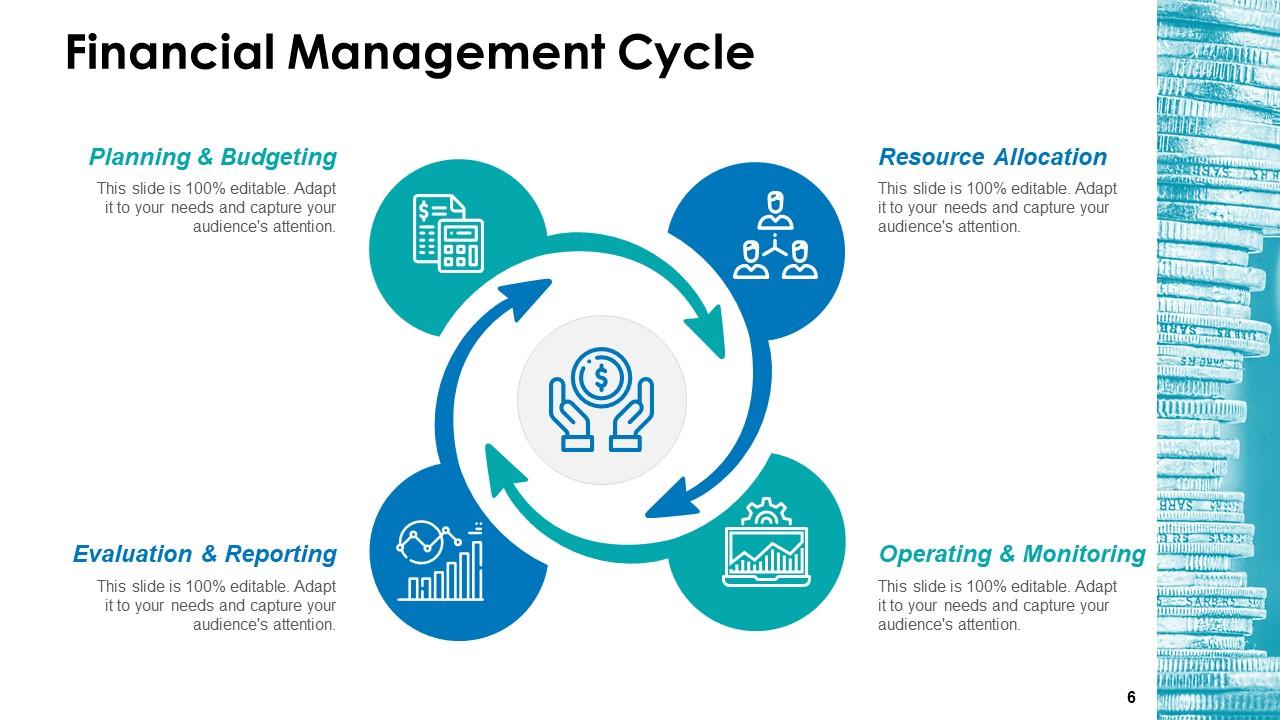
Financial management comprises the four major steps of planning & budgeting, resource allocation, operating & monitoring and evaluation & reporting. This PPT Layout lists it out well with the cycle illustrated to showcase how it never stops. As soon as planning and budgeting starts, resource allocation has to begin to ensure there is no leakage of money or time, in a professional setting. The steps in the cycle are always in motion with operating and monitoring a major part of the functioning of a financial management cycle.
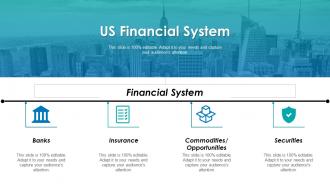
Template 3 US Financial System Components and Linkages PPT
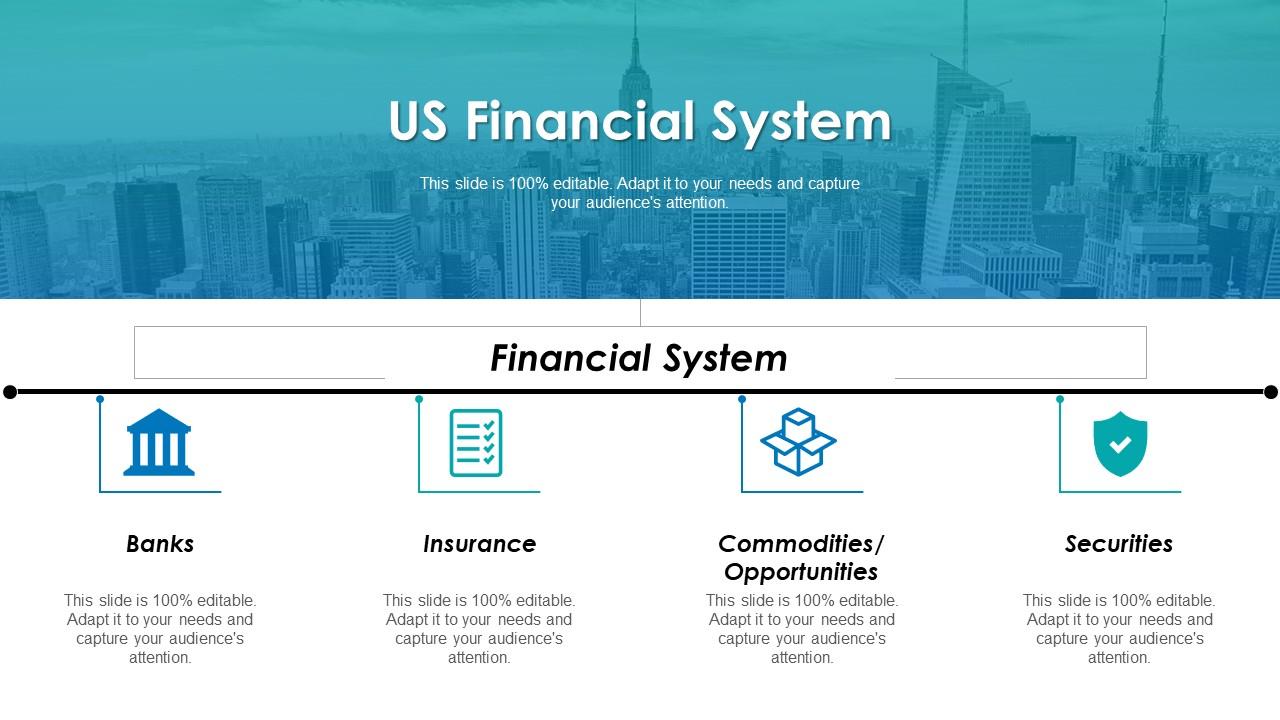
With a listing of the four major institutional/activity-based blocks of finance, this slide informs users of the major components of the US financial system. It includes banks, the insurance industry, the securities market and the like. Finally, the commodities market, also listed as opportunities here, as the fourth major component of the US financial system. The aim is to ensure that the cycle of financial activity is always on. For instance, banks lend and people spend some part of their income/money on insurance and securities.
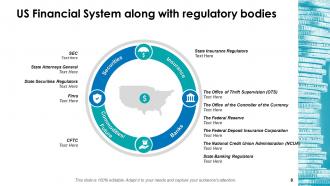
Template 4 US Financial System with Regulatory Bodies

As emphasized earlier in this blog, regulation is critical to the functioning of a financial system. This template showcases the regulatory bodies for the financial system in the US. There is a separate regulatory mechanism and body for each important aspect of the financial system. These include the SEC, the US treasury for interest rates and the federal deposit insurance commission, among others.
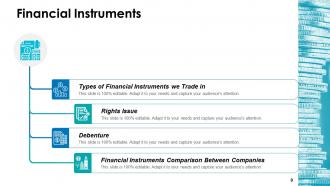
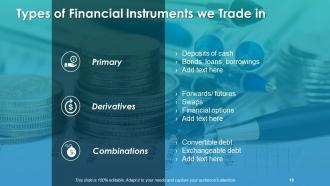
Template 5 Types of Financial Instruments Traded
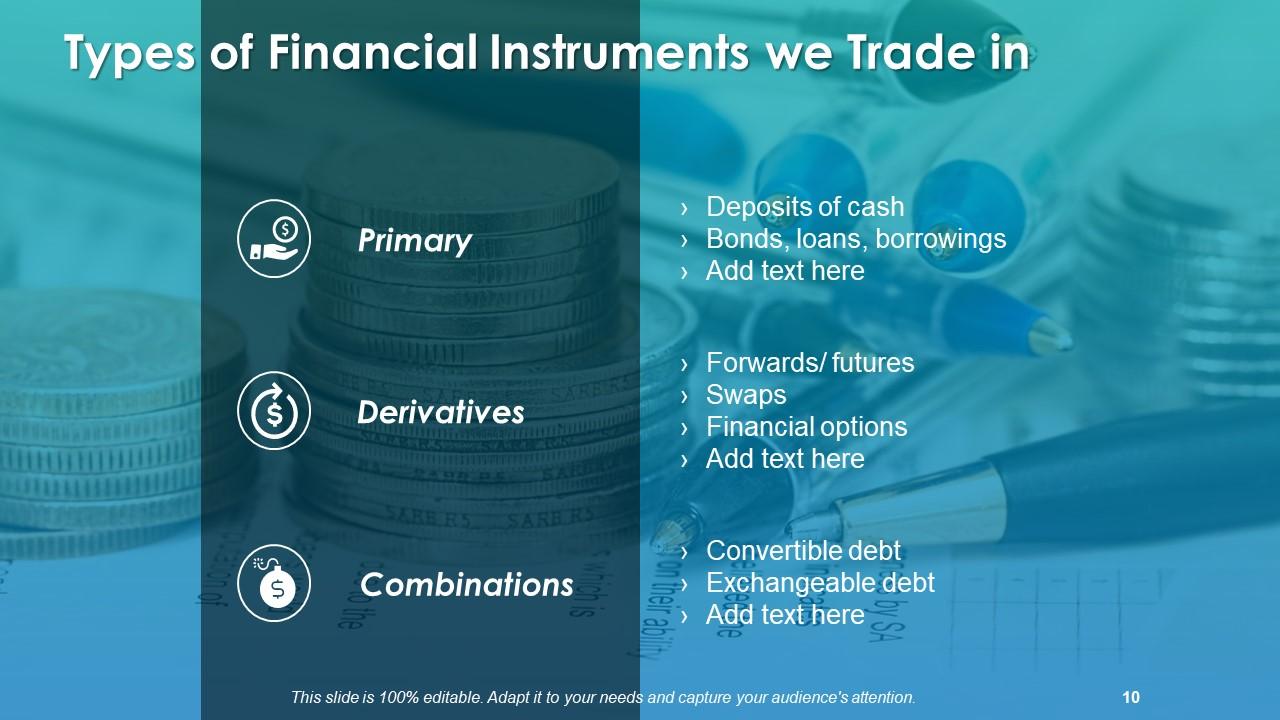
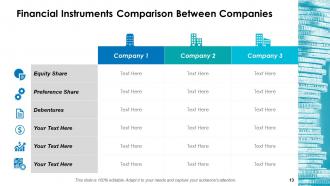
Use this PPT Template to list the major types of financial instruments that a financial service company trades in. These could be the primary bearers of financial value like deposits of cash, bonds, loans and borrowings. In more sophisticated instruments, one has derivatives like forwards and futures and swaps to trade in. A combination of these like convertible and exchangeable debt is also traded.
Template 6 Right Issues of Companies

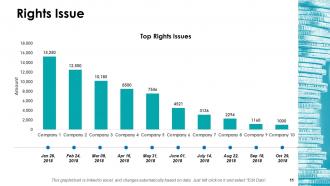
Rights Issues indicate how much investors and shareholders in businesses value and trust the finances of the companies they have put their money into. This PPT Template on Top Rights Issues showcases the amount raised by companies from the market or their shareholders. It is a direct comment on the quality of the aggregate financial management prevalent in any economy.
Template 7 Debenture Performance and Tool of Financial Management
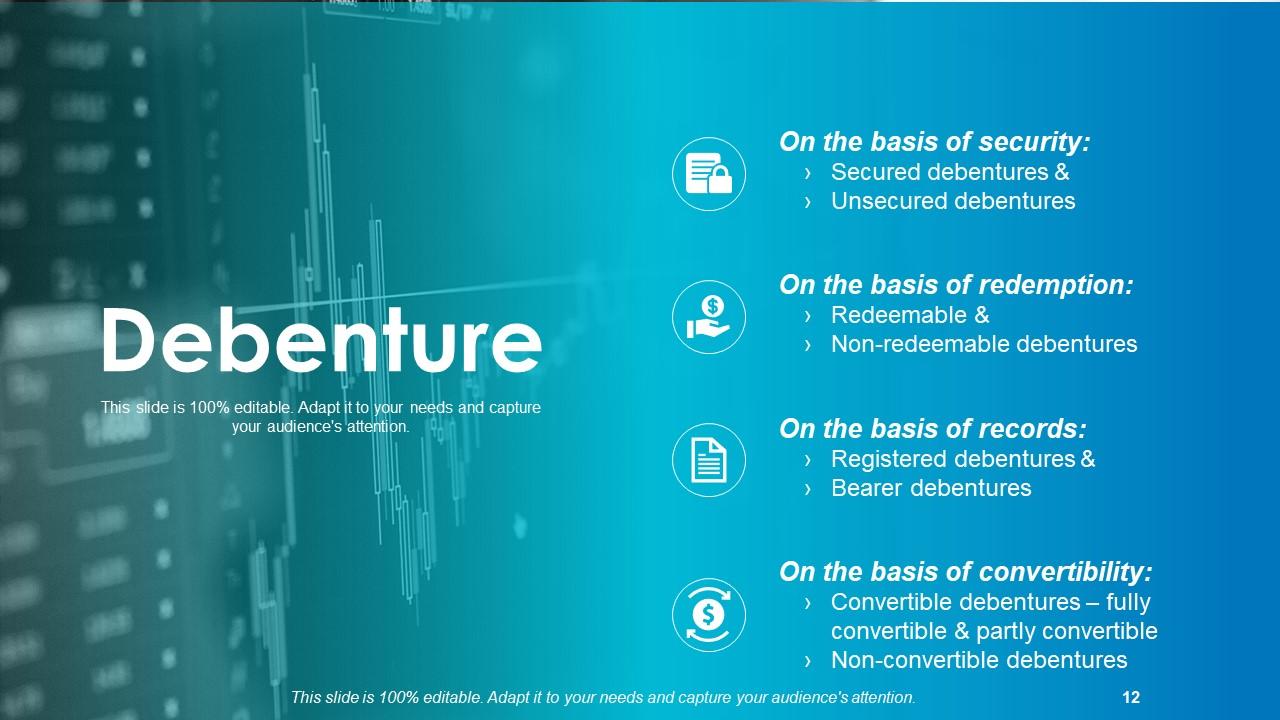
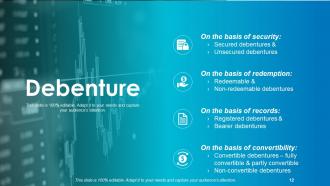
In financial management, creditworthiness and the reputation of a business or an individual for handling money, and returning loans on time is of extreme importance. A debenture is a formal way of loaning money without collateral or any expensive security. This slide depicts the kinds of debentures on the basis of security, convertibility, records, and redemption. The idea is to use these instruments well and create value and wealth for stakeholders.
Template 8 Time Value for Money Working Methodology
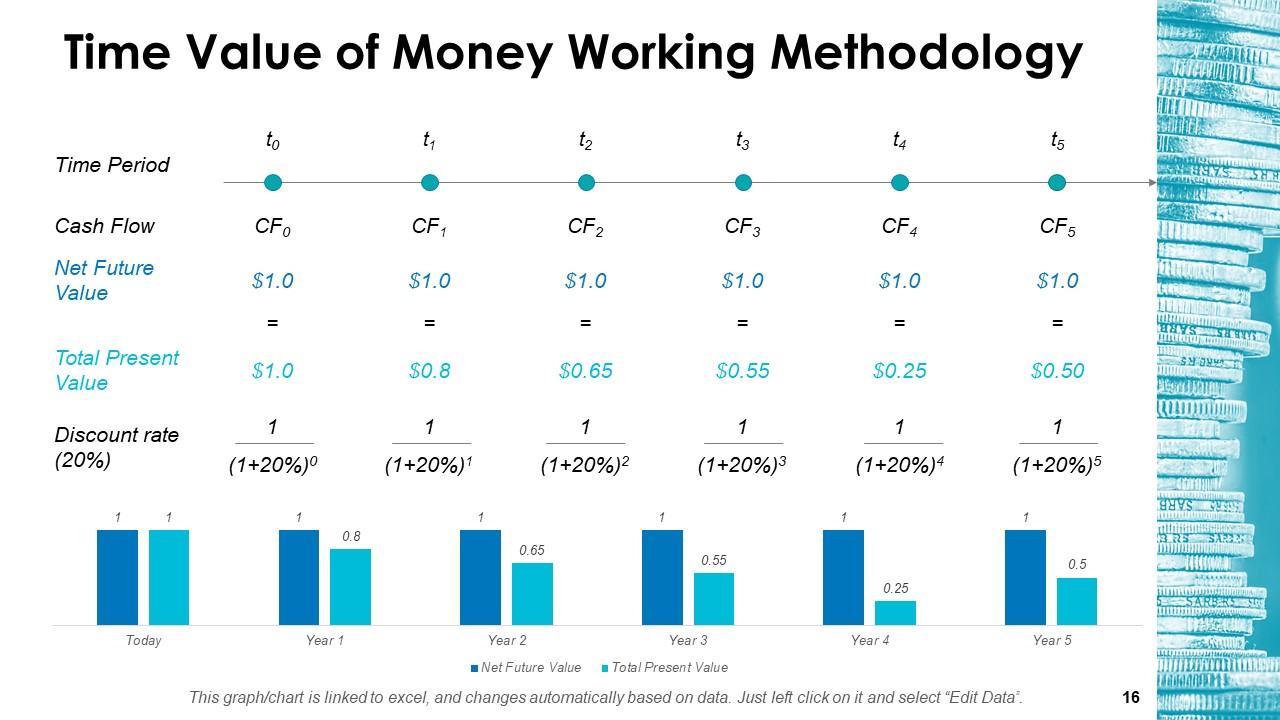
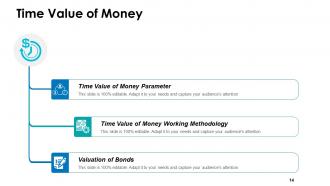
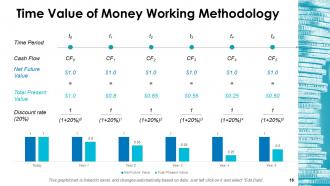
Perhaps the most important concept in finance, time value of money is illustrated well through this PPT Template. In clear terms, the business understands that the revenue stream of cash flow to it over time needs to be discounted at a rate at which a dollar loses value over time. The bar graph perfectly demonstrates that a dollar loses over half its value, at a discount rate of 20% if it is part of the cash flow five years from now.
Template 9 Comparative Income Statement

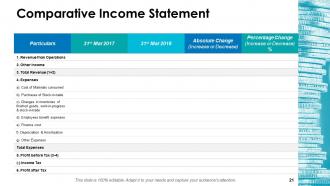
Understand how financial statements are derived from business activity and transactions in this comparative income statement. The variables are compared over a full 12 months, with both absolute change and percentage change recorded on the slide. Revenue from operations, other income, expenses, total expenses, profit before tax and profit after tax are all calculated to arrive at the value the business is adding to the ecosystem.
Template 10 Evaluation Techniques of Projects PPT Template
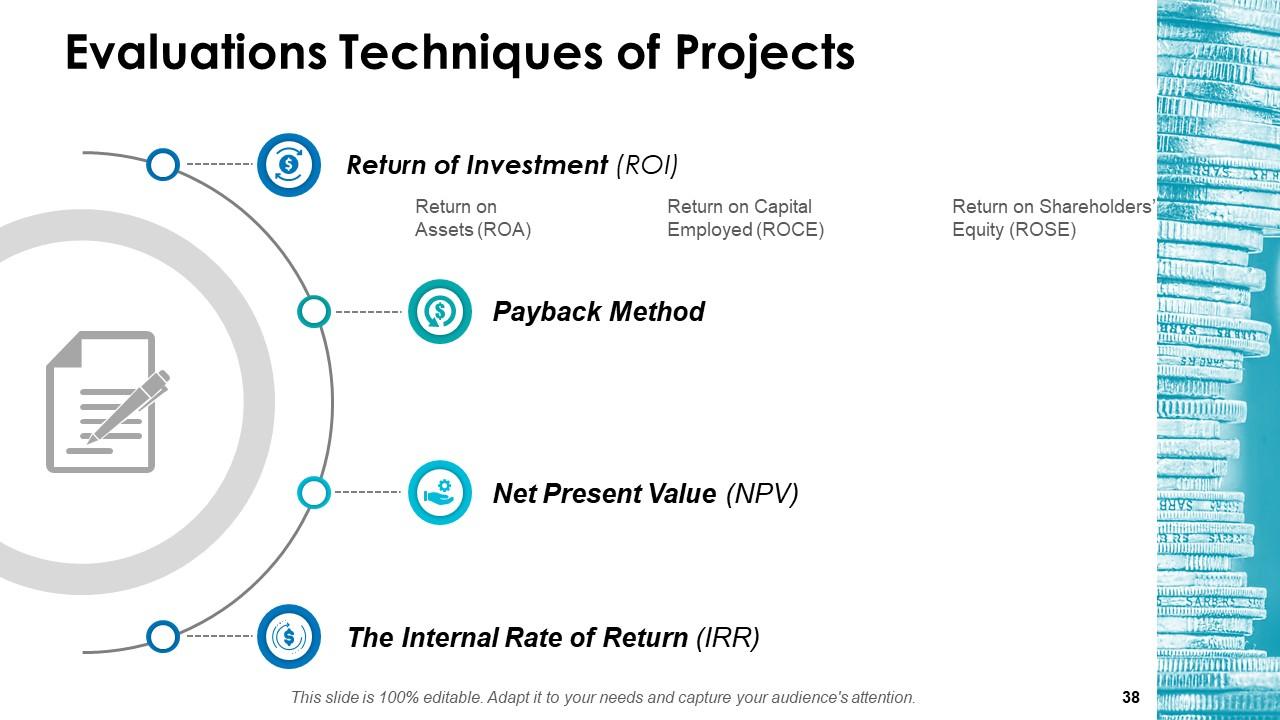
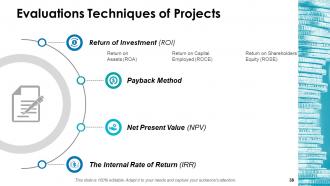
Without adequate due diligence and financial evaluation of projects, it becomes difficult to adequately and confidently invest in it. This PPT Templates answers for users the techniques and tools they can use to understand whether the project proposals before them can deliver them handsome returns, and even what returns. The major tools and methodologies showcased are Return on Investment, Payback Method, Net Present Value and the Internal Rate of Return. Use the slide and explain these to stakeholders in detail.
*****
KNOW YOUR FINANCE
Without financial management, no business can be run well. Every business requires it, and while the big and established enterprises can afford to keep chief financial officers, most cannot. Therefore, till you grow to a scale where financial management professionals need to take over, a basic and intermediate understanding of money is an absolute must. At SlideTeam, we provide that to you in a ready-made format to ensure you will never need another source for your financial management. Get the templates above and immediately make a difference.
PS Get best-in-class one-page teaser on the company stats of a financial company here.
Financial Management Powerpoint Presentation Slides with all 77 slides:
Indulge in intelligent arguments with our Financial Management Powerpoint Presentation Slides. Convince folks you have an agile brain.







FAQs for Financial Management
Honestly, just track every dollar coming in and going out - sounds boring but it'll save your butt later. Keep business and personal money totally separate, and yeah, you need an emergency fund even if it feels impossible right now. Learn to read basic financial statements (they're kind of like report cards for your business). Monthly check-ins are crucial - don't be like my cousin who ignored his numbers for six months and nearly went under. Oh, and organize everything from the start because playing catch-up with messy books is absolutely brutal.
So basically, cash flow forecasting helps you spot money crunches before they sneak up on you. When you see cash getting tight next month, you can hold off on that new equipment or chase down slow-paying customers. Honestly, it's saved my butt more times than I can count. You'll catch seasonal patterns, figure out when to line up credit, and avoid that nightmare scenario where payroll's due but your big client is dragging their feet. Keep it updated regularly though - stale forecasts are pretty useless. A 13-week rolling forecast is perfect to start with.
Honestly, financial ratios are like a health checkup for your business - way more useful than staring at raw numbers all day. Current ratio tells you if you can actually pay your bills. Gross margin shows whether you're making decent money. Then you've got debt-to-equity (are you drowning in debt?) and return on assets. Don't get caught up analyzing just one month though - trends matter way more. I learned this the hard way when I freaked out over one bad quarter. These four ratios will give you a really solid picture of what's going on.
Ditch those static annual budgets and go with rolling forecasts instead - way more flexible when stuff changes mid-year. Zero-based budgeting is clutch too since every expense has to earn its place rather than just copying last year. Most companies literally just slap 5% on everything which is lazy as hell and wastes money. Pull some data analytics to see where departments are actually getting ROI. Quarterly reviews with department heads let you move money around based on what's working. My old company never did this and we'd have marketing burning cash on dead campaigns while sales needed more leads. Make it a living document that actually responds to your business, not some dusty spreadsheet you ignore.
List out all your debts with their interest rates first - you need to see the full picture. Attack the high-interest stuff aggressively, especially credit cards. Those rates are brutal. If consolidation gets you better rates or just simplifies things, go for it. I consolidated mine last year and honestly the mental relief was huge. Build your debt payments into your budget like rent - non-negotiable. Don't be afraid to call creditors if you're drowning; they'd rather work something out than send you to collections.
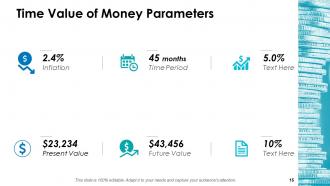
So basically, money today beats money tomorrow - inflation eats it up, plus you miss out on other opportunities. That $1,000 sitting in your account right now? Worth more than getting $1,000 next year. Makes you want to invest ASAP instead of waiting around. I always use a present value calculator now when I'm comparing different investments - total game changer. Like that "guaranteed 5% return" might sound decent, but you can actually crunch the numbers and see if there's something better out there. Honestly changed how I think about timing my investments.
Honestly, just be systematic about it - I've watched so many teams scramble every month because they don't have a process. Set up regular schedules and stick to standardized formats. Your data needs to be accurate and you should be able to back it up if someone asks. Document how you're doing things so it's not just living in your head. Build in time to double-check stuff before sending reports out, trust me on this one. Oh and make sure non-finance people can actually understand what you're telling them. I'd start by looking at what you're doing now and figuring out where the biggest mess-ups happen.
So these tools are pretty much your early warning system for financial disasters. They crunch historical data and market patterns to give you actual probability scores instead of just hoping for the best. Way better than going with your gut, honestly. You'll get impact assessments that help you decide whether to adjust your strategy, stash more cash aside, or completely change direction. The trick is combining different tools - don't rely on just one. And yeah, you've gotta keep updating them as things shift. Markets change fast these days.
Look, your finances can make or break what someone's willing to pay for your business. Clean books and steady cash flow? Buyers see way less risk and open their wallets wider. But if your financial records are a mess, you're basically putting a "discount me" sticker on everything. Cash flow management matters most - along with how you handle debt and keeping your reporting accurate. I've seen profitable companies get lowballed hard because their finances looked like a dumpster fire. Keep good cash reserves, document stuff properly, and honestly? It's shocking how much that translates to actual dollars when you're ready to sell.
Okay so corporate finance is basically how you fuel growth without going broke. Mix debt and equity smart - debt's cheaper because of tax breaks, but don't go crazy with it. Cash flow management keeps you ready for opportunities when they pop up. Honestly, the dividend thing confuses everyone at first, but reinvesting profits early makes way more sense than paying them out. Focus your investments on stuff that actually moves the needle - R&D, acquisitions, expanding into new markets. Just make sure you're mapping all this to where you want to be in 3-5 years and stress-test everything regularly.
Excel or Google Sheets are your best bet to start - honestly, they handle most of what you'll need day-to-day. Power BI and Tableau are worth the investment if you can swing it, they make dashboards that actually don't look like garbage. QuickBooks works great for accounting stuff. There's also Anaplan for budgeting but it's probably too much if you're on a small team. I've seen people work magic with just basic Excel though - sometimes you don't need all the fancy tools. Just start simple and upgrade when something's driving you crazy.
Honestly, volatile markets are such a pain but they force you to stay on your toes financially. You'll need to check your budget way more often than usual and keep extra cash around - way more than feels comfortable. Diversifying where your money comes from becomes crucial too. Interest rates are constantly changing which messes with both your loans and investments (I swear I check rates like three times a week now). The trick is running "what if" scenarios every few months instead of just once a year. That way you're not totally blindsided when things go sideways.
Honestly, taxes touch everything money-related, so you can't really ignore them when planning. Your investment picks, 401k vs Roth decisions, even when you sell stuff - it all comes back to tax implications. Like, why pay more than you have to? Business structure matters too if you're self-employed. The timing of big purchases can save you hundreds. Don't just think about taxes in April though - that's way too late. Look at your whole situation now and see what changes are coming. It's way easier to plan ahead than scramble later.
Honestly, you've gotta make compliance part of your routine instead of scrambling later. Get alerts set up from regulatory bodies and invest in decent accounting software that handles the boring stuff automatically. Regular audits are clutch - I know they suck but they'll save your butt from bigger headaches down the road. Document everything like crazy and keep your team updated on current standards. Oh, and definitely build relationships with compliance consultants who actually know what they're doing. Start by figuring out which regulations even apply to your specific industry and company size first.
Dude, financial literacy seriously helps your team make way better decisions. They'll actually understand project costs and ROI instead of just winging it. I've seen people catch budget waste they never would've noticed before. Basic stuff like cash flow and budgeting makes a huge difference - honestly, it's kind of shocking how many smart people don't get these fundamentals. Your employees will also get more strategic about their own pay negotiations. Maybe start with some simple training sessions? Even covering the basics can totally change how they think about trade-offs and resource allocation at work.
No Reviews