





 0 Comment
 Customer Reviews

Ever stared at a blank slide deck at 9 PM the night before a big pitch and just frozen? You feel odd that this is your product. It seems off, even to you, who loves it so much and is the creator. “If only you had a ready Product Marketing Roadmap to plug into your slides and guide the story,” you think to yourself.
You've got a product. But the way you need to explain it? It's not landing. Maybe you're sitting there with a list of features and some screenshots, thinking "this isn't going to move anyone." And honestly, you're probably right. HubSpot's 2024 Product Marketing Report surveyed 64% of marketing leaders struggling with this problem. Their go-to-market strategy feels disconnected from what they're telling customers, and it leads to lost deals.
Here's the thing: most teams try to build these roadmaps from scratch. They end up with fragments, great ideas scattered across decks, starkly different messages from sales and marketing, and ultimately customer confusion. It's like building a house without blueprints. You throw it together, hoping for the best, but nothing feels right. Nothing works.
That's where SlideTeam's Product Marketing Roadmap Templates help. They are proven frameworks built on what moves markets. You get everything structured, ready to customize, ready to pitch. No guessing. No starting from zero.
Looking for hands-on examples you can plug straight into your deck? Check out SlideTeam’s collection of product marketing plan templates with samples and examples that map strategy to slides.
What do these templates offer? They bridge the gap between what your product does and why people should care. Your whole team knows the story. Sales doesn't tell one version while marketing tells another. Customers finally understand why they need this instead of the alternative.
Why Product Marketing Roadmaps Matter
Here's what most people miss: product marketing has almost nothing to do with features. It's about the story you're telling.
Apple's the perfect example. They didn't sell "an iPod that holds 1,000 songs." They sold putting "1,000 songs in your pocket." Same product, different message. One sells. The other sits there.
That's what a Product Marketing Roadmap does. It finds the gap between what your product does and why anyone should care. Then it shows you how to close it.
Need timeline-first templates with clear sequencing and dependencies? SlideTeam’s product strategy roadmap templates offer ready-to-use Gantt-style and strategic layouts.
When your whole team, including product, sales, and customer success, is on the same page, everything moves. You skip the endless "wait, what are we selling?" conversations in sales calls. Marketing and sales teams stop fighting about messaging. The product team knows what customers care about.
Whether you're dropping a new feature, doing a full rebrand, or moving into new markets, having a structure keeps you from making expensive mistakes.
That's why SlideTeam's Product Marketing Roadmap Templates save your budget and time. You don't build from nothing. You start with frameworks that work, then customize them for your stuff. Let’s dive into a few important slides from this deck to see how they work in real presentations. You can download the complete deck or check SlideTeam’s pricing plans to get full access.
Template 1. Introduction to Product Marketing Roadmap PPT Template
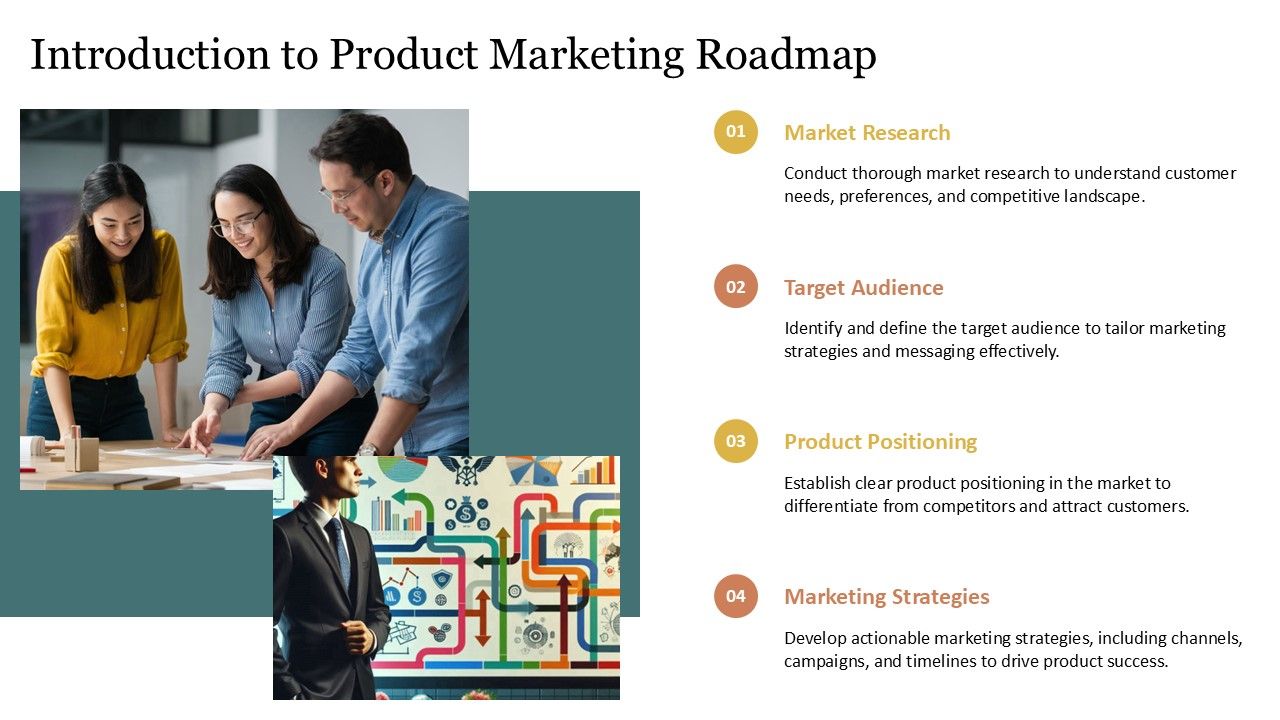
When you're pitching a new product launch, this SlideTeam slide does the heavy lifting. Instead of overwhelming people with data, you move through four steps: researching the market, choosing your audience, positioning the product, and locking in your marketing strategy. Each stage is numbered and labeled so stakeholders can see where their work fits, and what needs to happen before and after their part. It's designed to help you tell a story that moves from raw idea to market-ready product with flair.
Template 2. Understanding Market Needs and Trends PPT Template
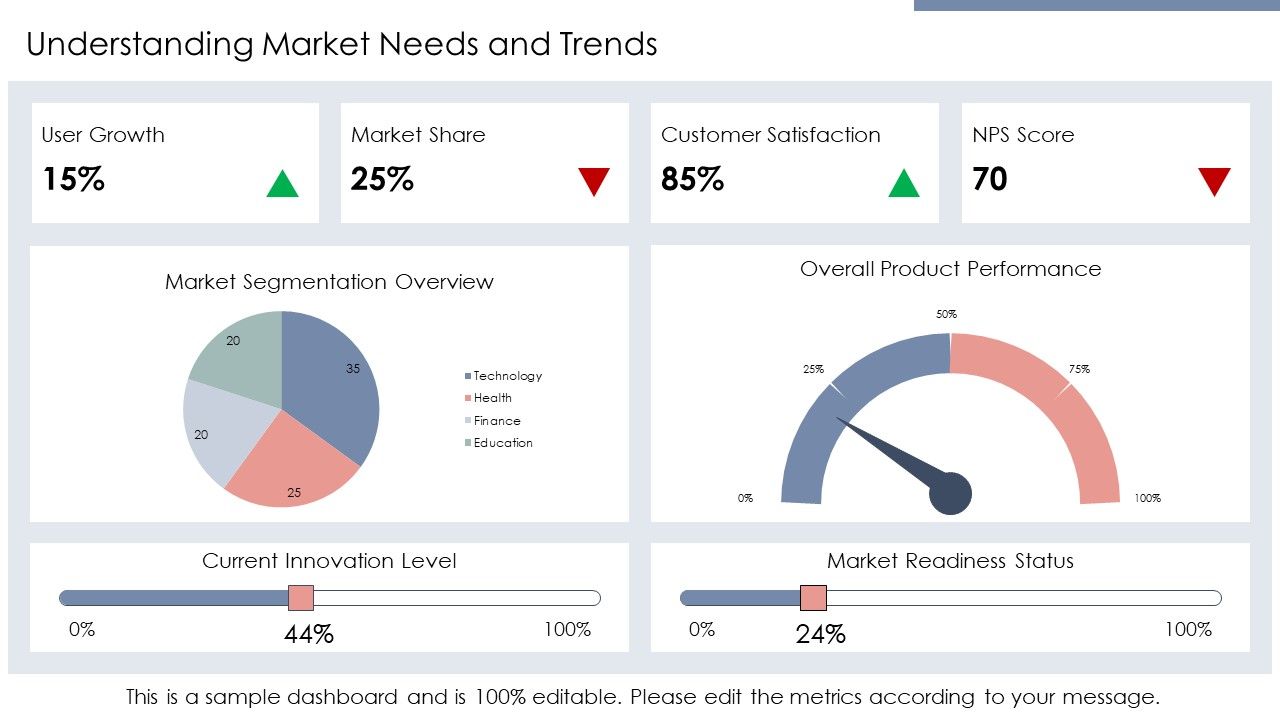
You're in a meeting where everyone's debating which market segments matter most, and nobody's got hard data to back up their position. This SlideTeam dashboard template cuts through the noise by putting four essential numbers front and center. This includes how fast your user base is growing, what slice of the market you control, whether customers stick around or leave, and what people think about your brand based on NPS. These supporting visuals work together; your market breakdown reveals where revenue comes from across segments, the performance gauge shows how close you are to hitting targets, and the readiness assessment signals if you're prepared for what's next.
Template 3. Defining Your Target Audience PowerPoint Template
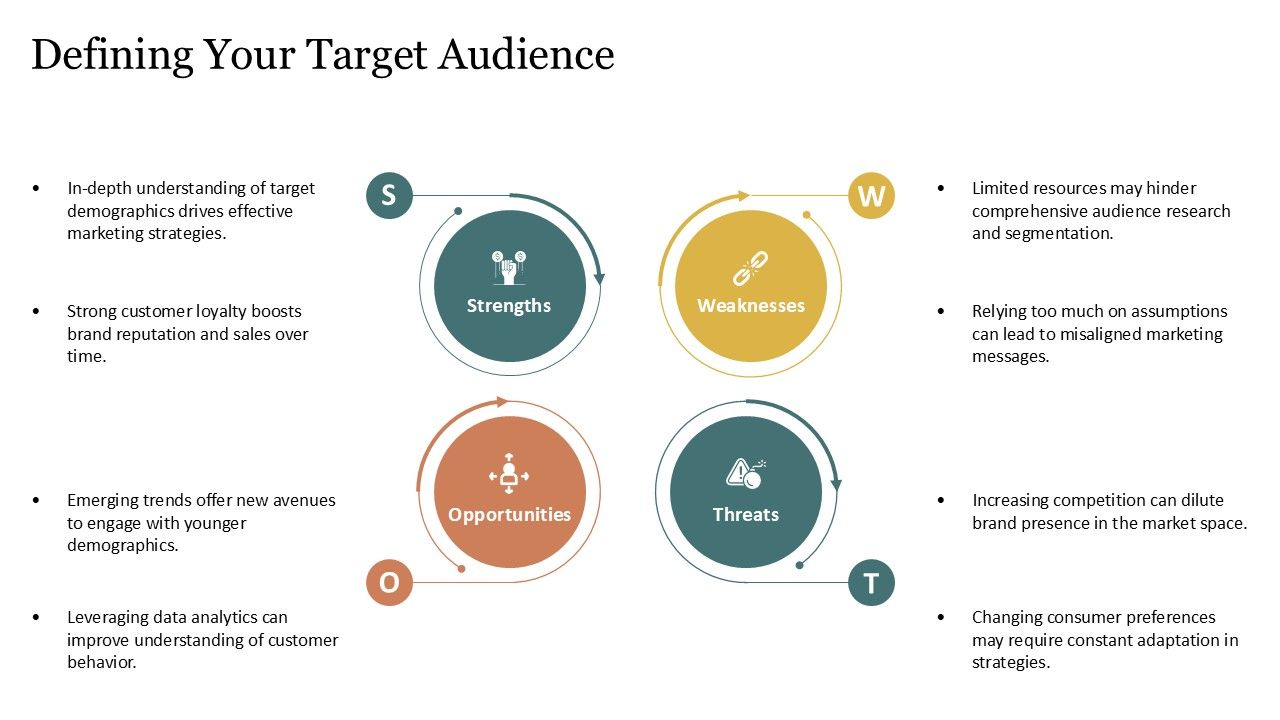
Most teams know audience research matters, but it often gets buried in spreadsheets where nobody looks at it. This SWOT template by SlideTeam forces you to pull those insights to the surface by mapping what you're good at, where you're weak, and where competitors might sneak in. Instead of just collecting age and location data, you're looking at the hard truths about what drives customer loyalty. Once it's on one slide, your team gets it, and you're building a real strategy based on what you've learned about your market.
Template 4. Identifying Target Market Segmentation PPT Template
Most teams operate on hunches about who they're selling to instead of data. This SlideTeam framework forces specificity by mapping customer segments across six dimensions: age, location, interests, buying behavior, income, and lifestyle. Rather than filling spreadsheets with vague personas, you're building a real table grounded in research you've done or data you've pulled from your business. The three key insights at the bottom surface patterns that shift strategy, and product teams find this useful when prioritizing features and budget based on real segment value.

Template 5. Key Performance Indicators for Marketing PPT Template
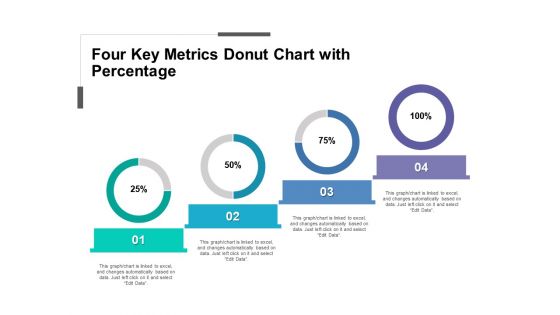
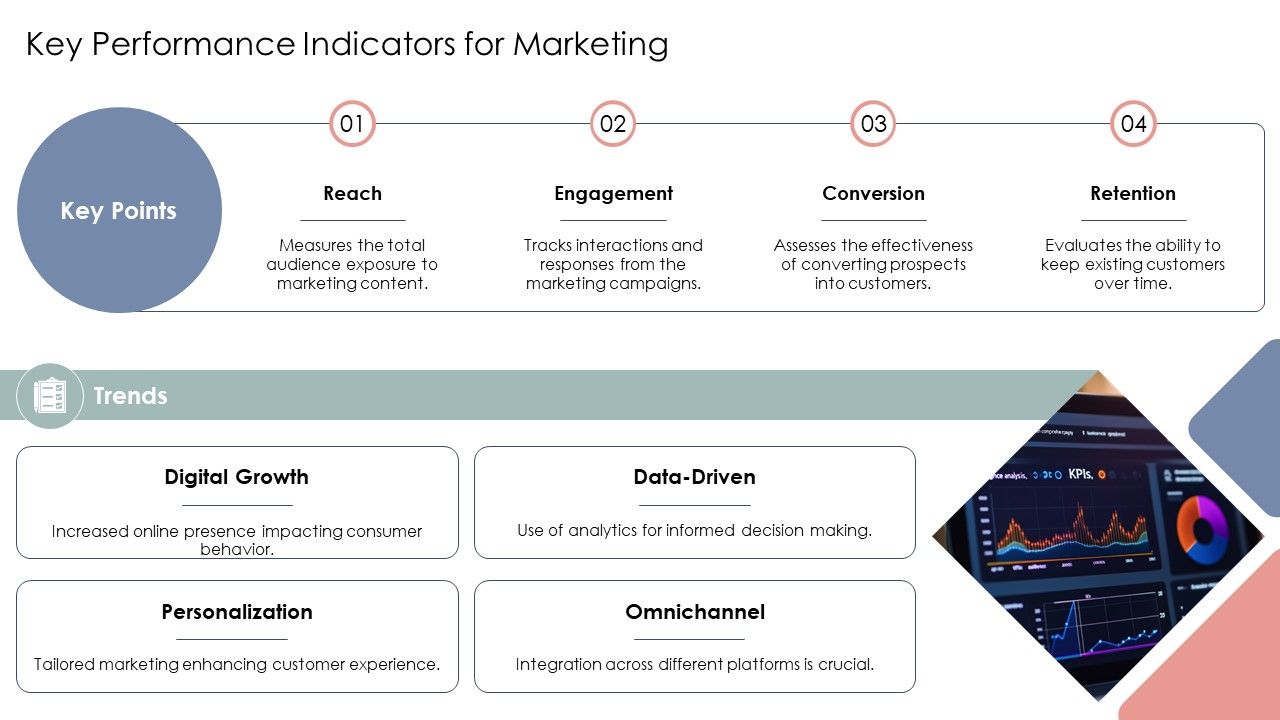
When you walk into a review meeting, reporting on marketing can easily turn into data overload. This SlideTeam template solves the problem by focusing on four metrics that tell the story: Reach, Engagement, Conversion, and Retention. Instead of reading numbers off a spreadsheet, you're giving stakeholders context by placing these alongside current trends like digital growth and personalization. It moves the conversation away from guesses and toward specific results you can track and improve.
Template 6. Market Research Techniques and Tools PowerPoint Template
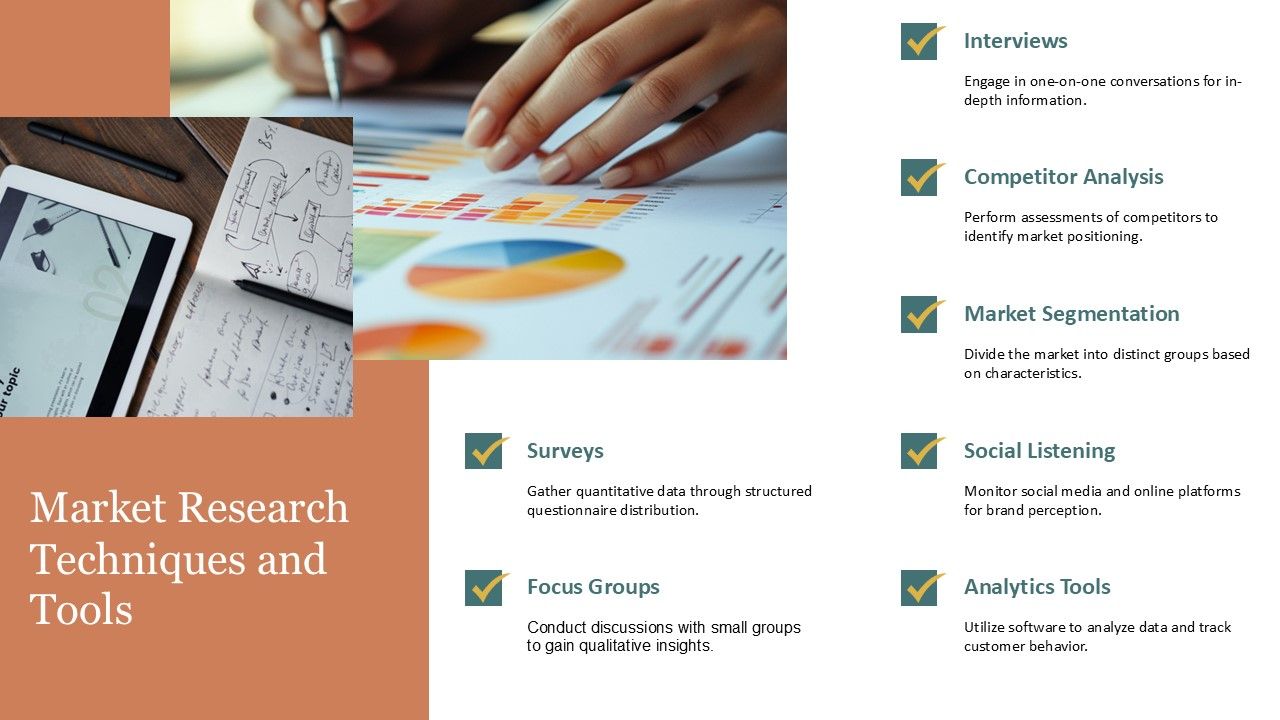
Research budgets get slashed because stakeholders don't grasp why you need multiple approaches when one survey would be faster. This SlideTeam slide flips that misconception. Interviews with customers deliver texture and emotion that numbers alone can't capture; you hear the frustration in someone's voice when a feature breaks. Competitor analysis keeps you from building something that already exists, and surveys scale insights from interviews across thousands so you know whether a complaint is widespread or just one person venting.
Template 7. Defining Product and Marketing Roadmaps PPT Template
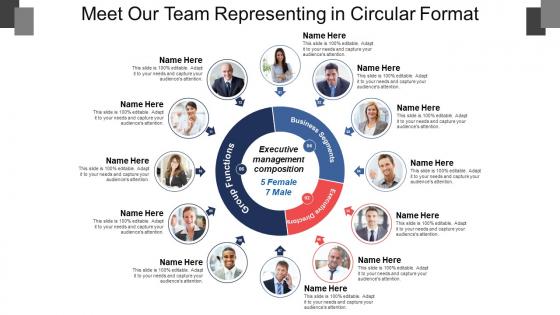
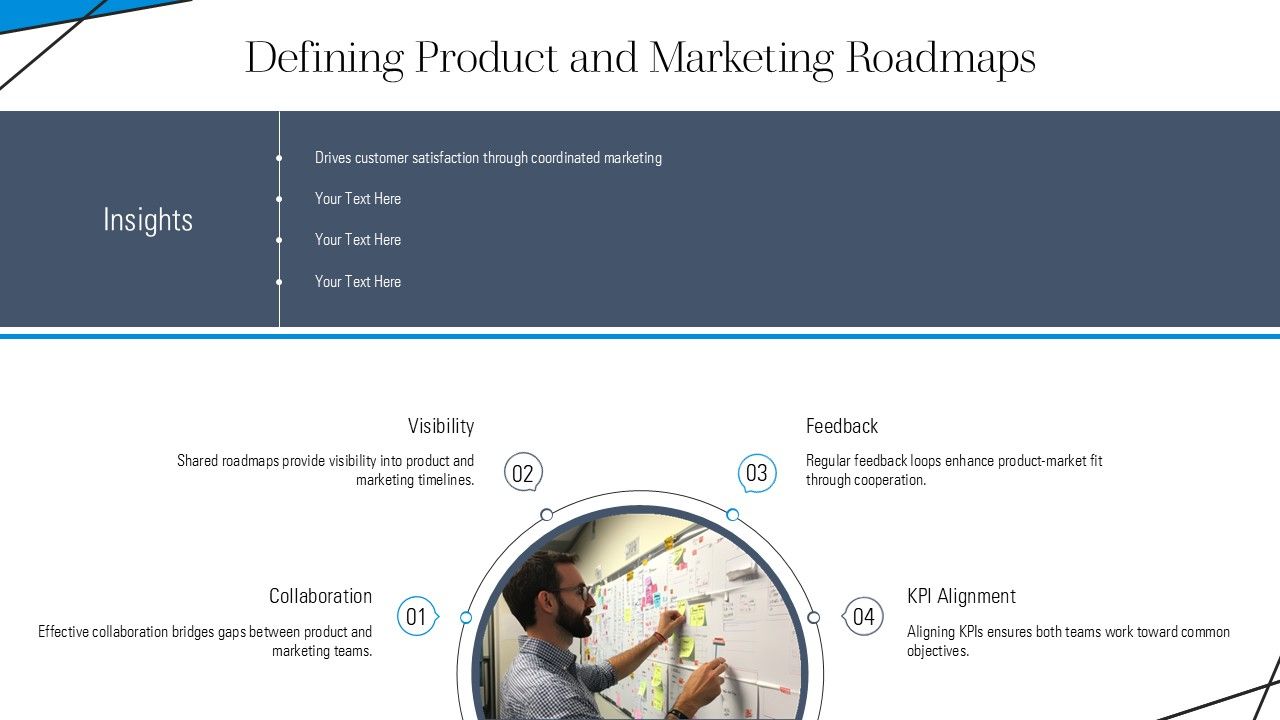
We often see product and marketing teams running on two different tracks, missing chances to sync up. This SlideTeam template gives you a neutral place to reset that conversation. Putting collaboration, visibility, feedback, and KPIs into one shared view, makes it easier to spot where the gaps are. You can walk everyone around the circle to show how you work day to day, who sees which roadmap, how feedback flows, and which KPIs matter most.
Template 8. Developing a Holistic Product Roadmap PPT Template
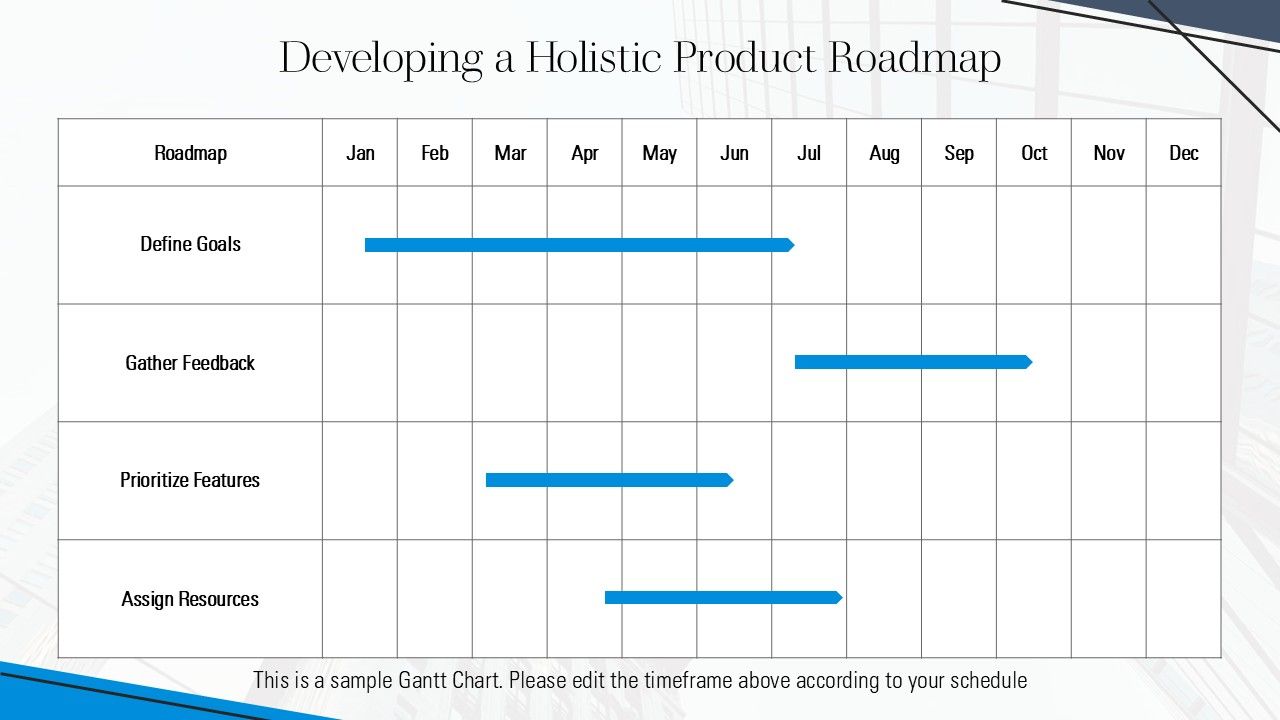
Every team claims they have a roadmap, but most are just lists that ignore sequencing and dependencies. This Gantt chart by SlideTeam shows timing across four foundational phases over a full calendar year. You start by defining what you're trying to accomplish, then run customer feedback so you're not locked into assumptions. While defining goals, you move in parallel into prioritization and assigning resources to decide which features matter most against your goals and constraints.
Template 9. Positioning the Product Effectively PowerPoint Template
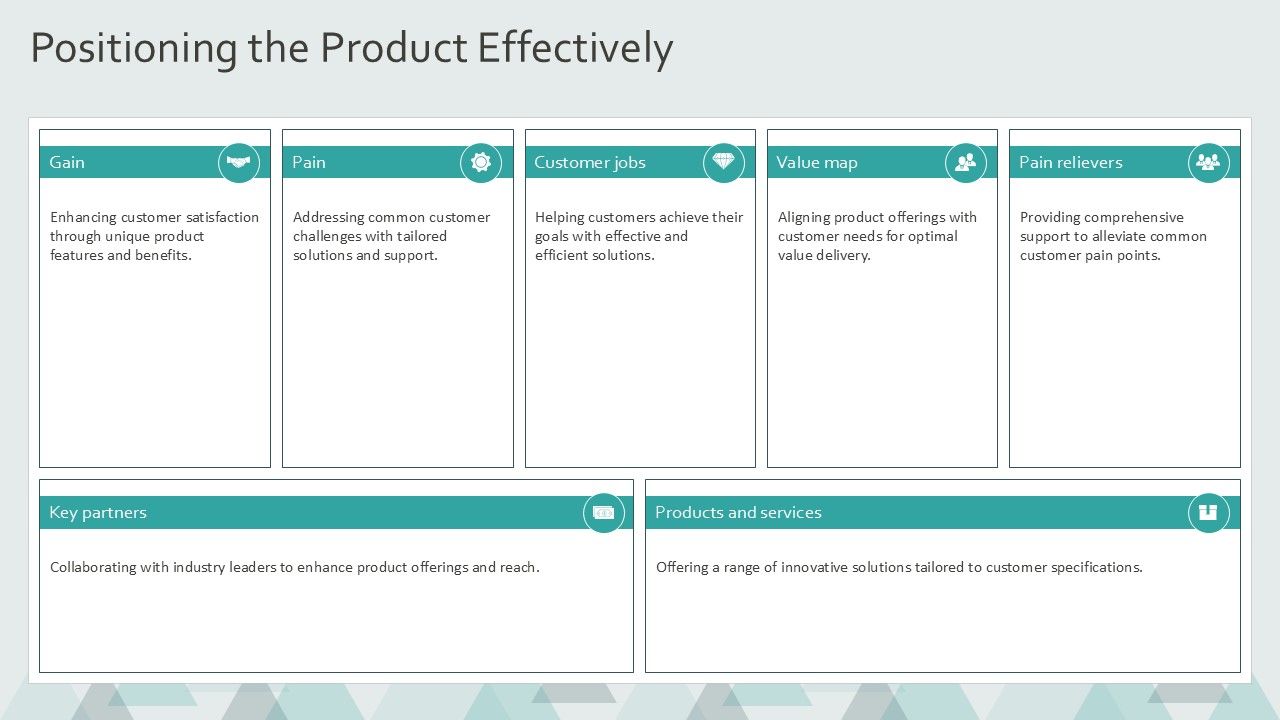
This SlideTeam canvas works like a thinking board when you're unsure how to describe your product to customers. You list what people gain, what frustrates them, and the jobs they're trying to get done, then match those points with your features, services, and partners. Instead of writing a long document nobody reads, you fill this out as a team. As you work through it, gaps become obvious and new angles appear, and you end with plain, shared language the organization can use in pitches.
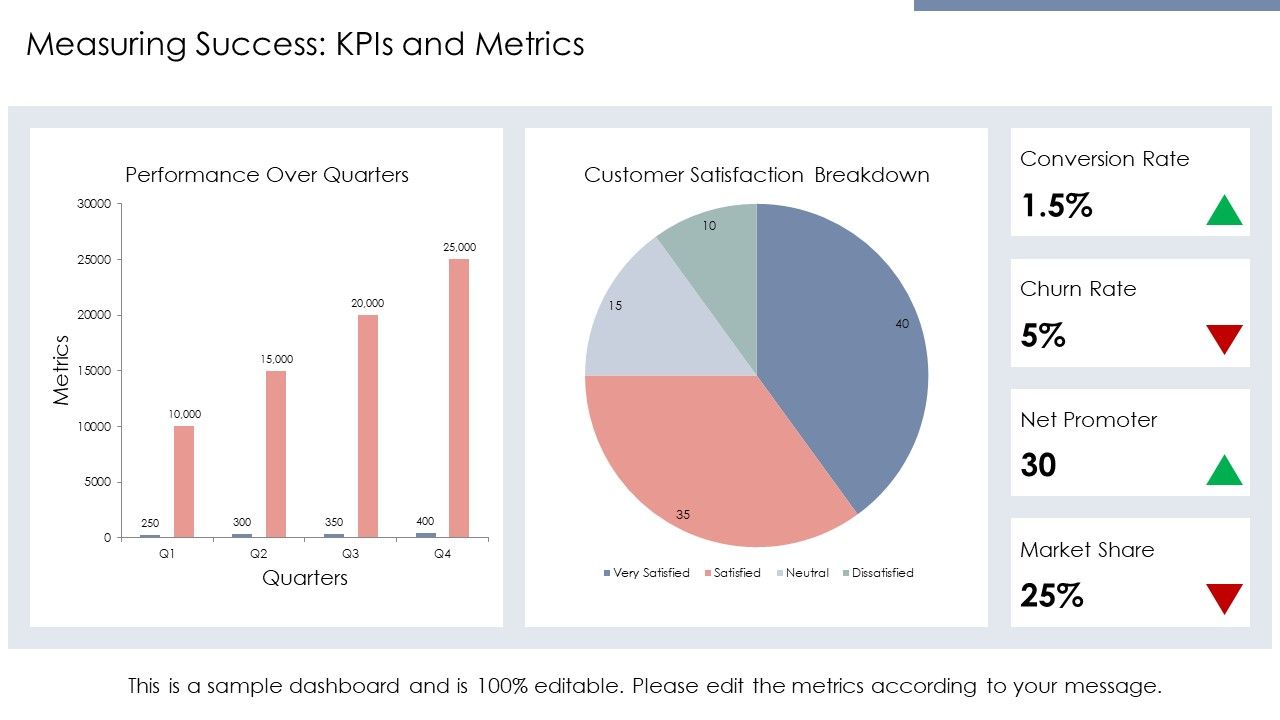
Template 10. Measuring Success: KPIs and Metrics PPT Template
Investors and board members don't sit through lengthy explanations, they want to see whether your business is moving in the right direction at a glance. This SlideTeam dashboard puts KPIs on one screen. Conversion rate proves you're turning prospects into paying customers, churn rate reveals whether people stick around or leave, and Net Promoter Score tells you whether customers would recommend you. Market share shows your competitive standing, and the quarterly performance chart shows sustained momentum rather than one-time spikes.
Master Your Product's Story with SlideTeam's Roadmap Templates
If you're running a product team, you know how this plays out. You've got something good. But the way you're explaining it to customers is all over the place. That's the disconnect that kills momentum.
A solid Product Marketing Roadmap fixes that. It's not some fancy exercise or theoretical framework, it's the playbook that keeps everyone rowing in the same direction. SlideTeam's templates do that work for you. They're built on what works, not what sounds good in theory. You get everything structured, ready to customize, ready to pitch. No guessing. No building from nothing.
Whether you're a three-person startup fighting for your first real wins or a bigger company launching something that needs to move the needle, these templates work. They save weeks of planning and get you from "we have a product" to "here's why you need this" in days.
PS. Grab SlideTeam’s marketing roadmap templates to plan launches faster, align stakeholders, and tell a clear product story.
FAQs on Product Marketing Roadmap
What core goals does a product marketing roadmap aim to achieve?
A product marketing roadmap keeps sales, product, and marketing from drifting in three directions. It ties product milestones (build, beta, release) to GTM work (messaging, campaigns, enablement) so the story hits the market at the right time. The practical win is faster launches, better adoption, and a timeline leadership can glance at to know what’s on track, and what needs attention.
Which specific offerings or features are prioritized in a product marketing roadmap?
The roadmap should focus on the most important work, like major launches, features that drive revenue, pricing or packaging updates, and expansions that improve growth or retention. These areas truly move the business forward. Smaller tasks still happen, but the roadmap keeps attention on high-impact work so time and budget aren’t wasted on low-value efforts.
Who defines the ideal customer profile and primary audience for product marketing?
The ideal customer profile is usually decided together. The marketing team often leads the research and positioning, but sales, product, and customer success teams also share their inputs because each team understands customers from their own perspective. Externally, this helps you decide which customer segments to focus on and which problems to solve. Internally, it gives leaders visibility and helps sales teams use clear, consistent messaging, so everyone tells the same story.