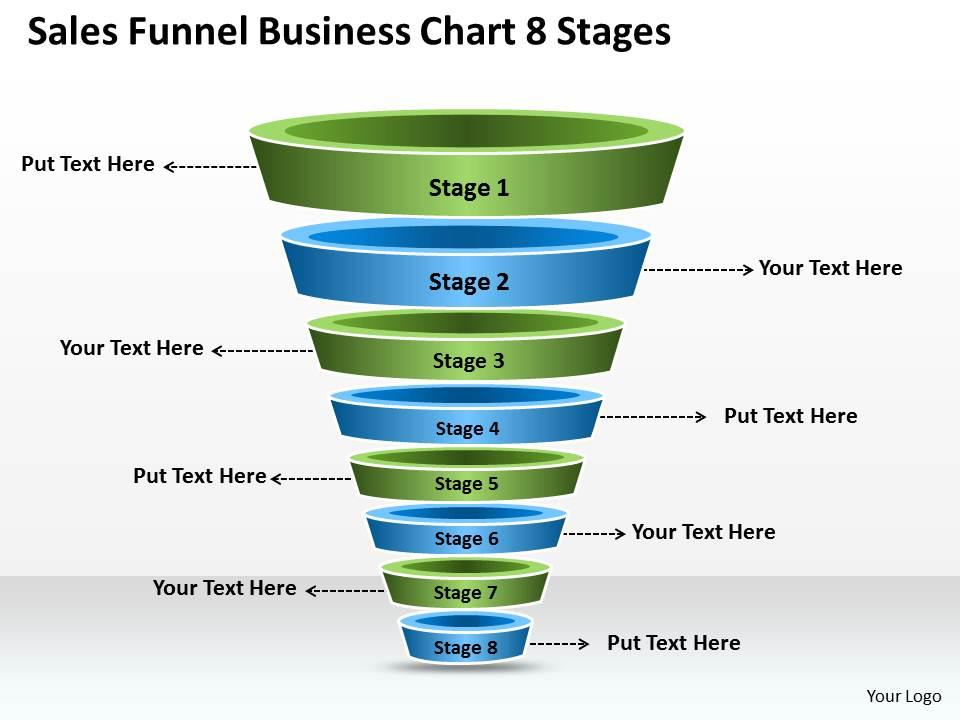
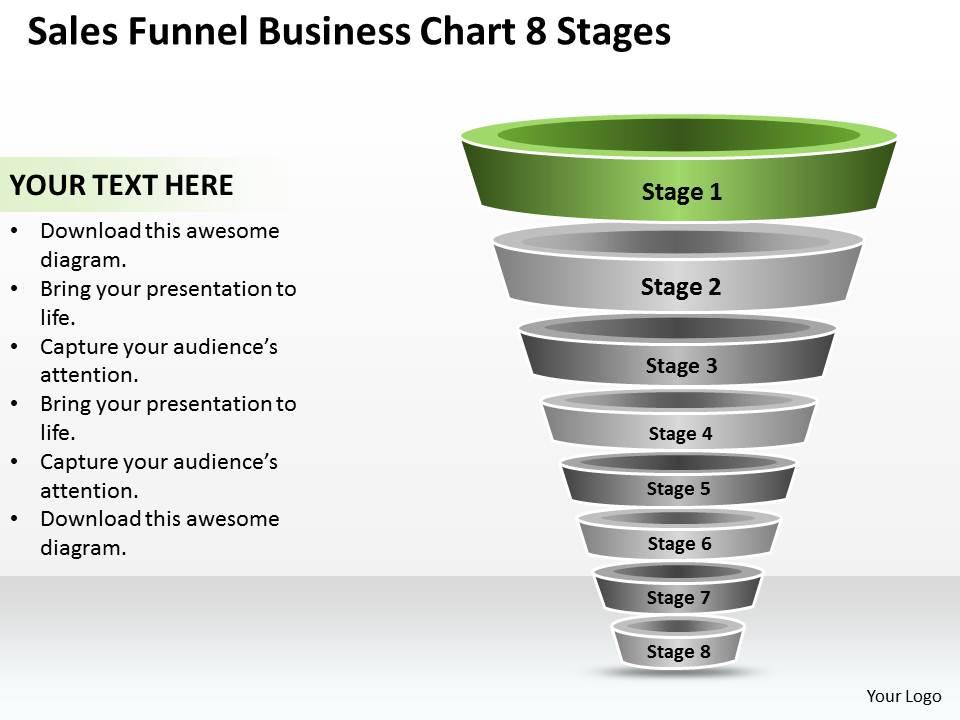
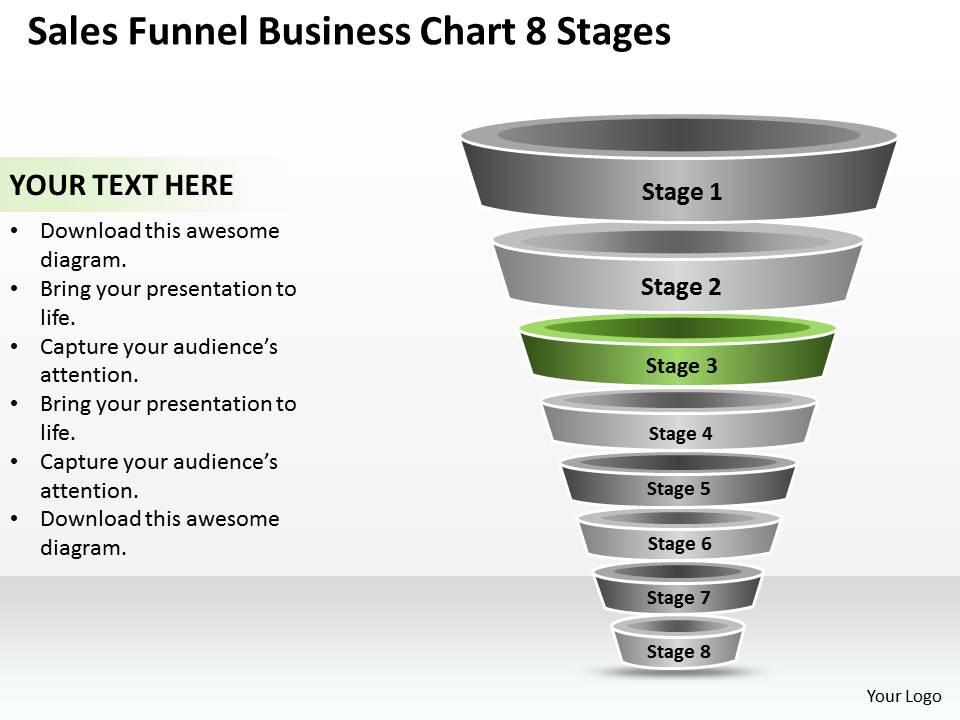
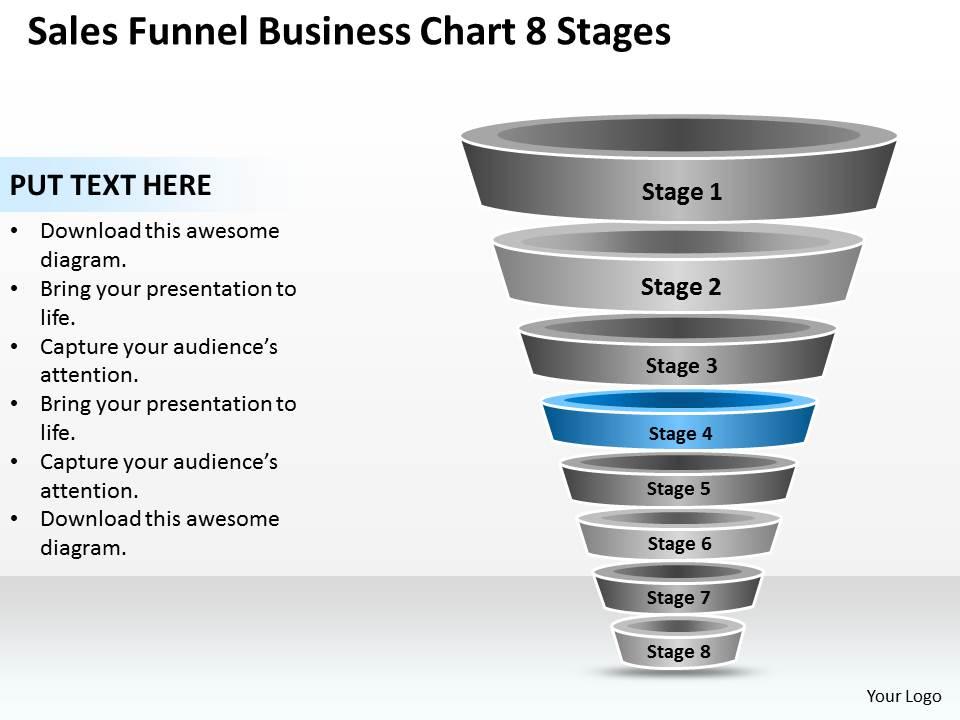
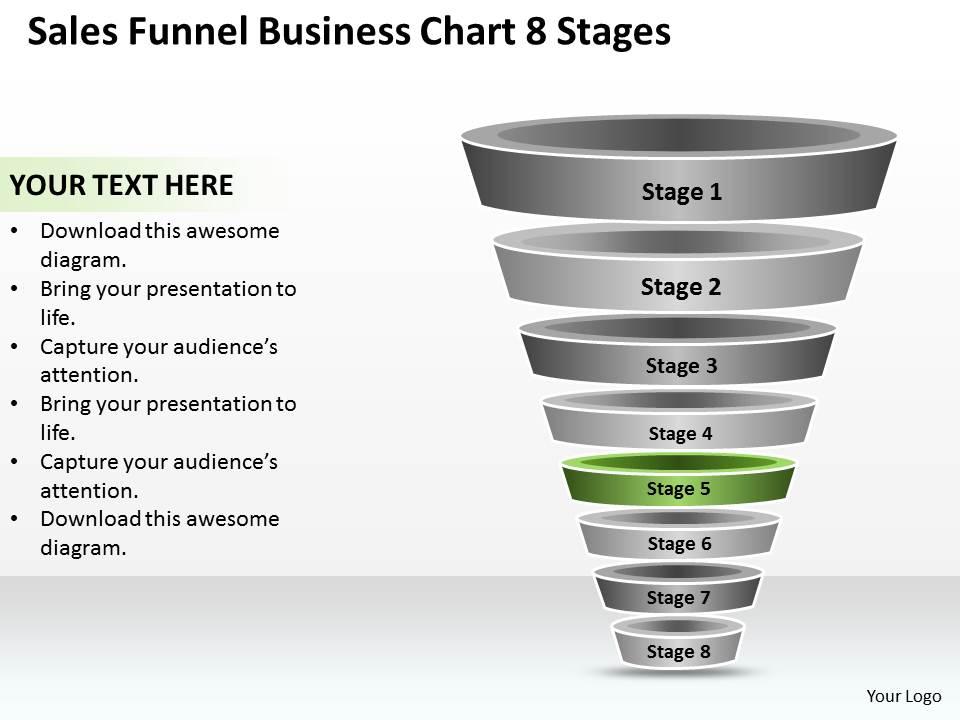
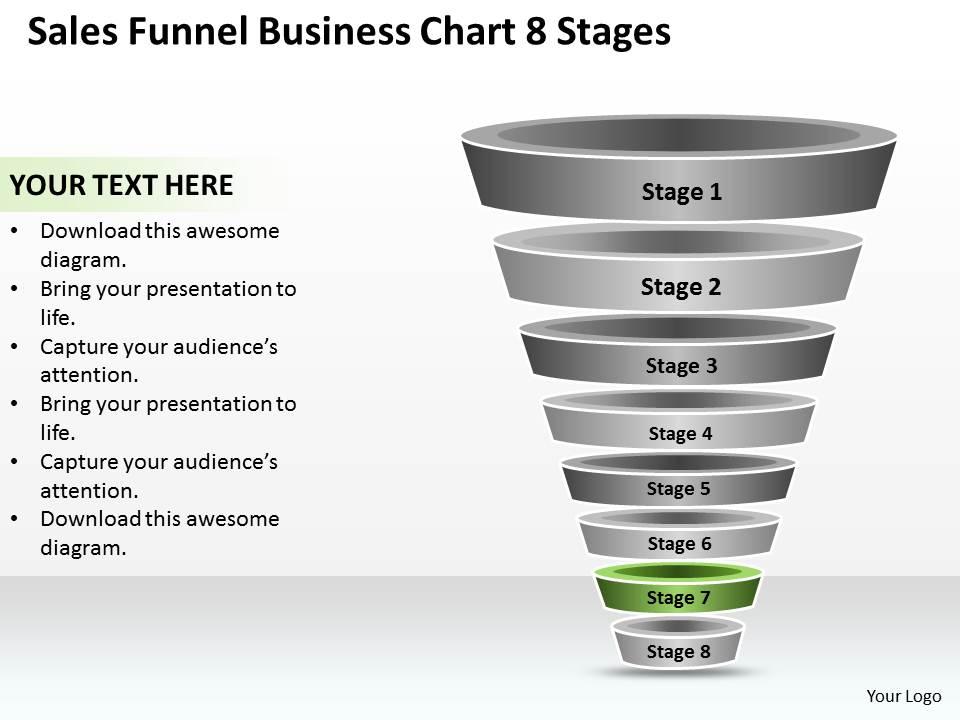
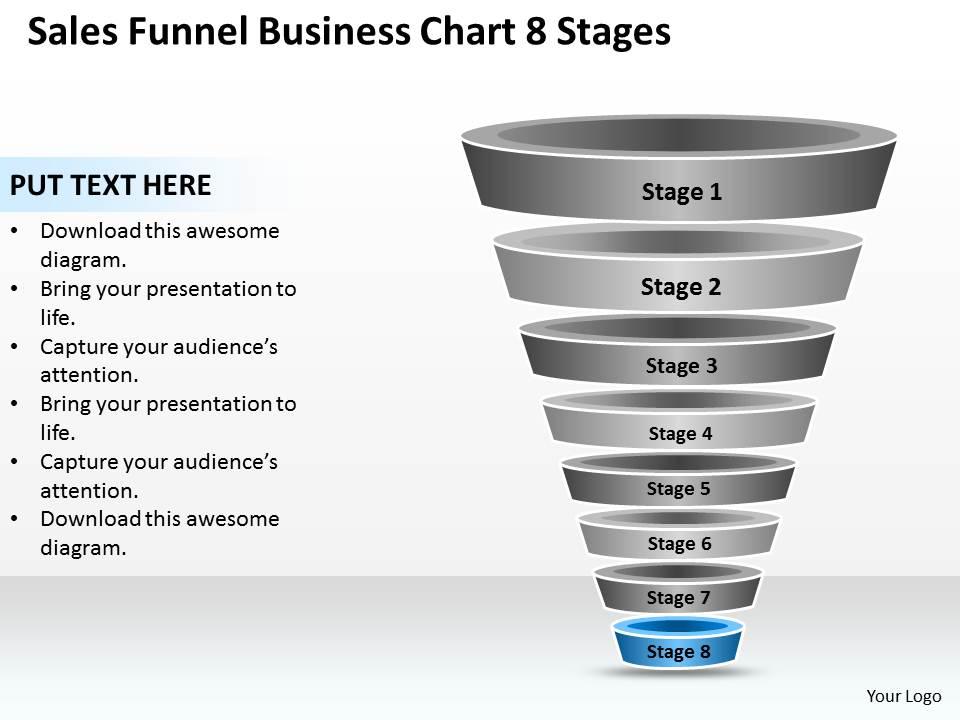
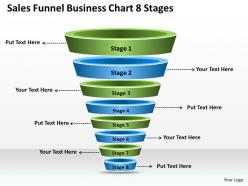
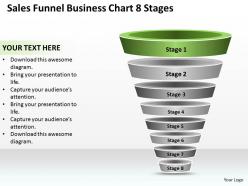
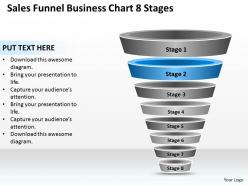
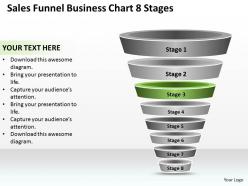
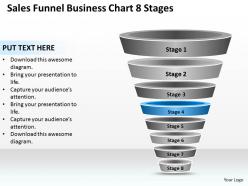
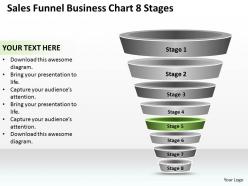
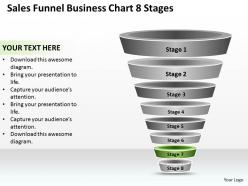
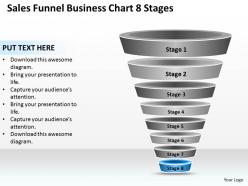
Business Plan Sales Funnel Chart 8 Stages Powerpoint Templates Ppt Backgrounds For Slides 0530

Rating:
90%
Business Plan Sales Funnel Chart 8 Stages Powerpoint Templates Ppt Backgrounds For Slides 0530
Slide 1 of 13
Favourites Favourites

Try Before you Buy Download Free Sample Product

Audience Impress Your
Audience
Editable 100%
Editable
Time Save Hours
of Time
The Biggest Sale is ending soon in
0
0
:
0
0
:
0
0
Rating:
90%
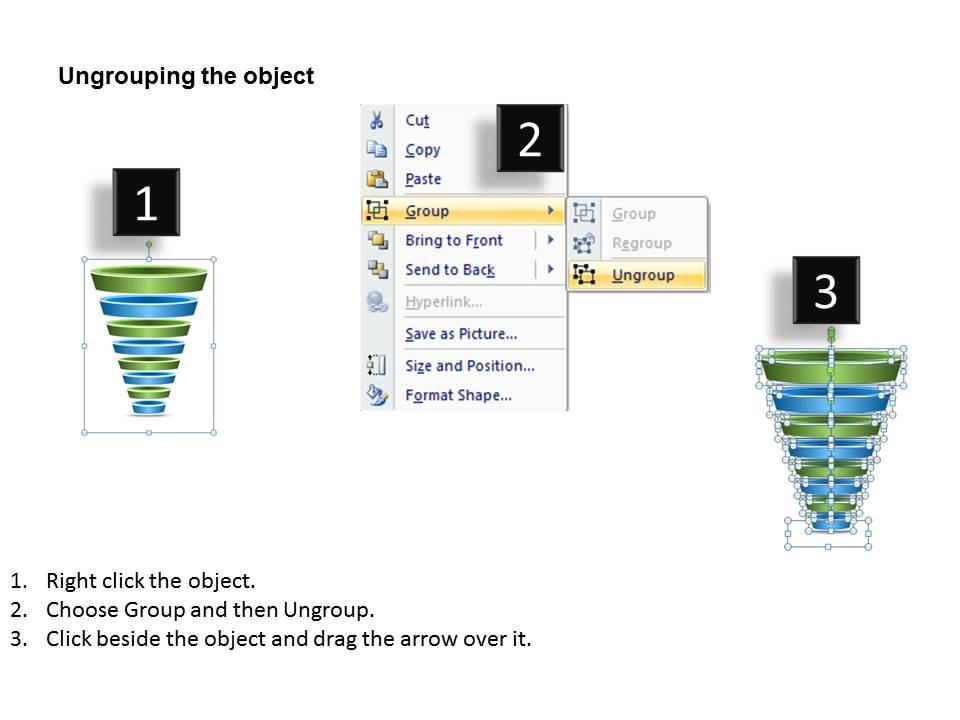
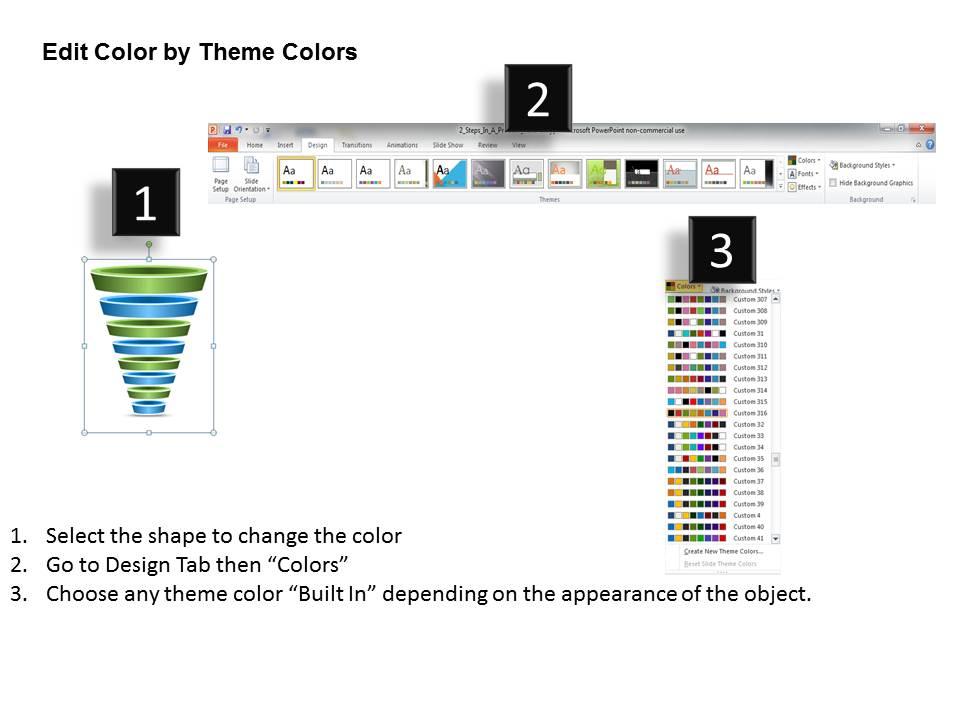
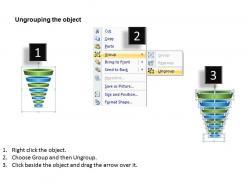
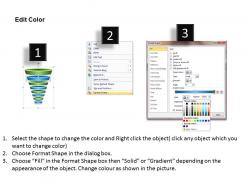
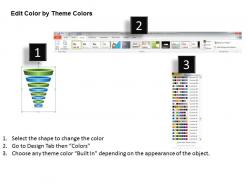
Sharp and highly detailed pictures of the PPT slide template model. PowerPoint text, graphics, colors and more can be tailored to need. Step by step guide for customizing presentation illustrations. Compatible with multiple software options. These PPT templates can be saved in any of the desired format options. If desired the company name/logo can be added to the PPT slide background. Valuable sales presentation slide design for business professionals, teachers, marketing students and sales team.

People who downloaded this PowerPoint presentation also viewed the following :

FAQs for Business Plan Sales Funnel Chart 8 Stages Powerpoint Templates Ppt Backgrounds

So there are four main stages - awareness, interest, consideration, and conversion. First you get them to actually notice your business plan exists. Then hook them with your value proposition (the good stuff). Consideration is honestly where most people crash and burn - that's when they're deciding if your plan is legit or total garbage. Finally conversion happens when they actually commit to funding or whatever you're after. Here's the thing though - you can't just skip to asking for money right away. Map out what content you need for each stage first. Build some trust or you'll get nowhere fast.

Honestly, it's all about knowing where people bail out. With a proper funnel, you can spot exactly which stage is bleeding prospects and actually fix it. Way better than just blasting random content everywhere and hoping something sticks. Each phase needs different stuff - awareness content hits different than decision-stage offers, you know? Track everything though, because the data tells you what's really moving the needle. Short version: guide people step by step instead of expecting them to figure it out themselves. Makes a huge difference in conversions.

Track different stuff at each stage to see where people drop off. Top of funnel - watch your lead volume, traffic sources, cost per lead. Middle gets into engagement metrics like email opens, content downloads, demo requests. Bottom funnel's where it gets real: conversion rates, deal size, how long sales take. Oh and don't sleep on post-purchase metrics - everyone does but retention's huge. Customer lifetime value, churn, upsells matter just as much as getting them in the door. Start with these basics then add whatever makes sense for your specific business once you see what's actually moving the needle.

Honestly, buyer personas are game-changers for your whole funnel. They show you exactly who you're talking to and what drives them crazy or gets them excited. Think about it - you wouldn't pitch a busy CEO the same way you'd approach someone who spends hours reading product reviews (my mom does this, drives me nuts). For awareness, maybe hit executives with LinkedIn ads but give the detail-oriented folks those deep-dive blog posts. Your personas also help you figure out which objections to tackle and whether to keep things formal or chill. I'd map your top 2-3 personas to each stage first, then spot the holes.

Think of content marketing as nurturing relationships through your whole sales funnel. Blog posts and social stuff work great for getting people's attention first. Then you've got case studies and webinars when they're actually considering buying. Demos and testimonials help close the deal - though honestly, testimonials can feel cheesy if they're too polished. It's totally like dating! You wouldn't propose on date one, right? Map out what content you have for each stage. You'll probably find some gaps where prospects are just hanging there with no guidance.

Honestly, CRMs are lifesavers for keeping track of where everyone is in your sales pipeline. No more forgetting to follow up with that hot lead from last week (guilty as charged). They'll automatically send emails when prospects do certain things and remind you when it's time to reach out again. You can see what's actually moving the needle too, which is pretty sweet. I'd map out how you currently handle sales first - you'll spot the biggest time wasters right away. Way better than hunting through random spreadsheets trying to remember who said what.

Honestly, most people overcomplicate their funnels. Too many steps = people bail out fast. Start simple - don't ask for their life story upfront. Build trust first, then ask for more info later. Also, stop trying to target literally everyone with the same message. Someone who's never heard of you needs way different content than someone who's ready to whip out their credit card. But here's what really kills conversions - not tracking where people drop off. You could be hemorrhaging leads at step 3 and not even know it. My advice? Map out where you're currently losing people first. That's your biggest bang for buck right there.

Honestly, I check mine every 2-3 weeks - monthly feels too long when you're running active campaigns. Don't obsess over it daily though (guilty as charged lol). Your data needs time to actually mean something. Watch your conversion rates at each stage and see where people bail out. Cost per acquisition is huge too. When I notice weird patterns or my numbers are tanking compared to goals, that's when I'll dig deeper and test stuff. Oh and actually set a calendar reminder because you'll totally forget otherwise. Trust me on that one.

Look at where people are dropping off first. Early stage folks? Hit them with social ads or content that actually solves their problems. Lost them during the research phase? Send personal emails with case studies or free consults - that usually works well. Decision-stage dropouts are brutal honestly, but try time-sensitive offers or throw some testimonials at them. Don't be annoying with follow-ups, but stay on their radar. I'd map your current drop-off spots and build different sequences for each one. Timing matters way more than people think.

Pricing totally controls how people flow through your funnel. Set it too high and you'll lose volume but get serious buyers. Go too low and everyone shows up, but half aren't really committed - which honestly can be more headache than it's worth. The real trick is testing different price points and watching what happens to your conversions at each stage. I'd start tracking how pricing shifts affect both lead quality and closing rates. Sometimes a higher price actually converts better because people assume it's better quality. That data will show you exactly where your sweet spot is.

CTAs are like road signs for your funnel - without them, people just bounce around confused and leave. Different stages need different asks though. Top of funnel? "Download our free guide." Middle? "Book a demo." Bottom? "Start your trial." Make them super specific too - none of that wishy-washy "learn more" nonsense. I always tell people to audit their current CTAs first. Are you actually telling visitors what to do next? Most sites I see just assume people will figure it out, but honestly, we're all pretty lazy when browsing online.

Here's the thing - you need different content for different funnel stages. Educational posts and behind-the-scenes content work great for attracting new people at the top. Case studies and testimonials help nurture them as they get more interested. Don't be that person who posts and disappears though - actually reply to comments! Oh, and make sure your CTAs point people to landing pages or your email list. Track which platforms send you the best traffic (usually it's not the one you think), then focus more energy there. I'd start by looking at what you're posting now and see how it maps to your funnel.

Honestly, stick with what actually moves the needle - content marketing and social media ads are solid bets. Create stuff that genuinely helps your audience, like blog posts or videos solving their problems. LinkedIn ads work great, though Facebook's been weird lately with all their algorithm changes (ugh). Referrals from happy customers? Pure gold. Email marketing with free templates or guides as bait still crushes it. Oh, and don't try doing everything at once - pick maybe 2-3 things and actually do them well instead of half-assing a bunch of tactics.

Honestly, automation is a game-changer for getting rid of all that boring repetitive work. Email sequences run themselves and nurture leads while you're doing other stuff. Lead scoring is pretty cool too - it watches how people behave on your site and flags the serious buyers vs people just browsing around. Your CRM tracks everything automatically so you don't have to remember where everyone is in your pipeline (thank god). Oh, and trigger emails when someone hits your pricing page? Chef's kiss. I'd start with basic email automation first, then add the fancy lead scoring once you've got that working smoothly.

Honestly, good leads come down to three things. First - they actually match who you're trying to sell to. Second, they're showing real buying signals, not just grabbing free stuff (we've all downloaded random ebooks, right?). Look for people checking out your pricing page or asking detailed questions about how your product works. Budget and decision-making power matter too - there's nothing worse than spending weeks with someone who can't actually buy. The timing piece is huge though. You want people who need a solution now, not eventually. I learned this the hard way, but qualify early or you'll waste tons of time.

Ratings and Reviews

90% of 100
Write a review
Most Relevant Reviews
  1. 80%

    by Denny Salazar

    Design layout is very impressive.
  2. 100%

    by Miller Rogers

    Very unique and reliable designs.

2 Item(s)

per page: