


Rfp for equipment purchase powerpoint presentation slides
Equipment is a set of tools that are used to build new products. Many organizations use new and advanced equipment to replace the obsolete ones. To launch a new product, it is necessary to use good quality of material or equipment. Upgradation of equipment is very important to perform different tasks or activities. Equipment or items are often used during the construction of infrastructure. The responsibility of a buyer is to choose the right equipment from the seller. Introducing our topic-specific RFP For Equipment Purchase PowerPoint Presentation Slides that help you to design an outstanding proposal and reach out to new clients. Keeping in mind the client’s needs, you can showcase your advanced services with the aid of this eye-catching equipment purchase proposal presentation template. The template contains a table of contents that consists of the purpose of the proposal, detail of required equipment, proposed equipment models, warranty of equipment, price information of materials needed, etc. Take the assistance of this visually-attractive equipment purchase proposal PowerPoint theme to provide a detailed description of every item you offer to your potential client. Incorporate our outwardly engaging material purchase proposal PPT slide to make a great-looking cover letter for your landing page that holds the interest of the clients. With the help of this content ready equipment purchase proposal PPT slide, you can talk about the warranty period of your proposed items. Use our well-informative equipment purchase proposal PPT theme to mention the capabilities and skills of your highly-experienced team. Be specific about the quality of equipment you sell to the buyers. Provide a better understanding of your company and its background to the clients that gain their confidence even more. Portray every detail related to the items or equipment and make your proposal worth-noticing by downloading our ready-to-use RFP for equipment purchase proposal PowerPoint presentation template.







-

- Google Slides is a new FREE Presentation software from Google.
- All our content is 100% compatible with Google Slides.
- Just download our designs, and upload them to Google Slides and they will work automatically.
- Amaze your audience with SlideTeam and Google Slides.
-

Want Changes to This PPT Slide? Check out our Presentation Design Services
-

- WideScreen Aspect ratio is becoming a very popular format. When you download this product, the downloaded ZIP will contain this product in both standard and widescreen format.
-

- Some older products that we have may only be in standard format, but they can easily be converted to widescreen.
- To do this, please open the SlideTeam product in Powerpoint, and go to
- Design ( On the top bar) -> Page Setup -> and select "On-screen Show (16:9)” in the drop down for "Slides Sized for".
- The slide or theme will change to widescreen, and all graphics will adjust automatically. You can similarly convert our content to any other desired screen aspect ratio.
Compatible With Google Slides

Get This In WideScreen
You must be logged in to download this presentation.


Do you want to remove this product from your favourites?
PowerPoint presentation slides
Presenting RFP For Equipment Purchase PowerPoint Presentation Slides that have been designed by our experts for your convenience. The slide is completely editable. So, you can change the color, fonts, font type, and font size of the template as per your needs. The template is compatible with Google Slides that makes it easily accessible at once. Can be opened and saved into various formats like PDF, JPG, and PNG. It is available in both 4:3 and 16:9 aspect ratio.

People who downloaded this PowerPoint presentation also viewed the following :
Content of this Powerpoint Presentation
Slide 1: This slide introduces RFP for Equipment Purchase. State Client details, User details and begin.
Slide 2: This slide displays Cover Letter RFP for Equipment Purchase.
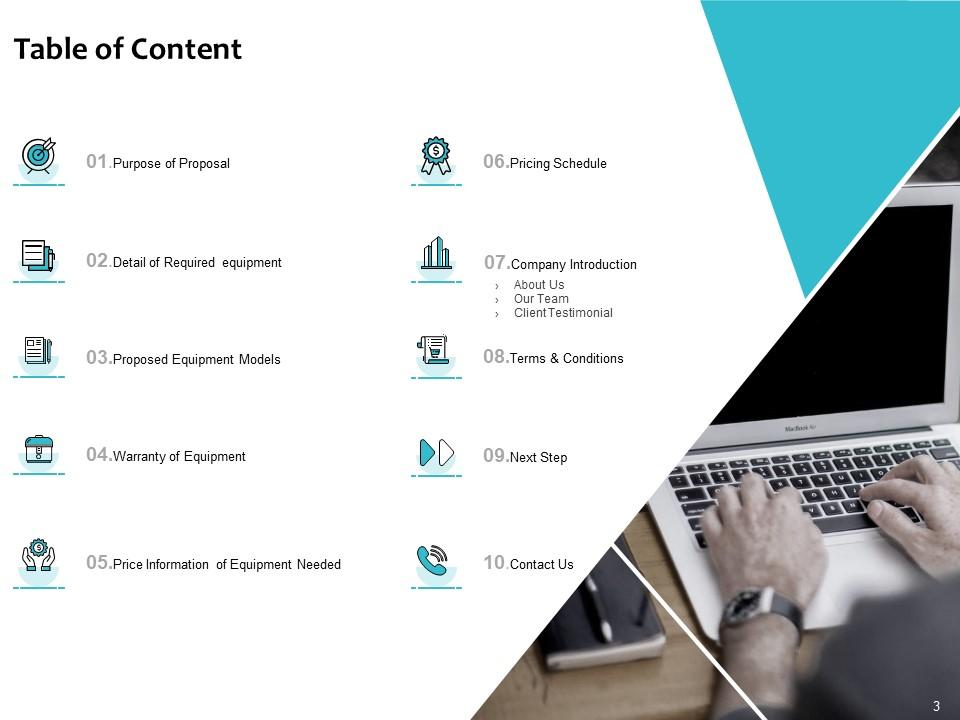
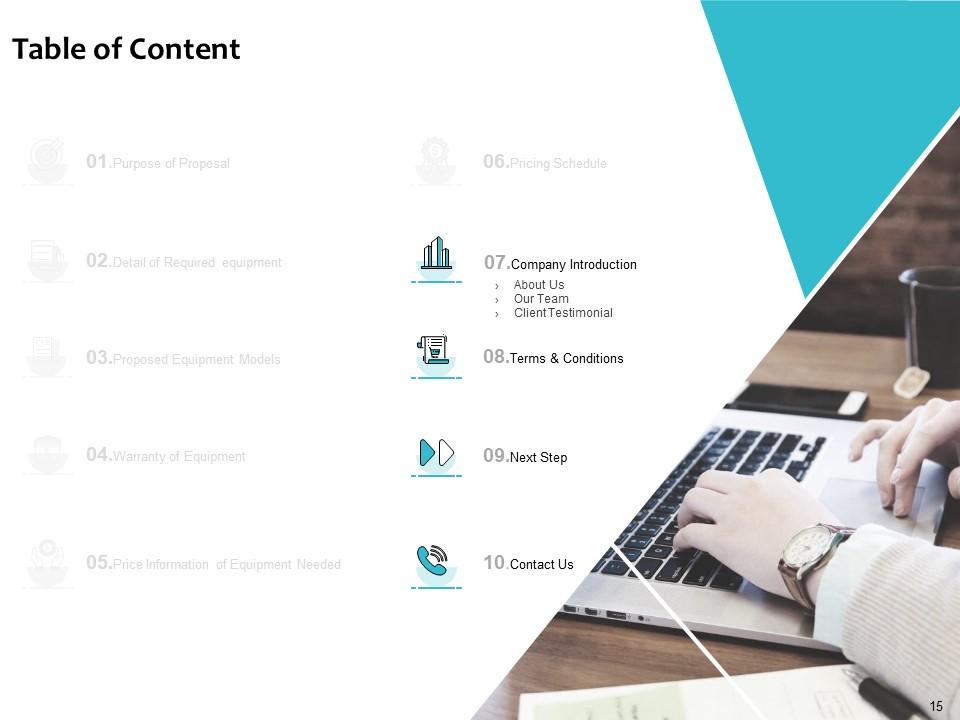
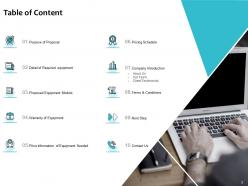
Slide 3: This slide shows Table of Content of the presentation.
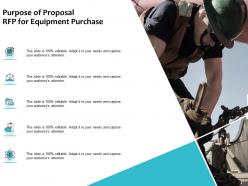
Slide 4: This slide depicts Purpose of Proposal RFP for Equipment Purchase.
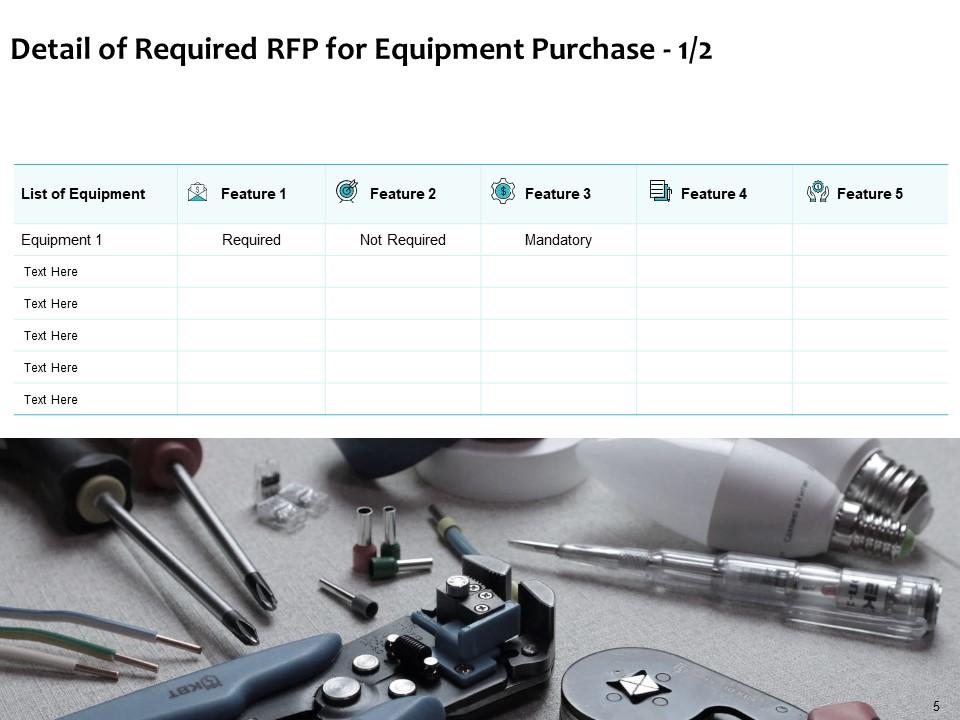
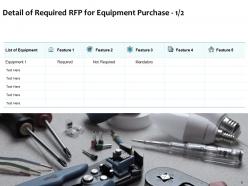
Slide 5: This slide showcases Detail of Required RFP for Equipment Purchase.
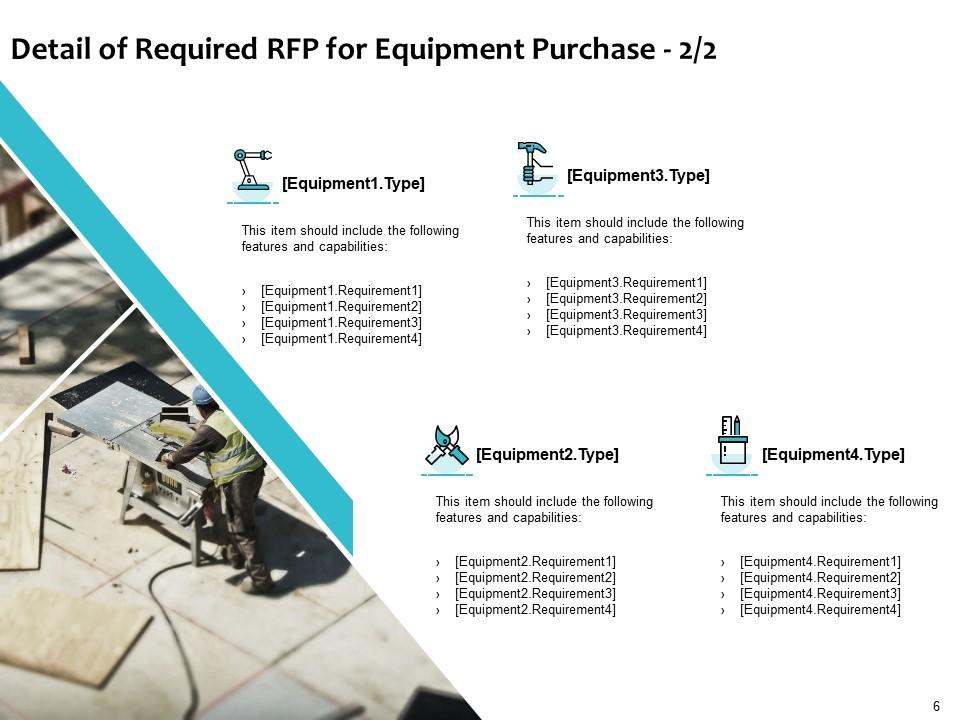
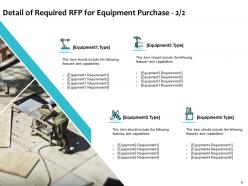
Slide 6: This slide depicts Detail of Required RFP for Equipment Purchase.
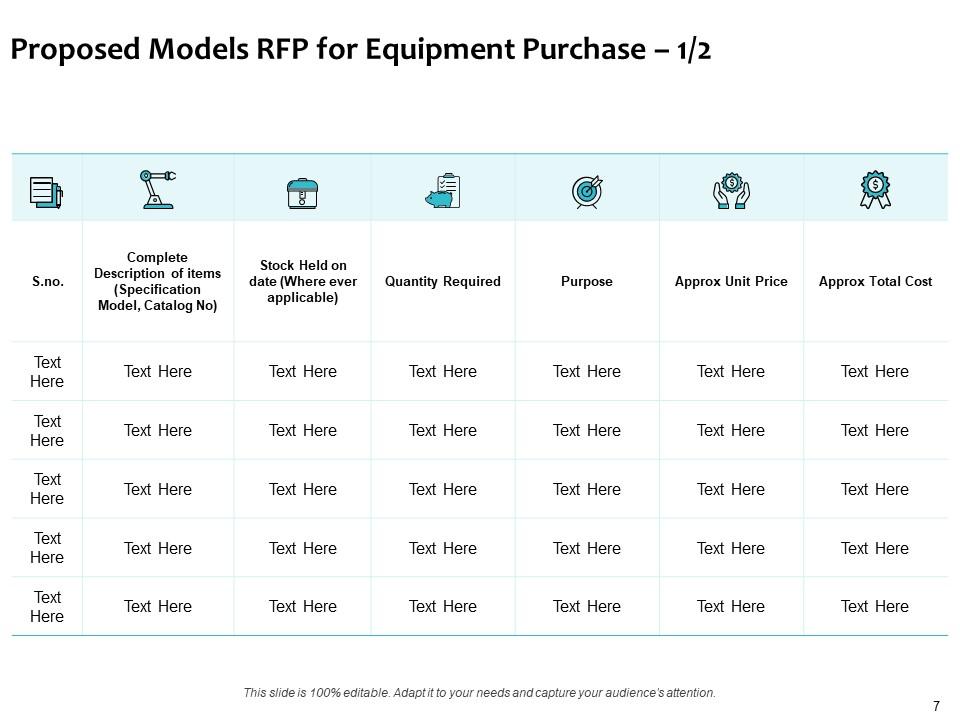
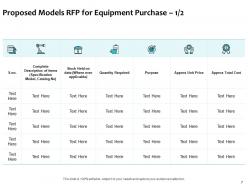
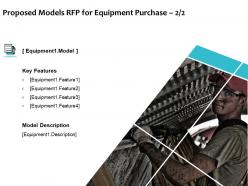
Slide 7: This slide showcases Proposed Models RFP for Equipment Purchase.
Slide 8: This slide describes Proposed Models RFP for Equipment Purchase.
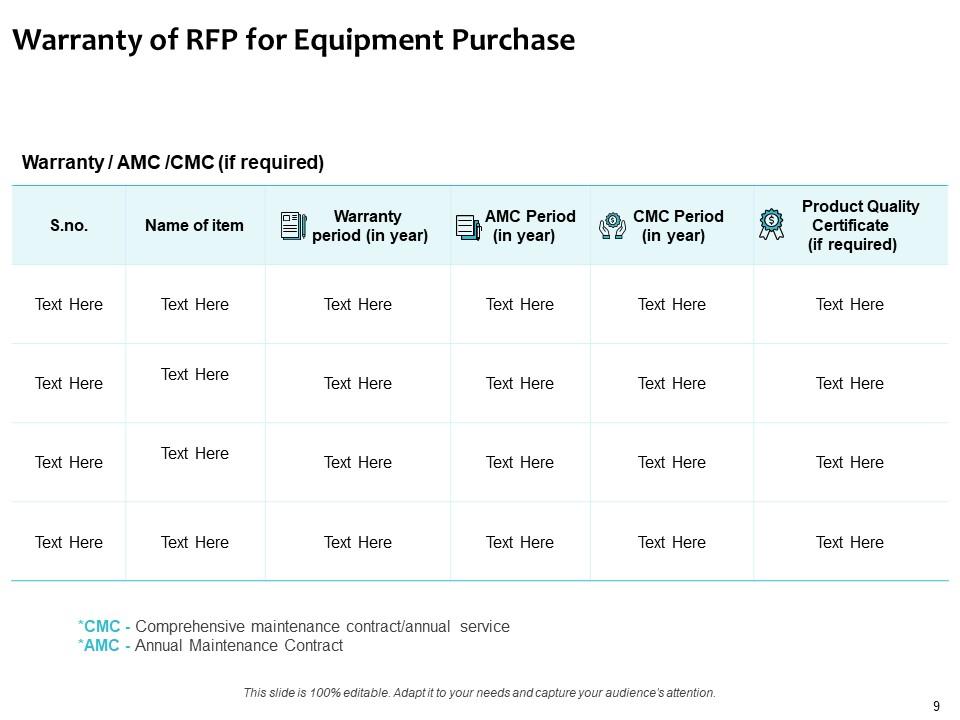
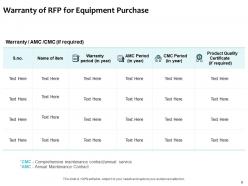
Slide 9: This slide presents Warranty of RFP for Equipment Purchase.
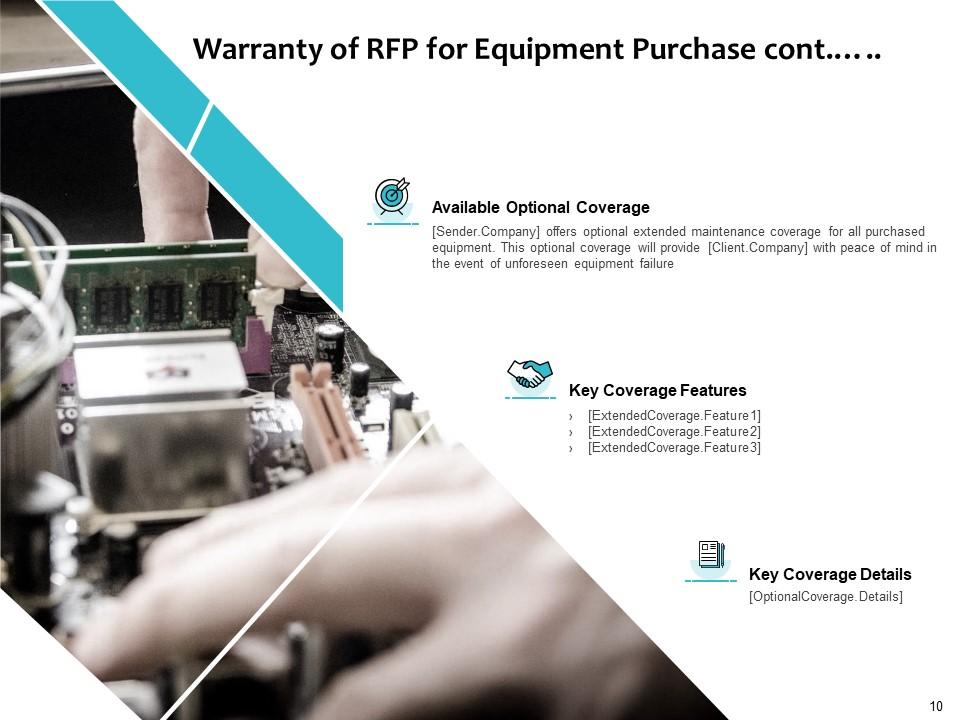
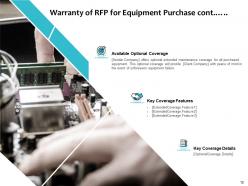
Slide 10: This slide is continued with Warranty of RFP for Equipment Purchase.
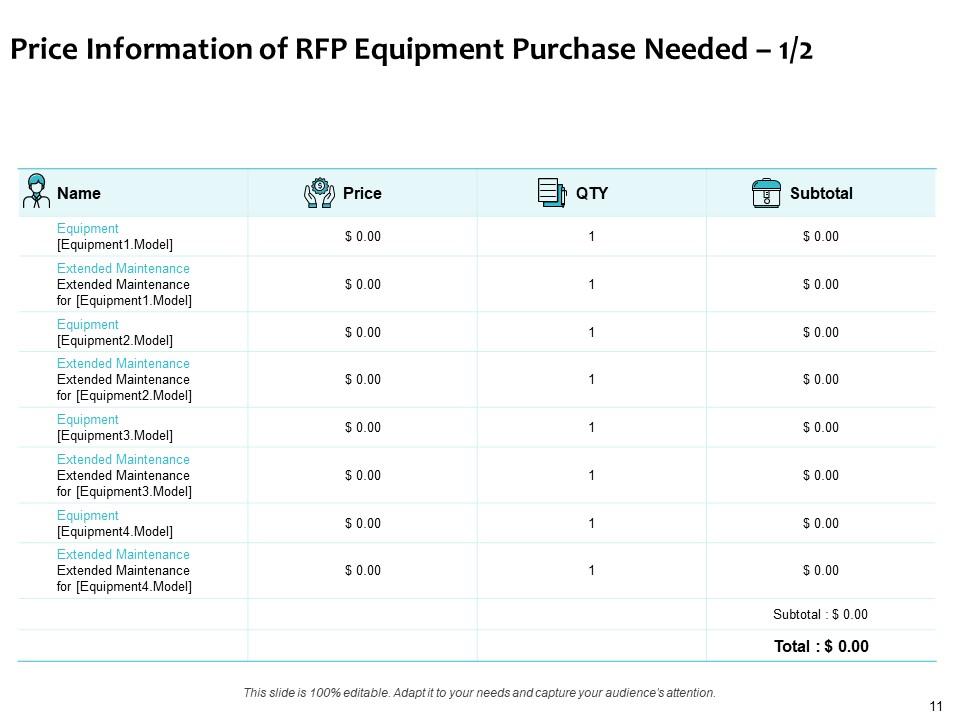
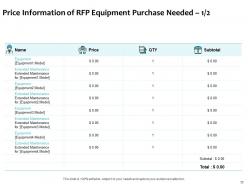
Slide 11: This slide showcases Price Information of RFP for Equipment Purchase Needed.
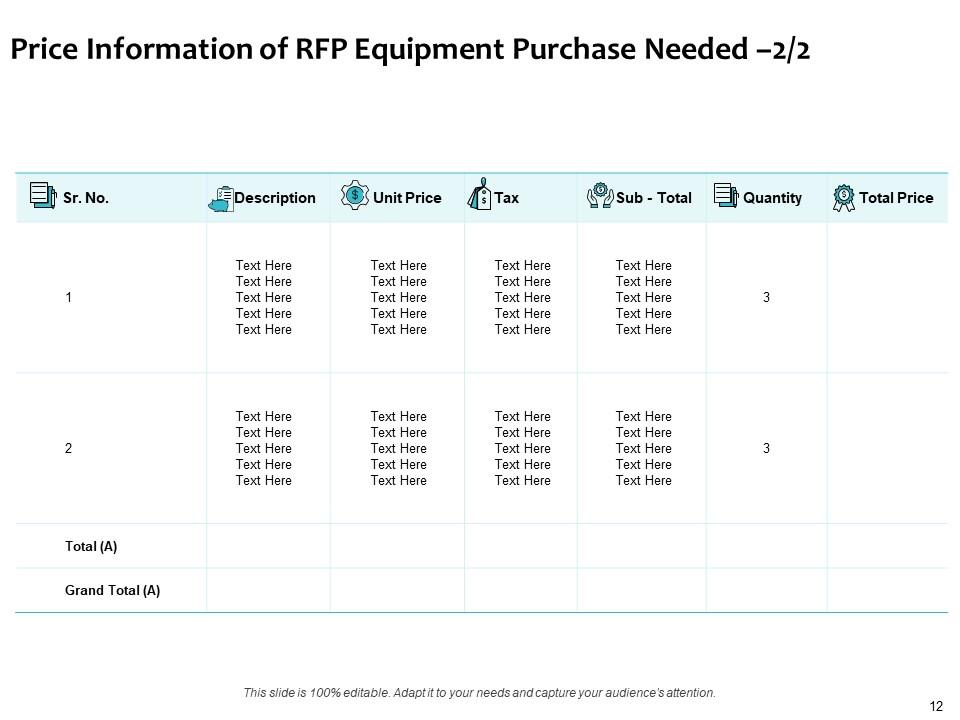
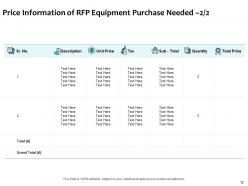
Slide 12: This slide represents Price Information of RFP for Equipment Purchase Needed.
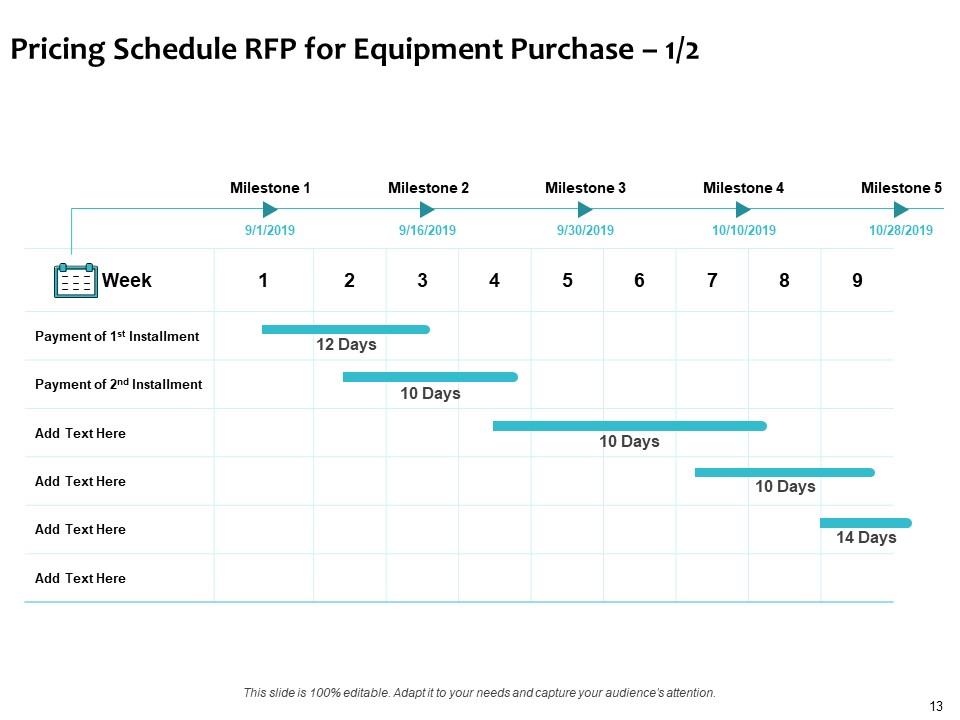
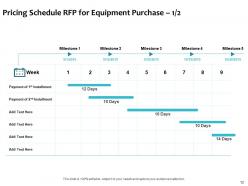
Slide 13: This slide depicts Pricing Schedule RFP for Equipment Purchase.
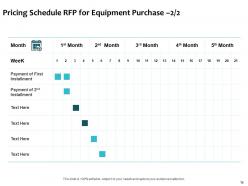
Slide 14: This slide also shows Pricing Schedule RFP for Equipment Purchase.
Slide 15: This slide displays Table of Content of the presentation.
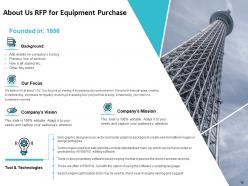
Slide 16: This is About Us slide RFP for Equipment Purchase.
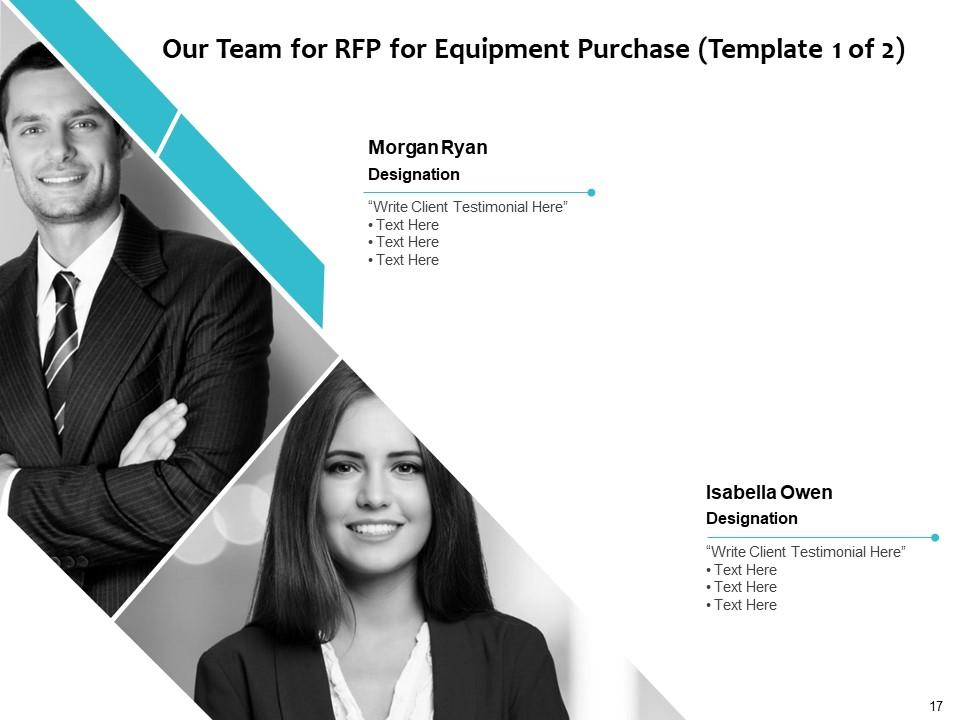
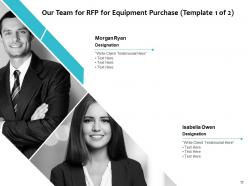
Slide 17: This is Our Team slide with names and designations.
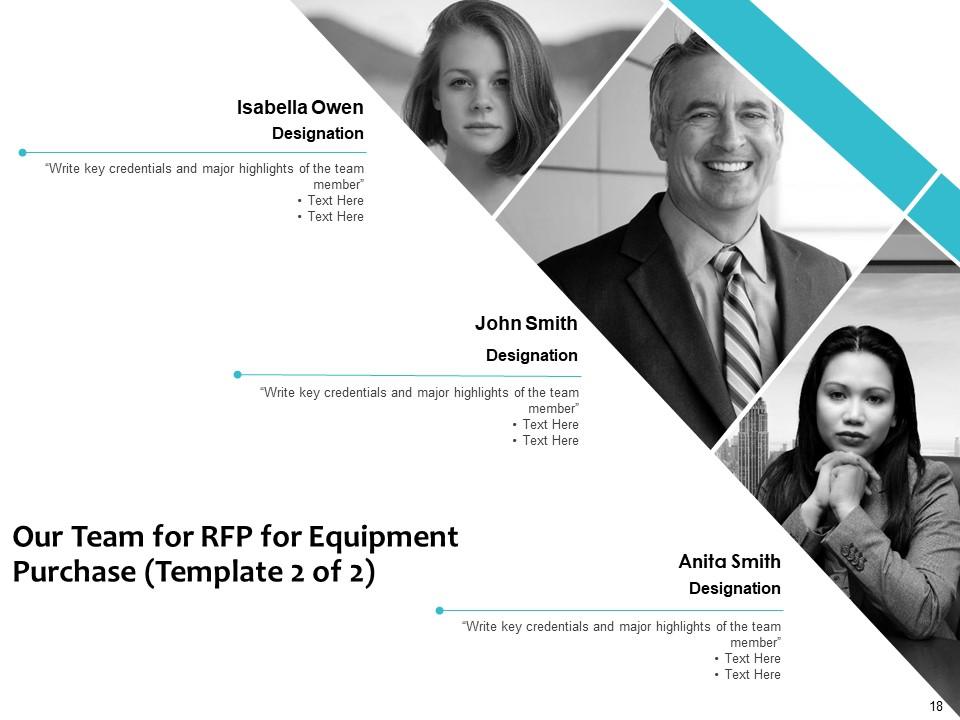
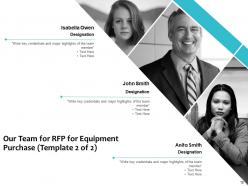
Slide 18: This is Our Team slide with names and designations.
Slide 19: This slide represents Client Testimonials for RFP for Equipment Purchase.
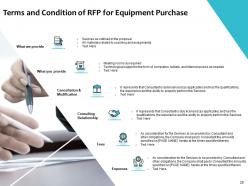
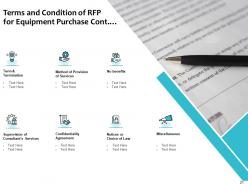
Slide 20: This slide displays Terms and Condition of RFP for Equipment Purchase.
Slide 21: This slide is continued with Terms and Condition of RFP.
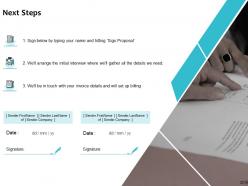
Slide 22: This slide describes Next Steps.
Slide 23: This is Contact Us slide with Email address, Address, and contact number.
Slide 24: This slide is titled as Additional Slides for moving forward.
Slide 25: This is RFP for Equipment Purchase Icons slide
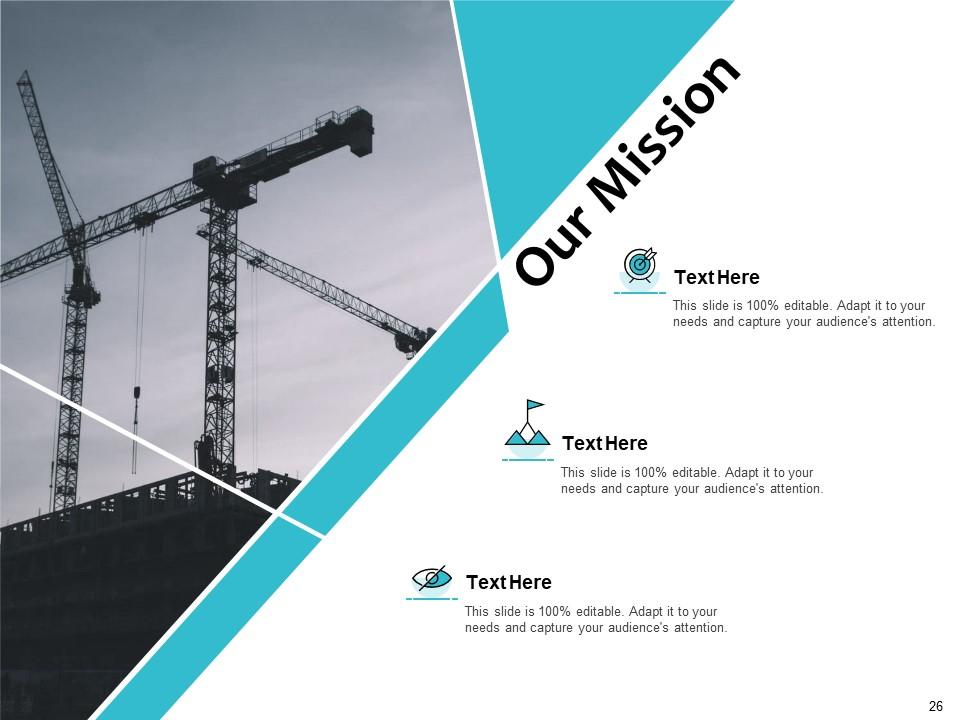
Slide 26: This is Our Mission slide with Vision, Mission and Goals.
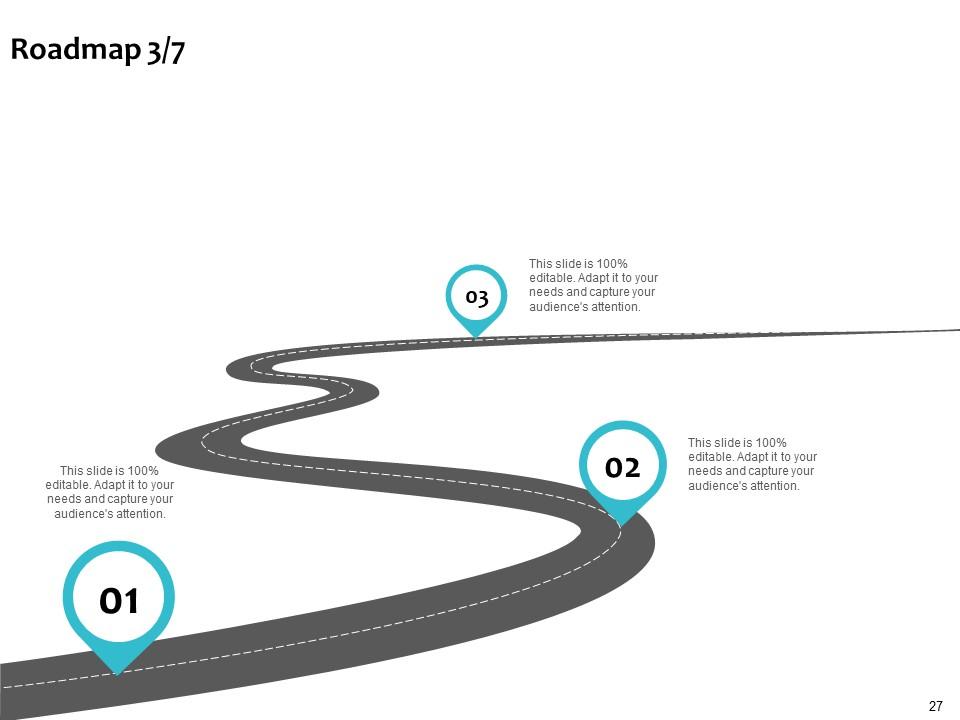
Slide 27: This slide displays Roadmap.
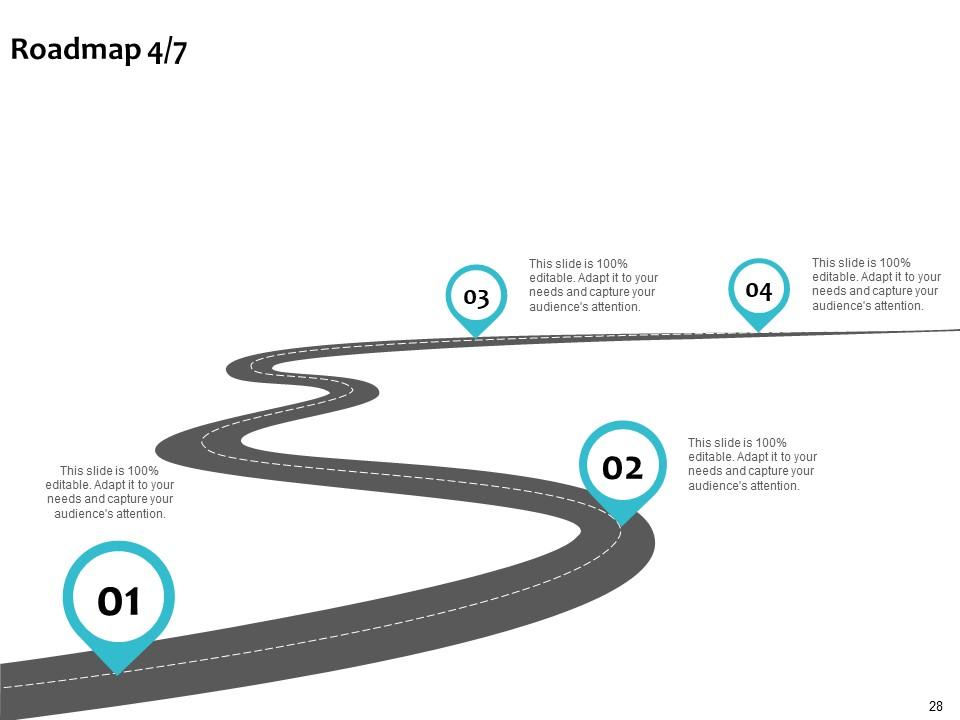
Slide 28: This slide displays Roadmap.
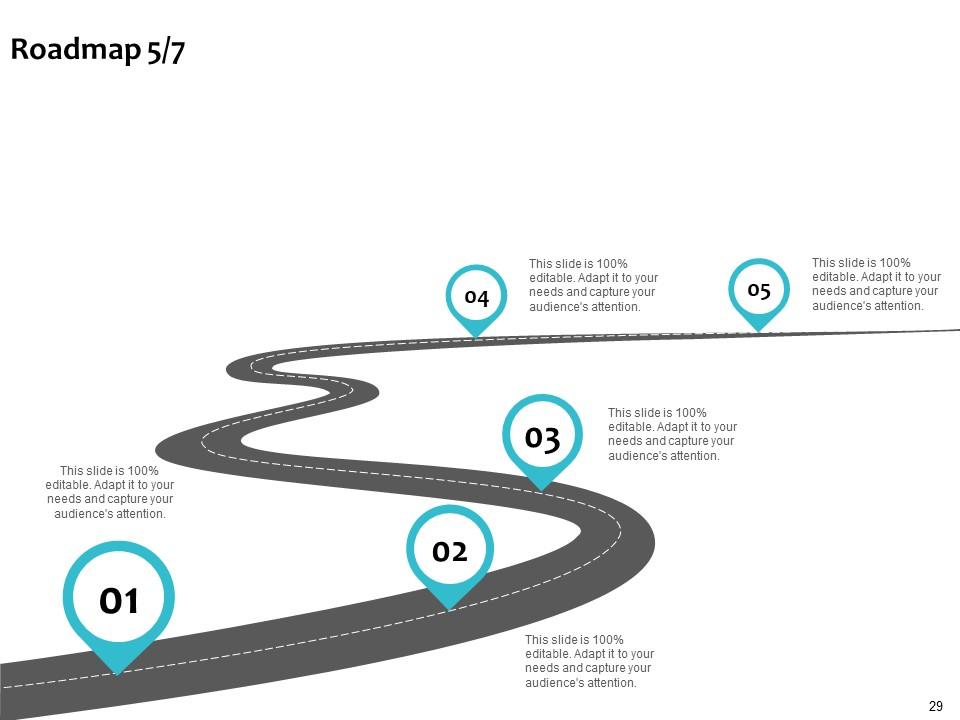
Slide 29: This slide displays Roadmap.
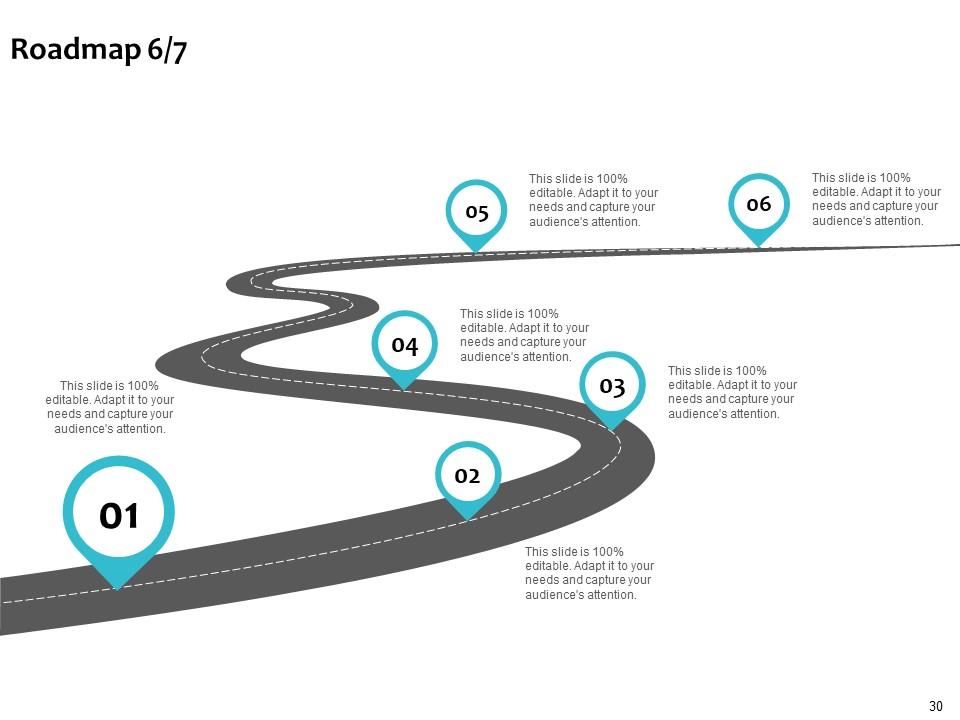
Slide 30: This slide displays Roadmap.
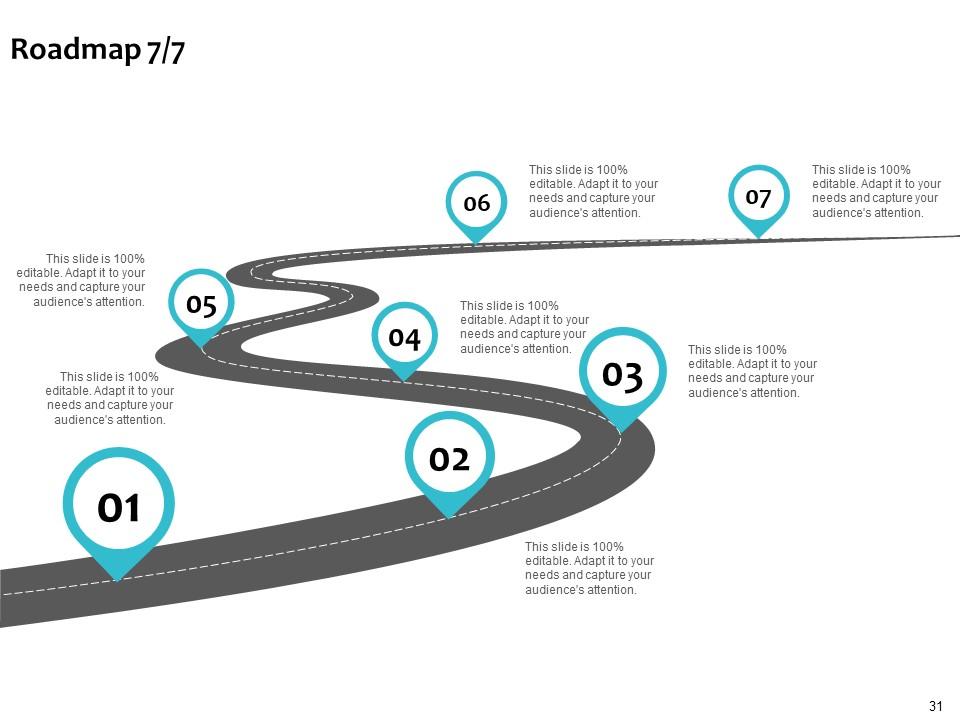
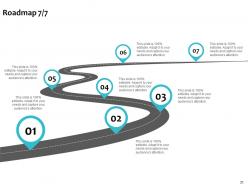
Slide 31: This slide displays Roadmap process.
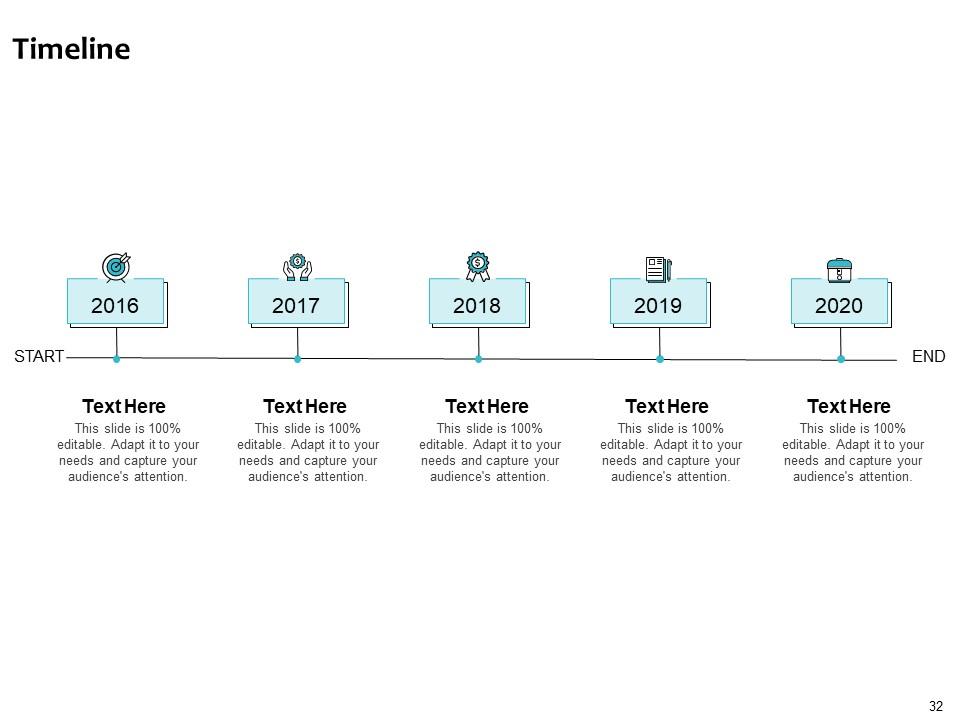
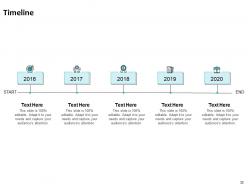
Slide 32: This slide depicts Timeline process.
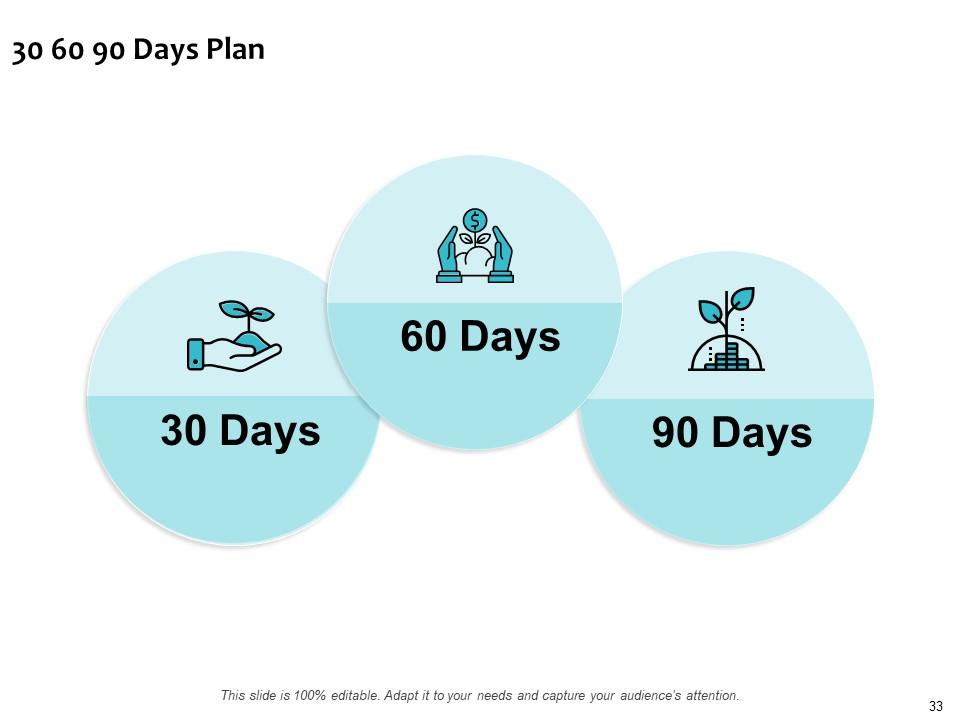
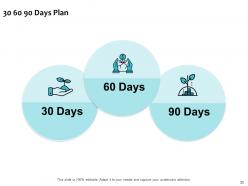
Slide 33: This is 30 60 90 Days Plan slide.
Rfp for equipment purchase powerpoint presentation slides with all 33 slides:
Individuals join due to our RFP For Equipment Purchase Powerpoint Presentation Slides. They feel immensely inspired by your ideas.
No Reviews
