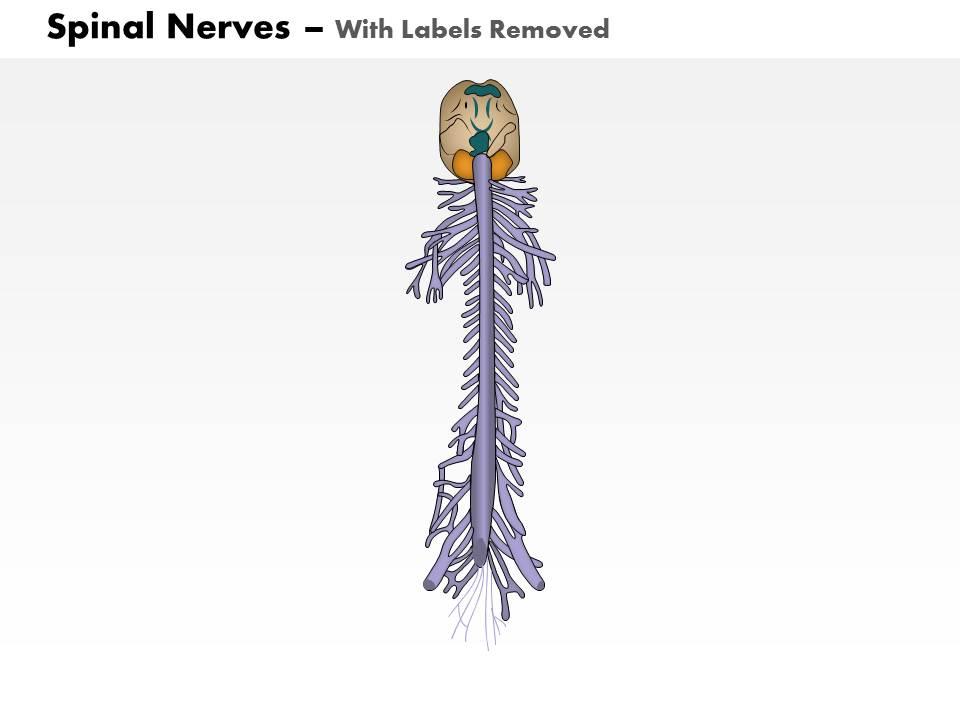
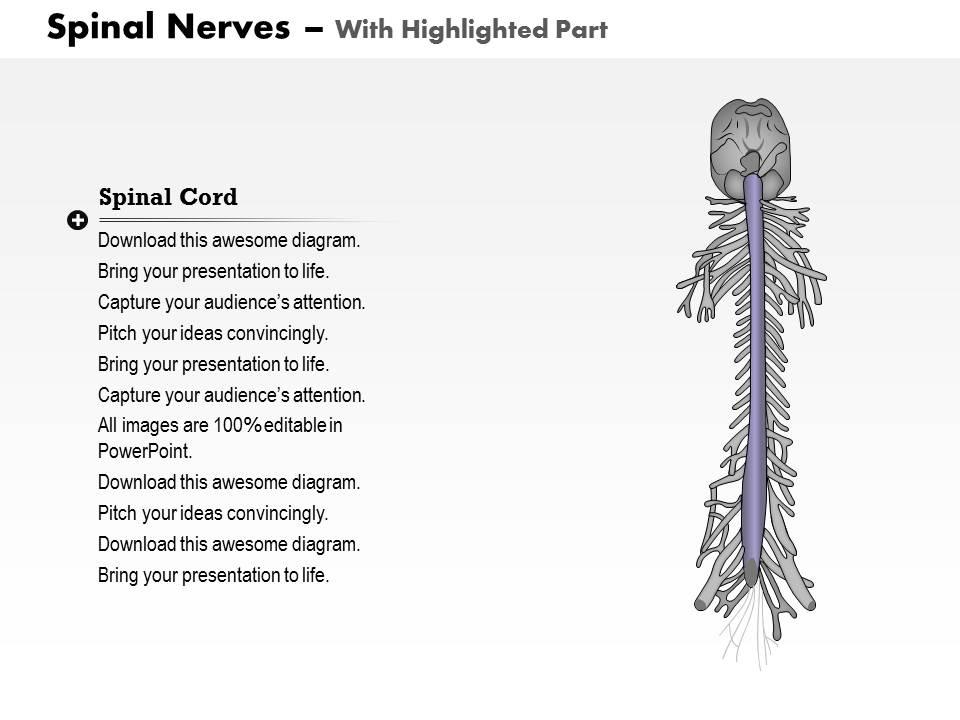
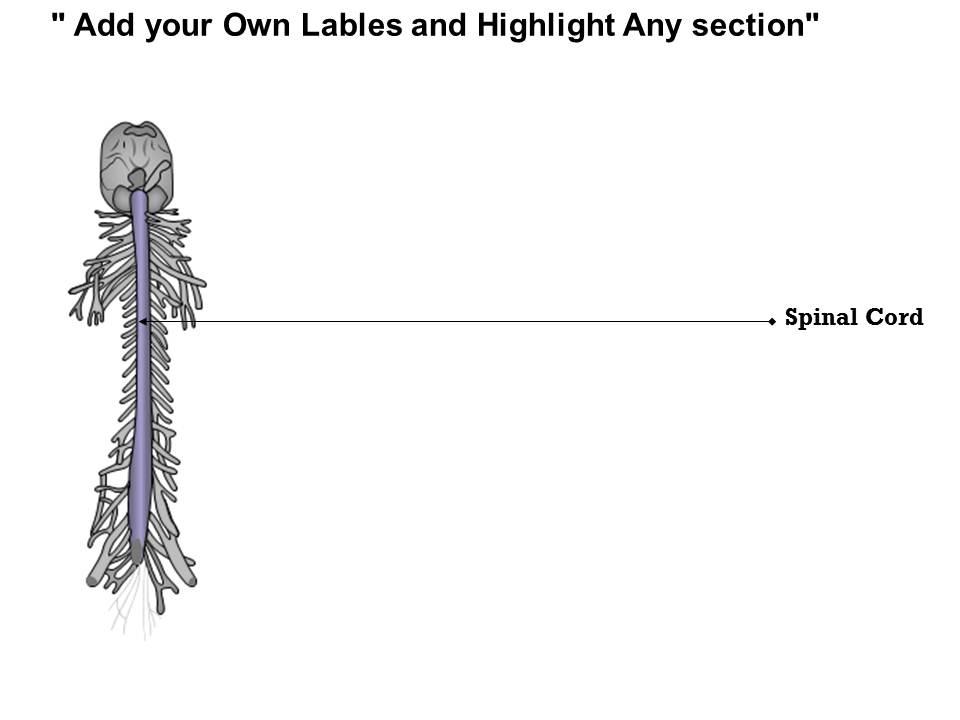
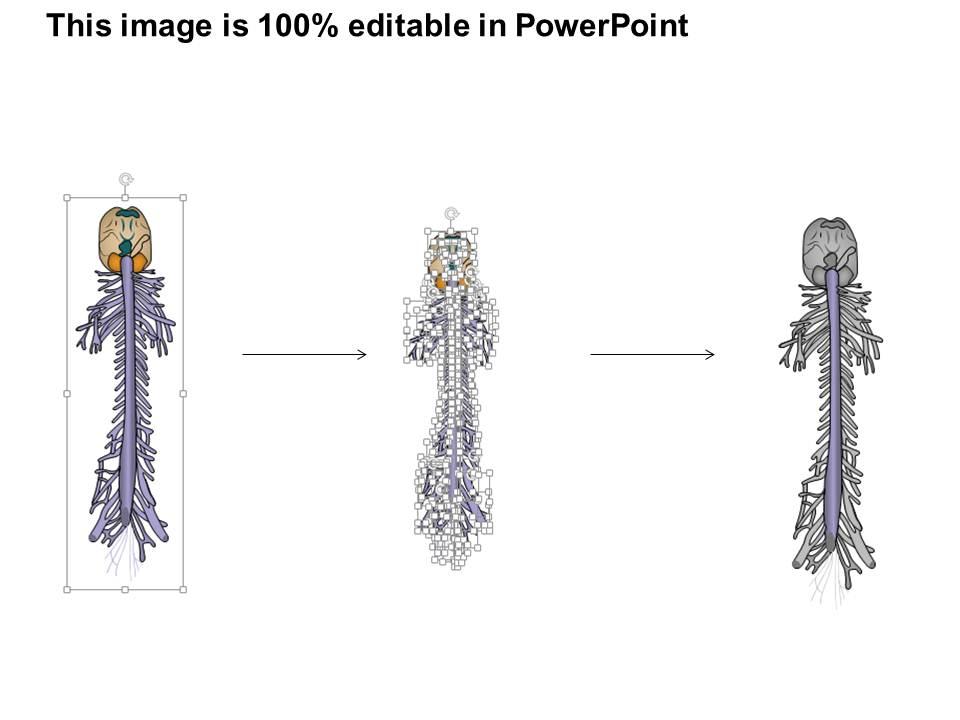
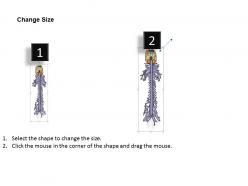
0514 spinal nerves nervous system medical images for powerpoint

Rating:
80%
0514 spinal nerves nervous system medical images for powerpoint
Slide 1 of 9
Favourites Favourites

Try Before you Buy Download Free Sample Product

Audience Impress Your
Audience
Editable 100%
Editable
Time Save Hours
of Time
The Biggest Sale is ending soon in
0
0
:
0
0
:
0
0
AI-Ready
Upload this template to AI and ask it to make any changes to content or color
100% editable Powerpoint Template for AI-assisted presentations. Finish your work in less time. ​
Works with
Microsoft PowerPoint
Microsoft 365
Claude for PowerPoint
ChatGPT
Google Slides
Microsoft Copilot
Rating:
80%
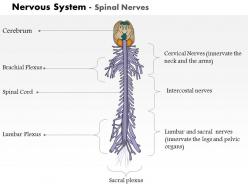
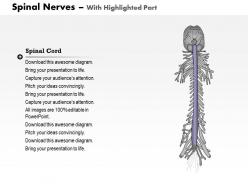
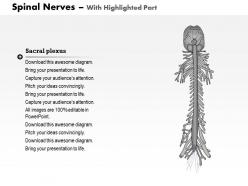
We are proud to present our 0514 spinal nerves nervous system medical images for powerpoint. The spinal nerves are mixed nerves that carry both sensory and motor signals between the spinal cord and specific regions of the body. This PowerPoint Template is very useful for medical professionals. Topics can be discussed in a more remarkable method through this Medical PowerPoint Template.

People who downloaded this PowerPoint presentation also viewed the following :

FAQs for 0514 spinal nerves nervous system medical

Spinal nerves primarily function to transmit sensory information from the body to the brain, carry motor commands from the brain to muscles, and control autonomic functions like reflexes and organ regulation. These neural pathways enable coordinated movement, pain sensation, temperature regulation, and involuntary responses, ultimately delivering integrated communication between the central nervous system and peripheral tissues throughout the body.

Spinal nerves differ from cranial nerves through their bilateral symmetry, mixed motor and sensory functions, and consistent structural organization with dorsal and ventral roots. While cranial nerves connect directly to the brain with specialized functions like vision and hearing, spinal nerves emerge from the spinal cord, serving broader body regions and enabling comprehensive peripheral nervous system coordination throughout the torso and limbs.

Dorsal and ventral roots represent the functional division of spinal nerves, with dorsal roots carrying sensory information from the body to the spinal cord, while ventral roots transmit motor commands from the cord to muscles. This anatomical separation enables precise neurological diagnostics and targeted therapeutic interventions, with healthcare professionals leveraging this knowledge for spinal assessments, surgical planning, and rehabilitation protocols, ultimately delivering more accurate diagnoses and effective treatment outcomes.

Spinal nerves facilitate reflex arcs by transmitting sensory information from receptors to the spinal cord, where interneurons process signals and motor neurons generate immediate responses. This streamlined pathway enables rapid, automatic reactions like withdrawal reflexes and protective responses, ultimately delivering faster response times and enhanced safety mechanisms, with healthcare professionals and rehabilitation specialists finding that understanding these connections enhances treatment outcomes.

Spinal nerves serve as critical pathways for transmitting sensory information from the body to the brain through their dorsal roots, which carry touch, pain, temperature, and proprioceptive signals. These neural networks enable healthcare professionals to assess neurological function systematically, with hospitals and rehabilitation centers increasingly finding that comprehensive spinal nerve evaluation enhances diagnostic accuracy and treatment outcomes.

Spinal nerve injuries disrupt motor function by impairing muscle control, coordination, and movement below the injury site, while affecting sensation through numbness, tingling, or complete sensory loss. These disruptions can range from temporary weakness to permanent paralysis, with rehabilitation programs and adaptive technologies increasingly enabling patients to regain functionality and maintain independence in daily activities.

Common spinal nerve conditions include radiculopathy, sciatica, cervical spondylosis, herniated discs, spinal stenosis, and peripheral neuropathy. These conditions affect nerve function through compression, inflammation, and structural changes, with many healthcare organizations finding that early diagnosis and comprehensive treatment approaches, including physical therapy and targeted interventions, ultimately deliver improved patient outcomes and enhanced quality of life.

Spinal nerves serve as the primary bridge between the central nervous system and peripheral nervous system, transmitting motor commands outward and sensory information inward through their dorsal and ventral roots. These neural pathways enable seamless communication across the body's network, with healthcare organizations, research institutions, and medical device companies increasingly leveraging this integration for advanced diagnostic tools, therapeutic interventions, and patient monitoring systems that enhance treatment precision.

Spinal nerve disorder diagnosis techniques include physical examinations, electromyography (EMG), nerve conduction studies, MRI imaging, CT scans, and myelography. These diagnostic approaches enable healthcare providers to identify nerve compression, inflammation, and functional impairments by assessing muscle response, nerve signal transmission, and structural abnormalities, ultimately delivering precise treatment planning and improved patient outcomes.

Spinal nerves facilitate communication by transmitting motor signals from the brain and spinal cord to muscles while carrying sensory feedback from joints, tendons, and muscles back to the central nervous system. This bidirectional pathway enables precise movement coordination, postural adjustments, and reflex responses, with healthcare professionals and rehabilitation specialists increasingly leveraging this understanding to enhance treatment outcomes and optimize patient recovery protocols.

Recent spinal nerve research advancements include optogenetics for nerve stimulation, bioengineered nerve grafts, advanced imaging techniques like high-resolution MRI, stem cell therapies, and neuroprotective drug treatments. These innovations enhance surgical precision, accelerate recovery times, and improve patient outcomes, with many medical institutions finding that combining these approaches delivers more effective treatments and better quality of life for patients.

Spinal nerve injuries typically present more complex recovery prospects than peripheral nerve injuries due to their proximity to the central nervous system and limited regenerative capacity. While peripheral nerves can often regenerate through surgical repair and rehabilitation, spinal nerve recovery depends heavily on injury location, severity, and timing of intervention, with cervical injuries generally offering better outcomes than thoracic or lumbar injuries, ultimately requiring comprehensive, long-term rehabilitation approaches.

Spinal nerves contribute to autonomic functions through sympathetic pathways that emerge from thoracic and lumbar regions, regulating heart rate, blood pressure, and digestive processes. These neural connections enable the body to automatically adjust cardiovascular responses during stress, exercise, and rest periods, with healthcare professionals increasingly leveraging this understanding to develop targeted treatments for autonomic disorders and enhance patient outcomes.

Spinal nerves adapt through neuroplasticity, collateral sprouting, and functional reorganization, enabling healthy neurons to assume damaged pathways' functions. These compensatory mechanisms help restore motor control and sensory processing in rehabilitation centers, clinical settings, and therapeutic environments, with many healthcare institutions finding that targeted therapies and progressive treatment protocols significantly enhance recovery outcomes and patient mobility.

Educational resources for spinal nerve physiology and pathology include interactive anatomical atlases, medical textbooks, online simulation platforms, clinical case studies, and virtual dissection tools. These comprehensive learning methods enhance understanding by combining theoretical knowledge with practical applications, visual modeling, and real-world scenarios, with many medical institutions finding that multi-modal approaches ultimately deliver deeper comprehension and improved clinical preparation.

Ratings and Reviews

80% of 100
Review Form
Write a review
Most Relevant Reviews
  1. 80%

    by Cristopher Cole

    Out of the box and creative design.
  2. 80%

    by Eddie Sandoval

    Commendable slides with attractive designs. Extremely pleased with the fact that they are easy to modify. Great work!

2 Item(s)

per page: