0514 spleen medical images for powerpoint

Rating:
100%
0514 spleen medical images for powerpoint
Slide 1 of 9
Favourites Favourites

Try Before you Buy Download Free Sample Product

Audience Impress Your
Audience
Editable 100%
Editable
Time Save Hours
of Time
The Biggest Sale is ending soon in
0
0
:
0
0
:
0
0
Rating:
100%
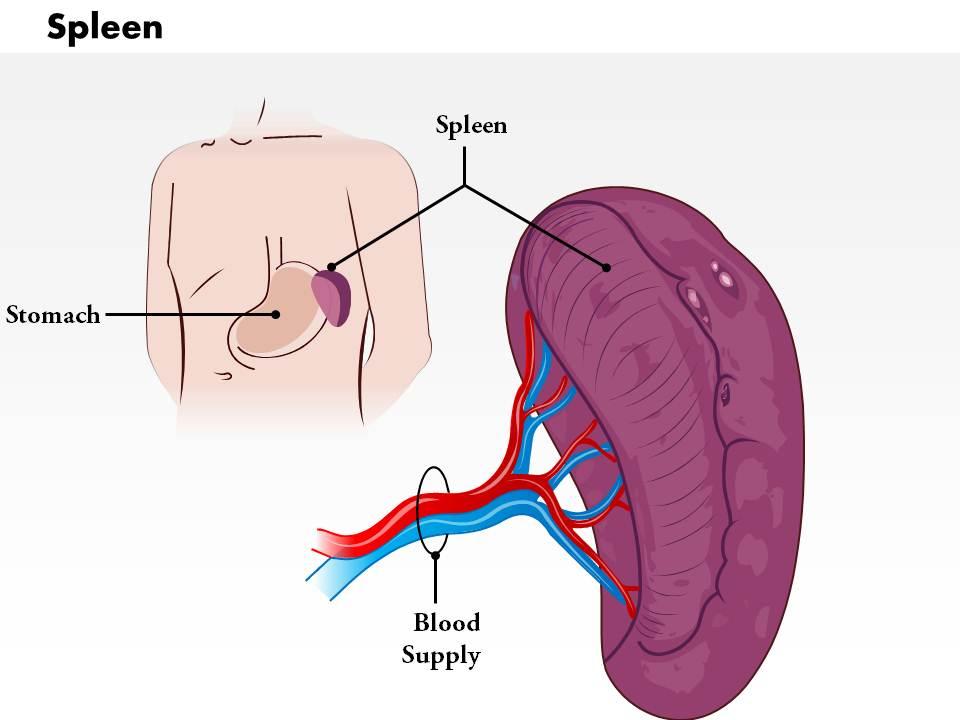
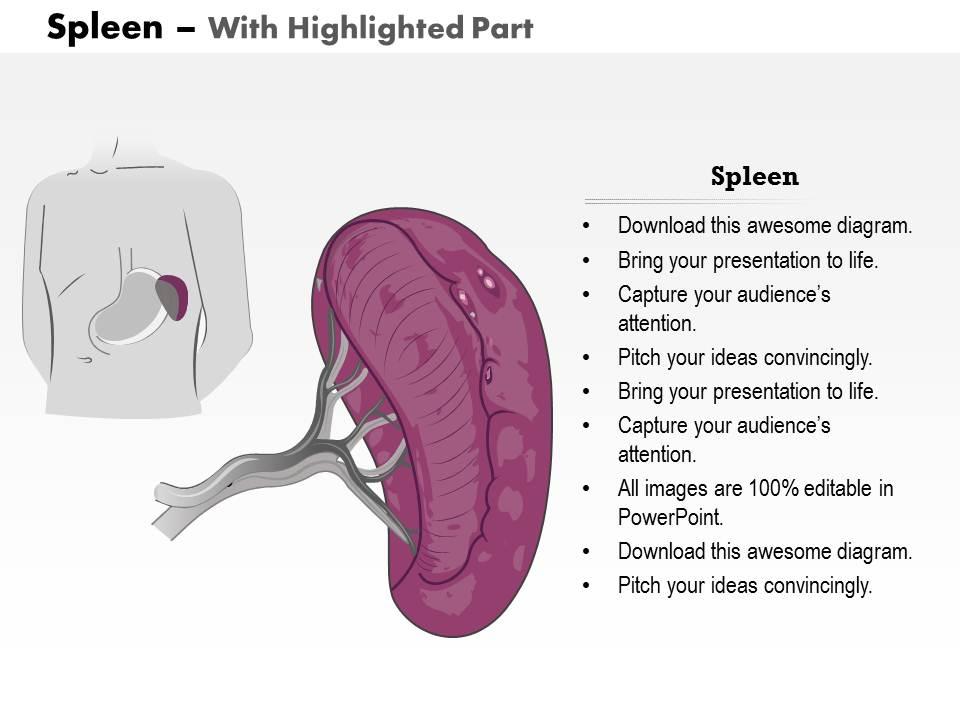
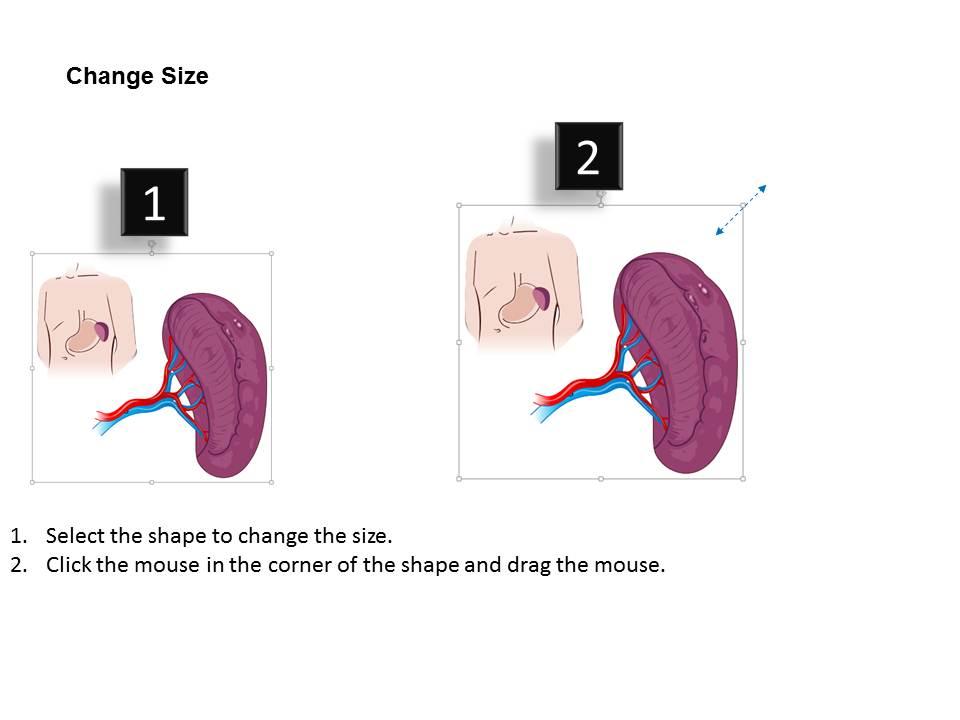
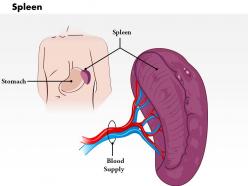
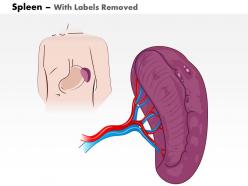
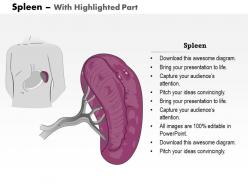
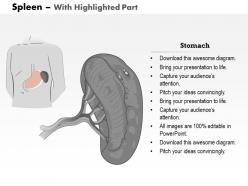
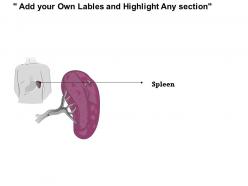
We are proud to present our 0514 spleen medical images for powerpoint. The spleen plays an important role in the human immune system by filtering old and dying red blood cells, and storing platelets. The above PowerPoint image shows composition of the Spleen. Use this medical PowerPoint template to make your medical presentation attractive and use it in seminars to clear your views about the topic.

People who downloaded this PowerPoint presentation also viewed the following :

FAQs for 0514 spleen medical

So your spleen is basically filtering your blood 24/7 - gets rid of old red blood cells and recycles the iron. Pretty efficient actually. It also stockpiles white blood cells and platelets for when your immune system needs backup. Helps make antibodies too, which is clutch for fighting infections. You can technically live without one, though you'd get sick more easily. Most people don't think about it until something's wrong - like if you get that sharp pain under your left ribs, that's definitely spleen territory and worth getting checked out.

So your spleen is like a filter for your blood - catches old red blood cells and bacteria before they cause problems. It's loaded with white blood cells that hunt down infections and stores antibodies too. Honestly, it's pretty underrated as far as organs go. You can survive without one, but you'd get sick way easier, especially from certain bacterial infections. That's why people without spleens usually take antibiotics before things like dental cleanings. Your body loses a major part of its defense system without it.

So you're gonna see splenomegaly a lot - that's just fancy talk for enlarged spleen. Trauma can cause ruptures too, which is scary stuff. Blood disorders mess with it constantly - sickle cell, lymphomas, you name it. Hypersplenism is when it goes rogue and starts eating your blood cells like crazy. Cysts and abscesses happen but they're not super common. The thing is, your spleen filters blood AND runs immune stuff, so it gets dragged into everything. Left side pain or weird blood counts? Yeah, definitely check the spleen first.

So your spleen basically teams up with lymph nodes and bone marrow - they're all part of your immune system. While lymph nodes filter that clear lymph fluid, your spleen's filtering blood. Pretty cool how they share the same immune cells (lymphocytes and macrophages) to communicate threats back and forth. Your spleen also breaks down old red blood cells and ships iron back to bone marrow for making new ones. The thymus trains T-cells that end up patrolling through your spleen too. Oh, and if you're looking at lymphatic disorders - spleen issues usually cause lymph node changes since everything's so connected.

So doctors usually start by feeling around your abdomen to check if your spleen's enlarged. Blood work comes next - they're looking at your platelet count since spleens basically collect platelets like Pokemon cards. Ultrasound or CT scan will show them what's actually going on size-wise. MRI might come into play if they need more detail, but honestly that's overkill for most situations. There's also nuclear medicine scans for function, though those are pretty rare now. Your basic combo is physical exam, blood tests, and ultrasound - that'll catch most problems.

So yeah, losing your spleen basically removes one of your body's main infection filters - kind of like taking out a security guard. The big worry is encapsulated bacteria, especially pneumococcus and meningococcus. You'll definitely need those vaccines (pneumococcal, meningococcal, Hib) and honestly, timing matters - get them at least 2 weeks before surgery if possible. Some doctors are pretty strict about prophylactic antibiotics for things like travel or dental procedures too. It's not that you're totally immunocompromised, but you've gotta be way more careful about preventing certain bacterial nasties. Worth taking seriously.

Your spleen's basically a filter for your blood - it catches all the old, beat-up red blood cells as they flow through. Pretty neat how it works actually. Instead of just getting rid of them, it breaks everything down and saves the good stuff like iron. That iron goes straight back to your bone marrow to make new cells. It's like having a recycling plant running 24/7 inside you! Keeps your blood clean and stops damaged cells from gunking up your system. If you've got blood issues, this is why doctors always check your spleen.

Hey! So basically when your spleen's acting up, it really tanks your performance. You'll feel wiped out way faster than usual because it messes with your red blood cell storage and blood filtering. That nagging heavy feeling on your left side is the worst too. Contact sports? Forget about it - spleen rupture is legitimately terrifying. I had a teammate deal with this last year and he was out for months. If you're dragging during workouts or your stomach area feels off, seriously go get checked before you compete again. Better safe than sorry with this stuff.

Honestly, most people with a slightly enlarged spleen don't feel anything - which is pretty weird if you ask me. But when it gets bigger, you'll usually get this fullness or pain in your upper left belly that can shoot up to your shoulder. You might feel full after just a few bites because it's pressing on your stomach. Fatigue's common too. So is bruising easily and getting sick more often. The annoying thing? These symptoms are super vague and could be anything. If that left-side pain keeps bugging you though, definitely get some imaging done.

Mono is the big one that comes to mind - your spleen can literally double or triple in size, which is why they make you sit out sports for like 6 weeks. I remember my roommate couldn't even lift heavy stuff. Sickle cell does it too, but through a totally different process. Lymphomas will also cause splenomegaly by infiltrating with weird cells. Oh, and certain infections mess with it as well. Basically anything that overwhelms the spleen's filtering system or invades it directly. If someone's got pain in that left upper area, definitely feel around gently and maybe get imaging. The spleen's surprisingly fragile when it's swollen.

So basically human spleens are way smaller than other mammals - we only store like 5% of our red blood cells there. Dogs and horses? They can pack away 30% of theirs. Crazy right? When they get stressed or need to run, boom - instant oxygen boost from all those stored cells. Makes them way better at endurance stuff than us. I always thought that was kind of unfair honestly. Our immune functions work pretty similarly though. Oh and if you're studying this for class, definitely focus on the red pulp area - that's where all the blood storage happens.

So your spleen actually gets lazier with age - it shrinks down and other organs have to step up for immune stuff. But pregnancy? Total opposite story. It goes crazy expanding to handle all that extra blood volume and keep both mom and baby's immune systems running. Pretty cool how it just adapts like that. Usually everything goes back to normal after delivery though. Oh and if you're seeing patients in these groups, bigger spleens might just be doing their job, not necessarily something wrong. Size changes can be totally normal depending on what's happening.

Hey! The spleen research stuff is actually getting pretty exciting. Scientists are figuring out how to boost its natural self-repair abilities using stem cells and tissue engineering. Growth factors that speed up healing are showing real promise too. There's some wild bioengineered scaffold work happening - basically rebuilding splenic tissue after it gets damaged or removed. I mean, the tech is honestly kind of mind-blowing when you think about it. If you're working with spleen injuries, this could be huge. We might actually have legit regenerative treatments in the next ten years or so.

So when you're fighting an infection, your spleen basically goes into beast mode. It starts pumping out way more white blood cells and filters all the nasty stuff from your blood. Think of it like having an extra security guard working double shifts. Your spleen also dumps its stored immune cells into your system and cranks up antibody production. That's actually why it swells up sometimes - doctors call it splenomegaly, which sounds way fancier than "angry spleen." BTW, if you get pain in your left side under your ribs during a bad infection, definitely don't ignore that.

So basically, your spleen really hates processed junk and too much booze - they make it work overtime trying to filter all that crap out. Whole foods are your friend here. Exercise keeps blood flowing through it properly, which honestly makes sense when you think about it. Stress is weirdly hard on your spleen too since it tanks your immune system. I never really thought about this until recently, but sleep plays a huge role. Get your stress under control and move your body regularly. Your spleen's doing a lot behind the scenes, so don't make its job harder than it needs to be.

Ratings and Reviews

100% of 100
Write a review
Most Relevant Reviews
  1. 100%

    by Dale Tran

    Really like the color and design of the presentation.
  2. 100%

    by Dion Dunn

    Use of icon with content is very relateable, informative and appealing.

2 Item(s)

per page: