

0614 eosinophil immune system medical images for powerpoint





Try Before you Buy Download Free Sample Product
 Impress Your
Audience
 100%
Editable
 Save Hours
of Time


The going is always fresh and bubbly with our 0614 Eosinophil Immune System Medical Images For PowerPoint. They help you get away from ennui.
People who downloaded this PowerPoint presentation also viewed the following :
0614 eosinophil immune system medical images for powerpoint with all 11 slides:
When you want to share information in graphs or bar chart form, we can help you do that. We have 0614 Eosinophil Immune System Medical Images For PowerPoint specifically created to present data in the best way possible.




FAQs for 0614 eosinophil immune system medical
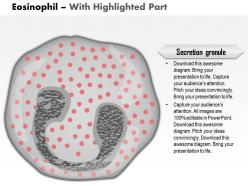
Eosinophils serve as specialized white blood cells that combat parasitic infections, regulate allergic reactions, and help eliminate toxins from tissues. These immune cells release granules containing enzymes and proteins that destroy parasites and modulate inflammatory responses, with hospitals and research institutions finding that elevated eosinophil levels often indicate allergic conditions or parasitic diseases requiring targeted treatment approaches.
Eosinophils are activated through cytokine signals like IL-5, IL-3, and GM-CSF, along with chemokines including eotaxins and RANTES, which facilitate recruitment and degranulation. These activation pathways enable healthcare institutions and pharmaceutical companies to develop targeted therapies for allergic conditions and parasitic infections, ultimately delivering more precise treatments and improved patient outcomes.
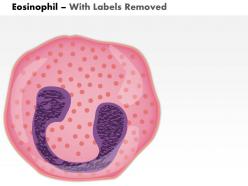
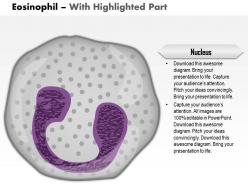
Eosinophils differ from other white blood cells through their distinctive granular structure, acidophilic staining properties, bilobed nucleus, and specialized function in combating parasitic infections and allergic reactions. While neutrophils handle bacterial infections and lymphocytes manage adaptive immunity, eosinophils specifically target helminths, allergens, and inflammatory responses, making them essential diagnostic markers for allergic conditions, asthma, and parasitic diseases in clinical settings.
Eosinophils contribute to allergic reactions by releasing inflammatory mediators like histamine, leukotrienes, and cytotoxic proteins when activated by allergens. These specialized white blood cells accumulate at reaction sites, promoting tissue inflammation and damage while amplifying immune responses, ultimately leading to symptoms like swelling, itching, and respiratory distress in sensitive individuals.
Eosinophils play a crucial role in defending against parasitic infections by releasing toxic granules that damage parasite surfaces, recruiting other immune cells, and producing inflammatory mediators. These white blood cells significantly increase during helminth infections like roundworms and hookworms, with elevated eosinophil counts often serving as key diagnostic indicators for parasitic diseases in clinical settings.
Eosinophils participate in tissue repair by releasing growth factors, anti-inflammatory mediators, and matrix metalloproteinases that promote healing and remodeling processes. Through controlled degranulation and cytokine secretion, these cells facilitate wound closure, collagen deposition, and angiogenesis in affected tissues, while also helping resolve inflammatory responses, ultimately supporting restoration of normal tissue architecture and function.
Eosinophils significantly worsen asthma and respiratory conditions by releasing inflammatory mediators, damaging airway tissues, and promoting mucus production and airway remodeling. In severe asthma cases, elevated eosinophil levels correlate with increased hospitalizations, steroid resistance, and reduced lung function, while targeted eosinophil therapies increasingly deliver improved symptom control and reduced exacerbations.
Eosinophil levels are measured through complete blood count (CBC) with differential, bone marrow biopsy, and tissue sample analysis using specialized staining techniques. These diagnostic approaches enable healthcare facilities to accurately assess inflammatory conditions, allergic reactions, and parasitic infections, with many hospitals finding that automated hematology analyzers streamline testing processes while delivering faster diagnostic results.
Potential complications of eosinophilia include organ damage from tissue infiltration, cardiac complications like endomyocardial fibrosis, pulmonary manifestations such as asthma or pneumonia, and neurological symptoms including seizures or stroke. These complications vary by underlying cause and eosinophil count levels, with early detection and targeted treatment helping minimize long-term tissue damage and preserve organ function.
**INPUT**: What therapies target eosinophils in the treatment of chronic diseases? **OUTPUT**: Eosinophil-targeting therapies include anti-IL-5 monoclonal antibodies like mepolizumab and benralizumab, corticosteroids, leukotriene modifiers, and anti-IgE treatments such as omalizumab. These treatments streamline chronic disease management by reducing eosinophil counts, minimizing inflammatory responses, and preventing tissue damage, with many healthcare systems finding that targeted biologics ultimately deliver improved patient outcomes and reduced hospitalization costs.
Eosinophils interact with immune cells through cytokine signaling, antigen presentation, and direct cell contact, coordinating responses with T cells, mast cells, dendritic cells, and neutrophils. These interactions enable targeted inflammatory responses, enhanced pathogen recognition, and tissue repair mechanisms, with healthcare organizations finding that understanding these cellular networks ultimately delivers more precise diagnostic approaches and improved treatment outcomes.
Recent research has revealed that eosinophils function as key regulators in autoimmune diseases, contributing to tissue inflammation, immune system modulation, and disease progression through cytokine release and cellular interactions. Studies in rheumatoid arthritis, inflammatory bowel disease, and systemic lupus erythematosus demonstrate that eosinophils enhance immune responses while also promoting tissue repair, ultimately delivering insights that enable more targeted therapeutic approaches.
Cytokines significantly regulate eosinophil function by controlling activation, migration, degranulation, and apoptosis through specific signaling pathways. IL-5, GM-CSF, and IL-3 enhance eosinophil survival and proliferation, while IL-4 and IL-13 promote tissue recruitment, with many inflammatory conditions finding that cytokine dysregulation ultimately drives eosinophil-mediated pathology and therapeutic responses.
Eosinophil count variations include differences by age, ethnicity, geographic location, parasitic infection exposure, and allergic disease prevalence across populations. Children typically show higher counts than adults, tropical regions demonstrate elevated levels due to parasitic infections, and certain ethnic groups exhibit naturally higher baselines, with healthcare providers increasingly recognizing these variations for accurate diagnostic interpretation and treatment planning.
Understanding eosinophils enables personalized medicine by identifying individual inflammatory patterns, allergic sensitivities, and immune responses that guide targeted treatment selection. Healthcare providers leverage eosinophil profiles to customize therapies for asthma, allergies, and autoimmune conditions, with many hospitals finding that personalized approaches deliver faster recovery times, reduced adverse reactions, and ultimately enhanced patient outcomes.
-
Really like the color and design of the presentation.
-
Out of the box and creative design.